

American history stretches back thousands of years through indigenous civilizations, then layers in centuries of colonial settlement, revolution, expansion, conflict, and social transformation.
Some cities played starring roles in these narratives — places where pivotal decisions were made, battles fought, movements launched, and the country’s trajectory fundamentally shifted.
These aren’t just cities with old buildings.
They’re locations where history remains visible and woven into the urban fabric in ways that make the past feel immediate.
History-focused travel means something different than general sightseeing.
It’s about walking streets where significant events unfolded, standing in rooms where crucial conversations happened, and connecting physical places to the stories that shaped a nation.
Certain American cities excel at this while remaining vibrant, functional places rather than museum pieces.
Here are the US cities that deliver most powerfully for history enthusiasts.
Boston
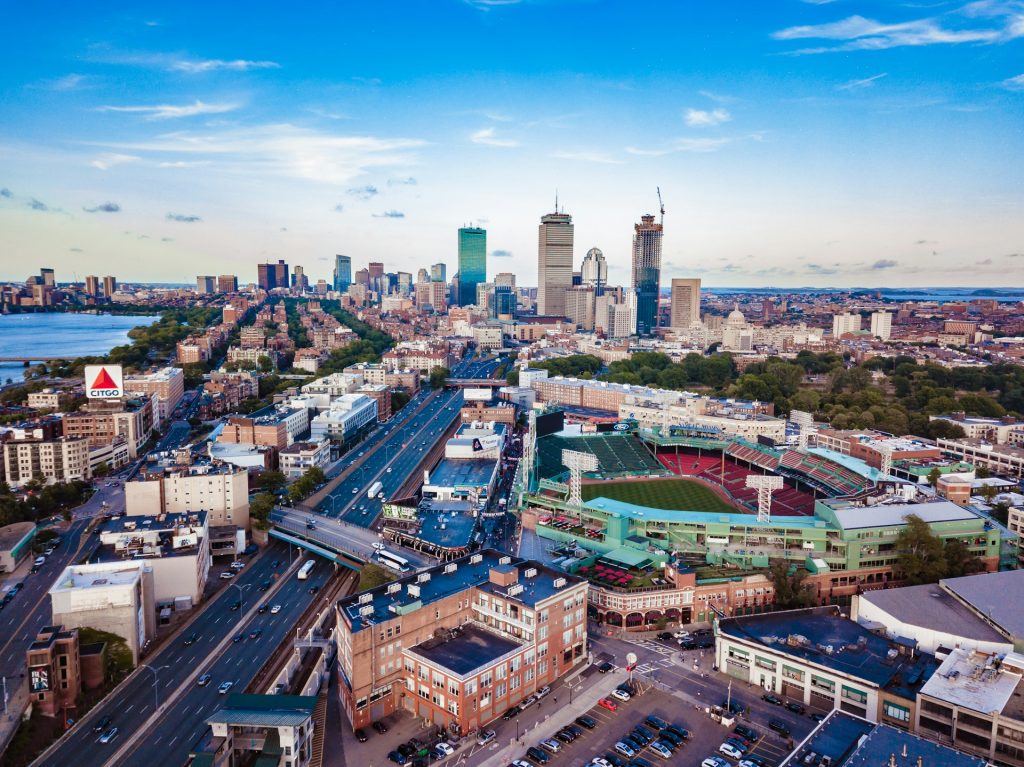
Boston sits at the center of American revolutionary history.
The Freedom Trail connects 16 historical sites across 2.5 miles of downtown walking, tracing the path from colonial dissent to full rebellion.
The trail includes the Old State House where the Boston Massacre occurred in 1770, Faneuil Hall, where colonists debated independence, and the Old North Church, where lanterns signaled British troop movements the night of Paul Revere’s ride.
These aren’t reconstructions — they’re the actual buildings.
Beyond revolutionary sites, Boston preserves layers of other American history.
The Black Heritage Trail explores the city’s role in the abolitionist movement.
The Boston Tea Party Ships & Museum recreates the 1773 protest with period vessels.
Beacon Hill maintains Federal-style rowhouses from the early 1800s.
The USS Constitution, launched in 1797, still sits docked in Charlestown Navy Yard as a commissioned naval vessel.
History here doesn’t get cordoned off into isolated attractions — it’s embedded in daily life.
Philadelphia
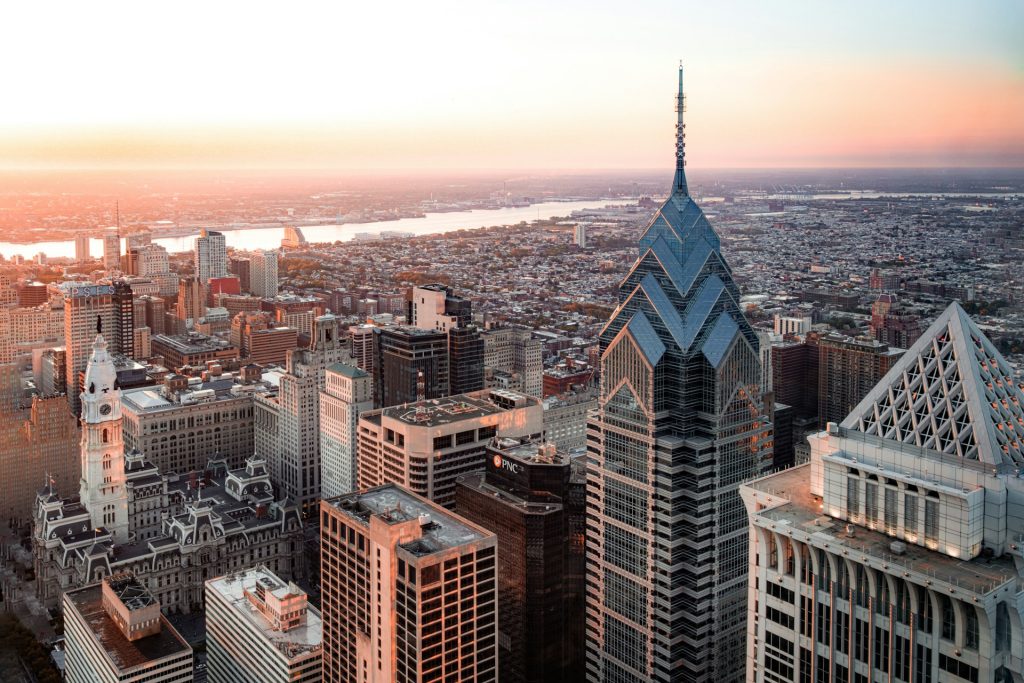
Philadelphia earned “The Birthplace of America” honestly.
Independence Hall hosted both the signing of the Declaration of Independence in 1776 and the drafting of the Constitution in 1787.
The Liberty Bell, crack and all, remains one of American history’s most recognizable symbols.
Independence National Historical Park encompasses these sites plus dozens of other colonial and revolutionary-era buildings within a compact downtown area.
The city’s historical significance extends well beyond independence.
Eastern State Penitentiary, operational from 1829 to 1971, pioneered the concept of solitary confinement and influenced prison design worldwide.
Elfreth’s Alley, continuously inhabited since 1702, claims to be America’s oldest residential street.
The National Constitution Center provides deep dives into constitutional history and ongoing debates.
Philadelphia played crucial roles in abolitionist movements, early American medicine, and industrial development too.
The historical depth here spans multiple centuries, not just the revolutionary period.
Washington, D.C.

The nation’s capital functions as a living museum of American government and culture.
The National Mall stretches from the Capitol to the Lincoln Memorial, lined with monuments and memorials.
The Smithsonian operates 11 museums along or near the Mall, covering everything from American history to natural history to African American culture.
All Smithsonian museums are free, which removes financial barriers to accessing these collections.
Beyond the Mall, Georgetown preserves 18th-century architecture and cobblestone streets.
Ford’s Theatre, where Lincoln was shot in 1865, operates as both a working theater and a museum.
The Supreme Court and Capitol Building offer tours that contextualize how the American government actually functions.
Arlington National Cemetery holds graves of service members from every American conflict since the Revolutionary War.
D.C.’s concentration of historical sites, archives, and institutions is unmatched — though its role as a functioning capital rather than just a historical destination adds complexity to visiting.
Charleston

Charleston predates the Revolution by decades, founded in 1670 as Charles Town.
The historic district preserves one of the largest collections of pre-Revolutionary War buildings in the country.
Rainbow Row’s colorful Georgian townhouses date to the mid-1700s.
The Old Exchange Building witnessed pivotal Revolutionary War events.
Fort Sumter, where the Civil War’s first shots were fired in 1861, sits in Charleston Harbor and is accessible by boat.
Charleston’s history includes darker chapters that the city has increasingly worked to acknowledge.
The Old Slave Mart Museum occupies a building where enslaved people were auctioned, providing unflinching examination of the domestic slave trade.
The International African American Museum, which opened in 2023, sits on Gadsden’s Wharf where nearly half of enslaved Africans entered North America.
The preserved architecture creates an immersive historical environment, yet the city’s contemporary reckoning with its complicated past adds necessary depth to historical tourism there.
Savannah
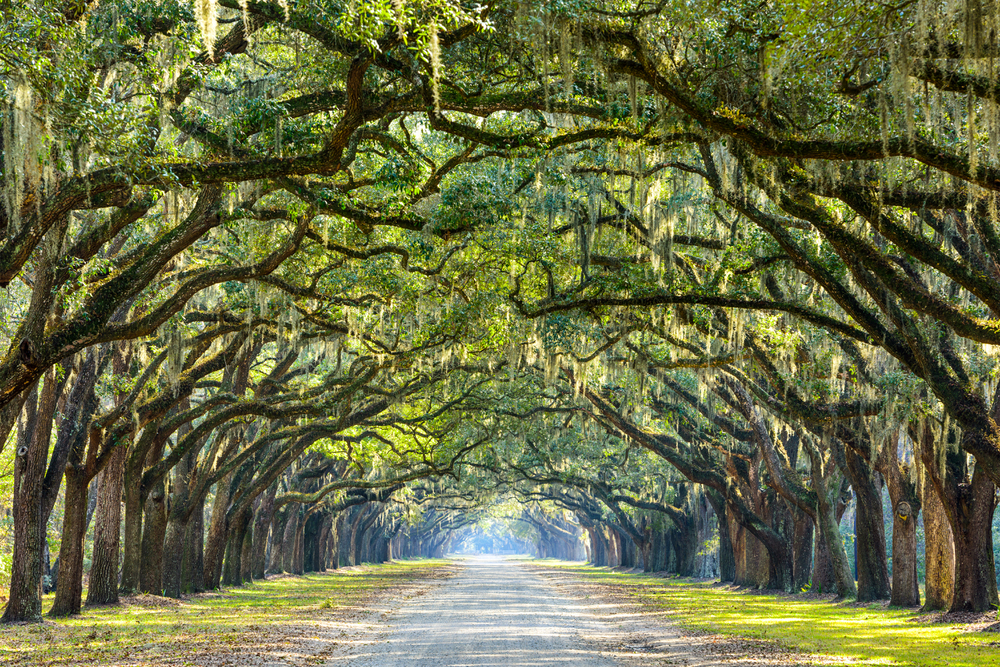
James Oglethorpe founded Savannah in 1733, laying out the city in a distinctive grid pattern of squares that persists today.
These 22 remaining squares, each surrounded by historic homes and churches, give Savannah a walkable feel rare among American cities.
The historic district encompasses over 2.5 square miles of preserved 18th and 19th-century architecture — one of the largest urban historic districts in the United States.
Savannah played significant roles in both the Revolutionary War and Civil War.
Sherman’s March to the Sea concluded there in December 1864.
The waterfront preserves Factor’s Walk, where cotton brokers conducted business in the 1800s when Savannah served as a major cotton port.
Bonaventure Cemetery contains graves dating to the 1800s and Spanish moss-draped oaks that create an atmospheric connection to the past.
Savannah balances historical preservation with contemporary Southern culture in ways that feel organic.
New Orleans
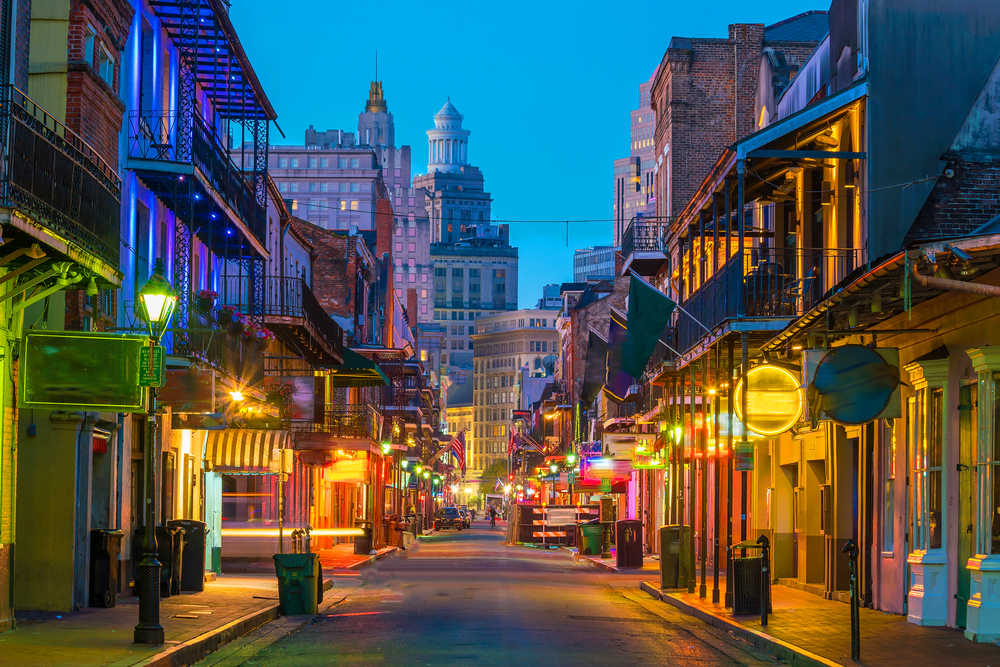
New Orleans developed under French and Spanish colonial rule before becoming American territory through the Louisiana Purchase in 1803.
This multicultural heritage created a city unlike anywhere else in the United States.
The French Quarter retains its Creole architecture — actually more Spanish than French after fires in the late 1700s required rebuilding.
Jackson Square, St. Louis Cathedral, and the Cabildo anchor the Quarter’s historical core.
The city’s history encompasses more than colonial buildings.
Congo Square in Louis Armstrong Park was the only place in North America where enslaved people could legally gather and maintain African cultural practices, directly influencing the development of jazz.
The Garden District showcases antebellum mansions and Greek Revival architecture.
The National WWII Museum has become one of the country’s premier military history museums despite the city’s older history.
New Orleans also embodies living history through cultural continuity — second-line parades, Mardi Gras traditions, Creole and Cajun foodways — that connect present-day practices to centuries-old origins.
Gettysburg
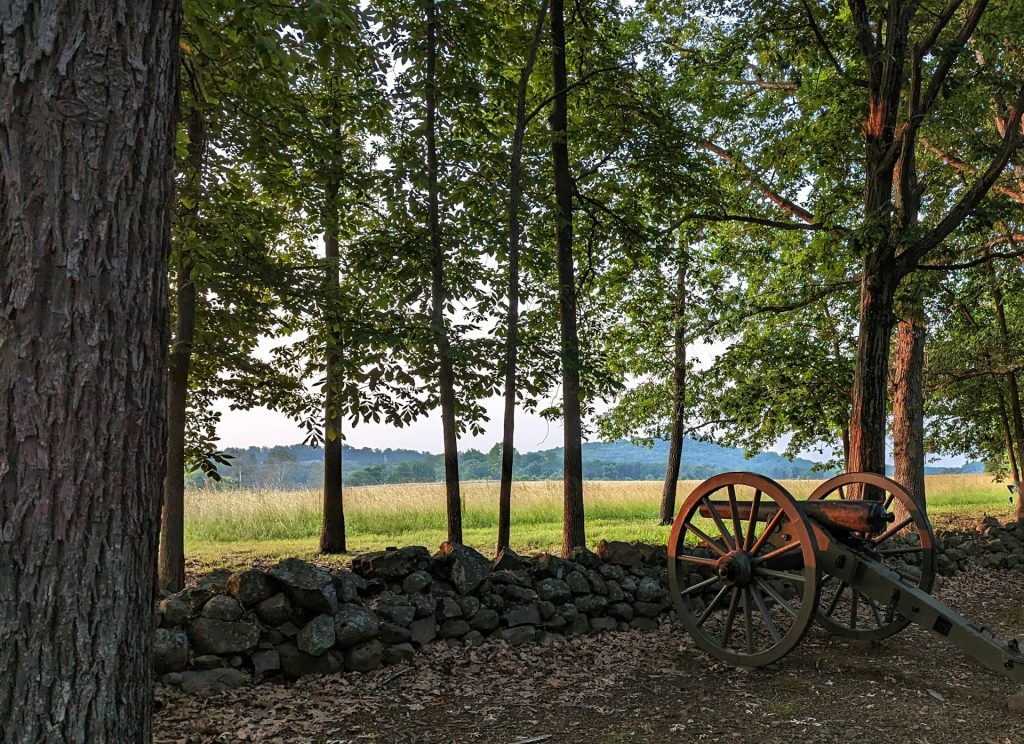
Gettysburg functions almost entirely as a historical destination.
The town’s identity is inseparable from the three-day battle fought there in July 1863.
Gettysburg National Military Park preserves the battlefield where Union and Confederate forces fought the Civil War’s bloodiest engagement and arguably its turning point.
Over 1,300 monuments, markers, and memorials dot the landscape, marking positions of specific regiments and commemorating about 51,000 casualties.
The battlefield’s scale lets visitors understand military strategy and the battle’s progression across three days.
Cemetery Hill, Little Round Top, Devil’s Den, and Pickett’s Charge are names that resonate in American military history.
Walking these locations provides context that maps can’t fully convey.
The Gettysburg Museum and Visitor Center houses extensive artifact collections.
Lincoln delivered the Gettysburg Address four months after the battle at the dedication of the Soldiers’ National Cemetery, now part of the park.
While Gettysburg is small and focused on a single event, the significance of that event and the thoroughness of its preservation make it essential for Civil War history enthusiasts.
San Antonio
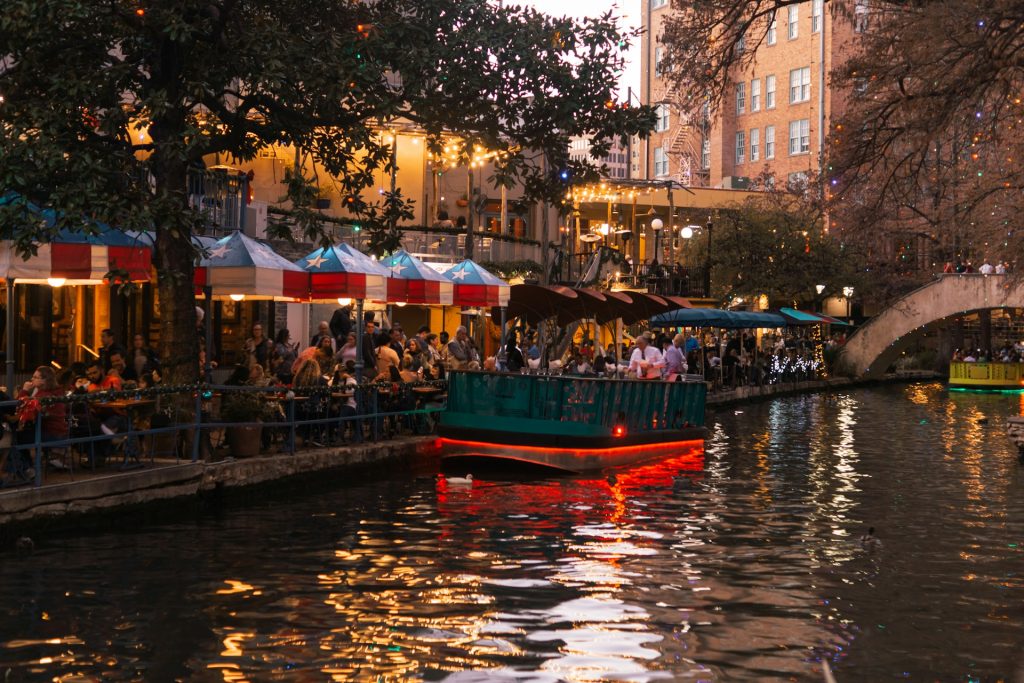
San Antonio’s history stretches back to Spanish colonial missions in the early 1700s.
The Alamo, originally Mission San Antonio de Valero, became famous as the site of the 1836 battle where Texan forces held out against the Mexican army during the Texas Revolution.
The mission sits in downtown San Antonio, surrounded by modern development yet still conveying its historical significance.
Four other Spanish colonial missions along the San Antonio River — Concepción, San José, San Juan, and Espada — form a UNESCO World Heritage Site and remain active parishes.
Beyond missions and the Alamo, San Antonio preserves its multicultural heritage through architecture and cultural sites.
The San Antonio River Walk, though now quite commercial, follows waterways that shaped the city’s development.
The Spanish Governor’s Palace dates to 1722.
Market Square maintains its role as a Mexican marketplace.
Military history runs deep here too — San Antonio hosts one of the country’s largest concentrations of military installations.
The city’s layers of Spanish, Mexican, Texan, and American history create a narrative arc different from East Coast cities, representing the Southwest’s distinct historical trajectory.
Why physical presence matters

Reading about history provides knowledge.
Standing where history happened creates something else — a spatial and emotional connection that books can’t fully replicate.
These cities preserve that opportunity through maintained sites, knowledgeable interpretation, and urban landscapes that haven’t erased their historical layers beneath generic development.
The best historical cities balance preservation with authentic contemporary life.
They’re not theme parks frozen in time but living places where history coexists with modern functions.
That balance means seeing the past while understanding its connection to present circumstances.
These cities provide both the sites and the context to make American history feel less like abstract dates and more like experiences that happened to real people in real places that still exist.
More from Travel Pug

- Underrated Italian Towns That Beat the Tourist Crowds
- Las Vegas Tourist Traps to Skip
- Prettiest Towns in Every US State
- 18 passport-free countries for Americans
- Signs Your Cruise Is Not Worth The Cost
Like Travel Pug’s content? Follow us on MSN.