

Choosing between Disney’s newest cruise ships feels like being asked to pick your favorite child. Both the Disney Wish and Disney Destiny represent the pinnacle of family cruise experiences, but they’re different enough that the right choice depends entirely on what matters most to your vacation.
The Wish launched first, establishing a new standard for Disney’s fleet. The Destiny followed with refinements and a few surprises of its own.
Ship size and layout

The Disney Destiny is slightly larger than the Wish. Both ships accommodate roughly 4,000 passengers, but the Destiny stretches a bit longer and offers marginally more deck space.
The difference isn’t dramatic enough to sway most decisions.
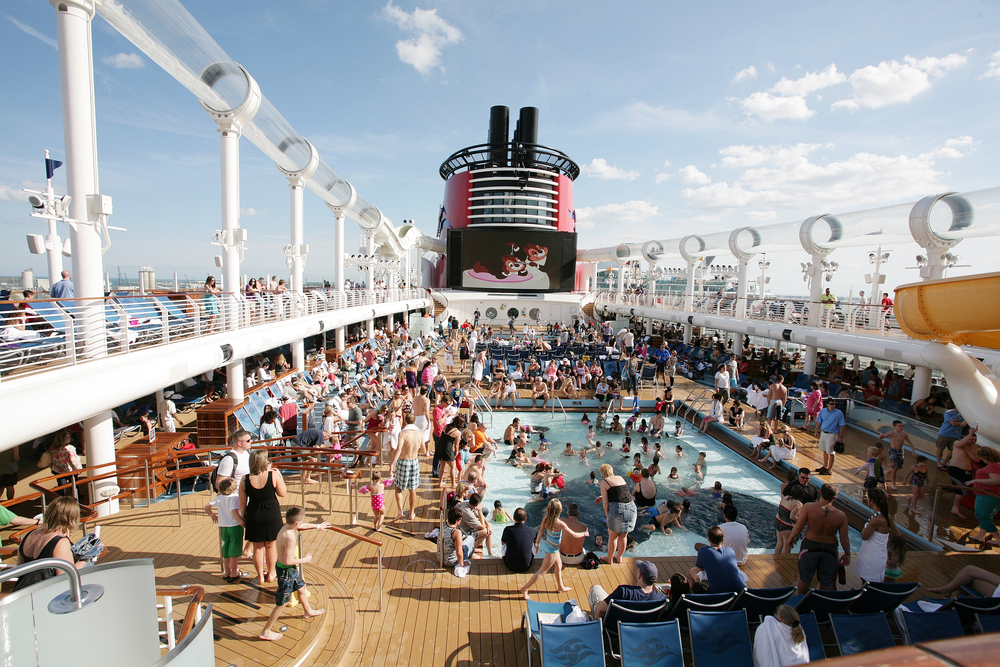
What matters more is how that space gets used. The Destiny corrects some of the Wish’s layout quirks — particularly around the pool areas, where traffic flow felt cramped during busy sea days.
Dining options

Here’s where the ships start to diverge in ways that actually matter. The Disney Wish introduced some genuinely impressive restaurants, particularly Arendelle (the Frozen-themed dining experience) and 1923, which serves modern California cuisine in a space dedicated to Disney’s animation legacy.
The Destiny builds on that foundation but swaps out a few concepts. Instead of the Wish’s Star Wars Hyperspace Lounge, the Destiny features the Haunted Mansion Parlor — a bar experience that leans into gothic elegance rather than space opera.
The choice between lightsabers and ghost hosts says something about the kind of Disney fan you are (and whether you mind your cocktails served with a side of supernatural ambiance rather than galactic conflict).
But the real difference lies in the main dining rooms, where the Destiny’s 1923 restaurant tells a different story than its counterpart on the Wish — literally. The shows and theming shift focus to different eras of Disney history.
It’s the kind of detail that Disney obsessives will notice and casual cruisers won’t.
Stateroom differences

The staterooms are nearly identical across both ships. Same square footage, same split-bathroom setup that Disney pioneered, same clever storage solutions that somehow make these rooms feel larger than they technically are.
The Destiny does feature updated USB-C charging ports in all rooms — a small but meaningful upgrade if you’re traveling with newer devices. The Wish has been retrofitted with some of these updates during dry dock periods, but coverage isn’t universal.
So the stateroom experience won’t drive your decision. Both ships sleep families comfortably, assuming your definition of comfortable includes everyone knowing exactly where everyone else is at all times.
Entertainment and shows

The signature shows represent each ship’s biggest differentiator. The Disney Wish features “Aladdin” as its Broadway-style production, along with “Disney Seas the Adventure” and “Disney The Little Mermaid.”
The Destiny counters with “Disney The Lion King,” “Disney Seas the Adventure” (the same show), and “Hercules.” The Lion King production deserves special attention — it’s not a scaled-down version of the Broadway show but rather a reimagined telling that works specifically for the cruise ship’s theater.
The puppetry and staging feel designed for the space rather than adapted to it.
And yet, entertainment preferences are deeply personal (some families will see three different Disney versions of The Lion King in a single vacation and somehow still want more, while others would rather spend those evenings on deck watching the ocean). The question isn’t which show is better — it’s which stories your family wants to experience together in a theater at sea.
Kids’ clubs and youth spaces
Disney’s youth programs are stellar across their entire fleet, and both ships maintain that standard. The Oceaneer Club features different themed areas — the Wish has a Frozen room and a Marvel Super Hero Academy, while the Destiny swaps in a Toy Story-themed space and keeps the Marvel area.
The teen spaces are nearly identical. Edge (for 11–14 year olds) and Vibe (for 14–17 year olds) occupy similar deck locations and offer the same mix of activities, gaming, and supervised socializing that somehow convinces teenagers to hang out with other teenagers instead of complaining about family vacation time.
What changes between ships is the specific programming and themed activities. The differences are real but incremental — your kids will find plenty to love on either ship.
Unique ship features

The Disney Wish’s AquaMouse water coaster became an instant hit. It’s the first Disney attraction at sea, complete with show scenes and a storyline involving Mickey and Minnie.
Lines form early and stay long throughout most cruises.
Destiny features more sophisticated lighting systems throughout its public spaces, creating atmospheres that shift from day to evening in ways that feel less abrupt than traditional cruise ship transitions.
Itinerary options

Both ships primarily sail Caribbean routes from Port Canaveral, but their schedules don’t always align. The Wish tends toward shorter 3-4 night cruises mixed with week-long sailings.
The Destiny focuses more heavily on 7-night itineraries, though Disney adjusts these schedules seasonally.
If you have limited vacation time, the ship operating shorter cruises during your available dates might decide for you. Port stops are similar enough that the specific destinations won’t differentiate the experiences much — these are Disney cruises, and the ship itself provides most of the entertainment.
Pricing considerations

The Destiny commands a slight premium as the newer ship, but Disney’s pricing fluctuates based on demand, seasonality, and booking timing more than ship amenities. The difference between ships rarely exceeds a few hundred dollars for comparable staterooms on similar itineraries.
What costs more is specific dining experiences and excursions, which are priced identically across both ships. The specialty restaurants charge the same fees, the adult-only areas cost the same to access, and the spa treatments run identical price points.
Crowds and booking demand
The Destiny draws bigger crowds simply because it’s newer. First-time Disney cruisers and Disney enthusiasts both want to experience the latest ship, which means booking competition is fiercer and popular dining reservations disappear faster.
The Wish, meanwhile, has settled into a more predictable booking pattern. It’s still a new ship by cruise industry standards, but the initial frenzy has calmed.
You’re more likely to snag last-minute reservations for specialty restaurants and adult-only areas.
Age and maintenance

Here’s something that doesn’t get discussed much but matters for your actual experience: the Wish has been operating longer, which means Disney has identified and addressed most of its operational quirks. The Destiny is still working through the typical adjustments that come with a new ship that affect everything from elevator wait times to service staff familiarity with ship layouts.
This isn’t a criticism of either ship — it’s just the reality of how cruise operations mature. The Wish runs more smoothly in small, daily ways that add up over a week-long cruise.
Technology and connectivity

The Destiny features upgraded internet infrastructure that provides noticeably better connectivity, particularly important if you need to work during your cruise or have teenagers who consider Wi-Fi a basic human right.
Both ships use Disney’s MagicBand+ system for room keys, charging privileges, and park-style interactive features throughout the ship. The technology works identically on both vessels, though the Destiny’s newer hardware tends to respond faster during peak usage times.
Service and staff experience

Service quality depends more on individual crew members than ship choice, but there are subtle differences worth noting. The Wish’s crew has more experience with the ship’s layout and systems, while the Destiny’s crew brings enthusiasm that comes with operating a brand-new vessel.
Disney’s training standards ensure consistency across both ships, but if you’re someone who notices when service flows smoothly versus when staff members need to check reference materials or consult with colleagues, the Wish currently has an edge.
Special occasions and celebrations

Both ships handle celebrations well, but the Destiny’s newer lighting and sound systems create more dramatic atmospheres for special events. Birthday parties, anniversary celebrations, and holiday programming benefit from the enhanced technical capabilities.
The Wish counters with more experienced event staff who have refined the logistics of managing multiple simultaneous celebrations across different venues. It’s a trade-off between technical polish and operational experience.
Making the right choice for your family

The decision comes down to priorities that have nothing to do with cruise ship specifications. Do you want the newest possible experience, complete with the latest Disney innovations and the satisfaction of sailing on a ship most people haven’t experienced yet?
Choose the Destiny.
Do you prefer the reliability that comes with a ship that’s worked through its growing pains, where systems run smoothly, and staff know exactly how to handle any situation that arises? The Wish makes more sense.
Your choice matters less than you think it will once you’re actually sailing. Both ships deliver the Disney cruise experience that converts skeptics and creates the kind of family memories that get referenced for years afterward.
The magic happens in the details that both ships share — the impeccable service, the seamless blend of Disney storytelling and maritime tradition, the way these floating resorts make a week at sea feel like the most natural vacation choice in the world.
More from Travel Pug

- Underrated Italian Towns That Beat the Tourist Crowds
- Las Vegas Tourist Traps to Skip
- Prettiest Towns in Every US State
- 18 passport-free countries for Americans
- Signs Your Cruise Is Not Worth The Cost
Like Travel Pug’s content? Follow us on MSN.