

When you think about global shipping, two narrow waterways control more cargo movement than anywhere else on Earth. The Panama Canal cuts through Central America while the Suez Canal slices across Egypt, and between them, they handle roughly 30% of global container traffic.
But these aren’t just alternative routes — they’re completely different experiences that shape everything from shipping costs to delivery times.
Geographic positioning
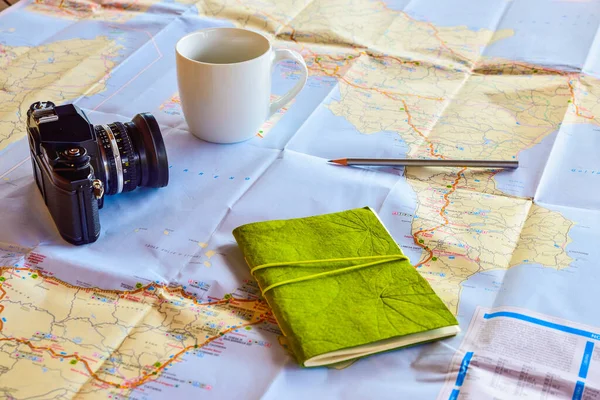
The Panama Canal sits at the narrowest point of the Americas, connecting the Atlantic and Pacific Oceans through a 51-mile stretch across the Isthmus of Panama. The Suez Canal, meanwhile, runs 120 miles through Egypt, linking the Mediterranean and Red Seas.
Lock systems
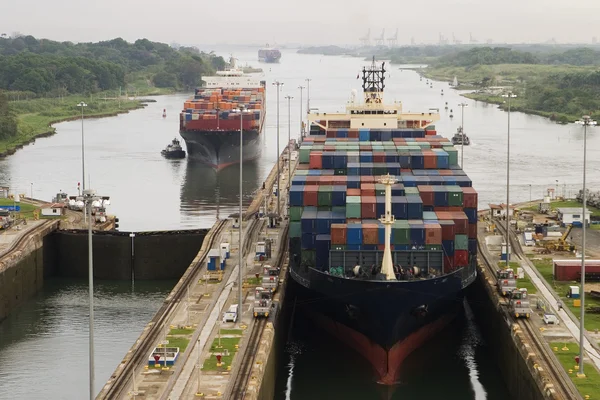
Panama uses a sophisticated lock system that lifts ships 85 feet above sea level through Gatun Lake before lowering them back down. The Suez Canal operates at sea level the entire way through — no locks, no elevation changes, just a straight shot from one end to the other.
Transit time through each canal

The journey through Panama takes between 8 to 10 hours on average (though this can stretch longer during busy periods or if you’re stuck waiting for a larger ship to clear the locks ahead of you), while ships typically cross the Suez Canal in about 12 to 16 hours — the difference being that Suez is longer but doesn’t require the time-consuming process of moving through multiple lock chambers, and yet the lock system in Panama, despite adding complexity, often processes ships more predictably than the convoy system used in parts of Suez. But here’s where it gets interesting: the actual transit time through either canal represents just a fraction of the total journey time, since the real difference comes from which route gets your cargo to its destination faster overall.
And that calculation changes dramatically depending on where exactly that cargo is headed.
Ship size restrictions

The Panama Canal recently expanded but still maxes out at “Neopanamax” vessels — roughly 1,200 feet long and 160 feet wide. Suez handles much larger ships, accommodating vessels up to 1,312 feet long and 193 feet wide.
Water source and management
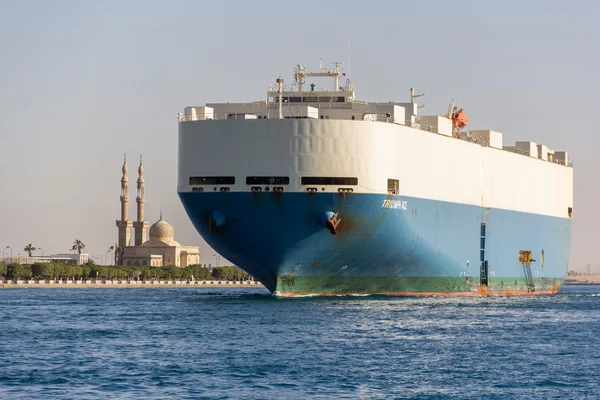
Panama depends entirely on freshwater from Gatun Lake to operate its locks. Every ship that passes through consumes about 52 million gallons of freshwater that flows out to the ocean.
Suez uses saltwater throughout — no freshwater needed, no environmental concerns about water consumption during droughts.
Traffic patterns and congestion
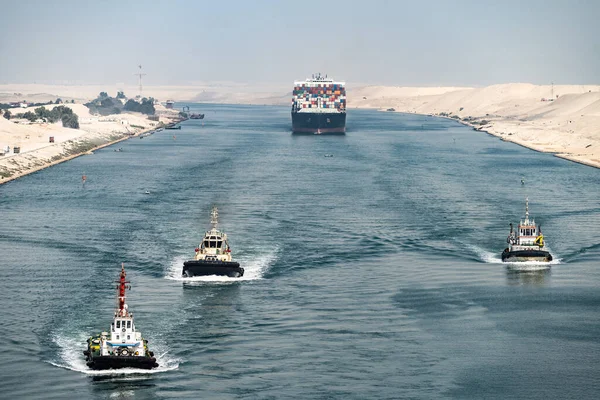
Suez processes roughly 50 to 60 ships daily in both directions, creating occasional traffic jams that can stretch for days when something goes wrong. Think of that Ever Given incident in 2021.
Panama handles about 35 to 40 ships per day but rarely experiences the same kind of dramatic backups, though scheduling can get tight during peak seasons.
Climate challenges
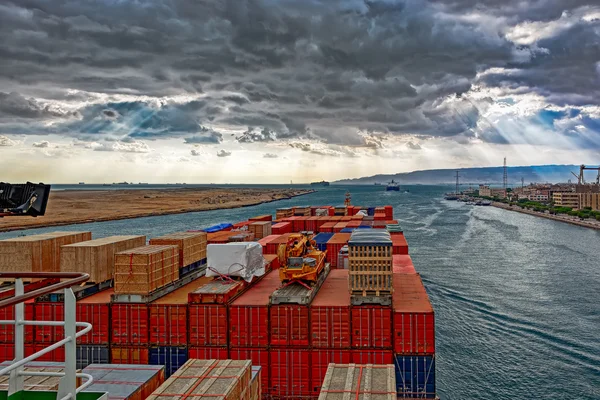
Panama’s tropical climate means dealing with intense rainfall during the wet season and potential droughts that can restrict canal operations — remember, those locks need massive amounts of freshwater to function, and when Lake Gatun runs low, ship drafts get restricted, meaning vessels have to carry less cargo or wait for better conditions. Suez contends with sandstorms that can reduce visibility to near zero, forcing temporary closures, plus the occasional political instability that has historically shut down the canal for months or even years at a time.
So while Panama worries about water levels, Suez worries about sand and geopolitics.
Cost structure
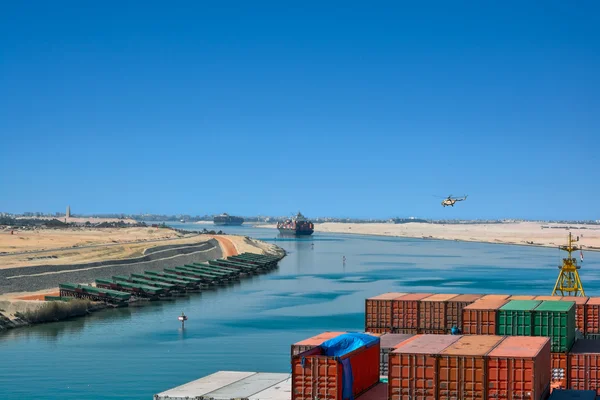
Transit fees through Panama depend on ship size, cargo type, and current demand — but generally run higher per vessel than Suez. However, the total shipping cost calculation includes fuel, time, and port fees for the entire journey, which often makes Panama cheaper for certain routes despite higher canal fees.
Age and construction history
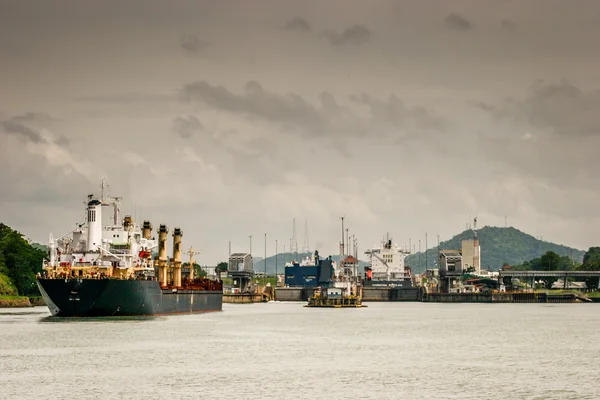
The Suez Canal opened in 1869 after ten years of construction that cost an estimated 120,000 lives, mostly due to disease and working conditions that would be unthinkable today. Panama finally opened in 1914, following a French failure and American completion that took over 30 years total when you count both attempts.
Seasonal variations
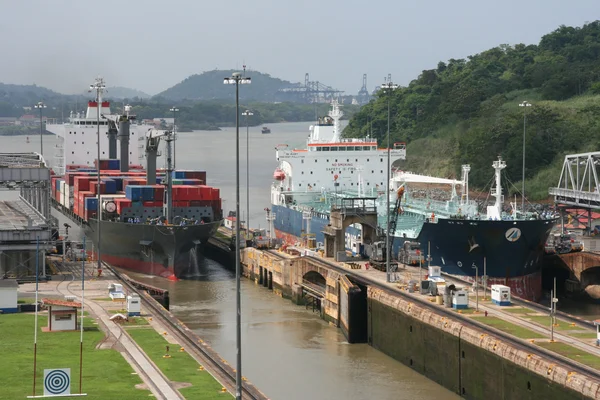
Panama experiences more dramatic seasonal changes in capacity due to rainfall patterns affecting lake levels. During dry years, ship drafts get restricted, forcing vessels to carry less cargo.
Suez operates at consistent capacity year-round, with weather delays being brief rather than capacity-limiting.
Route advantages for different destinations
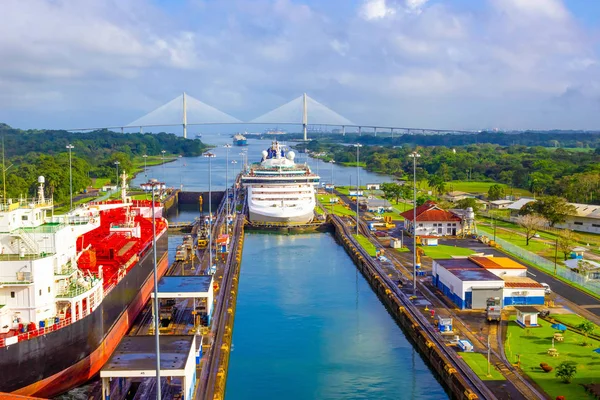
Here’s something maps don’t show you clearly: the choice between these canals often depends less on which one is “better” and more on where your cargo started and where it’s headed, because a ship traveling from Shanghai to New York will save roughly 3,000 miles by using Panama instead of Suez, while that same route to Hamburg favors Suez by about 1,500 miles — and those differences compound when you factor in fuel costs, port availability, and scheduling.
Distance alone doesn’t tell the whole story, since cargo heading from Los Angeles to Rotterdam might theoretically favor Panama based on pure mileage. Many shippers choose the Suez route anyway because of better connections, more frequent service, or simply because their shipping line has more established relationships and infrastructure on that side of the world.
And then there’s the question of return cargo: sometimes the route you take depends less on your primary destination and more on what freight you can pick up for the return journey.
Political and security considerations
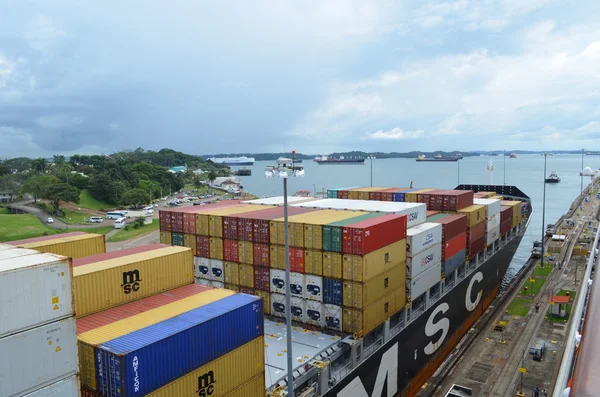
Panama operates under a relatively stable political environment with strong international oversight ensuring neutral access. Suez has faced periodic closures due to regional conflicts, from the Six-Day War to more recent tensions in the Red Sea that have affected shipping confidence.
Environmental impact
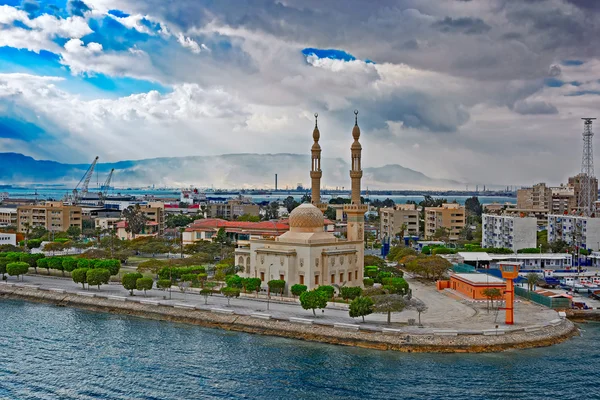
Every ship through Panama consumes enough freshwater to supply a small city for a day, creating ongoing environmental concerns during drought periods. Suez operations use saltwater exclusively, but the canal’s construction and expansion have altered the Mediterranean and Red Sea ecosystems in ways still being studied.
Expansion capabilities
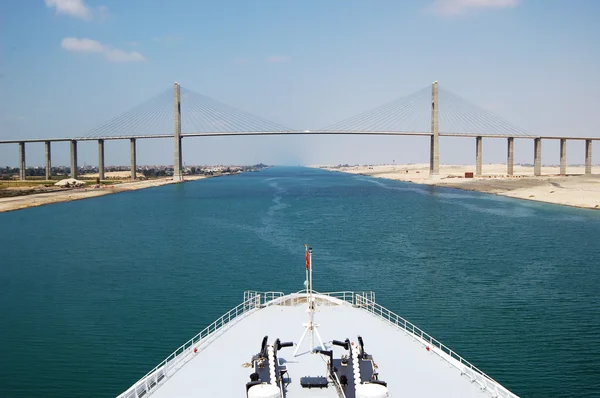
Panama completed its major expansion in 2016 but faces geographical limits on how much larger it can realistically grow. Suez has more room for future expansion and continues ongoing widening and deepening projects with fewer natural constraints.
Economic influence on global trade

Both canals wield enormous economic power, but Panama tends to be more critical for trans-Pacific trade routes, while Suez remains essential for Europe-Asia commerce. When either canal experiences problems, global shipping rates can spike within hours, but the affected trade routes differ significantly.
Finding your route in a connected world

The choice between Panama and Suez rarely comes down to personal preference. Shipping companies, logistics managers, and freight forwarders make these decisions based on cold mathematics — fuel costs, time calculations, cargo compatibility, and return freight opportunities.
But understanding these differences helps explain why your electronics might take three weeks to arrive instead of two, or why certain products cost more during specific seasons. These aren’t just engineering marvels cutting through continents; they’re the narrow gaps through which global commerce flows, and their differences ripple through everything from grocery store prices to manufacturing schedules worldwide.
More from Travel Pug

- Underrated Italian Towns That Beat the Tourist Crowds
- Las Vegas Tourist Traps to Skip
- Prettiest Towns in Every US State
- 18 passport-free countries for Americans
- Signs Your Cruise Is Not Worth The Cost
Like Travel Pug’s content? Follow us on MSN.