

The popular tourist destinations attract visitors to Paris, Rome, and London, yet travelers should explore lesser-known cities for their authentic, magical experiences. Second-tier cities provide equal cultural attractions and architectural beauty, and dining excellence, that exists in main tourist cities but without their excessive visitor traffic and high-priced services.
The local culture becomes more accessible through these experiences, providing better access to premium dining establishments and leading to the discovery of hidden gems that most travelers overlook.
The two locations have developed their status as refined alternatives that compete with their better-known counterparts. The following section presents 19 sophisticated urban centers that serve as ideal destinations for high-end second-city travel.
Bologna
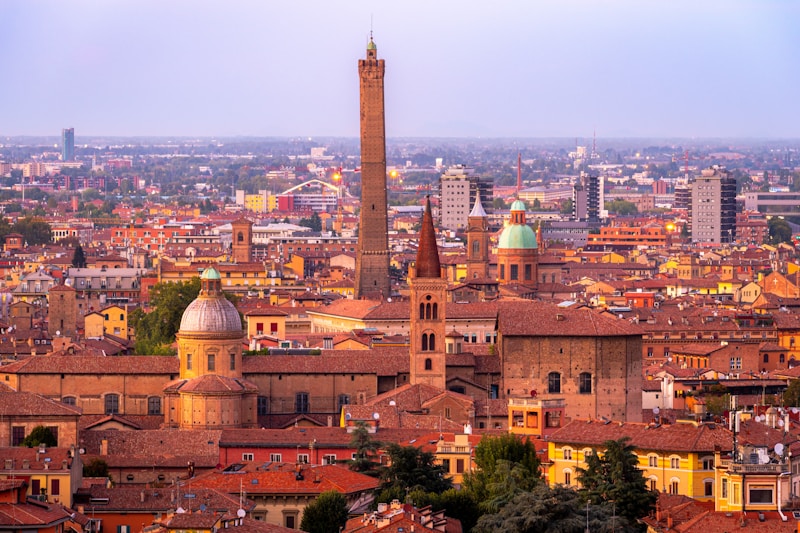
This northern Italian gem earned the top spot as the world’s most underrated city according to a survey of 175 travel experts conducted in 2025. Bologna’s medieval architecture includes nearly 25 miles of porticoes that provide covered walkways throughout the historic center, creating an elegant urban experience, rain or shine.
The city’s reputation as Italy’s culinary capital means you’ll find some of the country’s finest restaurants tucked into Renaissance-era buildings, serving handmade pasta that puts other regions to shame.
Lyon
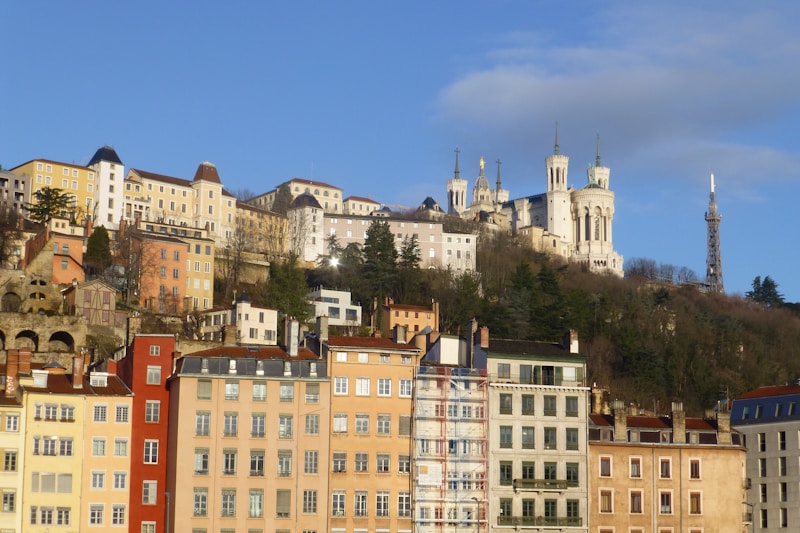
France’s third-largest city sits at the confluence of the Rhône and Saône rivers and is the nation’s gastronomic capital. The traboules, hidden passageways weaving through Renaissance buildings in Vieux Lyon, offer a unique architectural experience you won’t find in Paris.
Lyon boasts more Michelin-starred restaurants per capita than anywhere else in France, and the city’s silk-weaving heritage has left behind stunning workshops and museums that showcase centuries of luxury craftsmanship.
Porto
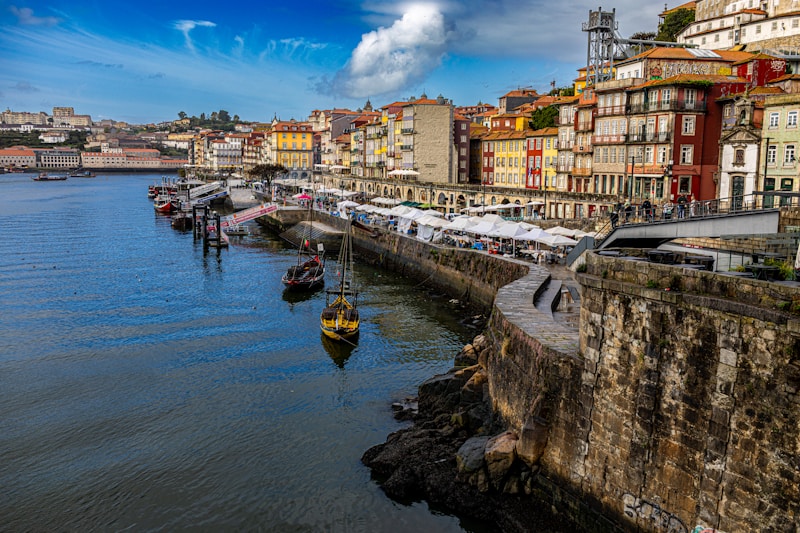
Portugal’s second city rolls down hillsides to the Douro River, where traditional rabelo boats once transported port wine barrels from upstream vineyards. The colorful buildings and azulejo-tiled churches of the Ribeira district create a visual feast.
At the same time, the port wine lodges in Vila Nova de Gaia offer tastings of vintages you’d pay triple for in Lisbon. Porto’s boutique hotels occupy converted palaces and historic merchants’ homes, giving you authentic Portuguese luxury without the Algarve resort crowds.
Edinburgh
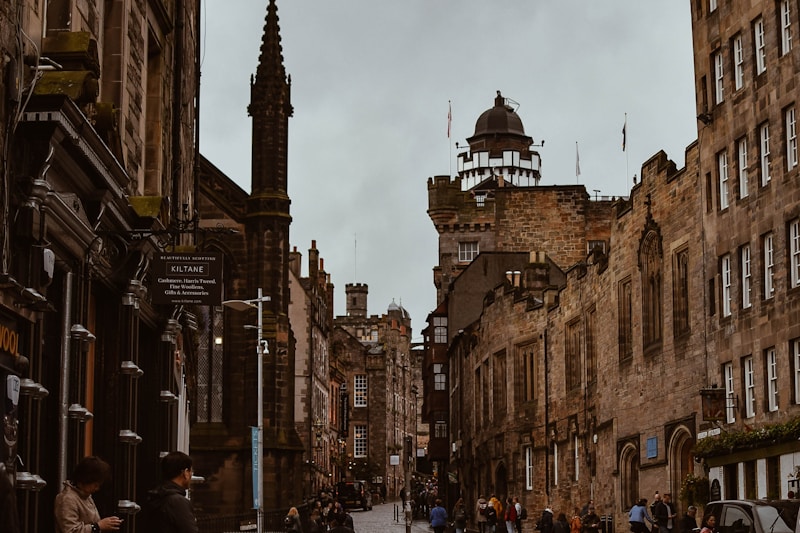
The capital of Scotland provides visitors with views of its castles, together with its historic cobblestone streets and its extensive literary heritage, which has existed for many years. The New Town’s Georgian architecture is one of the finest examples of 18th-century city planning, with sweeping crescents and symmetrical squares that feel like stepping into a Jane Austen novel.
The dining scene in Edinburgh has experienced rapid growth during recent years, as numerous Michelin-starred restaurants now offer contemporary Scottish dishes that transform local products into surprising culinary creations.
Kyoto
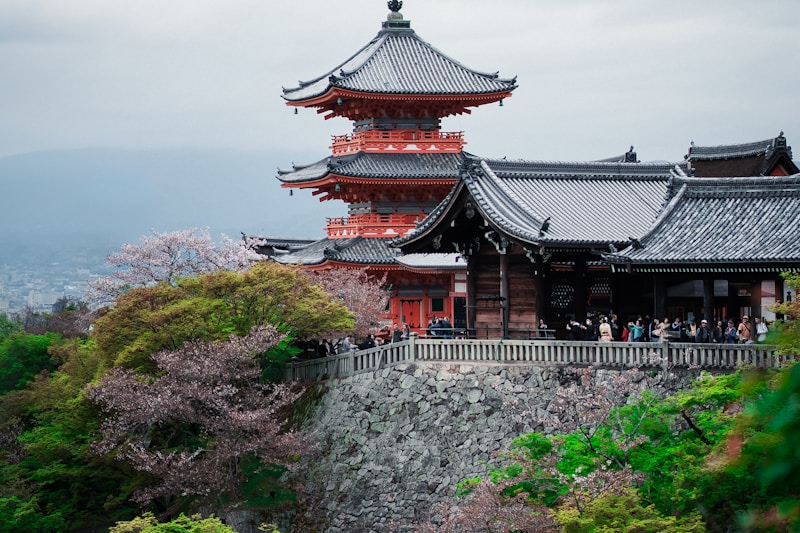
The city of Kyoto maintains its status as Japan’s historical capital through its collection of more than 2000 temples and shrines. The Gion district’s traditional wooden machiya houses and exclusive kaiseki restaurants create opportunities for visitors to experience both ancient Japanese traditions and modern high-end dining.
The ryokans of Kyoto include historic establishments that have operated for three centuries and modern facilities that feature minimalist aesthetics and outstanding customer service.
Copenhagen
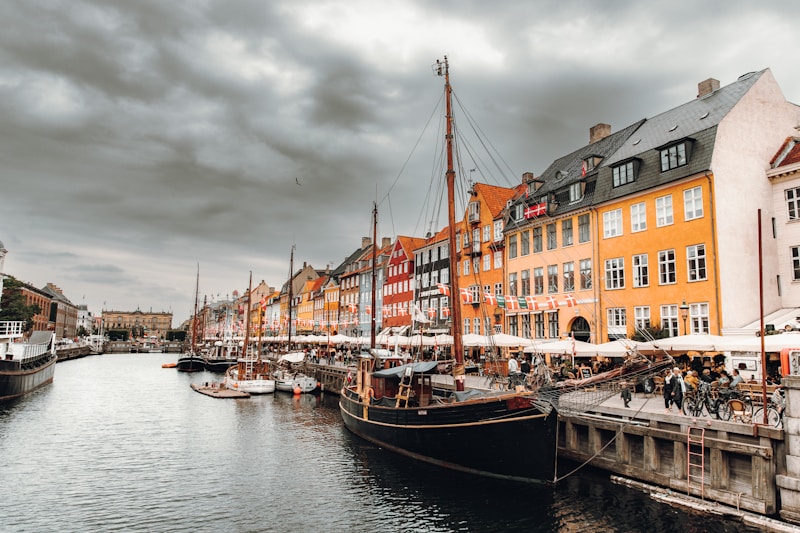
Denmark’s capital has transformed from a charming Scandinavian city into a global design and culinary powerhouse. Nyhavn’s colorful 17th-century townhouses provide the postcard-perfect backdrop, but the real action happens in neighborhoods like Nørrebro and Vesterbro, where Michelin-starred restaurants sit alongside innovative design shops.
Copenhagen’s commitment to sustainability and livability means you can explore most of the city by bike, and the locals’ commitment to hygge creates a welcoming atmosphere that feels refreshingly unpretentious.
Seville
Spain’s fourth-largest city serves up flamenco, tapas, and Moorish architecture without Barcelona’s tourist chaos. The Alcázar palace complex showcases centuries of Islamic and Christian artistic traditions, with gardens that offer shaded retreats from the Andalusian sun.
Seville’s Holy Week processions and April Fair demonstrate how the city maintains living traditions rather than preserving them as museum pieces, and the local habit of hopping between tapas bars means you’ll eat exceptionally well without formal reservations.
Vienna
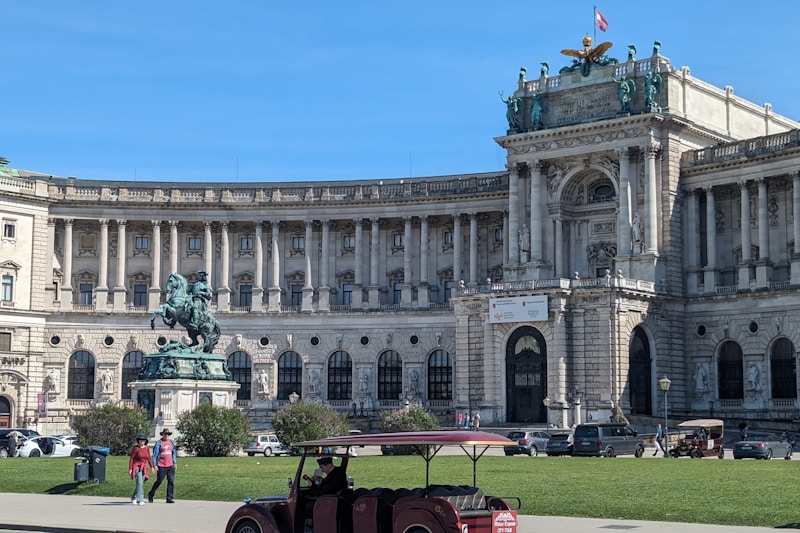
Austria’s imperial capital offers coffeehouse culture, grand boulevards, and a musical heritage that still fills concert halls nightly. The Ringstrasse’s 19th-century buildings create an open-air museum of architecture, from the neo-Gothic Rathaus to the Renaissance-revival State Opera House.
Vienna’s hotels occupy former palaces where you can sleep in rooms once reserved for aristocrats, and the city’s commitment to classical music means you can catch world-class performances almost any night of the week.
Hamburg
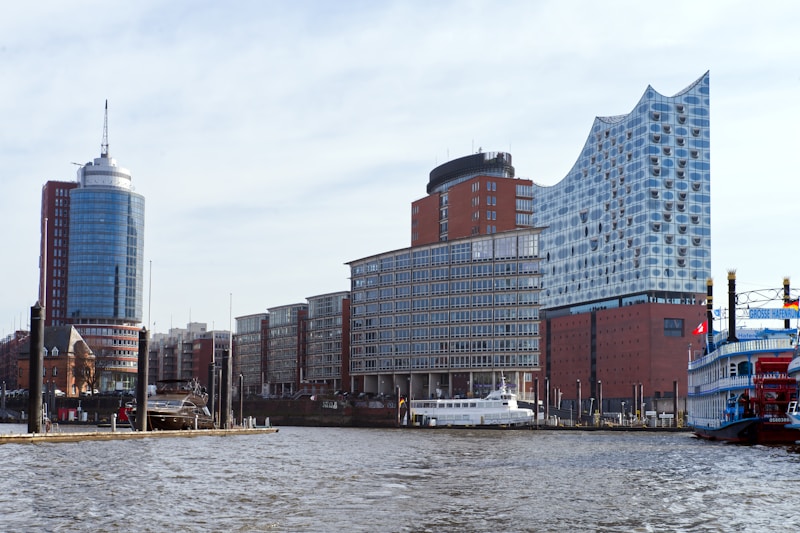
Germany’s second-largest city combines maritime heritage with sophisticated urban culture along the Elbe River. The new Elbphilharmonie concert hall has become an architectural landmark, its wave-like glass structure rising above the historic warehouse district.
Hamburg’s Alster lakes bring nature into the city center, and the neighborhoods around them feature elegant villas and boutiques that cater to the city’s affluent residents rather than tourists.
Bruges
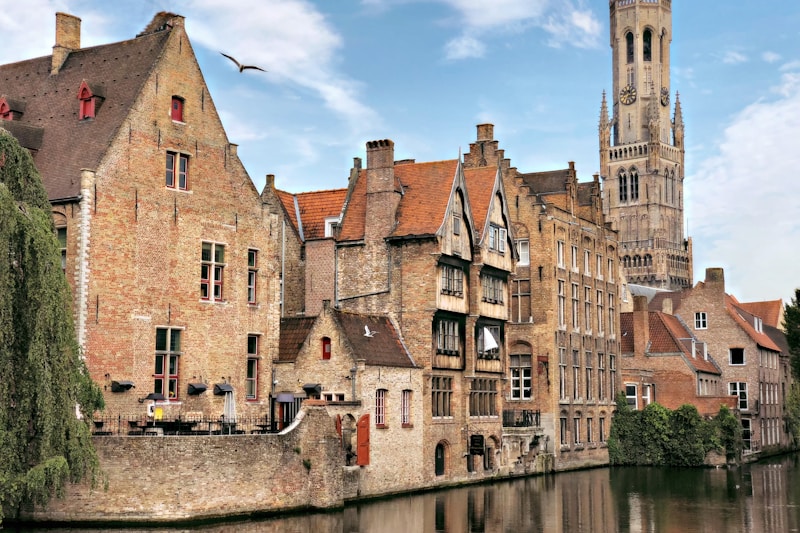
This Belgian medieval city looks like a fairytale illustration come to life, with canals winding between Gothic buildings and cobblestone squares. The city’s chocolate shops and lace makers continue centuries-old traditions, and the Markt square’s belfry offers views across the Flemish countryside.
Bruges’ small size means you can explore the entire historic center on foot, and the lack of modern development has preserved an atmosphere that feels genuinely frozen in time.
Quebec City
North America’s only walled city north of Mexico feels more European than Canadian, with French spoken on cobblestone streets lined with 17th-century buildings. The Château Frontenac hotel dominates the skyline like a Loire Valley castle transplanted to the cliffs above the St.
Lawrence River. Quebec City’s culinary scene draws on both French technique and local ingredients like maple syrup and game meats, creating a distinct regional cuisine that holds its own against Montreal.
Valencia
Spain’s third-largest city combines Mediterranean beaches with futuristic architecture and the paella that originated here. The City of Arts and Sciences complex showcases Santiago Calatrava’s flowing white structures that look like they belong in a science fiction film.
Valencia’s Turia Gardens occupy a former riverbed, creating a green ribbon through the city center where locals jog and cycle beneath orange trees.
San Sebastián
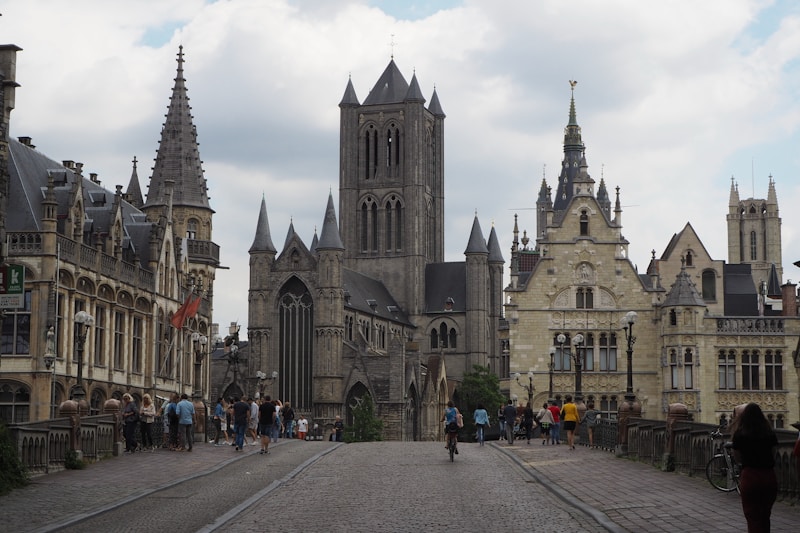
This Basque coastal city packs more Michelin stars per square mile than almost anywhere on earth, with pintxo bars serving miniature culinary masterpieces on every corner. La Concha beach curves between green hills, creating a perfect crescent of sand that’s been attracting European aristocracy since the 19th century.
San Sebastián’s size means you can walk from beach to old town to hillside viewpoints without ever needing transportation, and the local txakoli wine pairs perfectly with the region’s seafood-focused cuisine.
Salzburg

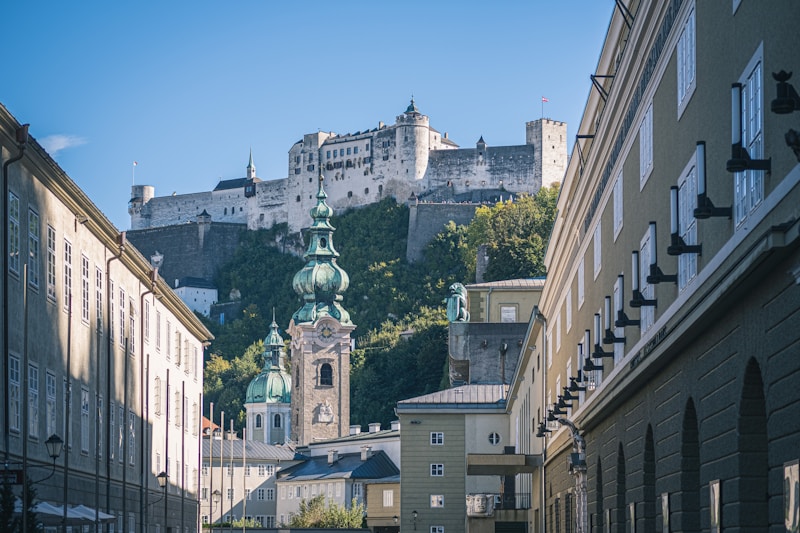
The city’s festival tradition dates back nearly a century, when it was established to celebrate the region’s musical heritage beyond just Mozart. Salzburg’s location on the border with Bavaria means German and Austrian influences blend seamlessly, visible in everything from architecture to pastries.
The Mönchsberg mountain rises directly from the old town, offering hiking trails that provide spectacular views over the city’s Baroque spires and the surrounding Alps.
Geneva

Switzerland’s second city sits where the Rhône River flows out of Lake Geneva, surrounded by the Alps and the Jura Mountains. The old town’s narrow streets climb uphill from the waterfront, lined with galleries and antique shops that cater to the city’s international clientele.
Geneva’s watchmaking heritage means you can visit ateliers where craftspeople still assemble timepieces by hand, and the city’s multicultural population has created a dining scene that spans continents.
Krakow
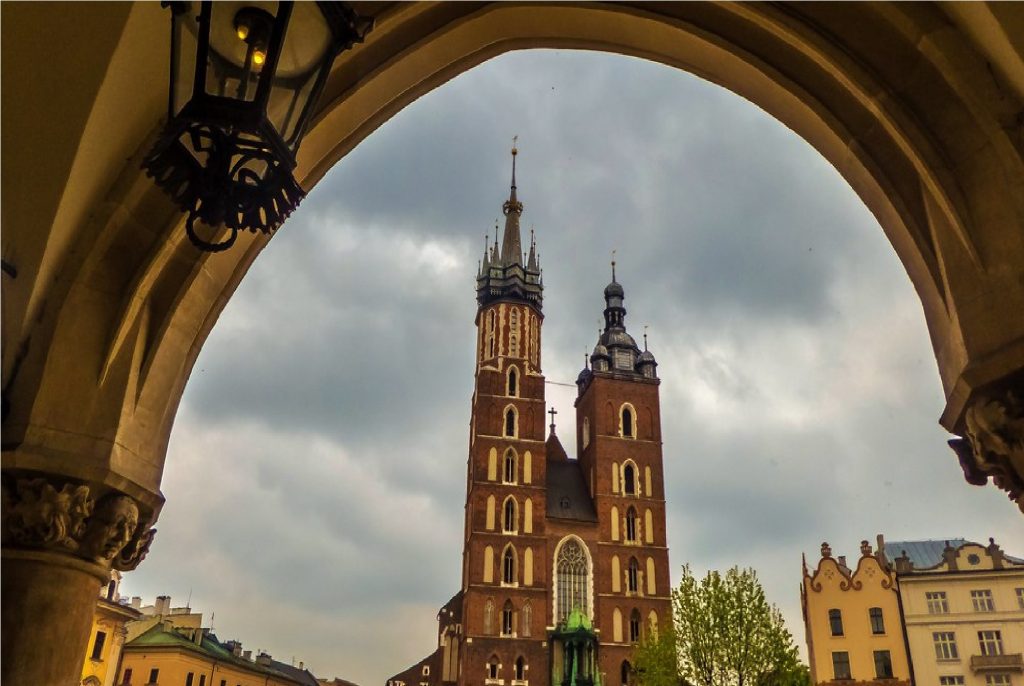
Poland’s former capital escaped major World War II damage, leaving its medieval market square and Renaissance buildings remarkably intact. The Wawel Castle complex served Polish kings for centuries, and the castle’s dragon legend still draws visitors to the cave beneath.
Kraków’s Jewish quarter, Kazimierz, has transformed from a forgotten neighborhood into one of the city’s liveliest areas, with restaurants and bars filling historic synagogues and townhouses.
Charleston

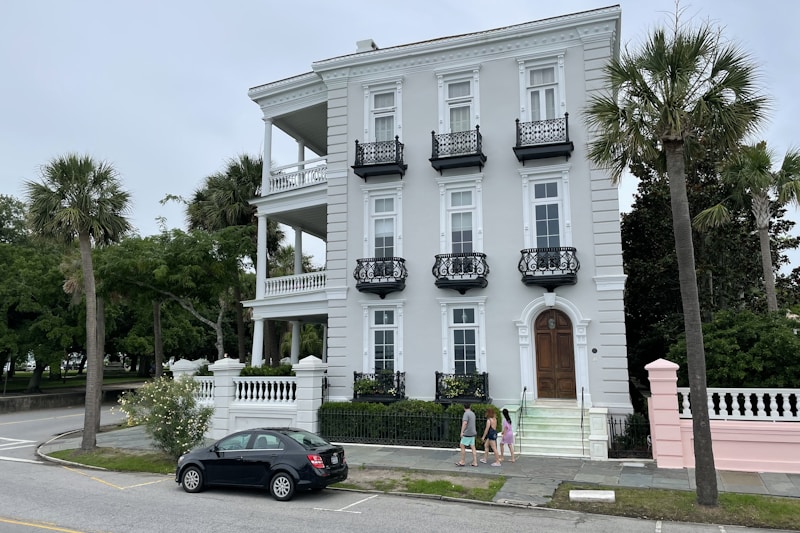
This South Carolina coastal city pioneered historic preservation in America, protecting its antebellum architecture when other cities were tearing down old buildings. The Battery’s waterfront mansions showcase the wealth that once flowed through Charleston’s port, while the city’s traditional Southern cuisine has been reimagined by chefs who’ve earned national recognition.
Charleston’s proximity to barrier islands and wetlands means you can combine urban exploration with nature excursions, and the city’s compact size makes everything accessible on foot.
Bordeaux

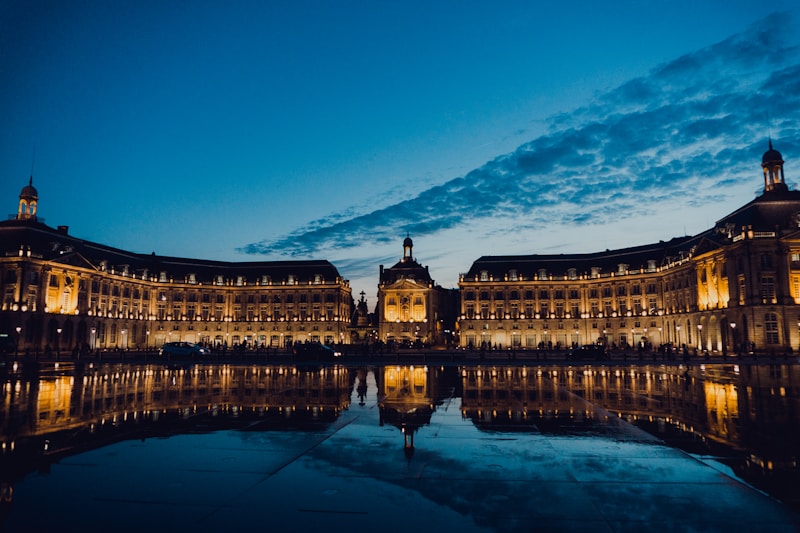
France’s wine capital has transformed its waterfront and historic center into one of Europe’s most elegant urban spaces. The Place de la Bourse reflects in the Miroir d’Eau, creating mirror-image views that look spectacular at sunset.
Bordeaux’s position as the gateway to wine country means you can visit world-famous châteaux within an hour’s drive, then return to a city whose restaurants and wine bars offer tastings from across the region.
Ghent
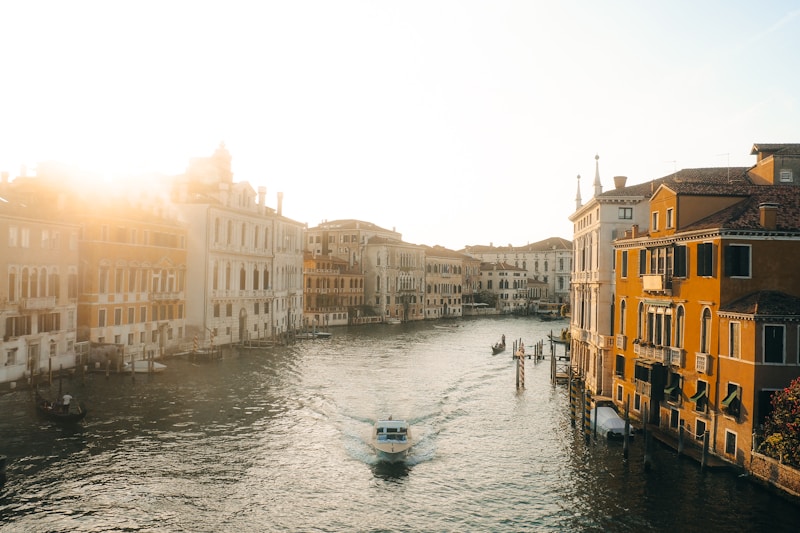
This Belgian university city balances medieval heritage with contemporary culture, from its 12th-century castle to its vibrant street art scene. The Graslei waterfront’s guild houses create one of Europe’s finest collections of medieval architecture, all the more impressive because Ghent receives a fraction of Bruges’ tourist crowds.
The city’s canal system connects neighborhoods that each maintain distinct characters, and the local specialty, waterzooi stew, appears on menus from casual cafes to Michelin-starred restaurants.
When elegance meets authenticity

Second-tier cities have stopped trying to compete with capital cities and instead embraced what makes them unique. The luxury travelers who once automatically booked Paris or London are increasingly seeking destinations where their presence doesn’t overwhelm local culture and where reservations at top restaurants don’t require booking months ahead.
These elegant alternatives offer the sophistication and cultural depth that define memorable travel, plus the authenticity that comes from cities that haven’t been shaped primarily by tourism.
More from Travel Pug

- Underrated Italian Towns That Beat the Tourist Crowds
- Las Vegas Tourist Traps to Skip
- Prettiest Towns in Every US State
- 18 passport-free countries for Americans
- Signs Your Cruise Is Not Worth The Cost
Like Travel Pug’s content? Follow us on MSN.