

When winter wanderlust strikes and regular hotels just won’t cut it, there’s something uniquely thrilling about sleeping in a building made entirely of frozen water. Travelers who seek extraordinary experiences have made ice hotels essential travel destinations.
The architectural marvels of the Arctic region disappear through springtime thawing and return as fresh structures during each winter season. Here is a list of 20 frosty ice hotels around the world that transform freezing temperatures into unforgettable adventures.
Icehotel Jukkasjärvi Sweden
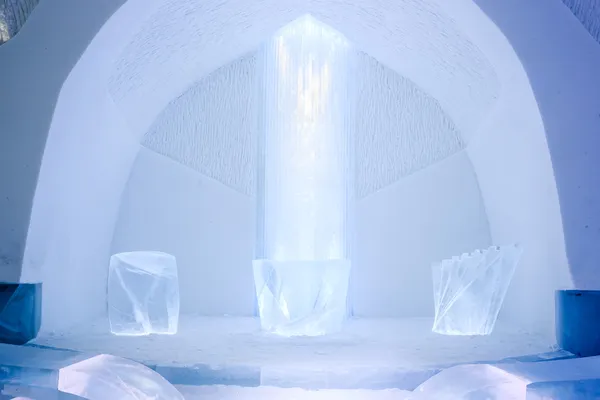
The granddaddy of all ice hotels opened in 1989 and essentially invented the entire concept. Located about 125 miles north of the Arctic Circle in Swedish Lapland, this frozen masterpiece gets reconstructed every October using ice blocks harvested from the nearby Torne River.
Artists from around the globe compete for the chance to design individual suites, which means no two rooms ever look the same, and temperatures inside hover around 23°F.
Hôtel De Glace Quebec
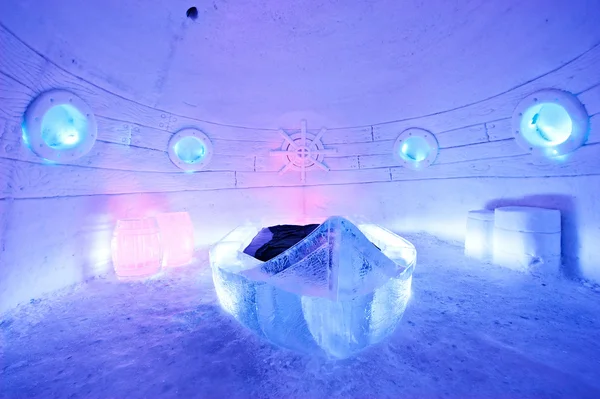
The ice hotel of North America operates as the only ice hotel in North America, which exists near Quebec City and extends across 30,000 square feet of sculpted ice and compressed snow. The property contains a large ice chapel, which serves as a wedding venue because couples use it to exchange their marriage vows.
The guests sleep on beds with wooden bases that support ice blocks, covered with insulated mattresses and Arctic-grade sleeping bags that protect against temperatures as low as -22°F.
Sorrisniva Igloo Hotel, Norway
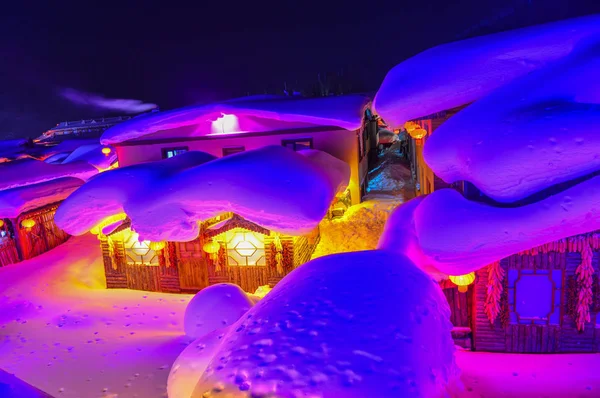
Built on the banks of the Alta River in northern Norway, this igloo-style hotel gets entirely rebuilt each December using snow and ice from the surrounding landscape. The property includes traditional igloo sleeping quarters, as well as themed suites designed by artists who transform frozen water into dragons, northern lights, and abstract installations.
Visitors often combine their stay with northern lights hunting since Alta sits directly beneath the auroral oval.
SnowCastle Of Kemi, Finland
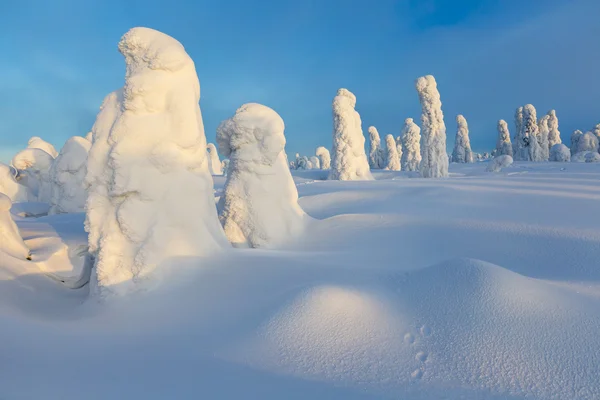
The building stands as more than a hotel because it functions as a complete castle complex, which includes towers, a restaurant, and an ice chapel that hosts approximately 300 weddings every season. The fortress occupies approximately 215,000 square feet of space, which extends along the Bothnian Bay coastline and includes walls that reach heights of 65 feet in certain areas.
Designers change the theme annually, so one year you might sleep in a medieval fortress while the next brings Art Deco elegance frozen in ice.
Bâlea Lake Ice Hotel Romania
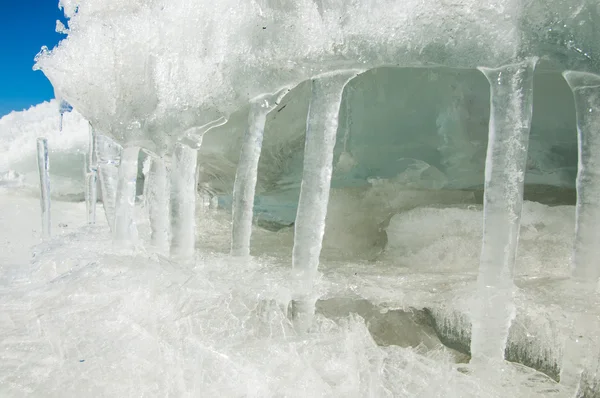
Perched at 6,600 feet in the Făgăraș Mountains, this seasonal hotel claims the title of Europe’s first ice hotel built in a glacial lake setting. Guests ride a cable car to reach the property, which sits beside the frozen Bâlea Lake surrounded by dramatic Carpathian peaks.
The hotel includes an ice church, an ice bar serving Romanian țuică in ice glasses, and roughly 10 rooms that sleep two to four people on reindeer pelts and thermal sleeping bags.
Kirkenes SnowHotel Norway
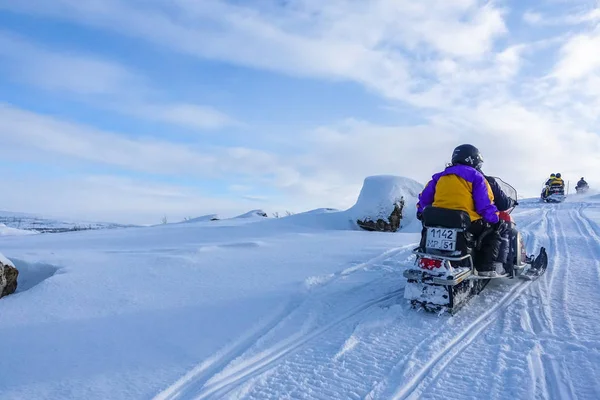
Situated near the Russian border in Norway’s far northeast, this snowhotel opens its doors from late December through mid-April each year. The property features a Frozen-themed suite (yes, like the Disney movie), a Game of Thrones suite, and other pop culture-inspired rooms that appeal to younger travelers.
Beyond the novelty, Kirkenes offers king crab safaris and excellent northern lights viewing since it sits well above the Arctic Circle.
Lainio Snow Village, Finland
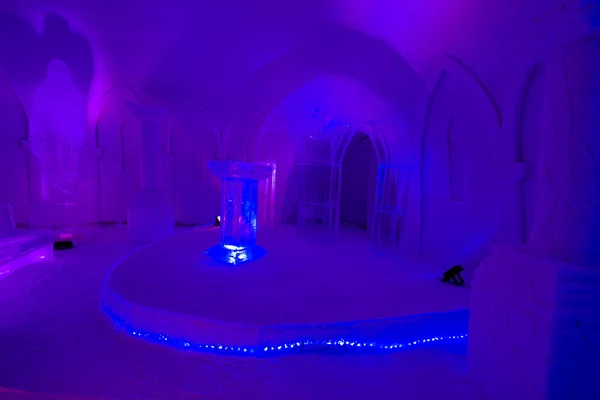
Located in Finnish Lapland near Ylläs, this snow village combines hotel accommodations with an ice restaurant, ice bar, and even an ice gallery showcasing sculptures. The venue hosts about 30 rooms and suites, each maintained at around 23°F to 27°F while outside temperatures plunge far lower.
Builders use a special compacted snow technique that creates walls strong enough to support massive ice chandeliers and intricate ceiling carvings.
Arctic SnowHotel Rovaniemi
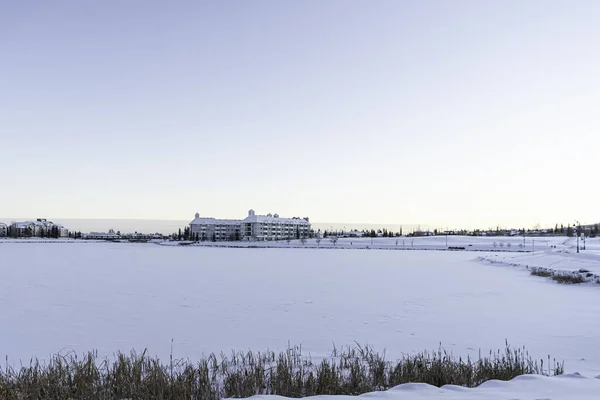
This Rovaniemi property sits right on the Arctic Circle line, making it geographically significant for visitors who want to say they’ve slept in the Arctic. The hotel features an ice restaurant where three-course meals are served at tables carved from ice blocks, though diners sit on reindeer hides rather than ice chairs.
The property also offers an ice chapel that can accommodate small weddings, and guests receive thermal sleeping bags rated to handle the subfreezing temperatures.
Iglu-Dorf Switzerland Locations
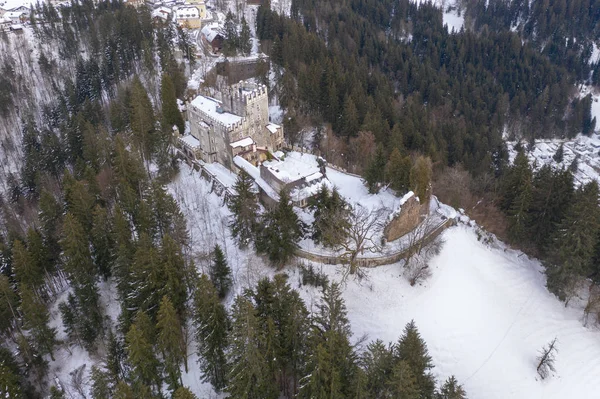
Switzerland operates multiple igloo villages across the Alps, including locations in Zermatt, Davos, and Engelberg. Each village gets reconstructed annually with slight variations in design, though all feature the signature igloo dome architecture.
Guests can upgrade to romantic suites with private hot tubs positioned outside the igloo. There’s something surreal about soaking in steaming water while surrounded by snow-covered peaks under starlit skies.
Schneedorf Hochbrixen Austria
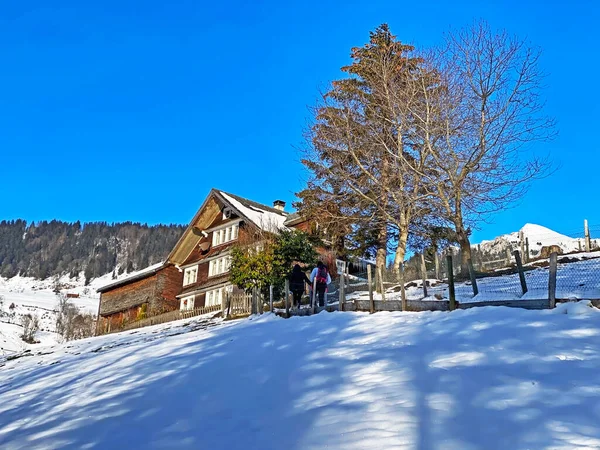
Austria’s contribution to ice hotel architecture is in the Kitzbühel Alps, at roughly 5,900 feet in elevation. The village includes not just sleeping igloos but also a snow bar, fondue igloo, and children’s play area carved from compacted snow.
Builders construct the property using wooden frames covered with special snow-making machines, creating walls thick enough to maintain structural integrity even when daytime temperatures rise slightly above freezing.
Ice Village Tomamu, Japan
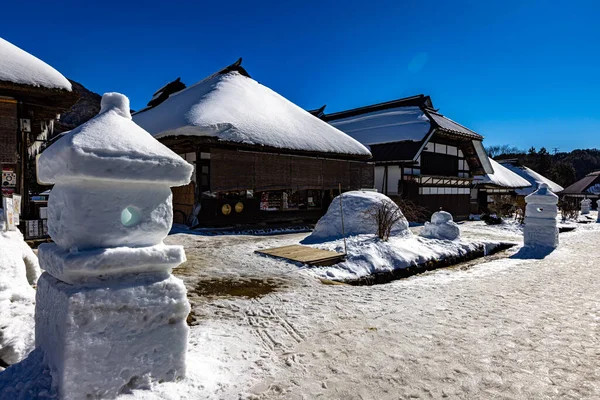
Japan’s answer to Scandinavian ice hotels operates within the larger Alpha Resort Tomamu in Hokkaido from mid-December through mid-March. The village features an ice chapel, ice bar, ice skating rink, and sleeping domes, though most visitors opt for day visits rather than overnight stays.
The property takes advantage of Hokkaido’s incredibly dry, powdery snow — the same stuff that makes the region famous among skiers — to create particularly stable ice structures.
SnowVillage Kittilä Finland
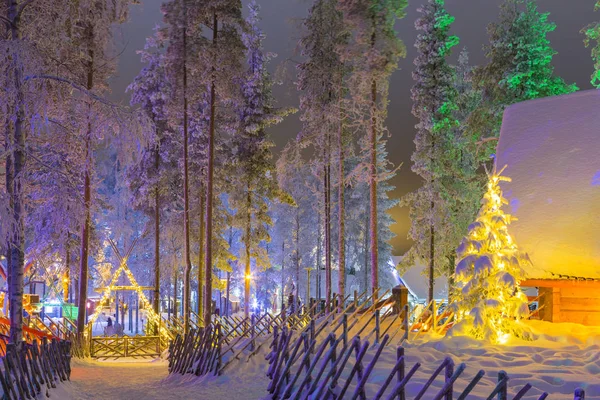
Built annually in the Levi ski resort area, this snow village combines hotel rooms with Finland’s largest snow restaurant and an ice bar serving drinks in — yes, you guessed it — ice glasses. The property sprawls across roughly 215,000 square feet and takes about six weeks to construct using 20 million pounds of snow and ice.
Themed suites range from Arctic wildlife scenes to abstract art installations, all maintained at a crisp 23°F to 27°F.
Aurora Ice Museum, Alaska
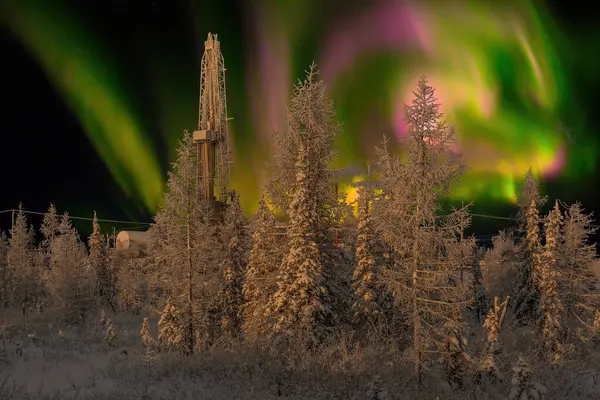
Alaska’s only year-round ice environment operates inside a permafrost tunnel beneath the Chena Hot Springs Resort. Unlike seasonal ice hotels that melt each spring, this museum maintains subfreezing temperatures year-round using geothermal cooling, allowing the ice bar and ice sculptures to remain intact indefinitely.
Visitors can book overnight stays on ice beds surrounded by ice sculptures of knights, polar bears, and recreations of the northern lights.
Bjorli Ice Lodge, Norway
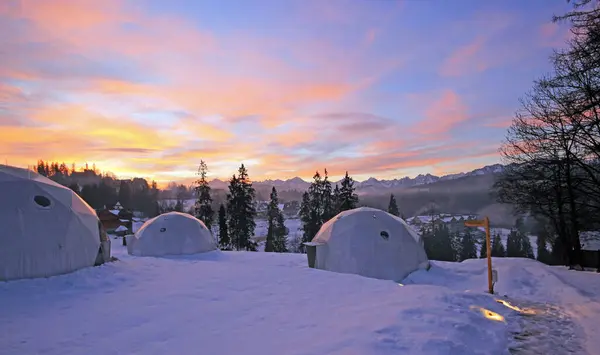
This smaller ice lodge in central Norway offers a more intimate experience compared to the massive ice hotel complexes. The property features just a handful of rooms, plus an ice bar and a small ice chapel carved into snowbanks.
What Bjorli lacks in scale, it makes up for in location — the lodge sits in prime skiing territory surrounded by the Romsdal Alps, with direct access to cross-country trails and downhill slopes.
SnowHotel Kirkenes Gamme Cabins
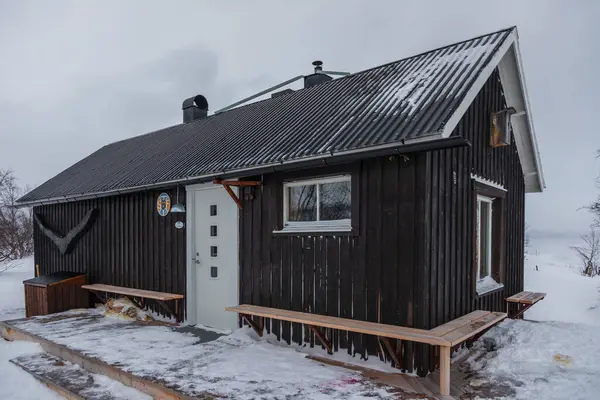
While technically part of the Kirkenes SnowHotel complex, these traditional Sami gamme cabins offer a different sleeping experience than standard ice rooms. The cabins feature snow-insulated walls with traditional wooden frames, creating slightly warmer interior temperatures around 28°F to 32°F.
Guests sleep on reindeer skins around a small fire pit, experiencing something closer to traditional Sami winter camping with a few modern comforts added.
Iglu-Dorf Zugspitze Germany
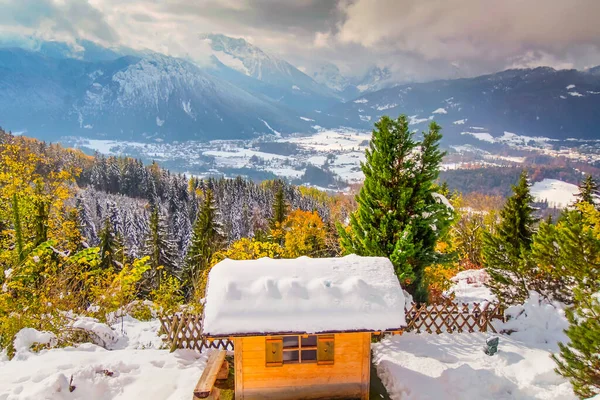
Germany’s highest ice hotel sits at 8,700 feet on the Zugspitze, the country’s tallest mountain straddling the German-Austrian border. The extreme altitude means builders work with exceptionally cold, dry, and incredibly dense snow.
Guests access the property via cable car, stepping into a world where ice sculptures depict Alpine wildlife and Bavarian folklore, all while surrounded by views across four countries on clear days.
Hotel Kakslauttanen Igloo Village
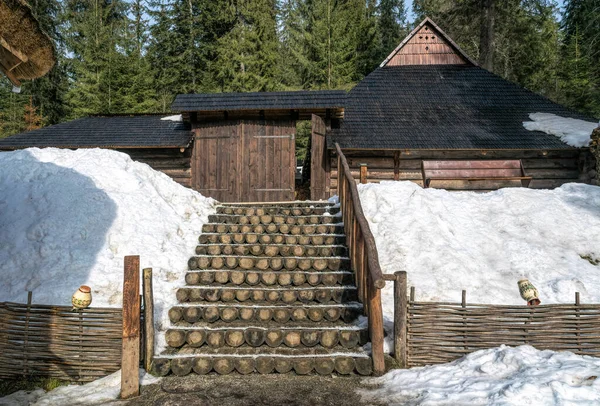
Though Finland’s Kakslauttanen is more famous for its glass igloos, the property also features traditional snow igloos for the full ice hotel experience. The snow igloos maintain temperatures around 21°F to 25°F and are located separately from the glass domes that dominate most promotional photos.
Guests can book combination stays, spending part of their visit in a warm glass igloo and part in the authentic subfreezing snow quarters.
Eskimska Vas Slovenia
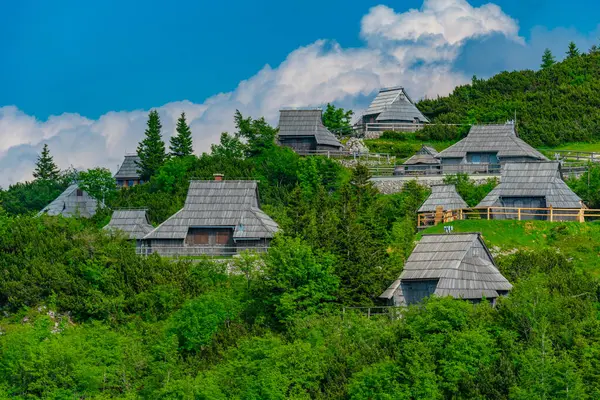
Slovenia’s ice village near Kranjska Gora operates seasonally from December through March in the Julian Alps. The property features traditional igloo architecture mixed with ice sculptures depicting Slovenian folklore and Alpine wildlife.
What sets this location apart is its relative accessibility — while Scandinavian ice hotels require flights to remote regions, Eskimska Vas sits just an hour from Ljubljana. It can be visited as a day trip from nearby European cities.
Ice Hotel Romania Făgăraș
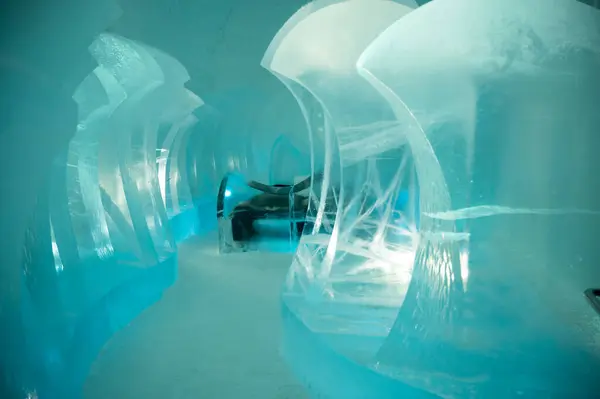
Beyond the main Bâlea Lake location, Romania has experimented with additional ice hotel projects in the Făgăraș Mountains. These temporary structures pop up seasonally, depending on snow conditions, and typically feature fewer rooms than established properties.
The experimental nature means designs change drastically year to year, though the core concept remains the same — sleeping at high altitude in rooms carved from compacted snow and ice.
Ice Restaurant Balea Cascada
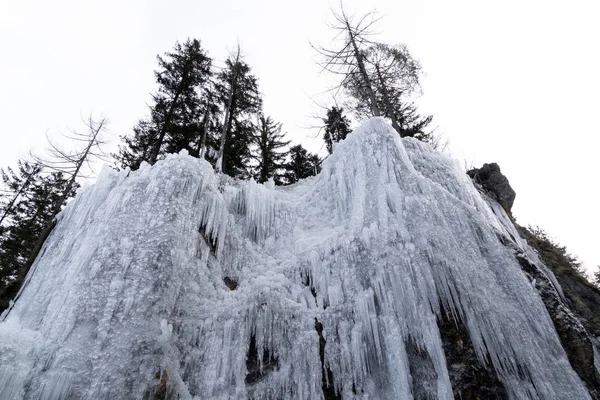
While primarily a restaurant rather than a hotel, this ice dining establishment near Balea Waterfall deserves mention for its unique approach. The structure gets built into the frozen cascade itself, creating dining spaces surrounded by natural ice formations from the frozen waterfall.
Some years, the property adds a few overnight sleeping spaces, though availability depends entirely on winter conditions and how solidly the waterfall freezes.
Where Cold Becomes Comfortable
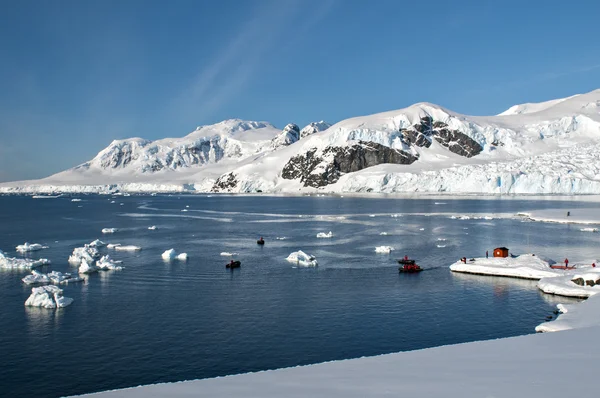
These frozen fortresses prove that subfreezing temperatures don’t have to mean misery when the right preparation meets creative architecture. Ice hotels have evolved from novelty attractions into genuine hospitality experiences, complete with surprisingly comfortable sleeping systems and amenities you wouldn’t expect at 23°F.
The temporary nature of these properties — rebuilt fresh each winter and melting come spring — adds urgency to the experience that permanent hotels simply can’t match. Whether you’re chasing northern lights in Norwegian Lapland or exploring Alpine peaks from a Swiss igloo village, sleeping in a structure made entirely of frozen water delivers stories that last far longer than the hotels themselves.
Modern ice hotels blend ancient building techniques with contemporary art, creating spaces where the line between accommodation and installation blurs beautifully.
More from Travel Pug

- Underrated Italian Towns That Beat the Tourist Crowds
- Las Vegas Tourist Traps to Skip
- Prettiest Towns in Every US State
- 18 Passport-Free Countries for Americans
- Signs Your Cruise Is Not Worth The Cost
Like Travel Pug’s content? Follow us on MSN.