

China sits on one of the richest archaeological records on the planet, stretching back thousands of years and revealing civilizations that flourished long before most people realized. These sites keep rewriting history books as new discoveries emerge from beneath layers of earth and time.
From life-sized clay armies to jade-filled ancient cities, China’s archaeological treasures tell stories that often challenge what historians thought they knew. Here is a list of 15 facts about China’s most impressive archaeological sites.
The Terracotta Army was painted in vibrant colors

When farmers stumbled upon the Terracotta Army near Xi’an in 1974, they uncovered one of archaeology’s greatest surprises. The roughly 8,000 life-sized clay soldiers guarding Emperor Qin Shi Huang’s tomb were originally painted in bright reds, blues, greens, and purples.
Within minutes of exposure to air, the lacquer coating those vivid pigments curls and flakes away, leaving behind the bare terracotta most visitors see today. Each warrior stands unique with individual facial features, hairstyles, and expressions, making historians wonder if real soldiers served as models.
The entire necropolis covers nearly 38 square miles, yet archaeologists have barely scratched the surface of what lies beneath.
Sanxingdui’s bronze masks challenge everything we knew
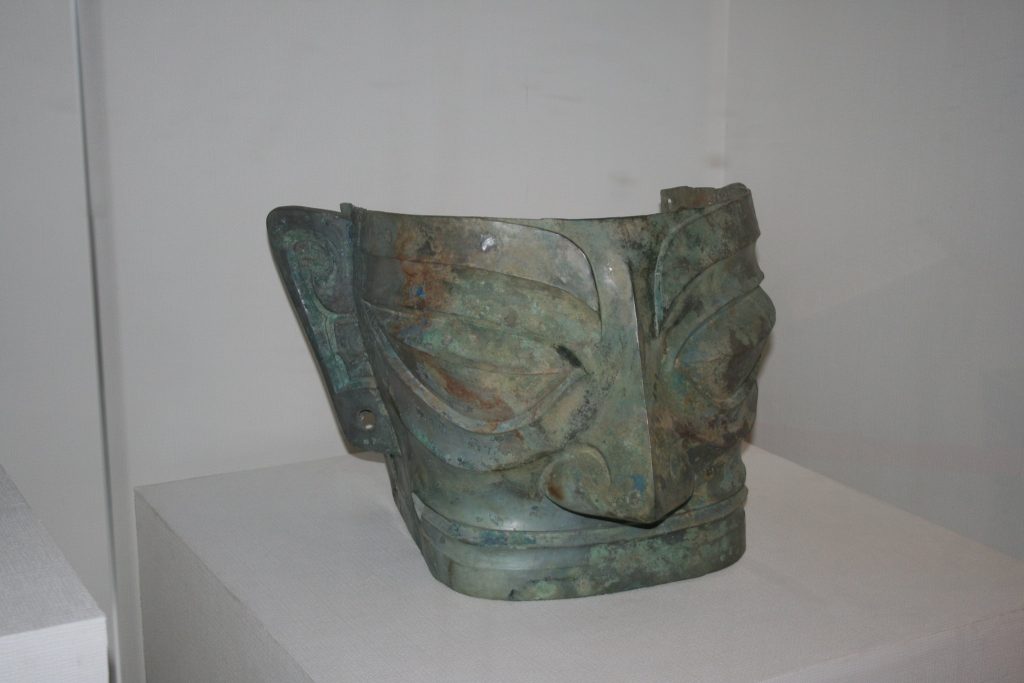
Nobody expected to find towering bronze masks with protruding eyeballs and massive ears in rural Sichuan Province. When archaeologists excavated Sanxingdui starting in 1986, they discovered artifacts so unusual that some experts from the British Museum considered them more remarkable than the Terracotta Army itself.
These bronze creations date back over 3,000 years to a civilization that developed completely independently from mainstream Chinese culture. Gold masks weighing several pounds and bronze statues standing 8 feet tall emerged from sacrificial pits that had been deliberately buried.
In 2021, excavators found more than 500 additional artifacts, including a gold mask fragment that may have been worn by ancient priests during ceremonies.
Mogao Caves house 1,000 years of Buddhist art
Carved into cliffs near Dunhuang along the Silk Road, the Mogao Caves contain what might be the world’s largest collection of Buddhist art under one roof. Construction began in 366 CE when a monk claimed to see 1,000 Buddhas bathed in golden light, inspiring him to carve the first cave.
Over the next millennium, travelers, merchants, and pilgrims added nearly 500 caves filled with 45,000 square meters of murals and over 2,000 painted sculptures. The artwork survived partly because the remote desert location kept them hidden from various religious purges throughout Chinese history.
One sealed cave, discovered in 1900, contained tens of thousands of manuscripts in multiple languages that had sat untouched for nearly 900 years.
The Great Wall is 300 years older than historians thought
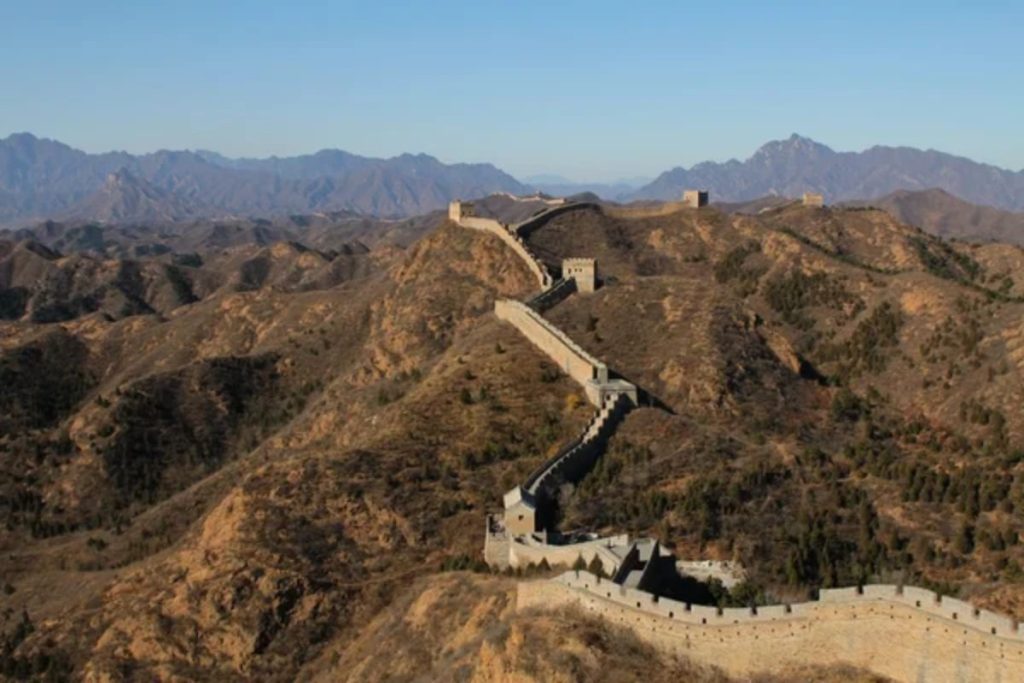
Recent archaeological work in Shandong Province just pushed back the Great Wall’s construction date by three centuries. Using radiocarbon dating and optically stimulated luminescence, researchers confirmed that the Qi Great Wall dates to the late Western Zhou Dynasty, around the eighth century BCE.
This section originally measured about 33 feet wide before expanding to nearly 100 feet during the Warring States period. Archaeologists also discovered residential foundations beneath wall sections, suggesting small settlements existed before construction began.
The discovery challenges the traditional narrative that wall-building started under Emperor Qin Shi Huang and reveals a much longer, more complex construction history than previously understood.
Peking Man’s fossils vanished during World War II
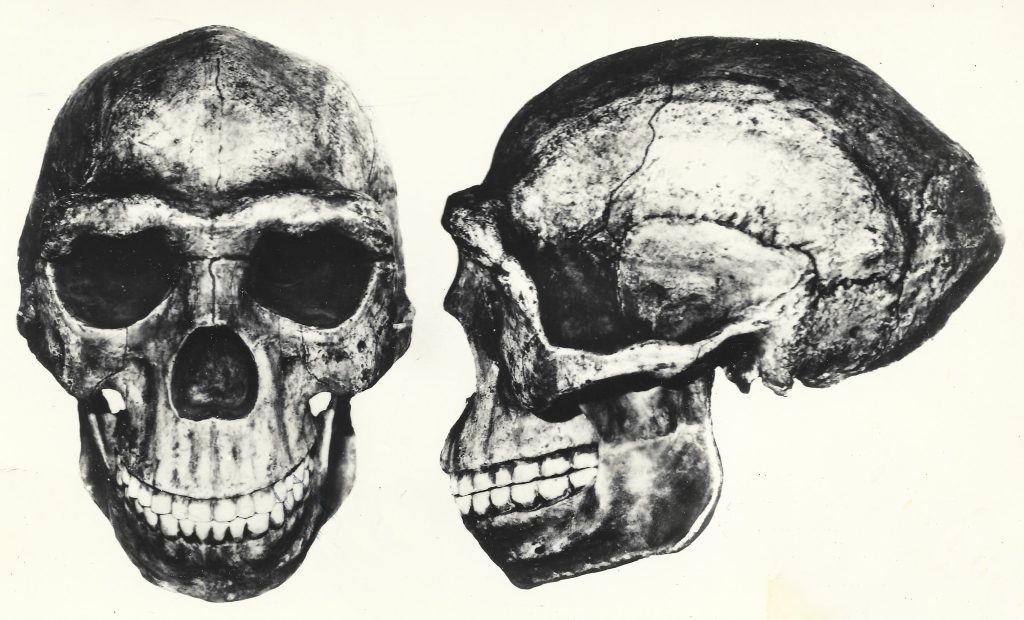
The Zhoukoudian caves near Beijing yielded fossils of Homo erectus dating back 700,000 years, revolutionizing understanding of human evolution when discovered in the 1920s. Archaeologists found evidence of fire use, stone tools, and the remains of at least 40 individuals before war interrupted everything.
In 1941, as Japanese forces advanced, someone packed the precious fossils to ship them to safety in the United States. They never arrived, and despite decades of searching, nobody knows where those original specimens ended up.
Fortunately, detailed casts had been made before the loss, allowing research to continue. Excavations resumed after 1949 and uncovered new fossils, but the mystery of the vanished originals remains one of archaeology’s great unsolved puzzles.
Liangzhu Ancient City proves 5,000-year-old Chinese civilization
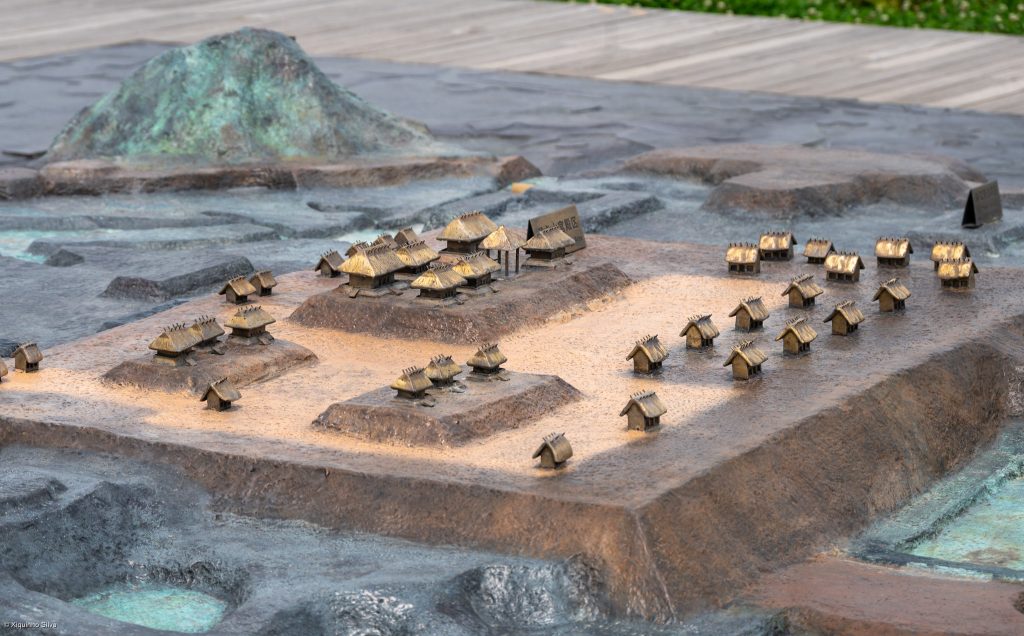
When archaeologists discovered the remains of Liangzhu Ancient City in Zhejiang Province, they found proof that Chinese civilization goes back at least 5,300 years. The city covered over 1,500 acres with massive rammed-earth walls reaching 60 feet at the base and featured an elaborate water management system with more than 30 dams.
Thousands of jade artifacts emerged from elite burial sites, including the famous Jade Cong King weighing over 14 pounds and displaying intricate carvings. The sophistication of hydraulic engineering alone indicates a highly organized society with considerable technical knowledge.
Rice cultivation formed the economic foundation of this Neolithic state, challenging earlier assumptions that civilization’s origins were limited to the Yellow River valley.
Yungang Grottoes blend Central Asian and Chinese Buddhist art
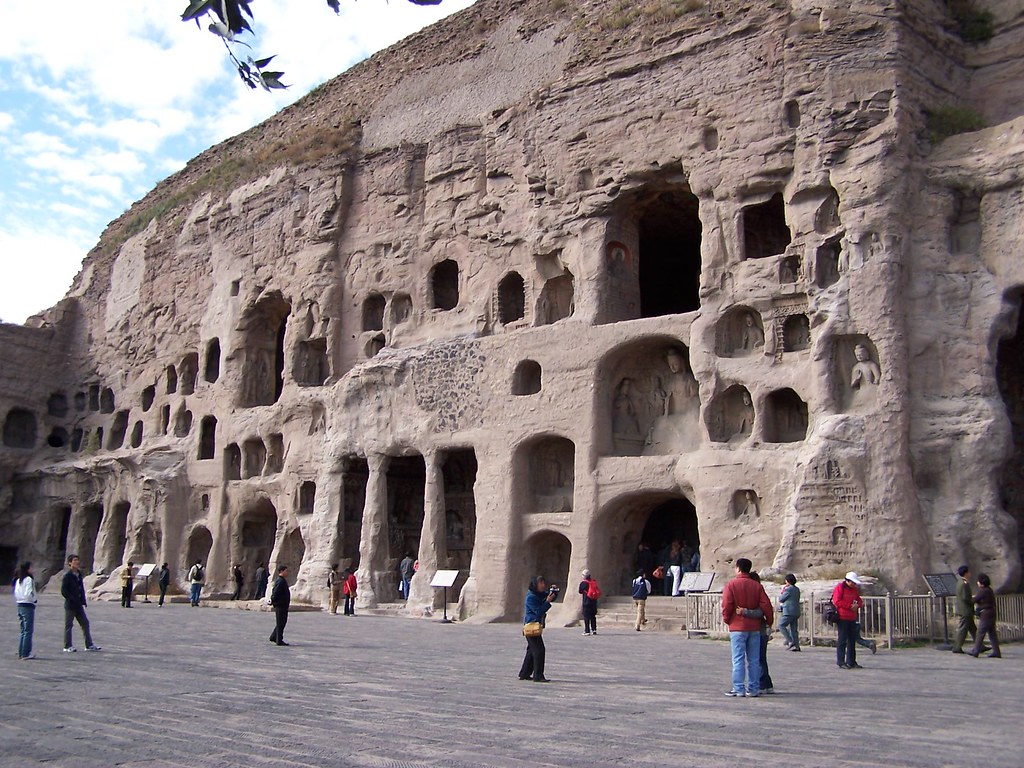
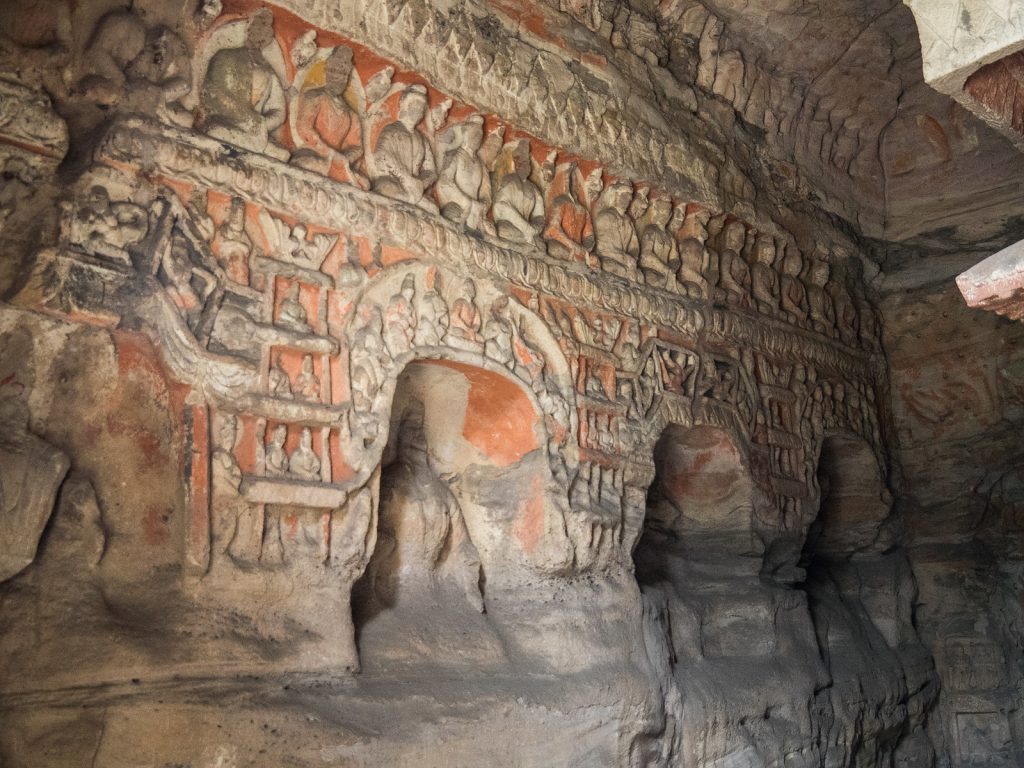
The sandstone cliffs near Datong contain 252 caves housing over 51,000 Buddha statues carved during the Northern Wei dynasty between the fifth and sixth centuries. Imperial commissions funded the earliest caves, known as the Tanyao Five, which each contain a colossal Buddha representing members of the royal family.
Cave 6 stands out with its 1,000 square meters of carved and painted interior surfaces depicting Buddha’s life story in extraordinary detail. The statues show fascinating cultural fusion, with facial features and clothing styles borrowed from Central Asian traditions while incorporating distinctly Chinese elements.
Wind erosion, industrial pollution, and sandstorms from the nearby Gobi Desert threaten the soft sandstone, requiring ongoing conservation efforts to preserve these masterpieces.
Jinsha Site’s gold sunbird became Chengdu’s symbol
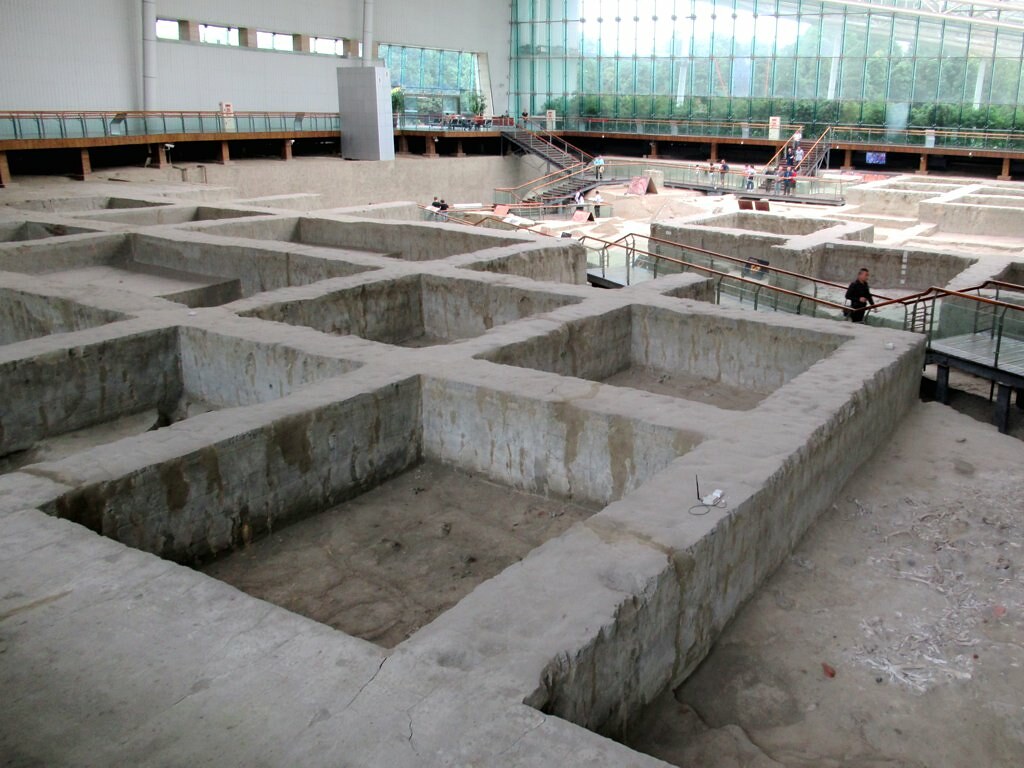
Construction workers accidentally discovered the Jinsha Site in 2001 while digging drainage systems about 4 miles from downtown Chengdu. What they found rewrote the history of the ancient Shu Kingdom, revealing a capital city that thrived between 1200 and 650 BCE.
The site yielded over 10,000 artifacts, including tons of elephant ivory, golden masks, and bronze objects with artistic styles completely different from Han Chinese culture. The Gold Sun and Immortal Bird ornament, featuring intricate designs of four birds flying around a radiating sun pattern, became so iconic that Chengdu adopted it as the city’s official symbol.
Unlike its sister site Sanxingdui, Jinsha lacked defensive walls, suggesting either a peaceful period or a shift in urban planning philosophy.
The Great Wall’s wooden structures rarely survive

While everyone knows about the Great Wall’s stone and brick construction, few realize that wooden buildings once protected the major cave entrances and military installations. The wooden structures in front of Yungang Grottoes’ caves 5 and 6 date to 1621 during the early Qing dynasty, making them rare survivors from that era.
Most wooden components rotted away centuries ago, leaving behind only the stone foundations and beam gaps visible in cave walls today. During the Ming dynasty, the wall incorporated over 25,000 watchtowers made from a combination of materials including wood for roofing and internal structures.
Archaeological surveys using infrared sensors and GPS have revealed over 110 miles of previously unknown wall sections hidden by vegetation and erosion.
Mogao’s Library Cave contained Christian and Zoroastrian texts
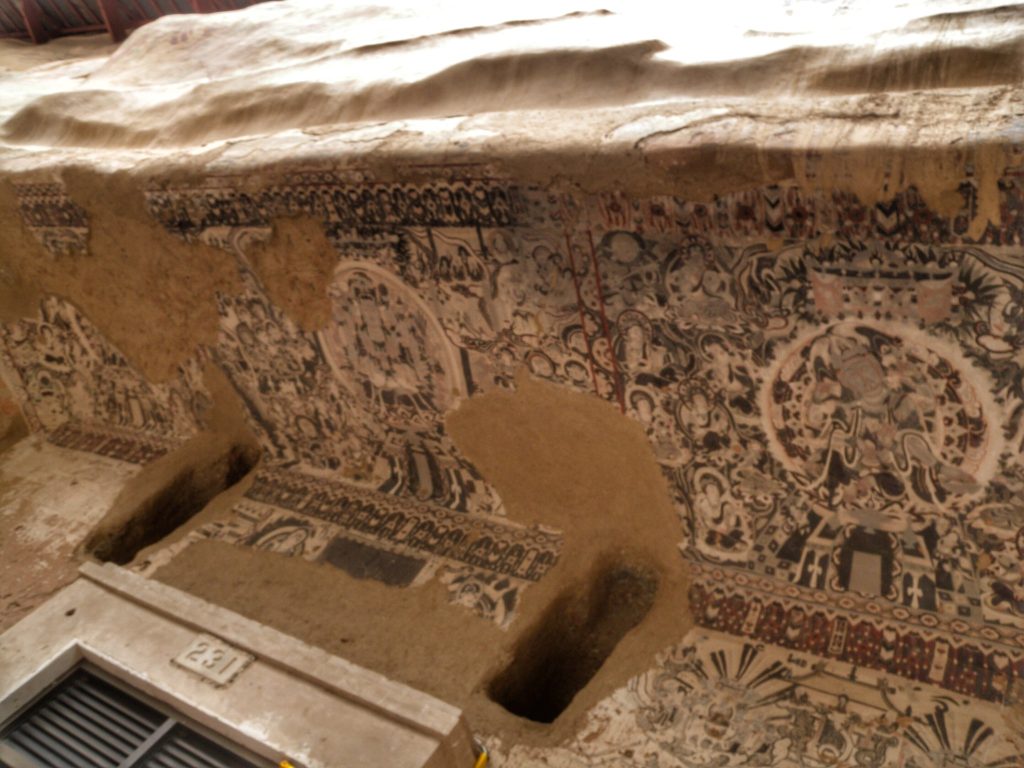
When Taoist monk Wang Yuanlu opened a sealed cave at Mogao in 1900, he discovered far more than just Buddhist manuscripts. Among the 60,000 documents crammed into what’s now called Cave 17 were texts in Chinese, Tibetan, Sanskrit, Sogdian, and even Hebrew.
Researchers found Christian texts including Syrian versions of the Psalms, providing unprecedented evidence for how Nestorianism spread through Central Asia. Zoroastrian prayers and Manichaean writings also turned up, revealing Dunhuang as a true crossroads of religions and cultures along the Silk Road.
Many manuscripts survived only because monks recycled paper, writing Buddhist texts on the reverse sides of older documents, creating accidental time capsules of daily life and religious diversity.
Sanxingdui’s treasures were intentionally smashed and buried
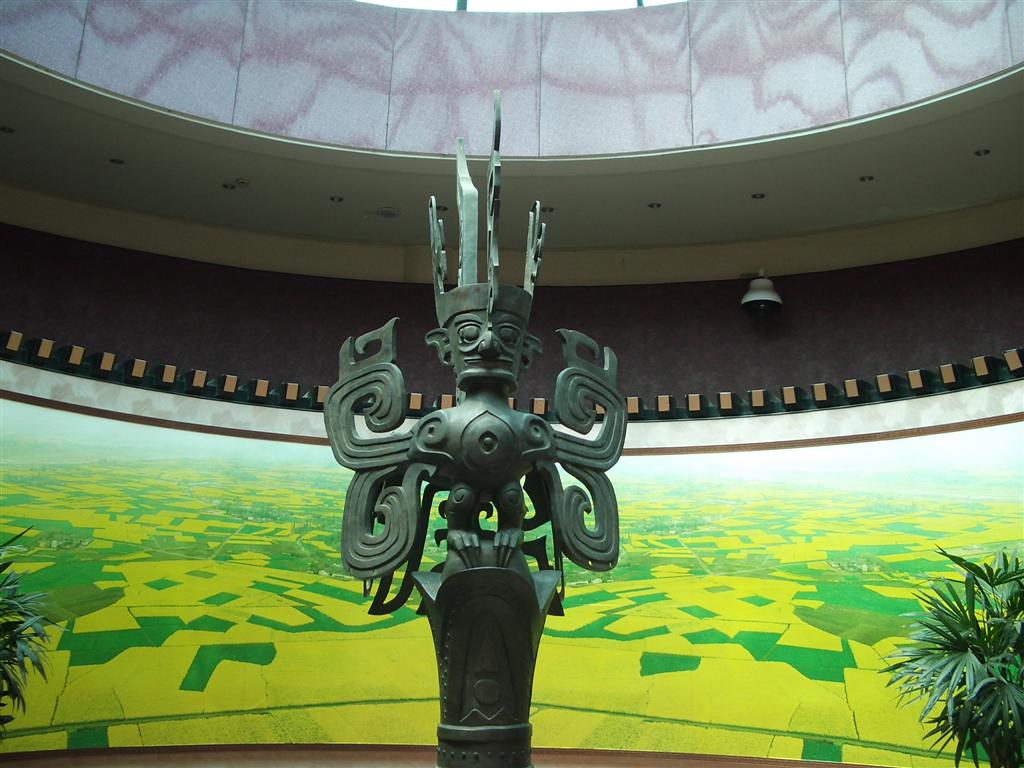
The bronze masks, elephant tusks, jade objects, and gold items at Sanxingdui didn’t end up in pits by accident. Archaeologists believe ancient inhabitants deliberately broke these precious objects and buried them in ritual sacrifices around 1200 BCE.
Some bronze faces show evidence of being burned before burial, suggesting fire played a role in the ceremonies. The artifacts’ artistic style differs so dramatically from contemporary Shang dynasty objects that researchers initially struggled to connect Sanxingdui to any known Chinese culture.
Recent excavations using modern archaeological techniques, including live-streamed digs in climate-controlled cabins, continue revealing new artifacts while maintaining strict preservation standards.
Zhoukoudian preserved 500,000 years of human occupation
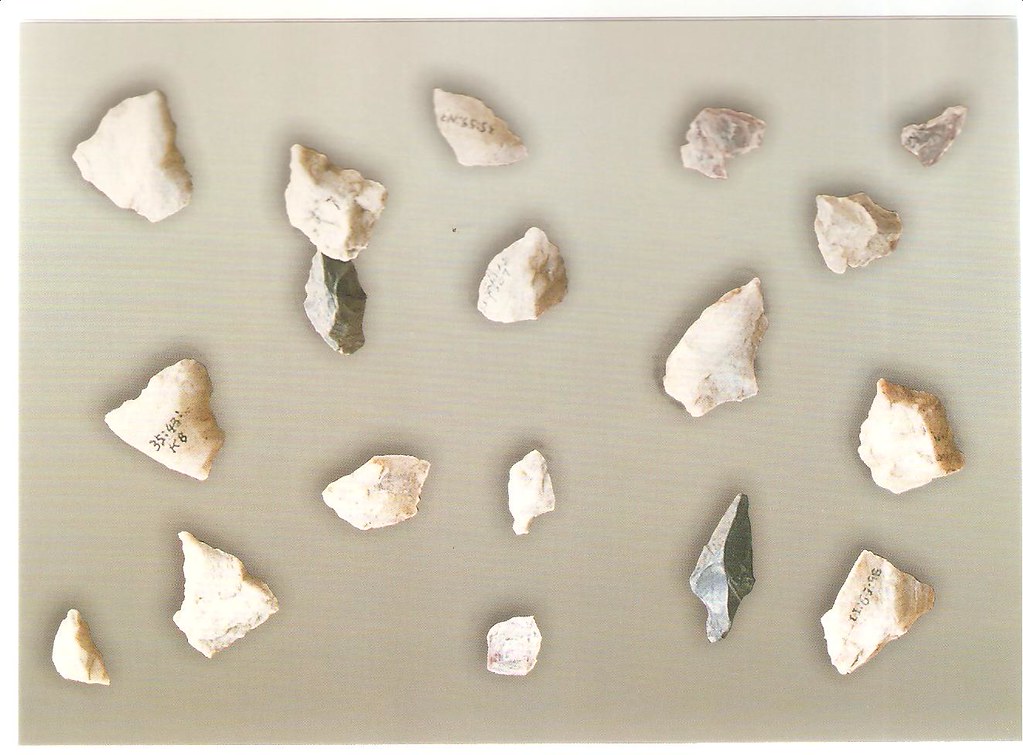
The limestone caves at Zhoukoudian weren’t just home to Peking Man 700,000 years ago. Archaeological layers reveal continuous or repeated occupation spanning half a million years, with evidence of Homo erectus, archaic Homo sapiens, and fully modern humans.
The Upper Cave yielded remains of anatomically modern humans from about 18,000 years ago, complete with ornaments and tools showing advanced craftsmanship. Over 100,000 stone tools emerged from the excavations, mostly simple choppers and flakes but including sophisticated scrapers and possibly burins.
Researchers initially believed they found evidence of controlled fire use, but later analysis in 1998 suggested some apparent ash layers were actually water-laid sediments, sparking ongoing debates about when humans mastered fire.
Liangzhu’s jade came from local sources
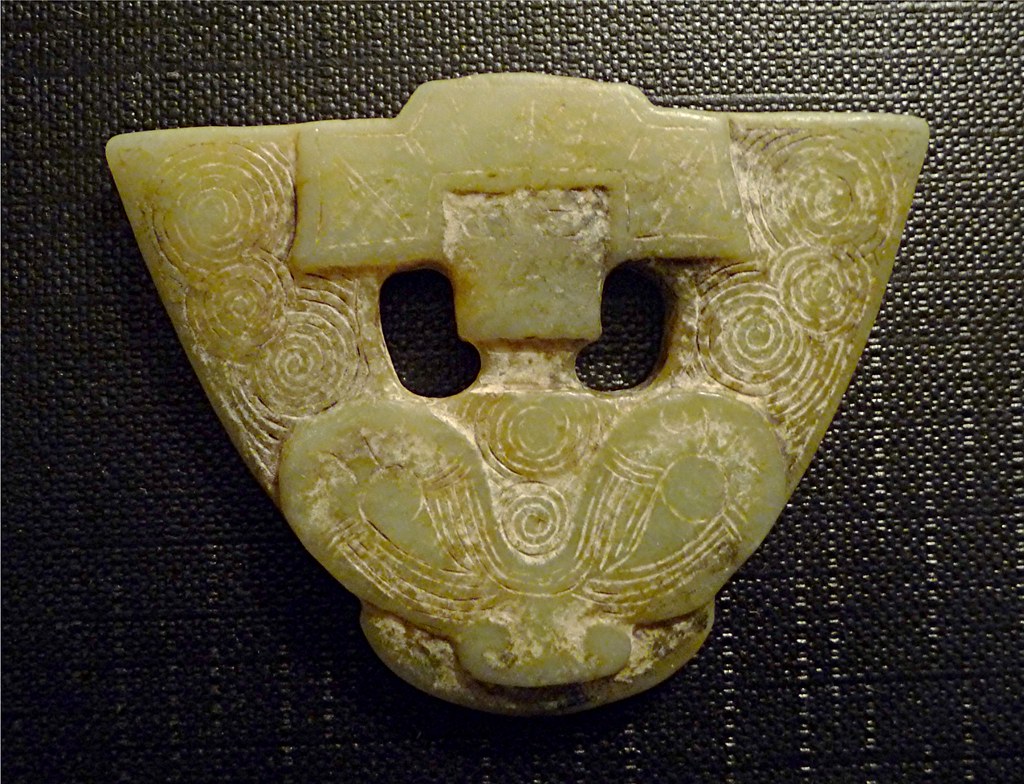
While Liangzhu culture produced 90% of all the ceremonial jade cong tubes and bi disks recovered from Neolithic China, they didn’t need to import the precious stone from distant sources. Multiple jade deposits existed within their territory, allowing various local centers to craft elite goods.
The Liangzhu people at the ancient city set the standards for what proper jade should look like, and their designs influenced jade work across China for thousands of years afterward. Jade axes symbolized military power while cong tubes and bi disks served ritual purposes, forming the core of an elaborate jade system that marked social hierarchies.
Some burial sites contained thousands of individual jade pieces arranged around the deceased, representing centuries of skilled craftsmanship and accumulated wealth.
The Terracotta Army likely represents one-quarter of the total force
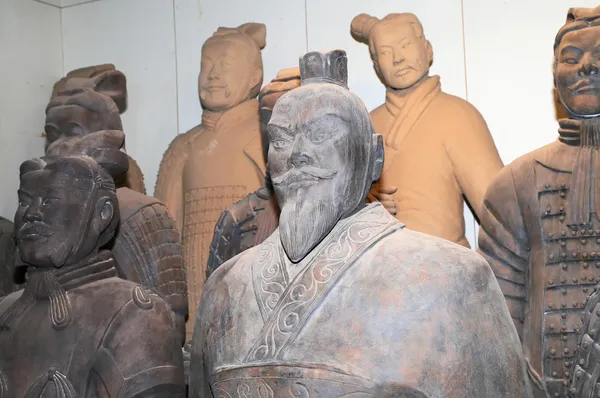
What tourists see today at Xi’an represents just the eastern portion of Emperor Qin Shi Huang’s underground protection. Archaeologists believe similar armies of terracotta warriors probably guard the other three sides of the massive tomb complex, potentially quadrupling the already staggering numbers.
The main excavated pit measures 755 feet by 203 feet and contains about 6,000 warriors, but only three of four pits on the eastern side have been fully explored. Ground-penetrating radar and core sampling reveal the tomb itself remains sealed, covering an area roughly 328 feet by 246 feet.
Concerns about preservation keep excavators cautious since the colored pigments on warriors deteriorate so rapidly upon exposure to modern air.
Yungang’s sculptures weathered more than time
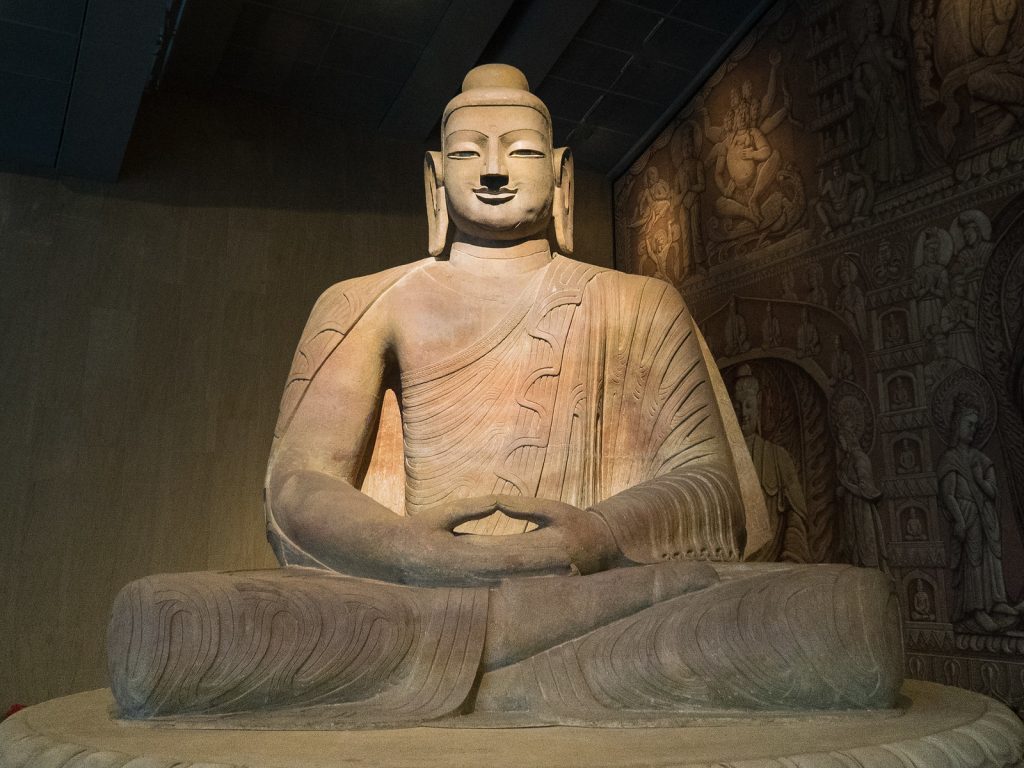
Beyond natural erosion from sandstorms and acid rain, the Yungang Grottoes suffered deliberate damage during China’s Cultural Revolution when Red Guards attacked the carvings. Bullet marks still scar some statues, serving as reminders of that turbulent period.
The soft sandstone that made the rock ideal for detailed carving also makes it vulnerable to temperature changes and pollution from nearby coal mining operations. During the Liao dynasty, workers built ten temples between 1049 and 1060 to shelter the main caves, but fire destroyed them roughly six decades later.
Modern conservation uses grouting to seal cracks, strategic tree planting to reduce sandstorm damage, and digital scanning to create detailed 3D models that can be shared worldwide without risking the originals.
Ancient meets digital
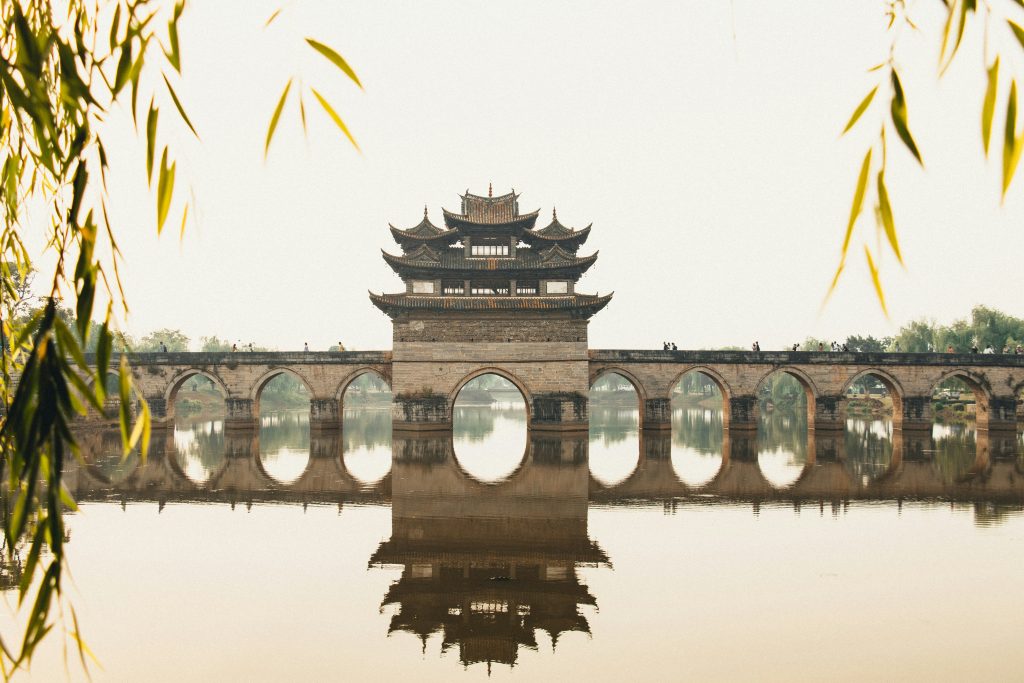
China’s archaeological sites increasingly embrace technology to preserve and share their treasures with the world. The Mogao Caves use high-resolution photography and digital reconstruction to create virtual caves that reduce tourist impact on fragile murals while allowing detailed study.
At Liangzhu, the entire archaeological park features 5G coverage enabling augmented reality experiences that show visitors how the ancient city looked 5,000 years ago. The Terracotta Army Museum employs advanced spectral analysis and X-ray fluorescence to understand ancient manufacturing techniques without damaging artifacts.
These digital preservation efforts ensure that even if natural disasters or pollution continue threatening physical sites, detailed records will survive for future generations to study and appreciate.
More from Travel Pug

- Underrated Italian Towns That Beat the Tourist Crowds
- Las Vegas Tourist Traps to Skip
- Prettiest Towns in Every US State
- 18 passport-free countries for Americans
- Signs Your Cruise Is Not Worth The Cost
Like Travel Pug’s content? Follow us on MSN.