

The Cold War left behind more than just political divisions and faded memories. Across Europe, a network of secret bunkers, spy stations, and military installations stood ready for conflicts that never came.
These relics of tension between East and West have transformed into some of the continent’s most compelling tourist attractions, offering glimpses into an era when nuclear annihilation felt like a real possibility. From underground command centers to abandoned radar stations, these sites tell stories of paranoia, preparation, and the peculiar logic that defined decades of standoff between superpowers.
Here is a list of 15 fascinating Cold War sites that you can visit across Europe.
BunkArt in Tirana, Albania
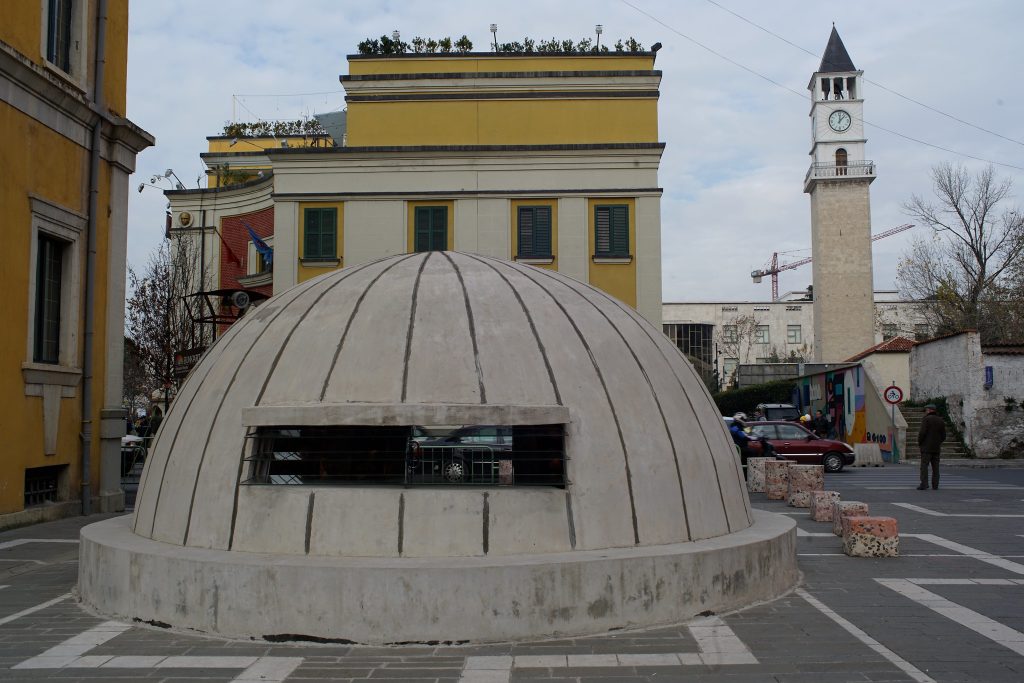
Albania takes the crown for Cold War excess with an estimated 750,000 concrete bunkers scattered across the country, built during dictator Enver Hoxha’s paranoid reign. The most impressive of these is BunkArt 1, a massive five-story underground nuclear shelter originally designed for government officials.
Spanning over 32,000 square feet with 106 rooms, this former top-secret facility now serves as both a history museum and a contemporary art gallery. The temperature inside stays at a constant 60 degrees Fahrenheit year-round, offering welcome relief during Albania’s sweltering summers.
BunkArt 2, located just two minutes from Skanderbeg Square in central Tirana, focuses specifically on the secret police and political persecution during the communist era. What makes these sites particularly striking is how they’ve been repurposed with modern exhibits and lighting that transform spaces of fear into platforms for reflection and artistic expression.
Bunker-42 in Moscow
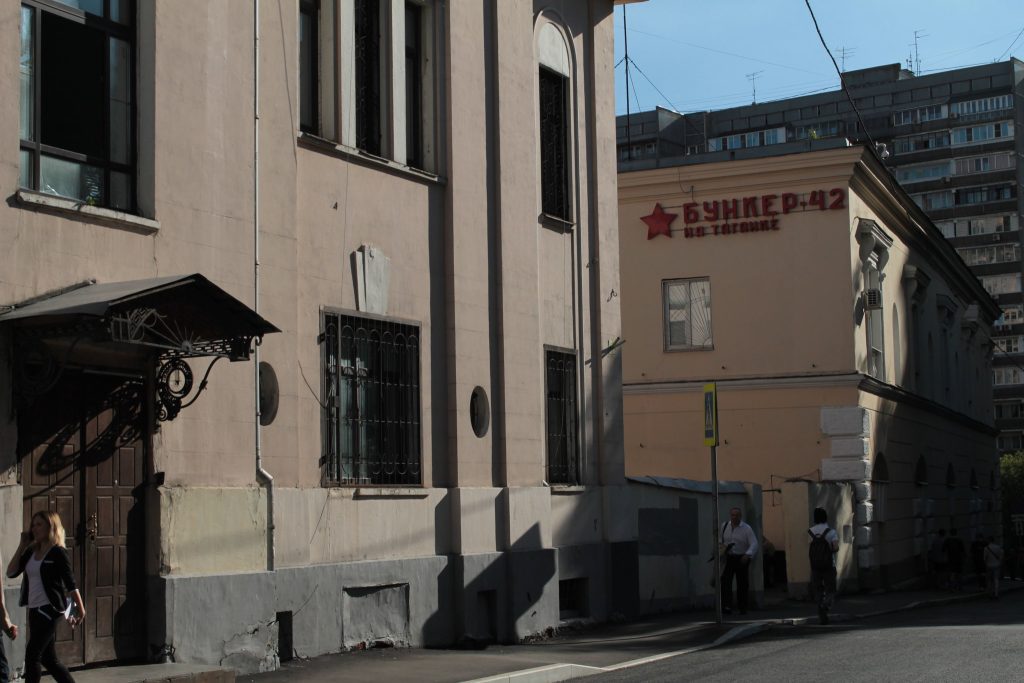
Buried 200 feet beneath Moscow’s streets lies one of the Soviet Union’s most secretive Cold War facilities. Bunker-42, hidden behind an ordinary neoclassical building that aroused no suspicion, served as the command post for Soviet nuclear forces throughout the Cold War.
The facility stretches out in a complex network of tunnels and rooms, all designed to survive a direct nuclear strike with two-meter-thick concrete walls and steel reinforcement. Today, visitors can descend the steep stairs into this underground city and experience a simulated nuclear bomb explosion as part of the museum tour.
The bunker includes what was once a fully equipped operating room capable of handling 15 doctors simultaneously, its own power and water supply with a cistern holding over 53 cubic meters of water, and two secret emergency exits leading to Red Square. Tours run daily, giving visitors a chance to explore the command centers, living quarters, and communications hubs that would have coordinated Soviet responses in the event of nuclear war.
Teufelsberg spy station in Berlin
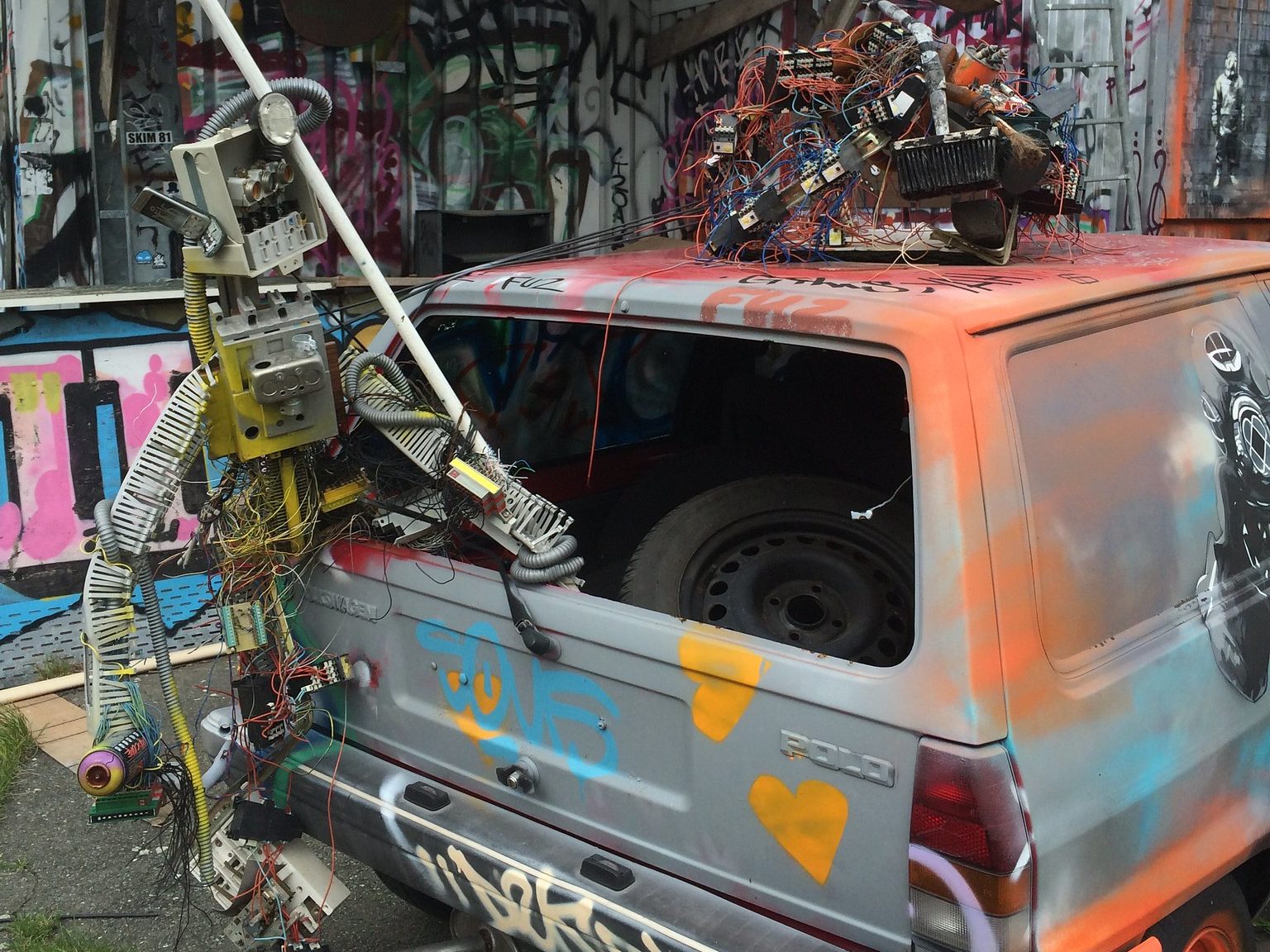
Rising 260 feet above the surrounding landscape on Berlin’s western edge, Teufelsberg represents one of the Cold War’s strangest ironies. This artificial hill was created from 75 million cubic meters of rubble from Berlin’s destroyed buildings, deliberately piled atop an unfinished Nazi military college that was too sturdy to demolish with explosives.
The Americans and British quickly recognized the strategic advantage of this elevated position and built Field Station Berlin on top, installing distinctive white radomes that housed radar equipment for eavesdropping on East German and Soviet communications. For decades, up to 1,500 intelligence officers worked around the clock monitoring radio signals within a 150-mile radius.
The station operated until the fall of the Berlin Wall in 1989, after which it was abandoned and eventually covered in some of the world’s most extensive street art collections. Today, visitors can take guided tours through the graffiti-covered ruins, climb inside the radar domes, and enjoy panoramic views of Berlin from what was once one of the most secretive listening posts in Europe.
Plokštinė missile base in Lithuania
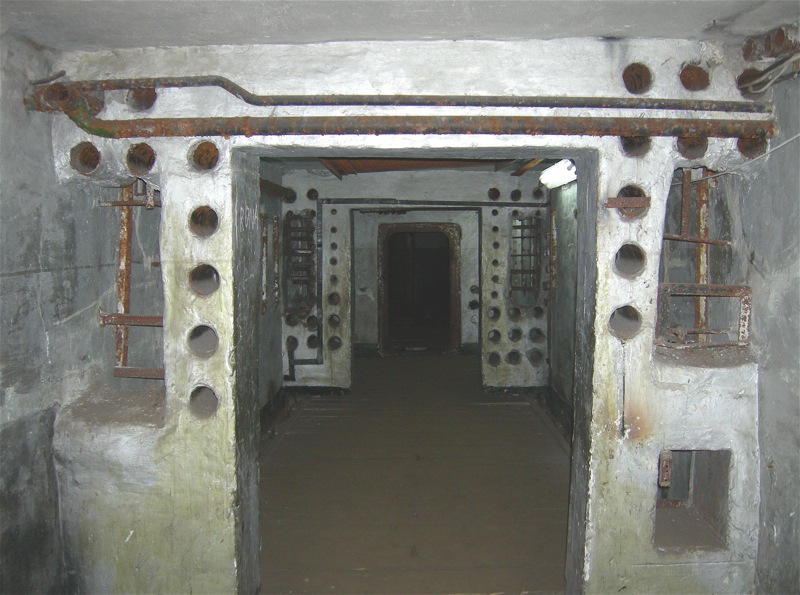
Hidden in the forests of northwestern Lithuania, the Plokštinė missile base represents the terrifying reality of nuclear readiness during the Cold War. Built in 1960 as one of the first underground silo-based missile facilities in the Soviet Union, this base housed four R-12 medium-range ballistic missiles, each capable of delivering a two-megaton warhead to virtually any target in Europe.
Approximately 10,000 soldiers, deliberately recruited from distant Soviet republics like Estonia and Kazakhstan to prevent them from communicating with locals, spent two years excavating four silos, each 100 feet deep. The underground complex included a control room, backup power station, communications hub, and living quarters capable of supporting personnel for 15 days under normal conditions.
What makes this site particularly chilling is that missiles from this very base were deployed to Cuba in September 1962, triggering the Cuban Missile Crisis. The base operated until 1978 and now serves as the Cold War Museum, where visitors can peer down into the empty silos and explore the underground launch facilities that once held the power to reshape Europe’s fate.
Checkpoint Charlie in Berlin
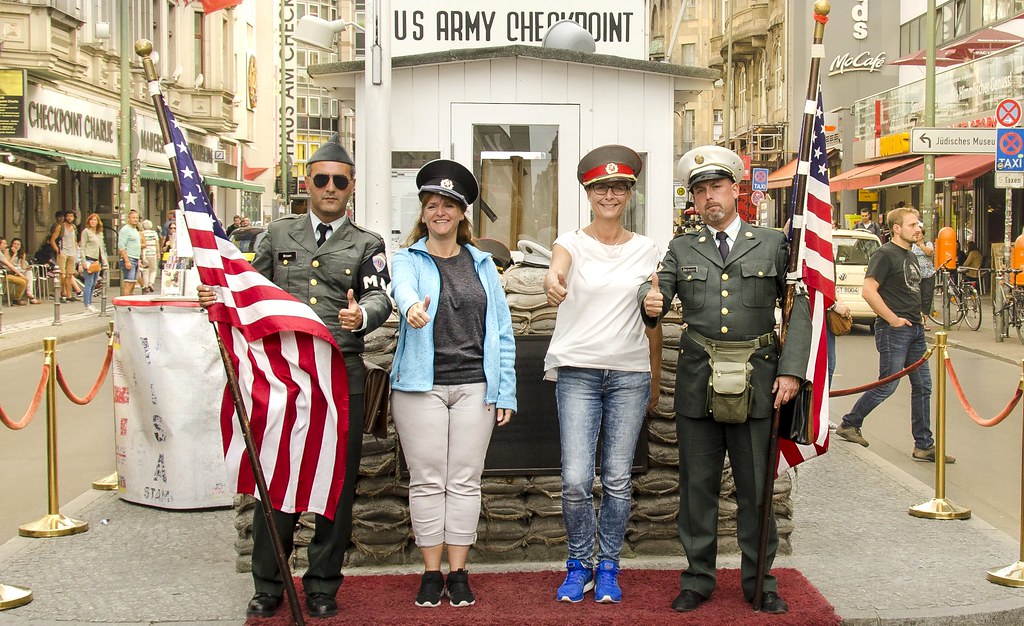
No location better symbolizes the Cold War’s front lines than Checkpoint Charlie, the most famous crossing point between East and West Berlin. Named after the third letter in the NATO phonetic alphabet (following Checkpoint Alpha and Checkpoint Bravo), this border crossing controlled passage for Allied military personnel, diplomats, and foreign tourists through the Berlin Wall.
In October 1961, just months after the Wall’s construction, American and Soviet tanks faced each other here with live ammunition in a 16-hour standoff that brought the world to the brink of armed conflict. The checkpoint witnessed numerous daring escape attempts, including the tragic 1962 death of Peter Fechter, who bled out on the barbed wire in full view of international media.
Today, a replica guard booth stands at the original location, surrounded by an open-air exhibition that documents escape attempts and the Cold War’s impact on divided Berlin. The nearby Mauermuseum, opened in 1963, displays escape devices including hot-air balloons, modified cars, and even a mini-submarine, attracting over 850,000 visitors annually.
Hospital in the Rock in Budapest
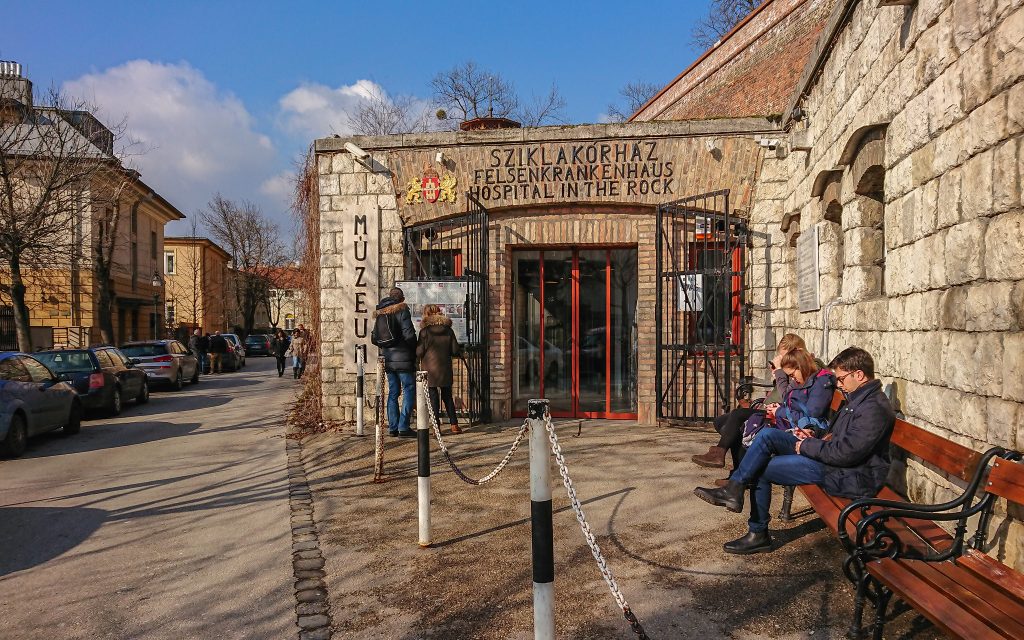
Beneath Budapest’s Buda Castle, a network of limestone caves conceals one of Europe’s most unusual Cold War sites. Originally carved out as a secret military hospital during World War II, these underground chambers provided emergency medical care during the brutal 1944-1945 Siege of Budapest.
After the war, the complex was converted into a nuclear bunker, complete with air filtration systems, decontamination rooms, and supplies designed to sustain operations during a nuclear attack. The temperature inside remains consistently cool year-round, making warm clothing essential even during summer visits.
Today, the museum features recreated hospital scenes with wax figures of doctors and patients, authentic medical equipment from both world wars, and a haunting exhibition about the aftermath of the Hiroshima and Nagasaki bombings, marked by paper cranes hanging from the bunker ceiling. Guided tours are mandatory, and photography is restricted, adding to the site’s somber atmosphere.
The juxtaposition of World War II surgical theaters and Cold War paranoia makes this one of Budapest’s most emotionally powerful historical sites.
Karosta Prison in Liepāja, Latvia
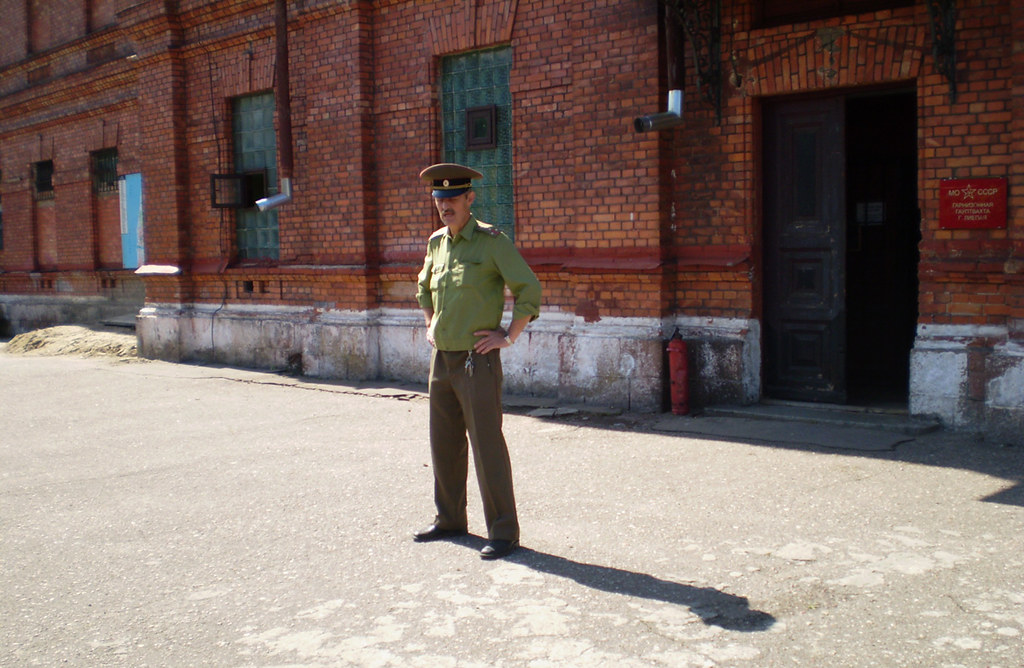
Few Cold War sites offer such an immersive experience as Karosta Prison, Europe’s only military prison open to the public. Built around 1900 as part of a massive Russian naval base, this brick building served under six different military powers throughout its history: the Russian Empire, the new Latvian government after World War I, the Soviets, the Nazis, the Soviets again, and finally independent Latvia.
The prison gained particular notoriety during Nazi occupation, when it served as an execution site, and informal estimates suggest at least 5,000 people died within its walls. What sets Karosta apart is its transformation into a participatory museum where visitors can take standard guided tours or sign up for the full ‘Behind the Bars’ experience, which includes wearing prisoner garb, verbal harassment by guards dressed in Soviet uniforms, and spending a night locked in a cold cell with only a mattress on the concrete floor.
The prison even offers a Soviet-style canteen serving period-appropriate meals. Tours are led by former wardens who bring authenticity to the experience, though visitors must sign agreements acknowledging that disobedience could result in additional physical exercise or cleaning duties.
York Cold War Bunker in England
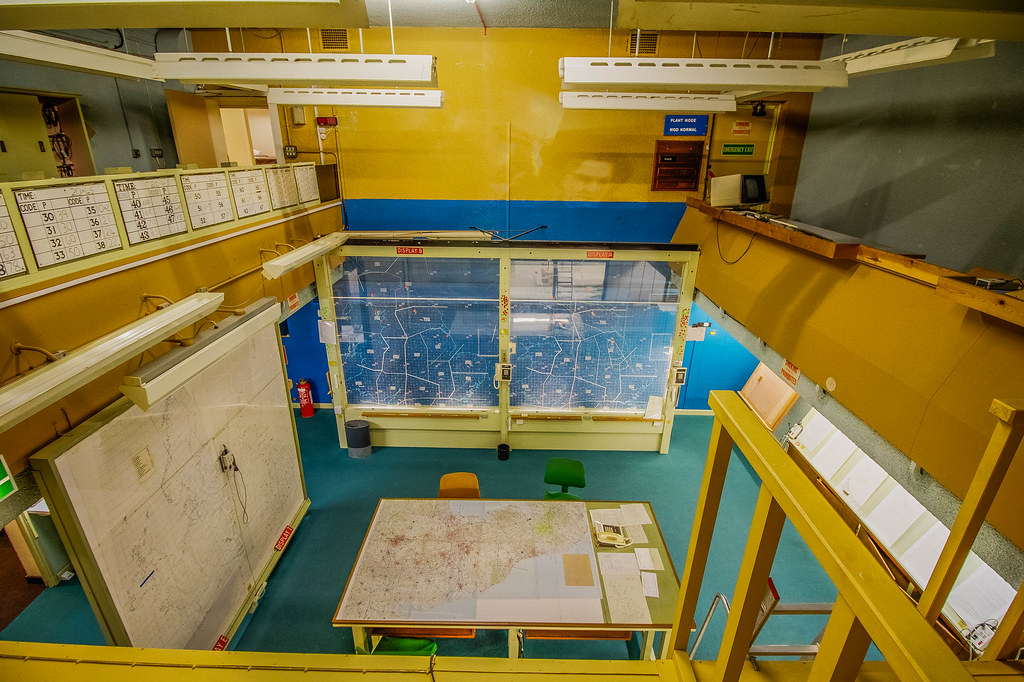
Just a mile from York’s city center, an unremarkable bungalow conceals the entrance to a semi-subterranean bunker that would have tracked nuclear explosions across Yorkshire. Built in 1961 as the regional headquarters for the Royal Observer Corps’s No. 20 Group, this two-story facility could have supported 60 volunteer members who would have monitored nuclear detonations and tracked radioactive fallout patterns to warn the public.
The windowless interior remains remarkably preserved, featuring a control room with original monitoring devices, a ‘hot bed’ dormitory where staff would have taken turns sleeping, and a sewage ejector unit. The air-filtering system and supplies were designed to last just 30 days, a sobering reminder of the expected devastation.
English Heritage restored the bunker between 2000 and 2006, and visits are now by pre-booked guided tour only. The cramped quarters and basic facilities bring home the grim reality that even those tasked with coordinating regional survival had limited prospects in the event of nuclear war.
Prague’s underground bunkers
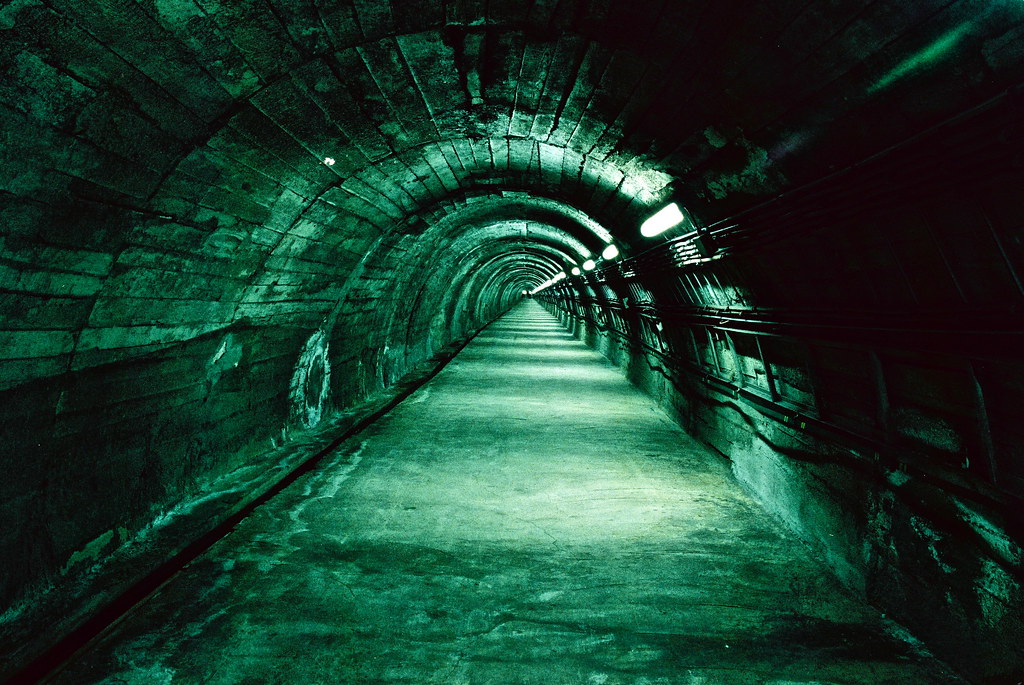
Prague harbors several remarkable Cold War bunkers beneath its streets, each telling its own story of nuclear-age anxiety. The Nuclear Bunker Museum, buried five stories beneath Parukarka Hill, was designed as a civilian shelter during the height of Cold War paranoia.
Studies at the time suggested that keeping people underground for extended periods posed severe psychological risks including panic and thoughts of self-harm, so this bunker was designed only for immediate protection from nuclear explosions, with the expectation that survivors would evacuate within days. The museum features gas masks, period equipment, and exhibits explaining the nuclear threat that loomed over communist Czechoslovakia.
Meanwhile, beneath the five-star Hotel Jalta on Wenceslas Square, a bunker spanning three floors and capable of sheltering 150 people remained secret from 1954 until 1997. Built to protect prominent officials and distinguished officers, it included its own operating room, power and water supply, and two-meter-thick concrete walls with steel reinforcement.
Today, the Museum of the Cold War occupies several rooms where guides dressed as Czechoslovak army officers from the 1980s demonstrate the listening devices used by the Secret Police to eavesdrop on hotel guests.
RAF Holmpton in England
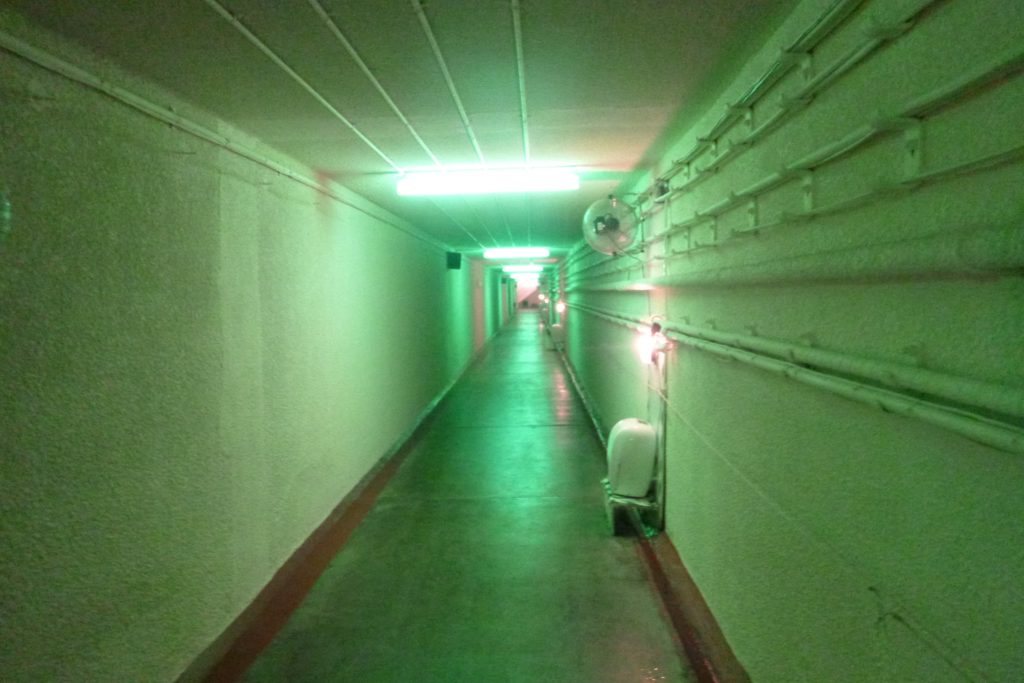
Hidden beneath the Yorkshire countryside, RAF Holmpton represents one of Britain’s most ambitious Cold War construction projects. Built in 1953 as part of the Rotor radar defense program, this bunker sits 100 feet underground, encased in 10 feet of solid concrete reinforced with tungsten rods for additional stability.
The entire structure was created from one continuous pour of concrete and gravel that cost £1.5 million in 1953, equivalent to about $67 million today. Facing east toward the Soviet Union, the station could monitor radar signals hundreds of miles away, providing early warning of approaching attacks.
The personnel who worked there, known locally as ‘the moles,’ performed the peculiar task of writing backwards on clear Perspex boards so information could be read from the other side by officers monitoring radar displays above. The bunker operated various functions until 2014, when it finally closed after serving as an Emergency War Headquarters, training facility, and experimental command center.
Today, occasional open days allow visitors to explore the operations room, nuclear reporting cell, and even play pool or listen to a jukebox in the recreation room, offering a strange glimpse into how military personnel would have spent downtime while preparing for nuclear war.
Skrunda-1 radar station in Latvia
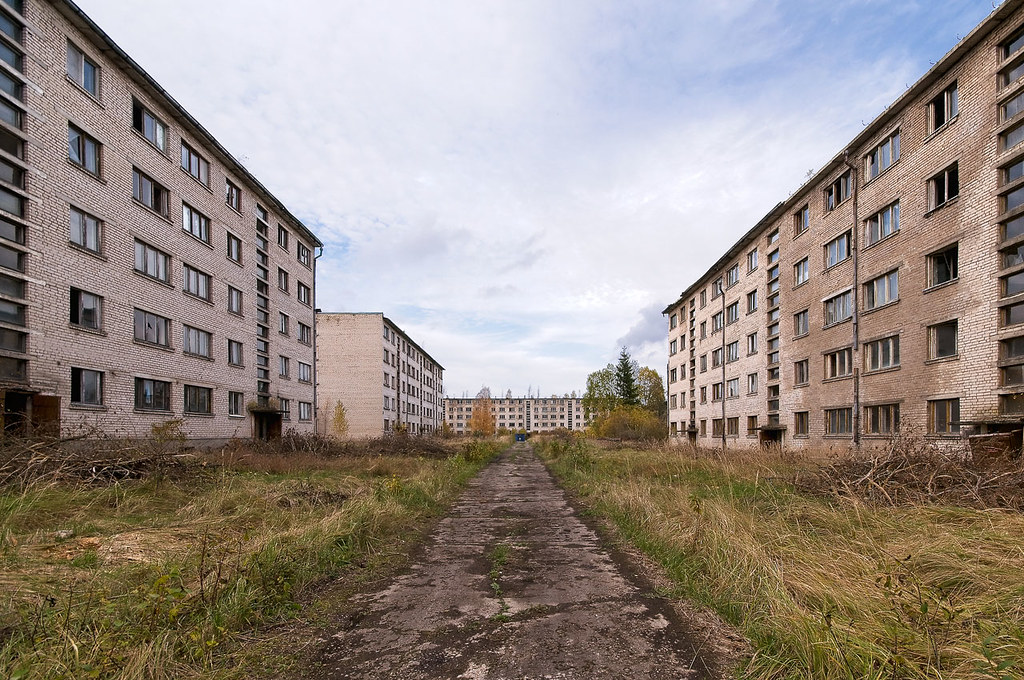
In the forests of western Latvia lies one of the Cold War’s most secretive installations, a ghost town that never officially existed. Skrunda-1, built in 1963, housed two massive Dnepr ‘Hen House’ radar installations that monitored Western Europe for incoming missiles.
Positioned at the western edge of the Soviet Union, these barn-like radars represented one of Moscow’s most important early warning systems. The facility supported a population of 5,000 military personnel and their families, complete with apartment blocks, schools, an officers’ club, and all the amenities of a functioning town.
On May 4, 1995, American demolition experts funded by the U.S. government brought down the partially completed 19-story Daryal radar tower in a spectacle that drew tens of thousands of Latvians to nearby fields and was broadcast on national television. Latvian officials toasted the explosion with champagne, with the Prime Minister declaring that ‘World War II in Latvia has finally ended.’
The last resident left in 1999, and the site sat abandoned for years, its 60 buildings slowly deteriorating. In 2016, local authorities began charging four euros for curious tourists to explore the ruins, though the site was later closed to civilians and placed under military control in 2018.
House of Terror in Budapest
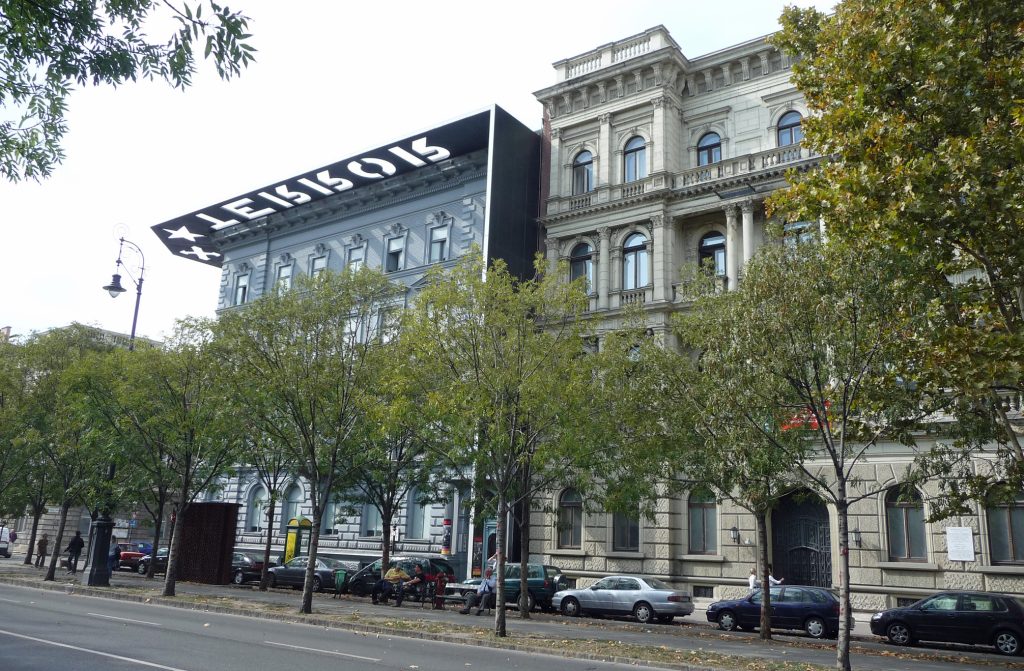
At 60 Andrássy Avenue in Budapest stands a building that served as headquarters for both Nazi and Soviet secret police, making it one of the few sites where visitors can trace a continuous line of oppression through multiple totalitarian regimes. The building’s facade features the word ‘Terror’ cut out in letters that cast shadows on the structure below, a powerful architectural statement visible from the street.
Inside, a Soviet tank dominates the atrium, while walls are covered with portraits of thousands of victims who passed through this building. Exhibits document gulag life, Social Realist propaganda, and a particularly haunting labyrinth built of pork-fat bricks, reminding older Hungarians of the 1950s when lard on bread was standard dinner fare.
The ultra-slow elevator descent to the basement chambers is deliberately paced, with a guard on video explaining the execution process during the ride down. In the basement, visitors encounter the actual torture chambers and execution rooms where countless Hungarians accused of being enemies of the state met brutal ends.
Perhaps most controversial are the ‘walls of victimizers’ displaying photos and biographical information on members and supporters of both the Nazi and communist secret police, many of whom were never brought to justice and remain alive today.
Iron Curtain Museum in Hungary
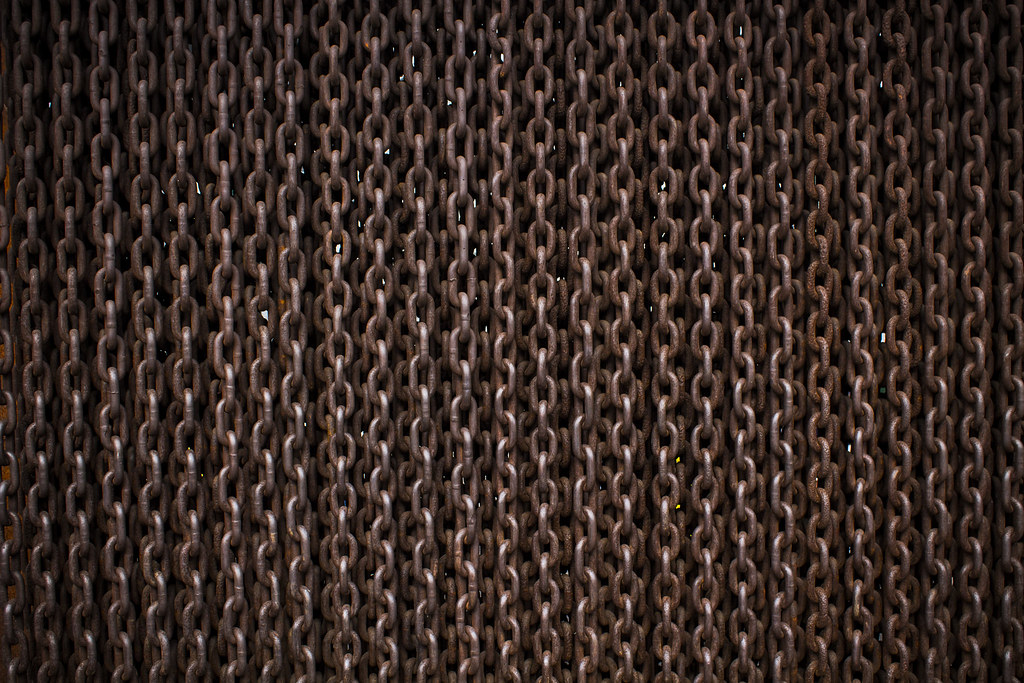
On the former border between communist Hungary and free Austria, a former border guard named Sandor Gojak created a deeply personal museum dedicated to those who attempted to escape to the West. Located near Felsőcsatár, this small but powerful exhibition sits on the actual site where minefields, concrete poles, and electrified fences once prevented Hungarians from reaching freedom.
After the failed 1956 uprising against Soviet control, Hungary fortified its western border with extensive mine strips that remained until the late 1960s, when accidents involving Austrian citizens prompted their removal. The museum displays original sections of border fortifications, watchtowers, and barbed wire, alongside photographs and personal stories of both successful escapes and tragic failures.
What makes this museum particularly moving is that Gojak himself served as a border guard in the 1960s and later dedicated his life to documenting this dark period. For a brief period in 1989, before the official fall of the Iron Curtain, mines were removed and approximately 300,000 East Germans managed to escape through Hungary to Austria.
The museum also includes a section on the modern fence erected in 2015 between Hungary and Serbia during the European migrant crisis, drawing uncomfortable parallels between past and present border controls.
Dobbiaco Bunker Museum in Italy
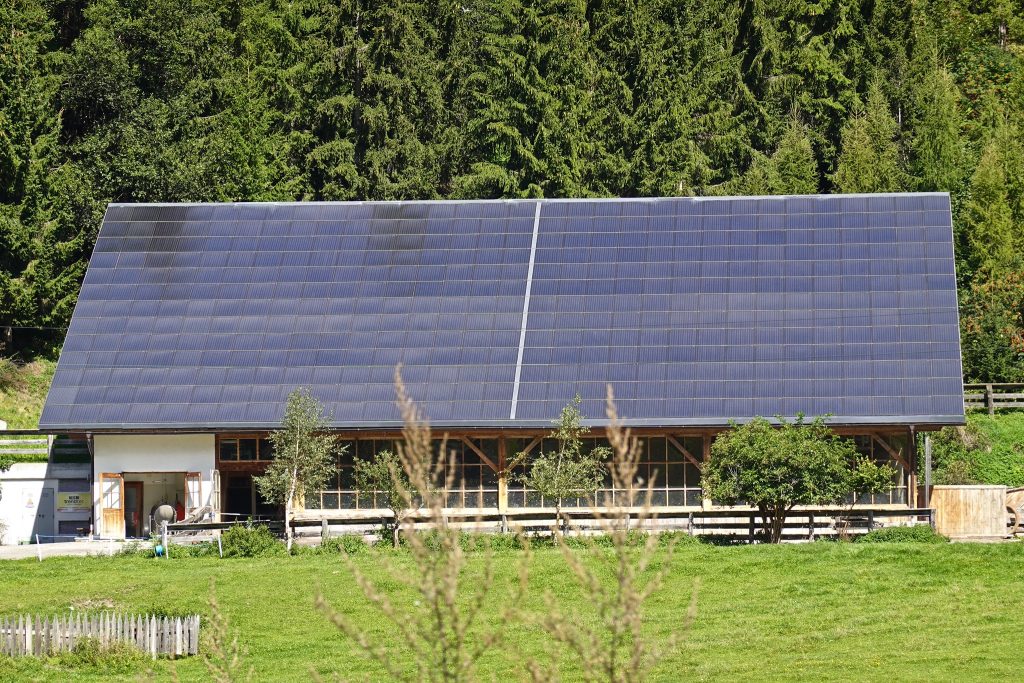
Nestled in the Dolomites near the Austrian border, the BunkerMuseum occupies a former Cold War military installation with a unique dual history. Built between 1938 and 1942 as part of Mussolini’s Alpine Wall defense line, the bunker wasn’t completed during World War II but was reactivated from 1950 onwards as part of NATO’s defensive plans against potential Warsaw Pact invasion.
Located at a strategic spot between Innichen and Dobbiaco, this was bunker number one of the Toblach defense line, positioned where Soviet tank columns were expected to pour through the mountain passes. Fortunately, the anticipated invasion never materialized, though the bunker maintained operational readiness until 1993.
The Upper Pustertal Valley experienced intensive intelligence activity throughout the Cold War, with multiple Warsaw Pact agencies running espionage operations in this sensitive border region. Today, the museum uses artifacts and modern technology to tell stories of Cold War espionage, showcasing how this mountain corridor remained a hotspot for covert operations throughout the East-West standoff.
The combination of World War II origins and Cold War reuse makes this site particularly interesting for understanding how strategic military thinking evolved across both conflicts.
Ligatne Soviet bunker in Latvia
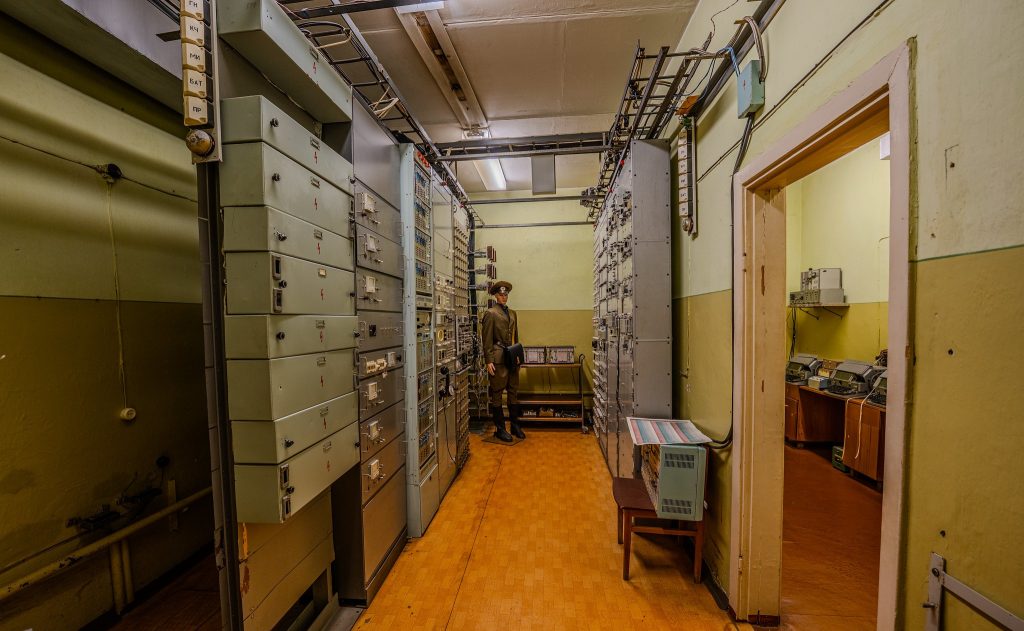
Hidden nine stories beneath a rehabilitation center in Latvia’s Gauja River valley, the Ligatne bunker served as a top-secret nuclear fallout shelter for the Soviet elite. Built during the 1980s to house Latvia’s communist leadership in the event of nuclear war, this extensive underground facility remained classified until Latvia regained independence.
The bunker features a maze of corridors connecting multiple rooms, including dormitories, a communications center, and supply storage areas designed to sustain occupants during extended nuclear fallout. What makes Ligatne particularly fascinating is how well-preserved the original Soviet equipment and furnishings remain, including period-appropriate furniture, communication systems, and Soviet-era propaganda materials.
The bunker’s location beneath a medical facility provided perfect cover, as increased traffic to the area could be explained by patients visiting for treatment. Visitors today can explore the claustrophobic corridors and experience the cramped conditions that Soviet officials would have endured while the world above descended into nuclear chaos.
The juxtaposition of the peaceful Gauja River valley above and the ominous preparations below captures the surreal nature of Cold War readiness, where everyday life continued while governments prepared elaborate contingencies for civilization’s potential end.
Reflecting on Cold War Europe
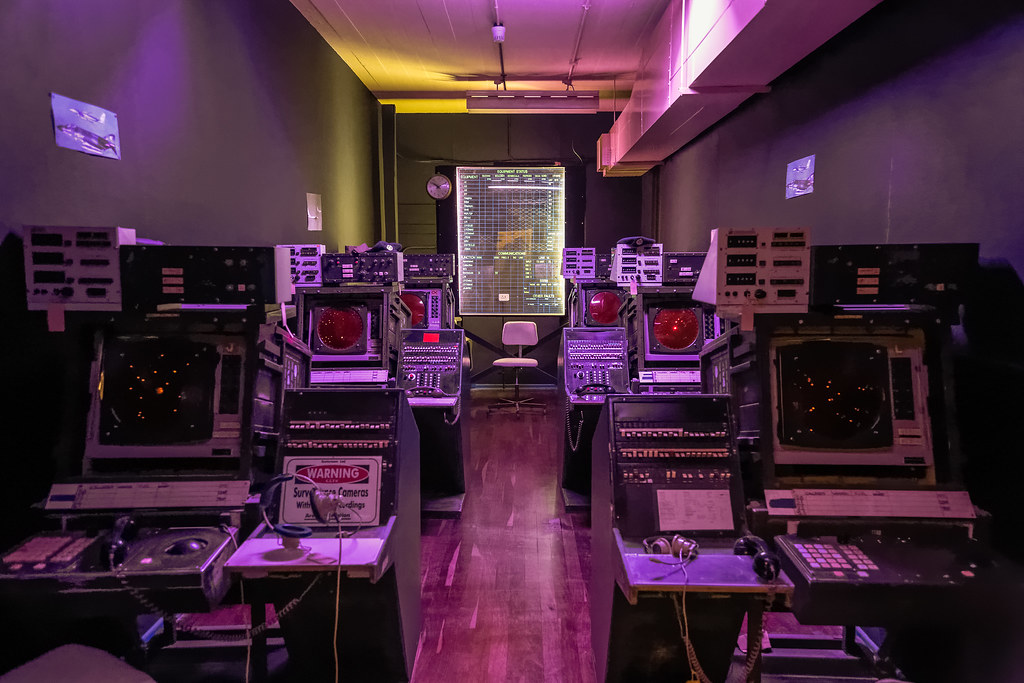
These sites scattered across Europe serve as more than mere tourist attractions or architectural curiosities. They represent physical manifestations of the ideological battle that defined the second half of the 20th century, when two competing visions of society prepared for mutual destruction.
Walking through abandoned bunkers and decommissioned military installations, visitors encounter the enormous resources and human energy devoted to conflicts that mercifully remained cold. The transformation of these spaces from instruments of potential annihilation into museums and cultural venues speaks to Europe’s complicated relationship with its recent past, turning sites of paranoia into opportunities for reflection, education, and sometimes even art.
More from Travel Pug

- Underrated Italian Towns That Beat the Tourist Crowds
- Las Vegas Tourist Traps to Skip
- Prettiest Towns in Every US State
- 18 passport-free countries for Americans
- Signs Your Cruise Is Not Worth The Cost
Like Travel Pug’s content? Follow us on MSN.