

Romania’s cultural landscape stretches far beyond the well-trodden tourist circuits. Tucked into mountain valleys, hidden among ancient forests, and connecting remote villages are pathways that reveal the country’s most authentic treasures.
These routes lead to fortified churches that have stood for centuries, monasteries adorned with frescoes, and villages where time moves at a different pace. Here is a list of 15 hidden paths to Romania’s cultural treasures.
The monastery trail from Putna to Sucevita
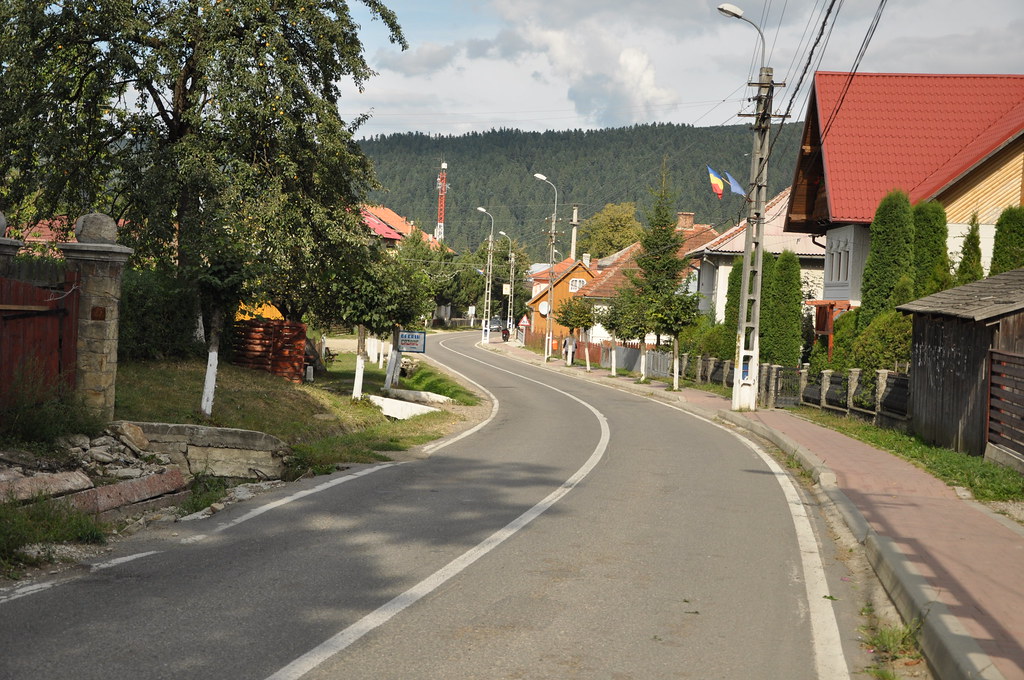
The old monastery path connecting Putna to Sucevita takes you through the heart of Bucovina’s spiritual landscape. This roughly 11-mile route winds through beech forests and across hillsides where shepherds still tend their flocks.
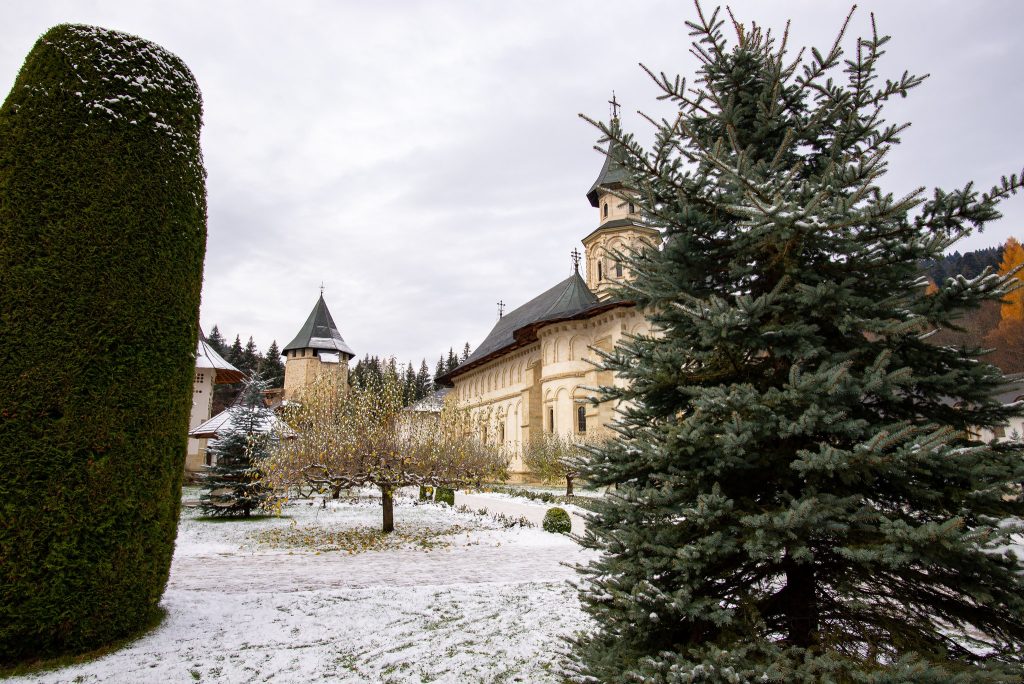
Built by Stefan the Great in the 15th century, Putna Monastery marks the beginning of your journey, while Sucevita, with its famous Ladder of Virtues fresco, awaits at the end. The trail follows ancient routes that monks once traveled between these sacred sites.
Via Transilvanica through Saxon villages
Romania’s ambitious 870-mile hiking trail connects cultural landmarks from the northern border to the Danube in the southwest. The Saxon villages section between Sighisoara and Sibiu offers some of the most rewarding stretches.
You’ll pass through medieval settlements where fortified churches still dominate village centers, and locals maintain traditions that date back centuries. The trail is marked with distinctive orange ‘T’ symbols placed roughly every half mile, making navigation straightforward even in remote areas.
The forest path to Sinca Veche monastery
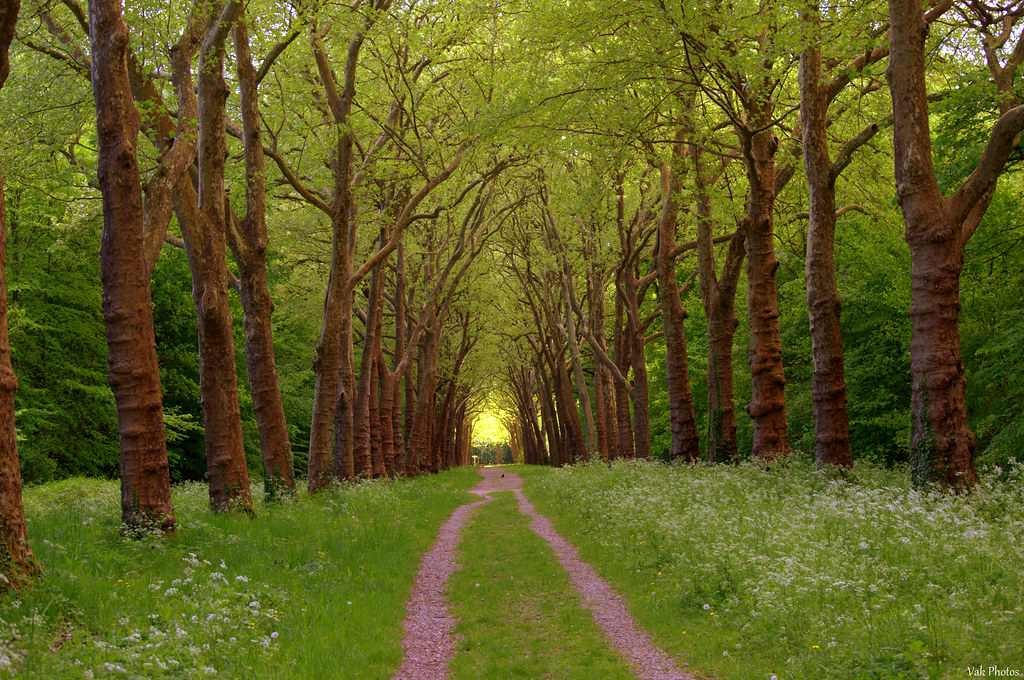
Carved directly into a rock face, Sinca Veche monastery sits at the end of a winding forest trail near Brasov. This hidden gem, also called the Temple of the Chosen Ones, requires a modest hike through dense woodland to reach.
The monastery features a tunnel in the ceiling that allows natural light to illuminate the stone interior. Locals believe prayers offered here hold special power, though weekdays offer a more peaceful experience than crowded Sundays.
Seven Ladders Canyon approach to medieval culture
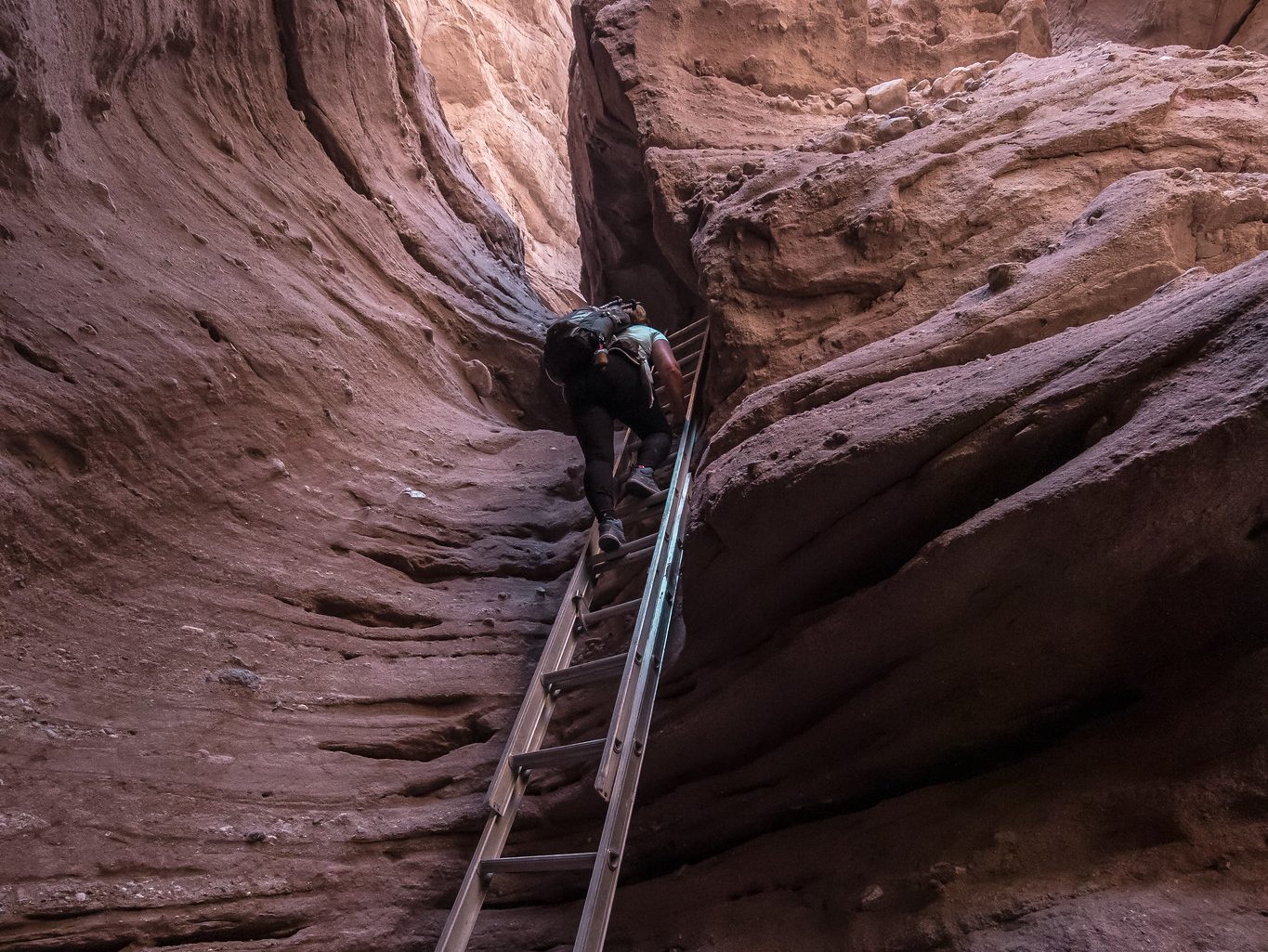
The Șapte Scări Canyon near Brasov provides a dramatic entrance to the region’s cultural heartland. Seven waterfalls cascade down the mountainside, with the tallest dropping 115 feet.
Metal ladders and walkways guide you through the gorge on an hour-long hike that delivers you to the doorstep of Saxon villages and their fortified churches. The route combines natural splendor with easy access to Prejmer’s impressive 13th-century fortress church.
Apuseni Mountains shepherd routes
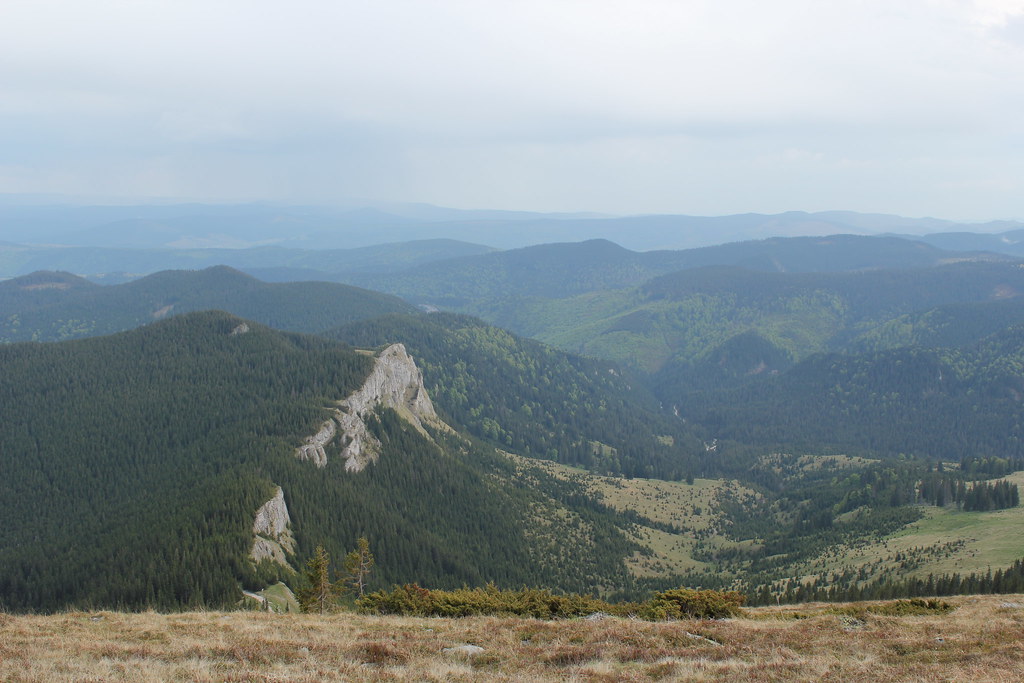
The Apuseni range preserves traditional pathways that connect remote villages where modern life has barely intruded. Trails between Arieseni, Padis, and Casa de Piatra lead you past shepherd huts and through communities where craftspeople still practice weaving and woodcarving.
These mountains offer a rare glimpse into rural Romanian culture, with guesthouses serving homemade cheeses and honey produced using methods unchanged for generations.
Transylvanian backroads to Viscri
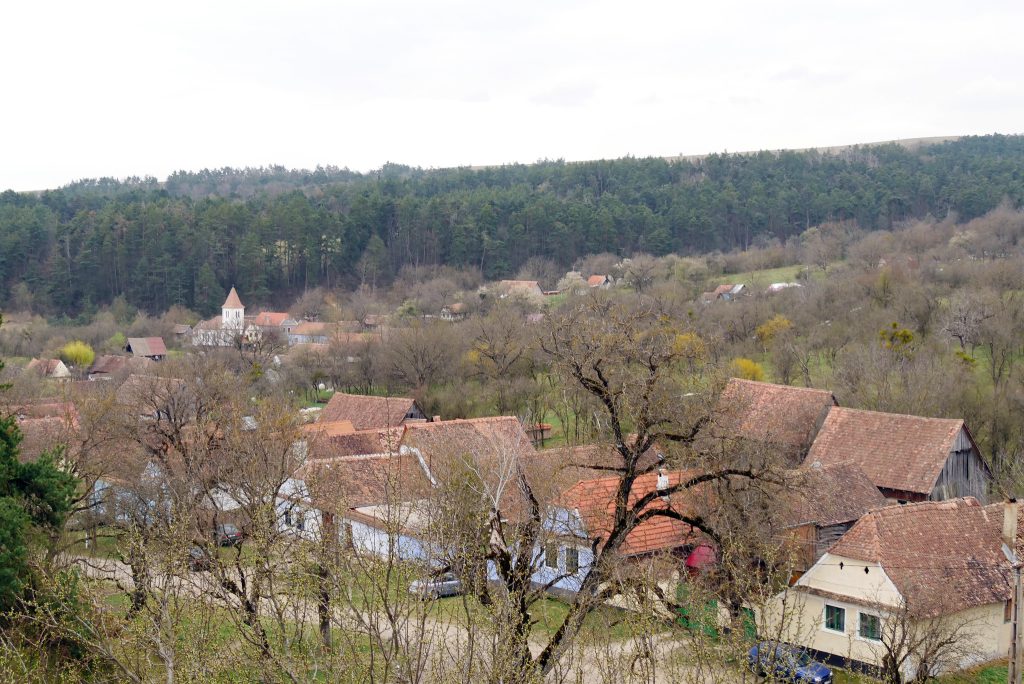
The unpaved lanes leading to Viscri village deliberately keep mass tourism at bay. This UNESCO-protected Saxon settlement became famous when King Charles III purchased a restored house here and championed its preservation.
The approach through rolling countryside reveals a landscape of herringbone-arranged houses and cobblestone paths. Locals sell handmade wool socks along the route to the White Church, a fortified structure dating to the 12th century that anchors the village.
Bucegi Plateau crossing to Bran
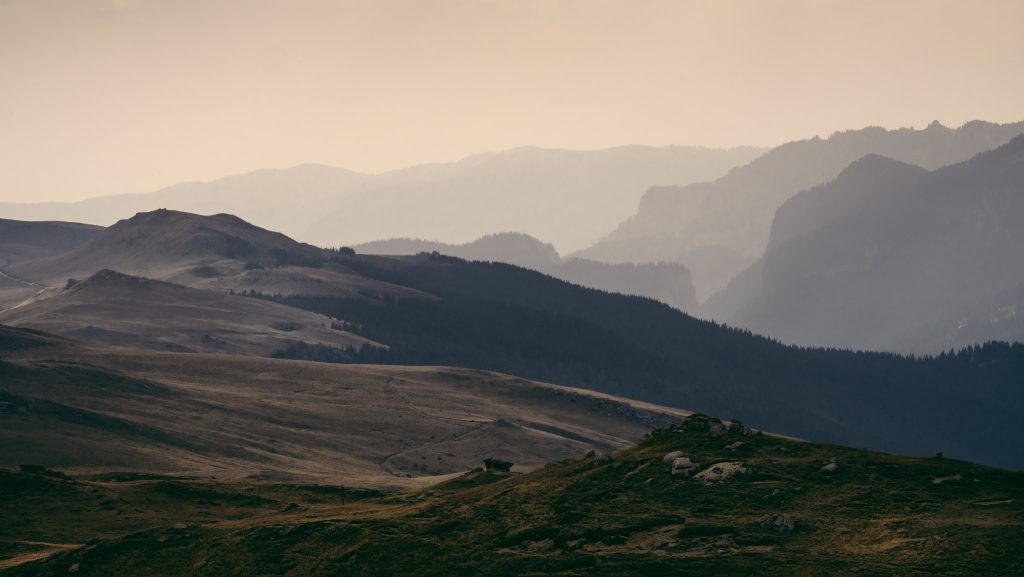
Cable cars lift you to the Bucegi Mountains’ expansive high plateau, where trails traverse this unique alpine environment. The route to Bran village passes the curious Babele rock formations and can include a summit push to Omu Peak.
This crossing connects the dramatic mountain landscape with the cultural treasures clustered in Bran’s northwestern foothills, including traditional villages and Saxon architectural heritage.
Merry Cemetery walking route in Maramures
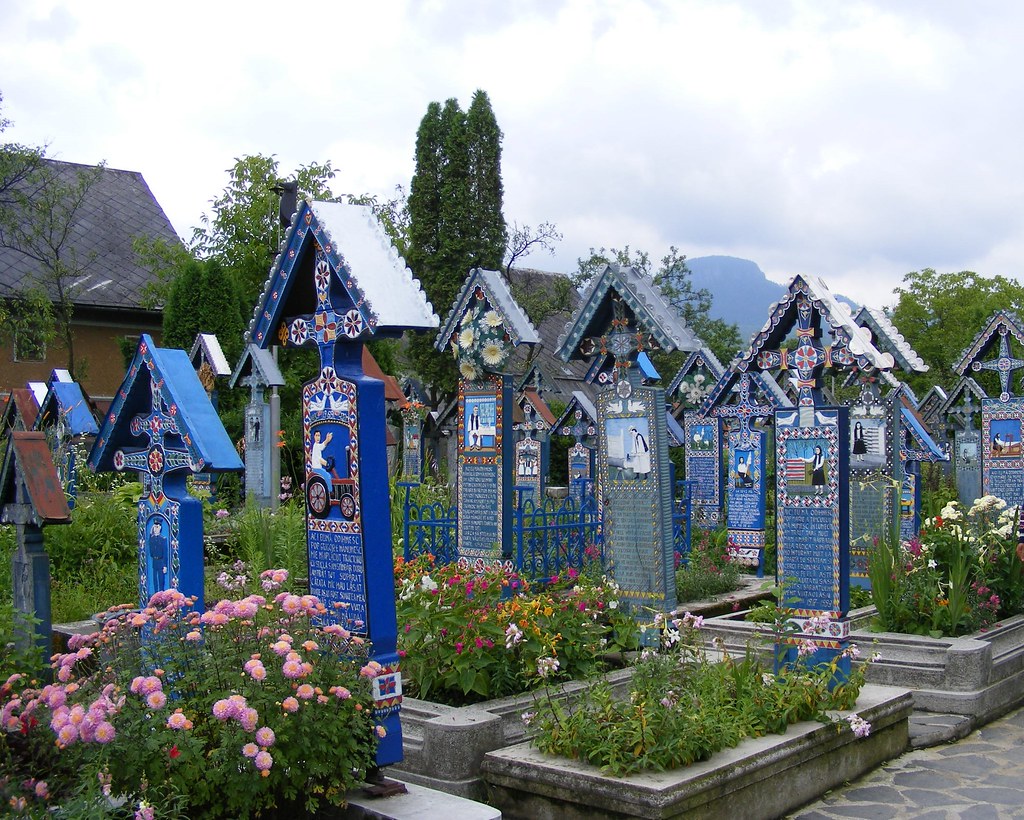
The Iza Valley in Maramures threads together villages where elaborate wooden gates and towering haystacks mark family compounds. The route to Sapanta’s Merry Cemetery takes you through this cultural heartland, where people dress in traditional clothing and work their fields by hand.
The cemetery itself breaks every rule about mourning, with brightly painted tombstones featuring poetry and scenes celebrating each person’s life, reflecting the Dacian belief that death marks a joyful transition.
Gorge trail to Malancrav’s frescoes
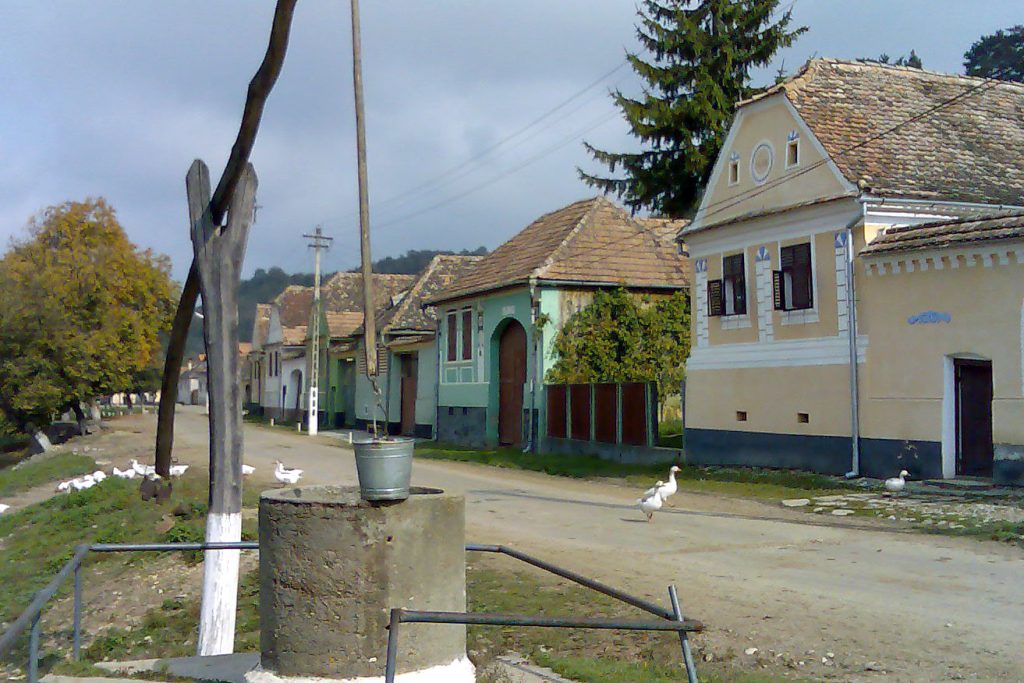
The fortified church in Malancrav houses one of Transylvania’s best-preserved medieval fresco cycles, but reaching it requires navigating countryside roads that discourage casual visitors. This Saxon village maintains old traditions despite its remote location.
The church’s interior walls display vibrant biblical scenes that have survived centuries, and the village’s relative isolation means you’ll often have the site largely to yourself.
Mountain pass to Rosia Montana mines
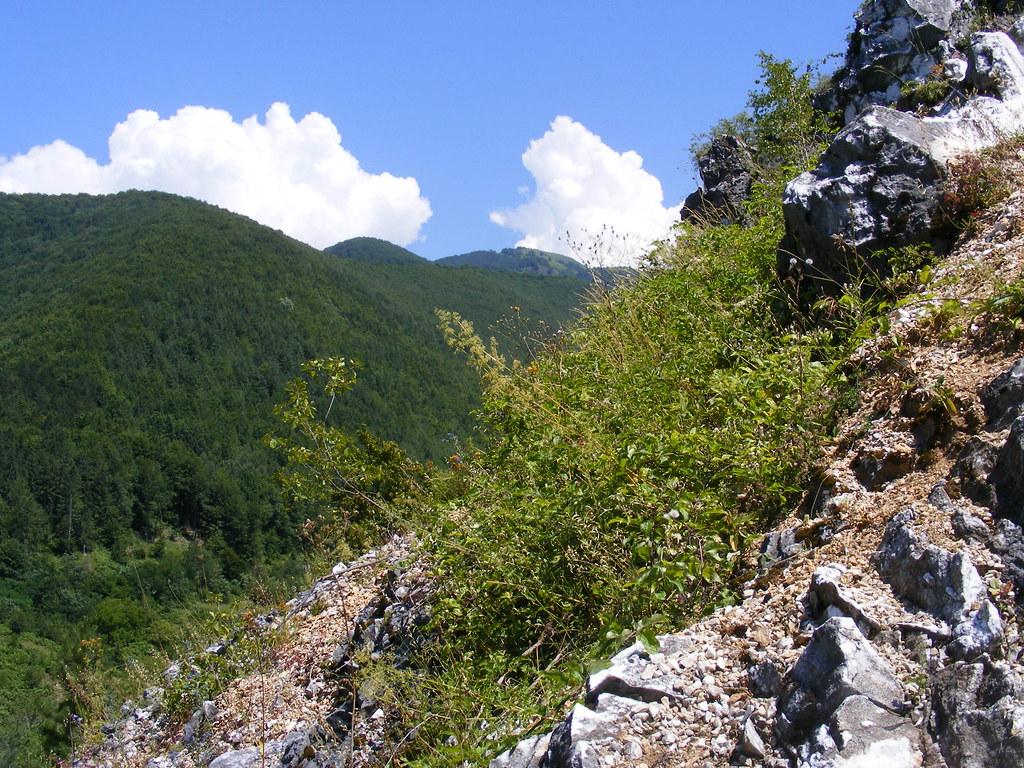
The Apuseni Mountains conceal Rosia Montana, home to the world’s most extensive Roman gold mining complex. Trails wind through this UNESCO site where underground galleries reveal 2,000 years of mining history, from Roman engineering to Communist-era operations.
The approach showcases a landscape shaped by human industry across millennia, with evidence of gold extraction dating back to the Stone Age scattered throughout the Golden Quadrilateral region.
Fagaras ridge walk past mountain monasteries
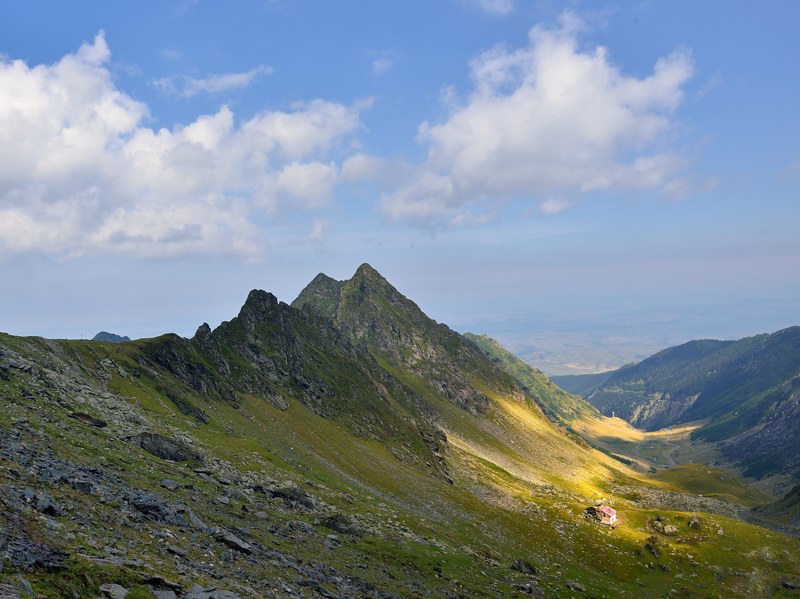
The Fagaras Mountains’ main ridge offers a spectacular high-altitude route connecting grass-covered peaks and mountain pastures. Brancoveanu Monastery sits in the northern foothills, accessible via trails that climb from the Olt River Valley.
The ridge-top path delivers sweeping views over Lac Bâlea and toward Negoiu Peak, Romania’s second-highest summit, while connecting cultural sites nestled at various elevations.
Rimetea village approach through Trascau Mountains
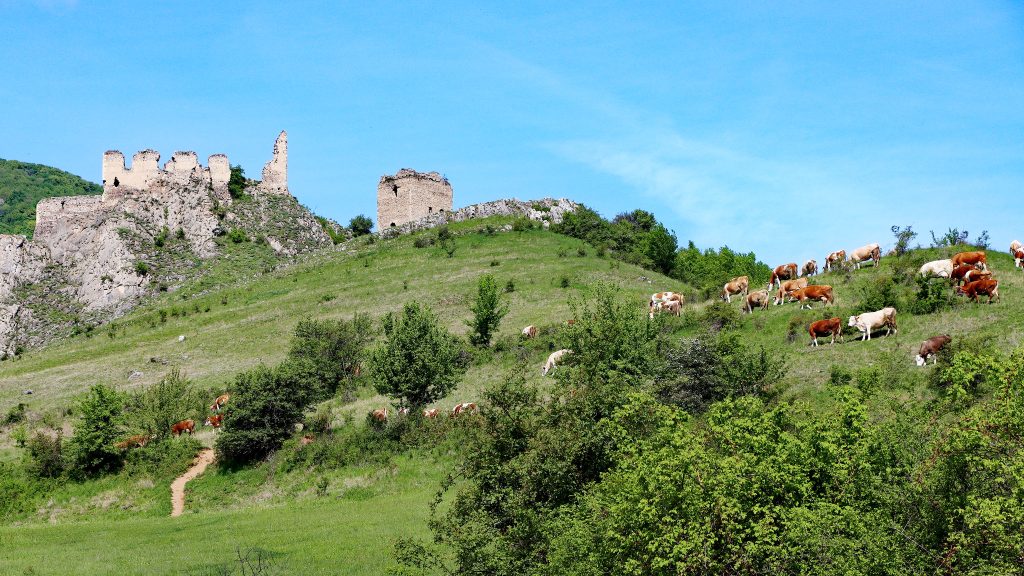
The white houses of Rimetea stand out dramatically against the gray limestone of Piatra Secuiului Mountain. The approach through the Trascau Mountains reveals this Alba County gem gradually.
Every building shines with whitewash, from the central church to homes decorated with carnations at their windows. A working watermill, natural springs where villagers bring livestock, and the autumn colors reflected on the mountain behind create an atmosphere that captures rural Transylvania’s essence.
Danube Delta waterways to Sulina
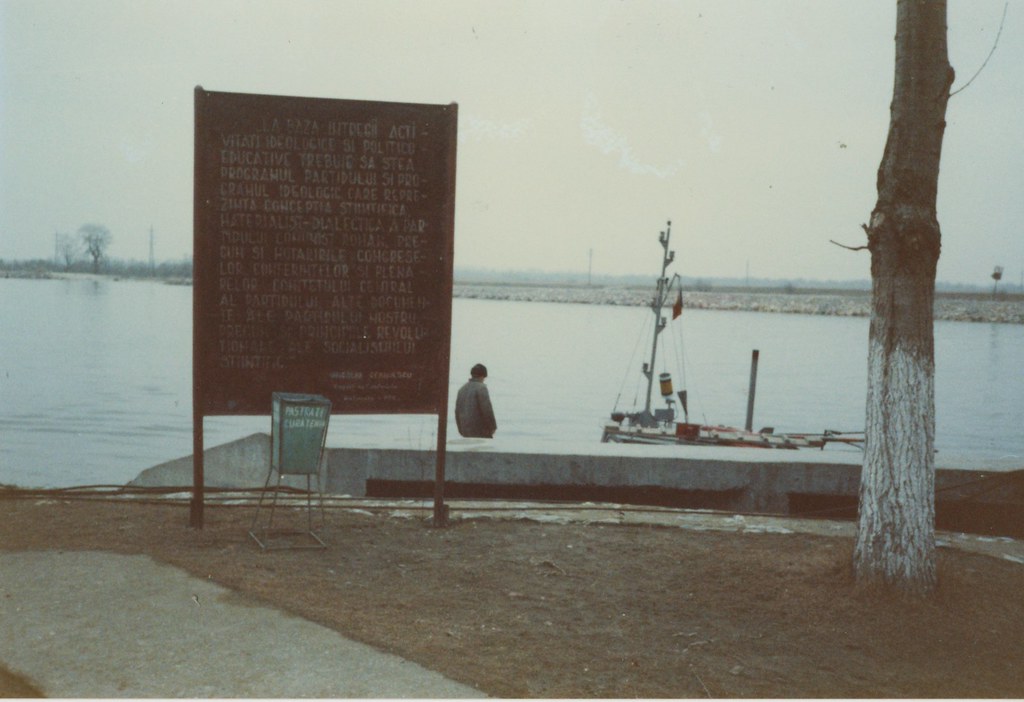
The labyrinthine channels of the Danube Delta require boat navigation to reach isolated communities where Romanian, Ukrainian, and Lipovan (Old Believer Russian) cultures blend. The route along the Sulina Branch passes fishing villages accessible only by water, with wild horses roaming sandy shores and hundreds of bird species populating the marshes.
This UNESCO biosphere represents Europe’s last great wilderness, with cultural treasures hidden among the waterways.
Forest trails to Prejmer fortress
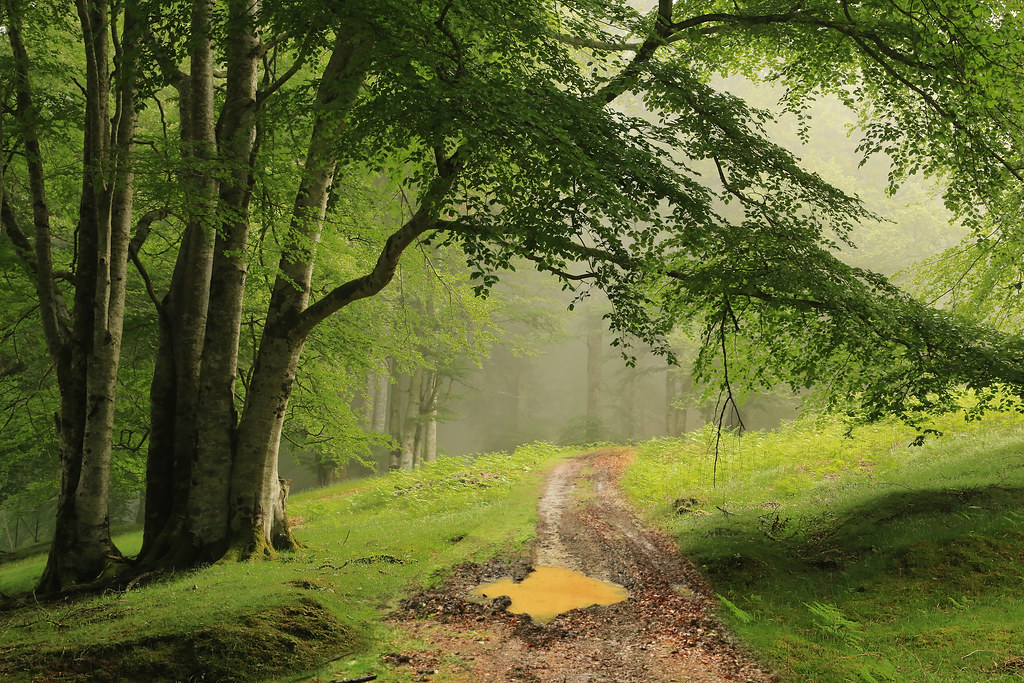
Prejmer’s fortified church stands as one of Transylvania’s most imposing defensive structures, surrounded by massive walls that once sheltered entire village populations. The approach through farmland and forest reveals how strategic positioning on defensible ground shaped these communities.
Built starting in 1218 by Teutonic Knights, the complex features the characteristic thick walls and defensive towers that allowed Saxon villagers to withstand Ottoman raids.
Calnic backcountry route
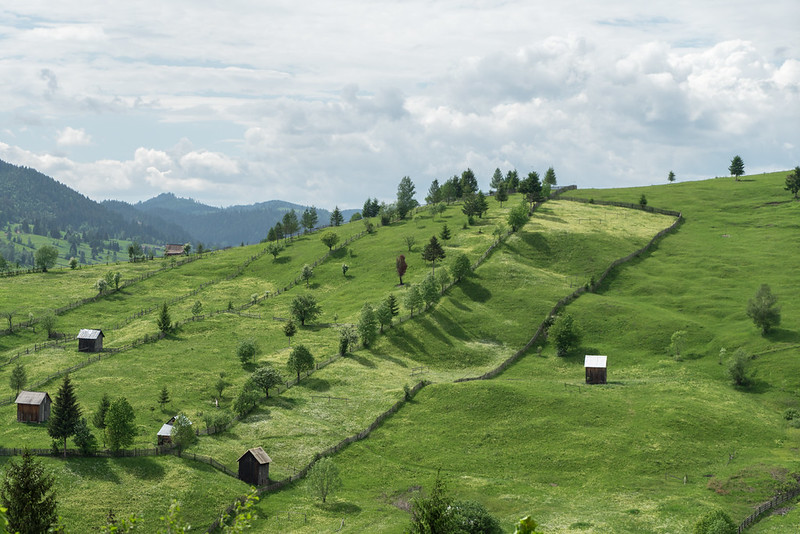
The five-story Siegfried Tower looms over the tiny Calnic village, visible from surrounding hillsides as you approach this off-the-beaten-path fortified church. The 13th-century structure sits well away from major roads, requiring deliberate navigation through Transylvania’s quieter corners.
Multiple layers of defensive walls encircle the church, illustrating medieval defensive architecture at its most impressive, while the village itself maintains a sleepy charm that rewards the effort required to find it.
Walking through centuries
These hidden paths offer more than scenic walks through the Romanian countryside. They connect you with communities that have preserved their heritage through centuries of change, from Saxon settlers building fortress churches against invaders to Orthodox monks creating painted masterpieces in remote valleys.
The trails themselves tell stories, following routes that shepherds, pilgrims, and merchants traveled when these pathways formed Romania’s cultural lifelines rather than its forgotten backroads.
More from Travel Pug

- Underrated Italian Towns That Beat the Tourist Crowds
- Las Vegas Tourist Traps to Skip
- Prettiest Towns in Every US State
- 18 passport-free countries for Americans
- Signs Your Cruise Is Not Worth The Cost
Like Travel Pug’s content? Follow us on MSN.