

Flying can feel like stepping into a world with its own hidden rules and unspoken truths. Flight attendants see it all from their unique vantage point in the aisles, and they’ve picked up knowledge that most passengers never think about.
Here’s a list of 15 secrets flight attendants know that might change how you approach your next flight.
The blankets and pillows aren’t always fresh
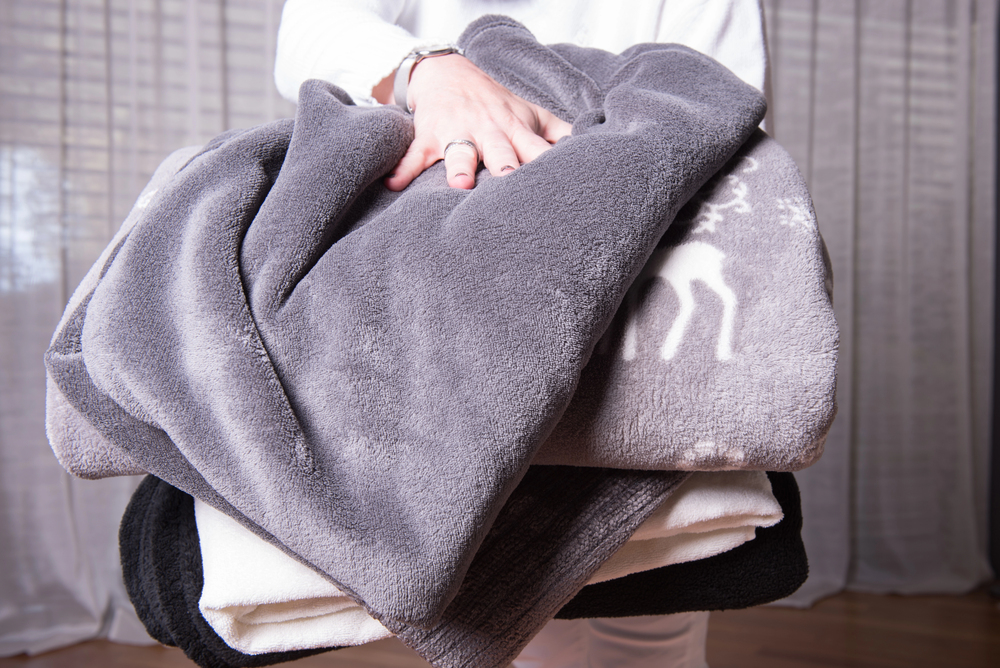
Those cozy-looking blankets and pillows waiting on your seat might not be as pristine as they appear. While airlines have cleaning protocols, the reality is that these items are often just refolded between flights rather than replaced.
Flight attendants know this and many bring their own travel blankets or use their jackets instead.
They notice everything about you within seconds
Flight attendants are trained to assess passengers the moment they board, identifying who might help in an emergency and who could potentially cause problems. They’re looking at your physical capability, sobriety level, and general demeanor.
It’s not judgment—it’s safety protocol that happens so quickly you’d never realize you’re being evaluated.
The water tanks are rarely as clean as you’d hope

Ask any flight attendant whether they drink coffee or tea on board, and many will tell you they stick to bottled beverages. The water tanks that supply the bathrooms and galleys can potentially harbor bacteria because they’re not cleaned as frequently as you might expect.
It’s one of those things that sounds worse than it probably is, but it’s enough to make crew members skip the tap water.
There’s a secret rest area you’ll never see
On long-haul flights, crew members disappear into hidden compartments that passengers don’t have access to. These secret sleeping quarters are usually accessed through an unmarked door and contain bunk beds where flight attendants can rest during their breaks.
The spaces are tiny and purely functional, but they’re essential for keeping the crew alert on 14-hour flights.
Your seatbelt doesn’t need to be that tight

Flight attendants can tell when passengers crank their seatbelts uncomfortably tight, and there’s really no need. The belt should be snug across your lap, but you should still be able to breathe and move a bit.
The point is to keep you in your seat during turbulence, not to restrict your circulation for hours.
They can’t eat the same meal as the pilots
This is a regulation designed purely for safety—if one meal causes food poisoning, at least the other cockpit crew member remains functional. Flight attendants follow similar protocols among themselves on some airlines.
It sounds overly cautious until you consider that having your entire flight crew incapacitated would be a legitimate disaster.
The chime sounds have specific meanings
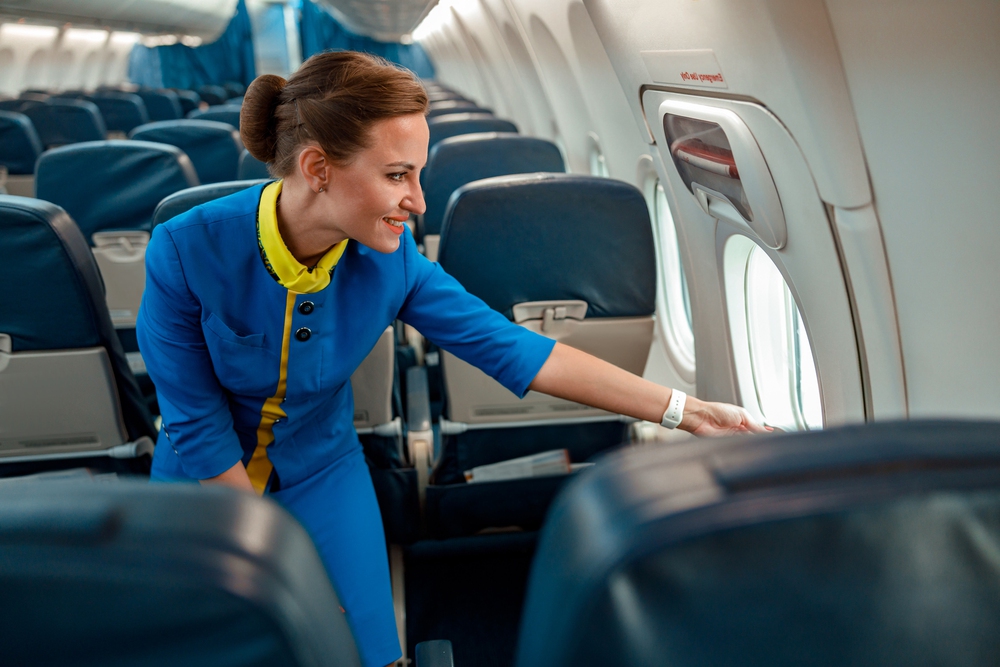
Every ding and chime you hear during a flight is communicating something specific to the crew. One chime might mean the pilots need something, while multiple chimes could indicate different phases of flight or crew messages.
Passengers hear these constantly without realizing they’re listening to a whole conversation happening above their heads.
Dimming lights during takeoff and landing isn’t about ambiance

When the cabin lights go down during these critical phases, it’s actually preparing your eyes to adjust to darkness in case of an emergency evacuation. If something goes wrong and you need to exit the plane quickly, your eyes will already be accustomed to low light.
It’s a clever safety measure disguised as mood lighting.
They’re trained to handle medical emergencies beyond basic first aid
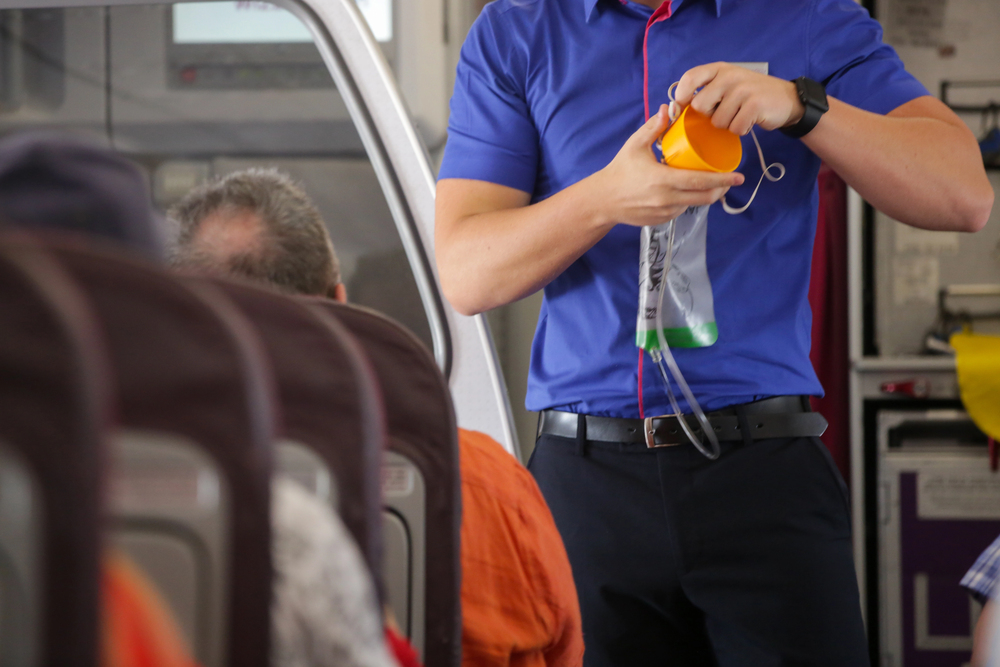
Flight attendants go through extensive medical training that covers everything from heart attacks to childbirth. They know how to use defibrillators, deliver CPR, and handle situations that would make most people panic.
While they’ll always seek medical professionals among the passengers when possible, the crew is far more capable than people realize.
The tray tables are filthy
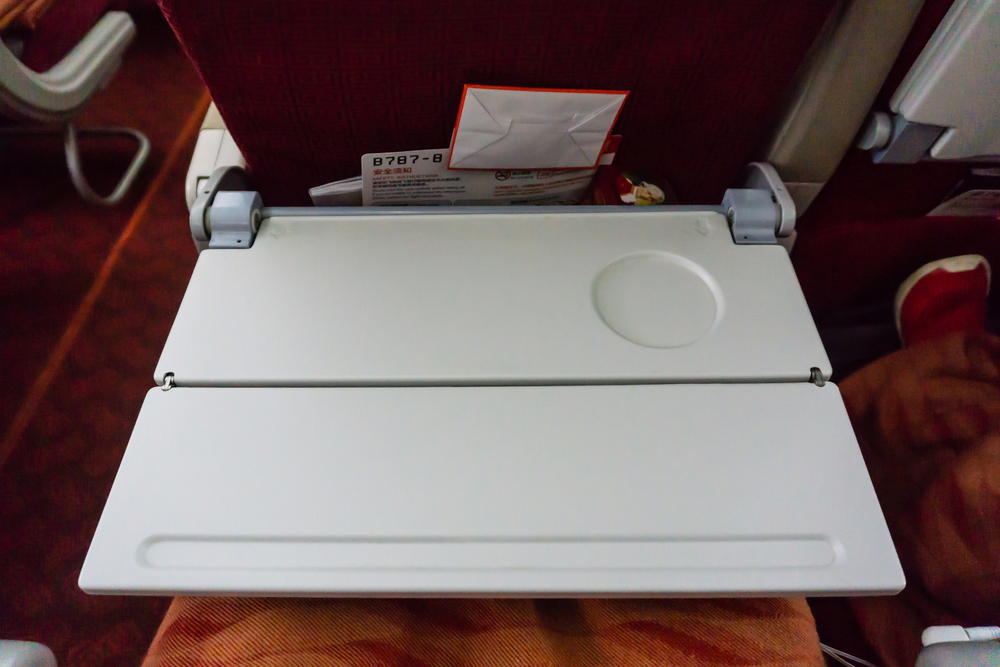
These might actually be the dirtiest surface on the entire plane because they’re rarely sanitized between flights. Passengers use them for everything from diaper changes to resting their bare feet, yet the cleaning crews don’t have time to properly disinfect each one.
Flight attendants know this and many wipe theirs down or avoid putting food directly on the surface.
They can identify problematic passengers before departure

Experienced crew members develop an almost sixth sense for trouble. Someone who’s rude during boarding, overly demanding before takeoff, or already intoxicated is going on a mental watchlist.
Flight attendants communicate with each other about these passengers and keep a closer eye on them throughout the flight.
The job isn’t nearly as glamorous as it looks

Behind the polished uniforms and friendly smiles, flight attendants are dealing with jet lag, irregular schedules, and wages that might surprise you. Many work multiple jobs to make ends meet, and the unpaid hours spent on layovers and waiting for flights add up quickly.
The travel perks are real, but the lifestyle is more exhausting than glamorous.
They know which passengers are nervous flyers

Body language, white knuckles on armrests, and excessive questions during boarding give away anxious passengers immediately. Rather than finding this annoying, most flight attendants make an extra effort to reassure these travelers.
A kind word or explanation about normal flight sounds can make someone’s journey significantly less stressful.
There’s a reason they always recommend keeping shoes on
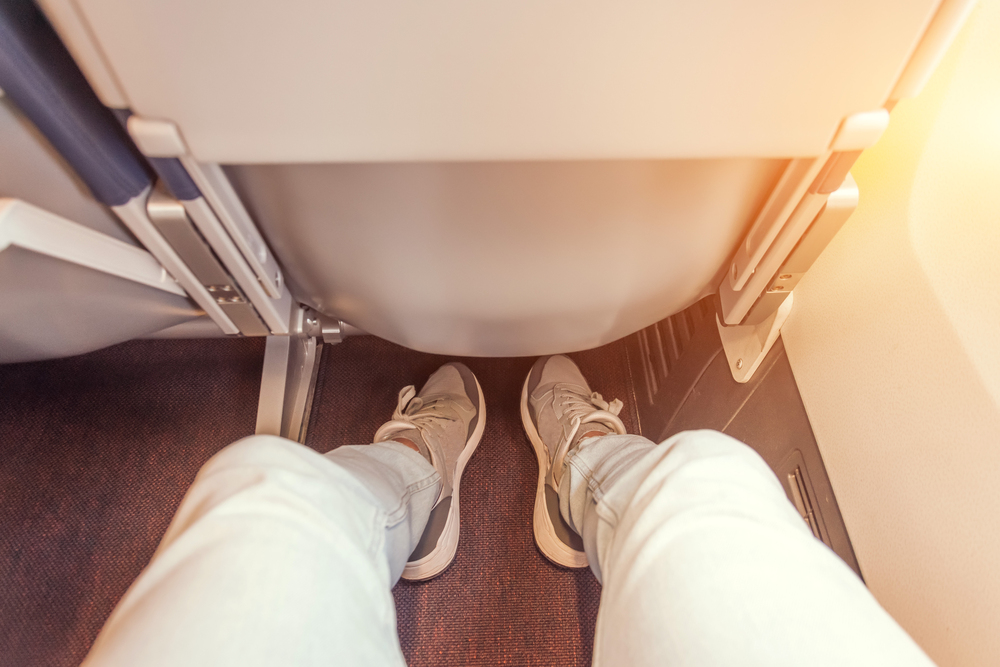
While it’s tempting to slip off your shoes and get comfortable, flight attendants cringe when they see barefoot passengers walking to the bathroom. The liquid on the bathroom floor definitely isn’t water, and in an emergency evacuation, bare feet on a tarmac or in debris could be disastrous.
Socks aren’t much better—keep those shoes on.
The real reason they greet you so enthusiastically
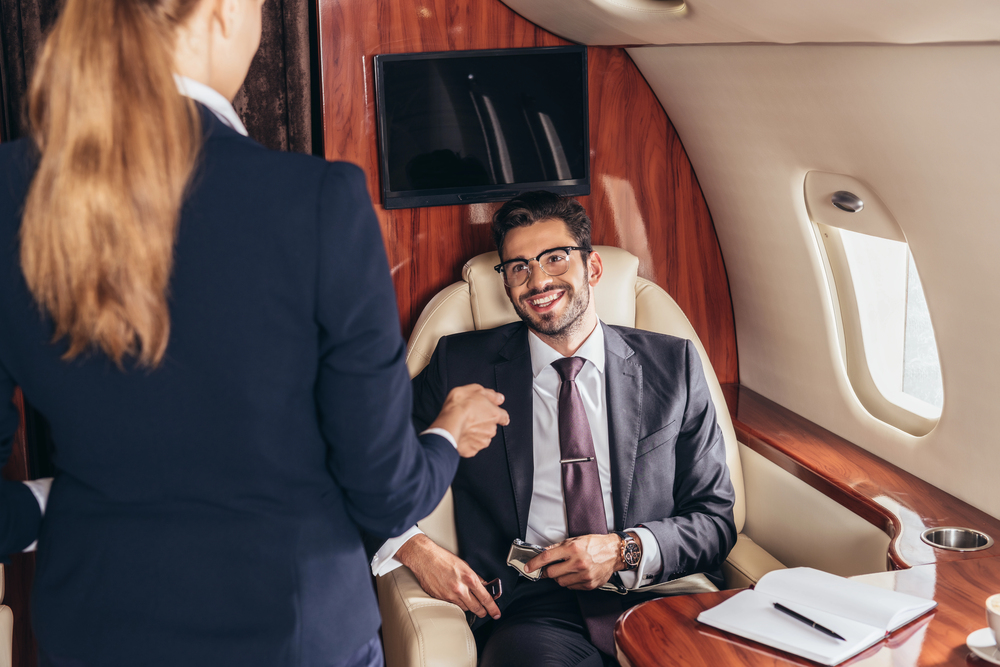
That warm welcome isn’t just good customer service. Flight attendants are checking you out during boarding to assess whether you could assist during an emergency or if you should be reseated.
They’re also gauging your mood and sobriety. It’s multitasking at its finest—being genuinely friendly while simultaneously doing a security assessment.
What happens at 30,000 feet stays with the crew
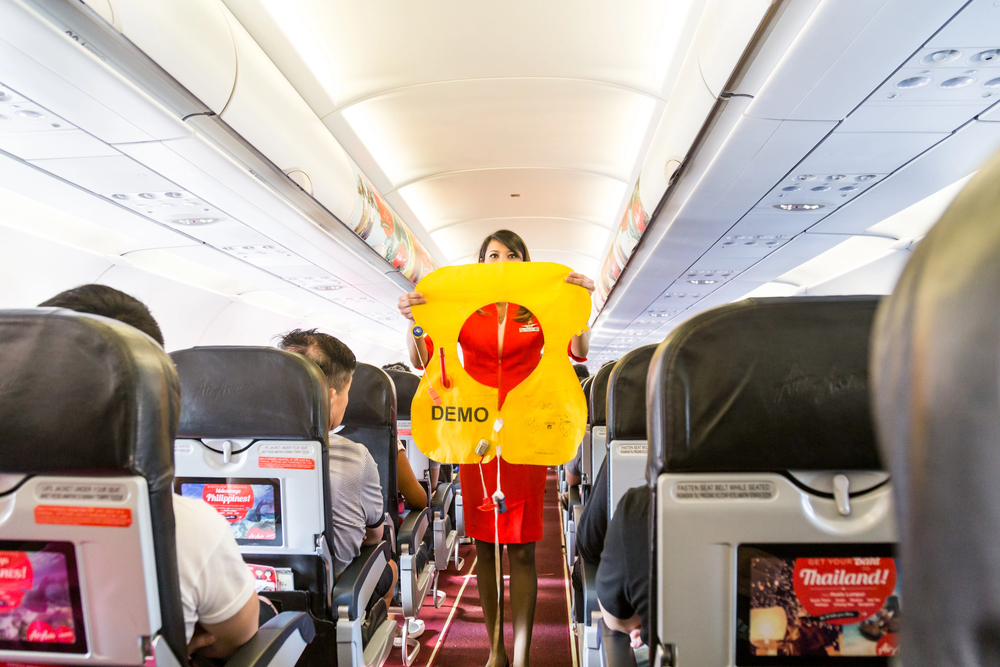
“Flight attendants have seen the worst and weirdest of humanity,” Velisariu says. “We’ve seen people trying to hitch a sexual encounter with each other in the back of an aircraft.
We’ve seen people go crazy over the overhead bin. We’ve seen crazy stuff.
But we’re professionals, and we know which stories to keep and which ones to keep within the crew.” So what you choose to get up to on an aircraft may not feel like everyone knows about it. but they probably do.
More from Travel Pug

- Underrated Italian Towns That Beat the Tourist Crowds
- Las Vegas Tourist Traps to Skip
- Prettiest Towns in Every US State
- 18 passport-free countries for Americans
- Signs Your Cruise Is Not Worth The Cost
Like Travel Pug’s content? Follow us on MSN.