

Public transportation systems in major cities represent complex achievements of urban planning, engineering, and logistics that most visitors barely notice while using them. These networks move millions of people daily with efficiency that private vehicles couldn’t match, though understanding how to use them effectively requires more knowledge than simply boarding a bus or train.
Mastering local transit transforms your experience of a city from surface-level tourism to something approaching local knowledge. Here is a list of 15 tips for navigating public transportation in major cities that help you move confidently through unfamiliar transit systems.
Research transit apps before arriving

Most major cities now have official transit apps showing real-time arrivals, route planning, and service disruptions—download these before you arrive rather than fumbling with them while standing at a bus stop. Third-party apps like Citymapper work across multiple cities and often provide clearer interfaces than official apps.
Having route options pre-loaded eliminates the stress of figuring out connections while tired and disoriented after a long flight.
Buy multi-day passes for convenience and savings

Single-ride tickets make sense for occasional transit use, but multi-day or weekly passes usually pay for themselves after just a few trips while eliminating the hassle of buying tickets repeatedly. Some cities offer tourist passes combining unlimited transit with museum discounts, though you should calculate whether the bundled attractions actually interest you.
The convenience of unlimited rides encourages exploration beyond your planned itinerary since additional trips cost nothing extra.
Avoid rush hour on your first few days

Learning a transit system during peak commute times adds unnecessary stress when platforms are crowded and locals are rushing to work with no patience for tourists studying maps. Mid-morning and early afternoon provide calmer conditions for figuring out the system while still offering frequent service.
You’ll have more space to consult maps, make mistakes, and recover without blocking harried commuters.
Stand right, walk left on escalators

This unwritten rule applies in most major cities and violating it marks you as a tourist while annoying commuters trying to get past. Some cities flip this convention, so observe local behavior rather than assuming your home city’s pattern applies everywhere.
Blocking escalators while standing two-abreast creates bottlenecks that locals find genuinely irritating rather than just mildly inconvenient.
Keep small bills or correct change ready

Automated ticket machines accept credit cards in many modern systems, but drivers on buses often require exact change or refuse large bills. Keeping a stash of small bills and coins specifically for transit eliminates the embarrassment of holding up the bus while you break a twenty.
Some cities impose surcharges for buying tickets on board rather than at stations, incentivizing advance purchases.
Learn the difference between express and local services
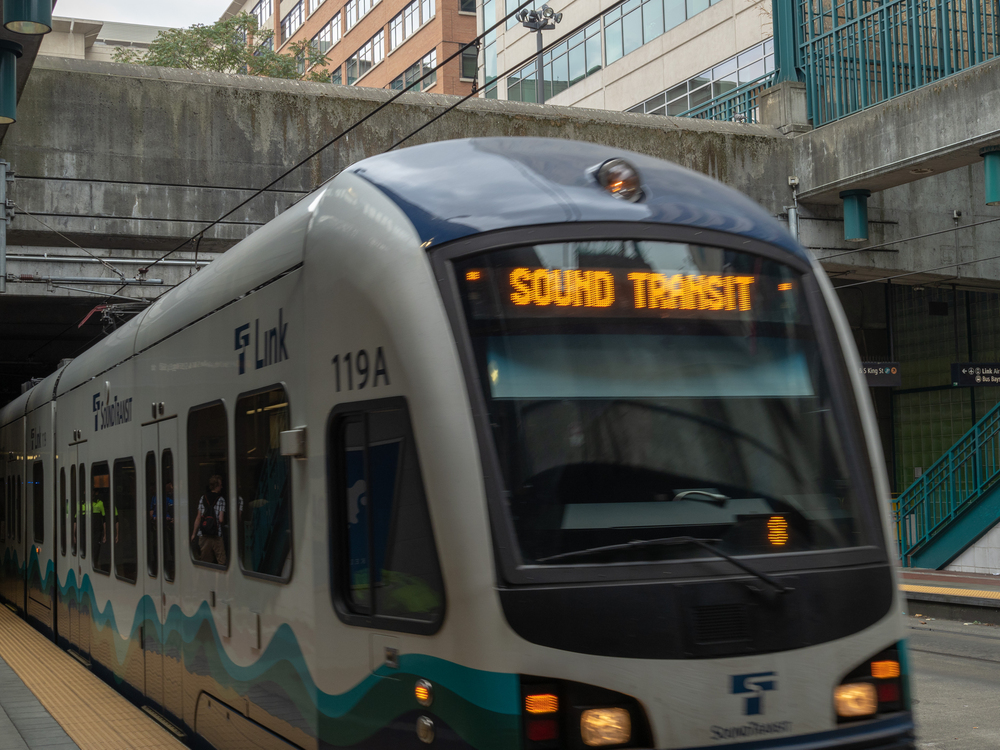
Many transit systems operate both express services that skip minor stops and local services that stop everywhere, with subtle naming differences that confuse newcomers. Missing this distinction means either taking twice as long to reach your destination or sailing past your stop on an express train.
Route maps typically indicate limited-stop services with different colors or line styles if you know what to look for.
Screenshot maps and ticket confirmations
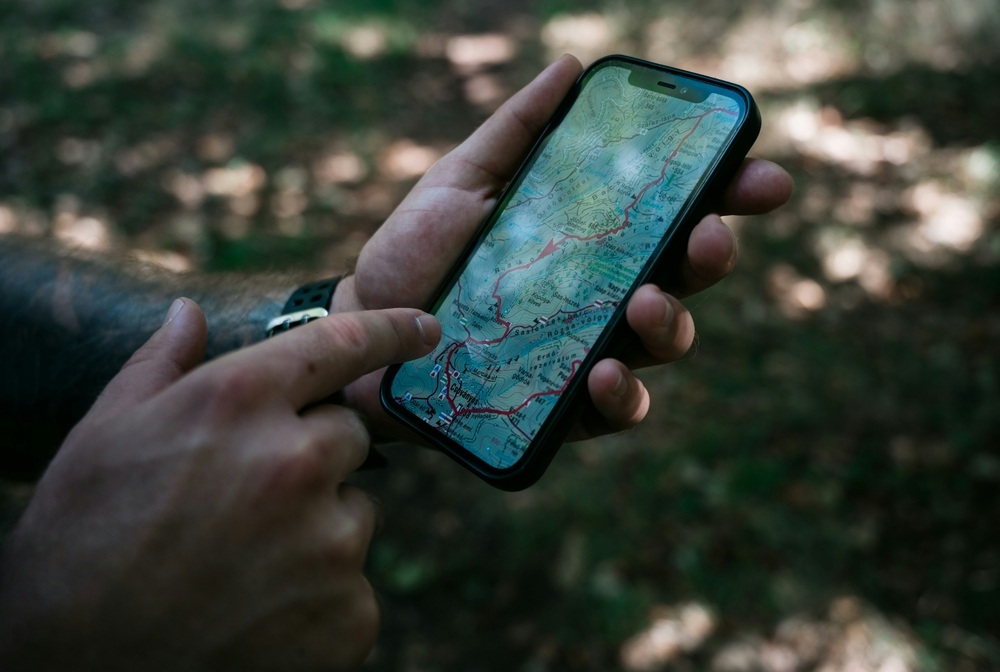
Network connectivity drops frequently in subway tunnels and crowded areas, potentially leaving you without access to digital tickets or route information when you need them most. Screenshots require no data connection and take seconds to capture while you still have wifi.
This backup costs nothing but prevents genuine problems when technology fails at critical moments.
Watch for tourist-targeted scams near stations

Transit hubs attract scammers offering “help” with ticket machines that result in you paying inflated prices or having card information stolen. Legitimate transit employees wear uniforms and identification, while scammers typically approach tourists aggressively before they even reach official ticket counters.
Politely declining unsolicited help and heading directly to official machines or windows avoids most common scams.
Note the last train times for your route

Transit systems reduce frequency significantly late at night, and many stop running entirely between midnight and 5 AM, potentially stranding you far from your accommodation. Checking last departure times before evening activities prevents the choice between expensive taxis and lengthy walks through unfamiliar neighborhoods.
Some cities operate night bus networks when trains stop, though these often follow different routes than daytime services.
Position yourself strategically on platforms

Platform markings often indicate where doors will open, letting you position yourself for quick boarding rather than pushing through crowds after the train arrives. Some stations mark which car position offers easiest connections to other lines or exits, saving significant walking.
Locals know these nuances from daily experience while tourists typically cluster randomly, creating unnecessary competition for limited space.
Validate tickets where required

Some transit systems operate on honor systems where you must validate tickets at machines before boarding, with hefty fines for unvalidated tickets even if you paid for them. Inspectors checking tickets may show no sympathy for tourists who didn’t understand the system, treating it as attempted fare evasion.
Look for validation machines near platform entrances or on board vehicles—when in doubt, ask a transit employee rather than risking a fine.
Keep bags and valuables secured and visible

Pickpockets work crowded transit vehicles and stations where people are distracted, targeting bags worn on backs or phones left in loose pockets. Wearing backpacks on your front during crowded rides looks dorky but prevents theft, while keeping phones in zippered pockets or bags adds another layer of security.
Remaining alert rather than zoning out completely discourages thieves who target obviously oblivious tourists.
Learn station names for your accommodation area

Knowing multiple station names near your accommodation provides alternatives when one line experiences delays or closures, while helping taxi drivers understand your destination if you need backup transportation. Stations often have different names than the neighborhoods they serve, creating confusion when you tell someone your hotel area but they think of a different station.
Writing down or saving addresses in the local language prevents miscommunication.
Allow extra time for connections between lines

Transit maps show connection points between lines as simple dots, but transferring can involve lengthy walks through underground passages or even exiting one station and walking to another. First-time users of a system inevitably move slower than locals while figuring out signage and navigation.
Building in buffer time prevents the cascading stress of missed connections and late arrivals.
Ask transit employees rather than random passengers

Transit employees are paid to help passengers and generally provide more reliable information than random commuters, who may confidently give incorrect directions based on outdated knowledge. Most major cities employ multilingual staff at major stations specifically to help tourists navigate the system.
These employees can also address problems with tickets or passes that regular passengers can’t solve.
Systems that reveal city character

Public transit systems reveal a lot about how cities view themselves and their inhabitants—they might embody a value system that favors efficiency at the expense of comfort, and so forth. The ability to independently ride public transit systems is one that teaches you a lot about urban living that goes unattained through tour buses.
The skill set you learn through public transit is portable and applies to a new city to some extent—each new city is a little less puzzling.
More from Travel Pug

- Underrated Italian Towns That Beat the Tourist Crowds
- Las Vegas Tourist Traps to Skip
- Prettiest Towns in Every US State
- 18 passport-free countries for Americans
- Signs Your Cruise Is Not Worth The Cost
Like Travel Pug’s content? Follow us on MSN.