

Solo travel in unknown cities triggers a mix of excitement and nervousness that group travel never quite replicates. Without companions to rely on for navigation, translation, or decision-making, you develop self-reliance while enjoying the freedom to follow whatever interests you without negotiation or compromise.
The skills you develop navigating unfamiliar places alone transfer to other aspects of life beyond travel. Here is a list of 15 tips for solo travel in unfamiliar cities that help you stay safe, connected, and open to unexpected experiences.
Download offline maps before arriving
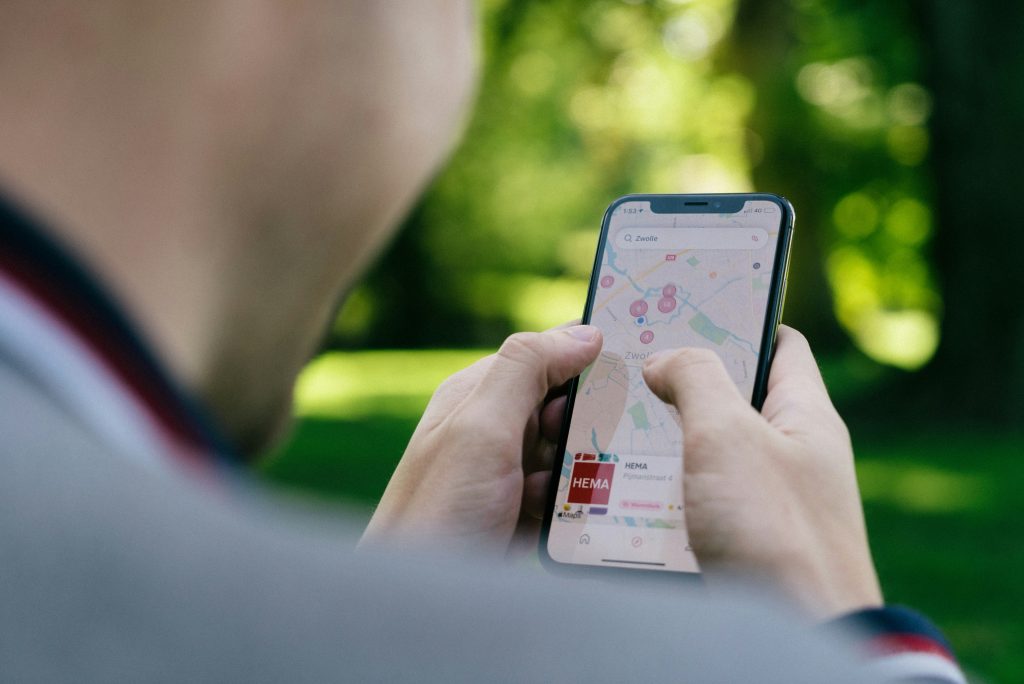
Google Maps and similar apps let you download city maps for offline use, which proves essential when your phone service fails or you want to avoid expensive roaming charges. Having navigation available without internet connection reduces stress when you’re lost and provides backup when technology fails.
Mark your accommodation, important landmarks, and potential restaurants while you still have wifi so you’re not starting from scratch.
Choose accommodation in central, well-connected areas

Paying slightly more for central accommodation saves money on transportation while putting you within walking distance of major attractions and dining options. Locations near metro stations or bus hubs make coming and going easier, especially after evening activities when you’re tired.
Research neighborhood safety ratings before booking rather than discovering problematic areas after you’ve already paid.
Establish a daily check-in routine with someone

Arranging to message a friend or family member daily—even just a quick text—creates accountability without being intrusive. If you miss several check-ins, someone back home knows to investigate rather than assuming everything’s fine.
This safety net costs nothing but provides peace of mind for both you and people who care about your wellbeing.
Carry minimal valuables and use hotel safes
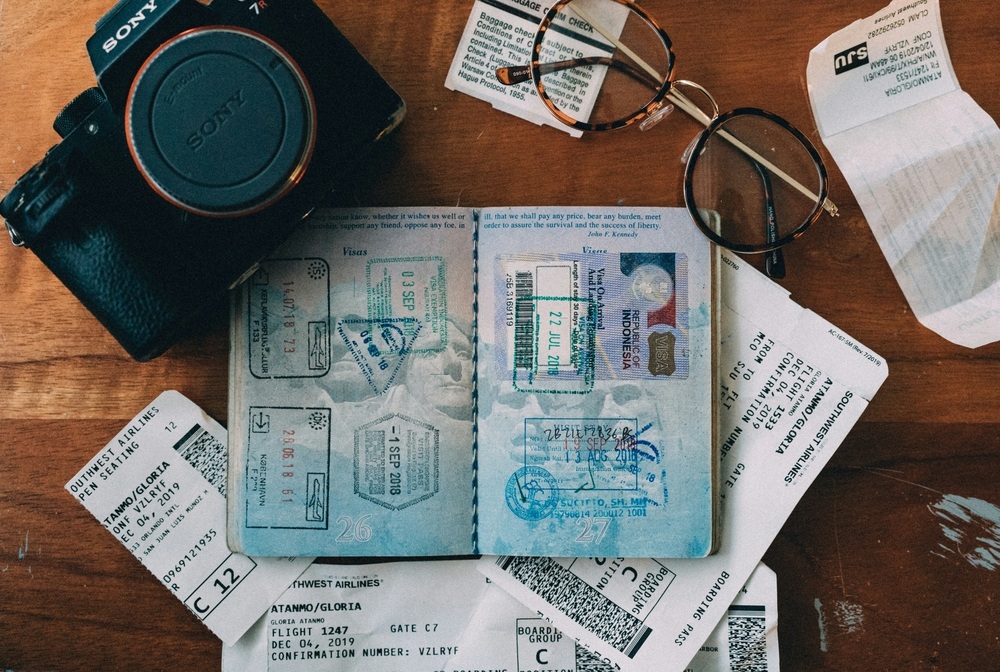
Leave expensive jewelry, unnecessary credit cards, and sentimental items at home rather than worrying about them throughout your trip. Hotel safes work well for passports, extra cash, and electronics you’re not using that day.
Carrying just what you need for that day’s activities makes you less attractive to thieves and reduces losses if something does go missing.
Learn basic phrases in the local language

Mastering “hello,” “thank you,” “excuse me,” and “where is…” in the local language demonstrates respect and often prompts friendlier interactions than English alone. Even butchered pronunciation gets appreciated when locals recognize you’re making an effort.
Many people speak enough English to help tourists but respond more warmly when you attempt their language first.
Dine at the bar in restaurants

Solo diners often get stuck at awkward tables near the kitchen or bathroom, but sitting at the bar provides entertainment, easier service, and opportunities to chat with bartenders or other solo patrons. Bars frequently offer the full menu while creating a more social atmosphere than eating alone at a table.
This approach works particularly well for dinner when eating alone can feel most isolating.
Join free walking tours to orient yourself

Free walking tours offered in most major cities provide excellent orientation during your first full day, covering major landmarks while providing historical context and insider tips. The guides work for tips, motivating them to deliver engaging tours rather than phoning it in.
You’ll often meet other solo travelers on these tours, potentially finding companions for meals or activities later.
Trust your instincts about people and situations

Your subconscious processes subtle cues before your conscious mind catches up, so that uncomfortable feeling about a person or situation deserves attention rather than dismissal. Solo travelers can’t rely on group consensus to validate concerns, making personal judgment more critical.
Removing yourself from situations that feel wrong carries no shame—better to seem paranoid than to ignore legitimate warning signs.
Use ride-sharing apps rather than street taxis

Apps like Uber, Grab, or local equivalents create records of your trips, show expected routes and costs upfront, and eliminate language barriers in negotiations. The tracking features mean someone knows your location and route, adding a security layer that traditional taxis lack.
Prices generally match or beat regular taxis while reducing the risk of deliberate overcharging.
Pack a door wedge for added security

A simple rubber door wedge adds an extra security layer in budget accommodations where locks seem questionable, costing just a few dollars and taking minimal space. It won’t stop determined intruders but provides peace of mind and makes forced entry noticeably harder.
Some travelers also carry portable door alarms that screech when someone tries to open your door.
Eat where you see locals eating

Restaurants packed with local customers generally indicate both good food and fair prices, while empty restaurants in touristy areas often signal the opposite. Following local crowds requires wandering away from main tourist zones, but the improved food quality and lower prices reward the extra effort.
Street food stalls with long lines of locals provide even better indicators of quality than restaurant reviews.
Schedule video calls during lonely moments

Solo travel sometimes triggers loneliness even when you’re having amazing experiences, and scheduling video calls with friends or family back home provides emotional connection without cutting your trip short. Time zone differences require planning, but seeing familiar faces helps recharge your social batteries.
These calls also let you share experiences in real-time rather than trying to explain everything after you return.
Carry a portable battery pack

Dead phone batteries create serious problems when you’re solo and relying on your device for maps, translation, communication, and entertainment. A fully charged portable battery provides backup power for multiple phone charges, eliminating anxiety about battery levels.
This simple device costs less than most restaurant meals while preventing potentially dangerous situations caused by lost navigation or communication ability.
Befriend other solo travelers strategically

Hostels, tours, and hotel breakfast areas provide natural opportunities to meet other solo travelers who might appreciate companionship for specific activities. You’re not obligated to travel together constantly, but having someone to split a taxi with or watch your bag during bathroom breaks helps logistically.
These casual travel friendships often feel lower-stakes than friendships at home, letting you practice social skills without heavy investment.
Build in recovery days between intensive sightseeing

Solo travel lets you set your own pace, so schedule lighter days between intensive sightseeing marathons to avoid burnout. Without travel companions pushing for constant activity, you can guilt-free spend an afternoon reading in a park or exploring a neighborhood without specific goals.
This sustainable pace extends your travel energy and prevents the exhaustion that turns exciting trips into endurance tests.
Independence that transforms perspective
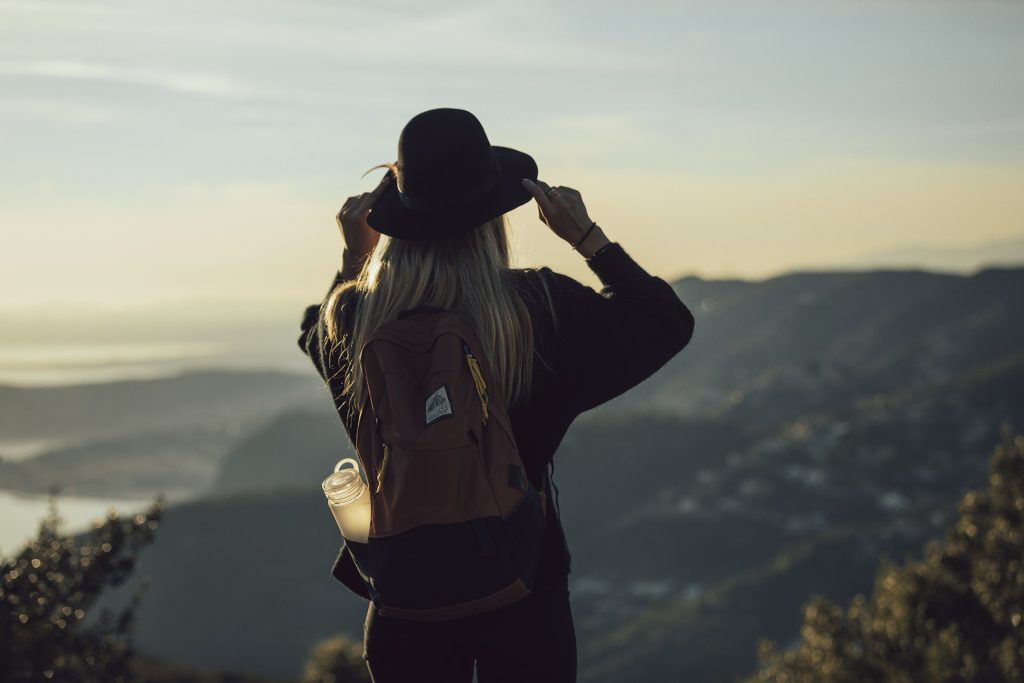
When you travel solo to different cities, you get rid of the social buffers that normally protect your engagement with the world. When you build confidence to get through different cities by yourself, this confidence doesn’t disappear when you get back to your normal life because it shows you that you have the ability to problem-solve by yourself.
These cities end up being milestones for you instead of just dots for the places you have been.
More from Travel Pug

- Underrated Italian Towns That Beat the Tourist Crowds
- Las Vegas Tourist Traps to Skip
- Prettiest Towns in Every US State
- 18 passport-free countries for Americans
- Signs Your Cruise Is Not Worth The Cost
Like Travel Pug’s content? Follow us on MSN.