

Some people consistently show up to airports with nothing but a carry-on bag while others struggle to fit everything into checked luggage for the same trip.
The difference isn’t about privilege, destination, or trip length — it’s about habits developed over time that make light packing feel natural rather than restrictive.
People who reliably travel light aren’t sacrificing comfort or preparedness.
They’ve just figured out which items actually get used, which shoes really need to come along, and how to make strategic choices that eliminate most of the weight and bulk without eliminating functionality.
These habits can be learned. They just require rethinking assumptions most travelers never question.
Here’s what actually separates light packers from everyone else.
They wear their bulkiest items during travel
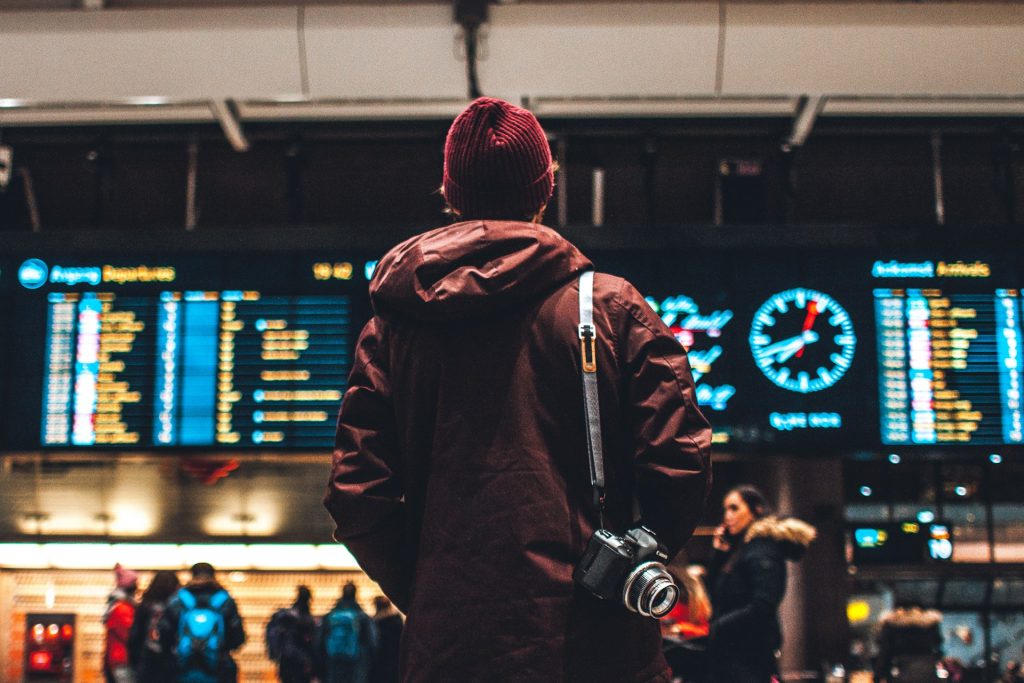
The easiest way to save luggage space costs nothing and requires no special gear — just wear your heaviest, bulkiest items while traveling instead of packing them.
Jackets, boots, thick sweaters, and jeans take up enormous space in bags but barely register as weight when you’re wearing them.
Light packers automatically reach for their largest shoes and heaviest coat on travel days, even if that means being slightly overdressed during transit.
This becomes especially valuable on trips involving varied climates.
Flying from a warm departure city to a cold destination usually means packing winter gear you don’t need until arrival.
Wearing that coat and boots onto the plane eliminates half the bulk from your suitcase.
You can always remove layers during the flight and stuff them in the overhead bin or under the seat.
The minor inconvenience of carrying items you don’t need for a few hours beats lugging around a bigger, heavier bag for the entire trip.
They choose versatile clothing over specialized pieces
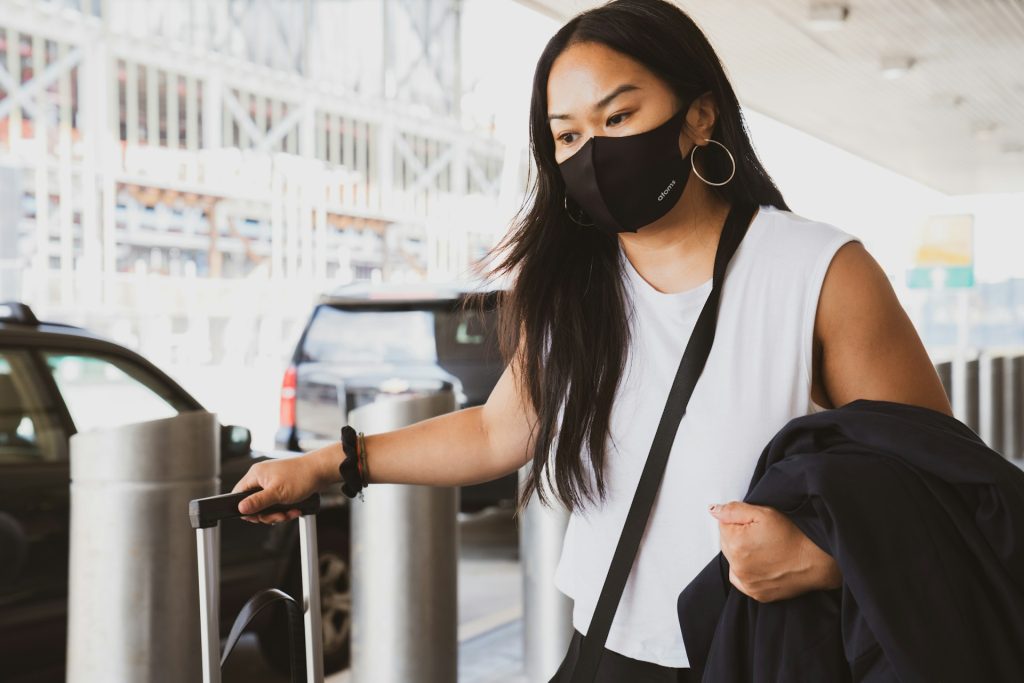
Light packers rarely bring items that only work for one specific outfit or occasion.
Instead they pack clothes that mix and match easily, work in multiple settings, and serve double duty.
A dark pair of pants works for nice dinners and casual sightseeing. A simple dress dresses up with jewelry or down with sandals.
Neutral colors dominate because they pair with everything, eliminating the need to pack coordinating pieces for every outfit combination.
This isn’t about looking boring or uniform.
It’s about strategic selection that maximizes options while minimizing volume.
Three tops that all work with two bottoms creates more outfit combinations than seven tops that each demand specific pants.
The habit develops over time as you notice which versatile items get worn repeatedly while specialized pieces stay untouched.
Eventually you stop packing the “just in case I need something fancy” dress that never leaves the suitcase and start trusting that versatile basics handle whatever comes up.
They pack for laundry, not the entire trip
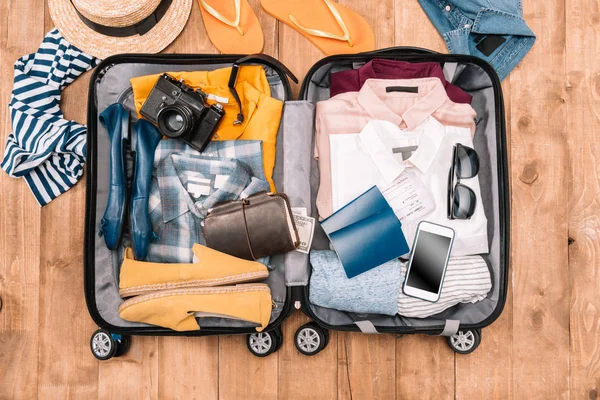
One of the biggest mindset shifts for light travelers is accepting that laundry happens.
Instead of packing seven days of clothes for a week-long trip, they pack three or four days worth and plan to wash items midway through.
Hotel sinks, laundromats, or hotel laundry services all work depending on budget and timeline.
A quick sink wash overnight takes five minutes and means packing a fraction of the clothing.
This requires choosing fabrics that wash and dry easily.
Light packers gravitate toward synthetic blends or merino wool that dry quickly and resist wrinkles.
They avoid cotton jeans that take forever to dry and delicate items requiring special care.
Travel-specific clothing exists for this purpose, though regular athletic wear often works just as well.
The habit becomes automatic — pack enough for a few days, wear items twice if they’re still clean, wash the essentials, repeat.
Suddenly a month-long trip needs barely more clothes than a long weekend.
They limit shoes ruthlessly

Shoes take up disproportionate space and weight compared to clothing.
Light packers treat shoes as the enemy and limit themselves strictly — usually to whatever they’re wearing plus one additional pair maximum.
This means choosing footwear carefully to cover multiple uses rather than bringing specialized shoes for every activity.
A comfortable walking shoe that looks decent handles both sightseeing and casual dinners.
Sandals work for beaches and evening strolls.
The trick is being realistic about what you’ll actually do.
That urge to pack hiking boots “just in case” rarely pays off unless hiking is definitely planned.
Fancy heels for potential nice restaurants stay home because comfortable flats work fine for 99% of dining situations.
Athletic shoes get worn on the plane if you think you might run, eliminating the need to pack them separately.
Light travelers have learned through experience that they almost never regret bringing fewer shoes but regularly regret hauling around extra pairs that never get worn.
They use packing cubes or compression bags
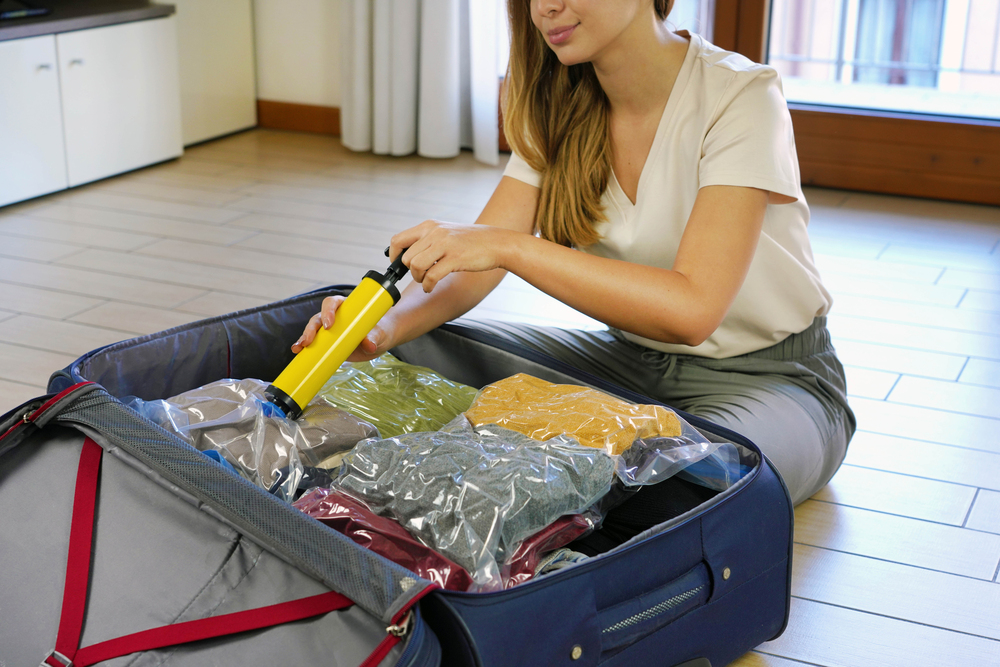
Organization tools aren’t required for light packing, but they help significantly.
Packing cubes keep clothes compressed and organized, making it easier to find items without destroying your entire bag.
Compression bags or rolling clothes tightly achieves similar space savings.
Light packers develop systems where similar items group together — all shirts in one cube, underwear and socks in another — which prevents overpacking because you can see exactly what you have.
The compression aspect matters more than the organization.
Clothes naturally puff up with air when loosely packed, wasting space that compression eliminates.
Whether you use actual compression bags that squeeze air out or just roll items tightly, the principle remains — remove empty space and suddenly you need a much smaller bag.
This habit becomes automatic.
Light packers can’t imagine just tossing loose clothes into luggage anymore because the efficiency gains from compression are too obvious once you’ve experienced them.
They embrace a capsule wardrobe approach

Light travelers naturally gravitate toward capsule wardrobe thinking even if they don’t use that term.
A limited number of carefully chosen items that all coordinate creates more flexibility than a large number of random pieces.
The approach requires planning — choosing a color scheme, selecting versatile basics, adding a few accent pieces for variety — but the payoff is worth it.
Everything works together, which means packing fewer items while maintaining more outfit options.
This typically means a neutral base — black, gray, navy, tan — with one or two accent colors for visual interest.
All bottoms coordinate with all tops.
Layers work together in various combinations.
Accessories like scarves or jewelry add personality without taking up space.
The habit shifts how light packers think about their entire wardrobe, not just travel packing.
Once you experience the freedom of having fewer items that all work together, bringing mismatched clothes that only pair with specific pieces feels inefficient and frustrating.
They actually use their hotel room

Light packers don’t treat hotel rooms as just places to sleep between activities.
They use the room’s resources strategically — hanging clothes to air out and reduce wrinkles, using the bathroom for quick laundry, taking advantage of irons or steamers if available.
This utilization means items stay fresh with less frequent washing and clothes can be worn multiple times without getting rumpled or musty.
The shower-steam trick gets used constantly.
Hanging wrinkled clothes in the bathroom while taking a hot shower releases wrinkles without needing an iron.
Sink washing happens at night so items dry by morning.
Light packers think of their accommodation as an extension of their packing strategy rather than something separate.
This isn’t being cheap or difficult — it’s being efficient and self-sufficient in ways that support traveling lighter.
They say no to souvenirs and shopping

Traveling light becomes pointless if you’re buying bulky items along the way that need hauling home.
Light packers are ruthless about souvenirs and shopping, either skipping them entirely or choosing small, flat items that pack easily.
Postcards, thin scarves, small art prints — these work.
Large ceramics, heavy books, bulky textiles — these don’t.
The habit is partly about protecting that light packer identity but also about recognizing that most souvenirs end up forgotten in closets anyway.
When they do shop, light travelers often ship items home rather than adding them to luggage.
The shipping cost gets justified by maintaining their carry-on status and avoiding baggage fees or hauling weight.
Some plan to arrive with deliberately minimal belongings and buy needed items at the destination, wearing or using them during the trip before donating or discarding before the return flight.
It sounds wasteful until you calculate the cost of checked bags and hassle of managing extra luggage.
They challenge themselves on every trip

People who consistently travel light didn’t start that way.
They developed the habit by progressively packing less on each trip and learning what they actually missed versus what they worried about missing.
This experimental mindset continues even after they’ve mastered light packing.
There’s always another item to eliminate, another efficiency to discover, another way to reduce weight or bulk.
The challenge becomes part of the satisfaction.
This isn’t about deprivation or bragging rights. It’s about the genuine freedom that comes from mobility, simplicity, and self-sufficiency.
Moving through airports quickly, skipping baggage claim, fitting everything into overhead bins, walking further without fatigue — these benefits compound across entire trips.
Light packers have experienced that freedom enough times that returning to heavy luggage feels like voluntary imprisonment.
The habit sticks because the rewards are immediate and tangible every single time you travel.
What it really takes

Learning to travel light isn’t about buying expensive gear or following rigid rules.
It’s about developing habits that gradually reshape how you think about packing and travel itself.
Questioning whether you really need that extra outfit.
Choosing versatile items over specialized ones.
Accepting that laundry exists and wrinkles don’t matter much.
Wearing things multiple times.
Trusting that you can handle most situations with less than you think.
These habits feel restrictive at first but become liberating once they click.
The lightest packers aren’t sacrificing anything meaningful.
They’ve just figured out that most of what people pack never gets used anyway, and eliminating it improves rather than diminishes the travel experience.
More from Travel Pug

- Underrated Italian Towns That Beat the Tourist Crowds
- Las Vegas Tourist Traps to Skip
- Prettiest Towns in Every US State
- 18 passport-free countries for Americans
- Signs Your Cruise Is Not Worth The Cost
Like Travel Pug’s content? Follow us on MSN.