

Nobody books a hotel expecting problems, but knowing how to voice your concerns when things go wrong can make all the difference between telling a frustrating vacation story and receiving actual compensation. The hospitality industry runs on reputation-a fact that gives guests more leverage than they might realize.
It’s often in a hotel’s interest to fix issues and keep guests happy rather than risking bad reviews or corporate complaints that could tarnish their brand. The key is approaching complaints in a strategic way rather than an emotional one.
Here is a list of 20 ways to complain to a hotel and actually get results.
Document everything immediately

Pull out your phone the moment the problem is discovered and start recording. Take photos of that dirty bathroom, shoot video of the noisy construction outside your window, or snap pictures of that broken air conditioner.
This will be your insurance if the hotel later claims the problem wasn’t that bad, or never existed in the first place.
Stay calm and polite

The staff have to put up with angry guests all day, so a person who remains calm and respectful cuts through the noise straight away. Think of it this way: catching more flies with honey than vinegar applies here; front desk workers often have more authority to comp rooms or provide upgrades when they actually want to help.
Yelling might feel satisfying in the moment, but it usually just makes everyone defensive.
Complain right away
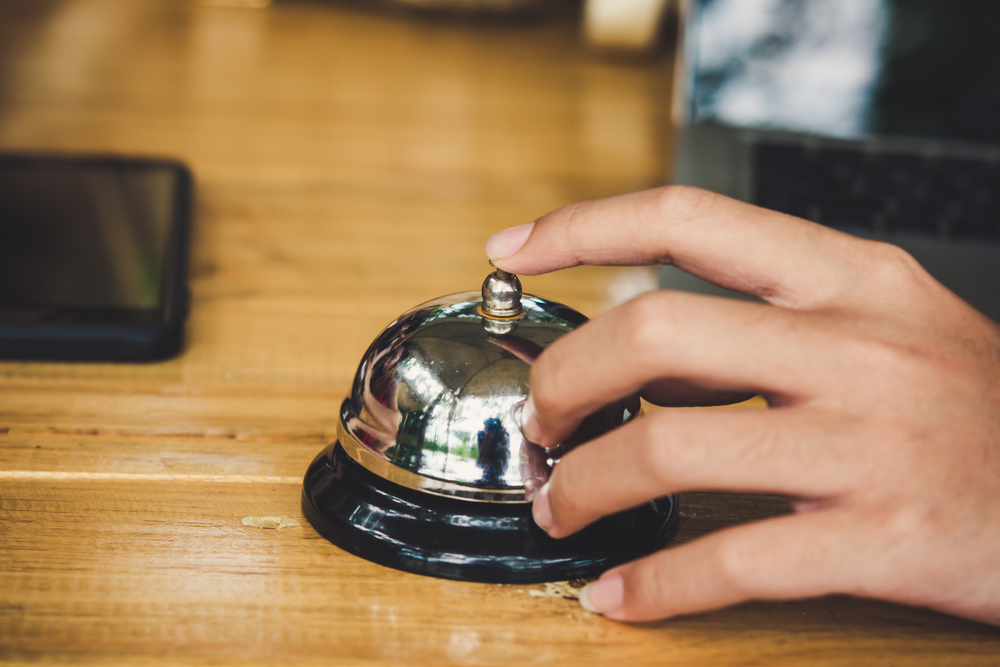
Waiting until checkout to mention that a room smelled of mildew for three nights doesn’t work in anyone’s favor. Hotels can’t fix problems they don’t know about, and waiting makes it look like the issue wasn’t really that bad.
Immediate complaints give the hotel a chance to move guests into better rooms or actually resolve problems during the stay.
Talk to the front desk first

The front desk agent serves as the first line of defense and often has surprising amounts of power to make things right. They can upgrade rooms, waive fees, or add credits to accounts without needing manager approval for smaller issues.
Starting here also creates a paper trail in the hotel’s system, which matters if escalation becomes necessary later.
Ask for a manager

When the front desk can’t help—or seems dismissive—politely request to speak with a manager or duty manager. These folks have broader authority and typically care more about protecting the hotel’s reputation.
Frame it as wanting their expertise on the situation rather than complaining about the front desk person specifically.
Be specific about what went wrong

Vague complaints like ‘the room wasn’t great’ give hotels wiggle room to dismiss concerns. Instead, spell out exactly what happened: the shower had no hot water from 7 to 9 AM, neighbors were loud until 2 AM despite calls to the front desk, or the advertised pool was closed for maintenance without prior notice.
Specific details are harder to argue with while showing that attention is being paid.
Know what you want

Before starting to complain, figure out what resolution would actually be satisfying. A partial refund might work, or a room upgrade, bonus loyalty points, or a free night on the next visit.
Hotels respond better when given a clear target rather than just venting frustration with no endpoint in sight.
Use your loyalty status

Elite members of hotel loyalty programs carry more weight. Mention status early in the conversation because hotels track how much has been spent with their brand and really don’t want to lose repeat customers.
Even mid-tier status can open doors that regular guests won’t see—it’s one of those unspoken advantages that make membership worthwhile.
Follow up in writing

After making a verbal complaint, send an email to the hotel manager summarizing the issue and what was promised. This creates a permanent record that’s harder to ignore or forget.
Written complaints also get forwarded up the chain more easily than verbal ones that might get lost in shift changes.
Take photos as evidence

Beyond documenting the problem, photograph everything relevant throughout the stay. Get pictures of maintenance people arriving late—the ‘out of order’ signs on amenities, or the food quality issues at breakfast.
Visual proof removes any ‘he said, she said’ dynamics and proves there’s no exaggeration happening.
Reference hotel policies

Hotels publish standards on their websites about room cleanliness, amenities, and service levels. When they fail to meet their own stated policies, point this out directly.
It’s much harder for them to argue when being held to their own promises, and it shifts the conversation from subjective complaints to objective policy violations.
Mention your willingness to escalate

Sometimes signaling seriousness without actually threatening anyone becomes necessary. Phrases like ‘I’d prefer to resolve this with you before contacting corporate’ or ‘I hope we can find a solution before I need to dispute this charge’ let them know this isn’t going away.
Most hotels would rather fix things locally than deal with corporate inquiries or credit card chargebacks, which create paperwork nobody wants.
Contact corporate headquarters

When the individual hotel won’t budge, reaching out to the brand’s corporate customer service department becomes the next logical step. Major chains like Marriott, Hilton, and Hyatt have dedicated teams that can authorize compensation that the property-level staff cannot.
Corporations also tend to take complaints more seriously since they’re protecting the entire brand’s reputation across hundreds or thousands of properties.
Use social media strategically

A polite yet detailed complaint on Twitter or Facebook often gets a faster response than on traditional channels. Hotels monitor their social media because complaints there are public and can influence potential guests who are researching where to stay.
Tag the specific hotel and the corporate brand, though keep the tone professional rather than ranty—nobody takes angry rants seriously anymore.
File a credit card dispute

If the hotel charges for services they didn’t provide or refuses to refund money that’s legitimately owed, contacting the credit card company becomes a powerful option. Chargebacks are serious business for hotels since too many can affect their ability to process cards at all.
Just make sure there’s been a genuine attempt to resolve things with the hotel first, as credit card companies want to see a good-faith effort before they’ll intervene.
Leave detailed reviews

After the stay, posting honest reviews on TripAdvisor, Google, and booking sites like Expedia or Booking.com makes a real difference. Hotels obsess over these ratings because they directly impact future bookings and revenue.
Detailed reviews that explain what went wrong and how the hotel responded help other travelers while often prompting hotels to reach out with recovery offers to mitigate the damage.
Check consumer protection laws

Some states and countries have specific laws about hospitality standards and guest rights that many people don’t know about. If a hotel advertised amenities that weren’t available or charged for services they didn’t provide, there might be legal recourse beyond just asking nicely.
The Better Business Bureau and local consumer affairs offices can help mediate disputes when hotels refuse to play fair.
Time your complaint wisely

Complaining during check-in or late at night when staff are slammed rarely works well, though many people don’t think about timing. Aim for mid-morning or early afternoon when managers are typically available and the front desk isn’t overwhelmed with arrivals or departures.
People are simply more helpful when they’re not juggling ten other problems simultaneously, which is just human nature.
Keep all receipts and records
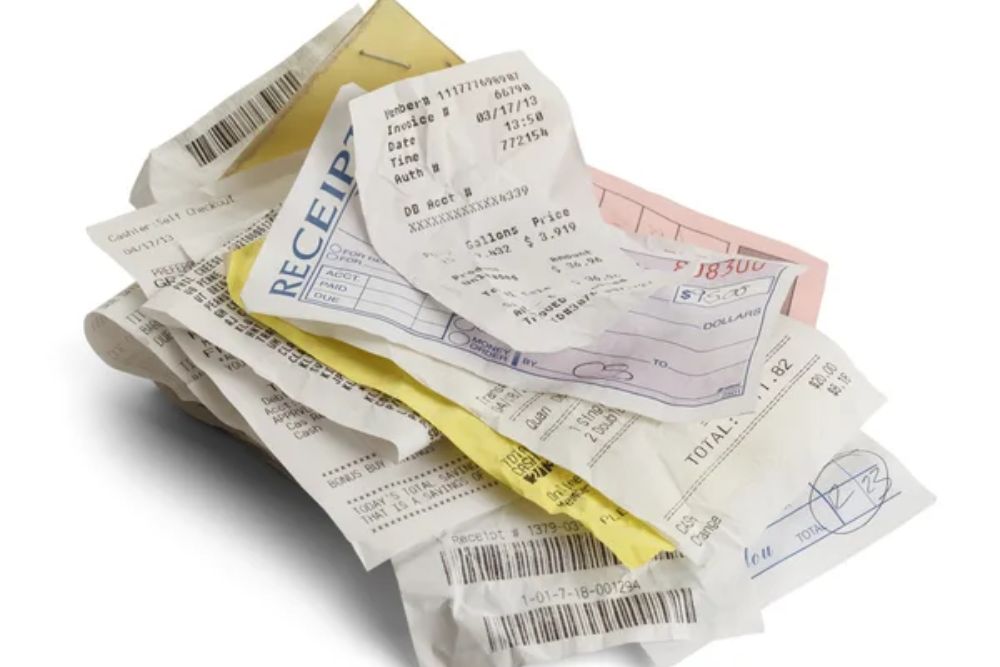
Save every piece of paper the hotel gives you, including reservation confirmations, folios, and receipts for extras. Also, save any written responses to complaints.
These prove what was promised versus what was actually received, giving an undisputed record. If there has been additional spending in order to take care of needs and problems yourself, such as buying food because the hotel restaurant was closed, save those receipts, too, as they substantiate a claim for reimbursement.
Know when to walk away

Sometimes a hotel situation is so bad that no amount of complaining will fix it, and staying becomes more trouble than it’s worth. If there are safety issues, severe cleanliness problems, or a staff that’s openly hostile, it might be worth cutting losses and finding another hotel.
Document everything thoroughly, check out, and fight for a full refund later rather than suffering through a miserable stay that ruins the entire trip.
Why guest feedback shapes hospitality

Gone are the days when a complaint disappeared into some suggestion box nobody ever read. Today, modern hospitality runs on instant reviews, social media mentions, and loyalty program metrics that directly impact a property’s bottom line in ways unimaginable a decade ago.
A relationship that was once one-sided, with the hotels holding all the power, has balanced out to include informed guests who know how to complain effectively, affecting real change and getting fair compensation. The next time something goes awry on a hotel stay, remember this: Speaking up isn’t complaining; it’s using the tools at your fingertips to ensure the experience matches what you paid for.
More from Travel Pug

- Underrated Italian Towns That Beat the Tourist Crowds
- Las Vegas Tourist Traps to Skip
- Prettiest Towns in Every US State
- 18 passport-free countries for Americans
- Signs Your Cruise Is Not Worth The Cost
Like Travel Pug’s content? Follow us on MSN.