

Kyoto carries centuries of spiritual history within its narrow streets and forested hills. The city is known for its grand temples and crowded tourist favorites, yet many of its most meaningful sites are tucked quietly away. These smaller temples and shrines often reveal a side of Kyoto that feels frozen in time—tranquil, understated, and beautifully unhurried.
Beyond the well-trodden paths of Kinkaku-ji and Fushimi Inari, you’ll find peaceful corners where moss-covered steps and wooden gates lead to places few travelers ever reach. Here is a list of 15 hidden temples and shrines in Kyoto worth discovering.
Gio-ji Temple
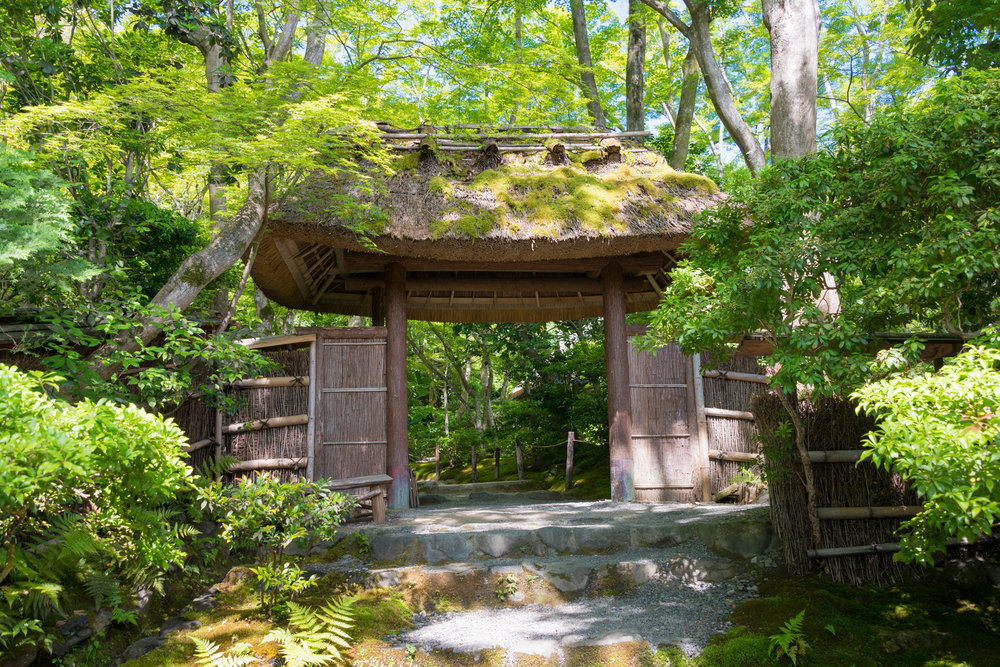
Nestled deep in the Arashiyama area, Gio-ji is surrounded by a lush carpet of moss that glows softly under filtered light. The temple’s single thatched-roof hall sits quietly among trees, giving it a dreamlike calm. In spring and fall, the colors around the temple shift dramatically, yet the feeling of stillness never changes. It’s a small place, but one that leaves a lasting sense of peace.
Honen-in Temple
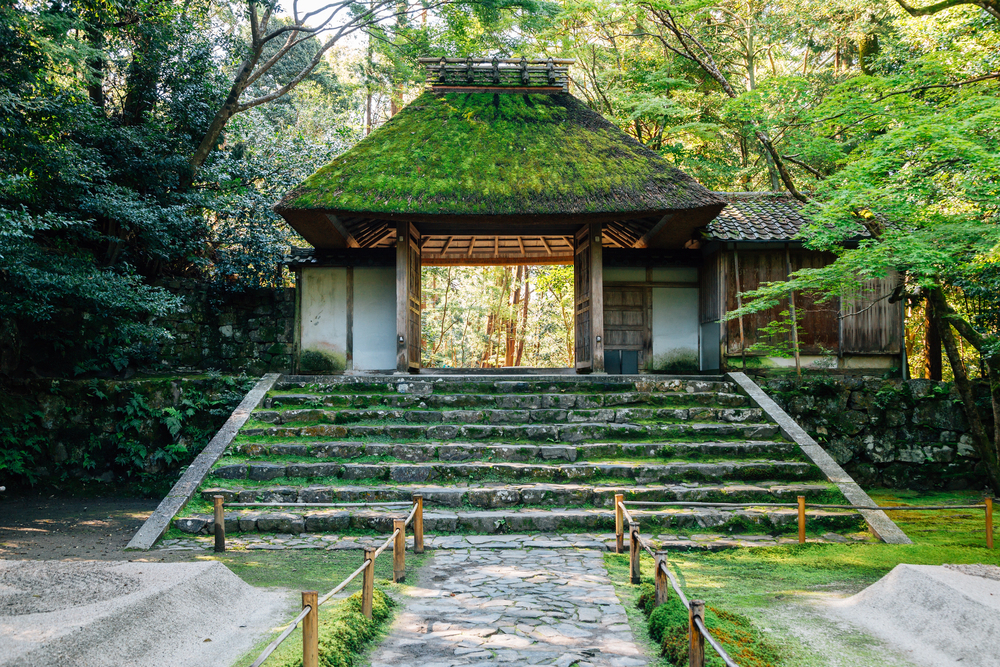
Just off the Philosopher’s Path, Honen-in feels almost secret despite being close to the city’s center. A mossy gate greets visitors before a short stone path leads into the temple grounds. The air feels cool and earthy, with the sound of water running through a simple purification basin. The temple’s design reflects a balance of elegance and restraint—true to the Japanese aesthetic of quiet beauty.
Like Travel Pug’s content? Follow us on MSN
Otagi Nenbutsu-ji
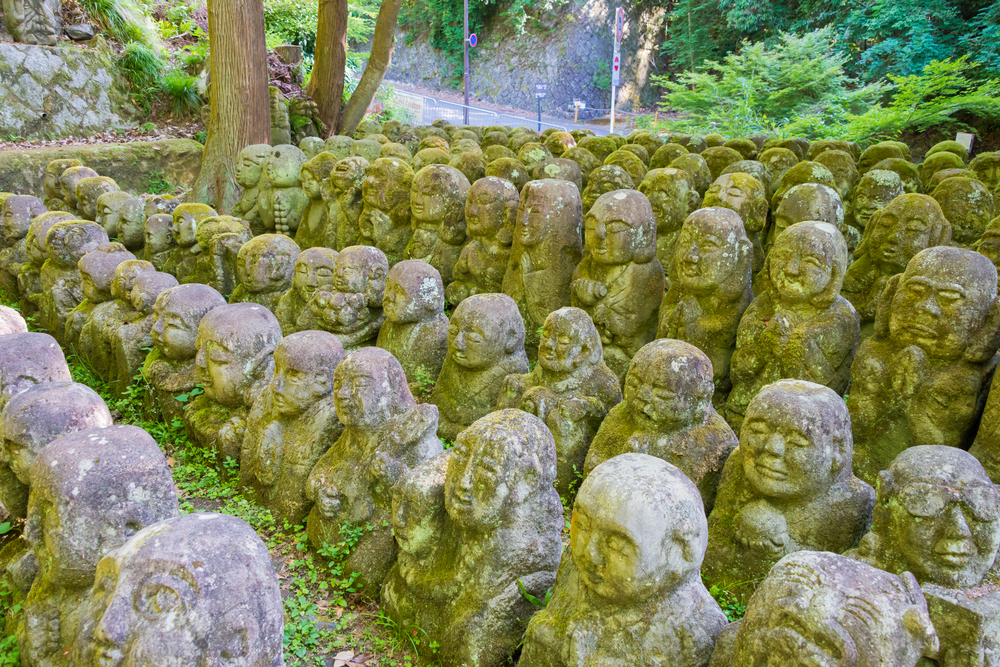
Hidden at the edge of Arashiyama, this temple is filled with hundreds of small stone statues, each carved with unique expressions. Some smile, some laugh, and others appear deep in meditation. The weathering of the statues gives them character, as if time itself helped sculpt their charm. The atmosphere here is playful yet sacred, a reminder that spirituality can be joyful too.
Manshu-in Temple
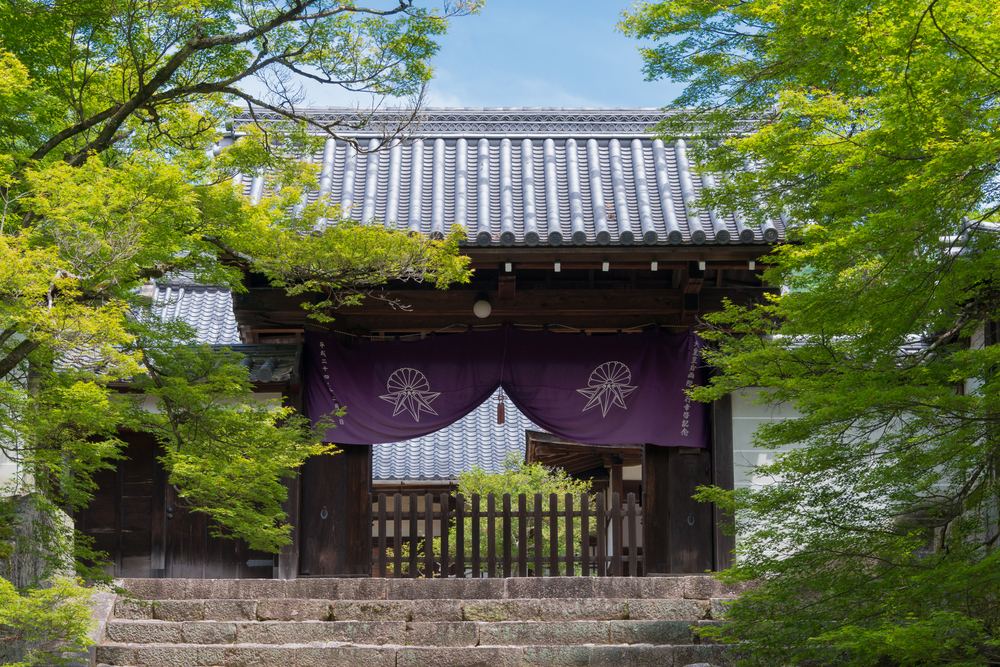
Tucked away in the foothills of northern Kyoto, Manshu-in is known for its delicate architecture and carefully designed gardens. The temple’s painted sliding doors and open tatami rooms create a peaceful rhythm of space and light. Outside, the gravel gardens are simple yet mesmerizing in their symmetry. It’s the kind of place where silence feels like part of the design.
Shoden-ji Temple
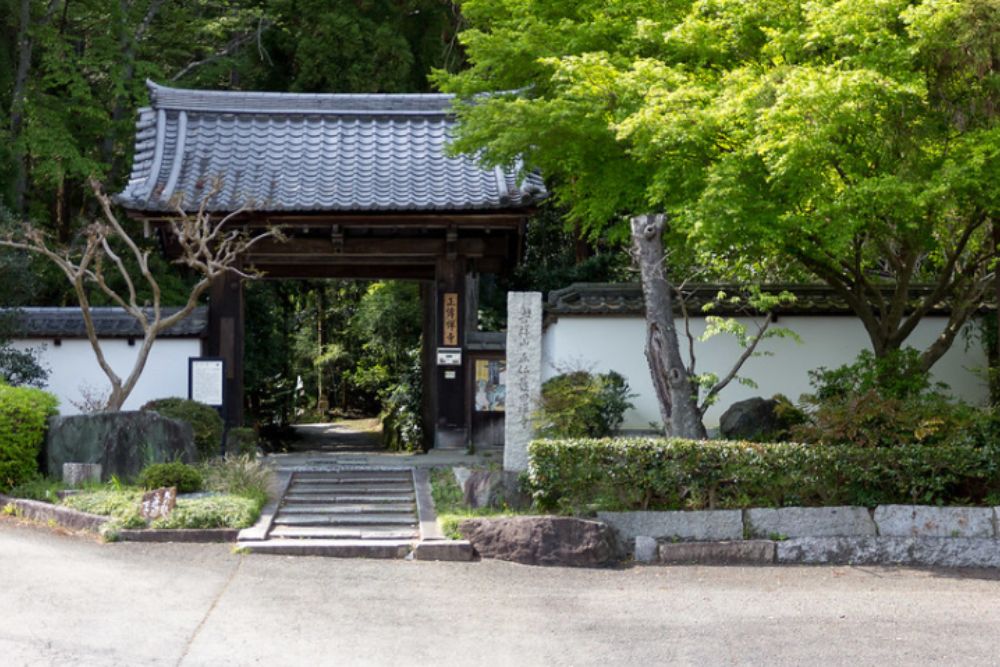
Overlooking the northern hills, Shoden-ji offers one of Kyoto’s most underrated views of Mount Hiei. Its Zen garden is small but impeccably arranged, featuring neatly raked gravel and carefully placed stones. The temple rarely sees crowds, so the only sounds are birds and the faint rustle of trees. Sitting quietly on the veranda here feels like meditation in motion.
Like Travel Pug’s content? Follow us on MSN
Shinnyo-do Temple
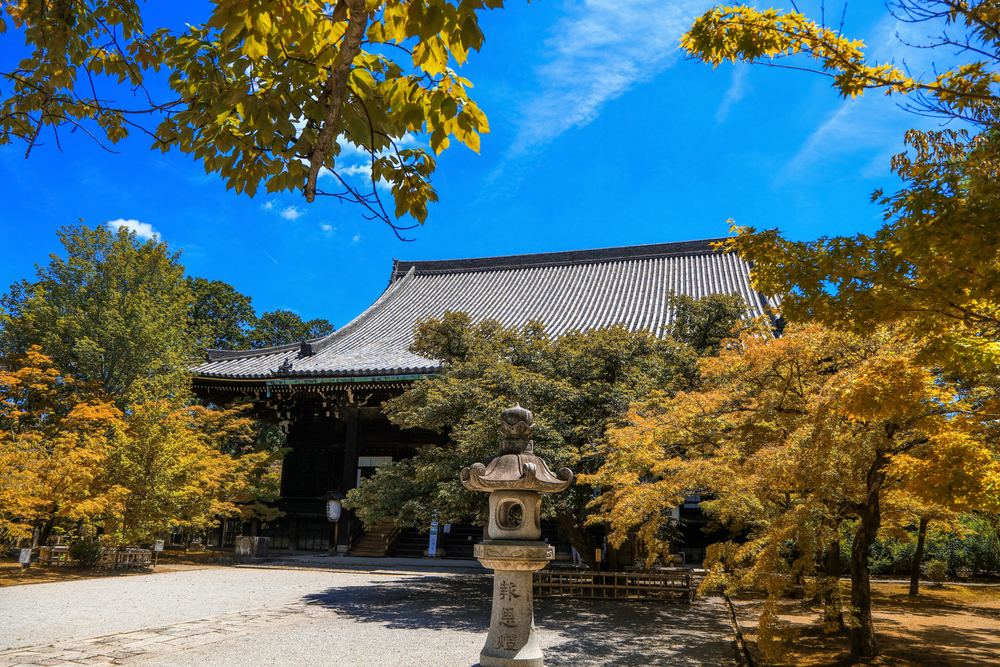
Located near Heian Shrine, Shinnyo-do is often overlooked by tourists rushing to larger sites. The temple grounds feature a grand wooden hall, pagoda, and maple trees that turn brilliant red in autumn. The layout encourages slow wandering, with pathways leading to smaller shrines and statues. Despite its size, the temple maintains a quiet grace that feels deeply personal.
Kennin-ji Temple Subtemples
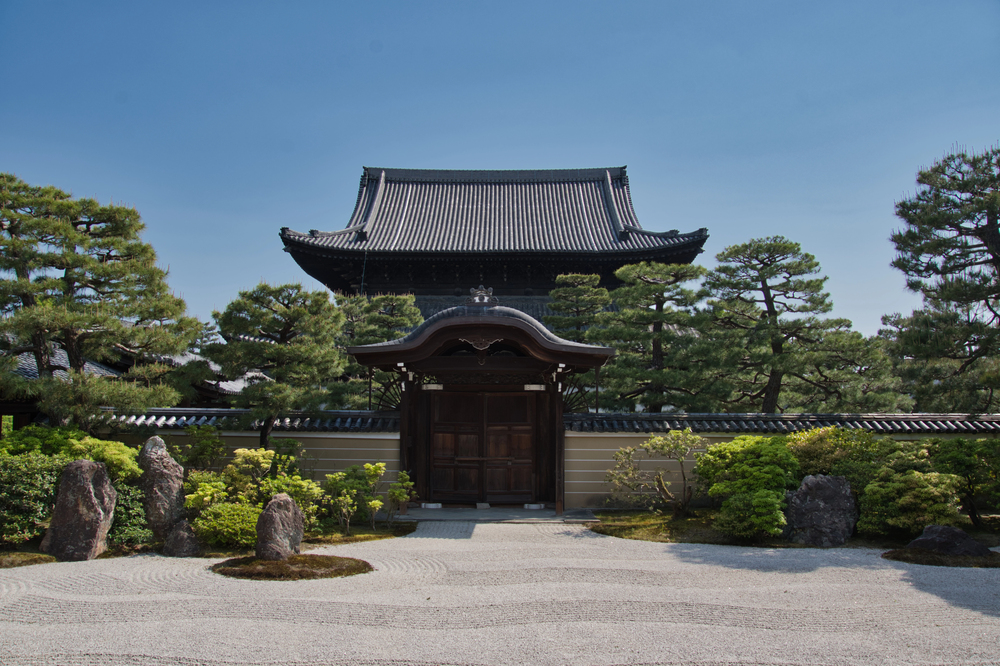
While Kennin-ji itself is famous, its smaller subtemples hidden behind wooden gates often go unnoticed. Some are open only seasonally, offering tranquil gardens and tea houses where time feels suspended. The subtle sound of temple bells occasionally drifts through the air, adding to the sense of timeless calm. Exploring these hidden corners reveals Kyoto’s layered spirituality—one courtyard at a time.
Myoshin-ji Temple Complex
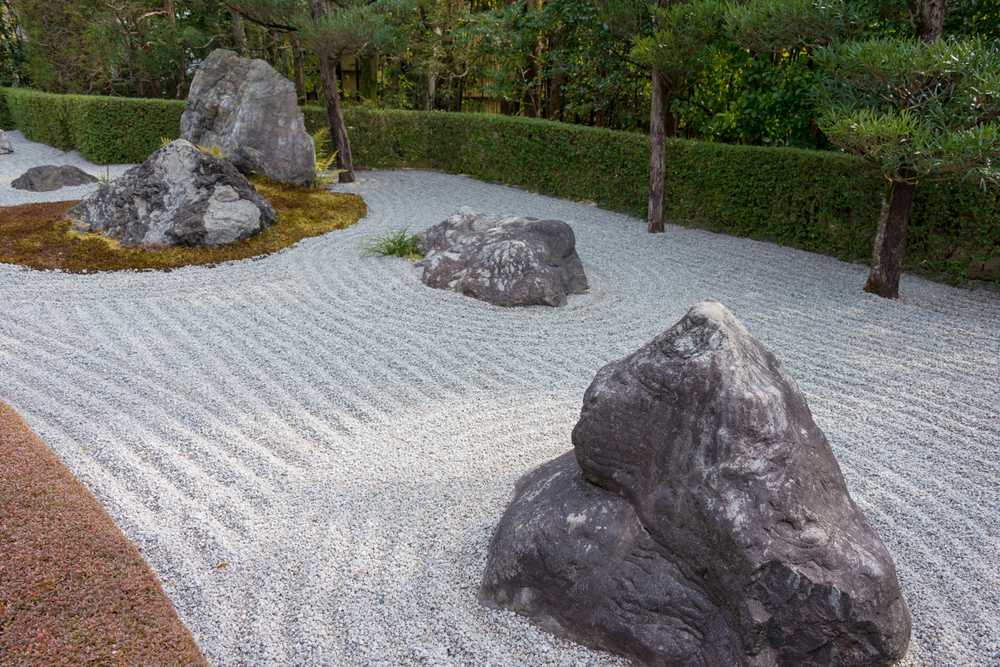
This vast Zen temple complex in western Kyoto holds dozens of subtemples, each with its own garden, history, and mood. The main pathways are quiet, lined with tall walls and old wooden gates that create a feeling of mystery. Some subtemples allow visitors inside, while others remain closed, their peace preserved. Wandering here feels like walking through a living museum of Zen culture.
Like Travel Pug’s content? Follow us on MSN
Enko-ji Temple
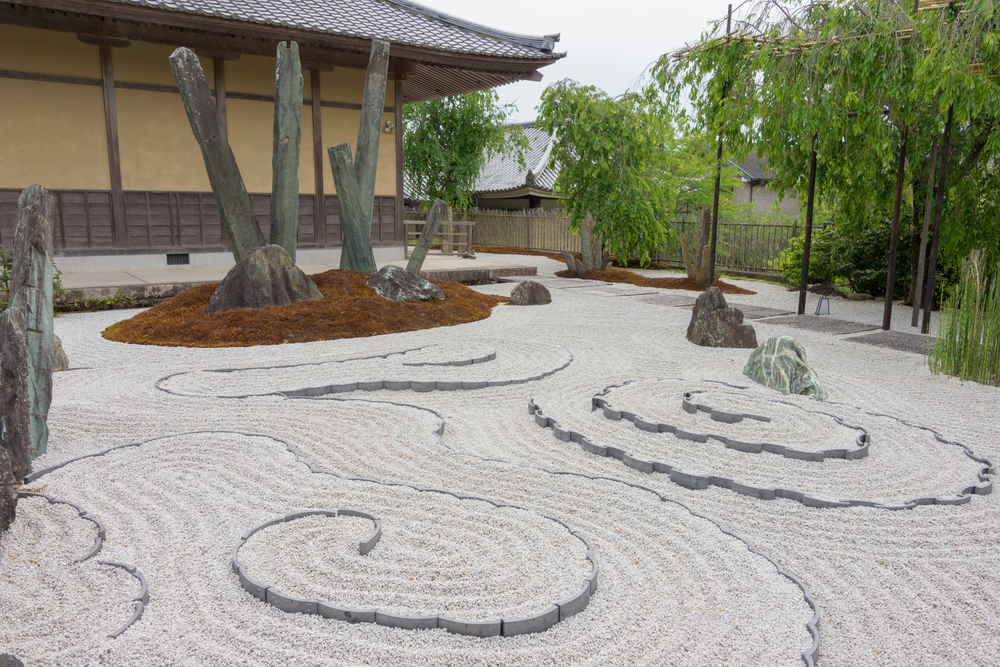
Enko-ji combines nature and reflection in perfect harmony. The view from the main hall stretches out over a vibrant garden framed by maple trees that catch the sunlight in every season. Inside, traditional calligraphy scrolls and tatami mats invite visitors to sit and take in the calm. The temple’s balance of light and shadow captures the beauty of impermanence—an idea central to Kyoto’s spiritual identity.
Komyo-in Temple
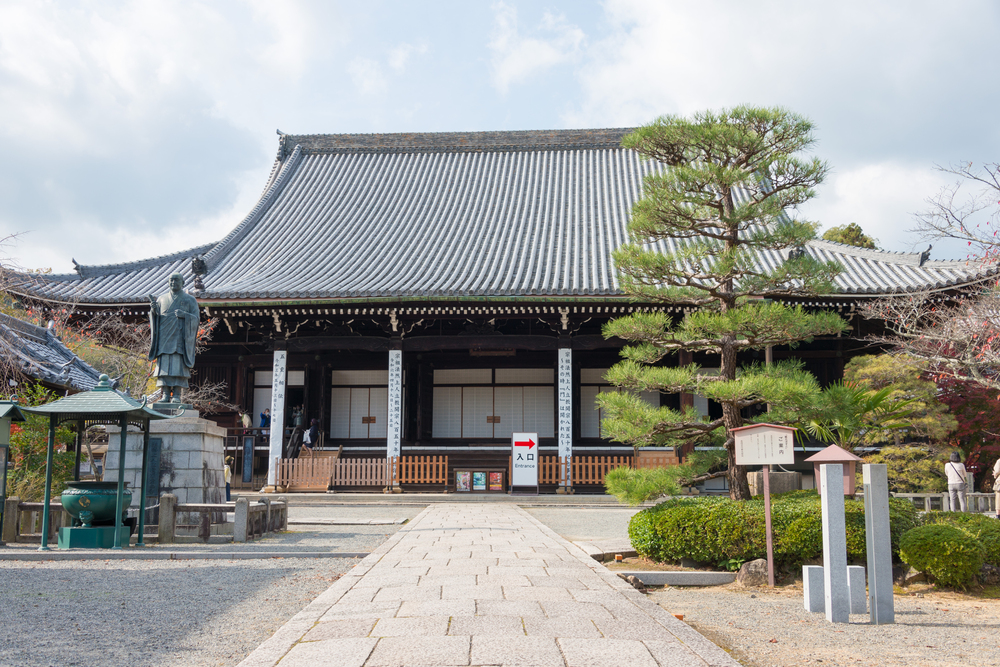
Often called the ‘Temple of Light,’ Komyo-in sits quietly near Tofuku-ji but sees far fewer visitors. Its garden, designed by a master landscape artist, reflects balance through simplicity. The raked gravel seems to flow like waves, surrounding islands of green moss and smooth stones. It’s a visual reminder of stillness and movement existing together—a lesson found often in Zen.
Yoshida Shrine
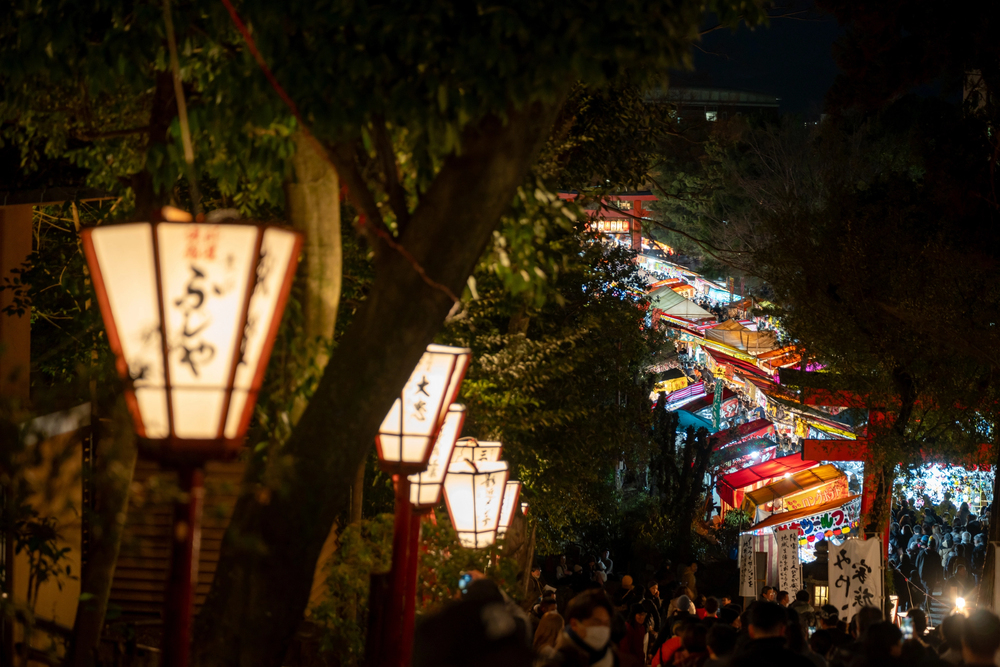
Set on a wooded hillside east of the city, Yoshida Shrine offers a serene atmosphere away from Kyoto’s main routes. The pathways wind through tall trees, leading to small sub-shrines scattered across the grounds. During certain festivals, lanterns line the paths, giving the place a soft, welcoming glow. Even on quiet days, the air feels alive with a gentle sense of reverence.
Seiryo-ji Temple
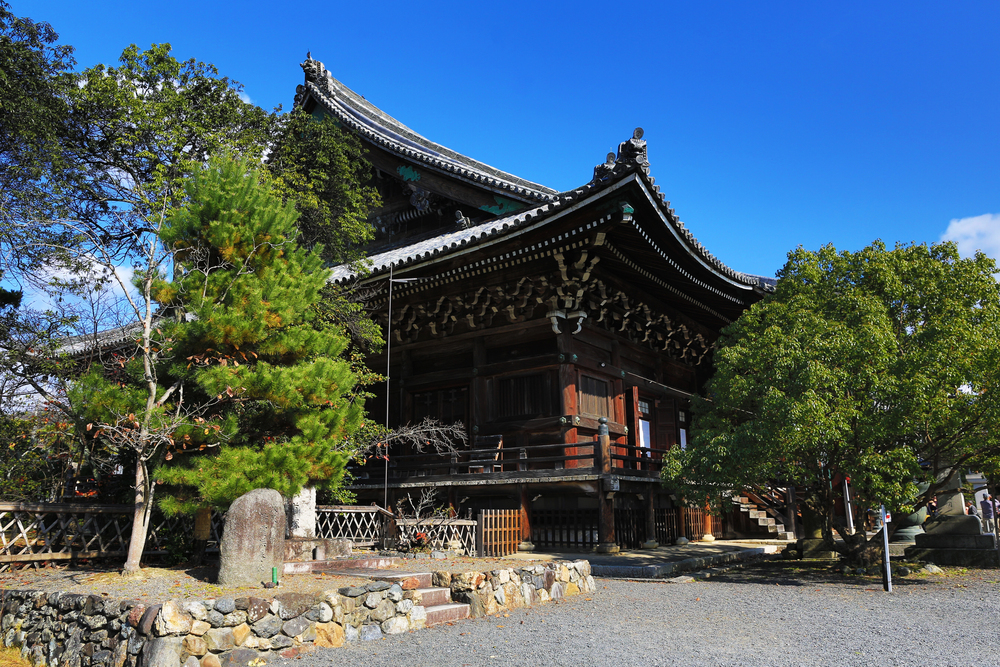
This temple in Saga district holds a long history tied to Buddhist teachings brought from China. Its massive wooden gate and wide courtyard make a strong first impression, yet the deeper you walk in, the more the calm takes over. The temple houses an ancient Buddha statue considered one of Kyoto’s most sacred. It’s a place where history doesn’t feel distant—it feels present in every beam of wood and carved stone.
Like Travel Pug’s content? Follow us on MSN
Nison-in Temple
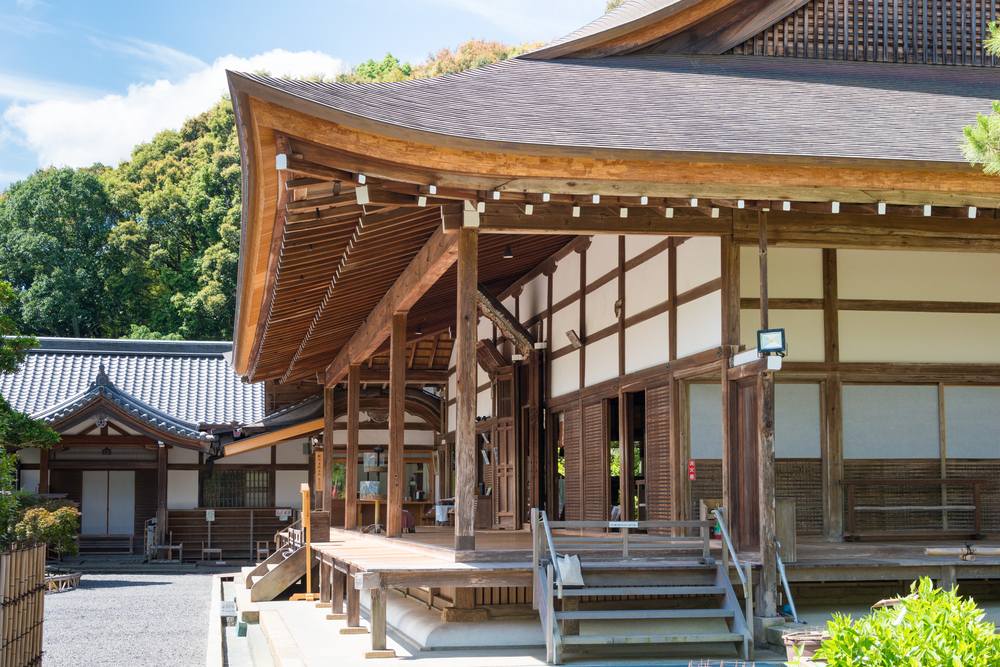
Surrounded by maple trees and stone lanterns, Nison-in is particularly stunning in autumn. The main path, lined with colorful foliage, leads to a temple hall that glows in the evening light. Despite its beauty, the area stays relatively quiet even during peak season. It’s one of those places where you can hear your own footsteps and feel completely at ease.
Adashino Nenbutsu-ji
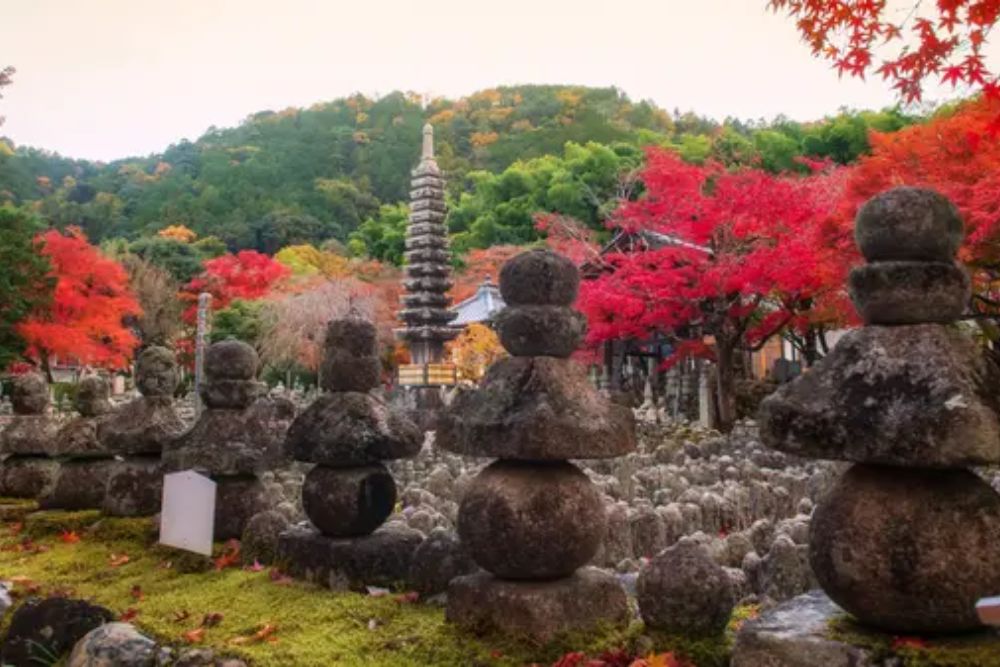
Located beyond the main Arashiyama area, Adashino Nenbutsu-ji is both haunting and peaceful. Thousands of small stone memorials fill the temple grounds, honoring those who passed without family or name. The sight is powerful, yet the surrounding bamboo and soft wind make it oddly comforting. Visiting here feels like paying respect not just to individuals—but to time itself.
Jakko-in Temple
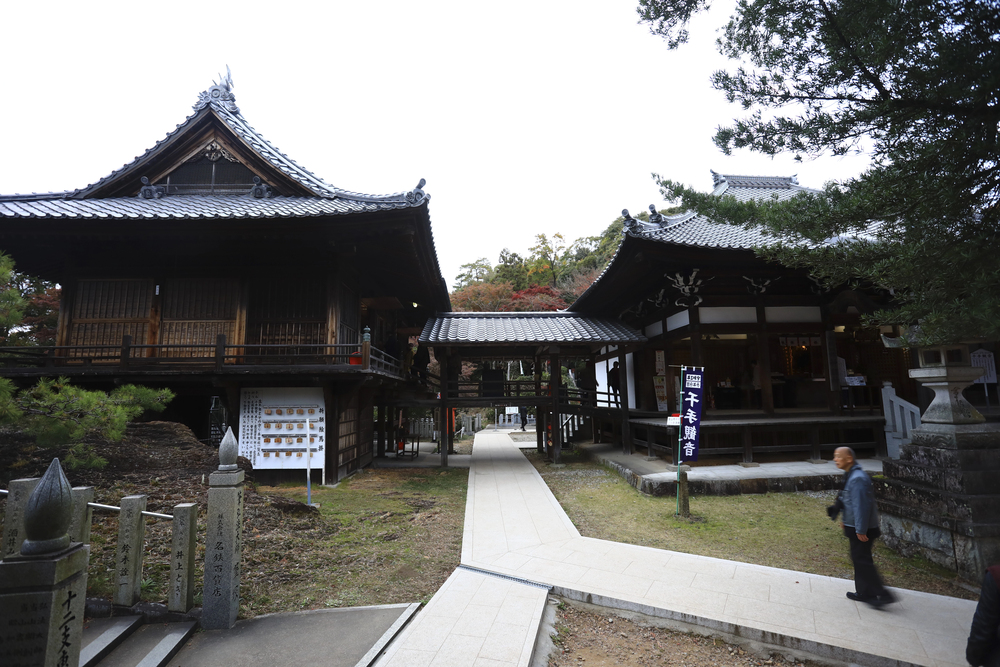
Set deep in the quiet Ohara valley north of Kyoto, Jakko-in feels far removed from the modern world. The wooden buildings blend seamlessly into the forest around them, and the sound of water flowing through nearby streams adds to the sense of solitude. This temple’s history stretches back centuries, carrying stories of monks and noblewomen who once sought refuge here. Its enduring calm reflects the spiritual patience of Kyoto’s countryside.
Like Travel Pug’s content? Follow us on MSN
Where Kyoto hides its peace
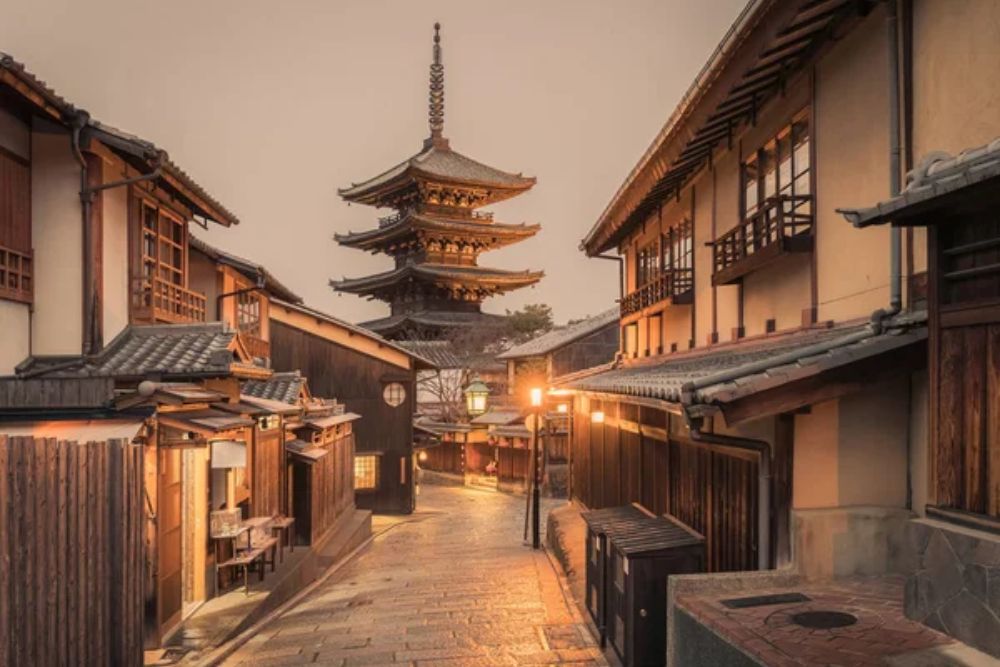
In a city known for temples that draw thousands daily, these quieter spots remind travelers what Kyoto’s spirit truly is. The beauty isn’t just in the architecture or the gardens—it’s in the spaces between sounds, the pauses between footsteps. Each hidden temple and shrine holds its own rhythm of calm, offering perspective in a world that rarely slows down. Kyoto’s peace doesn’t demand attention—it simply waits to be noticed.
More from Travel Pug

- 20 Best Beach Towns in the Carolinas
- 13 Destinations Where Tourists Regularly Regret Their Trip
- 20 Things You Actually Get in First Class
- 20 Small Airports With Aviation Museums
- 20 Places in the U.S. That Are Perfect for a Reset Trip
Like Travel Pug’s content? Follow us on MSN