

Travel fades faster than anyone wants to admit. A year after that perfect beach sunset or that mountain village where time seemed to stop, the details start blurring together—what country was that restaurant in again? Which castle had the incredible view? The photos sit in phone folders, unopened for months, accumulating like digital clutter no one has time to sort through.
But travel memories don’t have to dissolve into vague impressions and a few faded snapshots. Below are ways to keep those experiences alive, vivid, and accessible long after the suitcase gets shoved back into storage.
Start a travel journal

Writing things down works. Not profound observations or polished prose—just what happened, what it looked like, how it felt in the moment. A few sentences about the meal, the conversation with a local, the smell of rain on cobblestones.
The act of writing forces attention to detail. Years later, those scribbled notes resurrect entire days that would otherwise be lost. Digital journals work fine, but there’s something about handwriting in a physical notebook that seems to cement memories differently. Even bullet points beat nothing.
Create a photo book

Phone cameras capture everything, which means they capture nothing anyone actually looks at. Thousands of photos accumulating in the cloud, never seen again.
A photo book changes that. Selecting images forces a review of the trip. Arranging them tells a story. The finished product sits on a shelf where it actually gets picked up and flipped through, unlike the digital archive gathering virtual dust. Services like Artifact Uprising or Shutterfly make the process straightforward, and the physical object carries weight that a screen never will. There’s also something satisfying about turning actual pages instead of endless scrolling.
Like Travel Pug’s content? Follow us on MSN.
Collect small, meaningful objects

Forget the tourist shop magnets. Real souvenirs are the things that carry actual memory—a train ticket from that unexpected detour, a smooth stone from the beach where the sunrise happened, a coaster from the bar where locals took over the conversation and suddenly it’s 2 a.m. and you’re learning drinking songs in a language you don’t speak.
These objects don’t need to be valuable or impressive. They just need to trigger recall. Keep them in a box, a jar, a drawer that gets opened occasionally. Each item is a thread back to a specific moment that would otherwise slip away completely.
Build a travel map

A world map on the wall with pins or markers for places visited becomes a visual record that grows over time. Simple, but it works.
Each pin represents not just a location but layers of experience—the people, the food, the unexpected moments that don’t fit into categories. And it prompts conversation. Guests ask about specific places, which pulls out stories that might otherwise stay dormant. Digital maps work too, but the physical version has a presence that keeps travel visible in daily life.
Save menus and tickets

Paper ephemera captures details that memory doesn’t. A menu from that incredible meal in Lyon. Train tickets from the journey through the Scottish Highlands. Museum passes from the afternoon that turned into evening because no one wanted to leave.
Tuck them into the travel journal, create a scrapbook, or even frame particularly evocative pieces. They’re artifacts from moments that mattered, and they carry sensory triggers—the texture of the paper, the foreign language, the evidence that yes, that actually happened.
Like Travel Pug’s content? Follow us on MSN.
Record voice memos

At the end of a travel day, when exhaustion hits and journaling feels like too much effort, recording a quick voice memo takes minimal energy. Just a few minutes describing the day—what stood out, what surprised, what went wrong in ways that will be funny later.
Voice captures tone and emotion in ways writing sometimes misses. And hearing your own voice from that moment, tired and excited and still processing the experience, brings back the feeling of being there more vividly than almost anything else. The coffee shop sounds in the background. The accent you were unconsciously picking up. The genuine exhaustion mixed with satisfaction.
Create a travel playlist

Music and memory tangle together in powerful ways. The songs playing during a trip become permanent soundtracks to those experiences.
So make it intentional. Build a playlist for each major trip. Include the music heard in cafes, from street performers, on local radio stations—even the weird pop song that was inescapable for three straight weeks. Add songs discovered while traveling or the albums played on repeat during long train rides. Years later, those songs will instantly transport you back—not just to the place, but to the mood, the energy, the version of yourself moving through that landscape.
Cook food from your travels

Taste is memory’s most direct route. Recreating a dish from travels brings back the place where it was first eaten—the restaurant, the market, the kitchen of someone who insisted on teaching you their grandmother’s recipe despite the language barrier.
It won’t taste exactly the same. Can’t, really, without the same ingredients, the same water, the same altitude and humidity. But close enough. And the act of cooking it—following those steps, smelling those specific combinations—pulls the experience back into the present. Plus, it gives travel memories a functional place in regular life rather than keeping them locked in the past.
Like Travel Pug’s content? Follow us on MSN.
Share stories regularly

Memories stay alive when they’re told. Not in the “here are my vacation photos” presentation that makes everyone’s eyes glaze over, but in organic conversation when something reminds you of a travel moment.
The telling reinforces the memory. Each retelling polishes certain details while letting others fade, shaping the experience into story form. Stories stick. They become part of personal mythology in ways that mental snapshots never quite manage to achieve.
Frame a favorite photo

One photo. Not twenty in a gallery wall, just one exceptional image that captures something essential about a trip.
Print it large, frame it properly, hang it somewhere visible. That single image becomes a daily touchpoint. It’s not demanding attention the way a full photo album does, but it’s there—a quiet reminder of a place, a moment, a feeling worth preserving. The visibility matters. What’s seen regularly stays alive.
Write letters to yourself

Before leaving a place, write a letter to your future self about the experience. What made this place special? What do you want to remember when details start fading? What surprised you? What changed?
Seal it. Set a calendar reminder for six months or a year later. When it arrives or when the reminder pings, reading those fresh impressions from the moment brings the experience back with unexpected clarity. Future you will be grateful present you bothered, even if it feels slightly ridiculous in the moment.
Like Travel Pug’s content? Follow us on MSN.
Create a “greatest hits” video

Not a comprehensive documentary of every moment. A short compilation—two to five minutes—of clips that capture the essence of a trip. The view from the train window, the street performer who drew a crowd, the sunset that made everyone stop talking, the market chaos.
Edit it to music. Keep it short enough to actually rewatch. These videos become time capsules that are infinitely more engaging than hours of raw footage no one will ever sit through, let’s be honest. And making one forces a review of all the video content, which itself reinforces memory.
Build a dedicated travel shelf

Physical space for travel-related objects gives them importance. A shelf for photo books, souvenirs, journals, and collected items creates a designated spot where travel memories live.
It becomes a curated collection rather than random stuff scattered around. Having it all in one place means actually encountering it regularly instead of having pieces buried in drawers and closets where they’re forgotten. The shelf itself becomes a conversation starter, a reminder, a reason to revisit experiences instead of letting them gather dust.
Start a blog or private online journal

Blogging feels dated to some, but the format still works for preserving travel experiences in detail. It doesn’t need an audience—even a private blog creates a searchable, organized archive of experiences that won’t get lost when your phone dies.
Write about the trip in chunks. Share photos alongside narrative. The combination of visual and written content creates richer memory anchors than either alone. And unlike social media posts that get buried in endless feeds, a blog post stays findable, complete, and contextual.
Like Travel Pug’s content? Follow us on MSN.
Practice gratitude reflection
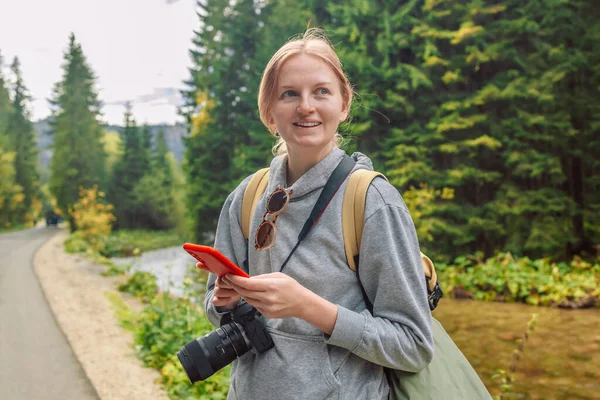
At the end of each travel day or week, list three things from the experience worth being grateful for. Not the big obvious things necessarily, but small moments—the stranger who gave directions, the unexpected weather that forced a change in plans that turned out better, the meal that exceeded all expectations.
This practice shifts focus toward positive details that might otherwise be forgotten. Those small gratitudes often hold more memory power than the major landmarks everyone expects to remember. Funny how that works.
Keep learning about the places

Travel doesn’t end when the trip does. Keep engaging with the places visited—read books set there, follow local news, learn more of the language, track down recipes, watch films from that country.
This ongoing engagement keeps the destination alive and relevant rather than letting it become a closed chapter. It deepens the original experience and creates continuity between the brief visit and ongoing connection. The place becomes part of life rather than just a place once visited.
The real work
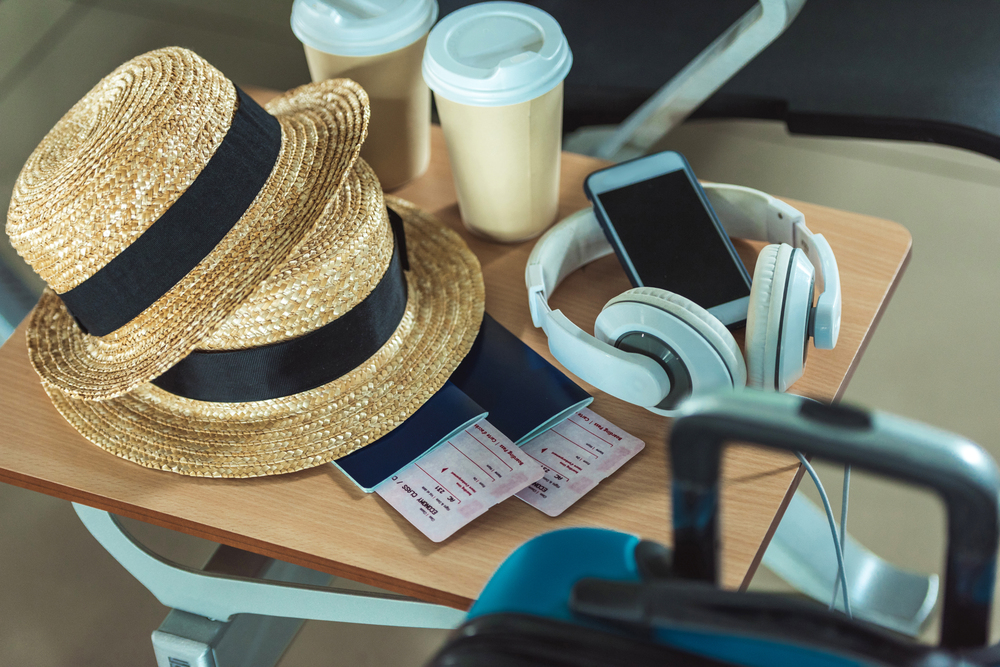
Travel memories don’t preserve themselves. They need intention, attention, and systems that work with how memory actually functions—through triggers, repetition, storytelling, and sensory connection. The methods don’t all need implementing.
Even two or three approaches applied consistently will keep experiences from fading into that vague “nice trip” category where details go to die. The effort is small. The return is years of access to moments that shaped who you are, kept vivid enough to still feel like they matter.
Like Travel Pug’s content? Follow us on MSN.
More from Travel Pug

- 20 Best Beach Towns in the Carolinas
- 13 Destinations Where Tourists Regularly Regret Their Trip
- 20 Things You Actually Get in First Class
- 20 Small Airports With Aviation Museums
- 20 Places in the U.S. That Are Perfect for a Reset Trip
Like Travel Pug’s content? Follow us on MSN.