

Most travelers hit the same handful of temple gardens in Kyoto, cameras ready, only to find themselves boxed in by tour groups and roped walkways. But scattered across the city’s quieter neighborhoods sit gardens that draw maybe twenty visitors a day, if that.
Some belonged to emperors. Others to poets who wanted nothing but solitude. Here’s a list of Kyoto’s lesser-known gardens where the beauty rivals the famous spots, but the crowds don’t.
Shisen-do Temple
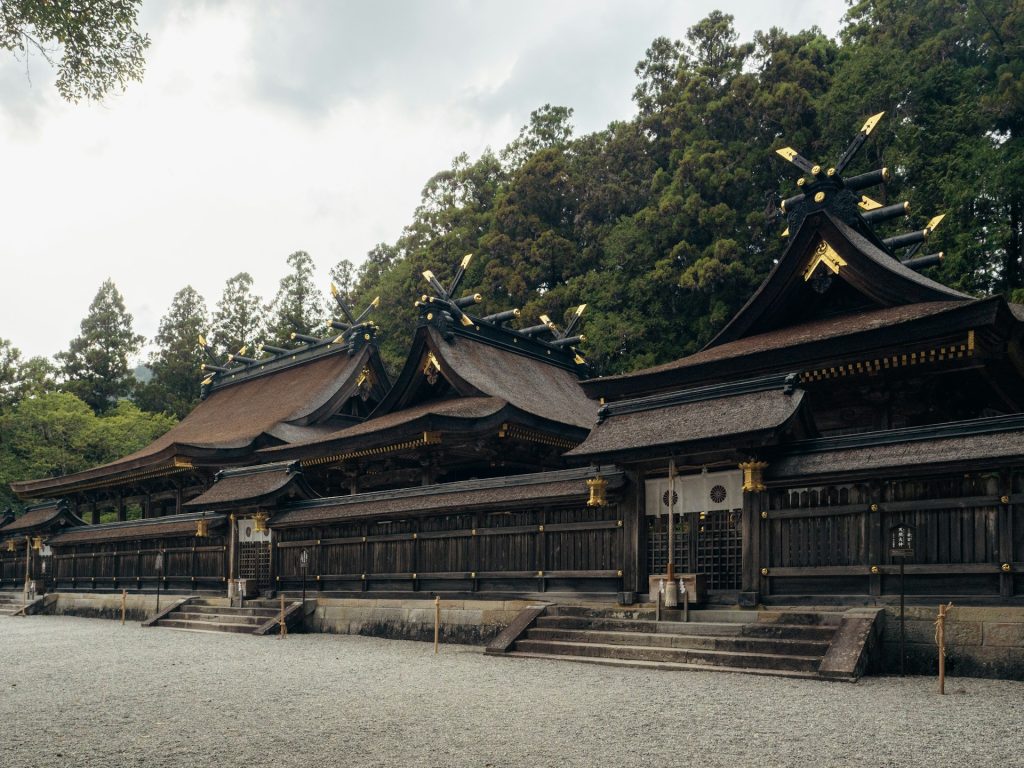
A samurai poet built this place after retiring from service in the 1600s. Stone paths wind through azalea bushes and maples that practically ignite in autumn. Every few minutes, a bamboo device called a shishi-odoshi fills with water, tips over, and clacks against a rock—originally meant to scare deer away from crops.
That rhythmic sound becomes almost meditative after a while. The garden climbs a hillside in terraces, revealing new compositions at each level.
Sentō Gosho
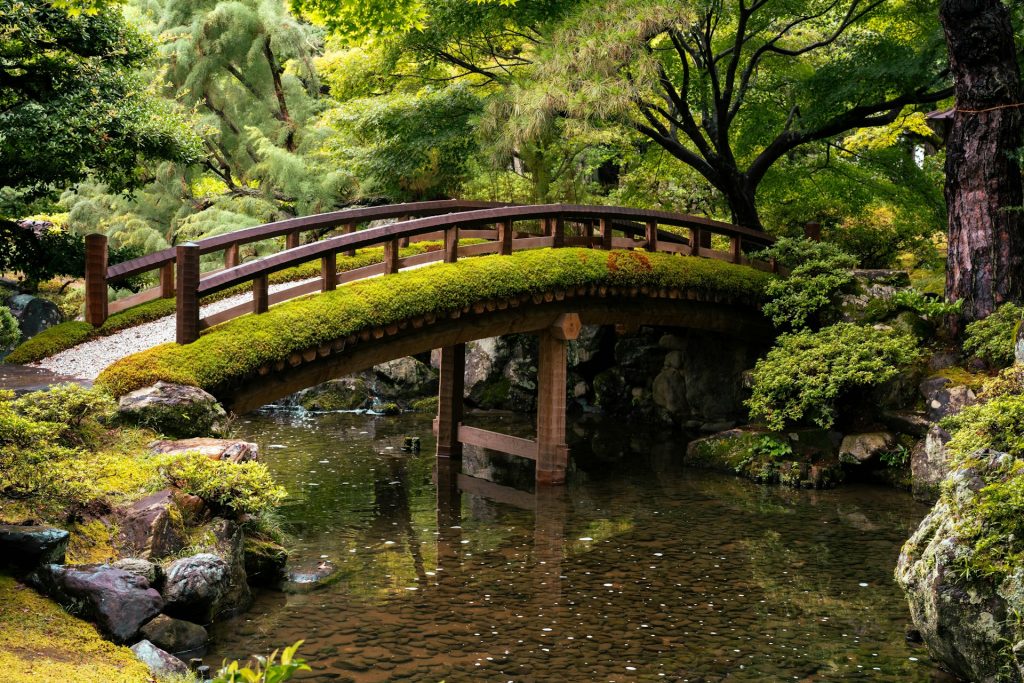
This one requires advance reservations, which keeps numbers down. Two large ponds anchor the space, connected by bridges built for imperial strolls centuries back.
Cherry trees line the northern pond, and when they bloom in spring, petals drift across the water like tiny pink boats. The garden feels grand without being overwrought.
Like Travel Pug’s content? Follow us on MSN.
Murin-an Villa
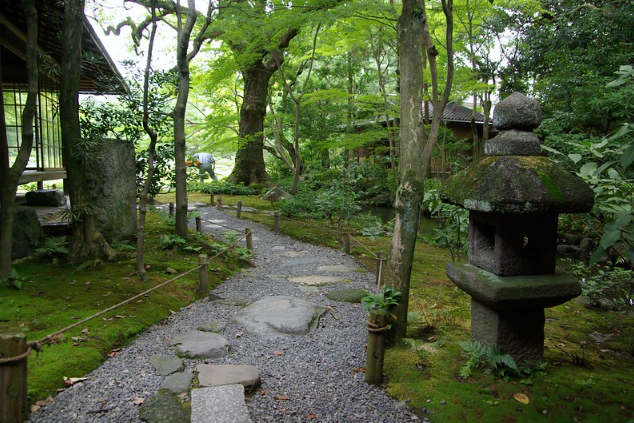
A Meiji-era statesman designed this garden himself, rejecting rigid traditional layouts for something more organic and flowing. Water channels through the entire space, drawn from the nearby Lake Biwa Canal. Lawn areas—uncommon in Japanese gardens—open everything up.
The villa’s sliding doors frame views that shift with the seasons like living paintings.Hours could disappear here.
Shōsei-en Garden
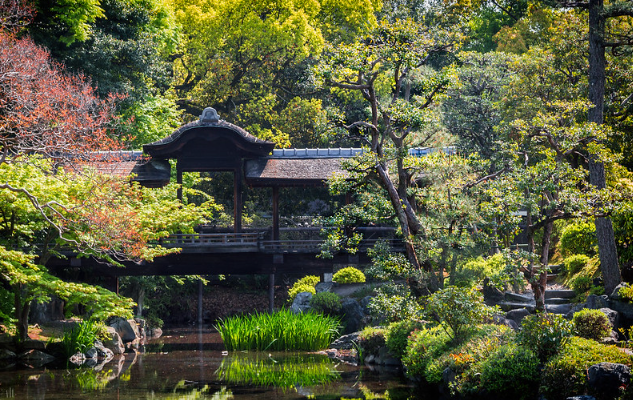
Sits surprisingly close to Kyoto Station, yet most travelers walk straight past. Priests used it as a retreat, and that sense of refuge still permeates the air. A large pond dominates the center with islands connected by elegant bridges.
Wisteria drapes over trellises in late spring, and on warm afternoons the scent becomes almost overwhelming.
In the best way possible.
Hakusa Sonsō Garden
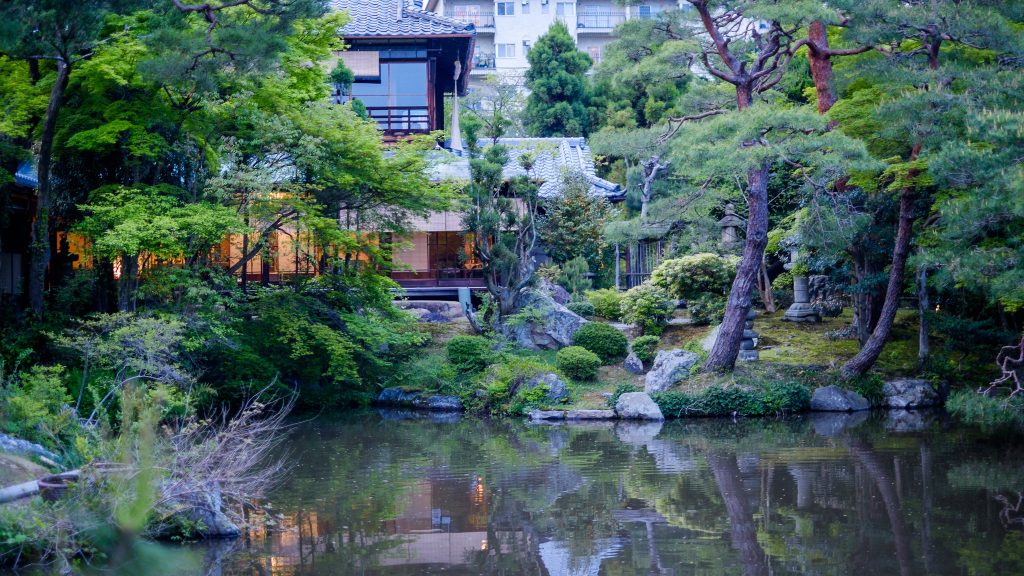
A textile merchant built this as his personal sanctuary in the early 20th century. Moss carpets nearly every surface in impossibly vivid green. The buildings mostly stay closed, but the outdoor space more than compensates.
Stone lanterns peek from beneath pine branches, and the garden follows a natural hillside slope that creates depth flat gardens can’t achieve.
Like Travel Pug’s content? Follow us on MSN.
Chishaku-in Temple
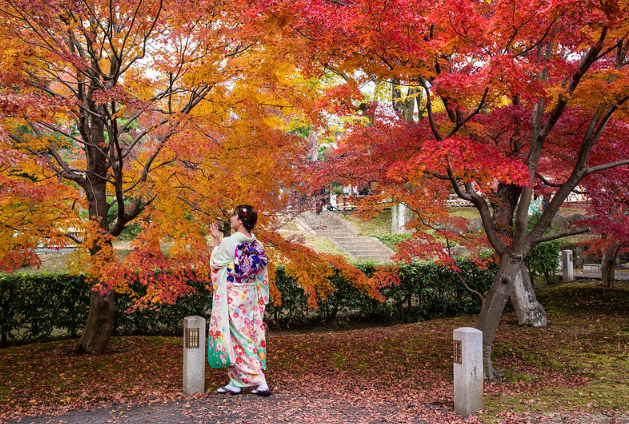
Temple gardens usually play second fiddle to the buildings themselves. Not here. Behind the main hall spreads a pond garden designed by an early Edo-period master, with boulders jutting from the water at angles that appear random but were actually placed with surgical precision.
The design supposedly represents Buddhist teachings, though interpretations vary.Still works without understanding every symbol.
Entoku-in Temple
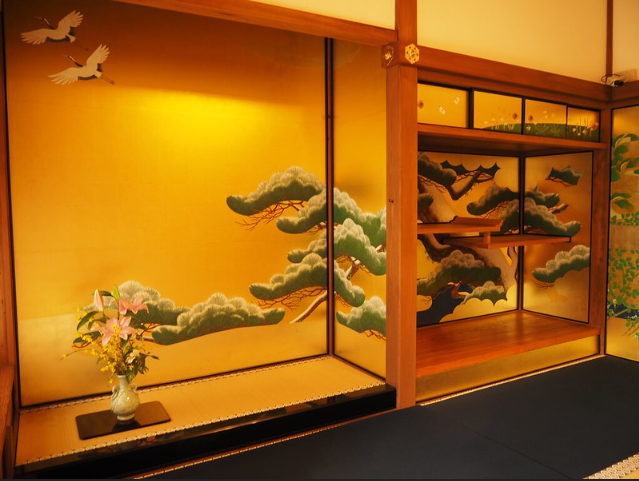
Connected to the more famous Kodai-ji Temple but far quieter. Two gardens sit side by side—one dry, one wet. The dry garden uses white gravel raked into patterns that change seasonally, while the pond garden features reflections so clear they double the scenery.
During special night openings, they illuminate everything. The effect borders on surreal.
Konchi-in Temple
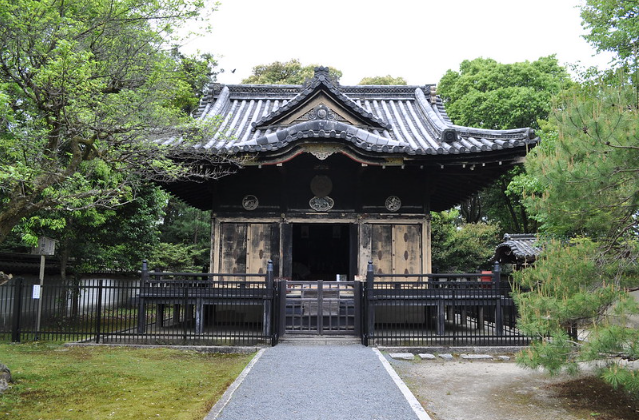
This garden occupies a small space, but every element was positioned with deliberate care. It’s attributed to the same designer who worked on several of Kyoto’s famous gardens, though this one rarely appears in guidebooks.
Stones are arranged to resemble a turtle and crane—longevity symbols. The garden faces south, so afternoon light pours in and makes the moss glow.
Like Travel Pug’s content? Follow us on MSN.
Shōden-ji Temple
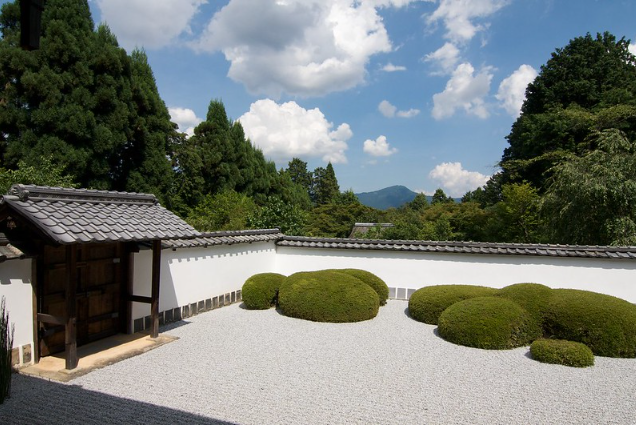
What sets this apart is borrowed scenery—the distant mountains become part of the composition itself. The garden is mostly flat gravel with carefully trimmed hedges, but everything is positioned so Mount Hiei appears framed in the background. Minimalist. Almost stark. Some find it boring, others profound.
Jōnan-gū Shrine
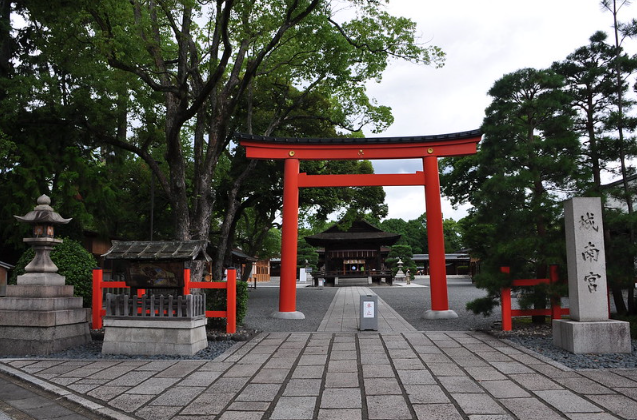
Most shrine gardens feel more decorative than contemplative. This one breaks that pattern. Weeping cherry trees arch over paths, and in spring the transformation is dramatic.
Five distinct garden areas surround the shrine buildings, each with its own character and mood. A small stream runs through one section, water tumbling over stones in constant soft murmur.
The shrine hosts an early spring plum blossom festival that locals attend but tourists rarely discover. Worth timing a visit around.
Reikan-ji Temple
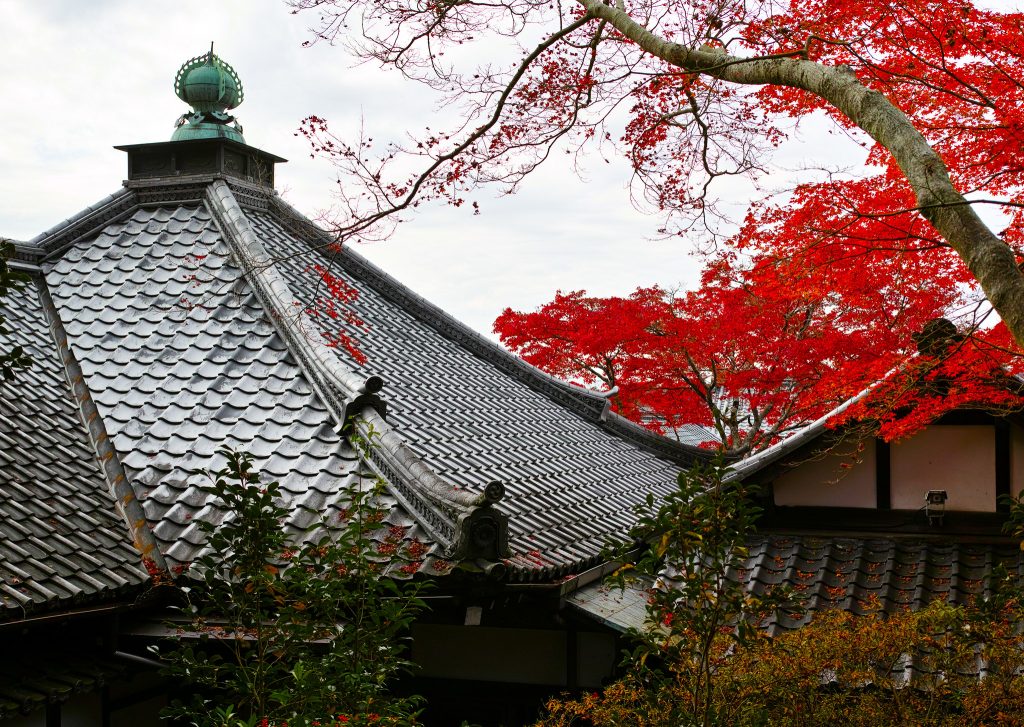
This temple sits in the northern hills, a solid distance from central Kyoto. The garden wraps around a steep hillside with paths climbing through bamboo groves and beneath maple canopies. A small tea house perches at the top with valley views. The walk up demands effort. But the isolation makes it feel like a private escape.
Like Travel Pug’s content? Follow us on MSN.
Manshu-in Temple
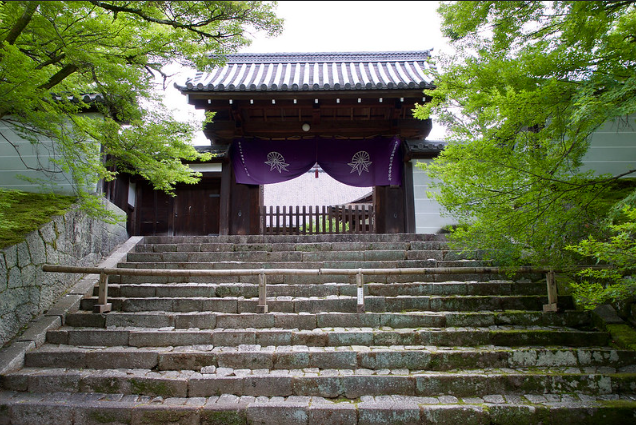
The garden dates to the 17th century and was designed to be viewed from inside the temple while sitting on tatami mats. From that vantage point, it becomes a living scroll painting. Elements include crane and turtle islands—traditional symbols—but arranged with unusual subtlety.
The autumn colors hit especially hard when maples shift to red and gold.
Ikkyū-ji Temple
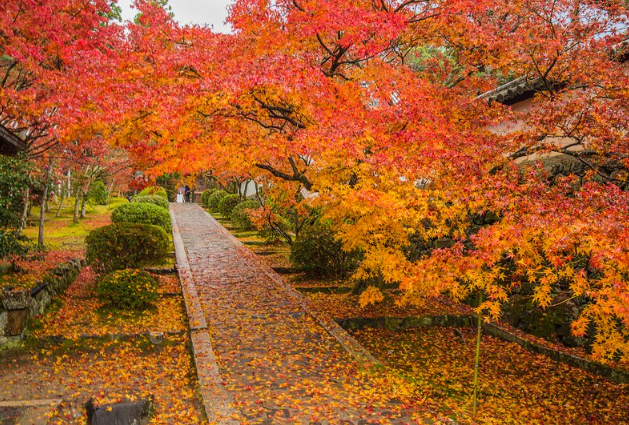
Technically in the southern suburbs rather than Kyoto proper, but close enough. The garden spreads beneath towering pines with ground cover that’s actually a patchwork of different moss varieties. Some areas are roped off to protect growth that’s decades or centuries old. The temple honors a famous Zen monk known for irreverent poetry and rejection of convention.
That rebellious spirit somehow permeates the garden’s wilder sections.
Tōfuku-ji Hōjō Garden
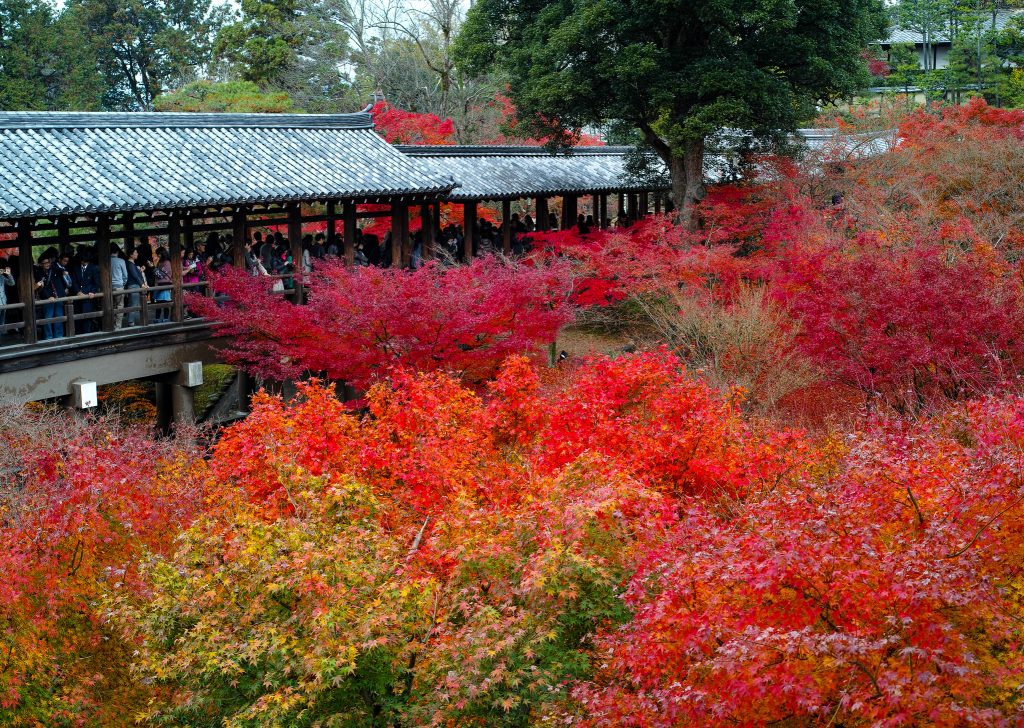
Most people know Tōfuku-ji for autumn foliage along the Tsūten-kyō Bridge, but the temple’s abbot quarters contain four distinct gardens that rarely get crowded. A 20th-century landscape architect designed them, blending modern sensibilities with traditional forms.
The southern garden uses stones to represent islands in a sea of raked gravel. The eastern garden arranges cylindrical stones like the Big Dipper constellation. The northern garden mixes moss with checkered patterns of stone and plant material.
The western garden features azalea bushes trimmed into squares.Four completely different design approaches in one complex.
Like Travel Pug’s content? Follow us on MSN.
Ryōan-ji Kyo-yochi Pond Garden
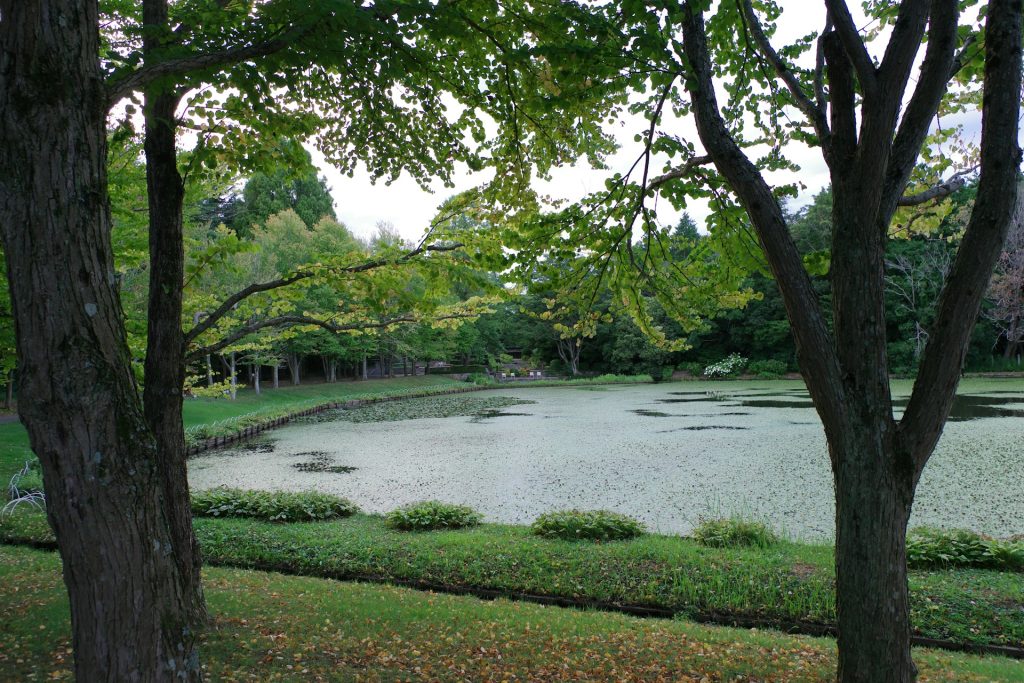
Everyone knows Ryōan-ji’s famous rock garden, but almost no one walks around to the pond garden out back. It predates the rock garden by centuries and was originally built for aristocrats who would boat across during moon-viewing parties. The pond is much larger than expected, with paths circling the entire perimeter.
Ducks paddle around. Turtles sun themselves on rocks. More park than formal garden, but that’s part of the appeal.
Retired Palace Garden at Katsura Imperial Villa
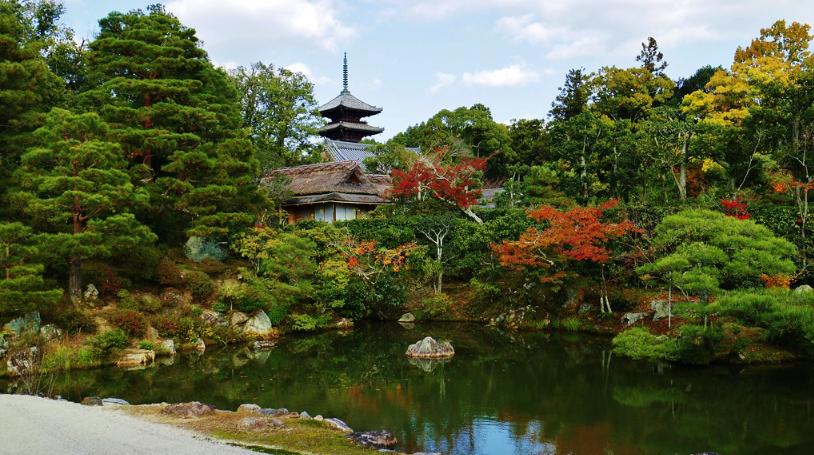
Requires advance booking like Sentō Gosho, but worth the effort. The garden was designed for strolling rather than static viewing, with paths that reveal carefully orchestrated perspectives at specific points. Tea houses dot the route, positioned to frame particular views. The garden incorporates elements from famous scenic spots across Japan, creating a miniature tour of the country’s landscapes.
And it works surprisingly well.
Shisen-dō Upper Path

Wait—this already appeared. Sort of. Most visitors stick to the main viewing area and miss the upper path that continues into the hillside.
That path leads to a smaller, more intimate garden space with weathered stone basins and moss-covered steps. Almost nobody ventures up there. Complete silence except for birds and occasional bamboo rustle.
Like Travel Pug’s content? Follow us on MSN.
The quiet reward
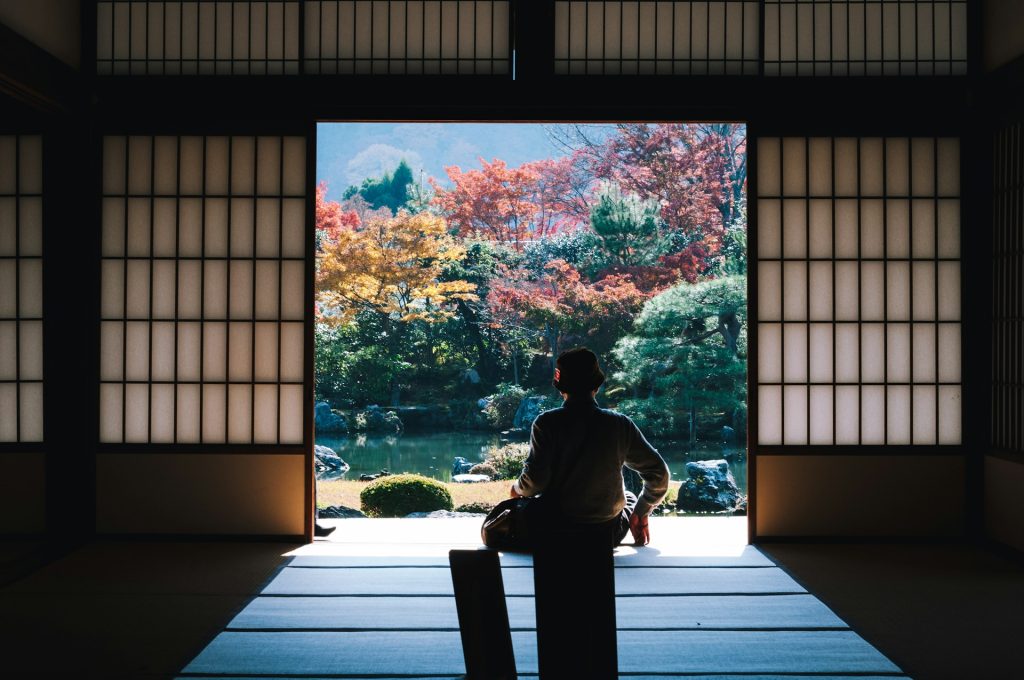
These gardens do not publicize or fight for visitors, and that is their very significance. Kyoto gives priority to the virtues of patience and curiosity over those of quickness.
One of these places provides something the thronged places can’t—real spaciousness, real tranquility, and real time to observe how light penetrates leaves or the special green color that moss turns after getting wet. Not life-changing. But definitely worth the effort to find.
More from Travel Pug

- 20 Best Beach Towns in the Carolinas
- 13 Destinations Where Tourists Regularly Regret Their Trip
- 20 Things You Actually Get in First Class
- 20 Small Airports With Aviation Museums
- 20 Places in the U.S. That Are Perfect for a Reset Trip
Like Travel Pug’s content? Follow us on MSN.