

Organizing a trek to Machu Picchu requires considerably more planning than most travelers originally appreciate. Perched at 8,000 feet above sea level in Peru’s rugged Andes Mountains, this ancient Incan citadel needs careful thought for all aspects, from physical conditioning to booking permits. The trek requires months of planning, but the payoff of seeing one of the world’s most breathtaking archaeological sites is well worth every ounce of effort. Smart planning turns what might be a nerve-wracking quest into the journey of a lifetime.
Here are 15 must-do steps that will ensure your Machu Picchu experience turns out great. These planning factors will help you avoid common pitfalls and maximize your experience at this UNESCO World Heritage Site.
Choose your trek route

There are several trails to Machu Picchu, each with varied experiences and degrees of difficulty. The traditional Inca Trail involves permits and four days of hiking, whereas alternatives such as the Salkantay Trek boast spectacular mountain vistas without permit requirements.
Take your physical condition, available time, and willingness for crowds into account when choosing your trail.
Book permits early

Inca Trail permits sell out months in advance — even hours after they’re released. The Peruvian government restricts daily entries to just 500 individuals total, including guides and porters.
Book your spot at least six months early, especially for dry-season dates between May and September.
Like Travel Pug’s content? Follow us on MSN.
Select the right season
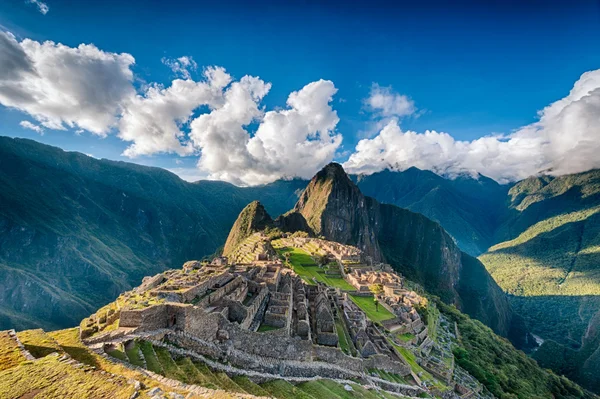
Peru’s dry season between May and September provides the best weather for trekking. It does, however, come with the biggest crowds as well as the highest prices.
The shoulder months of April and October offer good weather with fewer tourists, although you will get intermittent rain showers.
Prepare physically beforehand

Machu Picchu treks involve steep climbs, long days, and high-altitude conditions that challenge even the fittest hikers. Start cardio training at least three months before your trip, focusing on hiking with a weighted pack.
Stair climbing and leg strengthening exercises prove particularly valuable for the ancient stone steps you’ll encounter.
Gather essential gear

Quality hiking boots, moisture-wicking layers, and a reliable rain jacket form the foundation of your packing list. A comfortable daypack, headlamp, and sleeping bag rated for cool temperatures are equally important.
Many tour companies provide gear lists, though some items like boots should be broken in well before your departure.
Like Travel Pug’s content? Follow us on MSN.
Plan altitude acclimatization

Cusco sits at 11,200 feet, making altitude adjustment crucial before starting your trek. Arrive at least two days early to let your body adapt gradually.
Drink plenty of water, avoid alcohol initially, and consider coca tea — a traditional remedy that many travelers find helpful for altitude symptoms.
Research tour companies carefully

Not all Machu Picchu tour operators maintain the same standards for safety, environmental responsibility, and treatment of porters.
Read recent reviews, verify permits and insurance coverage, and ask about their sustainability practices. Established companies often cost more but provide better equipment and more experienced guides.
Budget comprehensively

Trek costs vary dramatically depending on route, group size, and service level. Factor in permits, gear rental, tips for guides and porters, plus extra expenses in Cusco before and after your trek.
Budget travelers might spend $400-600, while luxury options can exceed $2,000 per person.
Like Travel Pug’s content? Follow us on MSN.
Arrange travel insurance

Standard travel insurance rarely covers high-altitude trekking or helicopter evacuations from remote mountain locations. Purchase specialized adventure travel coverage that includes emergency medical evacuation and trip cancellation protection.
The cost represents a small fraction of your total investment yet provides crucial peace of mind.
Book flights strategically

International flights to Lima connect with domestic flights to Cusco, though weather delays are common in the mountains. Build buffer time into your schedule and consider arriving a day earlier than necessary.
Some travelers prefer flying into La Paz, Bolivia, and approaching overland, though this adds complexity.
Learn basic Spanish phrases

While many guides speak English, knowing basic Spanish enhances your experience and helps in emergencies. Practice phrases for common needs, such as asking for help, ordering food, and expressing gratitude.
Local communities along trek routes appreciate visitors who attempt their language, even imperfectly.
Like Travel Pug’s content? Follow us on MSN.
Understand cultural etiquette
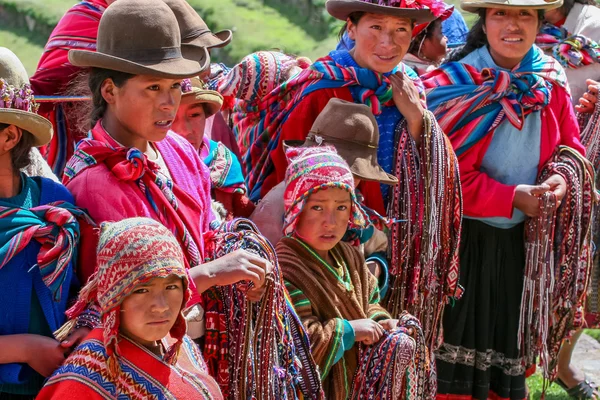
The Sacred Valley remains home to indigenous communities who deserve respect and consideration. Ask permission before photographing people, dress modestly in villages, and purchase crafts directly from artisans when possible.
Small gestures, such as learning basic Quechua greetings, create meaningful connections with residents.
Pack appropriate medications

High altitude, physical exertion, and changing climates can trigger health issues even in healthy travelers. Bring altitude sickness medication, pain relievers, anti-diarrheal medicine, and any personal prescriptions with extra supplies.
A basic first aid kit proves invaluable for minor cuts and blisters during multi-day treks.
Prepare for weather variations

Mountain weather changes rapidly, with blazing sunshine giving way to frigid rain within hours. Pack layers that can be easily added or removed, including warm clothes for cold nights and lightweight options for hot days.
Waterproof gear protects both you and your equipment from sudden downpours.
Like Travel Pug’s content? Follow us on MSN.
Plan rest day activities

Cusco provides interesting markets, colonial towns, and surrounding ruins for some great acclimatization. The Sacred Valley has stunning sites such as Ollantaytambo and Pisac that fill out your Machu Picchu experience.
These lower-altitude sites allow your body to acclimatize while adding depth to your knowledge of Incan society.
The culmination of careful planning

Months of planning culminate in that incantatory moment when the morning fog parts to unveil Machu Picchu’s prehistoric terraces, clinging impossibly to the mountain slopes. Contemporary travelers tread paths incised by Incan footsteps centuries past, bridging across time through common awe at human initiative. The physical obstacles of gaining access to this distant refuge are dwarfed by the emotional realization of standing where a wealthy civilization once prospered in compatibility with the theatrical natural surroundings.
Modern-day walkers leave a legacy of safeguarding this precious heritage site, so it can be enjoyed by future generations in the same wonder that attracts hundreds of thousands of tourists each year. Good planning not only maximizes your own experience — it supports sustainable tourism that assists local populations and helps protect one of the greatest archaeological riches of humankind.
More from Travel Pug

- 20 Best Beach Towns in the Carolinas
- 13 Destinations Where Tourists Regularly Regret Their Trip
- 20 Things You Actually Get in First Class
- 20 Small Airports With Aviation Museums
- 20 Places in the U.S. That Are Perfect for a Reset Trip
Like Travel Pug’s content? Follow us on MSN.