

Although tour operators charge thousands of dollars for experiences that individual travelers may arrange for a fraction of the price, the aurora borealis doesn’t check bank accounts before painting the sky in ribbons of green, purple, and red. When aurora activity peaks during solar maximum cycles and visibility improves throughout locations that are far less expensive to access than Iceland’s overcrowded tourist circuit, one of nature’s most amazing displays shouldn’t be out of reach for anyone on a tight budget.
This list of doable tactics, underappreciated locations, and cost-effective methods makes it possible to see the northern lights without breaking the bank or taking out second mortgages.
Choose cheaper northern destinations
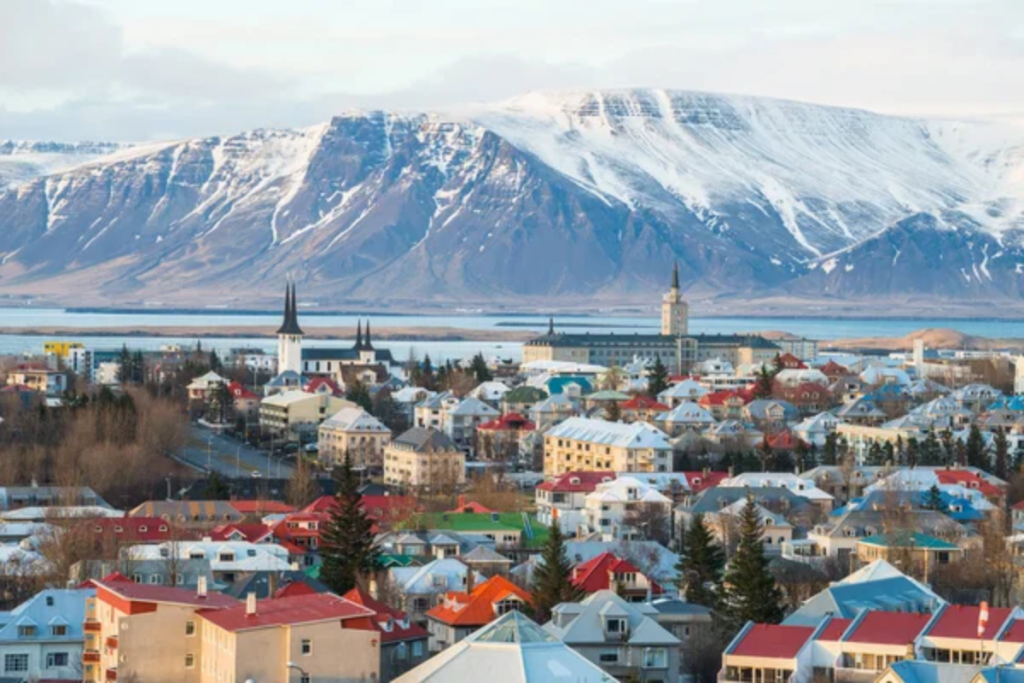
Norway’s Tromsø and Iceland’s Reykjavik dominate northern lights marketing, but their popularity inflates accommodation costs to levels that strain any reasonable travel budget. Northern Sweden offers equally reliable aurora viewing around towns like Kiruna and Abisko, where hostels and budget hotels charge half what similar properties cost across the Norwegian border just miles away.
Finland’s Lapland region provides another affordable alternative, particularly around Rovaniemi where competition among guesthouses keeps prices reasonable even during peak aurora season. And Scotland’s northern islands—Orkney and Shetland—catch auroras during strong geomagnetic storms at prices far below Scandinavian destinations.
Displays appear less frequently this far south, true. But when they happen, hotel rooms cost what a single night in Tromsø runs.
Travel during shoulder season

Peak winter months from December through February bring the highest accommodation rates and largest crowds to aurora destinations, yet shoulder season months of September, October, March, and early April offer nearly equal viewing opportunities with dramatically lower costs. Hotels drop rates by 30% to 50% during these periods while aurora activity remains strong, particularly around the equinoxes when geomagnetic disturbances increase for reasons involving the Earth’s magnetic field tilt that scientists explain better than travel writers can.
September and March provide the additional advantage of milder temperatures. Standing outside for hours at minus five degrees Celsius proves far more comfortable than the minus twenty or thirty common in deep winter, and fingers actually retain feeling long enough to operate camera controls without fumbling.
Like Travel Pug’s content? Follow us on MSN.
Skip organized tours entirely
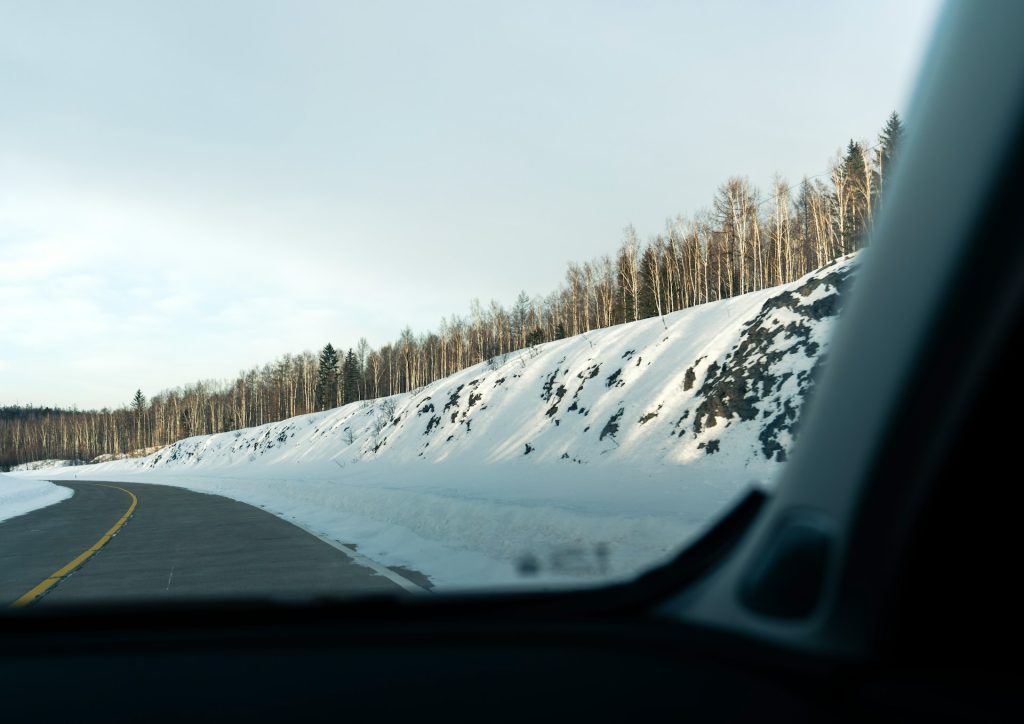
Northern lights tours charge premium prices for transportation to dark sky locations and hot beverages that travelers can arrange independently for minimal cost. Rental cars cost less than group tour fees, especially when split among several travelers, and provide the flexibility to chase auroras based on real-time cloud cover predictions rather than following predetermined routes that might lead directly under thick overcast.
Public buses serve many aurora viewing areas around Scandinavian cities during evening hours. The cheapest transportation option for reaching dark locations beyond urban light pollution.
Still, nothing beats simply walking to a dark spot if staying in smaller towns where light pollution remains minimal even near accommodation. The smell of wood smoke drifting from cabin chimneys on cold nights somehow makes the aurora experience feel more authentic than watching from a tour bus anyway.
Use free aurora forecast tools

Multiple websites and apps provide aurora forecasts and notifications without charging subscription fees, making it unnecessary to pay tour operators for their supposed insider knowledge of when displays will occur. The Space Weather Prediction Center offers free three-day aurora forecasts showing predicted visibility by latitude, while apps like My Aurora Forecast send push notifications when geomagnetic activity spikes above threshold levels that indicate displays might appear.
Local aurora forecasting services in Nordic countries provide region-specific predictions accounting for cloud cover—the critical factor that ruins viewing despite strong aurora activity overhead. The Norwegian Meteorological Institute and Finnish Meteorological Institute both offer free cloud cover forecasts that help determine which direction to drive for clear skies.
Information that saves wasted trips to locations where thick clouds block the entire display while travelers stand in parking lots staring at gray nothing.
Camp instead of booking hotels
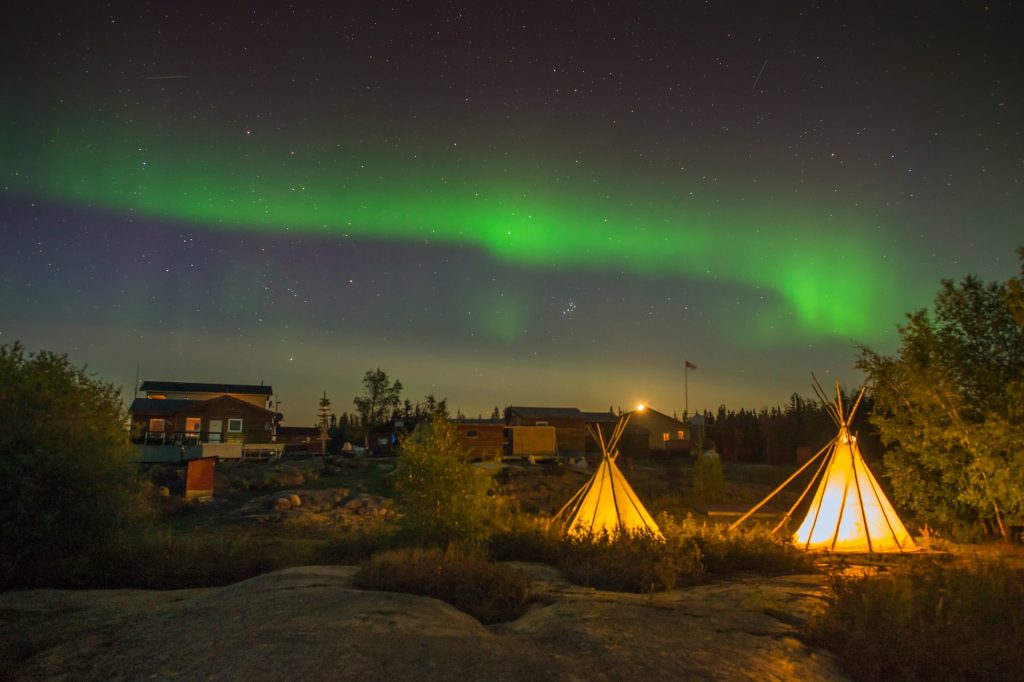
Camping drastically reduces accommodation costs in aurora destinations, particularly in Nordic countries where “right to roam” laws permit free camping on public lands. Investing in a quality cold-weather sleeping bag and insulated pad costs less than a week of hotel rooms, and the equipment lasts for years of future aurora trips.
Many aurora destinations offer free or low-cost campgrounds with basic facilities even during shoulder season months when temperatures remain tolerable for camping with proper gear. Camping also eliminates the need to travel from accommodation to dark viewing sites—simply unzip the tent when aurora alerts arrive.
Not for everyone. But effective for those willing to trade comfort for savings.
Like Travel Pug’s content? Follow us on MSN.
Book accommodation with kitchens
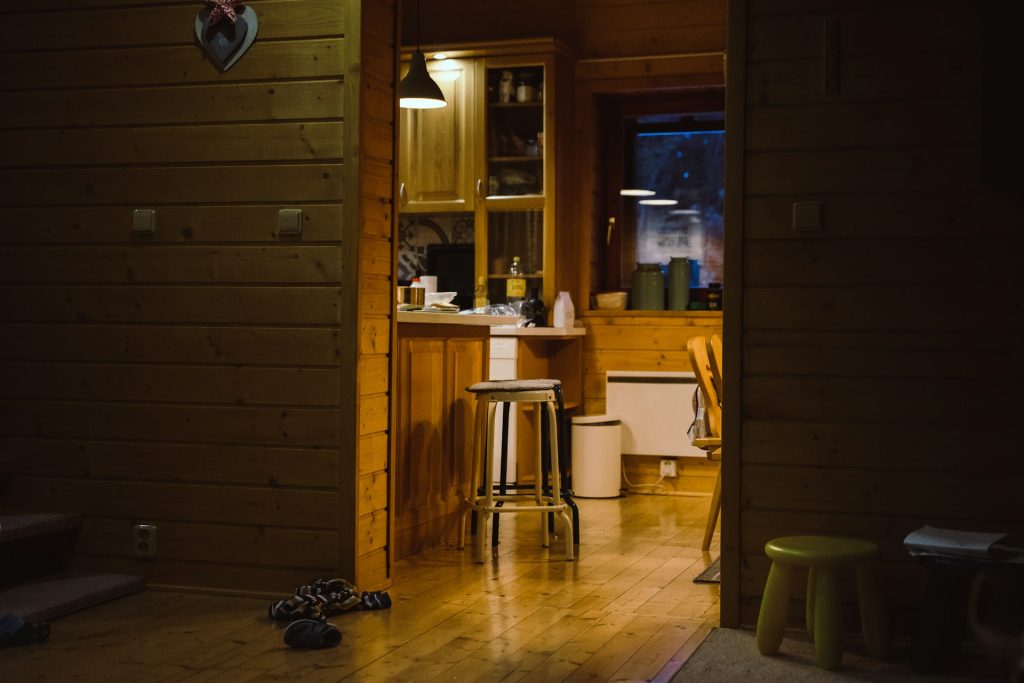
Restaurant meals represent one of the largest expenses in expensive Nordic countries where a simple dinner can cost what an entire day’s groceries run at local supermarkets. Booking hostels, guesthouses, or vacation rentals with kitchen access allows for self-catering that cuts food costs by 60 to 70 percent compared to eating out for every meal, and the math becomes impossible to ignore after calculating what a week of restaurant dinners actually totals.
Nordic supermarkets stock quality ingredients at reasonable prices. Cooking in a shared kitchen often leads to conversations with other travelers who share aurora sighting tips and offer rides to viewing locations.
The trade-off involves spending vacation time cooking and washing dishes rather than relaxing, but the savings add up quickly when dining out might otherwise consume 40 to 50 dollars per person daily.
Consider North American locations

Flights to Scandinavia from North America cost substantially more than domestic travel to northern aurora zones within the United States and Canada, and the distance means losing two full days just to transatlantic travel and jet lag recovery. Fairbanks, Alaska sits directly under the aurora oval and offers consistent viewing from late August through April, with budget motels, hostels, and campgrounds available for travelers who skip resort properties.
Canada’s Yukon and Northwest Territories provide excellent aurora viewing around Whitehorse and Yellowknife. Lower Canadian dollar exchange rates benefit American visitors right now. Northern parts of the continental United States—particularly northern Minnesota, North Dakota, Montana, and Maine—catch auroras during strong geomagnetic storms, allowing for aurora chasing road trips that cost far less than international flights while still offering legitimate chances of witnessing displays during solar maximum periods.
Travel with a group
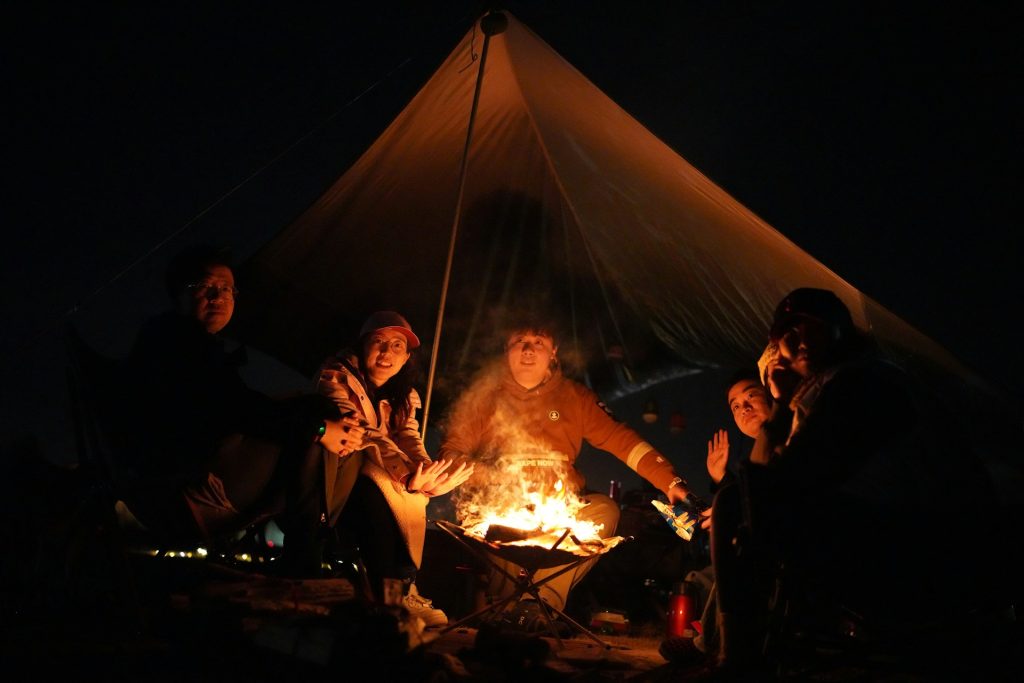
Splitting costs among friends or family members dramatically reduces per-person expenses for rental cars, vacation rental accommodation, and groceries purchased for group meals. A rental car that seems expensive for one person becomes reasonable when divided four ways, and vacation rentals often cost only marginally more for properties sleeping four or six compared to those sleeping two, which makes no logical sense but represents how rental pricing actually works.
Online travel forums and social media groups connect solo travelers interested in forming groups specifically for northern lights trips. Strangers sharing costs while maintaining separate sleeping arrangements if desired.
The social aspect enhances the experience anyway—shared excitement when auroras appear makes the displays feel more memorable than watching alone in silence with only the occasional sound of camera shutters clicking in the darkness around you.
Like Travel Pug’s content? Follow us on MSN.
Learn to photograph auroras independently
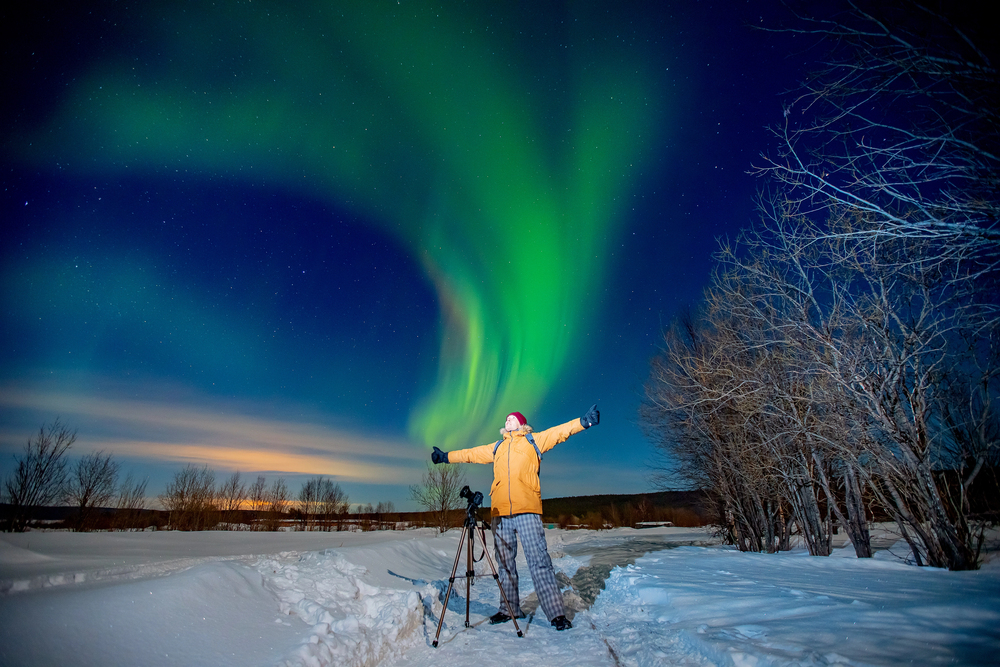
Photography workshops in aurora destinations charge hundreds of dollars to teach camera settings that anyone can learn through free online tutorials and practice before the trip. Understanding the exposure triangle—aperture, shutter speed, and ISO—takes only an hour or two of reading, and practicing night photography at home prepares travelers to capture auroras without paying workshop fees that could instead fund an extra night or two of accommodation.
Modern smartphones capture surprisingly decent aurora photos using night mode features. The photos might not match the technical quality of images from professional cameras with fast lenses, but they preserve memories adequately for sharing with friends and posting online.
So workshop fees can stay in the budget for extra travel days instead.
Book flights strategically

Flexibility with travel dates allows for monitoring flight prices over several weeks and booking when temporary fare sales reduce costs by hundreds of dollars compared to peak pricing. Setting up price alerts through services like Google Flights or Hopper sends notifications when fares drop, and searching for flights to multiple potential destinations simultaneously reveals which locations offer the best combination of aurora viewing opportunities and affordable airfare for the specific travel dates that work with job schedules and vacation time availability.
Positioning flights through major hubs sometimes costs less than direct routing, particularly for travelers willing to add a stopover that breaks the journey into more comfortable segments. And flying on unpopular days—typically Tuesdays and Wednesdays—generally prices lower than weekend departures that business travelers and traditional vacationers prefer, with savings sometimes reaching 30 percent for identical routing on different days of the week.
Stay just outside main tourist towns
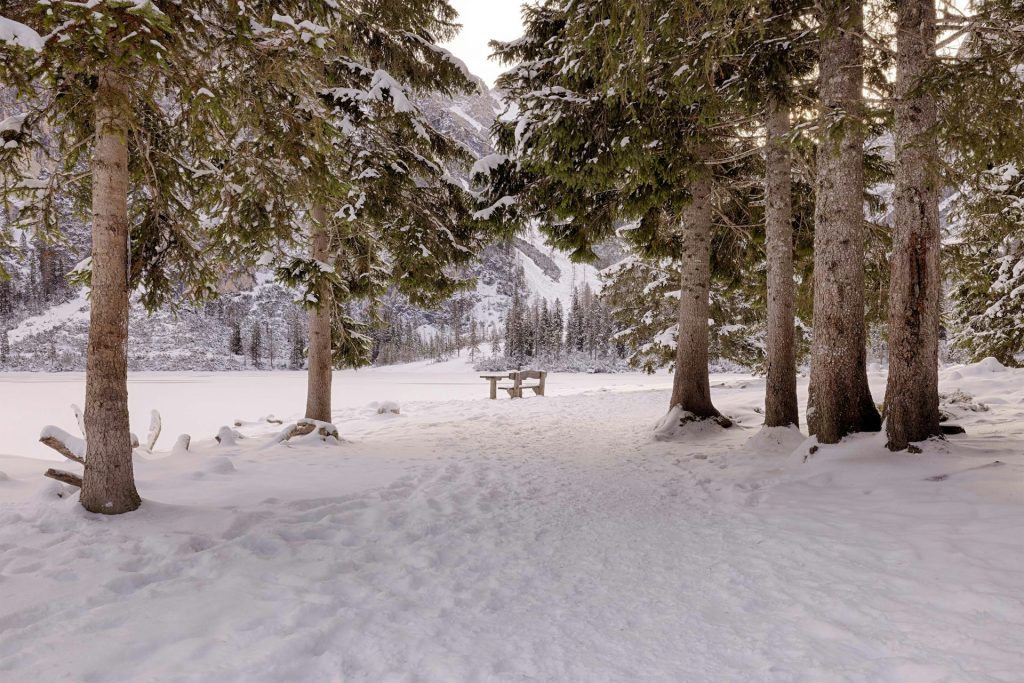
Accommodation prices drop sharply just a few kilometers outside popular aurora destinations like Tromsø or Reykjavik, where tourists cluster within walking distance of restaurants and nightlife they’ll barely use because auroras appear after most establishments close anyway. Renting a car and staying in smaller surrounding communities provides the same aurora viewing opportunities while reducing nightly accommodation costs by 40 to 50 percent compared to properties in town centers.
These outlying areas often feature darker skies and less light pollution than the towns themselves. Actually improving aurora viewing conditions while simultaneously saving money.
The trade-off requires driving short distances for dinner or supplies, but most travelers visiting aurora destinations already rent cars for chasing clear skies and accessing remote viewing locations.
Like Travel Pug’s content? Follow us on MSN.
Use public transportation where possible
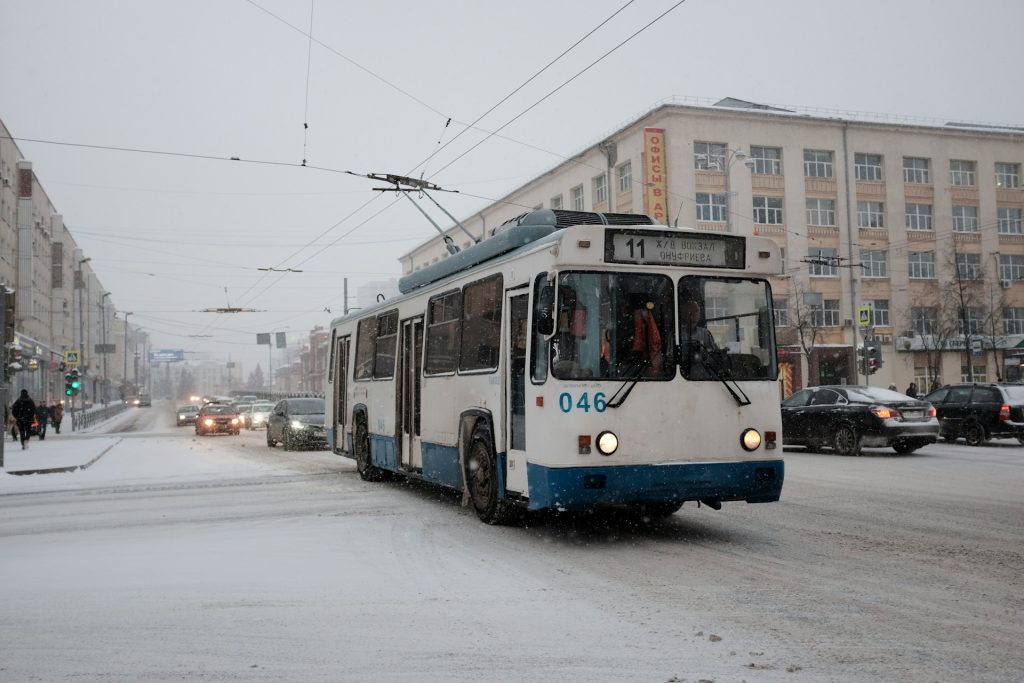
Scandinavian countries maintain excellent bus and train networks that connect major aurora viewing areas at costs far below rental car rates for travelers planning to stay in one location rather than chasing auroras across regions. The train journey from Stockholm to Kiruna or Abisko costs less than a week’s car rental, and the overnight sleeper service eliminates one night’s accommodation expense while transporting travelers directly to prime aurora territory—though sleeping on trains proves difficult for some people no matter how comfortable the berths supposedly are.
Local buses in northern towns typically run until late evening, providing transportation to dark sky areas beyond walking distance from central accommodation. The buses obviously follow fixed schedules that might not align perfectly with aurora activity.
But for travelers staying several nights in one location, the savings justify occasionally missing a display rather than paying daily rental car fees plus fuel and parking charges that add up faster than most budget spreadsheets anticipate.
Pack cold weather gear from home

Buying or renting winter clothing in aurora destinations adds significant expense, particularly when shops in tourist areas charge premium prices for items that could be purchased more cheaply at home or borrowed from friends who already own suitable gear. Travelers who already own winter coats, insulated boots, and warm layers can pack these items rather than paying rental fees of 20 to 30 dollars daily for clothing that might not fit well or provide adequate warmth during extended outdoor viewing sessions in genuinely cold conditions.
Layering affordable fleece and synthetic insulation from discount outdoor retailers works nearly as well as expensive technical gear from premium brands. Hand warmers, wool socks, and insulated gloves from any budget retailer keep extremities comfortable during long viewing sessions in subzero temperatures without requiring specialized equipment purchases.
The key focuses on covering exposed skin and trapping body heat through multiple layers rather than relying on a single expensive parka to provide all insulation—which never works as well as the marketing suggests anyway.
Visit during weekdays
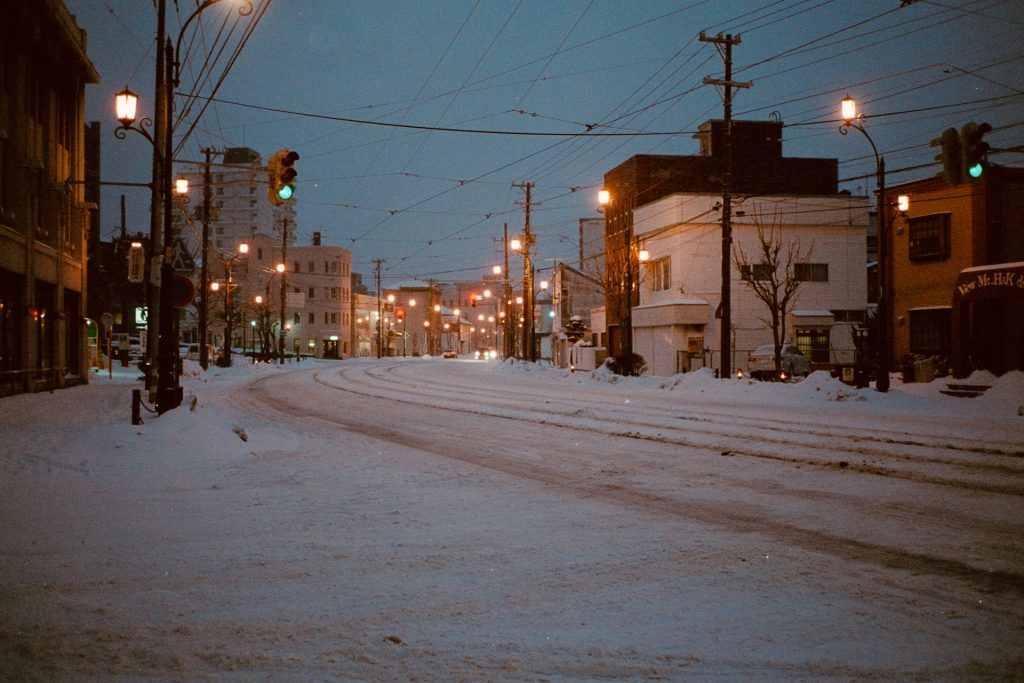
Weekend rates for accommodation in aurora destinations often run 20 to 30 percent higher than weekday pricing, particularly in locations that attract weekend visitors from nearby cities who drive up for quick aurora attempts before returning to work Monday morning. Planning trips that begin on Sunday or Monday and end before Friday brings these rates down while avoiding the crowds that fill viewing locations and restaurants during weekends.
Weekday visits also mean less competition for rental cars, restaurant reservations, and space at popular aurora viewing pullouts along highways where dozens of vehicles might gather during weekend nights, with car headlights and phone screens creating light pollution that diminishes the display quality for everyone trying to see and photograph the auroras. The aurora displays themselves appear with equal frequency regardless of which day humans designate for work or leisure, and they certainly don’t pause on Sundays.
Like Travel Pug’s content? Follow us on MSN.
Check for free cultural programs
Many northern communities offer free or low-cost cultural programs during aurora season that provide entertainment during early evening hours before displays typically begin after 9 or 10 PM. Libraries, community centers, and museums in Nordic towns frequently host lectures, film screenings, and cultural performances that welcome visitors and fill time that might otherwise be spent in expensive bars or restaurants drinking overpriced coffee while waiting for darkness.
These programs also provide warm places to wait while monitoring aurora forecasts and cloud cover predictions, saving the money that might be spent on coffee shop visits during the hours between dinner and optimal viewing time. And they offer opportunities to learn about indigenous cultures, aurora folklore, and local history that add context to the overall travel experience beyond simply witnessing the light displays themselves—though honestly, the lights remain the main attraction regardless of how much cultural programming fills the itinerary.
Monitor solar activity cycles

The sun follows an eleven-year cycle of magnetic activity, with solar maximum periods producing more frequent and intense auroras that reach farther south than displays during solar minimum years. Planning aurora trips during solar maximum years increases the likelihood of witnessing displays without requiring as many nights in expensive northern locations hoping for activity that might never materialize during quiet solar periods when geomagnetic disturbances remain weak for weeks at a stretch.
The current solar cycle peaked in 2024 and will remain active through 2025 and 2026 before declining toward the next minimum expected around 2030. Travelers who time their trips during these peak years maximize their chances of successful viewing while potentially shortening the trip duration needed to ensure aurora sightings, thereby reducing overall accommodation and meal expenses compared to week-long or longer trips during quieter solar periods that might involve multiple cloudy nights and weak geomagnetic activity that produces disappointing displays barely visible above the northern horizon.
Embrace simple viewing over luxury experiences

The northern lights appear just as brilliantly whether viewed from a heated glass igloo costing 500 dollars per night or from a snow-covered field beside a budget motel charging one-fifth that amount. Luxury aurora experiences sell comfort and convenience rather than better displays.
The auroras themselves remain identical for all viewers under the same sky.Travelers who accept that aurora viewing involves standing outside in cold weather for extended periods can skip expensive heated viewing facilities and glass-roofed rooms that command premium prices.
A thermos of hot chocolate costs a few dollars and provides the same warming effect as overpriced hot beverages served at commercial aurora camps that charge admission fees simply for access to dark locations that travelers can reach independently at no cost beyond fuel or bus fare.
Like Travel Pug’s content? Follow us on MSN.
Worth the Cold and the Effort

Aurora viewing requires patience regardless of budget level—displays follow geomagnetic activity and cloud cover patterns that ignore human schedules and travel itineraries completely. The traveler who camps for free beside a frozen lake in northern Canada experiences the same awe when green curtains ripple overhead as the tourist who paid thousands for a guided experience in Iceland, and both will forget about the cost differences the moment the sky begins to dance.
More from Travel Pug

- 20 Best Beach Towns in the Carolinas
- 13 Destinations Where Tourists Regularly Regret Their Trip
- 20 Things You Actually Get in First Class
- 20 Small Airports With Aviation Museums
- 20 Places in the U.S. That Are Perfect for a Reset Trip
Like Travel Pug’s content? Follow us on MSN.