

Remaining connected when abroad once meant forking over exorbitant roaming charges or tracking down shady SIM card vendors at strange airports. Now, however, travelers can take far more control of their mobile connectivity — and without breaking the bank.
Whether you’re backpacking in Southeast Asia or on a business travel trip to Europe, being informed about your choices can save you hundreds of dollars and plenty of aggravation.And here are 15 must-know hacks for using local SIMs and eSIMs during international travel, from the most basic to more high-level tips trusted by experienced globetrotters.
Understanding local SIM basics
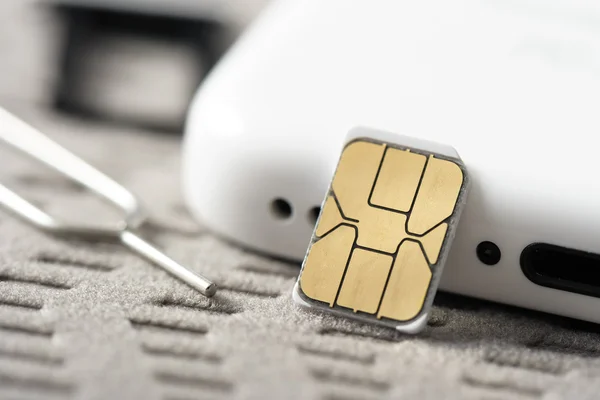
A local SIM card is a small chip that connects your phone to a country’s domestic mobile network at local rates rather than expensive international roaming prices. You pop out your home SIM, insert the local one, and suddenly you’re paying what residents pay — often just a few dollars for weeks of data.
The catch is that your phone needs to be unlocked, meaning it can accept SIMs from different carriers rather than being tied exclusively to your home provider.
Why local SIMs beat roaming
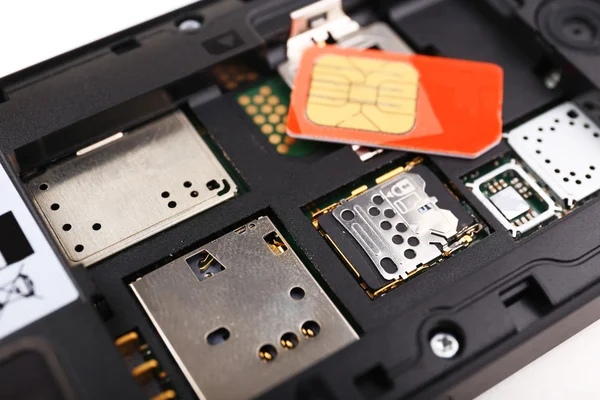
Foreign roaming fees may reach $10 a day or more, and that quickly adds up for a two-week trip. Local SIM cards usually run between $5 and $30 for big data plans that would cost you hundreds via your home carrier.
And you’ll be able to use a local number to book restaurants, call hotels, or coordinate with tour guides without the embarrassment of international dialing codes.
Like Travel Pug’s content? Follow us on MSN.
Checking if your phone is unlocked
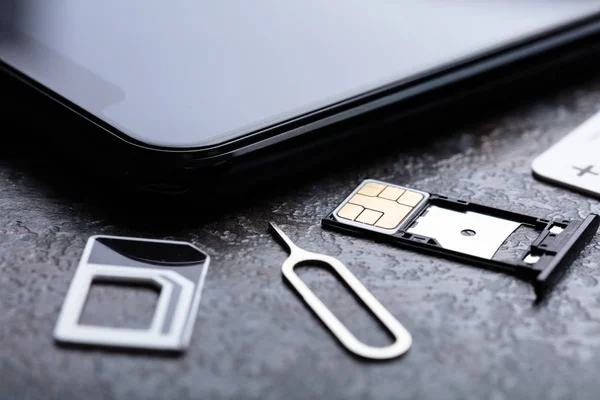
Most phones purchased directly from Apple or Samsung come unlocked, but carrier-subsidized devices often have restrictions. You can check by popping in a friend’s SIM from a different carrier and seeing if it works, or by calling your carrier directly.
Many carriers in the US will unlock your phone for free once you’ve completed your contract or paid off the device in full.
The eSIM revolution explained
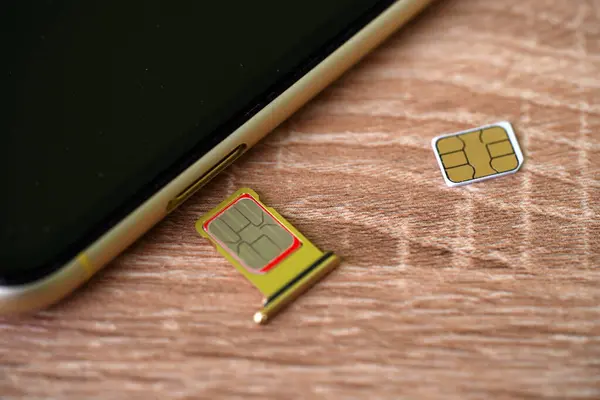
An eSIM is a digital SIM card embedded directly into newer smartphones — think of it as a SIM card made of software rather than plastic. Instead of swapping physical chips, you simply scan a QR code or download a profile to activate service.
This technology has been around since 2018, yet many travelers still don’t realize their iPhone XS or newer (and most recent Android flagships) already have this capability built in.
Dual SIM advantages for travelers
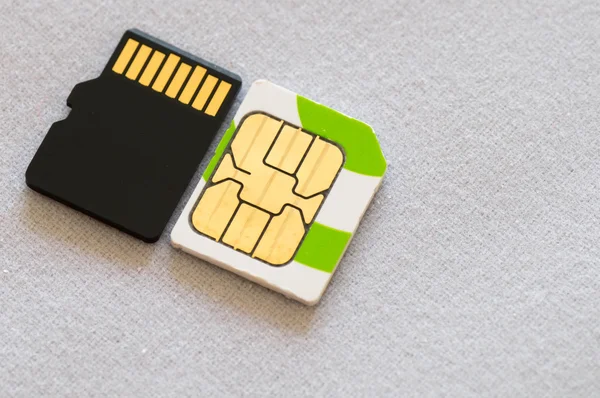
Modern smartphones often support using both a physical SIM and an eSIM simultaneously, which means you can keep your home number active for important calls while using a local eSIM or physical SIM for data access.
Your boss can still reach you on your regular number through Wi-Fi calling or data, whereas your local number handles everyday communication and affordable data access. It’s the best of both worlds without carrying two phones or constantly swapping SIM cards.
Like Travel Pug’s content? Follow us on MSN.
Where to buy local SIMs
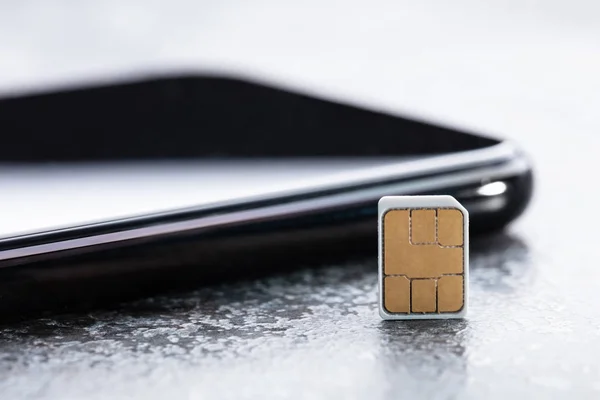
Airport kiosks are convenient but typically charge premium prices compared to shops in the city center or official carrier stores. Countries like Thailand, Japan, and most of Europe have competitive SIM markets with vendors in every shopping district.
Research carrier options before you land, then grab a SIM from a convenience store (7-Eleven stores in Asia are surprisingly reliable) or an official carrier shop within your first day.
Pre-purchasing eSIMs before departure
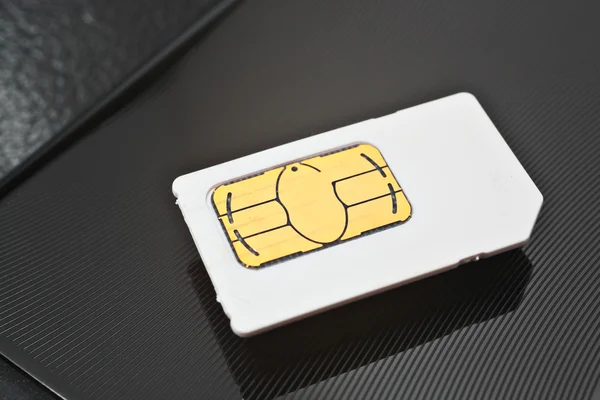
Services like Airalo, Holafly, and Nomad let you buy and install eSIM profiles before you even leave home. You’ll land with connectivity already configured — no hunting for SIM vendors while jet-lagged.
These apps offer country-specific and regional plans, though they sometimes cost slightly more than buying a physical SIM locally.
Understanding eSIM provider options

Airalo is the most popular, with coverage in 200+ countries, while Holafly offers unlimited data plans in select destinations. Ubigi partners directly with carriers for reliable service, and Google Fi works as an eSIM with consistent pricing across 200+ territories.
Each has trade-offs between cost, coverage, speed, and data limits, so comparing options for your specific destination pays off.
Like Travel Pug’s content? Follow us on MSN.
Regional vs country-specific plans
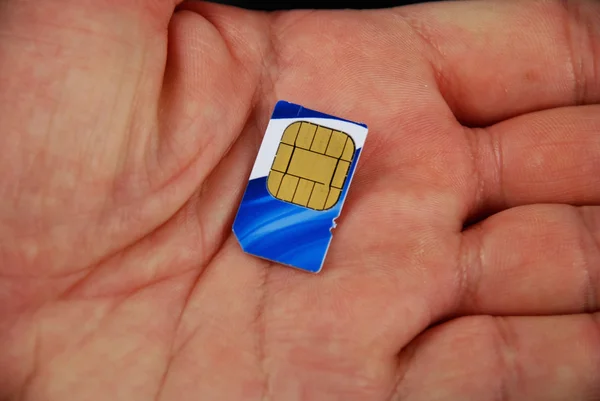
If you’re hitting multiple countries in Europe or Southeast Asia, regional eSIM plans can save you from buying new SIMs at every border. A Europe-wide plan covers 30+ countries with one activation, though the data allowances are often smaller than single-country options.
Weigh your itinerary against the math — three countries in two weeks might favor regional, whereas a month in one place usually makes local SIMs cheaper.
Data-only vs full-service plans
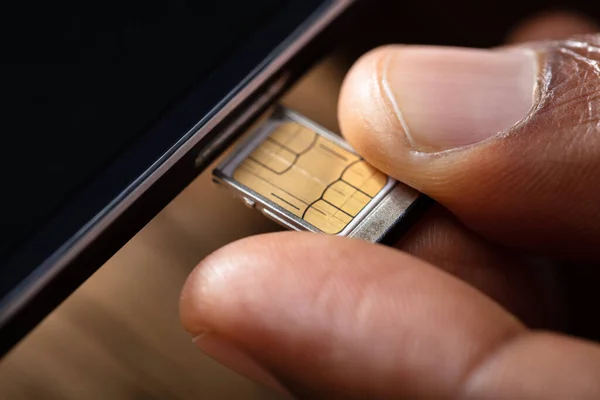
Many eSIM providers offer data-only plans since most communication happens through WhatsApp, iMessage, or social media anyway. You won’t get a local phone number for voice calls, but apps handle that for free over data.
Full-service local SIMs include voice minutes and SMS, which matters if you’re booking local tours, calling hotels, or need to communicate with people who don’t use messaging apps.
Setting up an eSIM step-by-step
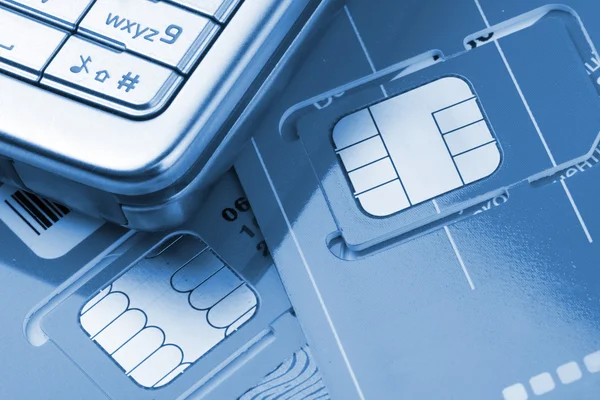
Purchase your eSIM plan through a provider’s app, then you’ll receive a QR code or activation instructions via email. Head to your phone’s settings under ‘Cellular’ or ‘Mobile Data,’ select ‘Add eSIM,’ and scan the code with your camera.
Label it something like ‘Travel Data’ so you can easily switch between your home and travel plans, then designate which line handles calls, texts, and data in your settings.
Like Travel Pug’s content? Follow us on MSN.
Managing multiple eSIM profiles
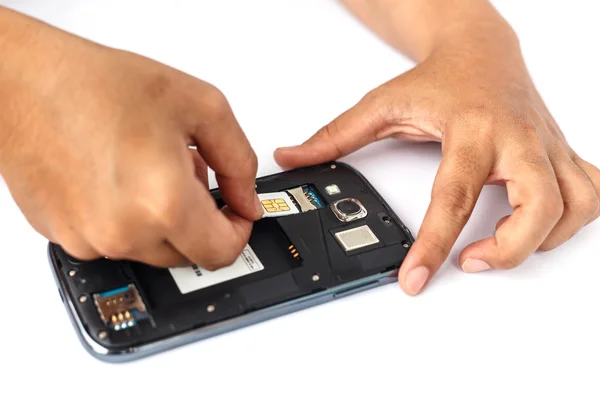
Your phone can store several eSIM profiles, although only one or two can be active simultaneously, depending on your device. This means you can keep eSIMs from previous trips installed and simply reactivate them when you return to those countries.
Think of it like a digital passport stamp collection, except these actually save you money on your next visit.
Keeping your home number active
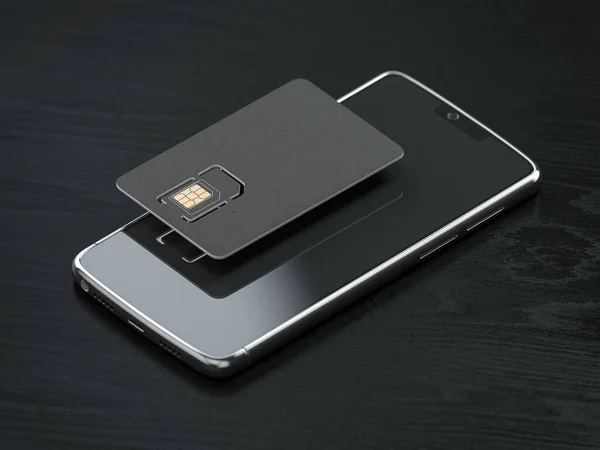
Most carriers let you pause service or switch to a minimal plan while traveling to avoid paying for a line you’re not using. Alternatively, keeping your home SIM as your primary line with data turned off means you can still receive important calls and two-factor authentication texts.
Set your eSIM or local SIM as the data line, and your home carrier only gets used for essential communication without racking up roaming charges.
Airport SIM vendor considerations
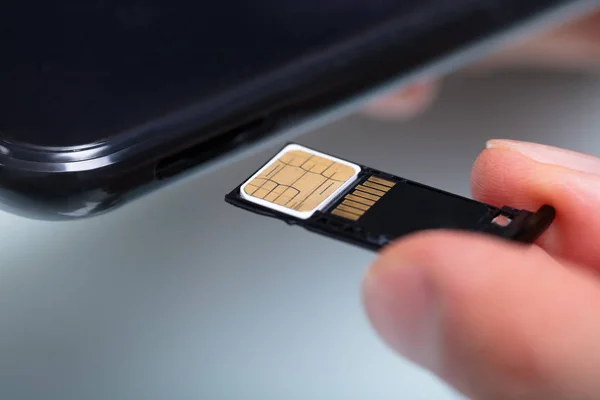
Airport vendors charge convenience premiums of 30% to 50% compared to city options, but they offer English-speaking staff and immediate activation when you land. For short trips or if you’re heading straight to a remote area, the markup might be worth the peace of mind.
Just watch out for pushy vendors in some countries who try to sell overpriced packages with features you don’t need.
Like Travel Pug’s content? Follow us on MSN.
Registration requirements vary by country
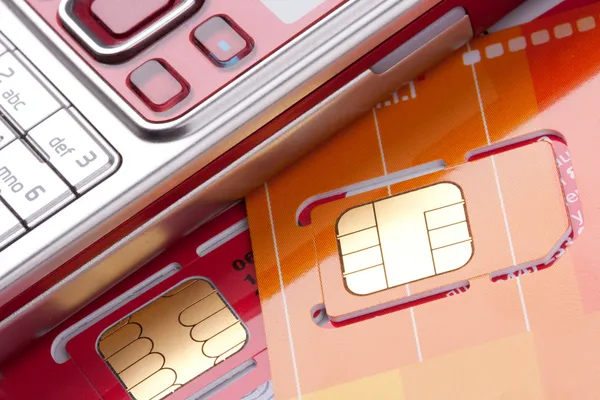
Some nations require passport registration when buying a SIM card due to security regulations, which adds a few minutes to the purchase process. Japan, China, and parts of the Middle East have strict registration, whereas much of Europe and the Americas have relaxed rules.
Bring your passport when SIM shopping, and expect to provide basic information like your hotel address in certain countries.
Cost comparison strategies
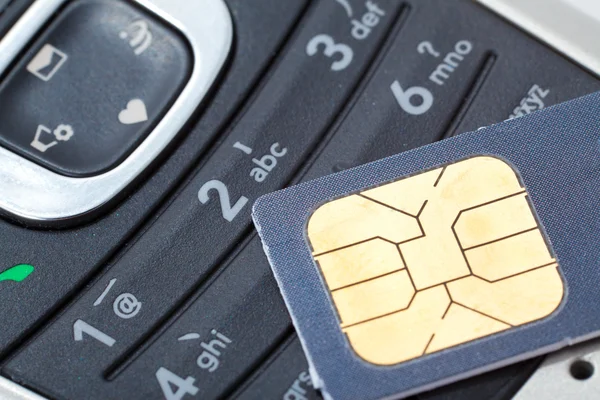
Compare your home carrier’s international plan against local options before assuming local is always cheaper. Some US carriers now offer free international data (albeit slow) or $10/day plans that might make sense for short trips.
For anything over a week, though, local SIMs or eSIMs almost always win — a $15 local plan typically delivers what would cost $70-100 through roaming.
How connectivity has transformed travel
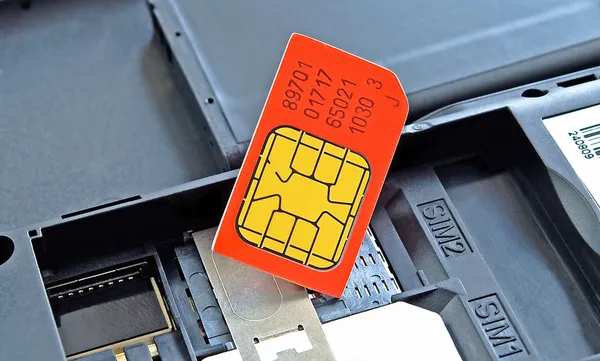
Recall when searching out an internet café was a key part of trip planning, or when staying in contact meant costly hotel phone calls? The progress from no connectivity to low-cost worldwide data availability has dramatically altered the way we travel, from navigation and translation applications to live ridesharing and instant photo sharing.
What began as dodgy Wi-Fi poaching has evolved into ubiquitous connectivity, which most travelers now view as essential as a passport. The transition to eSIMs from physical SIMs is the next step in simplifying global communication and making it cost-effective.
Like Travel Pug’s content? Follow us on MSN.
More from Travel Pug

- 20 Best Beach Towns in the Carolinas
- 13 Destinations Where Tourists Regularly Regret Their Trip
- 20 Things You Actually Get in First Class
- 20 Small Airports With Aviation Museums
- 20 Places in the U.S. That Are Perfect for a Reset Trip
Like Travel Pug’s content? Follow us on MSN.