

Traveling light is impossible until you actually try. Most people pack for a trip as if they were preparing for an apocalypse, and end up dragging suitcases they can barely carry.
You will be surprised to know that one can comfortably travel for days, or even weeks, with just a personal item—that small bag sliding under the seat in front of you. It saves you money on baggage fees, speeds up your airport experience, and gives you freedom to hop on trains or buses without wrestling with luggage.
The secret isn’t magic or extreme minimalism. It’s about making smart choices with what you pack and how you pack it.
Here is a list of 18 practical strategies that will help you master the art of traveling with only a personal item.
Choose a backpack over a tote
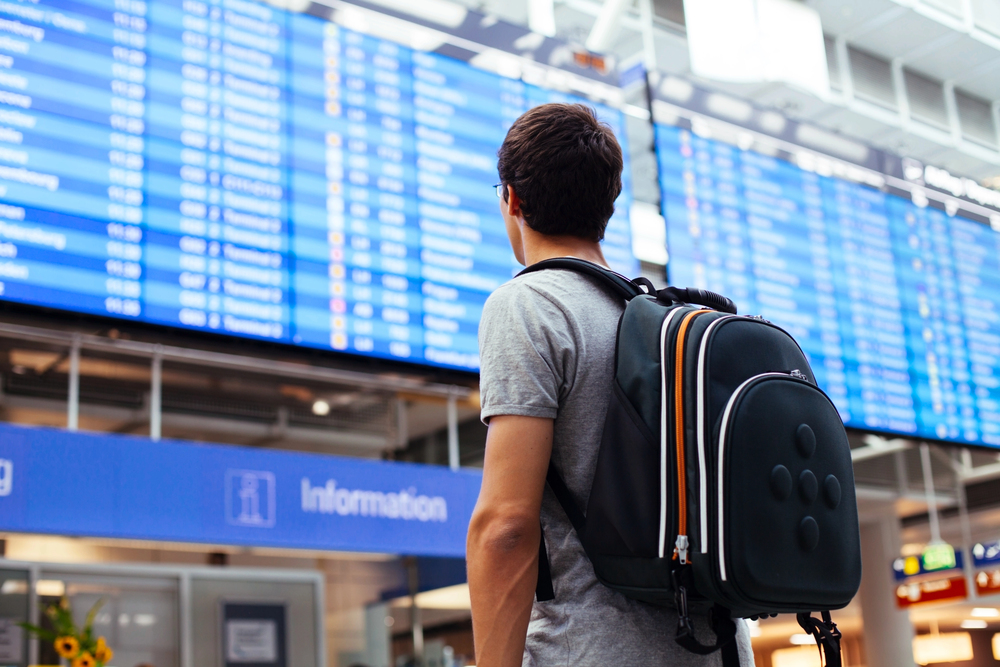
A backpack is hands-down the best option for personal item travel because it distributes weight evenly across your shoulders. Tote bags might look stylish, but they’ll wreck your shoulders after an hour of walking through an airport.
Look for something with multiple compartments so you’re not digging through a black hole every time you need your passport.
Wear your heaviest items on the plane
Your bulkiest jacket and heaviest shoes don’t count toward your bag’s weight if you’re wearing them. This trick works especially well for winter travel when you need a puffy coat anyway.
You can always take things off once you’re settled in your seat and stuff them in the overhead bin or under your feet.
Roll clothes instead of folding
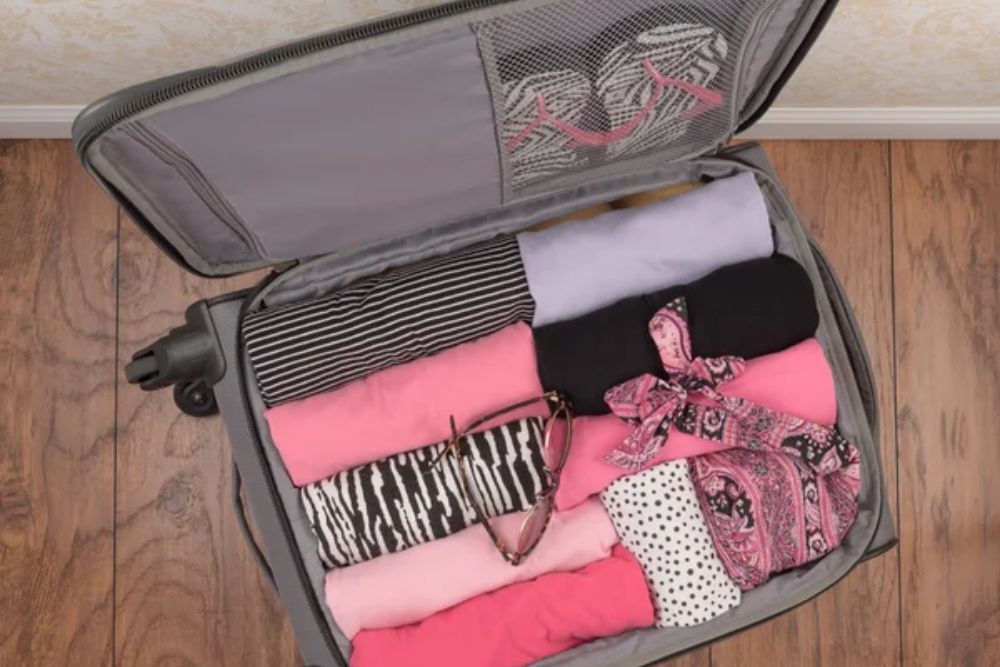
The point is, rolling produces far more space than regular folding because it omits air between the items. Think of it as playing a game of Tetris where every inch counts.
The wrinkles on rolled clothes are also less pronounced compared to folded ones, meaning you will appear tidier when you arrive.
Build a capsule wardrobe
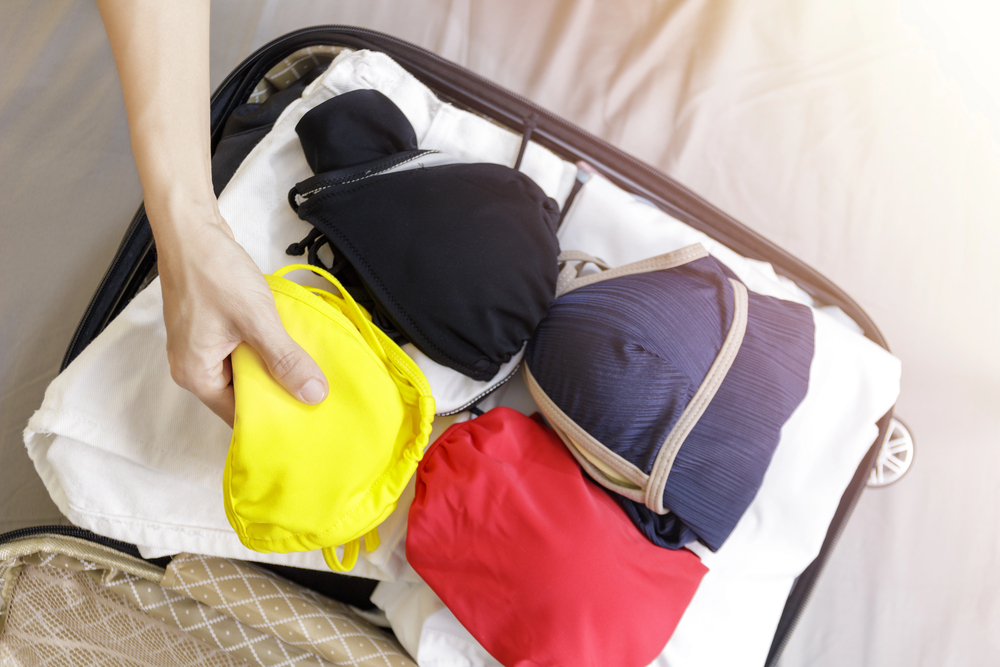
Pick clothes that all work together so you can mix and match different combinations. Stick to two or three neutral colors with one accent color, and suddenly, five shirts and three pairs of pants give you way more outfit options.
This approach means less stuff but more versatility.
Choose quick-dry fabrics
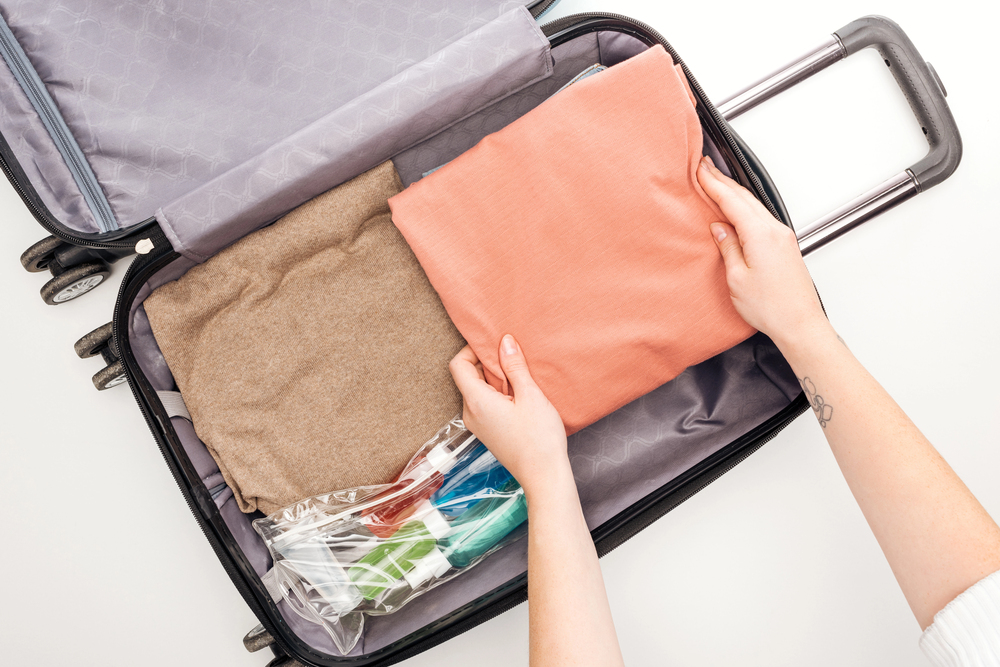
Merino wool and synthetic fabrics dry faster than cotton, which means you can wash items in a hotel sink and have them ready by morning. Cotton holds moisture and takes forever to dry, turning your hotel room into a sad laundromat.
Quick-dry fabrics also resist odors better, so you can wear things multiple times between washes.
Limit yourself to two pairs of shoes
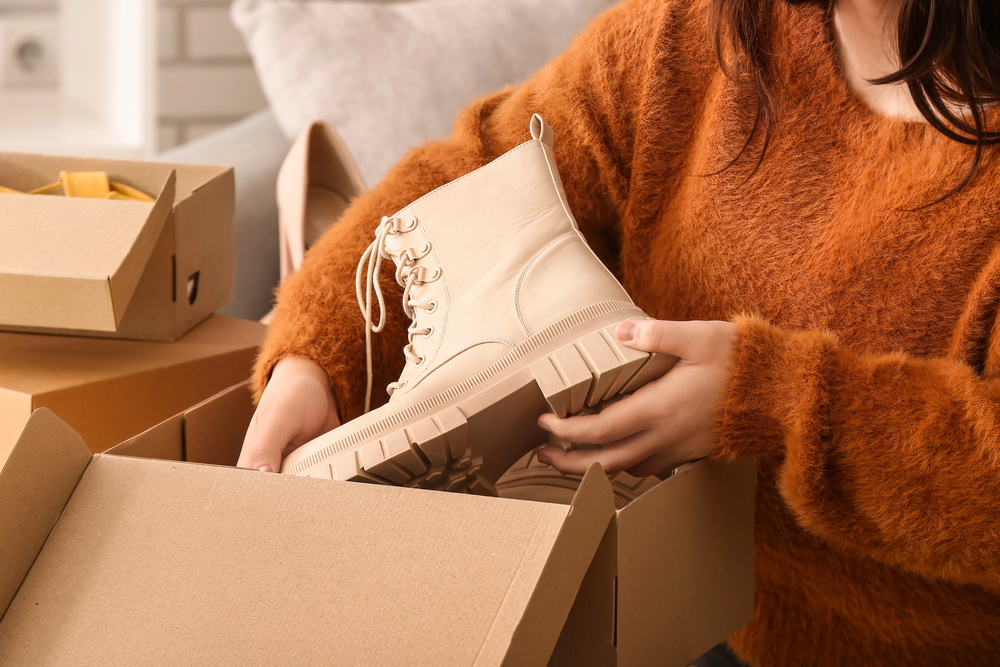
Shoes take up massive amounts of space and weight in your bag. Wear your bulkiest pair on the plane and pack one versatile backup that works for both casual and slightly dressy situations.
Lightweight sneakers or slip-on shoes work great because they’re comfortable for walking miles but don’t look completely out of place at a nice restaurant.
Switch to solid toiletries
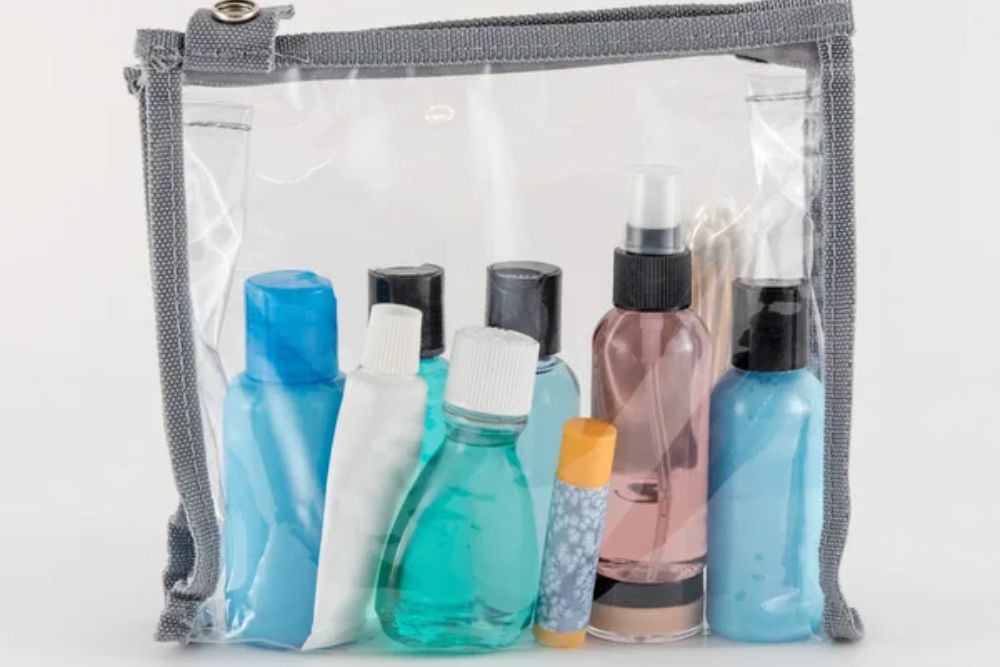
Solid shampoo bars, soap bars, and solid deodorant eliminate the hassle of liquids and free up space in your bag. They last longer than liquid versions, and you don’t have to worry about them exploding mid-flight.
Plus, you breeze through security without pulling out a quart-sized bag of tiny bottles.
Invest in travel-sized containers
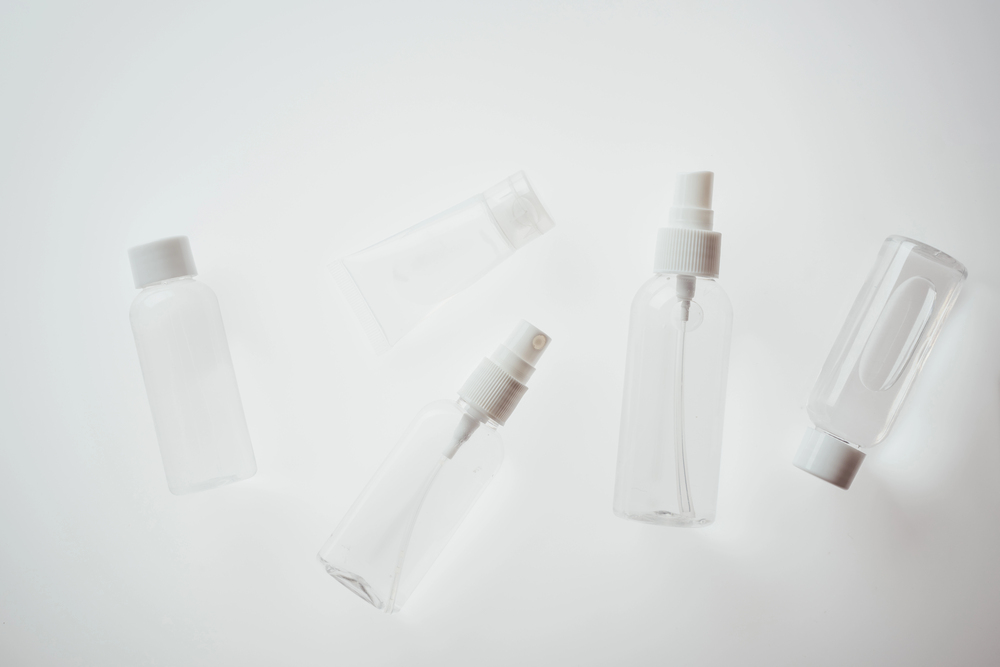
For toiletries, you can’t find in solid form, get quality refillable containers that don’t leak. The cheap ones always fail at the worst possible moment, coating your clothes in sunscreen or moisturizer.
Look for silicone containers with reliable closures, and only fill them two-thirds full to prevent pressure-related leaks.
Bring a collapsible water bottle
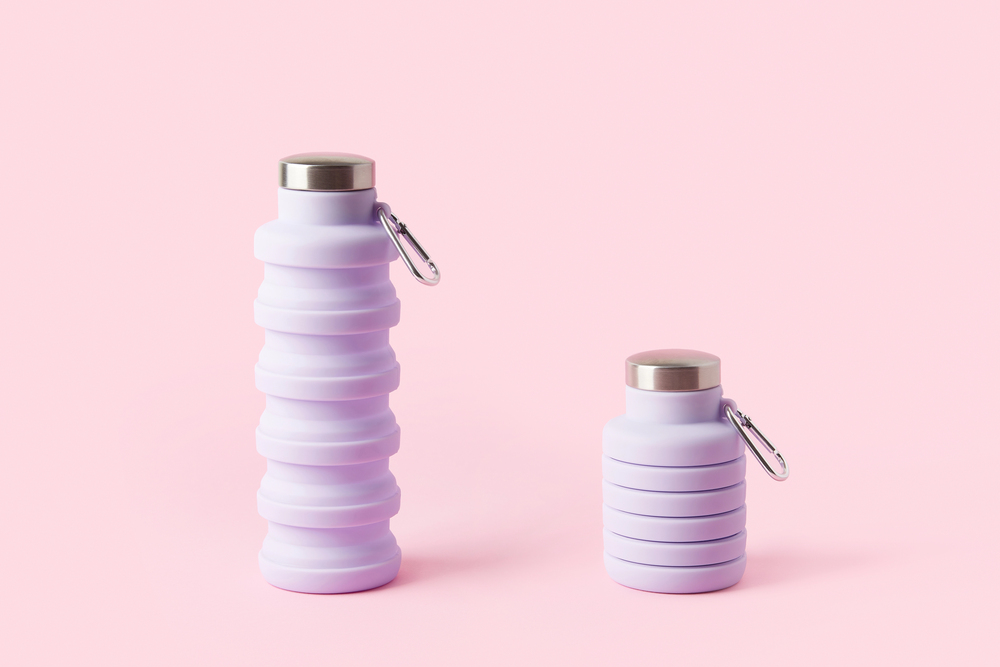
These bottles flatten when empty, taking up almost no space in your bag. Once you get through security, fill it up at a water fountain, and you’ve got hydration covered without buying overpriced airport water.
Some even have built-in filters, which is especially useful when you’re traveling to places where tap water is questionable.
Use compression bags for bulky items
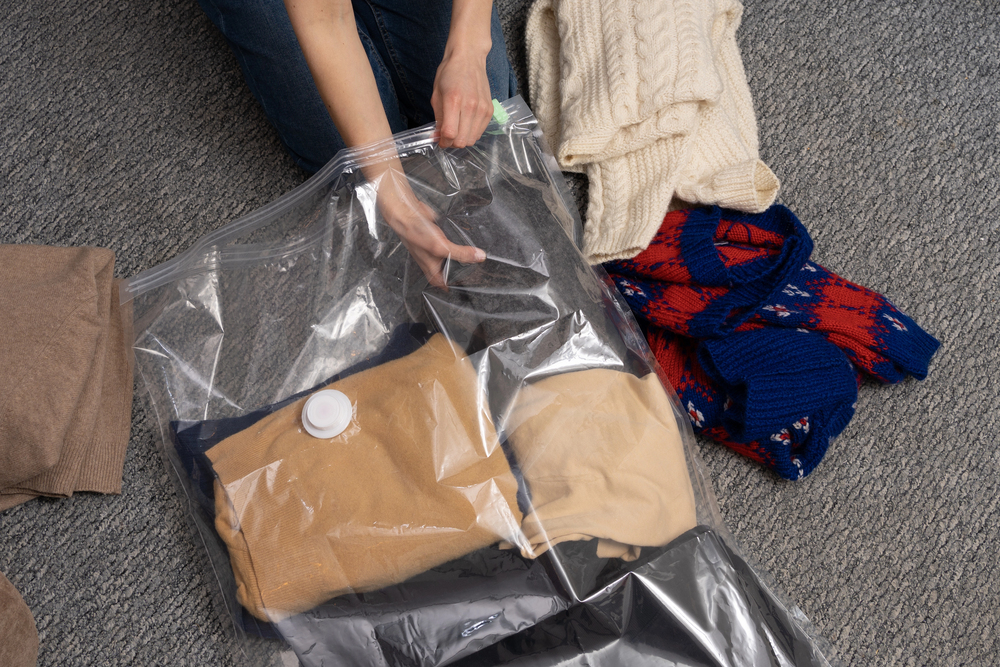
Compression bags squeeze the air out of puffy jackets or sweaters, reducing their volume by half or more. They’re different from packing cubes because they actually compress items rather than just organizing them.
Just remember that compression doesn’t reduce weight, only volume, so your bag won’t feel lighter.
Pack dual-purpose items
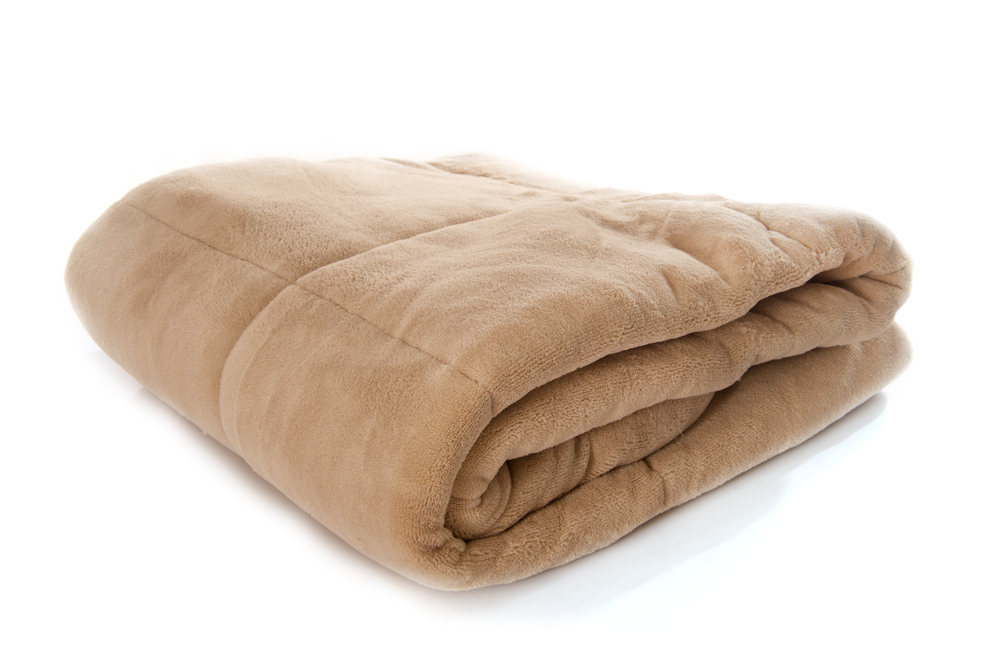
A sarong works as a beach cover-up, picnic blanket, scarf, or emergency towel. A buff can be a headband, face covering, or neck warmer.
The more jobs one item can do, the less stuff you need to bring overall.
Leave room for souvenirs and additions
Don’t pack your bag to absolute capacity on the way out. You’ll inevitably pick up things during your trip, whether that’s gifts, a new shirt, or snacks you can’t find at home.
Leaving about 20 percent of the space empty gives you flexibility without forcing you to buy another bag.
Keep essentials in outside pockets
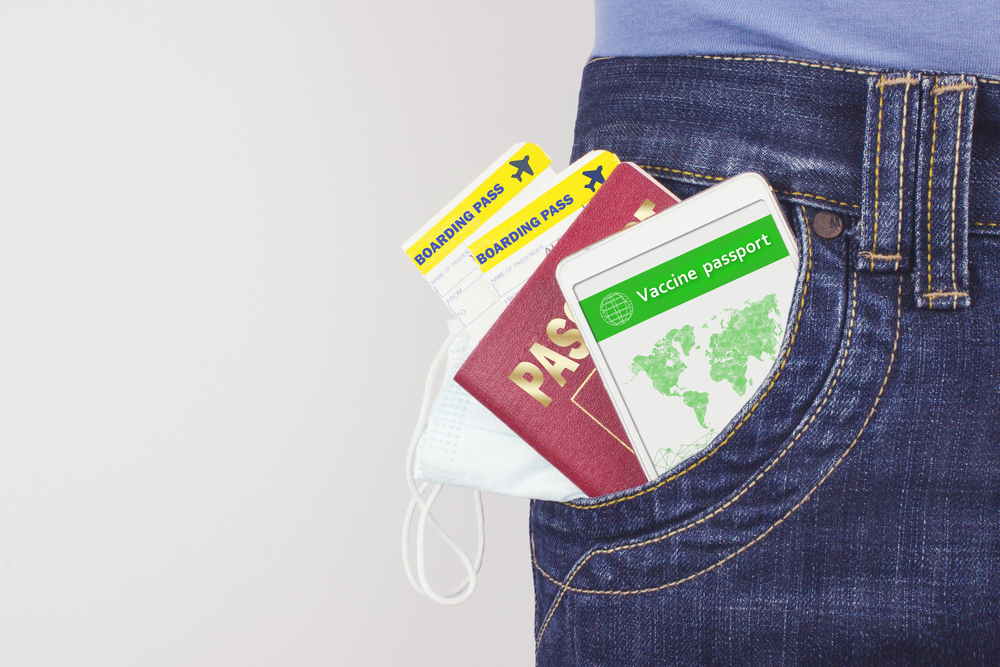
Your passport, phone, wallet, and boarding pass should live in only accessible pockets. Nothing’s worse than holding up the security line while you excavate through layers of clothes looking for your ID.
Designate one outside pocket as your ‘grab zone’ for items you need frequently.
Maximize every pocket and crevice
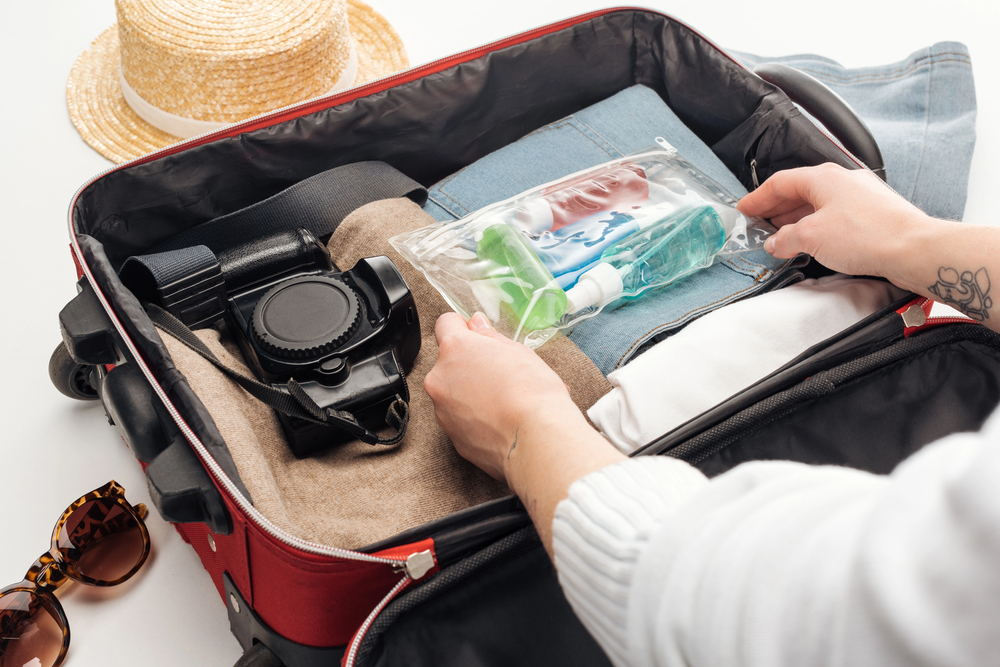
Stuff socks inside your shoes, tuck underwear into the gaps between rolled clothes, and use every corner of your bag. Dead space is wasted space when you’re trying to fit everything into a personal item.
Even the small exterior pockets can hold charging cables, earbuds, or a pen.
Skip the multiple electronic devices
Your smartphone handles most tasks that would require a tablet or laptop for short trips. If you absolutely need a larger device, bring only one and leave the rest at home.
Each charger and cable adds weight and bulk, eating into your limited space.
Plan to do laundry

Accepting that you’ll wash clothes during your trip changes everything about how you pack. Most hostels and hotels have laundry facilities, or you can hand-wash items in the sink.
This mindset shift means you only need about three or four days’ worth of clothes regardless of trip length.
Research your airline’s specific rules
Some airlines are strict about personal item enforcement, while others barely check. Low-cost carriers tend to be more rigid because they make money on baggage fees.
Knowing what to expect helps you pack appropriately and avoid surprises at the gate.
Test your setup before leaving
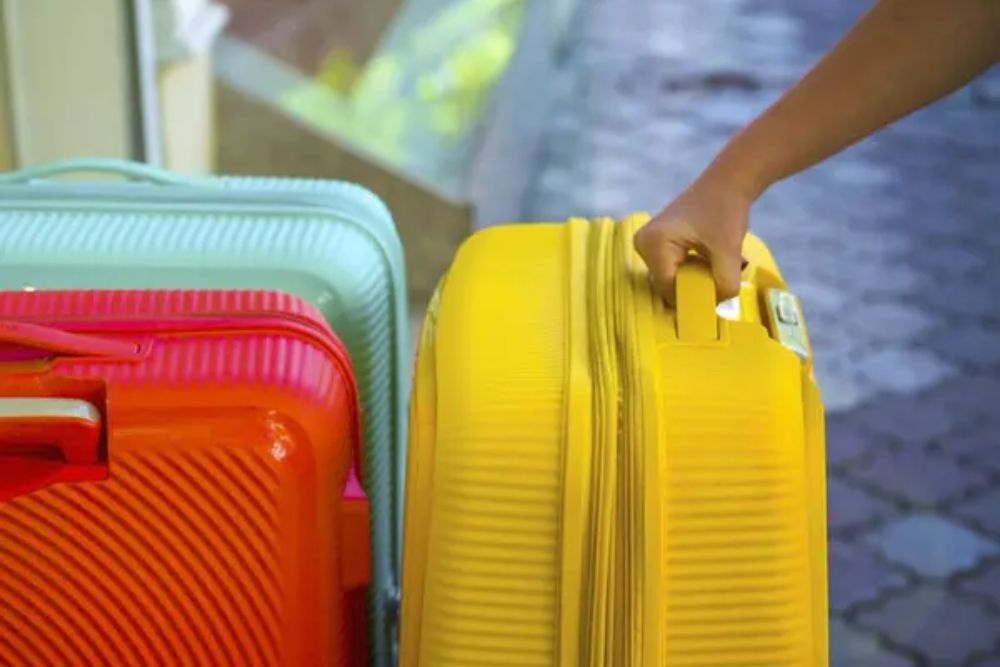
Pack everything a few days before your trip and carry your bag around your house or neighborhood. This reveals if something’s too heavy, if you forgot essentials, or if the weight distribution feels awkward.
Making adjustments at home beats discovering problems at the airport.
From luggage to liberation
Traveling with only a personal item is no longer for extreme minimalists alone. It has grown in popularity during recent years as people realize how much easier it makes getting around.
Airlines have kept shrinking their seat sizes and raising baggage fees, almost accidentally pushing travelers toward smarter packing strategies.
For many, what started as a money-saving trick genuinely upgraded their travel lifestyle: you moved faster through airports, hopped on public transportation without stress, and never waited at baggage claim, wondering if your stuff made it.
The constraints of a small bag make you really think about what you need versus what you think you may want, and that clarity makes the entire travel experience smoother.
More from Travel Pug

- Underrated Italian Towns That Beat the Tourist Crowds
- Las Vegas Tourist Traps to Skip
- Prettiest Towns in Every US State
- 18 passport-free countries for Americans
- Signs Your Cruise Is Not Worth The Cost
Like Travel Pug’s content? Follow us on MSN.