

Behind unmarked doors and down narrow alleys, Tokyo’s drinking establishments function as living museums. The city lost much of its historic architecture to wartime bombings, but its bar culture survived in pocket-sized spaces where bartenders carve ice by hand and pour sake with techniques unchanged for generations.
Here are the hidden bars and traditional drinking dens where Tokyo’s liquid heritage stays alive.
Golden Gai
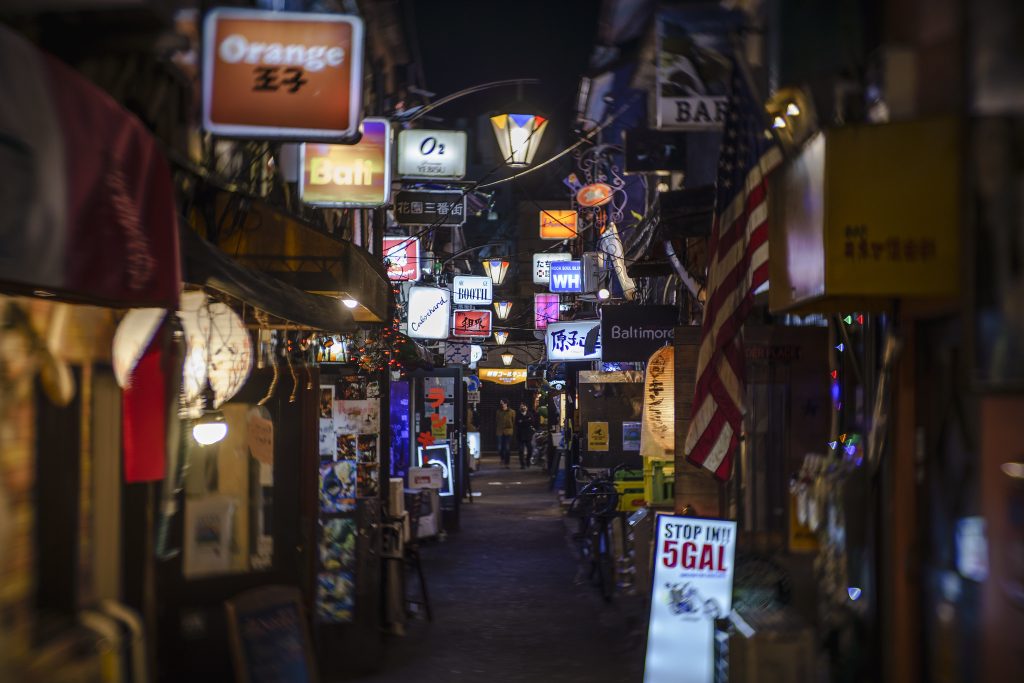
This labyrinth of 280 bars occupies just 6,500 square meters in Shinjuku’s Kabukicho district. Most establishments seat fewer than ten people. The wooden structures survived urban renewal precisely because developers found them too insignificant to bother with. Now those same cramped quarters preserve drinking customs from the 1960s.
Writers like Haruki Murakami and film directors like Akira Kurosawa were regulars in this neighborhood. Still are, some locals claim.
Omoide Yokocho
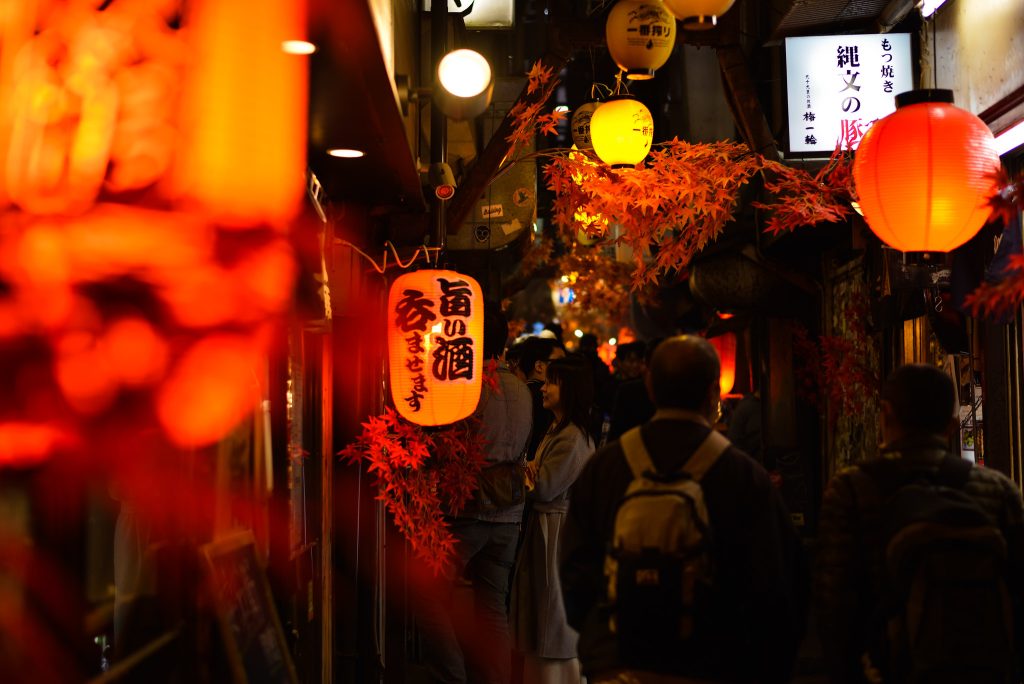
The charm lies in the common people’s cuisine—yakitori, stewed dishes, and grilled offal. Charcoal grills fill the alley with smoke every evening. The yakitori, carefully grilled over charcoal, goes perfectly with beer.
And it gets lively earlier than Golden Gai. Perfect for those who want dinner before the real drinking starts.
Like Travel Pug’s content? Follow us on MSN.
The Open Book

This quiet standing bar in Golden Gai’s Fifth Avenue is run by the grandson of award-winning Japanese novelist Komimasa Tanaka. One side serves lemon sours made with homemade syrup and double-chamber filters. The other features an open bookcase stuffed with novels guests can browse freely.
Besides serving some of the best lemon sours in the city, the bar also offers up a delightfully moreish curry toast for anyone craving a hot snack to go with their booze. The smell alone makes the cramped quarters worth it.
Sasagin
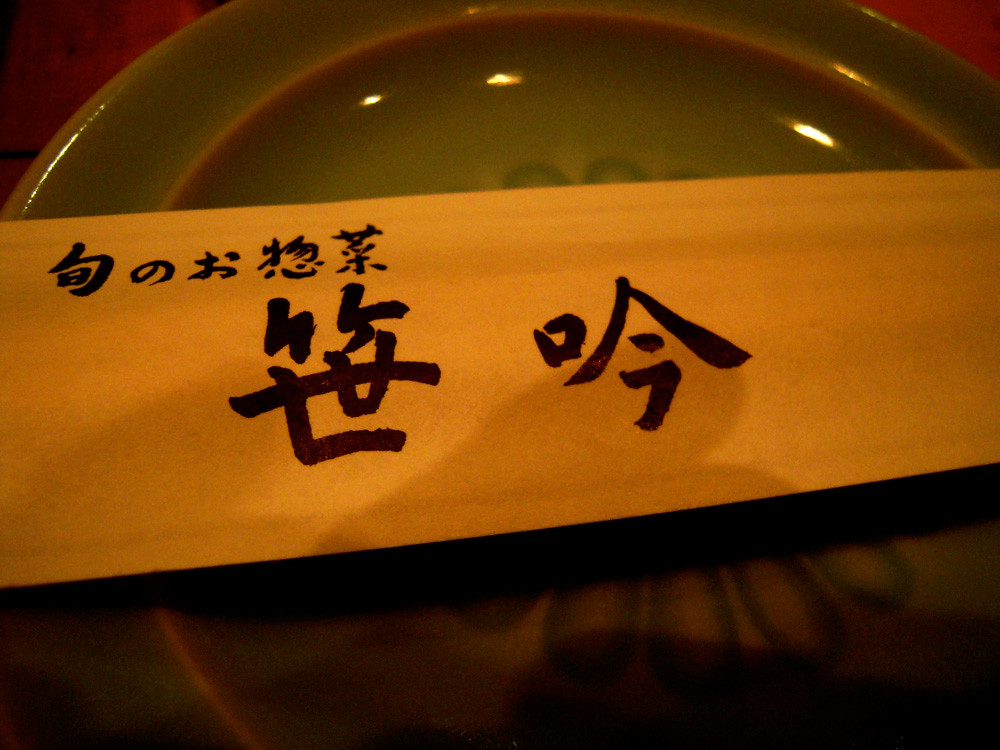
This long-running izakaya in Yoyogi-Uehara comes armed with a well-chosen selection of nihonshu, housed in glass refrigerators just behind the counter. An Anglophone sommelier with an immaculately trimmed mustache oversees the operation. English menus help, but the real treasures appear on the daily specials board written only in Japanese.
Dishes like vinegared mackerel and pear with mullet roe, watercress, and shiso dressed with pureed tofu reward the effort. Don’t skip the ochazuke.
Ozawa Shuzo
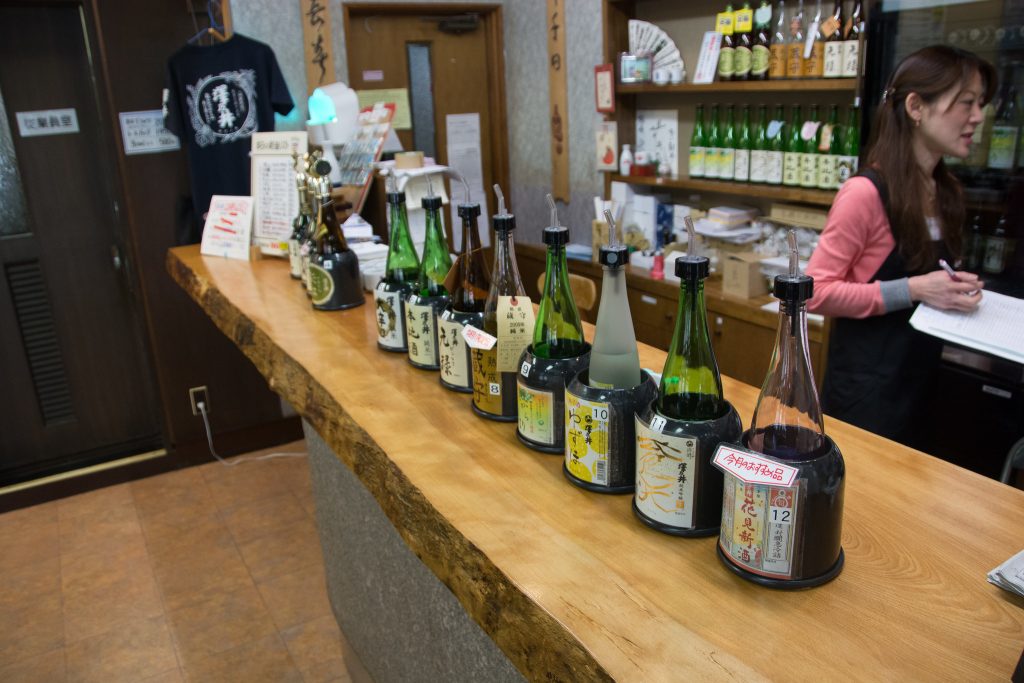
Located in western Tokyo’s Okutama region along the Tama River, this brewery operates under the brand name Sawanoi. Free sake brewery tours require reservations, and visitors can taste drinks from their best lineup. The terrace overlooks a valley where you can watch the water that becomes sake flow past.
Several sake breweries in Tokyo have histories dating back to the Edo period (1603-1867). This isn’t ancient history here. It’s Tuesday.
Like Travel Pug’s content? Follow us on MSN.
Bar Doron
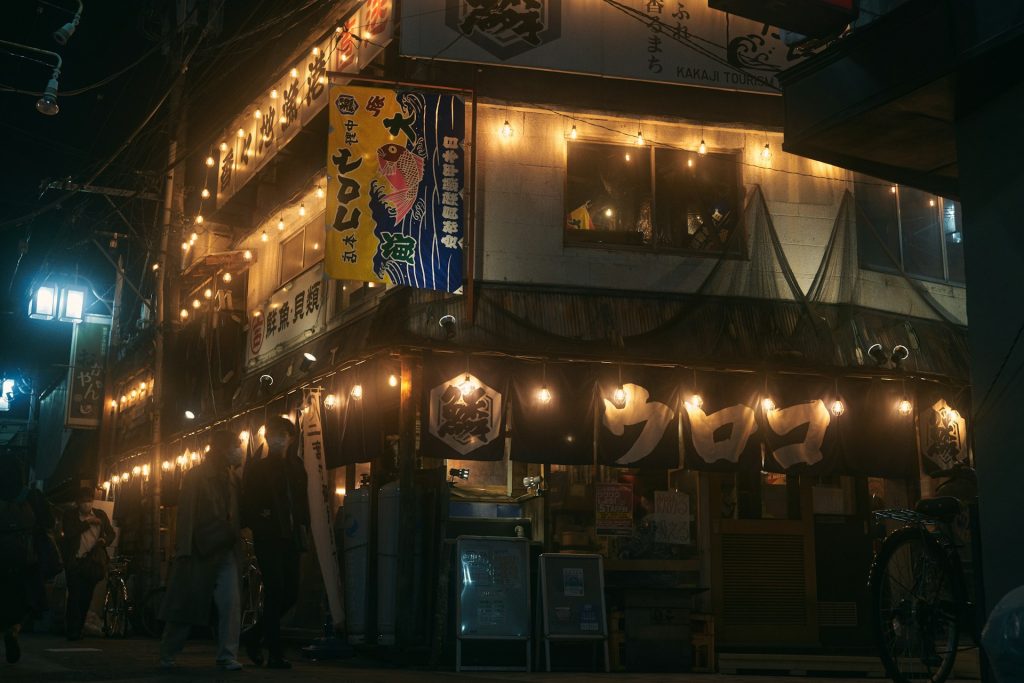
The owner is a sake sommelier who loves finding lesser-known brands to create a unique menu. The chef is a sushi professional with a license to cook the famously toxic pufferfish and is a kaiseki specialist. That combination—drinks obsessive meets technical cook—produces something worth crossing the city for.
The staff speak English and will guide you through sake styles you didn’t know existed.
Apollo Bar
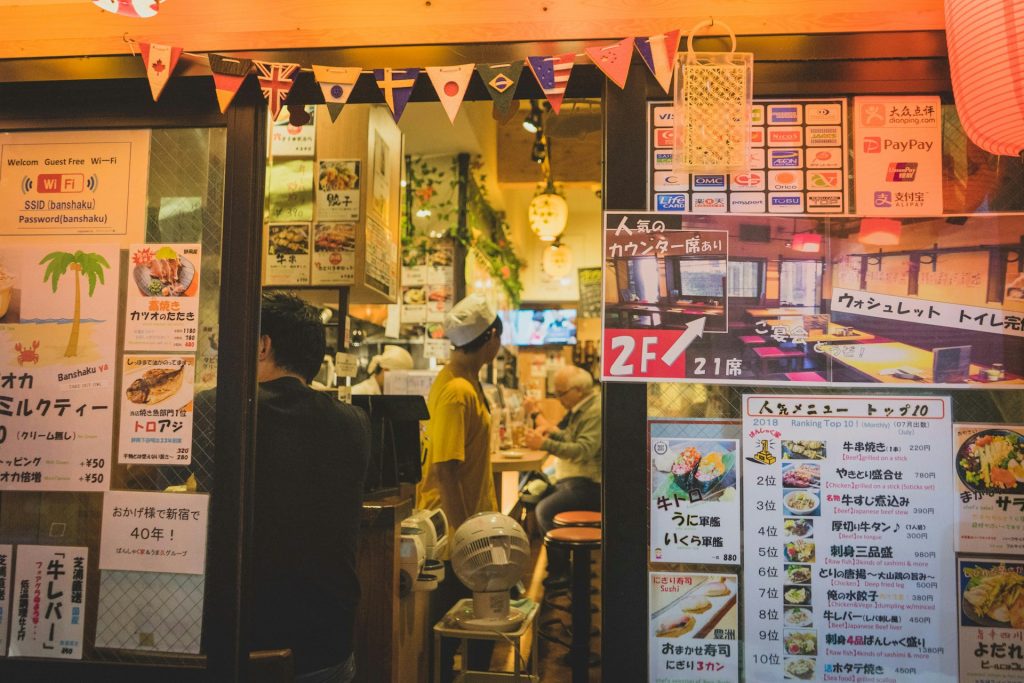
Hidenori Komatsu opened this dim cocktail den in 2013 and has always been the sole bartender. He only plays Tom Waits. Every night. “It suits the place so well, I don’t need anything else,” he explained.
He wears a black silk button-down shirt with a black vest and has precision-engineered his method for making highballs that starts with him flicking a switch to turn on a spotlight, transforming the bar into a stage. A hand-chiseled, coffin-shaped ice block goes into a crystal glass so thin that it yields to pressure. The theatricality serves a purpose—every movement maximizes carbonation and integration.
Tender Bar
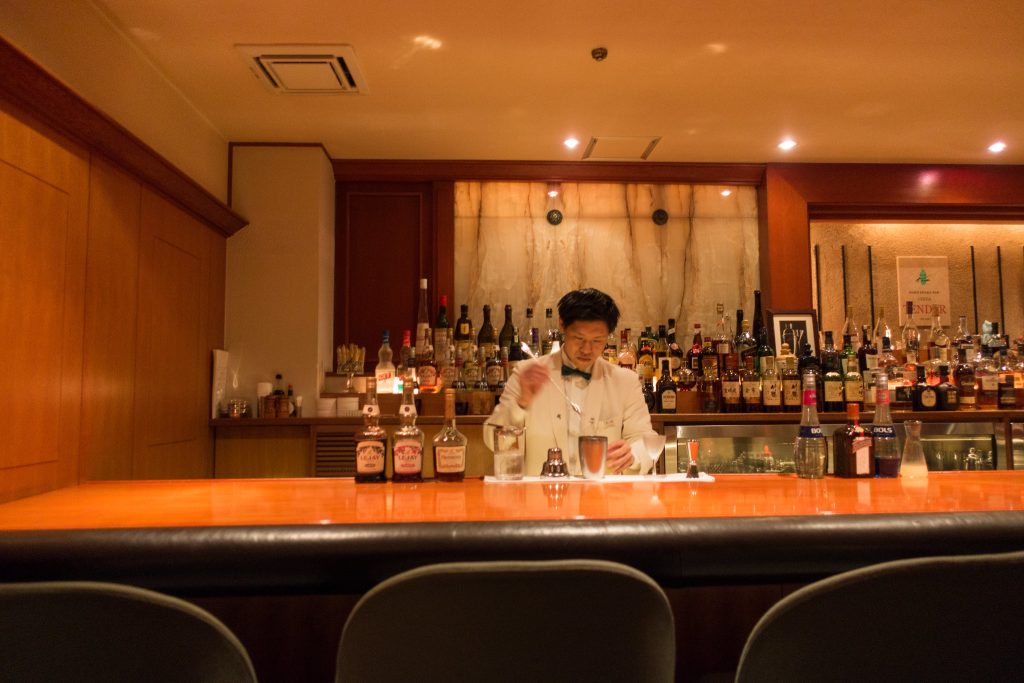
Bartender Kazuo Uyeda developed the Hard Shake technique here. He is one of the few Japanese bartenders to have a book published in English outlining his philosophy and approach. The shake itself looks simple but requires securing the shaker precisely and snapping it in a specific rhythm.
Designed for maximum aeration, the intricate shaking pattern efficiently integrates flavors and rounds out cocktails without over-diluting. Bartenders worldwide study this technique, but watching it here feels like seeing the original manuscript.
Like Travel Pug’s content? Follow us on MSN.
SG Low
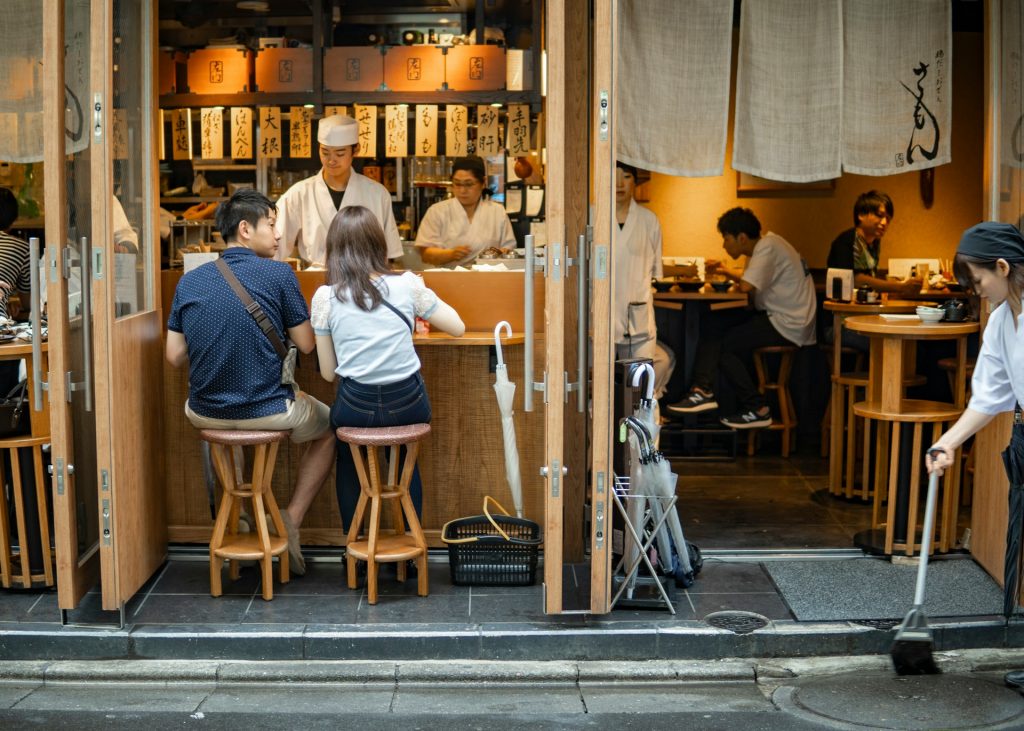
Behind an unmarked door on the second floor of a former Shibuya office building sits this discreet dining bar that resembles an izakaya straight out of manga pages. These aren’t classic izakaya lemon sours—there are versions ranging from the Sauna Sour with a twist of salt to one that actually alters taste buds for 30 minutes.
Deep fried nankotsu (chicken cartilage) is tossed in fiery red buffalo-wing sauce while the potato salad is dressed up like a mini bowl of ramen. The mentaiko mac and cheese alone justifies the hunt for the entrance.
Samboa Bar
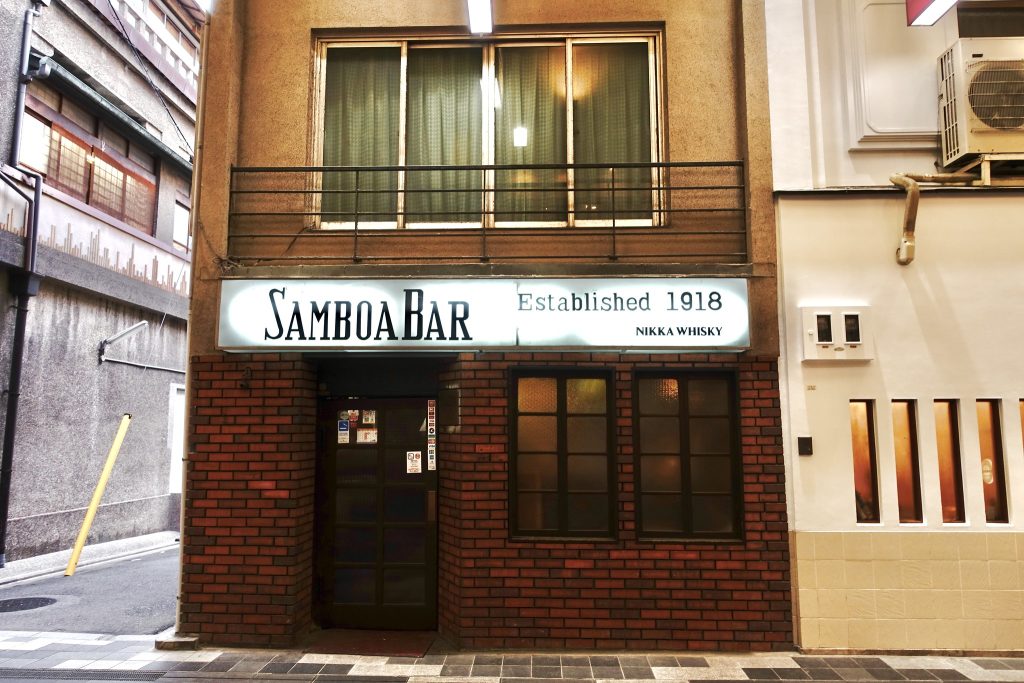
The first Tokyo outpost of a bar that originally opened in Kyoto in 1918 maintains an old-world vibe and is known for highballs made without ice. The logic: ice changes the drink as it melts. Without it, you get dilution-free consistency from first sip to last.
A bartender in a crisp white jacket who worked in the Kyoto location for 10 years learned over that time from a much more seasoned bartender how to perfect his pour. He lines up four glasses and pours ingredients in quick succession. Ten years to master pouring whisky and soda. That’s tradition.
Gen Yamamoto
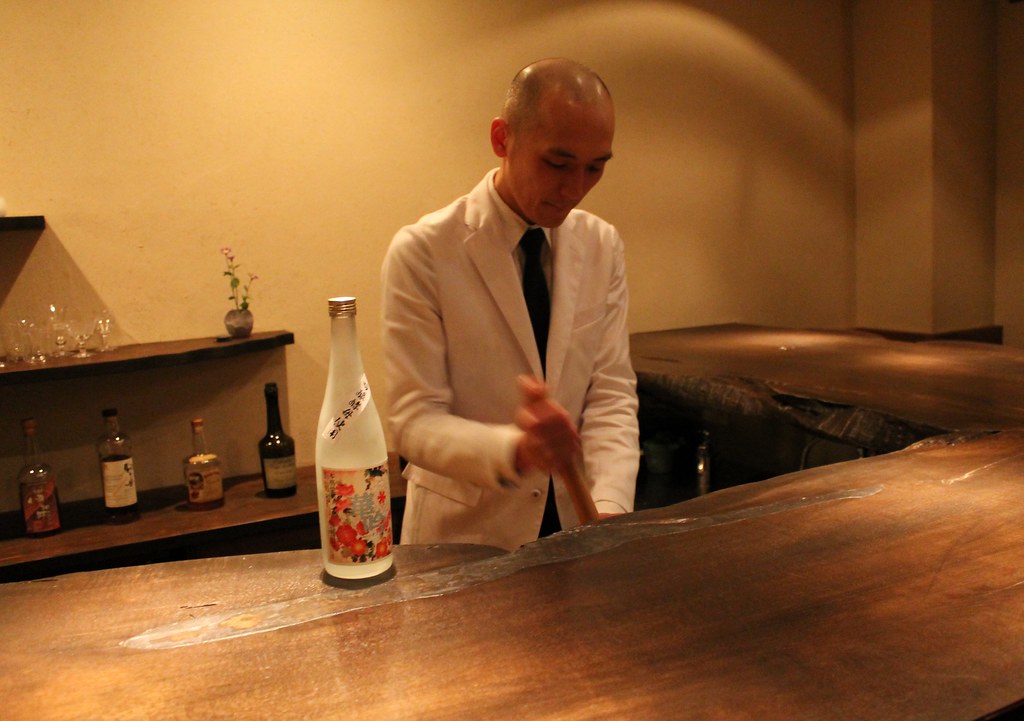
At a minimalist eight-seat counter carved from 500-year-old Japanese oak, this bar transforms cocktail culture into a contemplative kaiseki-inspired journey. The bar operates on omakase principles, where guests entrust Yamamoto with curating their evening’s progression of flavors.
Each creation utilizes ingredients sourced from local farms and markets—kumquats, matcha, shiso, kudzu root—chosen for their peak seasonal expression rather than premium spirit labels. Spring brings sakura martinis. Autumn brings kabosu old fashioneds. The seasons dictate everything.
Like Travel Pug’s content? Follow us on MSN.
Kawaguchi Liquor Store
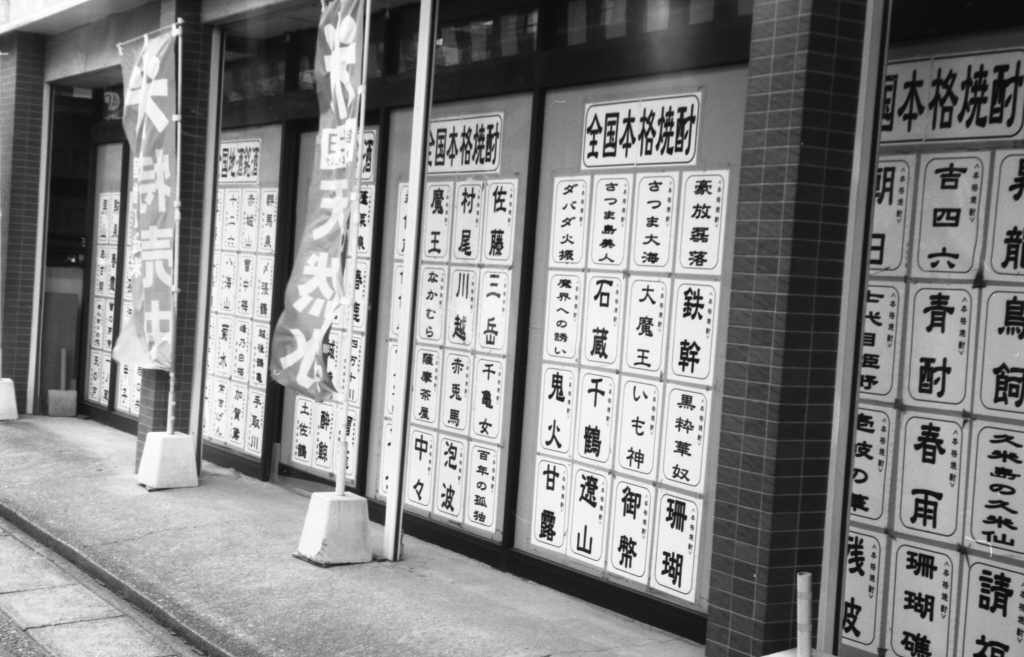
This cozy standing sake bar is tucked away in an alley in downtown Ginza. Standing bars preserve a different kind of tradition—the quick after-work drink before the train home. No seats means no lingering, but the staff are friendly enough that many do anyway.
A translation app helps. The sake selection doesn’t need translation, though.
Bar Hoshi
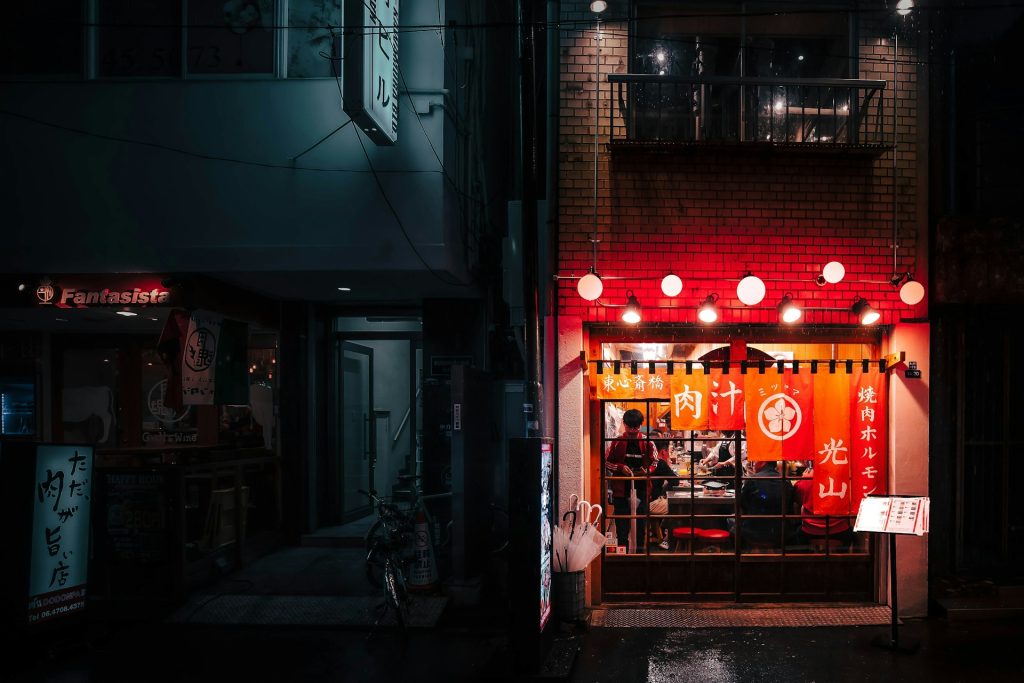
At his eponymous Ginza bar, Yuichi Hoshi takes a particular approach to dry martinis, first stirring the vermouth portion, then straining it into a sidecar before stirring the gin and serving the chilled vermouth alongside. Most dry martinis in Japan are very, very dry, and this provides a low-ABV chaser to all that dryness.
It takes the edge off. Or maybe it just gives you an excuse to drink more.
Utsura Utsura
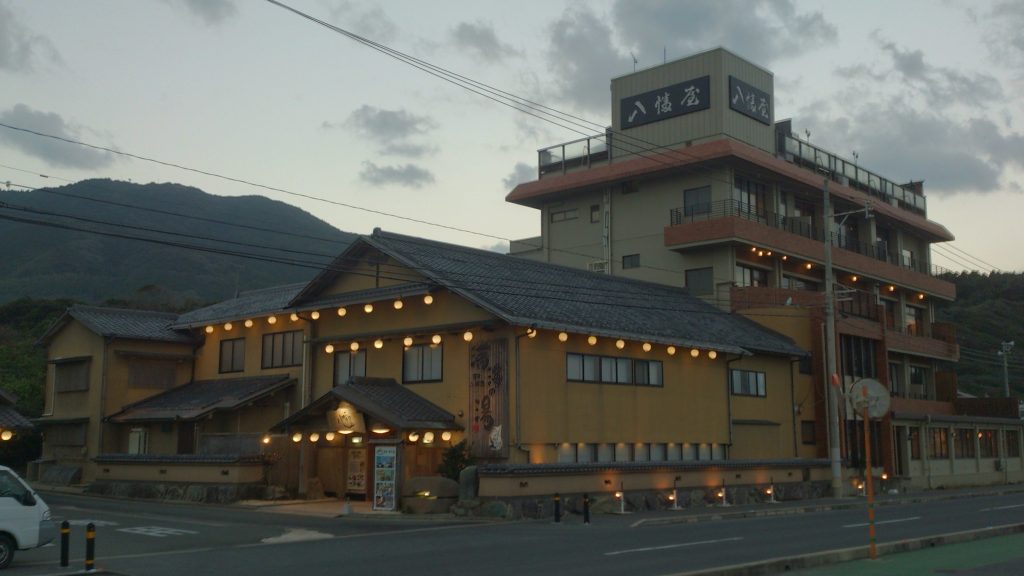
Located on a quiet corner in Shibuya, this bar has that enticing nighttime glow that beckons you in. Through the wooden door, you’ll find a bar counter that seats eight, running along the narrow open kitchen where you can watch the chef and sake sommelier at work.
Eight seats. One counter. Two experts performing their craft inches from your face. This is how traditions survive—through proximity, repetition, and witnesses.
Like Travel Pug’s content? Follow us on MSN.
Orchard
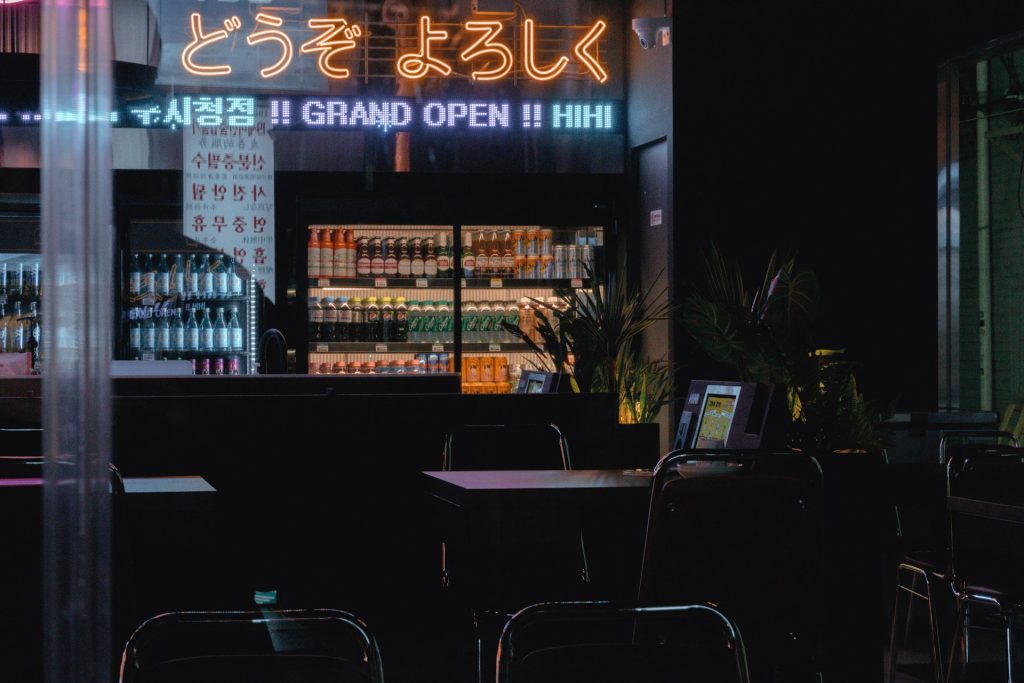
This eccentric, laid-back bar has a playful vibe thanks to creative glassware and, at times, molecular-gastronomy-caliber techniques. Drinks are served in eye-catching vessels: a mini disco ball, a small metal watering can, a cocktail glass with a pencil-length stem.
Husband-and-wife owners and bartenders Sumire and Takuo Miyanohara point out an artfully arranged platter of fruit—that’s the menu. Choose one fruit and they’ll custom-design a cocktail around it. With focus befitting a cardiac surgeon, Takuo rounds the edges of ice cubes with a pick because smoother ice means less loss of carbonation.
Hozenji Yokocho
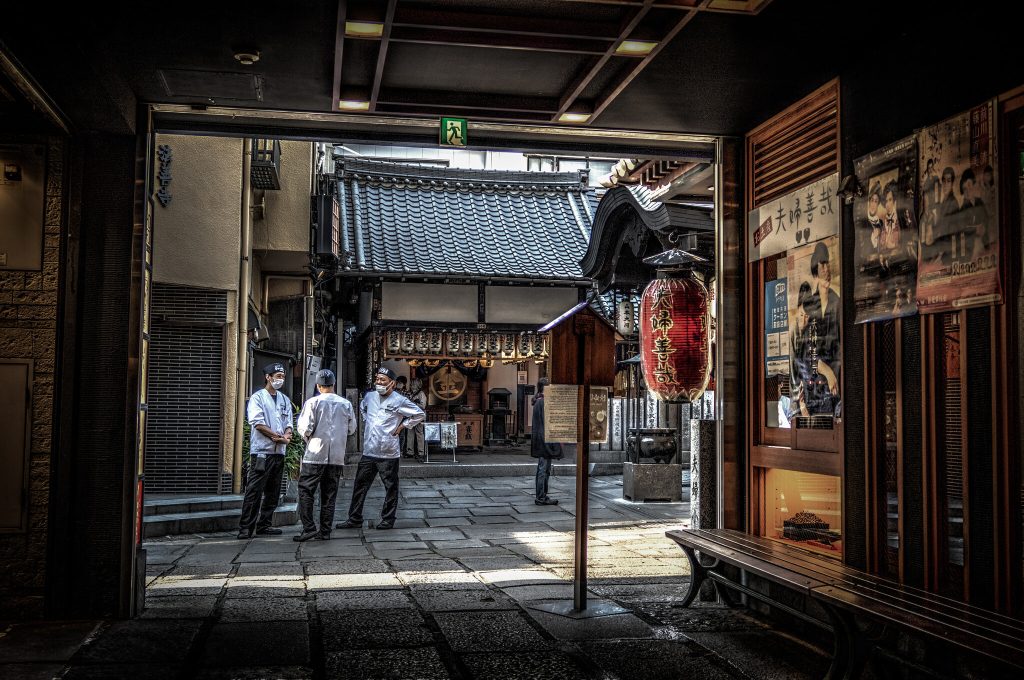
Though technically in Osaka, this alley deserves mention. These stone-paved alleys located within the grounds of Tenryu-zan Hozenji Temple have attracted visitors since the Meiji era (1868-1912). The two alleys stretch about 80 meters long and 3 meters wide, running east to west.
Despite being just a short distance from the lively Dotonbori area, adorned with giant billboards, the alleys maintain a calm and peaceful atmosphere. It’s the template Tokyo’s hidden bars follow—peace in the middle of chaos.
Where craft meets culture
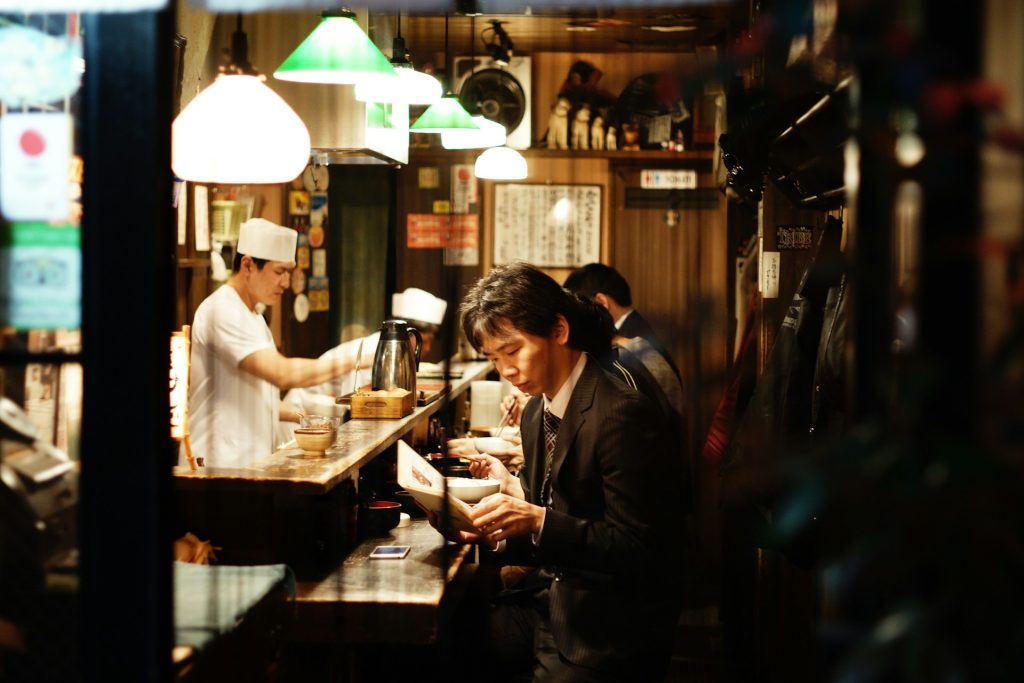
The techniques matter because they’re not just techniques. From a back-alley in Ginza to the neon-lighted streets of Tokyo, the Japanese have made bartending into an art form. The hand-carved ice preserves carbonation. The hard shake integrates flavors without dilution. The standing bars encourage community over solitude.
These traditions survived because they work. And because someone cared enough to pass them on.
Like Travel Pug’s content? Follow us on MSN.
More from Travel Pug

- 20 Best Beach Towns in the Carolinas
- 13 Destinations Where Tourists Regularly Regret Their Trip
- 20 Things You Actually Get in First Class
- 20 Small Airports With Aviation Museums
- 20 Places in the U.S. That Are Perfect for a Reset Trip
Like Travel Pug’s content? Follow us on MSN.