

Colorado has some of the best ski terrain in North America, and the resorts that surround it have spent decades building out amenity packages designed to justify prices that can make even seasoned travelers do a double-take. Vail, Aspen, Telluride, Breckenridge, and Steamboat Springs all market themselves on the promise of a complete luxury mountain experience — and in many areas, they deliver on that promise convincingly.
In others, the gap between what the brochure suggests and what you actually get is wide enough to feel like a genuine letdown, particularly when you’re paying $800 a night for the privilege of finding out.
Here is a list of 15 amenities and features at Colorado’s luxury ski resorts, assessed honestly to determine whether they’re genuinely worth the premium or quietly among the most overhyped line items in a very expensive vacation budget.
Ski-in/ski-out access

Worth every dollar. Ski-in/ski-out accommodation at resorts like Vail, Beaver Creek, and Telluride eliminates the single most frustrating part of a ski vacation — the business of getting from your room to the mountain and back.
No shuttles, no boot walks across parking lots, no losing 45 minutes of prime morning snow to logistics. Properties like the Arrabelle at Vail Square and the Madeline Hotel in Telluride have built their reputations substantially on this access, and the premium over comparable non-ski-in properties is one of the few luxury charges in resort travel that delivers a measurable, daily return on investment.
Private ski concierge services

Worth it, with caveats. The best private ski concierge services — offered at properties like the Little Nell in Aspen and the Park Hyatt Beaver Creek — handle equipment rentals, lift ticket procurement, lesson bookings, and mountain reservations in ways that genuinely remove friction from the trip.
The caveat is that the quality varies significantly between properties and even between individual concierges at the same property. At their best, these services transform the logistical complexity of a multi-person ski trip into something effortless.
At their worst, they are a front desk with a fancier job title and a slower response time.
Slope-side spa facilities

Worth it for non-skiers, oversold for skiers. Colorado’s luxury resort spas — the Remède Spa at the St.
Regis Aspen, the Allegria Spa at Park Hyatt Beaver Creek — are genuinely excellent facilities with skilled therapists, high-quality products, and mountain views that make the experience feel appropriately special. For travellers who don’t ski or who want a recovery day mid-trip, the value is clear.
For dedicated skiers, however, spending four to six hours of a limited ski vacation in a treatment room is a harder sell, and the prices — frequently $200 to $400 for a single treatment — are steep even by luxury resort standards.
Heated outdoor pools and hot tubs

Worth it, consistently. After a full day on the mountain, a heated outdoor pool or hot tub with views of snow-covered peaks is one of those resort amenities that delivers exactly what it promises, every single time.
Resorts like Steamboat Springs, which sits atop a natural hot springs network, take this to a particularly satisfying level. The Strawberry Park Natural Hot Springs near Steamboat and the pool facilities at properties like the Hyatt Residence Club in Breckenridge represent the category at its best — simple, restorative, and deeply well-suited to the environment.
This is one luxury line item that needs no asterisks.
Private ski lessons with resort instructors
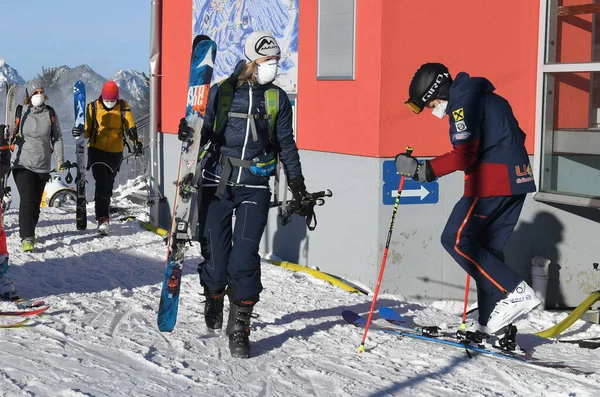
Disappoints relative to cost. Private ski lessons at Colorado’s major resorts have reached prices — often $800 to $1,200 per day at Vail and Aspen — that are difficult to justify against the actual quality of instruction delivered.
The issue isn’t that the instructors are bad; many are excellent. The issue is that, at those prices, the expectation is a transformative, highly personalised experience, but what’s often delivered is a competent lesson that could be found at a regional ski area for a fraction of the cost.
Independent certified instructors, bookable directly outside the resort system, frequently offer better value and comparable or superior teaching quality.
On-mountain dining

Disappoints more often than it should. The promise of a gourmet lunch at altitude, with mountain views and a glass of something warm, is an appealing one — and Colorado’s resorts have invested heavily in trying to deliver it.
The reality at most mid-mountain restaurants, even at premium resorts, is overpriced food that ranges from acceptable to genuinely mediocre, served in crowded conditions with long waits during peak periods. Notable exceptions exist — Beano’s Cabin at Beaver Creek, which requires a sleigh ride to reach, and Cache Cache in Aspen are genuinely excellent — but as a category, on-mountain dining at Colorado’s luxury resorts charges first-class prices for a business-class experience.
Heated boot and glove storage

Worth it without question. This is one of those amenities so practical and so underappreciated that its absence is felt immediately.
Ski boot lockers with built-in heating, available at properties like the Ritz-Carlton Bachelor Gulch and the Sebastian in Vail, mean starting every morning with warm, dry equipment rather than the cold, damp alternative that ruins the first run of the day for guests at lesser properties. It is not glamorous; it will not appear in anyone’s Instagram post, and it is absolutely one of the best things a luxury ski resort can provide.
Helicopter skiing and cat skiing

Worth it for the right skier. Heli-skiing operations out of Colorado’s resort towns — particularly those accessing the backcountry terrain around Telluride and Steamboat — offer access to untracked powder in terrain that is simply unreachable by lift.
For advanced-to-expert skiers with the physical conditioning and technical skills to manage challenging off-piste conditions, this is a genuinely extraordinary experience that justifies its considerable cost. For intermediate skiers talked into it by enthusiasm rather than ability, it can be a frightening, exhausting, and expensive few hours that end with a bruised ego and a very sore body.
In-room fireplaces

Worth it, within reason. A wood-burning or gas fireplace in a ski lodge room contributes meaningfully to the overall atmosphere of a mountain stay — the warmth, the light, the sound, and the ritual of settling in after a day on the slopes all benefit from its presence.
Properties like the Dunton Hot Springs cabins and the Inn at Aspen deliver this well. The disappointment comes when resorts charge a significant nightly premium for a gas fireplace that operates on a wall switch and looks more like a screensaver than a genuine hearth.
Guests paying for the romance of a real fire should confirm exactly what they’re getting before arrival.
Resort-run childcare and kids’ programs

Worth it for families, genuinely. Ski resort childcare is one of the more legitimately valuable luxury services on offer, particularly for families with children not yet old enough to ski independently.
Beaver Creek’s children’s ski school is consistently rated among the best in the country, and the structured programs at Vail and Snowmass Village allow parents to actually ski while knowing their children are in safe, engaging, professionally managed hands. The costs are high — a full day of supervised childcare and lessons can reach $300 to $400 per child — but for families where the alternative is one parent sitting out entirely, the value calculation changes considerably.
Après-ski programming
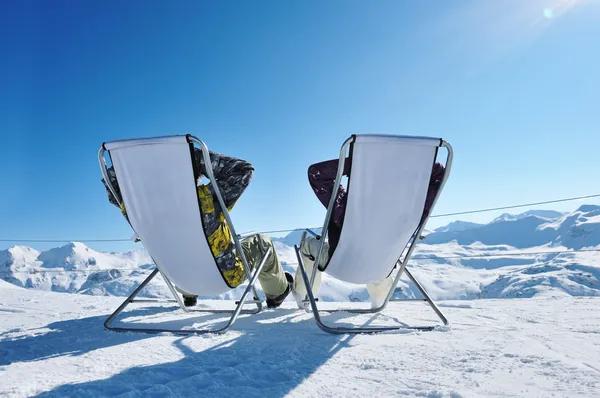
Disappoints at the price point. Colorado’s luxury resorts put significant marketing energy into their après-ski offerings — the live music, the mountain-facing terraces, the signature cocktails served at altitude — and the reality is often a crowded bar with average drinks and a cover charge that assumes the scenery alone is worth $25.
Genuinely good après-ski in Colorado tends to happen in the towns rather than at the resorts themselves: the J-Bar at the Hotel Jerome in Aspen, the Mantra bar in Breckenridge, and Steamboat’s downtown bar scene all deliver a more authentic and considerably more affordable version of the mountain celebration that resort properties charge handsomely for and rarely match.
High-end equipment rental packages
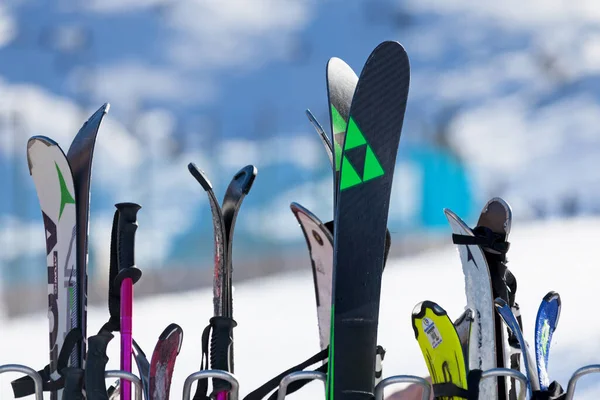
Disappoints relative to alternatives. The premium equipment rental packages offered by resort ski shops — high-performance demo skis, custom boot fitting, daily equipment swaps — are priced at a level that assumes convenience is worth a very significant markup over independent rental shops in the surrounding towns.
In most Colorado resort towns, independent rental operations, a short drive or shuttle ride from the base area, offer equipment of comparable or superior quality at 40 to 60 percent less. The exception is genuinely expert custom boot fitting, which at a resort like Aspen’s Performance Ski can be worth the premium for skiers with specific fit requirements or foot issues.
Fine dining at resort restaurants

Worth it, selectively. Colorado’s luxury resort towns contain some genuinely world-class restaurants, and the best of them — Flagstaff House in Boulder, Kenichi in Aspen, La Tour in Vail — represent the kind of dining that would hold its own in any major city.
The disappointment comes when the resort restaurant name and the resort hotel price tag imply a dining standard that the kitchen doesn’t consistently deliver. The sweet spot is seeking out independently operated restaurants in resort towns rather than defaulting to hotel dining rooms, which tend to charge for the address as much as the food.
A little research before arrival typically reveals the difference quickly.
Snowcat tours and guided backcountry experiences
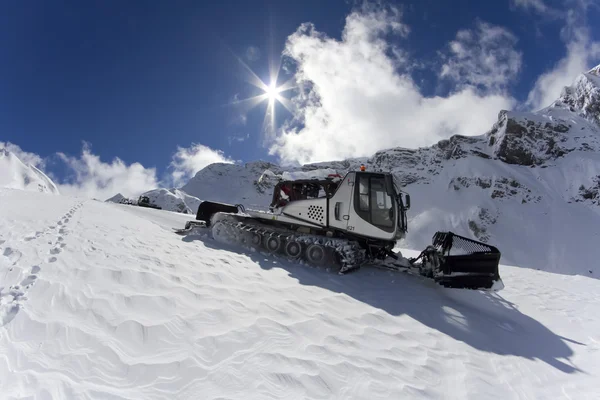
Worth it for the experience. Several Colorado resorts offer guided snowcat tours into terrain beyond the lift-accessed boundary, and the combination of access, safety, and local knowledge these tours provide is genuinely difficult to replicate independently.
Steamboat Powdercats and the guided programs at Telluride and Crested Butte offer routes through terrain that would take years of local knowledge to navigate safely on your own. The experience of finding untracked snow in the Colorado backcountry, with a guide who knows exactly where the best conditions are on a given morning, is one of those resort offerings that tends to over-deliver rather than under-deliver on its promise.
Valet ski storage and boot service

Worth it at the right property. The best valet ski services — available at properties like the Ritz-Carlton Bachelor Gulch and Four Seasons Vail — involve having your equipment stored, dried, and ready for you each morning without any interaction on your part beyond handing it over at the end of the day.
At properties where this service is genuinely well-executed, it adds a seamlessness to the daily rhythm of a ski trip that skiers who’ve experienced it rarely want to give up. At properties where it’s managed less carefully, however, it introduces the mildly alarming risk of someone else handling expensive personal equipment with less care than you would — and the occasional misplaced item that starts the morning on the wrong note entirely.
The mountain pays back what you put in

Colorado’s luxury ski resorts are never going to stop charging what they charge, and for the most part, the natural environment that they’ve been constructed within, the Rockies, the snow, the light, etc., are justification enough for the journey on their own merits. The best amenities are those that eliminate hassle, extend comfort, or provide access to opportunities that are simply not otherwise available.
More from Travel Pug

- Underrated Italian Towns That Beat the Tourist Crowds
- Las Vegas Tourist Traps to Skip
- Prettiest Towns in Every US State
- 18 passport-free countries for Americans
- Signs Your Cruise Is Not Worth The Cost
Like Travel Pug’s content? Follow us on MSN.