

With its golden temples, blue lakes, and street cuisine that somehow tastes better at two in the morning, Thailand attracts millions of tourists every year. more than anything from home. However, there are scores of minor errors that can ruin a beautiful vacation behind the picture-perfect exterior.
This list of typical travel errors in Thailand explains how to avoid them before they ruin your trip.
Disrespecting the Monarchy
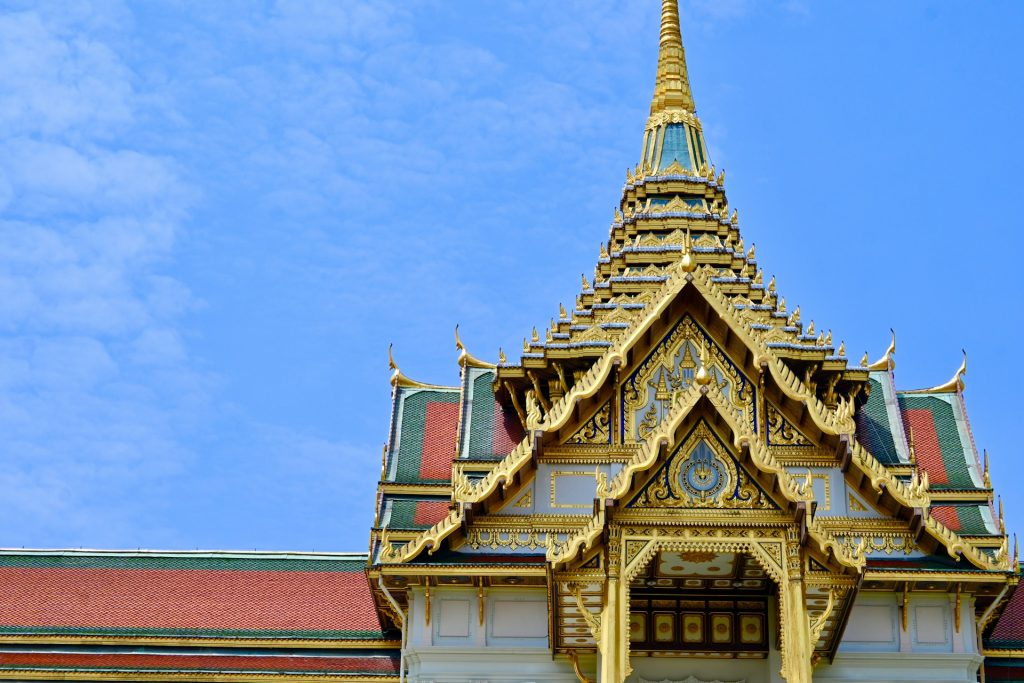
Thailand takes its royal family seriously. Very seriously. Laws against lèse-majesté carry prison sentences, and locals genuinely revere the monarchy in ways that can surprise outsiders.
Even offhand comments that might seem harmless elsewhere can land travelers in legal trouble here. Standing for the national anthem—which plays before movies in cinemas—isn’t optional; it’s expected. Step on the currency (which bears the king’s image) and people will stare.
Touching Someone’s Head
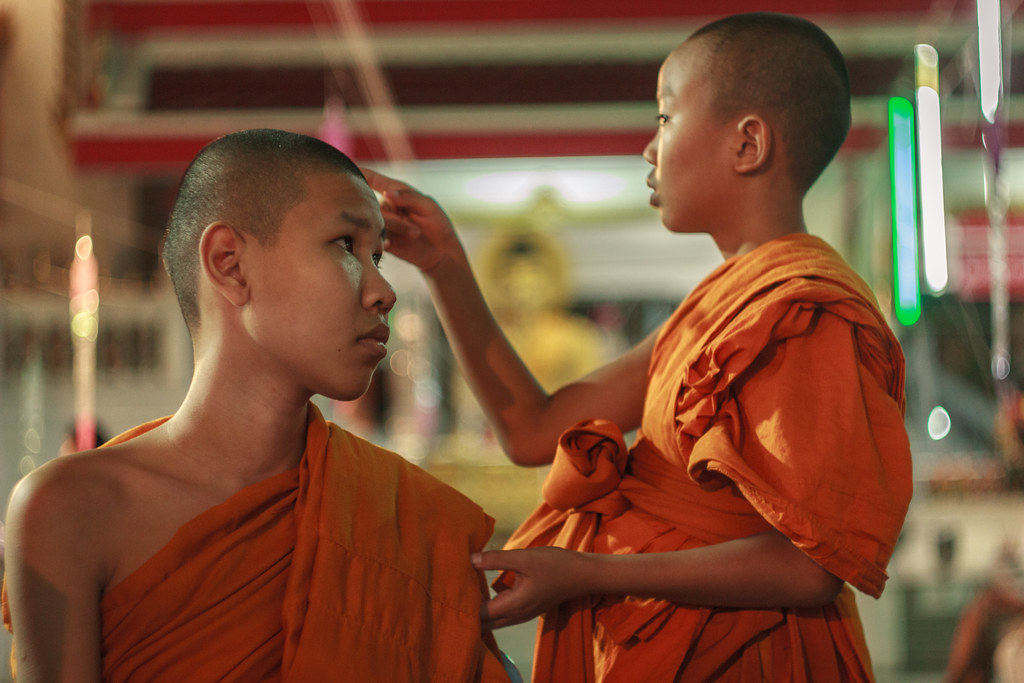
The head is considered the most sacred part of the body in Thai culture. Touching it, even playfully, crosses a major boundary.
This applies especially to children. That adorable kid at the market? Don’t ruffle their hair.
And those low doorways in temples where you have to duck. Thai people often lower their heads as a sign of respect when passing monks or elders for this exact reason.
Like Travel Pug’s content? Follow us on MSN.
Pointing Feet at People or Buddha Images

Feet occupy the opposite end of the spiritual spectrum from heads. They’re considered the dirtiest, lowest part of the body, and pointing them at people or religious images is deeply offensive.
Sitting cross-legged on the floor? Tuck your feet underneath you. Reclining on a long-tail boat? Keep your feet pointed away from others. In temples, never point your feet toward a Buddha statue—sit with your legs folded to the side instead.
Skipping Travel Insurance

Medical emergencies in Thailand can drain bank accounts faster than a tuk-tuk driver can say “special price for you.” Private hospitals in Bangkok rival Western facilities in quality but also in cost.
A simple broken bone can run into thousands of dollars. Repatriation flights home? Tens of thousands. Travel insurance costs maybe the price of a few nice dinners, but skipping it to save money is gambling with stakes most people can’t afford.
Haggling in the Wrong Places
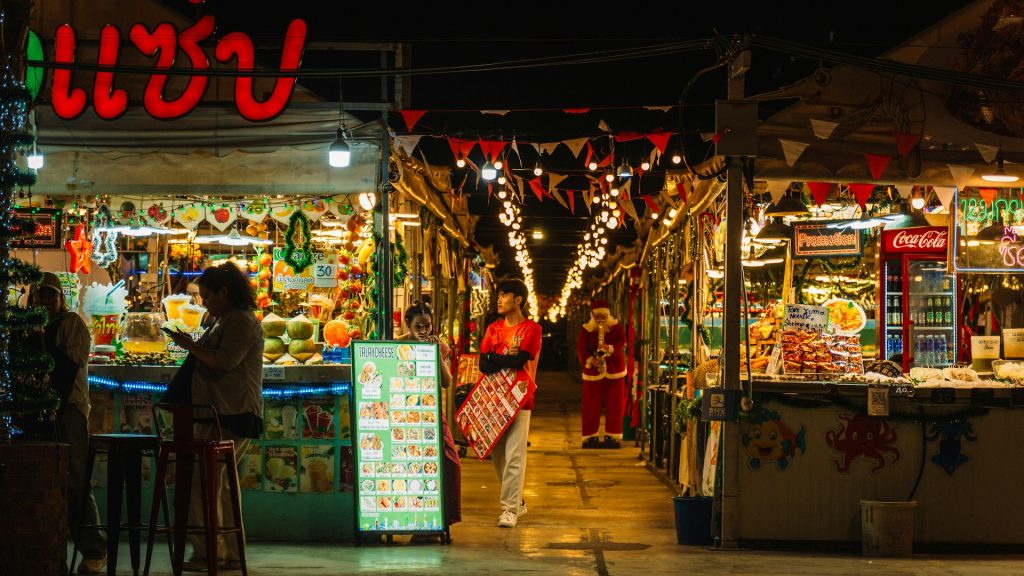
Markets expect negotiation. Fixed-price stores don’t. Learning the difference saves embarrassment.
Street vendors, night markets, and small shops usually have flexible prices—offer 50–60% of the asking price and meet somewhere in the middle. But 7-Eleven? Shopping malls? Restaurants? Prices are set.
Trying to haggle there just confuses everyone involved. Not great for anyone.
Like Travel Pug’s content? Follow us on MSN.
Ignoring Proper Temple Dress Codes
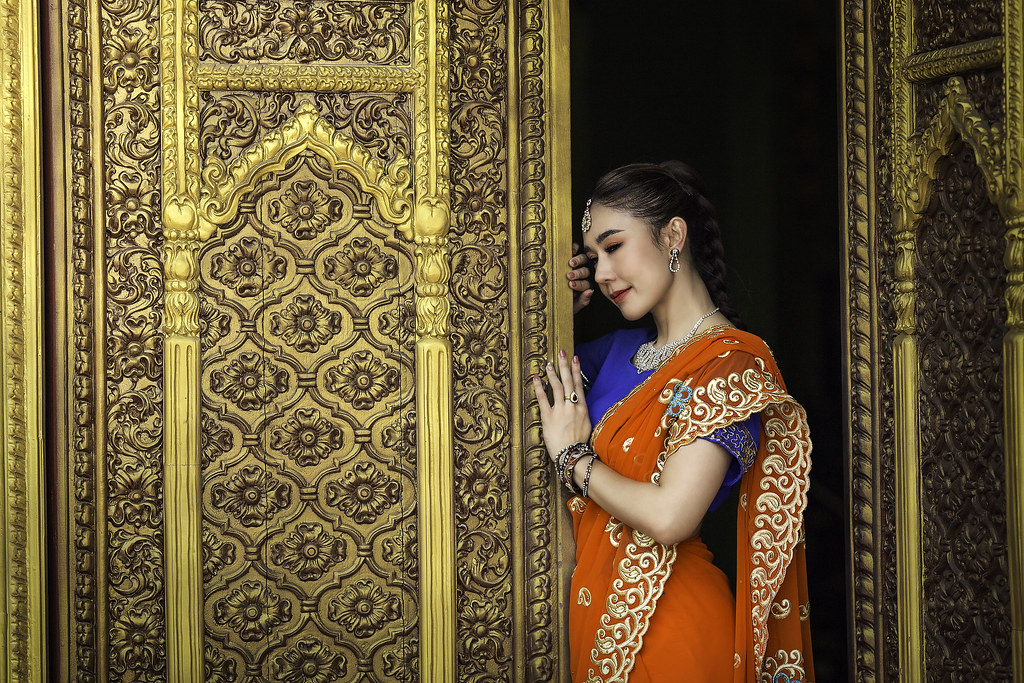
Shorts, tank tops, and revealing clothes won’t get you past temple gatekeepers. Many sacred sites enforce dress codes strictly, turning away visitors who don’t comply.
The Grand Palace in Bangkok is particularly strict. Cover shoulders and knees at a minimum. Some temples provide wraps or pants to borrow, but they often run out during peak hours. Better to dress appropriately from the start than to stand outside in the heat, watching others tour the buildings you traveled hours to see.
Getting in Tuk-Tuk Scams
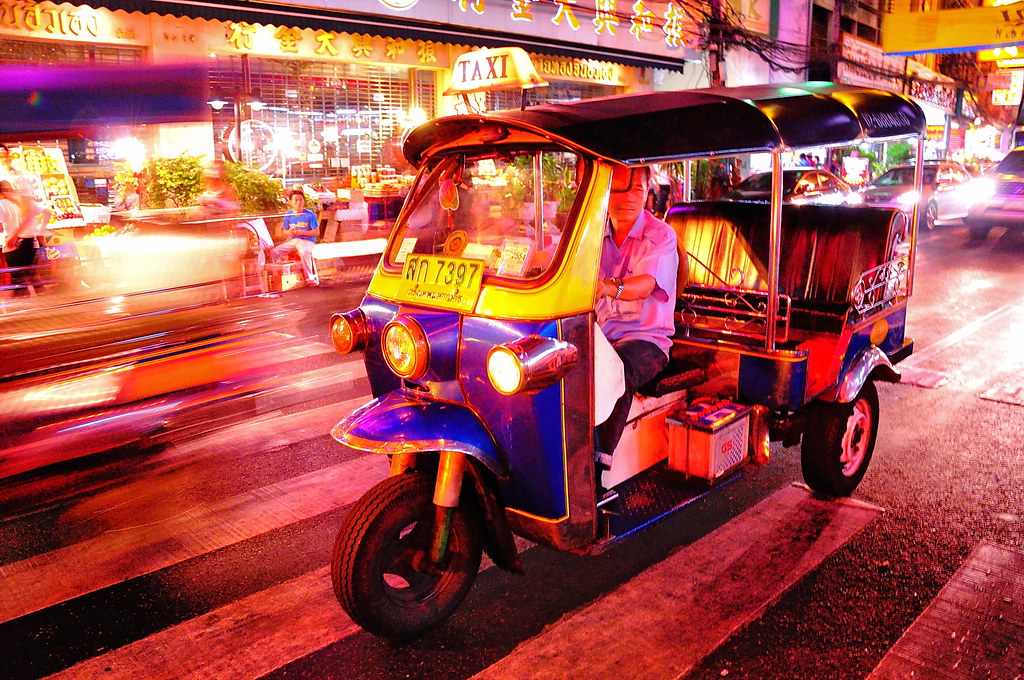
Those colorful three-wheeled taxis look charming. They’re also magnets for overcharging tourists.
“Special tour” offers almost always end at gem shops or suit stores where drivers earn commissions. And speaking of commission shops—that friendly tuk-tuk driver who offers to take you sightseeing for 20 baht isn’t being generous.
He’s leading you to places that pay him for every tourist he delivers. Agree on a price before getting in, use the meter in regular taxis, or better yet, use Grab or Bolt apps for transparent pricing.
Underestimating the Heat
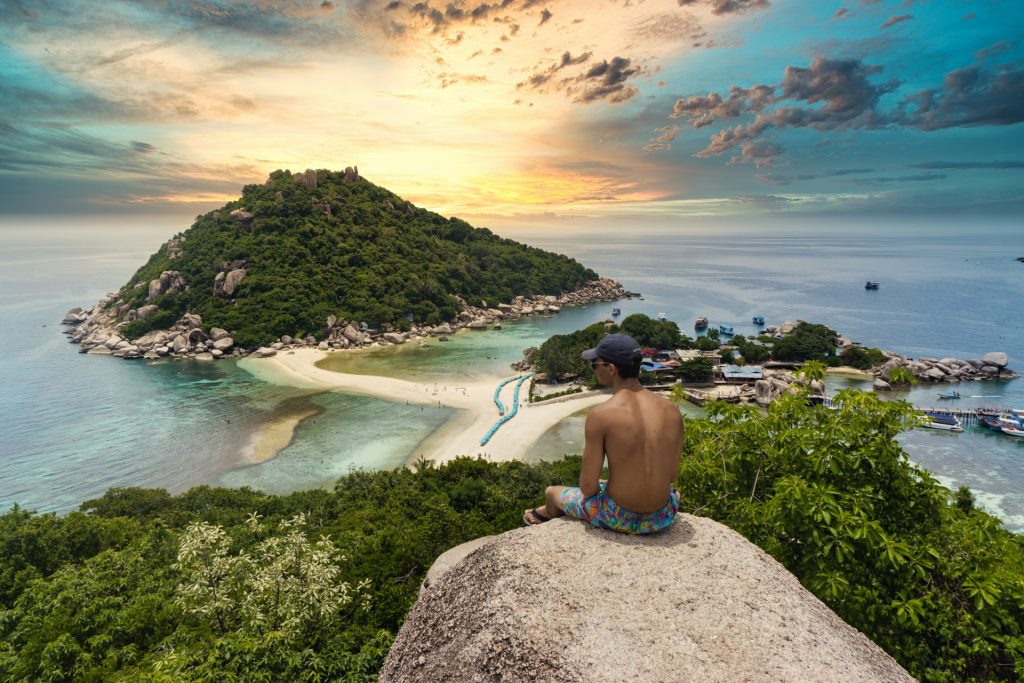
Thailand’s tropical climate can be brutal, especially from March to May. Travelers often pack too many activities into days without accounting for heat exhaustion.
The midday sun doesn’t just feel hot—it’s genuinely dangerous. Dehydration sneaks up fast. Locals plan their days around the heat, taking long lunch breaks indoors during peak temperatures. Visit temples and outdoor attractions early morning or late afternoon. The middle of the day? That’s for air-conditioned malls and naps.
Like Travel Pug’s content? Follow us on MSN.
Drinking Tap Water
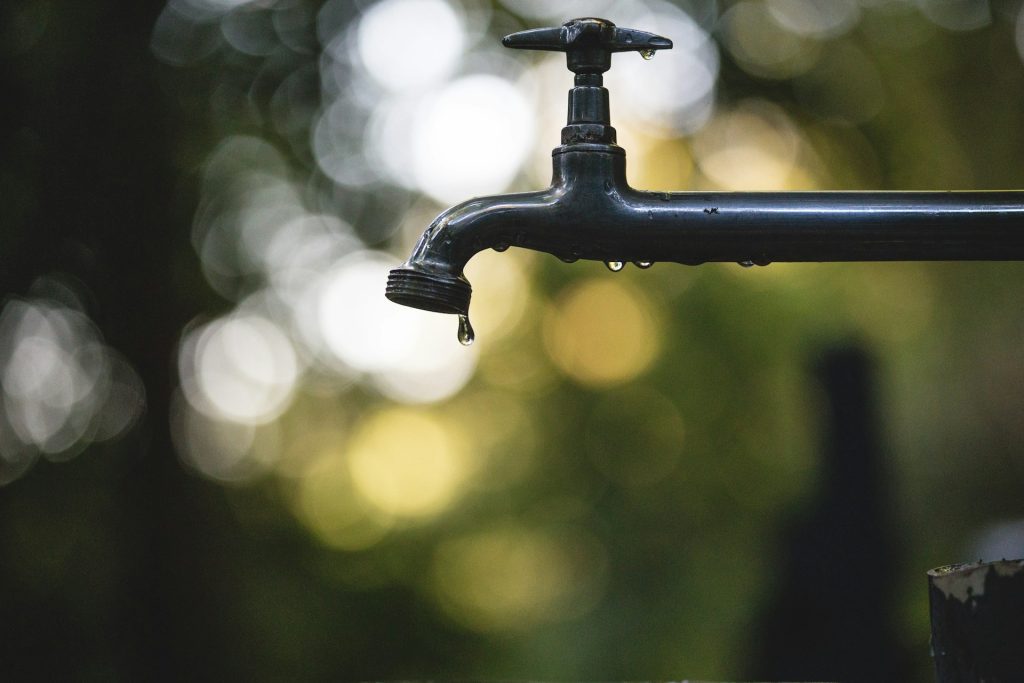
Don’t. Just don’t.
Tap water in Thailand isn’t potable, even in fancy hotels. Brushing teeth is usually fine, but drinking it invites stomach problems that can ruin several days of vacation.
Bottled water costs next to nothing everywhere. Ice in restaurants is generally safe since most establishments use filtered water, but street vendor ice can be riskier.
Riding Motorbikes Without Proper Insurance or Experience
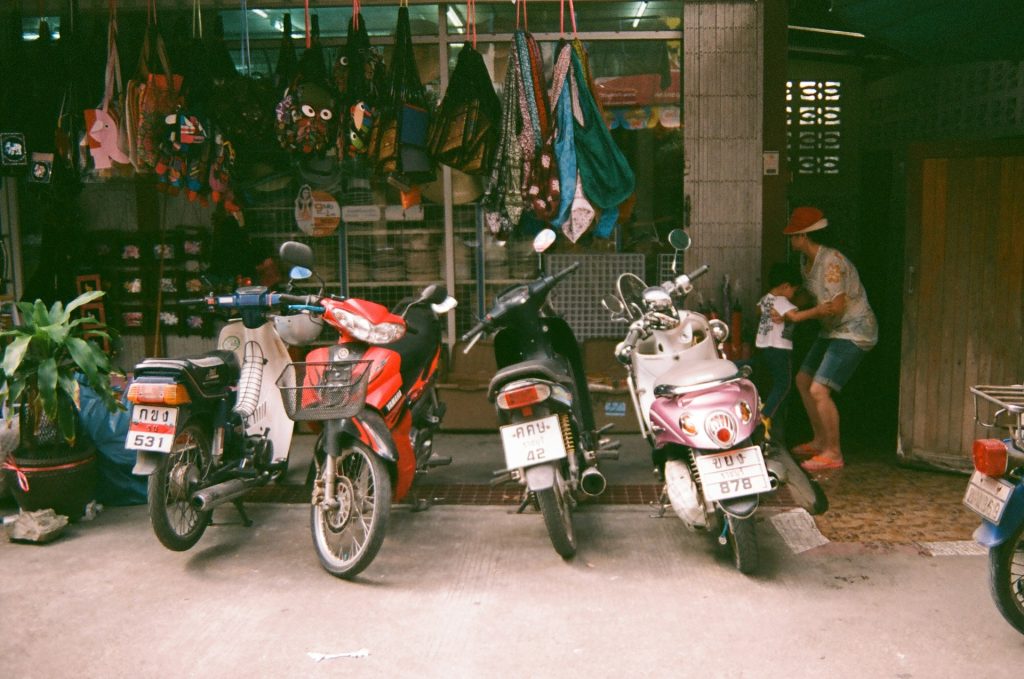
Motorbike accidents rank among the leading causes of tourist deaths and injuries in Thailand. The roads look manageable until suddenly they’re not.
Thai traffic follows different unwritten rules than Western countries. Drivers emerge from side streets without looking, and main roads often have unexpected obstacles.
Many rental shops don’t verify licenses or provide adequate insurance. A crash can mean massive hospital bills, bike repair costs, and even detention if another party is involved. And those scenic mountain roads near Chiang Mai? Beautiful but genuinely treacherous for inexperienced riders.
Ignoring Visa Requirements
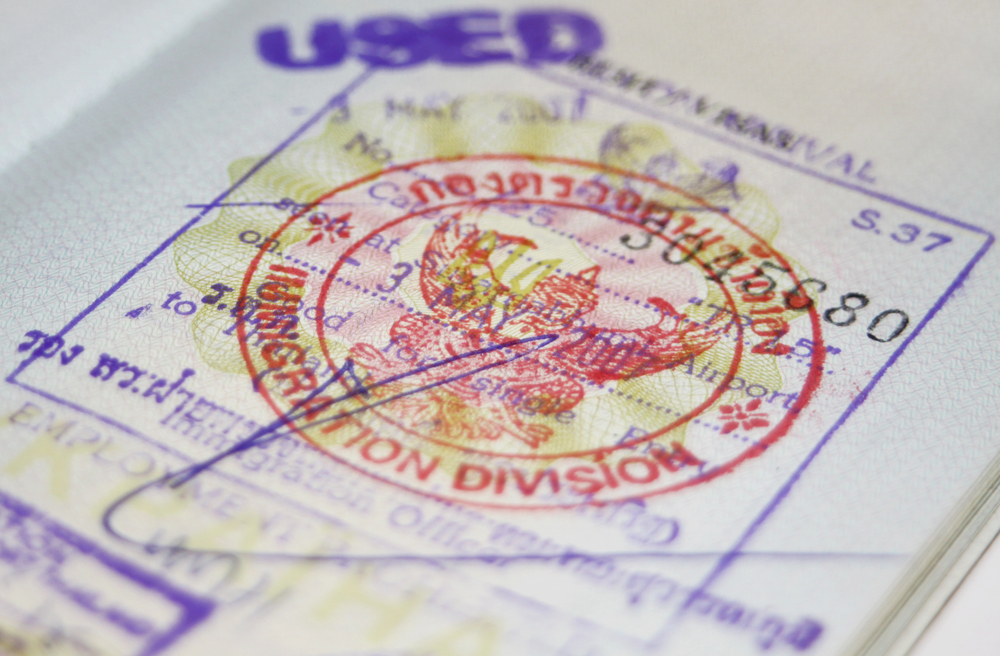
Nationality determines visa rules, and assuming you can just show up can create expensive problems at the airport. Some travelers qualify for visa-free entry, others need visas on arrival, and some must apply in advance.
Overstaying a visa, even by a day, means fines and potential future entry bans. Border runs used to be simpler, but regulations have tightened. Check requirements for your specific passport well before booking flights, not the night before departure.
Like Travel Pug’s content? Follow us on MSN.
Trusting Every “Closed Today” Story
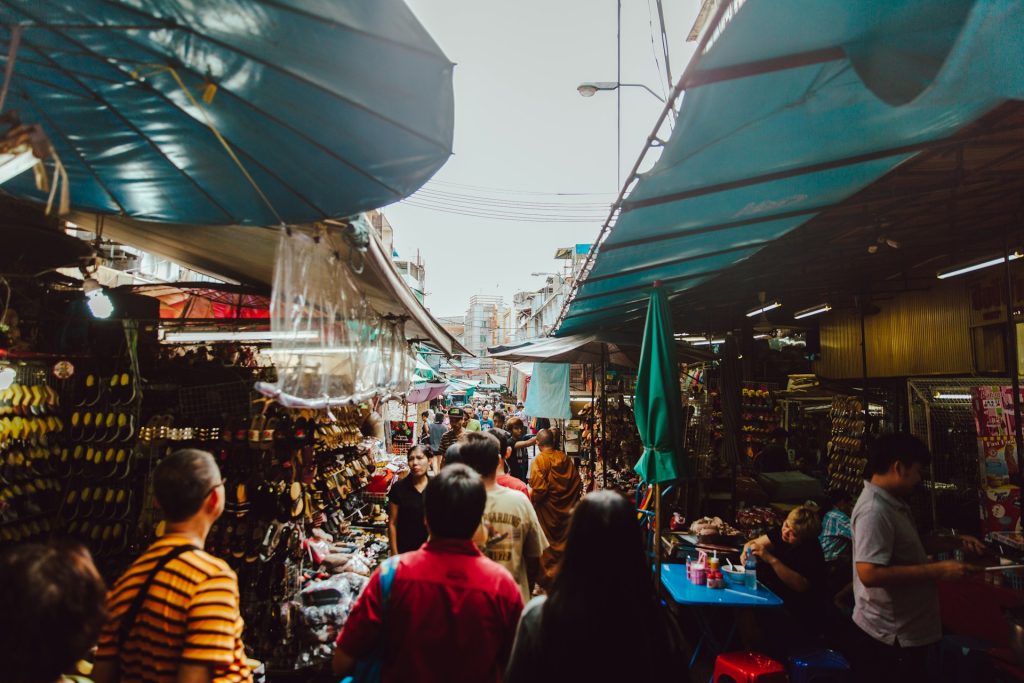
A common scam involves tuk-tuk drivers or friendly locals near major attractions claiming the place is closed for Buddhist holiday, cleaning, or whatever excuse sounds plausible that particular morning.These helpful strangers then offer alternative tours—which, surprise, end at commission-earning shops.
The Grand Palace, Wat Pho, and other major sites have regular hours posted online.
If someone says it’s closed, walk to the entrance anyway and check for yourself. Usually it’s open.
Exchanging Money at Airports or Hotels

Airport exchange booths and hotel currency services offer terrible rates. The convenience costs significantly more than walking to a proper exchange booth or ATM.
SuperRich (the orange and green ones are different companies, both legitimate) offers rates far better than airports. ATMs charge fees of 220 baht per transaction, so withdraw larger amounts less frequently.
Notify your bank about travel dates beforehand—nothing kills vacation vibes faster than frozen cards triggering fraud alerts.
Disrespecting Monks or Buddhist Customs

Women cannot touch monks or hand them objects directly. This isn’t personal—it’s religious observance that monks take seriously.
If a woman needs to give something to a monk, she places it on a cloth or hands it to a man to pass along. On public transport, the seats near the driver are often reserved for monks.
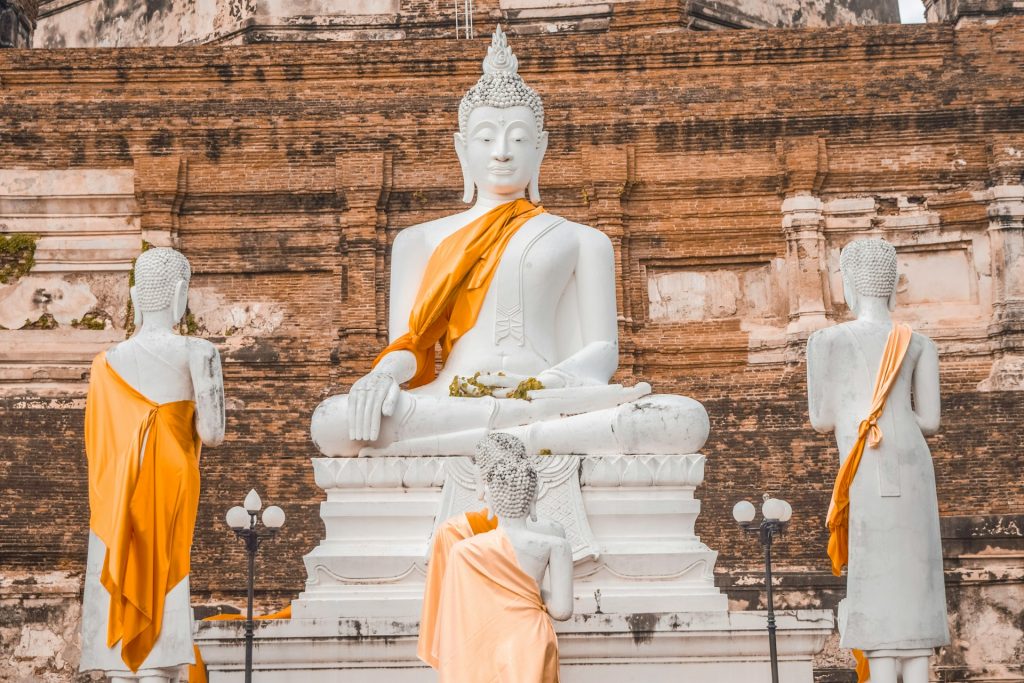
Buddha images aren’t decorative trinkets—treat them with reverence, never climb on them for photos, and don’t buy counterfeit antiques to bring home. Actually, don’t buy real antiques either since exporting them is illegal.
Like Travel Pug’s content? Follow us on MSN.
Falling for Gem Scams
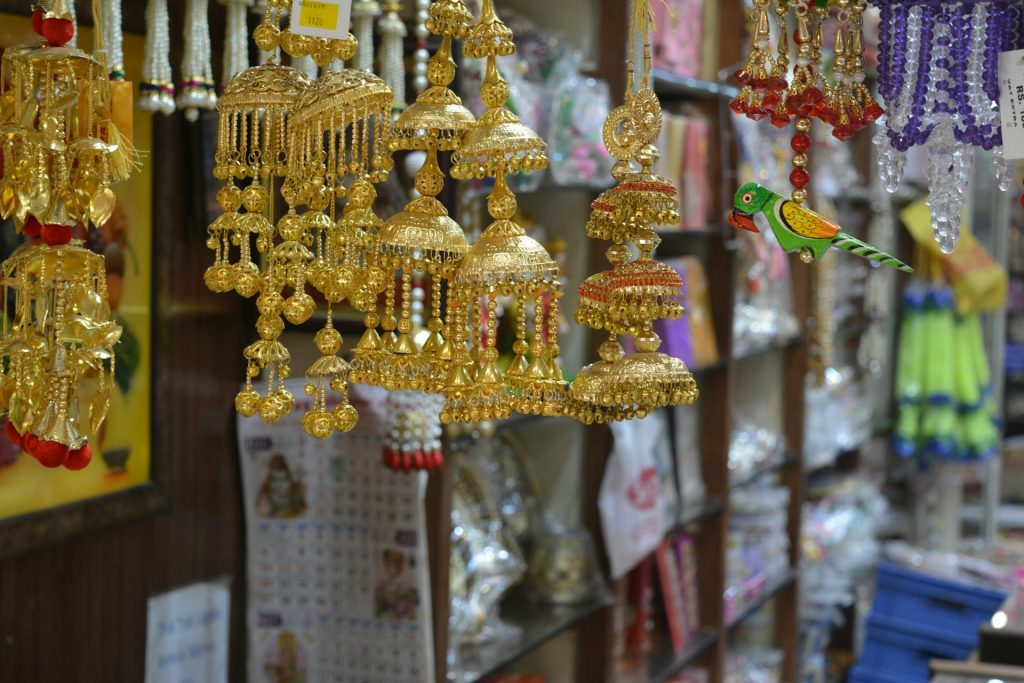
The “you can resell these gems back home for profit” pitch is one of Thailand’s oldest tourist traps. Still works, apparently.
Friendly strangers strike up conversations, mention they have a relative in the gem business, and paint pictures of easy money through reselling Thai gems. The gems are either low-quality, fake, or overpriced by absurd amounts.
Real gem dealers don’t approach random tourists on streets. If an offer sounds too good to be true in Thailand, it definitely is.
Not Learning Basic Thai Phrases

English works in tourist areas, but venture outside and communication becomes challenging. A few Thai words transform interactions.
“Sawadee ka/krap” (hello, women/men), “khop khun ka/krap” (thank you), and “mai phet” (not spicy) cover essential situations. Locals appreciate the effort even if pronunciation is terrible.
Sometimes the difference between tourist price and local price simply comes down to showing you’ve tried to learn their language. Plus ordering food becomes significantly easier when you can point and say “ao nee” (I want this).
Underestimating Travel Times
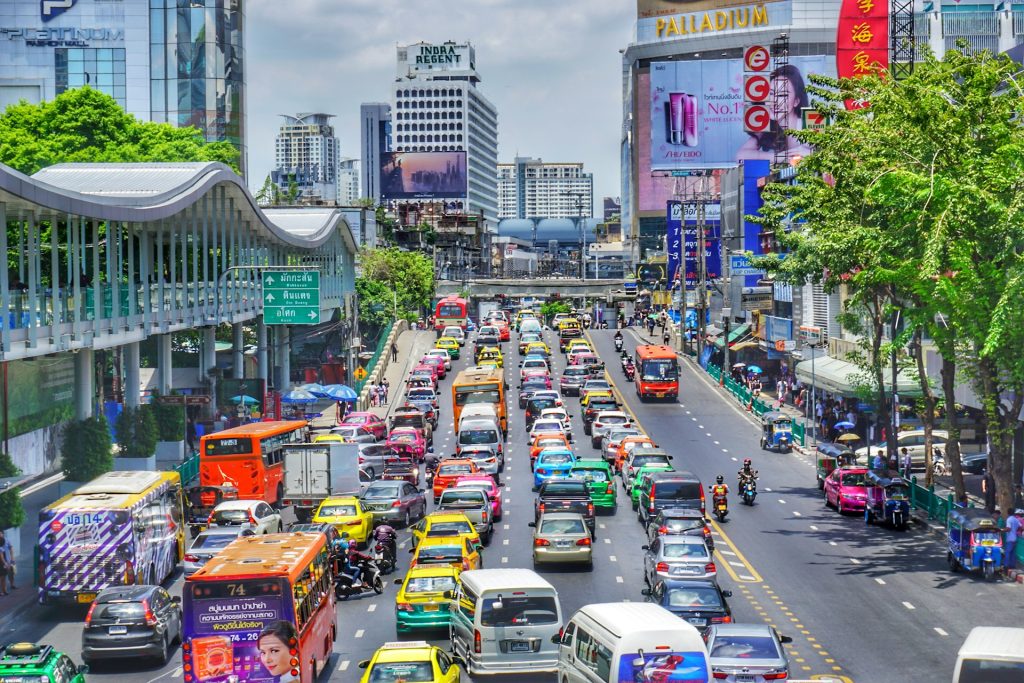
Bangkok traffic is legendary for good reason. What Google Maps estimates at 30 minutes can easily take two hours during rush periods.
Island-hopping takes longer than the boat ride alone—there’s getting to piers, waiting for boats to fill with passengers, and rough seas that slow everything down. Overnight buses sound economical until you realize they rarely deliver restful sleep, and the time saved costs you the next day’s energy.
Build buffer time into schedules, especially for catching flights or important connections. That 8 a.m. domestic flight from your beach hotel three hours away? You’re waking up at 3 a.m., minimum.
Like Travel Pug’s content? Follow us on MSN.
Booking Tours Without Research
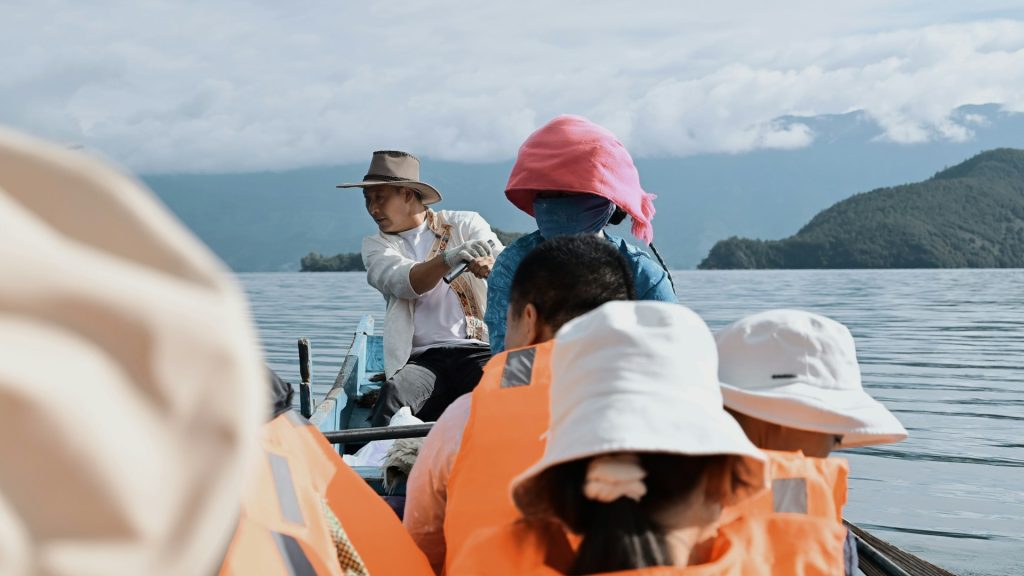
Not all tour operators maintain the same standards. Some excel, others cut corners dangerously, and a few are outright scams.
Elephant tourism remains controversial—many “sanctuaries” still use abusive training methods despite marketing themselves as ethical. Check recent reviews across multiple platforms, not just the glossy website photos.
The cheapest option usually cuts costs somewhere, whether that’s safety equipment, guide quality, or animal welfare. And those “private” tours that cost suspiciously little? You’ll probably join ten other “private” groups at the same time.
The Path Forward
Travelers who do their research are rewarded in Thailand. Potential catastrophes can be transformed into tales worth recounting for reasons other than suffering with a little cultural sensitivity, common sense regarding fraud, and respect for regional traditions.
The nation itself wants you to have a great time, but it requests that you not do it carelessly.
More from Travel Pug

- 20 Best Beach Towns in the Carolinas
- 13 Destinations Where Tourists Regularly Regret Their Trip
- 20 Things You Actually Get in First Class
- 20 Small Airports With Aviation Museums
- 20 Places in the U.S. That Are Perfect for a Reset Trip
Like Travel Pug’s content? Follow us on MSN.