

Tyrol’s villages seem plucked from fairy tales, where onion-domed churches pierce Alpine skies and painted facades tell centuries-old stories. Whether nestled in Austria’s dramatic valleys or scattered across Italy’s Dolomite peaks, these settlements have preserved their character while the world rushed past their ancient doorsteps.
Here’s a collection of the most enchanting villages across both North and South Tyrol, where cobblestone streets wind between mountains that have watched over human stories for millennia.
Castelrotto
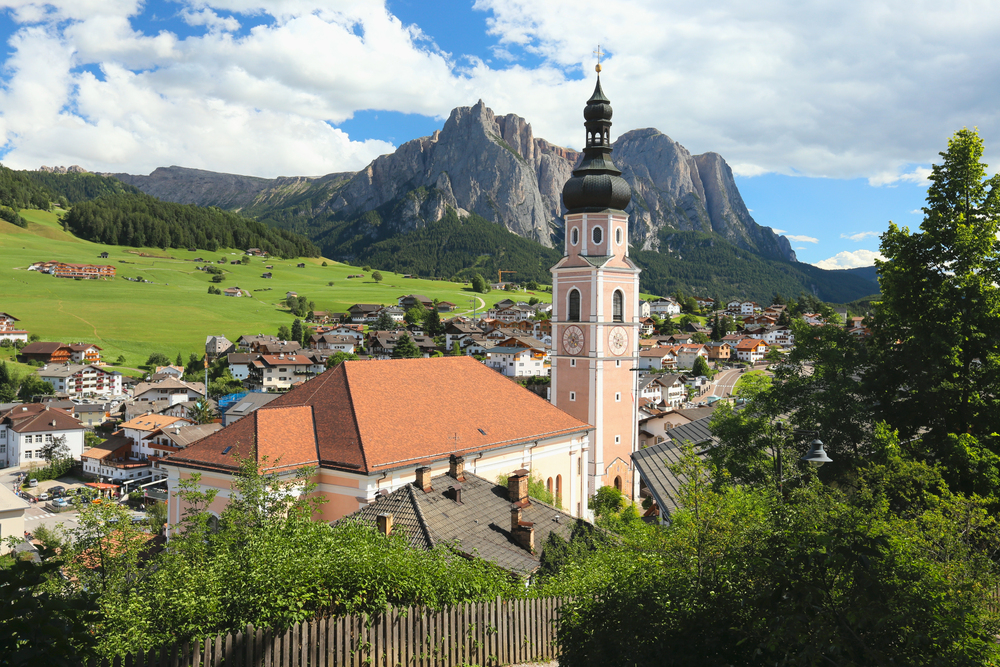
This South Tyrolean gem sits on the Siusi Alps, crowned by the magnificent bell tower of Saints Peter and Paul Church overlooking Schlern Nature Park. The medieval village center wraps around Kraus Square like a warm embrace.
The real showstoppers are the painted houses—private residences and historic buildings boasting richly frescoed facades, with Villa Felseck standing out as an art nouveau masterpiece depicting everyday life. Narrow pedestrian lanes beg exploration. Recognized as one of Italy’s most beautiful villages, it serves as the gateway to Europe’s highest alpine meadow.
Alpbach
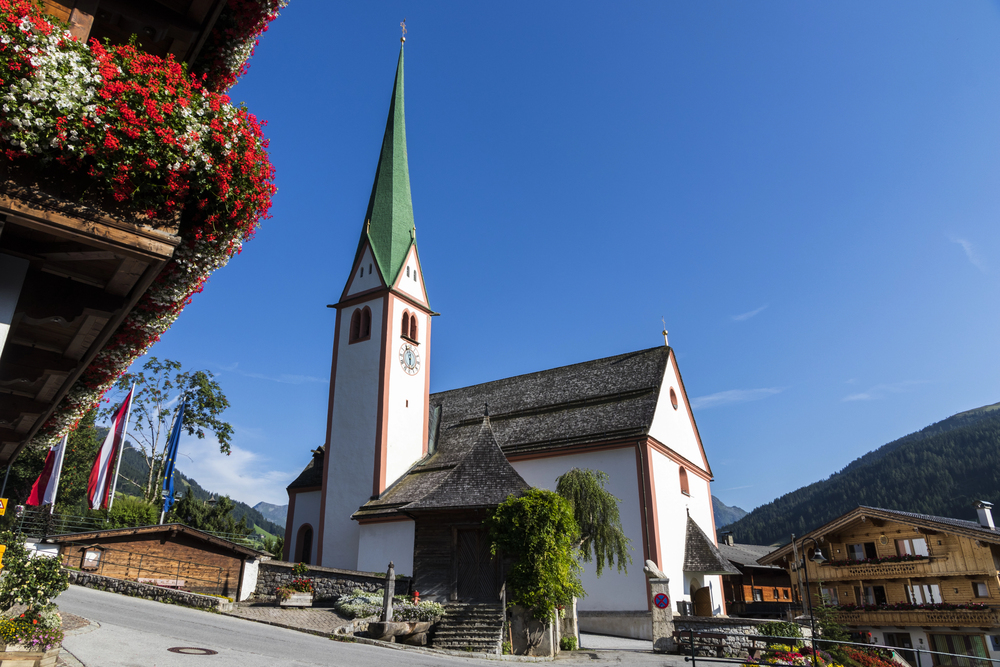
Award-winning for its beauty and known as Austria’s most beautiful village, Alpbach showcases a uniform architectural style that makes this mountain settlement a unique jewel. Every building follows traditional design rules. No modern interruptions.
The wooden chalets with their flower-draped balconies create a harmony that feels almost orchestrated by nature itself.
Ortisei
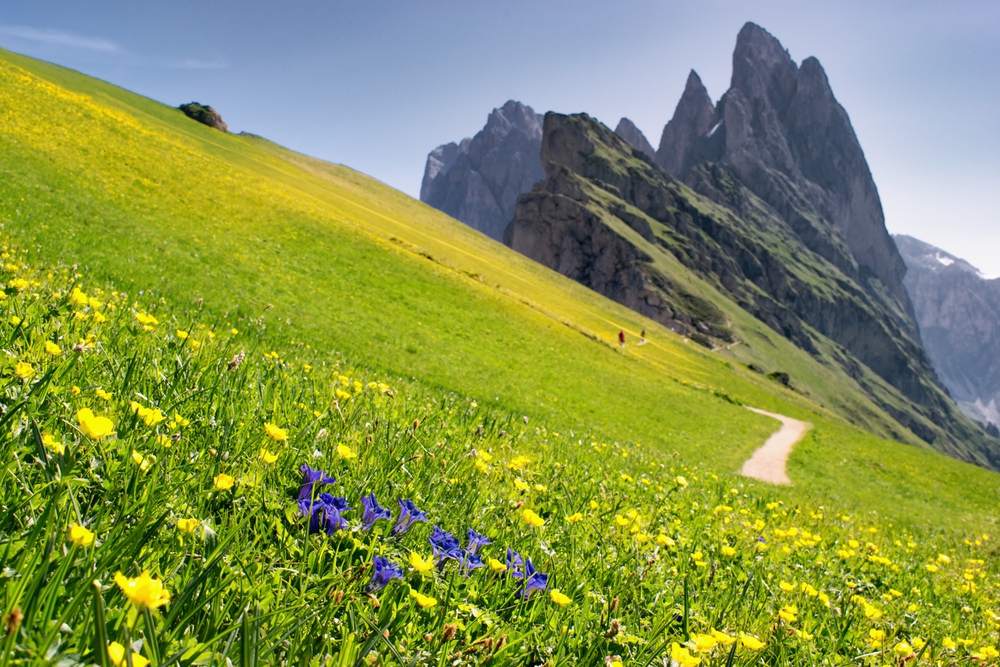
Characterized by traditional alpine chalet-style buildings adorned with colorful facades and wooden balconies, Ortisei makes for a pretty picture in the Val Gardena valley. Once you’ve visited, it is easy to see why Ortisei is one of the most popular towns in the Dolomites, boasting spectacular vistas created by surrounding mountains, including the impressive Seceda ridgeline.
The town sits at 1,236 meters above sea level. Summer brings hikers and bikers to impressive terrain, while winter transforms it into a skier’s paradise.
Vipiteno
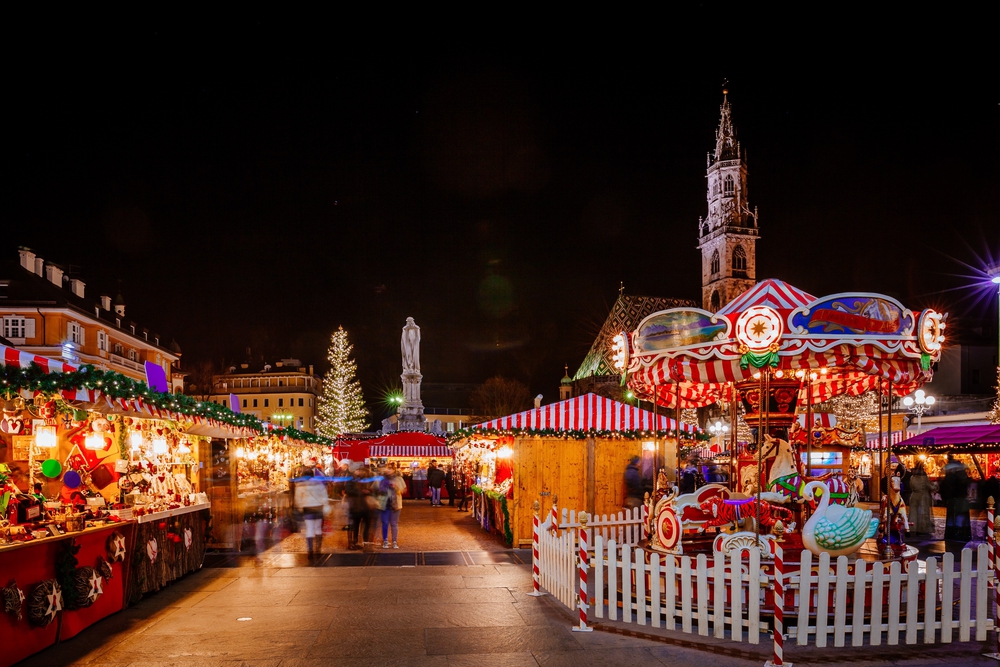
This charming town is home to some of the most intriguing architecture in all of Italy, including the ancient Zwölferturm bell tower, which stands 151 feet tall as the centerpiece. The medieval center lights up with a thousand lights at Christmas time and smells of soup during the Canaederli festival.
But it’s the imposing Castel Tasso that seems to have been brought to life right out of a fairytale. The castle perches dramatically above the valley, watching over centuries of Alpine history.
Galtür
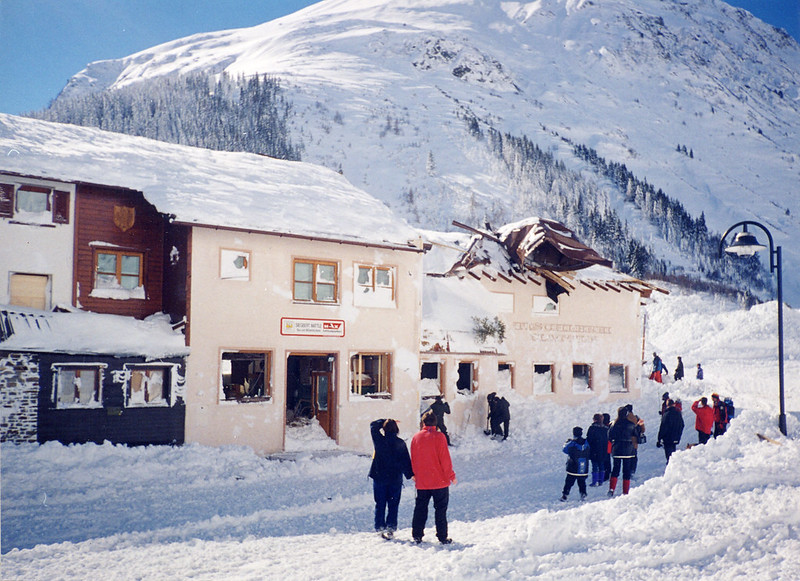
Located in a crevice of the Paznauntal Valley, Albert Einstein and physicist Erwin Schrödinger spent time in this serene and peaceful Tyrolean village. Known as the quieter cousin of nearby Ischgl, this is where peace seekers find their sanctuary.
The epic mountains of the valley create a natural amphitheater around the village. Here, silence feels alive—filled with mountain whispers and the distant tinkle of cowbells.
Seefeld
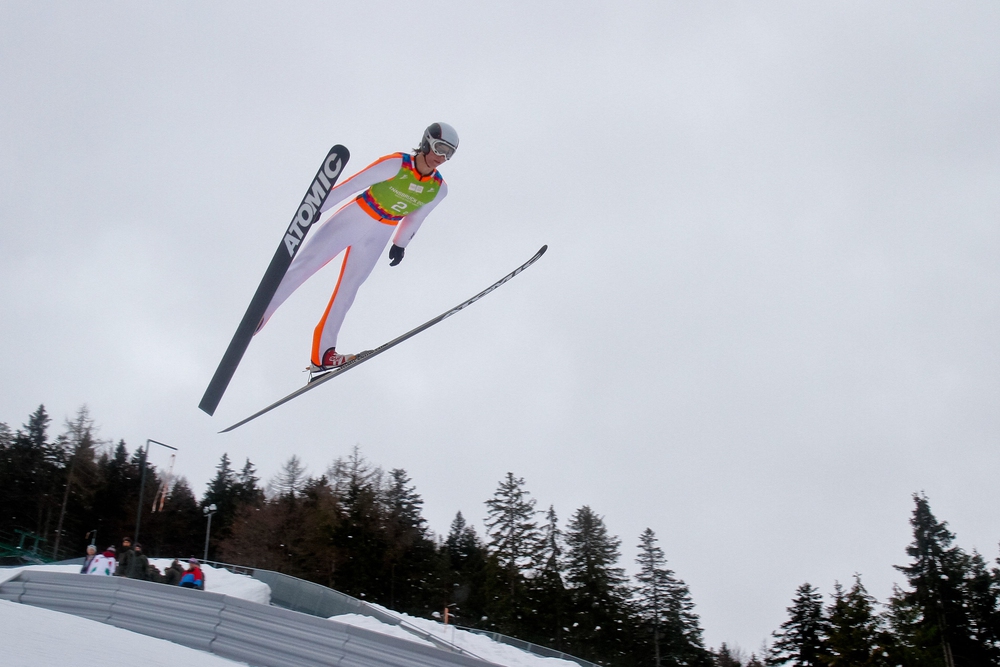
— Photo by hkratky
Seefeld in Tirol is a mountain village on a high plateau north of Innsbruck, part of the Olympiaregion Seefeld that has hosted Winter Olympic events on two occasions. The village sits on the edge of Naturpark Karwendel, one of the eastern Alps’ biggest nature reserves.
Cross-country skiing trails link five villages on the plateau. Summer months attract hikers and mountain bikers to woods and meadows, plus tougher alpine routes for the ambitious.
Glorenza
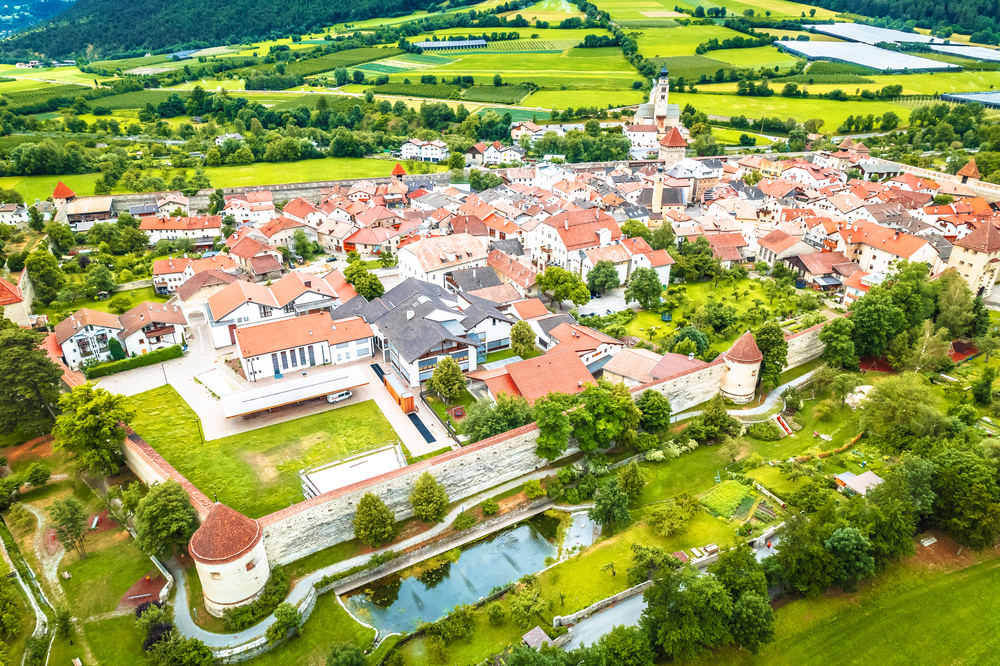
Glorenza offers unique artistic architecture and serves as a prime example of what must have been an authentic medieval citadel, with village walls and towers still intact. Despite being the smallest village in South Tyrol with only 900 souls, Glorenza is one of Italy’s most beautiful villages.
The Sluderno tower tells stories of the village’s commercial past. Beyond the walls sits an interesting sculpture worth photographing—a modern touch against ancient stones.
Pertisau
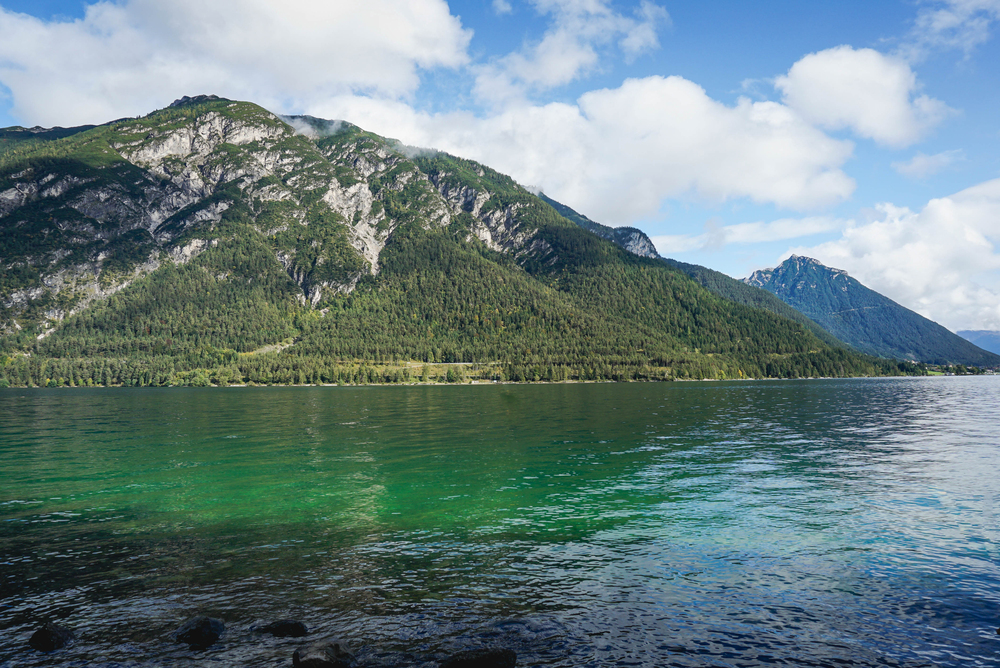
Pertisau is located on the banks of gorgeous Lake Achensee and at the foot of the epic Karwendel Mountains, rumoured to have been the favourite village of Austrian monarch Emperor Maximilian I. The emperor took frequent holidays here. Smart choice.
Crystal-clear lake waters reflect towering peaks, creating a mirror world where mountains seem to dive deep into liquid sky.
Bressanone
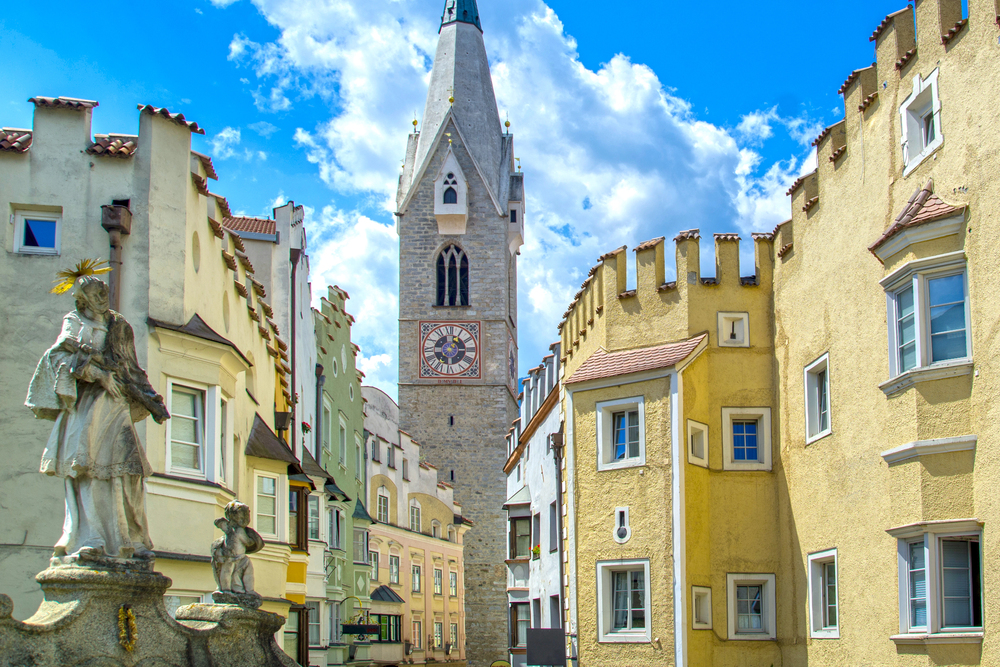
The oldest town in Tyrol, Bressanone is a quintessential alpine town renowned for its scenic beauty, narrow streets and beautiful arcades. The Chiostro di Bressanone stands as the town’s most famous cultural monument.
The town has been influenced by various cultures over centuries, including Romans, Bavarians and Austrians, creating a striking medieval city center with cobblestoned streets. Christmas markets here rank among the region’s most festive.
Kitzbühel
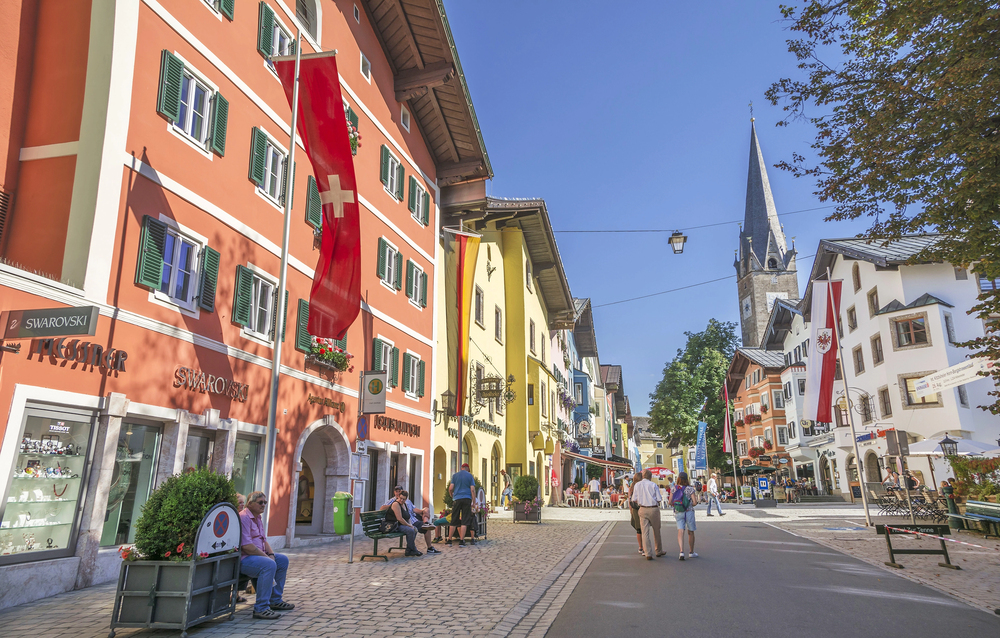
— Photo by ELEPHOTOS
This exclusive village overflows with four and five-star hotels, beckoning luxury seekers to the Austrian Alps. Winter brings skiers to legendary slopes, while summer attracts hikers to pristine trails.
The Hahnenkamm downhill race makes international headlines each January. But beyond the glamour, traditional mountain culture thrives in cozy stubes where locals gather over schnapps and stories.
Rattenberg
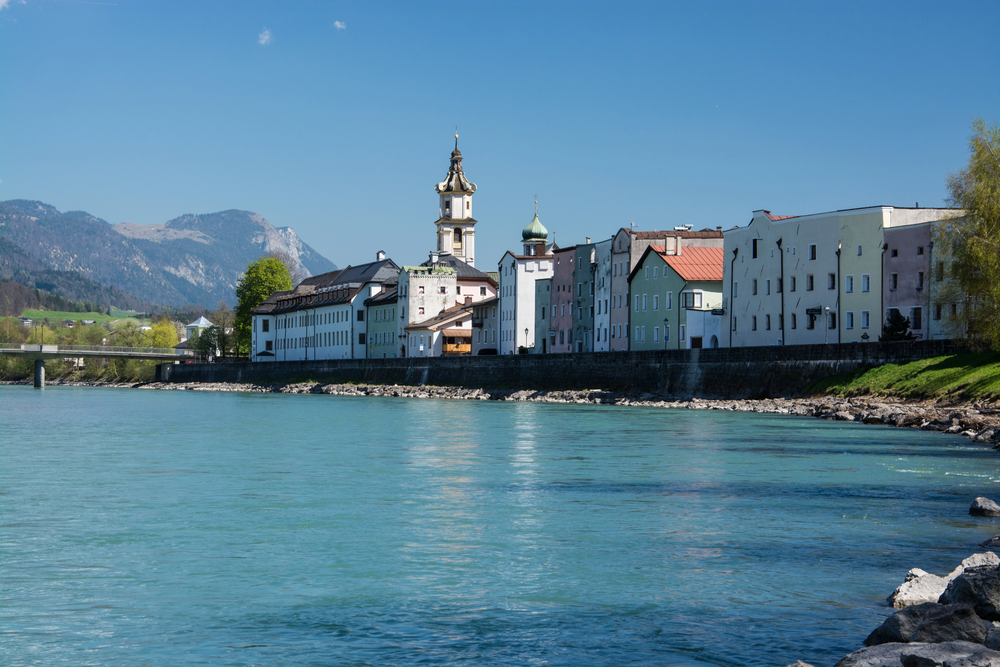
Known as Austria’s smallest town, Rattenberg delights with special cultural treasures and medieval glass art traditions. The historic settlement clings to hillsides above the Inn River.
Glass-blowing workshops line narrow streets where artisans continue centuries-old crafts. Sunlight through colored glass creates rainbow patterns on ancient walls—a daily light show that costs nothing but attention.
Mayrhofen
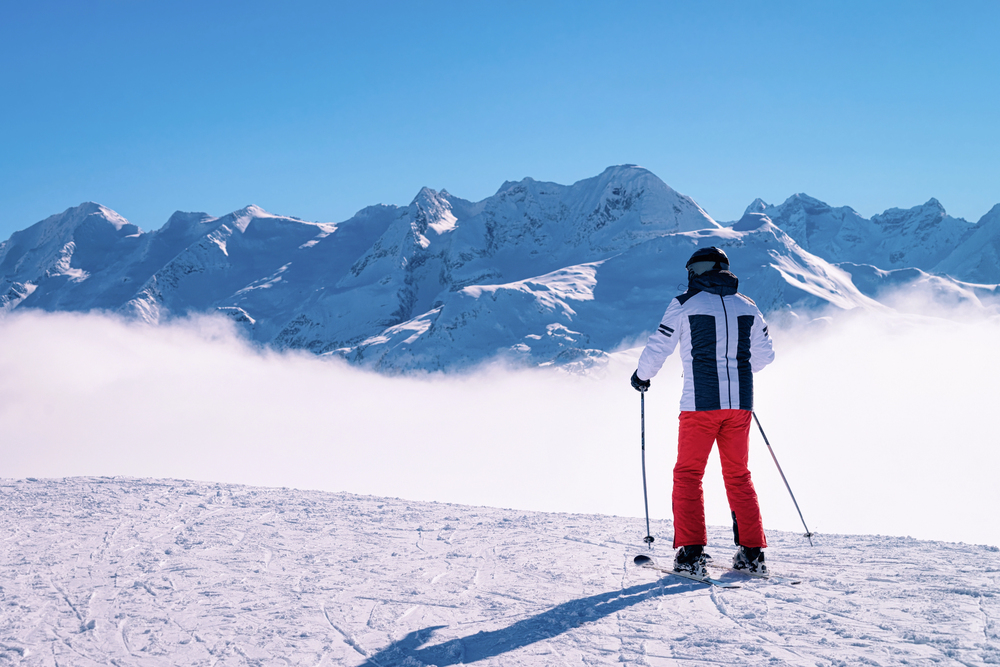
Located in the Zillertal (Ziller Valley), Mayrhofen is a delightful place year round, with abundant ski lifts giving opportunities to take a lift up from the valley and hike onward. The resort has made modern skiing history.
Traditional wooden architecture mixes with cutting-edge lift technology. Mountain restaurants serve hearty fare with panoramic views that make every meal memorable.
Chiusa
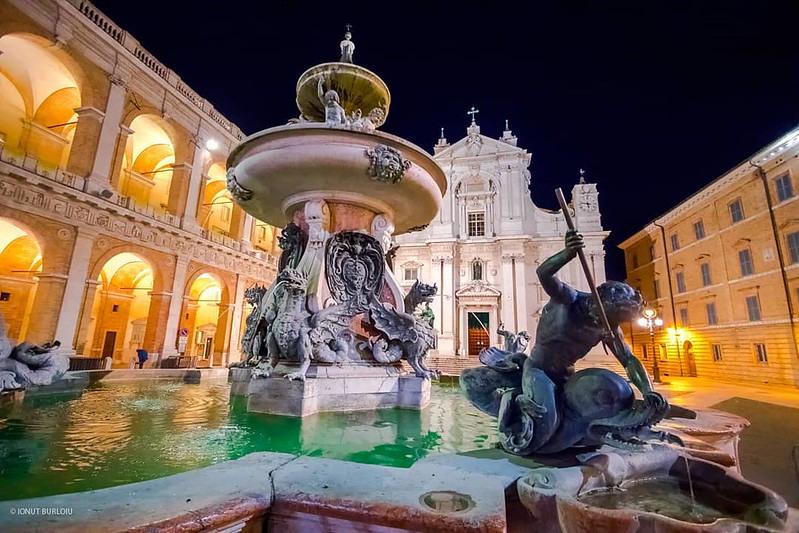
Also known as Dürer, Chiusa is famous for having hosted and inspired Albrecht Dürer, with “the stone” near Tschan Mountain remaining from his time there. History enthusiasts shouldn’t miss the Municipal Museum and its main work, the Loreto Treasure from the 16th and 17th centuries, plus the Loreto Chapel.
Narrow alleys wind between medieval buildings where every corner reveals architectural surprises.
Corvara
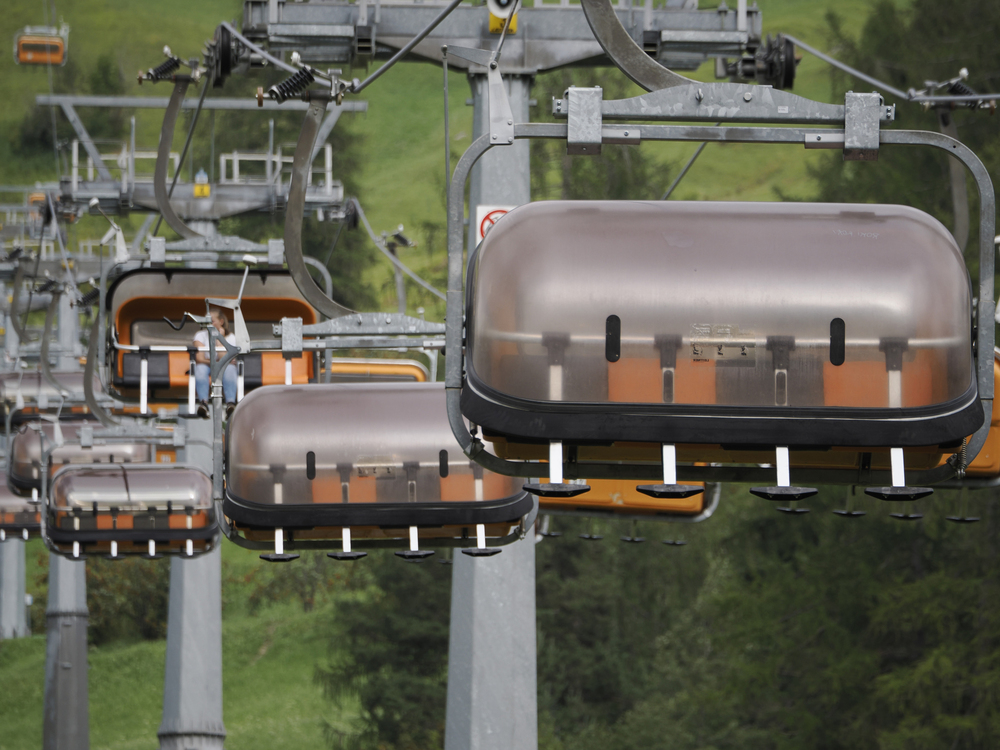
Nestled in the Dolomites mountains, the delightful village of Corvara in Badia is popular among visitors interested in outdoor activities as part of the Dolomiti Superski area, one of the largest ski areas in the world. Jagged peaks surround this high-altitude haven.
Traditional Ladin culture survives here, where an ancient language echoes through mountain valleys and local festivals celebrate heritage that predates modern borders.
Hall in Tirol
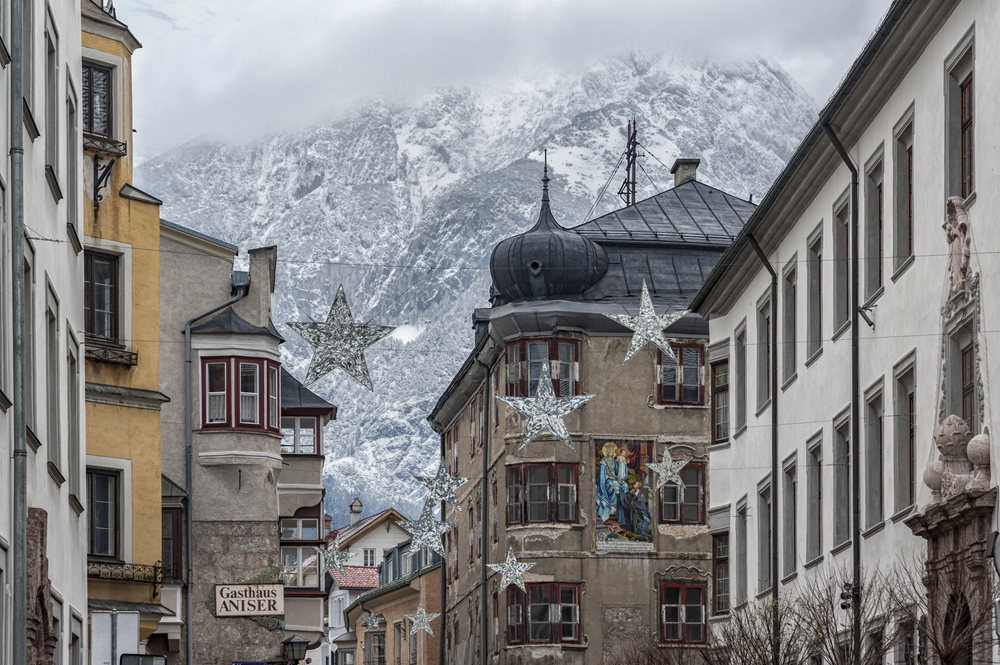
— Photo by laly569
This medieval town preserves Austria’s rich mining history within remarkably intact walls. Salt once brought prosperity, evident in elaborate merchant houses and the old mint where silver coins were struck.
The Altstadt’s arcaded courtyards hide cafés where time moves at Alpine pace. Curiously, the town’s museum displays vintage typewriters alongside medieval artifacts.
Egna
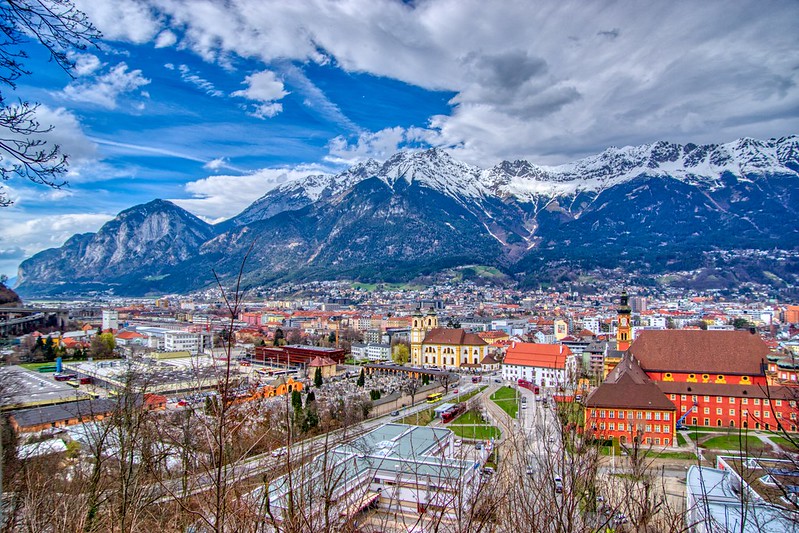
Egna is a small village with a timeless atmosphere, strategically located for nature lovers who want to reconnect with mountains after relaxing city breaks. The historic center is quintessentially South Tyrolean, rich in history and stories told in portico shade while gazing at mountain peaks.
From here, Monte Corno Nature Park beckons with mountain pastures and cycling routes. The village serves as a perfect launchpad for Alpine adventures.
San Candido
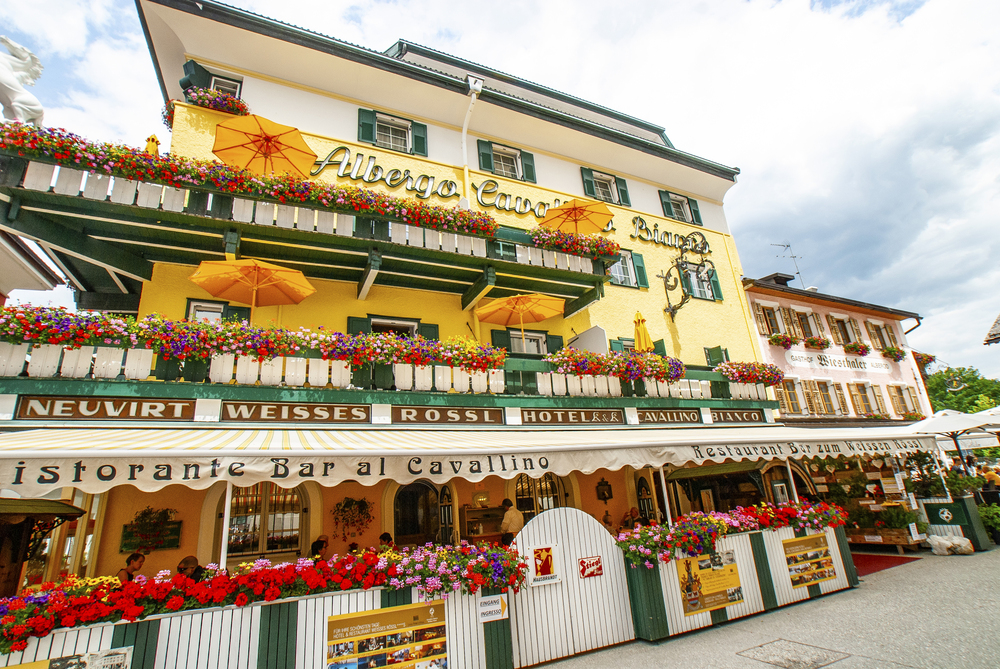
— Photo by angelocalvino
This border town bridges cultures where Italian warmth meets Germanic precision. Traditional alpine architecture creates picture-perfect scenes against Dolomite backdrops.
The 12th-century collegiate church dominates the town center with its distinctive twin towers. Market days bring together farmers from surrounding valleys, their stalls overflowing with mountain cheeses and apples.
Kramsach
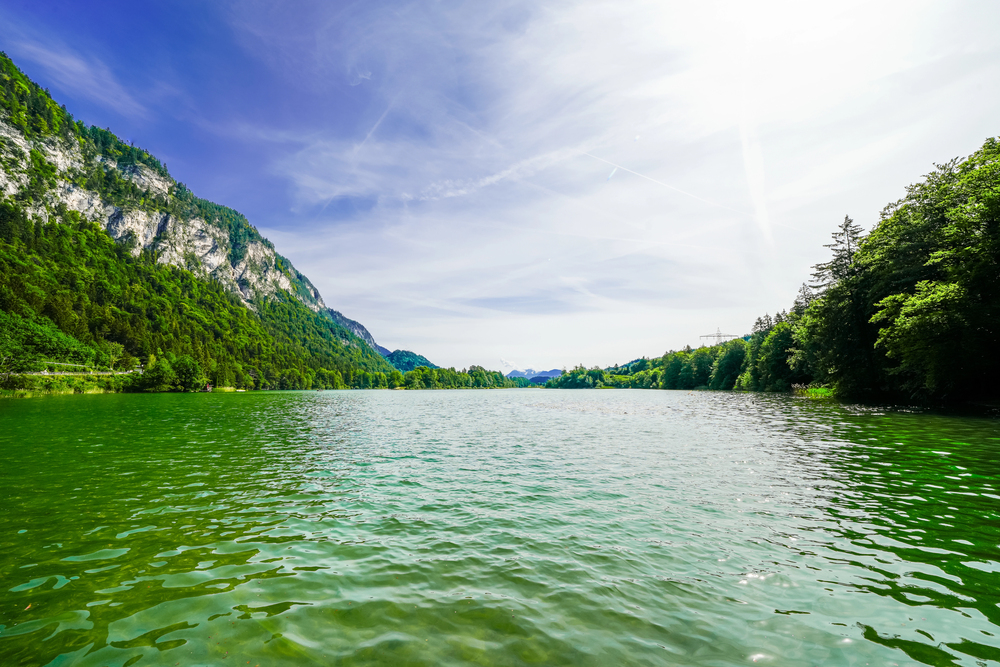
Kramsach is home to Tyrol’s most visited museum as well as Tyrol’s largest open-air museum. The village combines:
- Traditional farmhouses preserved as living history
- Glass-making workshops continuing age-old crafts
- Lake landscapes rich in water activities
- Red marble quarries that built Alpine palaces
Museum exhibitions showcase how mountain people lived, worked, and celebrated across centuries. It’s living history you can touch.
Where stories live in stone
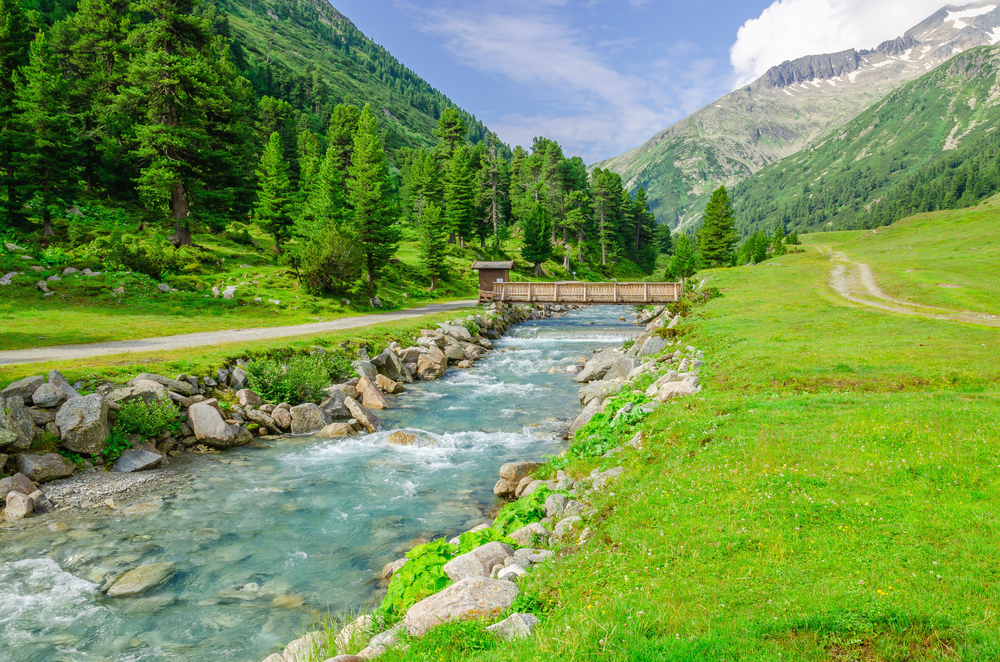
These eighteen villages prove that beauty isn’t about size or fame—it’s about authenticity preserved against mountain backdrops. Each settlement contains traditions woven with “moon threads” for the love of princesses, mixing myths, nature, and heritage. Whether seeking Alpine adventures or simply wanting to slow down where time moves to cowbell rhythms, Tyrol’s villages offer escapes that feel both timeless and urgently necessary.
More from Travel Pug

- 20 Best Beach Towns in the Carolinas
- 13 Destinations Where Tourists Regularly Regret Their Trip
- 20 Things You Actually Get in First Class
- 20 Small Airports With Aviation Museums
- 20 Places in the U.S. That Are Perfect for a Reset Trip
Like Travel Pug’s content? Follow us on MSN.