

The U.S. art scene offers two distinct ways to experience creativity, but many people treat museums and galleries as interchangeable destinations. They’re not.
Each serves a unique purpose in the art world, from how they’re funded to what you can actually do with the art you see. Understanding these differences helps you choose the right place for what you’re after, whether that’s a quiet afternoon absorbing history or hunting for a piece to hang in your living room.
Here is a list of 20 key differences between museums and galleries across the United States.
Purpose And Mission
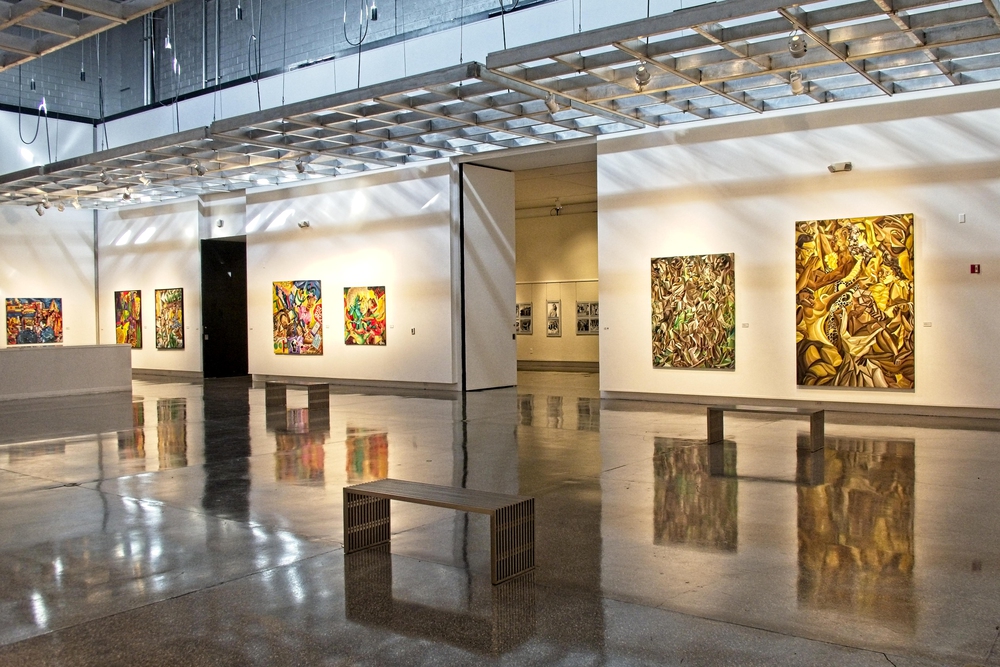
Museums exist primarily to educate the public and preserve cultural heritage for future generations. Their mission centers on making art accessible to everyone, regardless of whether you’re an expert or just curious.
Galleries, on the other hand, operate with a commercial focus—they’re in the business of connecting artists with buyers. While you can certainly browse a gallery without purchasing anything, the artwork on display is fundamentally there to be sold, not just admired.
Ownership Structure
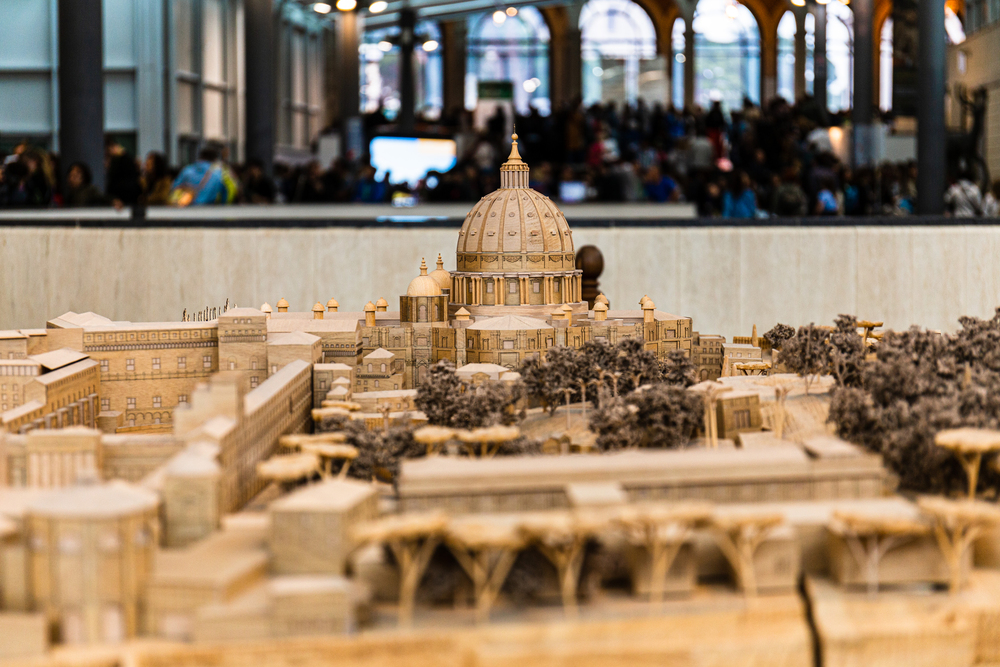
Most U.S. museums operate as public institutions owned by local governments, universities, or nonprofit organizations with boards of directors overseeing operations. The Metropolitan Museum of Art in New York and the Smithsonian Institution in Washington D.C. exemplify this model.
Galleries typically belong to private individuals or small groups who fund and manage everything themselves. This means a gallery owner personally bears the financial risk and makes all curatorial decisions, while museum leadership rotates and answers to broader institutional mandates.
Funding Sources
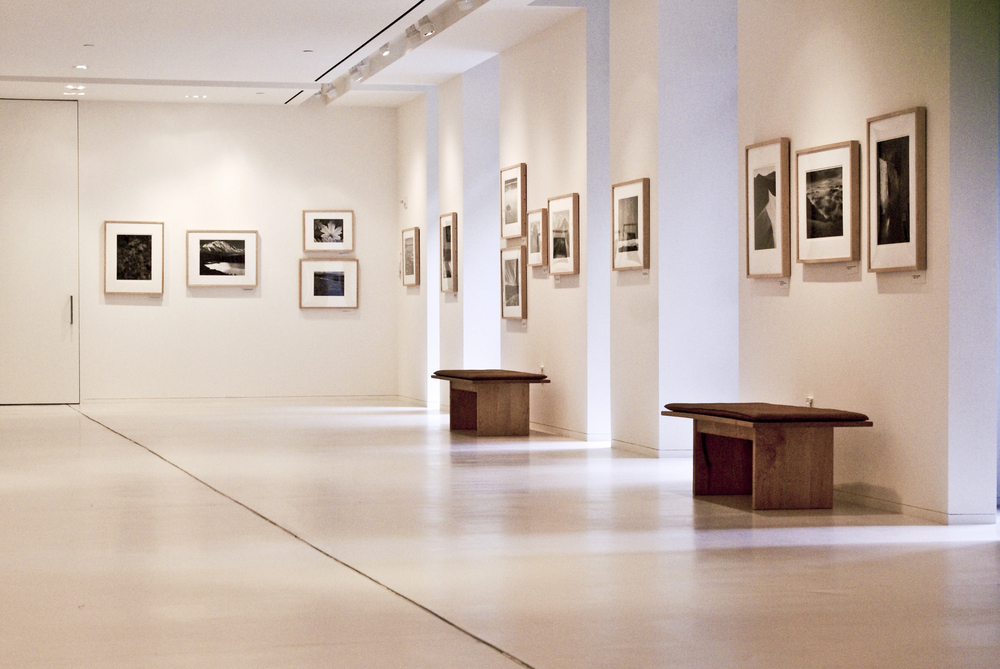
Museums rely on a mix of government grants, private donations, corporate sponsorships, membership fees, and modest admission charges to keep their doors open. Many offer free or pay-what-you-wish days because public funding helps cover operating costs.
Galleries generate revenue almost entirely from art sales, taking a commission when pieces sell. Without sales, a gallery can’t survive, which fundamentally shapes what they choose to display and how they interact with visitors.
Collection Permanence
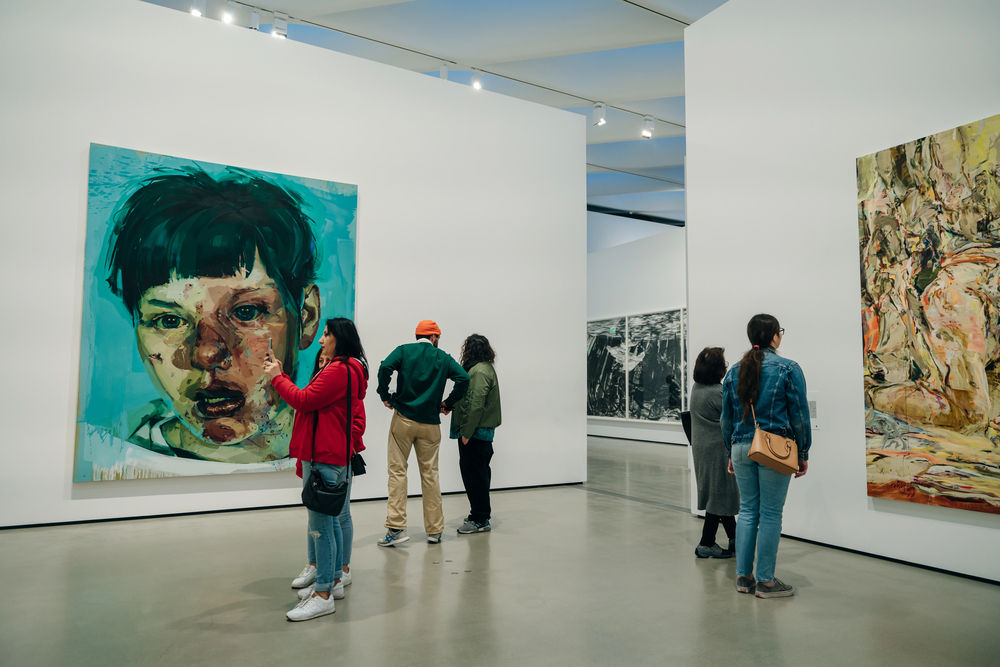
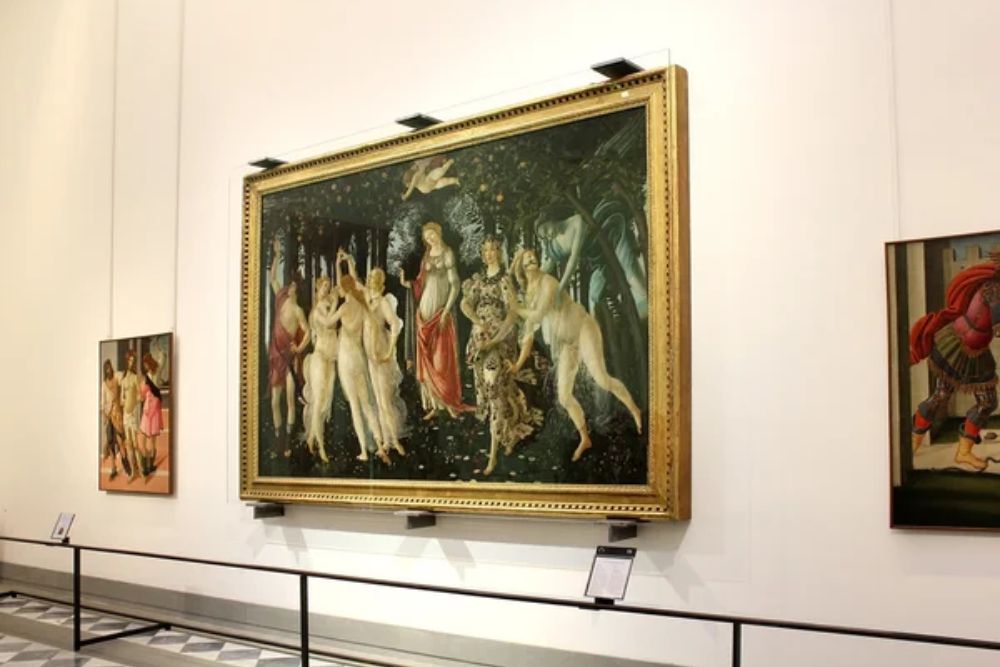
When you visit the Art Institute of Chicago or the Philadelphia Museum of Art, you’ll find core collections that have been there for decades and will remain for decades more. Museums build permanent collections through purchases, donations, and bequests, displaying the same iconic works year after year.
Galleries constantly rotate their exhibitions, sometimes changing every few weeks or months. They rarely maintain a permanent collection because their inventory needs to move to generate income.
Sales Practices
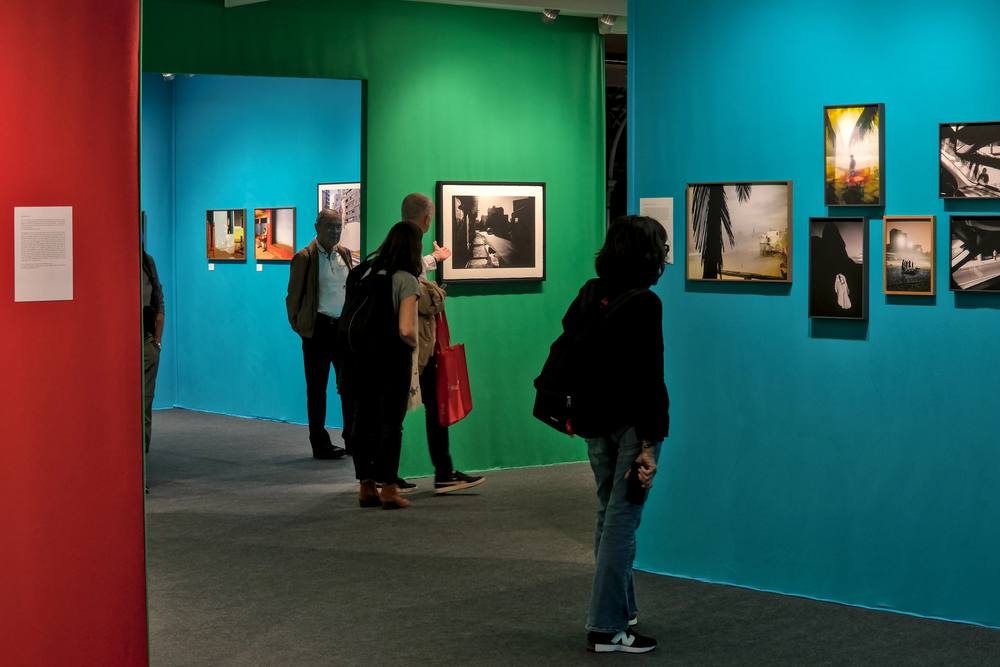
Artwork in museums isn’t for sale. These institutions preserve and protect their collections, only occasionally deaccessioning pieces through formal processes overseen by professional ethics boards.
In a gallery, every piece has a price tag, even if it’s not immediately visible. You can walk into galleries like 111 Minna Gallery in San Francisco or Jackson Junge Gallery in Chicago and purchase what you see, making galleries the primary marketplace for acquiring original art.
Historical Scope
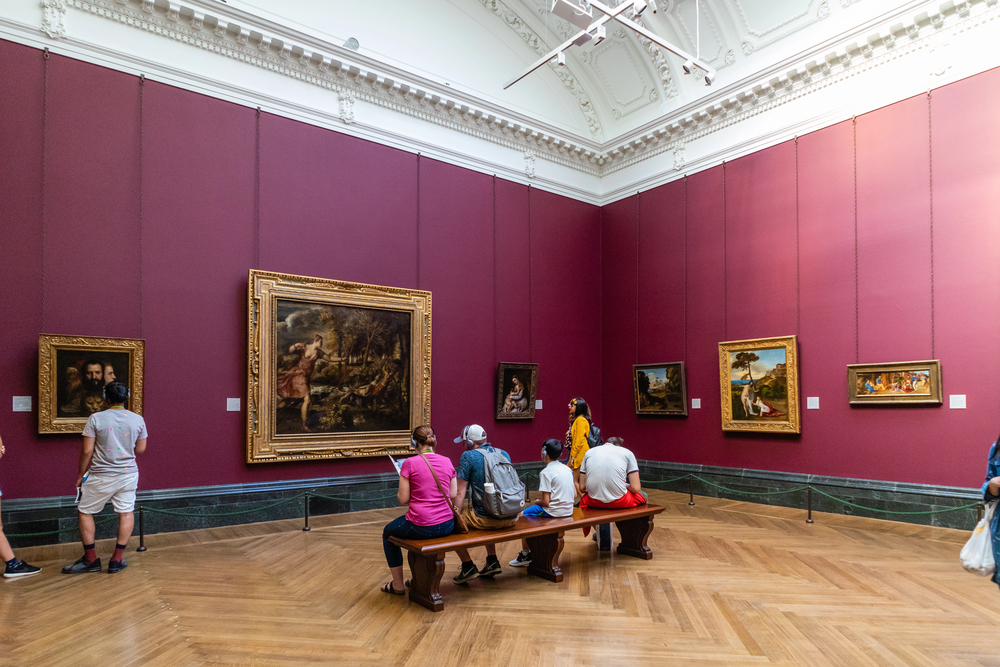
Museums often span multiple time periods and artistic movements, organizing their collections chronologically or thematically to tell comprehensive stories about art history. The National Gallery of Art in Washington D.C. covers everything from Renaissance masterworks to contemporary installations.
Galleries typically focus on living artists and contemporary work, concentrating on current movements rather than historical retrospectives. This makes galleries the first stop for discovering what’s happening in art right now.
Size And Scale

U.S. museums tend to be massive operations. The Metropolitan Museum of Art spans over 2 million square feet with more than 200 galleries.
The Art Institute of Chicago covers 280,000 square feet of exhibition space. Galleries range from intimate single-room spaces to substantial facilities like Exposures International Gallery in Sedona, which occupies 20,000 square feet, but even the largest galleries are typically smaller than major museums.
Admission Policies
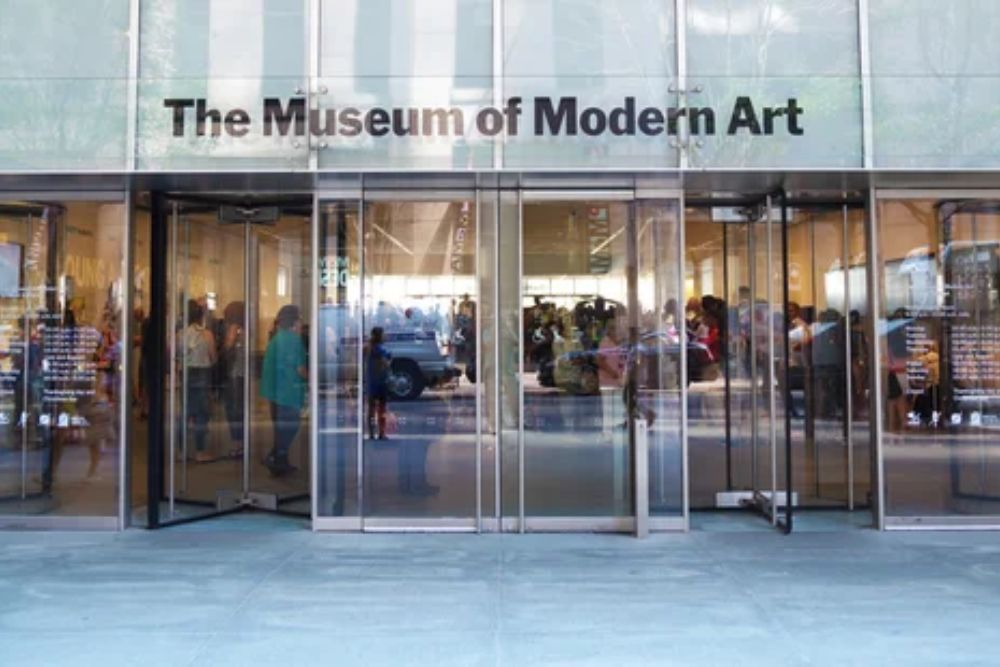
Many major U.S. museums charge admission fees, though institutions like the Smithsonian museums remain free to the public. The Museum of Modern Art in New York charges around $30 for adults, while the Philadelphia Museum of Art costs roughly $27.
Most galleries don’t charge admission at all since they want potential buyers browsing freely. Some high-end galleries may require appointments, but the majority welcome walk-in visitors without any entrance fee.
Educational Programming
Museums invest heavily in education through guided tours, lecture series, workshops, and school programs. The American Museum of Natural History in New York and the Museum of Science, Boston, offer extensive programs for students and families.
Galleries provide education too, but it’s usually more informal—conversations with gallery owners, artist talks during openings, and printed materials about featured artists. The educational approach in galleries tends to be more intimate and sales-oriented rather than academically structured.
Artist Career Trajectory
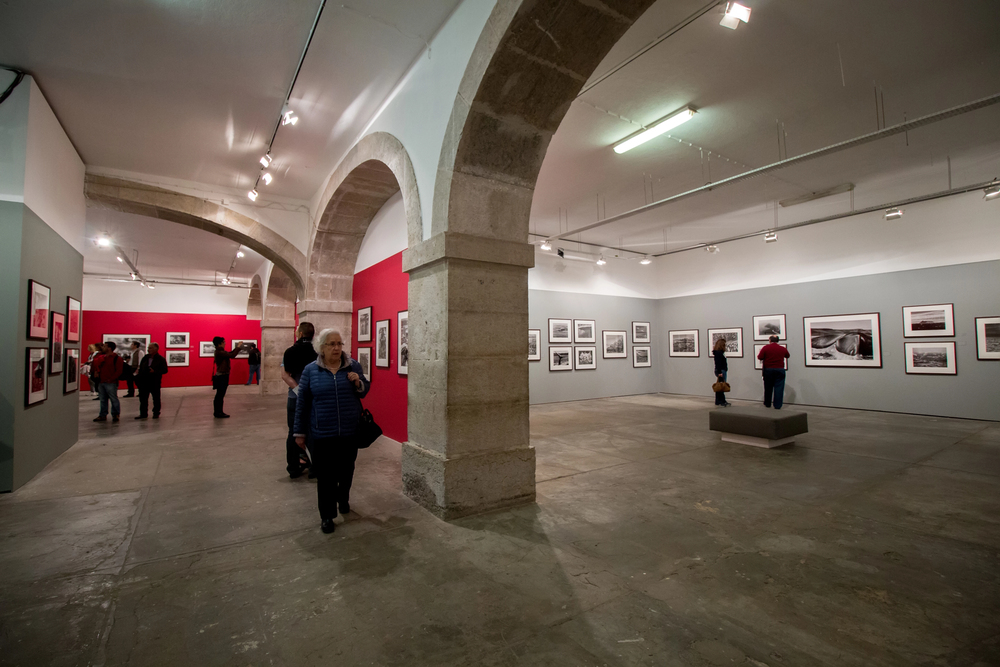
For emerging artists, getting work into a gallery represents a crucial first step toward recognition. Galleries actively promote artists, build their reputations, and help them develop markets for their work.
A museum exhibition comes later in an artist’s career and signals they’ve achieved significant recognition in the art world. Landing work in institutions like MoMA or the Whitney Museum essentially validates an artist’s historical importance.
Geographic Distribution
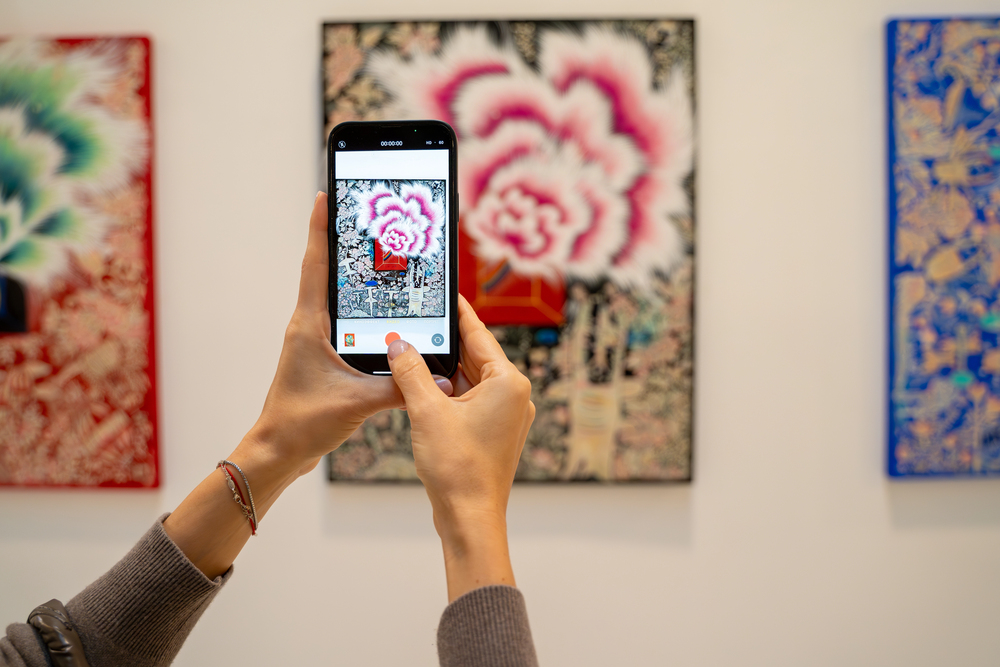
Major museums concentrate in metropolitan areas—New York, Los Angeles, Chicago, Washington D.C., and San Francisco dominate the museum landscape. Smaller cities might have one or two notable museums at most.
Galleries spread much more widely across the country, from major cities down to small towns. You’ll find quality galleries in places like Sedona, Arizona, Boise, Idaho, and countless mid-sized cities where major museums don’t exist.
Conservation And Preservation
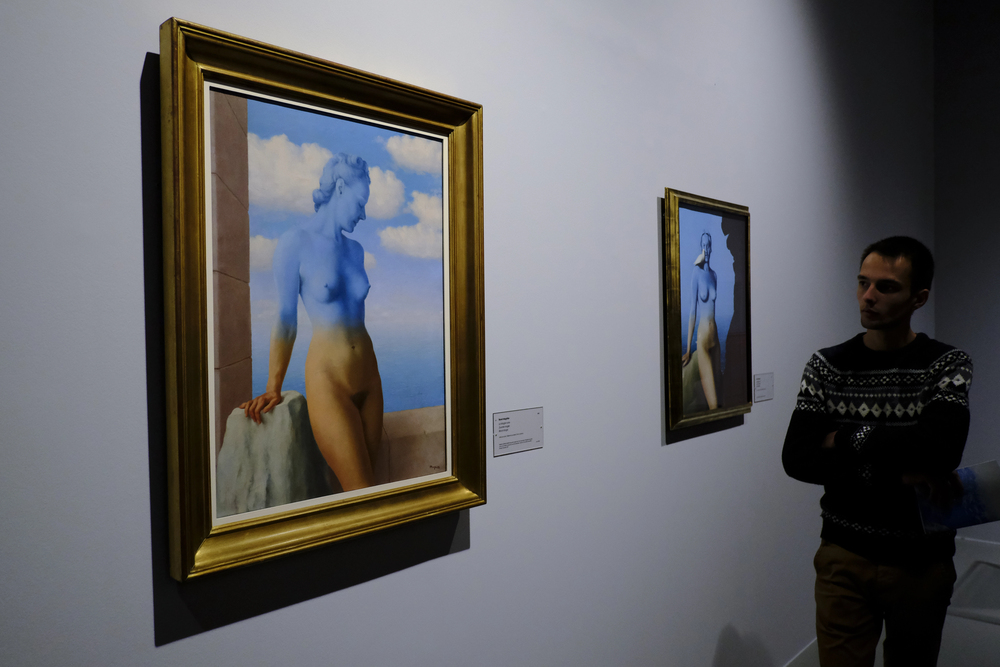
Museums employ entire departments dedicated to conserving artwork, with specialists working to maintain proper temperature, humidity, and lighting conditions. They invest in archival storage, restoration, and scientific analysis of their collections.
The North Carolina Museum of Art and similar institutions allocate significant resources to preservation efforts. Galleries focus on presentation rather than long-term preservation since their artwork will eventually move to collectors’ homes.
Atmosphere And Experience

Museums typically offer a more formal, contemplative atmosphere. Visitors speak in hushed tones, security guards monitor the galleries, and the sheer volume of artwork can create a sense of reverence.
Galleries feel more casual and commercial, more like boutiques than temples. You can have longer conversations with staff, ask detailed questions about purchasing, and generally experience less pressure to maintain museum-like decorum.
Exhibition Curation
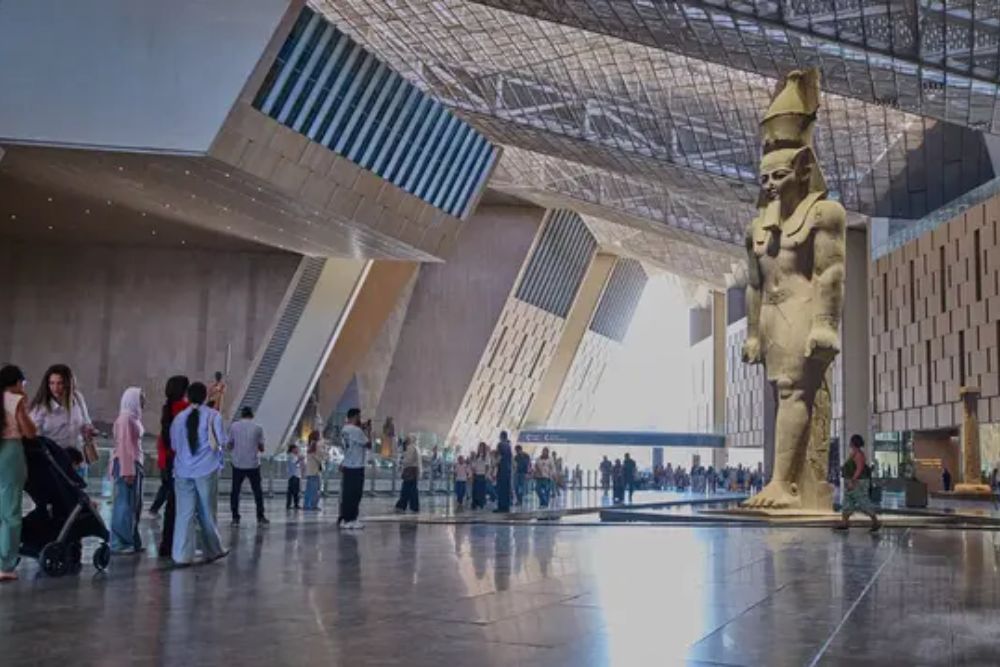
Museum curators spend years researching and developing exhibitions, often publishing scholarly catalogs and organizing international loans. When the Philadelphia Museum of Art presents a Modernist exhibition, it represents deep academic study and coordination with other institutions worldwide.
Gallery exhibitions turn around much faster, responding to market trends and artist availability. Gallery owners curate based on what they believe will sell and what fits their brand, rather than primarily serving scholarly or historical objectives.
Visitor Intentions
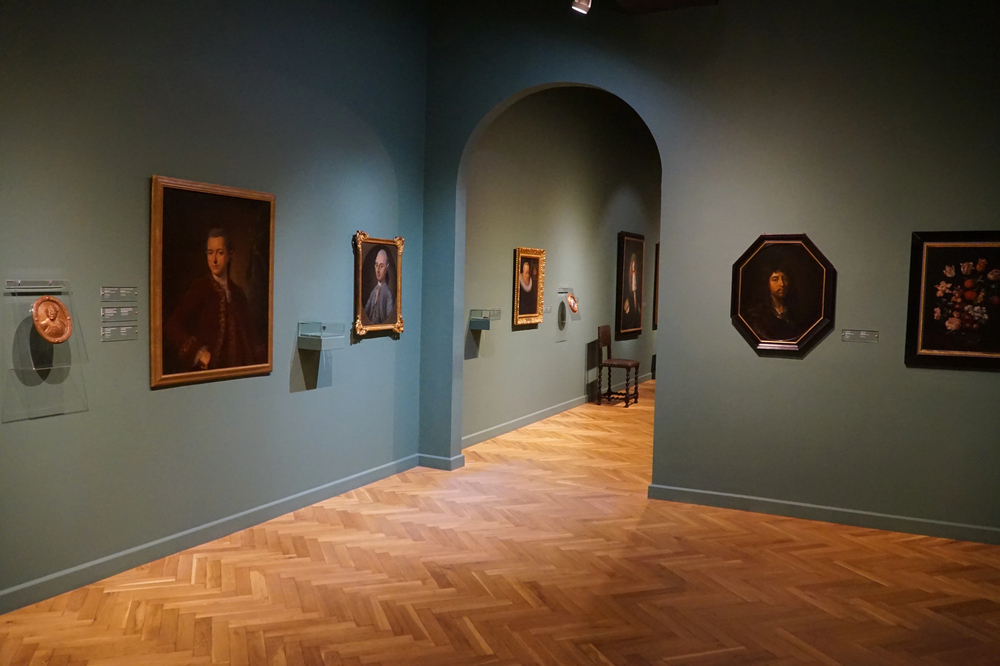
People visit museums primarily to learn, experience famous artworks, and spend time in cultural institutions. It’s entertainment and education combined.
Gallery visitors might be serious collectors hunting for their next purchase, artists studying contemporary work, or casual browsers enjoying free admission to beautiful spaces. The purchasing possibility changes the dynamic—you’re always at least somewhat aware that you could own what you’re looking at.
Variety Of Art Forms
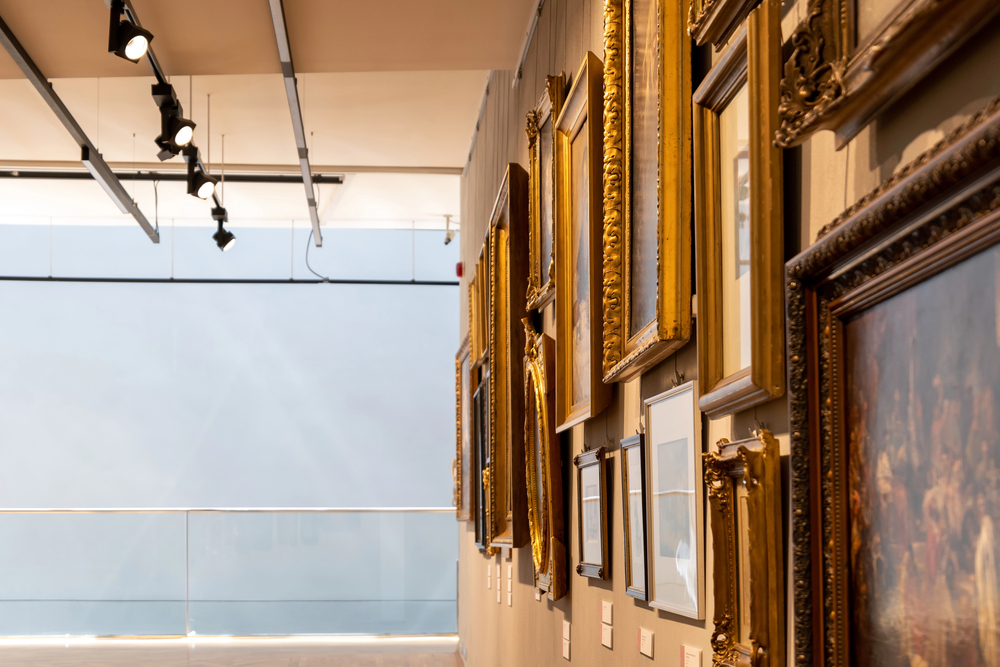
Many museums extend beyond visual art to include historical artifacts, scientific specimens, or cultural objects. You’ll find everything from dinosaur fossils at the American Museum of Natural History to historical documents at the National Archives.
Even art museums often include decorative arts, textiles, and design objects. Galleries stick almost exclusively to traditional art forms—paintings, sculptures, photography, and prints.
Operating Hours And Accessibility
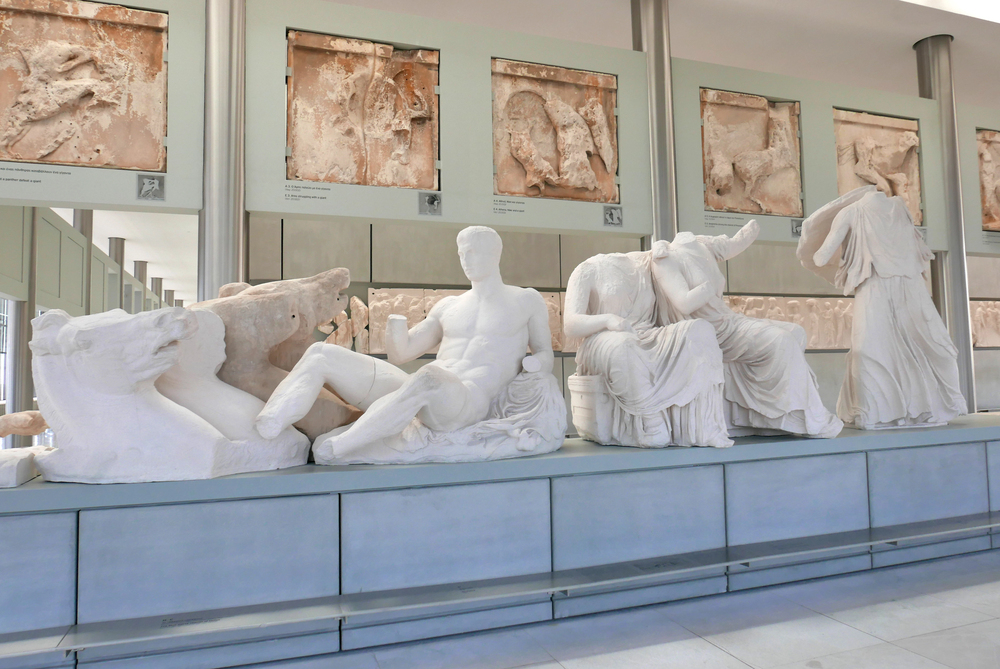
Museums generally maintain consistent public hours, often closing just one day per week. They’re designed for maximum public access, with extended evening hours on certain days.
Many galleries keep more limited or irregular hours, sometimes opening by appointment only, especially smaller or high-end spaces. This reflects their business model—they don’t need daily foot traffic as much as they need serious buyers and collectors.
Public Programming And Events
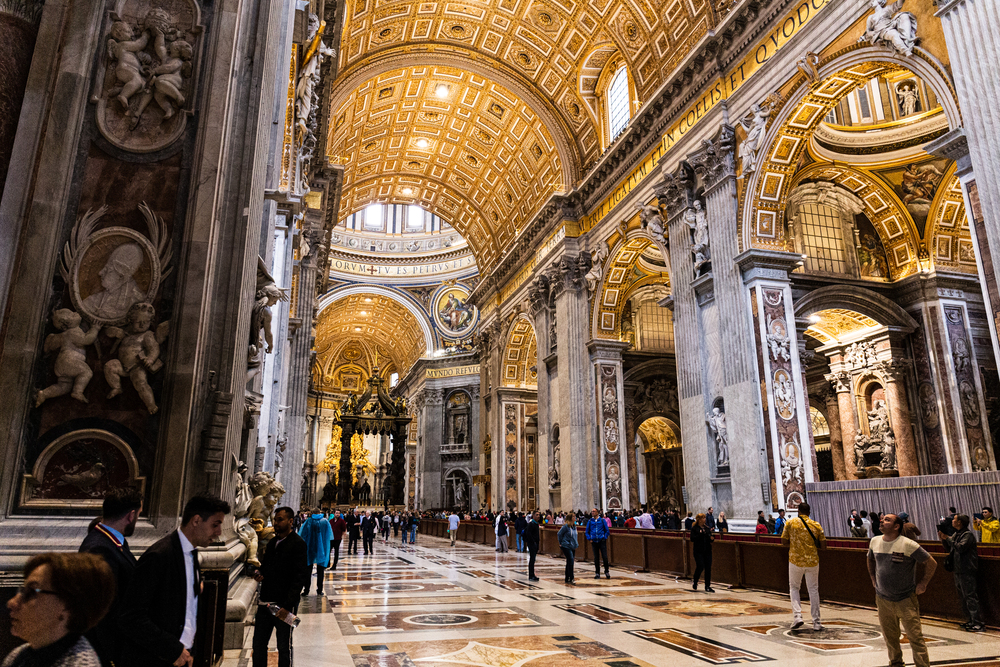
Museums host blockbuster exhibitions, gala fundraisers, members’ nights, and family days that draw thousands of visitors. The Met Gala in New York represents the extreme end of museum event culture.
Galleries hold more intimate events like artist receptions, openings, and collector previews. These gatherings serve networking and sales purposes rather than broad public engagement.
Collection Diversity
Some museums aim to gather wide-ranging items from different cultures, eras, and art styles. Over 155 million pieces fill the halls and storage rooms across Smithsonian sites, tracing both nature and people through time.
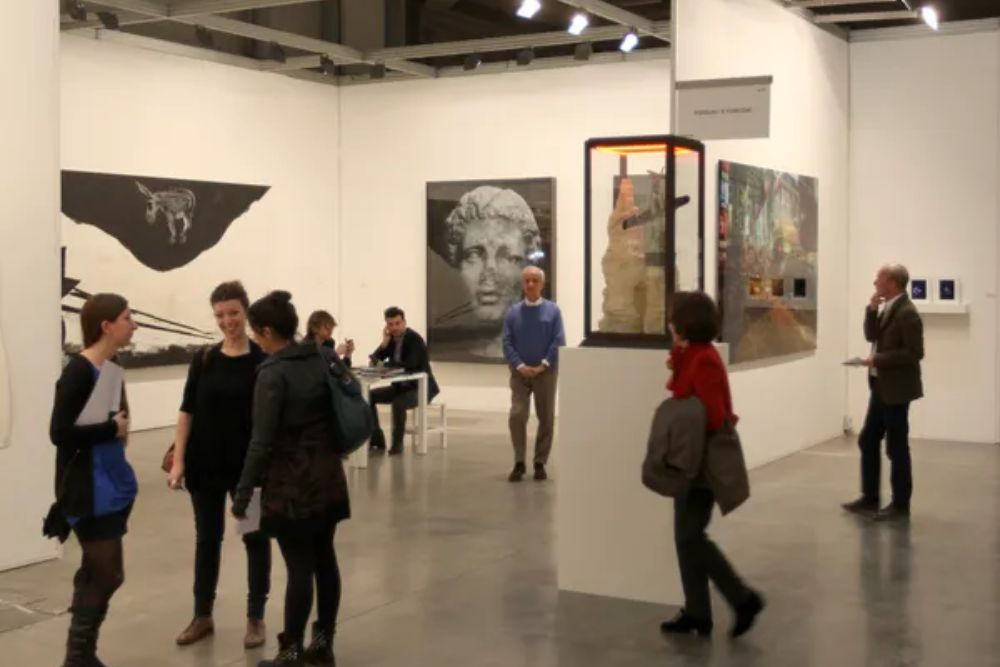
A single gallery usually sticks to a small group of creators – sometimes just twelve, maybe thirty – who match its distinct taste or audience goals. Because they focus narrowly, these spaces grow deeper knowledge and stand out in certain fields.
Long-Term Relationship With Art
Kept safe by museums, culture lives on through pieces like a Picasso meant to stay put long term. A van Gogh enters such a space with quiet expectation – time does not rush it out.
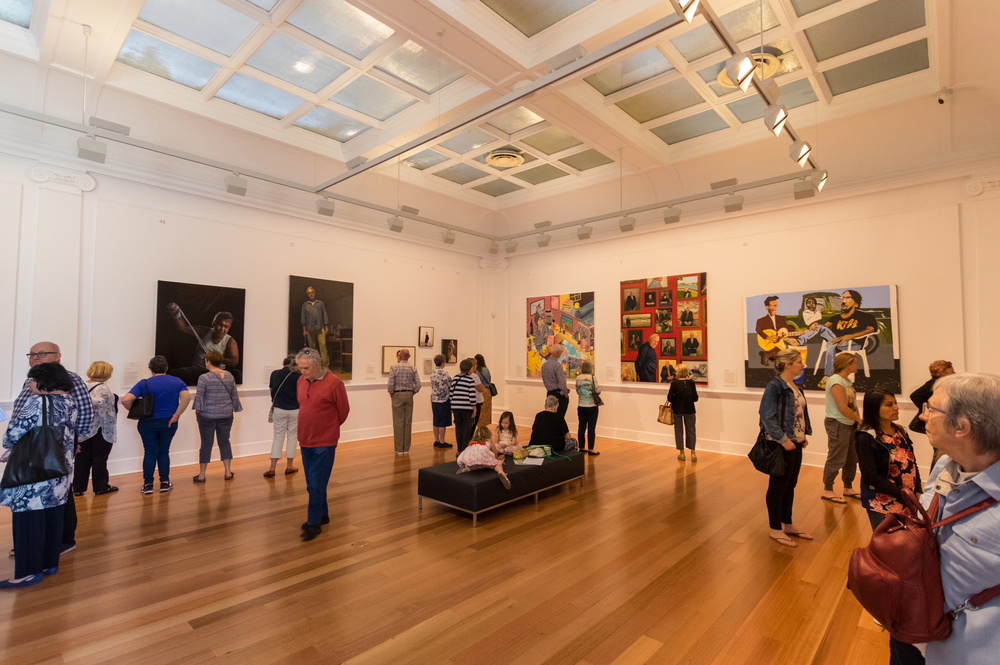
Instead of lasting homes, galleries host art just for a stretch, passing it along after brief moments in light. Between creator and buyer, these spaces hum, shifting works onward without clinging.
Where Tradition Meets Commerce
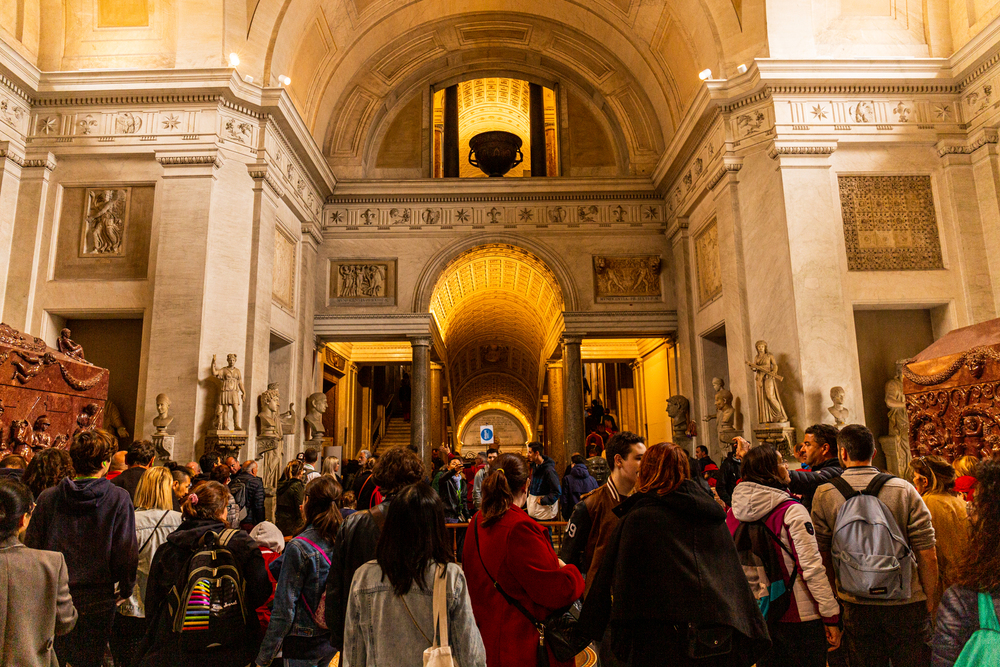
Museums and galleries both play essential roles in American cultural life, but they serve fundamentally different functions. Museums preserve history and educate millions, while galleries keep contemporary art flowing into private hands and support working artists.
The U.S. offers exceptional examples of both—from the unparalleled collections at institutions like the National Gallery of Art to the vibrant gallery scenes in Chelsea, Miami’s Wynwood, and Chicago’s West Loop. Your choice between the two ultimately depends on whether you’re looking to be inspired by masterworks or discover something you might take home.
More from Travel Pug

- Underrated Italian Towns That Beat the Tourist Crowds
- Las Vegas Tourist Traps to Skip
- Prettiest Towns in Every US State
- 18 passport-free countries for Americans
- Signs Your Cruise Is Not Worth The Cost
Like Travel Pug’s content? Follow us on MSN.