

Everyone loves a good museum visit, right? There’s something special about wandering through halls filled with history and culture. But let’s be honest—some of the world’s most famous museums have become victims of their own popularity.
Long lines, suffocating crowds, and overpriced tickets can turn what should be an enriching experience into an exhausting ordeal. Sometimes the hype doesn’t match reality, and you end up wondering if the hassle was worth it.
The good news is that for every overcrowded tourist trap, there’s usually a lesser-known gem waiting nearby. These alternatives offer equally impressive collections without the chaos, giving you more time to actually appreciate what you’re seeing instead of jostling for position among hundreds of other visitors.
Here’s a list of 15 museums that might not live up to their reputation, along with better options that deliver a more enjoyable experience.
The Louvre
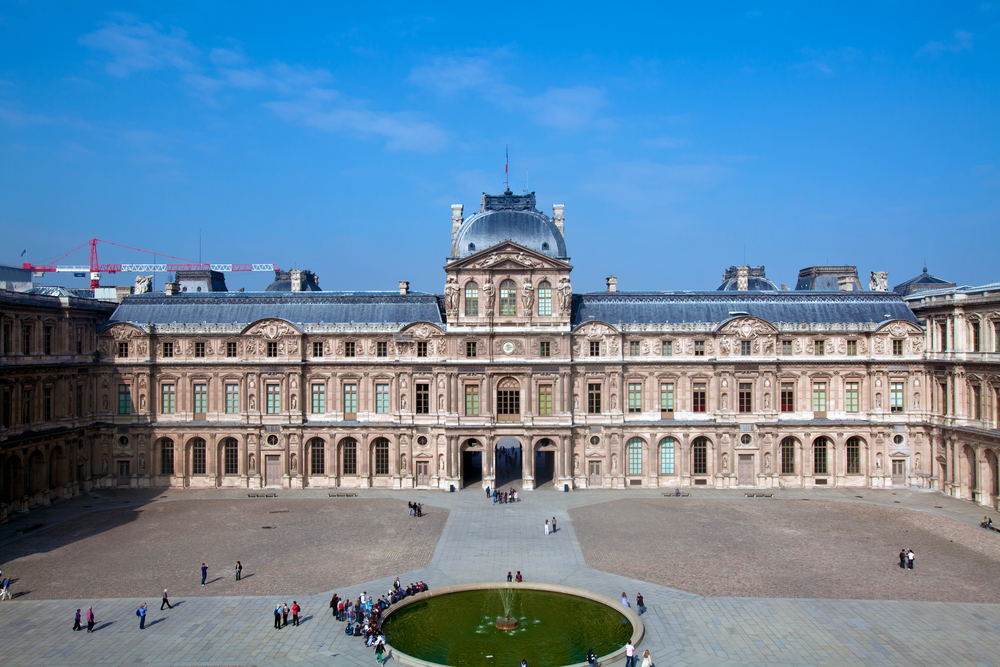
Paris’s most famous museum draws millions of visitors each year, but many leave disappointed. The Mona Lisa is smaller than a laptop screen, and good luck seeing it over the sea of smartphones held by tourists.
The sheer size of the Louvre means you’ll spend more time navigating crowds and looking at maps than actually enjoying art. Even the most dedicated art lovers find themselves suffering from museum fatigue halfway through.
Instead, walk over to the Musée d’Orsay, housed in a stunning converted railway station. The Impressionist collection rivals any in the world, and you can actually get close enough to admire Monet and Renoir without being pushed aside.
The building itself is gorgeous, with massive clocks overlooking the Seine. If you want something even quieter, the Musée de l’Orangerie or Musée Rodin offers intimate settings with world-class collections.
Madame Tussauds
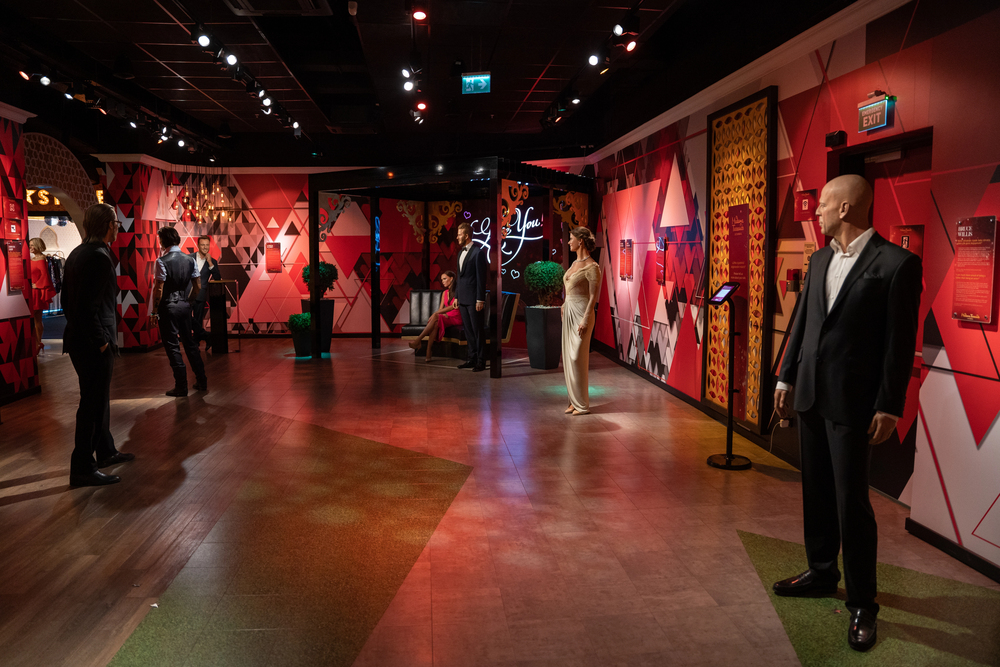
This wax museum chain exists in multiple cities—and they’re all overpriced tourist traps. You’ll pay steep admission fees to take photos with celebrity wax figures that don’t always look that realistic. The crowds make it difficult to get a decent shot without strangers in your background, and the whole experience feels more like a commercial venture than a cultural attraction.
Skip it entirely and visit actual museums in whatever city you’re in. In London, explore the free Victoria and Albert Museum or the Design Museum. In New York, check out the lesser-known Tenement Museum, which tells real immigrant stories instead of showcasing fake celebrities. Your wallet and your Instagram feed will thank you.
The British Museum
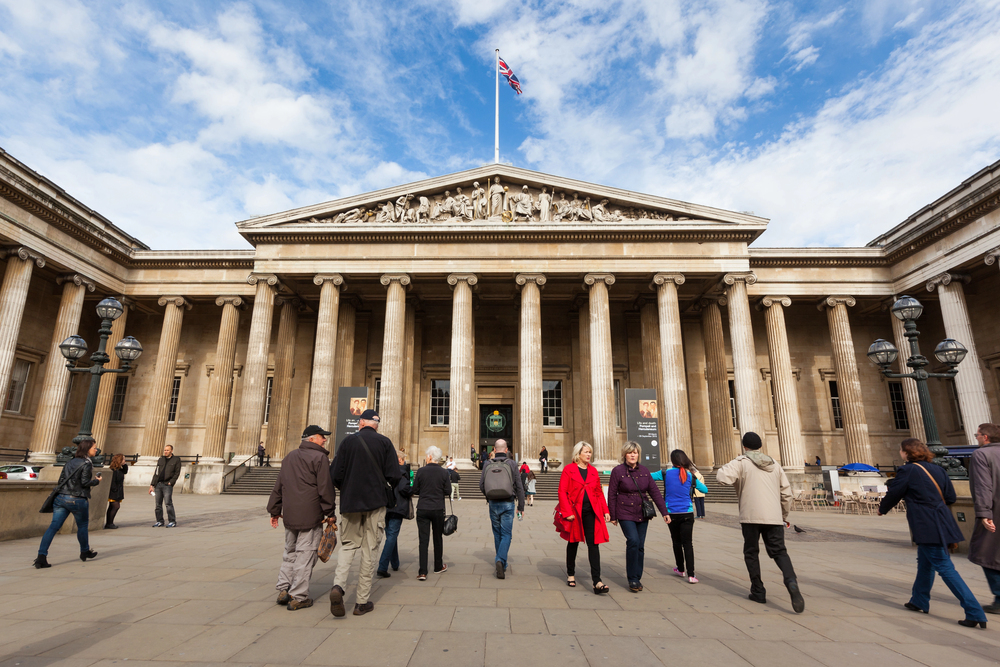
London’s British Museum houses incredible artifacts from around the world, including the Rosetta Stone and the Elgin Marbles. Unfortunately, so does everyone else who visits London. The museum gets overwhelmingly crowded, with security lines stretching around the block. You’ll find yourself five or six people deep trying to glimpse the Rosetta Stone, and the sheer volume of tourists makes it impossible to enjoy the experience. At closing time, the crowd literally stops traffic on the road outside.
Head to the Museum of London instead, where you can explore the city’s fascinating history without fighting crowds. The Grant Museum of Zoology offers an intimate collection of specimens in a beautiful Victorian setting. Both provide engaging exhibits and breathing room to actually appreciate what you’re seeing.
National Air and Space Museum

The Smithsonian’s flagship location on Washington DC’s National Mall recently earned the dubious honor of being named the world’s most disappointing museum in a global study. Ongoing renovations since 2018 have left large sections closed, and when galleries are open, they’re packed with visitors. The museum feels cramped and dated compared to modern aviation displays elsewhere.
Drive 26 miles to the Steven F. Udvar-Hazy Center near Dulles Airport, which is technically part of the same institution but infinitely better. This massive hangar houses the Space Shuttle Discovery, the SR-71 Blackbird, and the Enola Gay in a spacious setting with a fraction of the crowds. Docents who are retired pilots give fascinating tours, and you can actually see the aircraft without craning your neck over hordes of school groups.
American Museum of Natural History
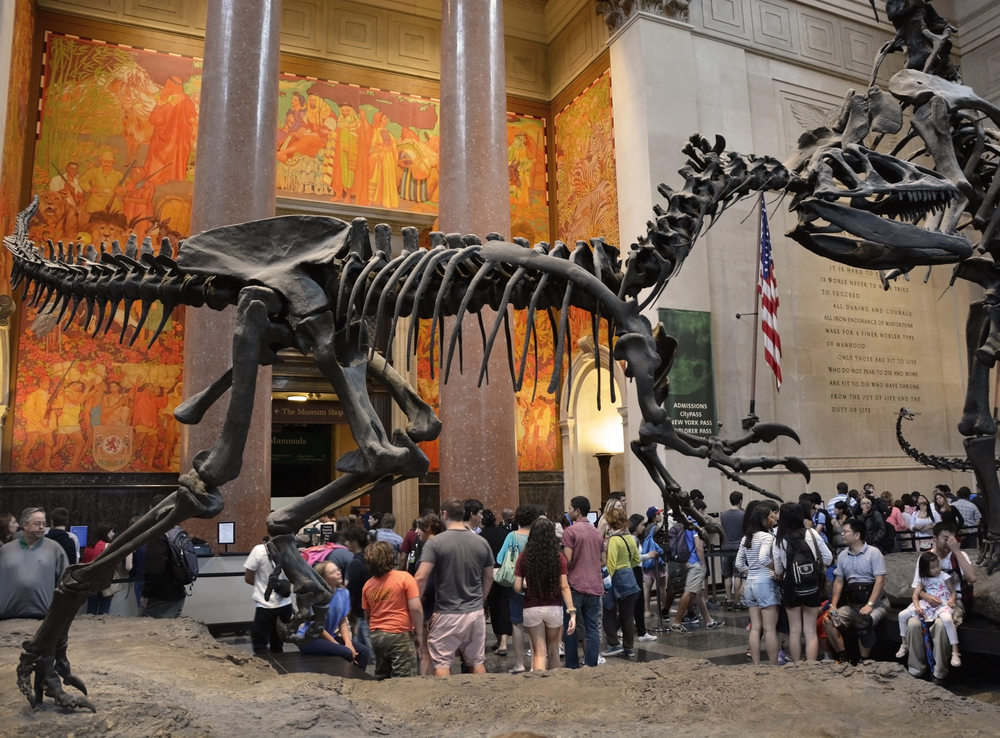
New York’s iconic natural history museum suffers from its own popularity. The dinosaur exhibits that delighted you as a child are now surrounded by screaming kids and frazzled parents. Lines for special exhibitions snake through hallways, and the museum’s popularity means you’re constantly navigating human traffic. While the collection is impressive, the experience can feel more exhausting than educational.
Consider the City Reliquary Museum instead, a quirky neighborhood spot that explores New York history through unusual artifacts like vintage subway turnstiles and old seltzer bottles. It’s small, affordable, and genuinely charming. If you need your dinosaur fix, many cities have excellent natural history museums with better crowd management and more personal space.
Vatican Museums and Sistine Chapel
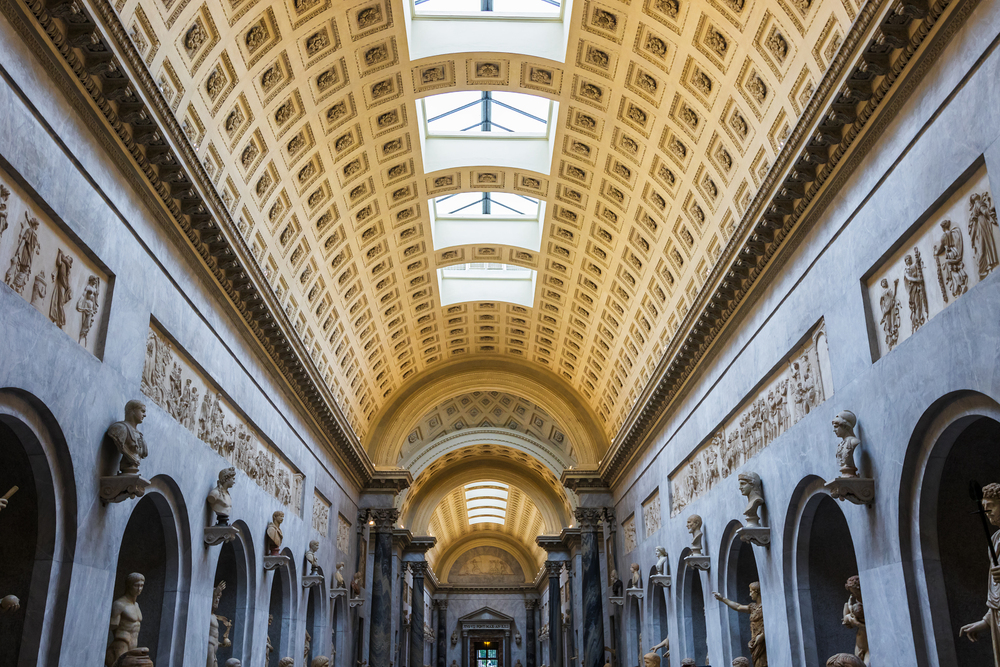
The Vatican Museums hold priceless treasures accumulated over centuries, and the Sistine Chapel’s ceiling is genuinely breathtaking. But you’ll pay hefty admission fees and wait in enormous lines just to be herded through packed corridors with strict time limits. The chapel itself prohibits photography and speaking, yet hundreds of tourists cram inside, making it nearly impossible to find a quiet moment of reflection. The guards constantly shush visitors, creating an oddly stressful atmosphere for what should be a spiritual experience.
Visit the Chiesa di Sant’Ignazio di Loyola instead, a gorgeous Roman church with stunning ceiling frescoes by Andrea Pozzo. The baroque trompe-l’oeil is incredible, and you can enjoy it for free without crowds or time restrictions. The artistry rivals the Sistine Chapel, and the peaceful atmosphere lets you actually absorb the beauty around you.
Museum of Islamic Art

Doha’s Museum of Islamic Art is celebrated as much for its architecture as its contents, which says something. After viewing the 200th glass case containing old bowls and plates, the exhibits start blending together. The collection feels repetitive, and many visitors report that the best part was taking photos from the waterfront outside. Unless you’re a serious Islamic art scholar, the museum doesn’t justify the effort it takes to visit.
If you’re in the region, explore smaller galleries that focus on specific periods or styles. Better yet, visit cultural centers that incorporate live demonstrations and interactive elements instead of endless rows of similar-looking artifacts behind glass.
World of Coca-Cola
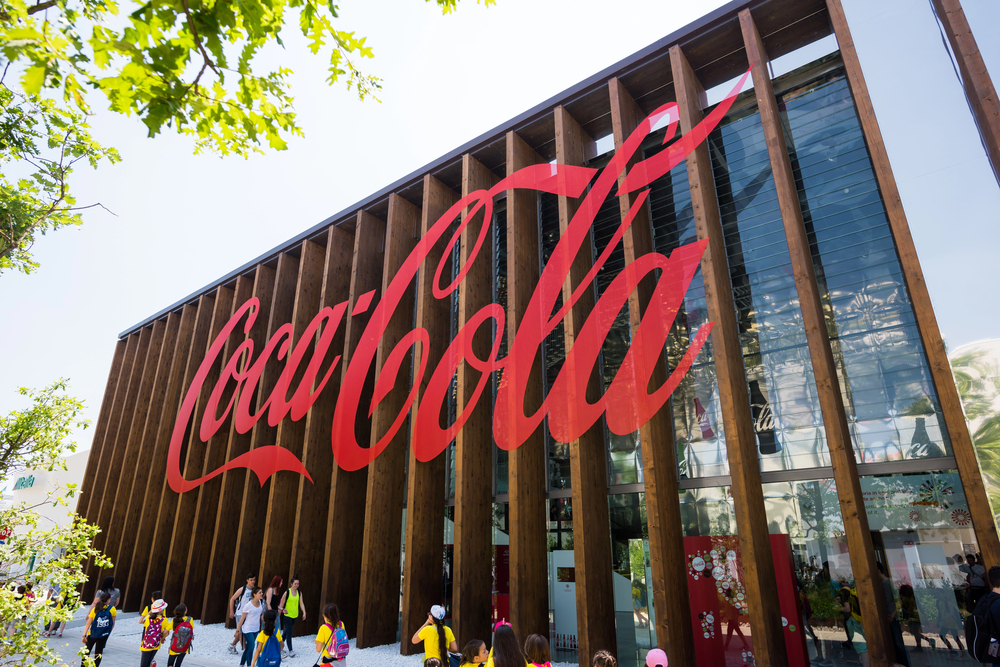
Atlanta’s World of Coca-Cola promises a multimedia journey through the history of the famous soft drink. What you get is essentially a massive advertisement masquerading as a museum. Most exhibits feel dated and tired, with the only memorable part being a tasting room where you can sample Coca-Cola products from around the world. That’s fun for about ten minutes, and definitely not worth the admission price.
Save your money and visit the nearby Center for Civil Rights and Human Rights or the High Museum of Art. Both offer meaningful cultural experiences that don’t feel like extended commercials. Atlanta has plenty of legitimate museums worth your time.
Hollywood Walk of Fame
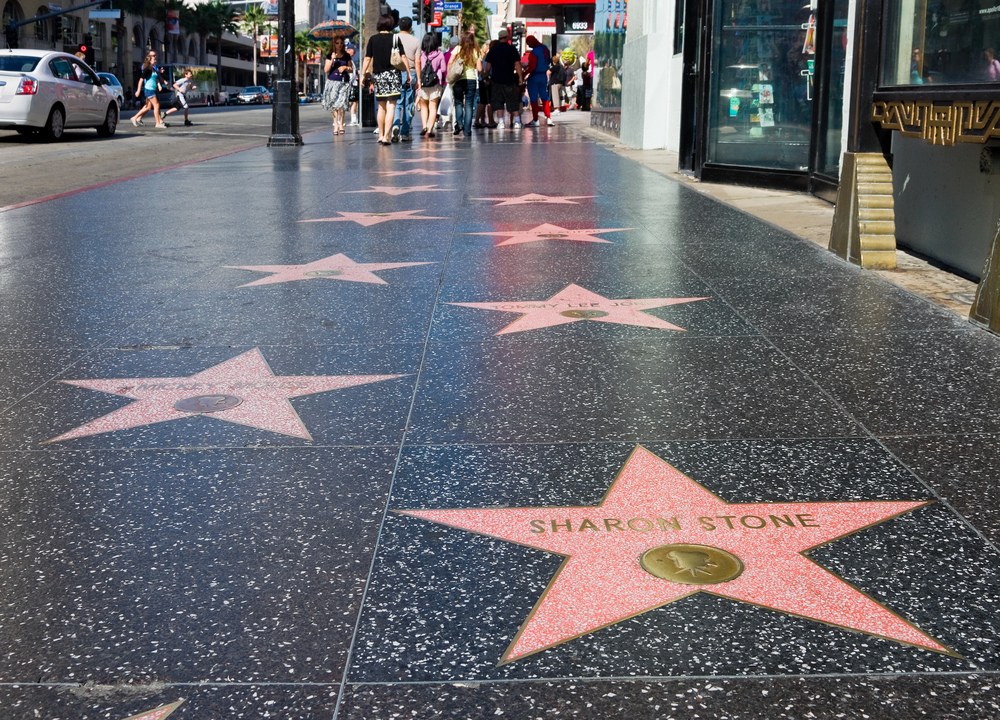
This isn’t technically a museum, but it functions as one for tourists seeking celebrity culture. The reality is a dirty sidewalk with stars embedded in concrete, surrounded by the overwhelming smell of urine and aggressive street performers demanding money for photos. Overpriced souvenir shops line every block, and the glamour you imagined exists only in your mind.
Instead, visit the Academy Museum of Motion Pictures, which opened in 2021 and offers a genuine exploration of film history. The exhibits are thoughtfully curated, the building is beautiful, and you’ll learn about cinema without dealing with costumed characters harassing you for tips.
Calico Ghost Town

This former silver mining town in California’s Mojave Desert has been heavily restored and commercialized, making it feel more like a theme park than an authentic historical site. The buildings look too clean and Disney-fied compared to genuinely preserved ghost towns. Shops sell typical tourist trinkets, and the whole experience lacks the atmospheric eeriness you’d expect from a real abandoned settlement.
California has dozens of actual ghost towns that haven’t been turned into tourist attractions. Bodie State Historic Park preserves a legitimate ghost town in a state of arrested decay, giving you an authentic glimpse into Old West life without the commercial overlay. It requires more effort to reach, which means fewer crowds and more atmosphere.
Bourbon Street attractions
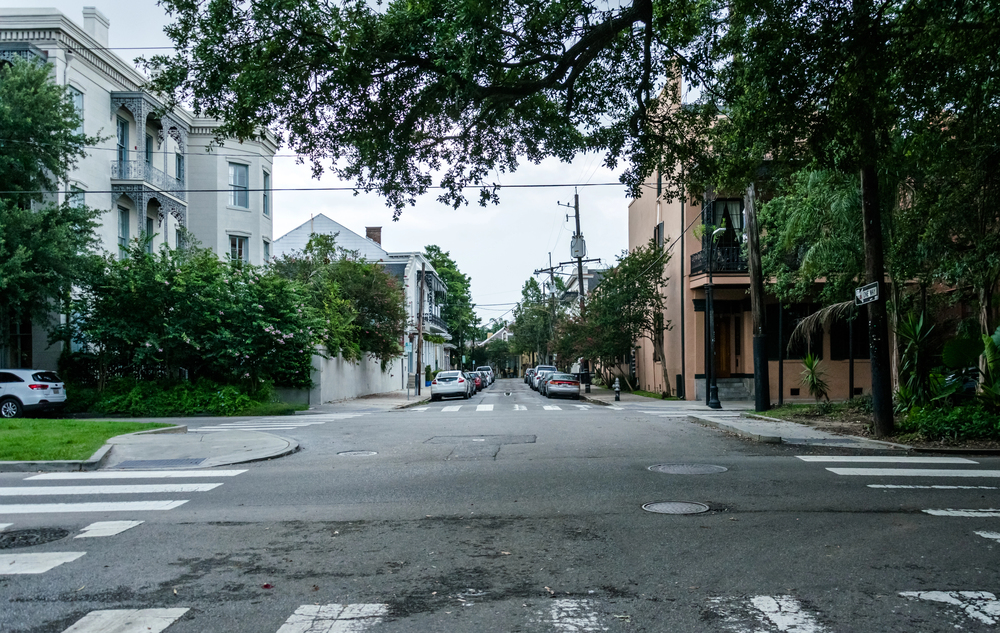
New Orleans’s famous Bourbon Street promises authentic jazz and Southern charm but delivers something entirely different. The smell hits you first—a mixture of spilled drinks and worse things. Most bars play recorded music instead of featuring live performers, and drink prices mysteriously double compared to establishments one block away. Tourist-targeted scams are rampant, including the infamous ‘I bet I can tell you where you got your shoes’ con that somehow still catches visitors.
Walk a few blocks to Frenchmen Street, where locals actually go to enjoy music. You’ll find authentic jazz clubs, reasonable prices, and the genuine New Orleans culture that Bourbon Street only pretends to offer. The difference is night and day.
Manneken Pis

Brussels’s famous statue attracts crowds of tourists who come to see… a small bronze fountain of a little boy urinating. That’s literally it. The statue is tiny, unremarkable, and the crowds around it are completely disproportionate to what you’re actually viewing. Even when city employees dress it up in costumes, the novelty wears off in about 30 seconds.
If you insist on seeing a peeing statue, at least visit the Zinneke Pis nearby, which depicts a dog doing the same thing. It’s less crowded and arguably cuter. Better yet, skip both and explore Brussels’s incredible Art Nouveau architecture or visit the Magritte Museum for some actual cultural enrichment.
The Little Mermaid statue
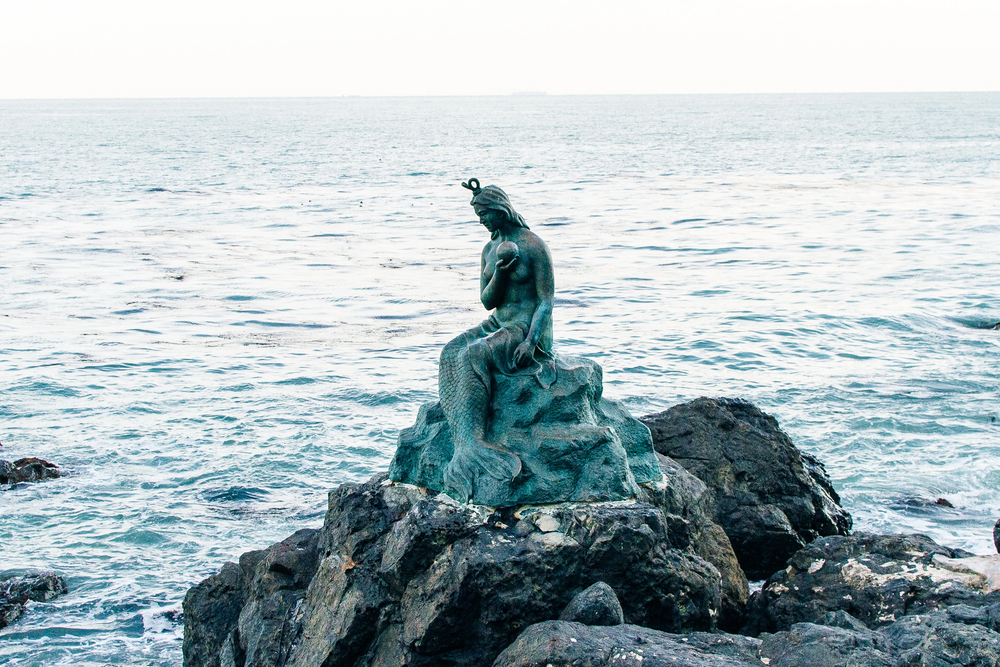
Copenhagen’s most photographed attraction disappoints nearly everyone who makes the trek to see it. The statue is about the size of an actual person, not the monument tourists expect. It sits in a somewhat remote location wedged among rocks, and you can’t get very close. The statue has been vandalized, decapitated, and defaced multiple times—the one you’re looking at is actually a replica kept in a public location while the original stays hidden.
Spend your time at the Tivoli Gardens or exploring Copenhagen’s charming neighborhoods instead. If you want to pay tribute to Hans Christian Andersen, visit the statue of him in New York’s Central Park, where you can actually climb on it for photos in a prettier setting.
Prague Astronomical Clock

This medieval clock draws enormous crowds every hour on the hour, waiting for the bell to chime and small figurines to briefly appear. That’s it. That’s the whole show. Unless your idea of excitement is staring at a giant clock for 50 minutes waiting for a 30-second performance, you’re going to be disappointed. The crowds make it nearly impossible to get a decent view anyway.
Walk to the beautiful Vyšehrad fortress instead, where you’ll find stunning views of Prague, historic buildings, and the Slavín cemetery with impressive Art Nouveau sculptures. The crowds are manageable, and the experience is far more rewarding than watching a clock’s brief mechanical display.
Natural History Museums (when you’ve seen one)
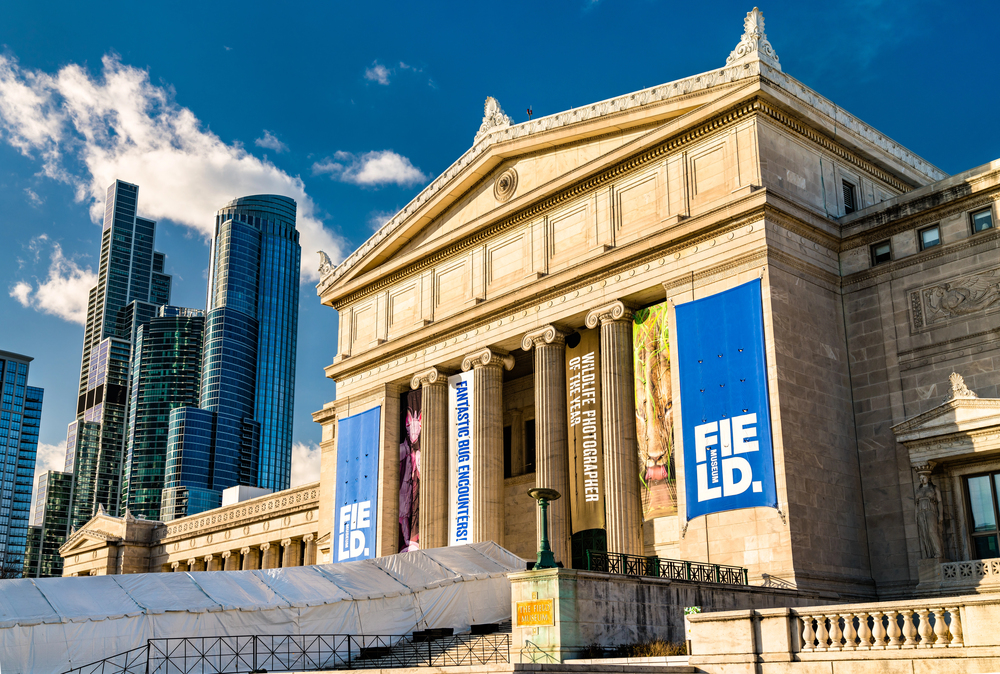
Natural history museums exist in nearly every major city, and while the London version is architecturally stunning and the New York version is iconic, they all showcase similar content. If you’ve visited a good natural history museum before, subsequent ones offer diminishing returns. Dinosaur skeletons, taxidermied animals, and rock collections start looking interchangeable, no matter how prestigious the institution.
Focus on museums unique to the city you’re visiting instead. Every location has cultural, historical, or artistic institutions you can’t experience elsewhere. In London, explore the Wellcome Collection’s fascinating exhibits on human health and consciousness. In New York, discover neighborhood museums that tell specific local stories. Save the natural history museums for cities where they’re genuinely exceptional or offer something you haven’t seen before.
What makes a museum worth visiting
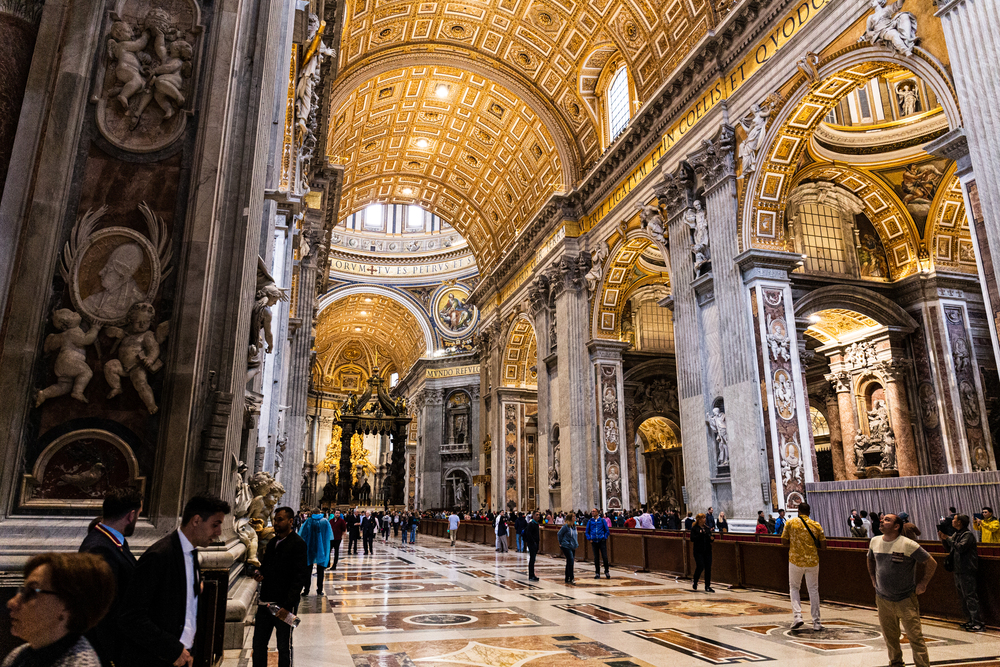
The museums listed here aren’t bad—they’re just overwhelmed by their own fame. Crowds, commercialization, and inflated expectations diminish what should be meaningful experiences.
The best museums balance accessibility with intimacy, letting visitors engage with exhibits instead of fighting for position in a sea of tourists. Lesser-known institutions often curate their collections more thoughtfully and create environments where learning feels natural rather than forced.
When planning your next trip, research alternatives to the most famous attractions. You’ll discover hidden gems that locals love, save money on admission fees, and actually remember what you saw instead of just remembering the crowds.
The world is full of incredible museums waiting to be discovered—sometimes the best ones are the ones nobody’s heard of yet.
More from Travel Pug

- Underrated Italian Towns That Beat the Tourist Crowds
- Las Vegas Tourist Traps to Skip
- Prettiest Towns in Every US State
- 18 passport-free countries for Americans
- Signs Your Cruise Is Not Worth The Cost
Like Travel Pug’s content? Follow us on MSN.