

The ancient Maya civilization created some of the most sophisticated societies in the pre-Columbian Americas. Tikal reached its peak during the Classic Period from around 200 to 900 AD, dominating much of the Maya region politically, economically, and militarily.
These massive city-states featured towering pyramids, intricate carvings, and an advanced understanding of astronomy and mathematics. Today, their ruins scattered across Guatemala, Honduras, Belize, and Mexico reveal glimpses of a civilization that thrived for centuries before mysteriously declining.
Tikal was declared a UNESCO World Heritage Site in 1979 for its outstanding universal value. Central America’s landscape hides countless Mayan ruins beneath the jungle canopy, but some sites stand out for their scale, preservation, and historical importance.
Here is a list of 15 most impressive Mayan sites across Central America.
Tikal
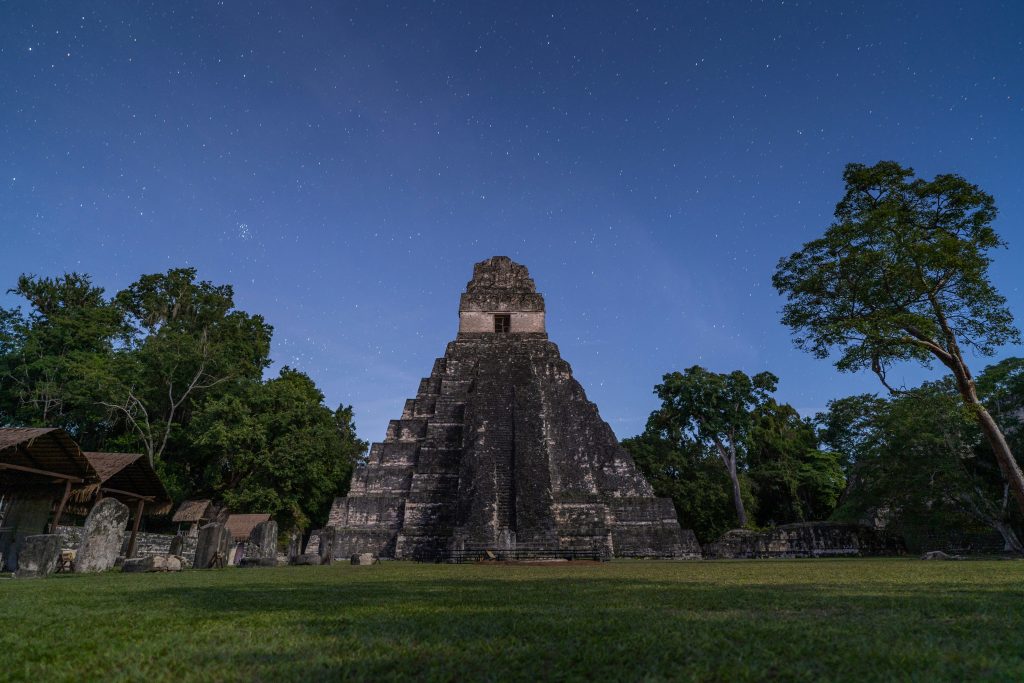
Tikal is located approximately 303 kilometers north of Guatemala City in the Petén Basin. Archaeologists estimate that only 25% of ruins are uncovered, leaving the rest to wilderness.
Tikal has six main temples, some reaching over 200 feet tall. Temple IV, erected about 741 AD, is a dizzying pyramid standing 212 feet above ground — the tallest Maya structure ever built. Walking through the site feels like stepping into another world, with howler monkeys providing a soundtrack.
Calakmul
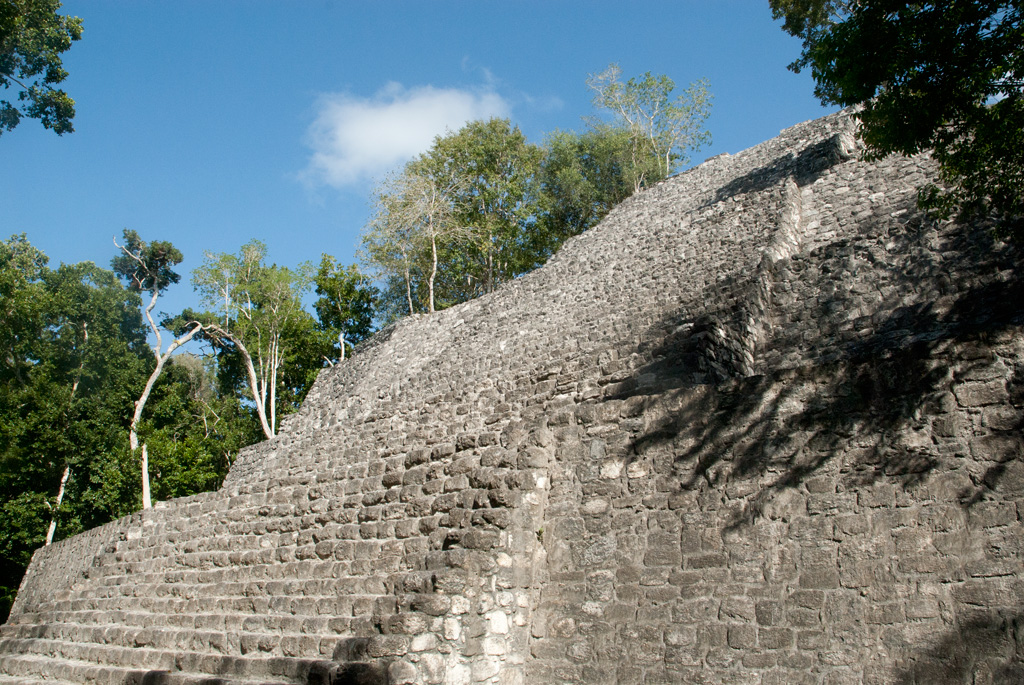
Calakmul was the capital of the powerful Snake Kingdom and contains the greatest number of stelae found at any site — 120 commemorative carved stone markers. Structure 2 stands over 45 meters high as one of the oldest and largest Maya pyramids, and visitors can climb it for incredible jungle views.
More than 20 kings have been identified covering over 400 years. The site sits deep in the Calakmul Biosphere Reserve, meaning you’ll barely see other tourists — a stark contrast to busier sites.
Copan
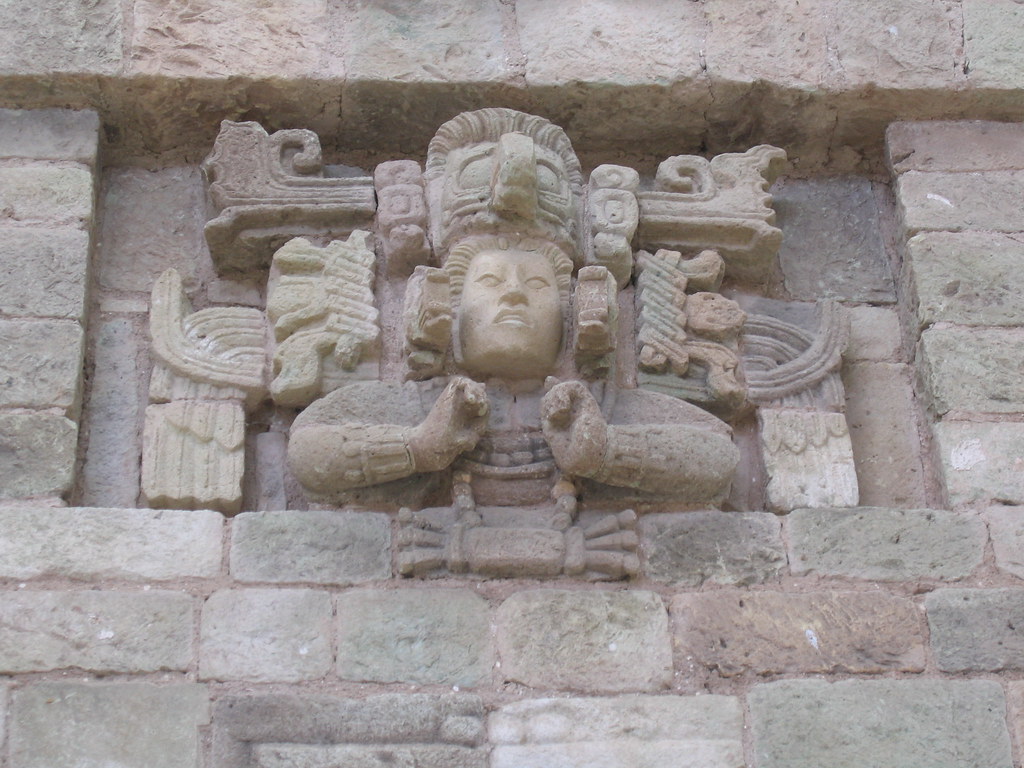
The Maya leader Yax Kuk Mo arrived in the Copan Valley in 427 AD and started a dynasty of 16 rulers that transformed Copan into one of the greatest Maya cities. Carvings at Copan are more detailed than many found at sites like Tikal and Chichen Itza, showing what ruins looked like with intricate designs.
The Hieroglyphic Stairway contains the longest inscribed text in the Maya region, with considerable historic significance. The site’s climate has preserved these carvings remarkably well over centuries.
Palenque
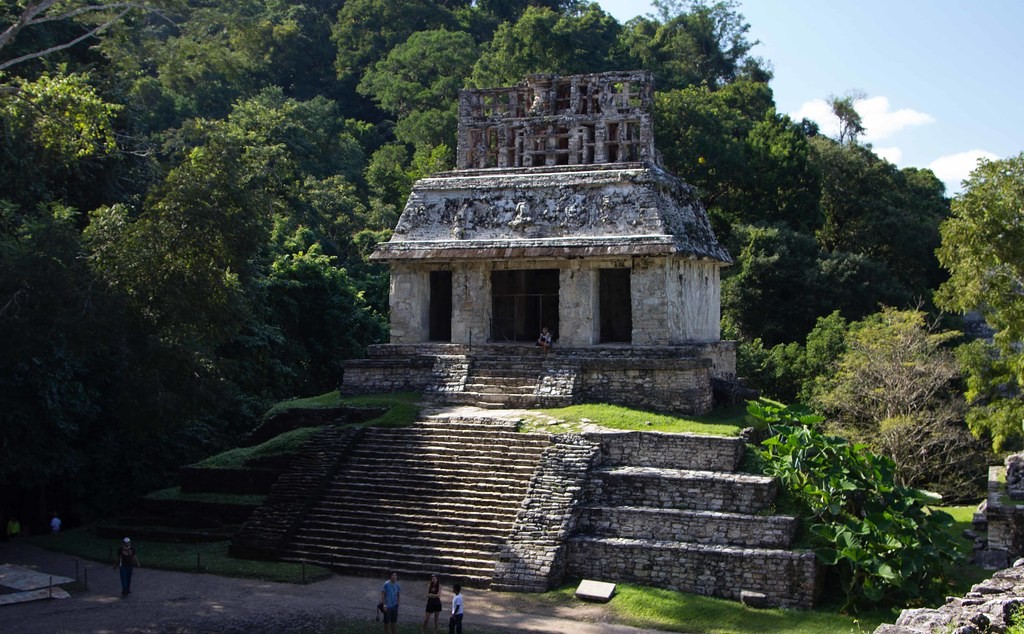
Palenque was one of the most important classical Mayan cities nestled in the Chiapas jungle. The Temple of Inscriptions houses the tomb of the great ruler Pakal, discovered with a jade burial mask intact.
Delicate stucco reliefs and hieroglyphic texts cover the structures, providing invaluable information about Maya royal lineages. The jungle setting creates an atmospheric backdrop, with waterfalls tumbling through the archaeological zone.
Chichen Itza
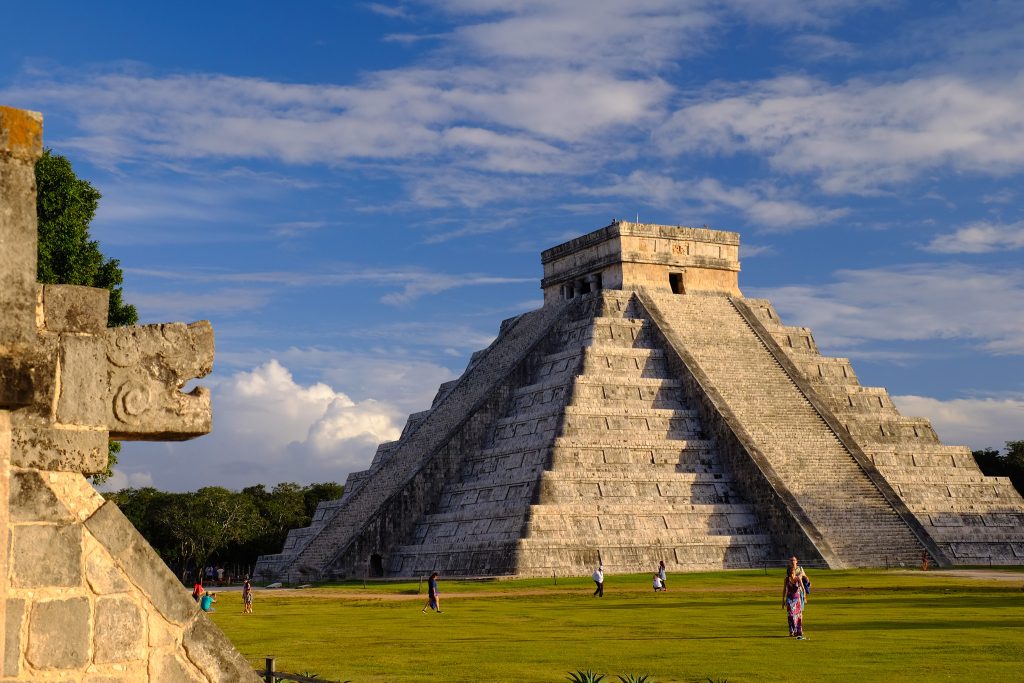
Chichen Itza dominated the late Classic and early post-Classic periods. The massive El Castillo pyramid demonstrates sophisticated astronomical knowledge — during equinoxes, shadows create the appearance of a serpent descending the staircase.
The Great Ball Court stretches as the largest in Mesoamerica. Though heavily touristed and somewhat commercialized, the sheer scale and preservation make it worth visiting despite crowds.
Caracol
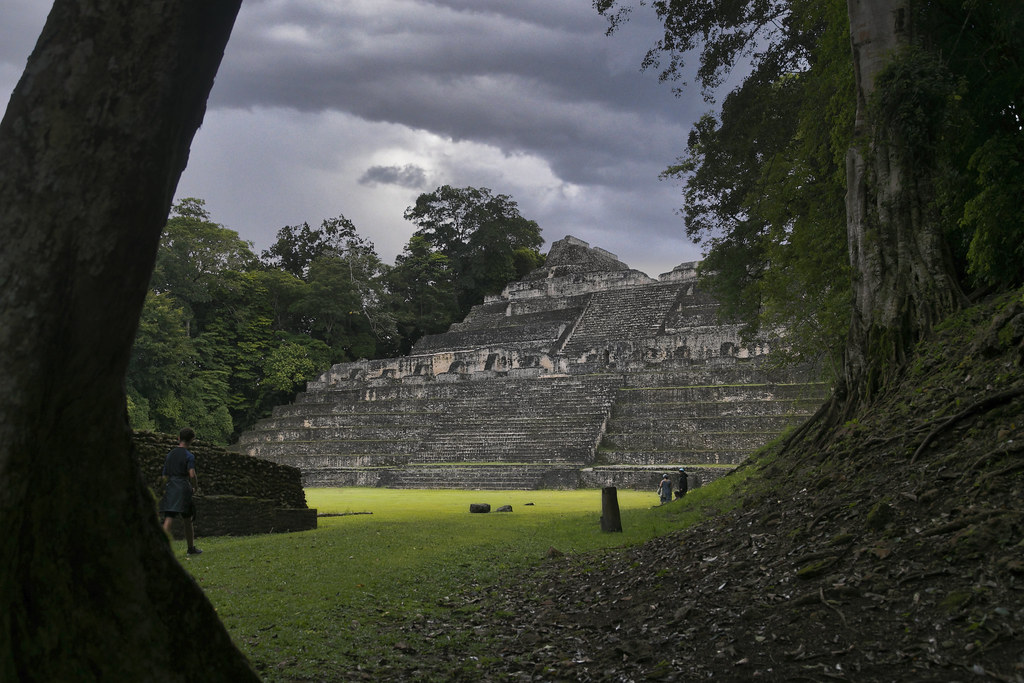
Caracol, though a substantial city-state, laid low mighty Tikal through alliance with Calakmul. Caracol is located about 85 kilometers northwest of Calakmul’s ally position. The Caana pyramid rises 143 feet, remaining the tallest human-made structure in Belize.
Deep in the Chiquibul Forest Reserve, reaching Caracol requires a rough two-hour drive from the main highway, but this remoteness preserves its mysterious atmosphere.
Uxmal
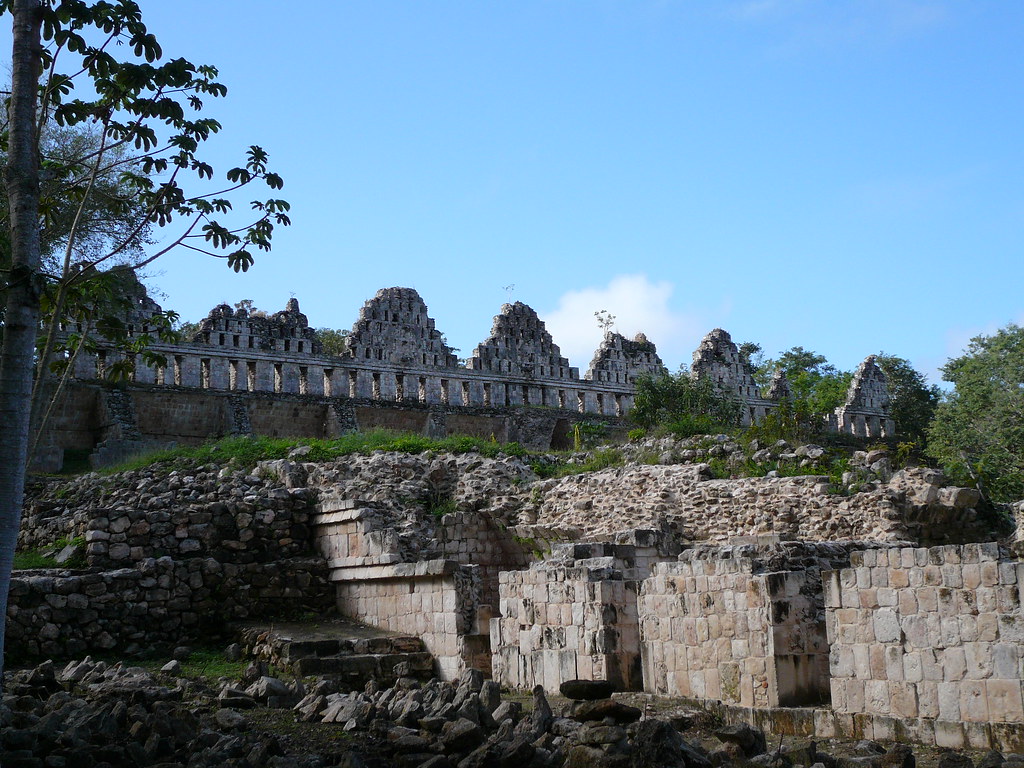
Uxmal showcases Puuc architectural style with elaborate stone mosaics and facades. The Pyramid of the Magician features unusually rounded sides, defying typical Maya pyramid design.
The Governor’s Palace displays intricate geometric patterns covering 320 feet of facade. Unlike many Maya sites abandoned and reclaimed by jungle, Uxmal’s structures remained relatively visible, allowing better preservation of decorative elements.
Yaxha
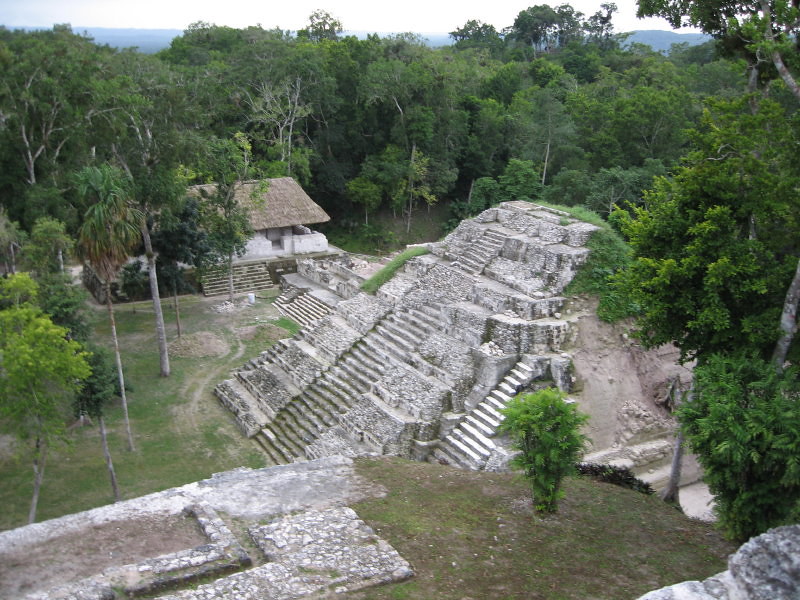
Yaxha sits about 30 kilometers from Tikal, offering spectacular sunset views across surrounding lakes. The complex contains over 500 structures including temples, palaces, and ball courts.
Lesser-known status means fewer visitors, giving you space to explore at your own pace. Climbing Temple 216 rewards you with panoramic views encompassing two lakes and endless jungle canopy.
Quirigua
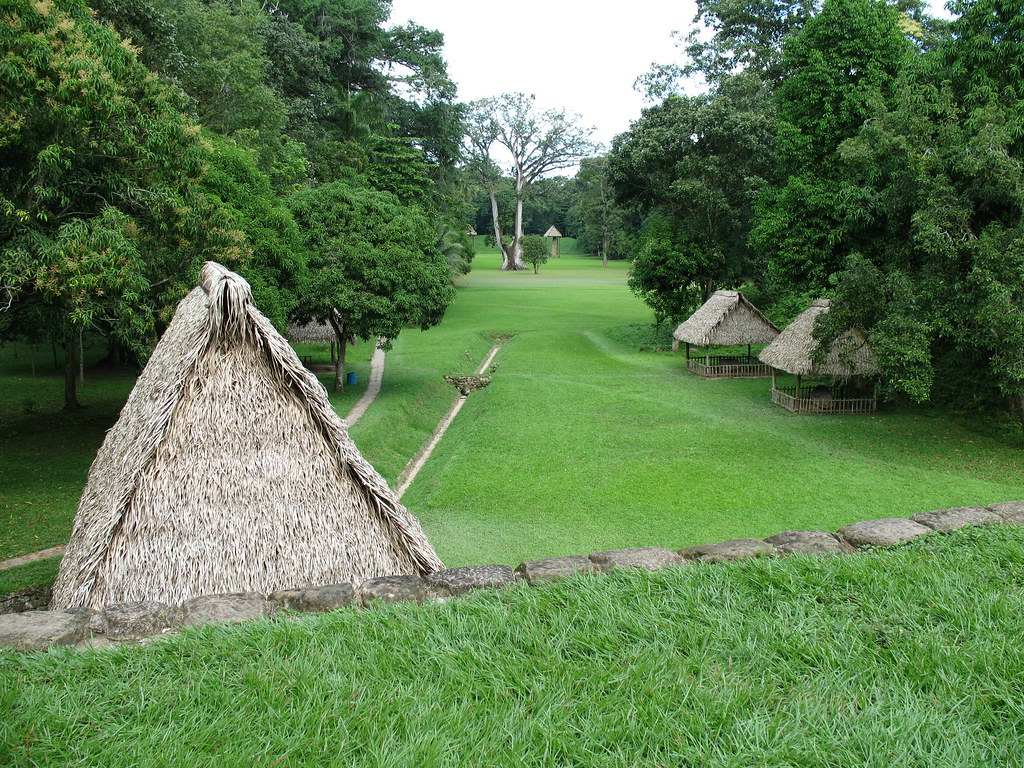
Quirigua was greatly expanded under legendary Copan ruler 18 Rabbit, who installed Kak Tiliw Chan Yopaat as his vassal in 724 AD. In an act of treachery, Yopaat captured and offered 18 rabbits in 738 AD.
The site features the tallest carved stelae in the Maya world, some reaching 35 feet. These massive monoliths showcase incredible artistic skill, with detailed carvings covering their surfaces.
Tulum
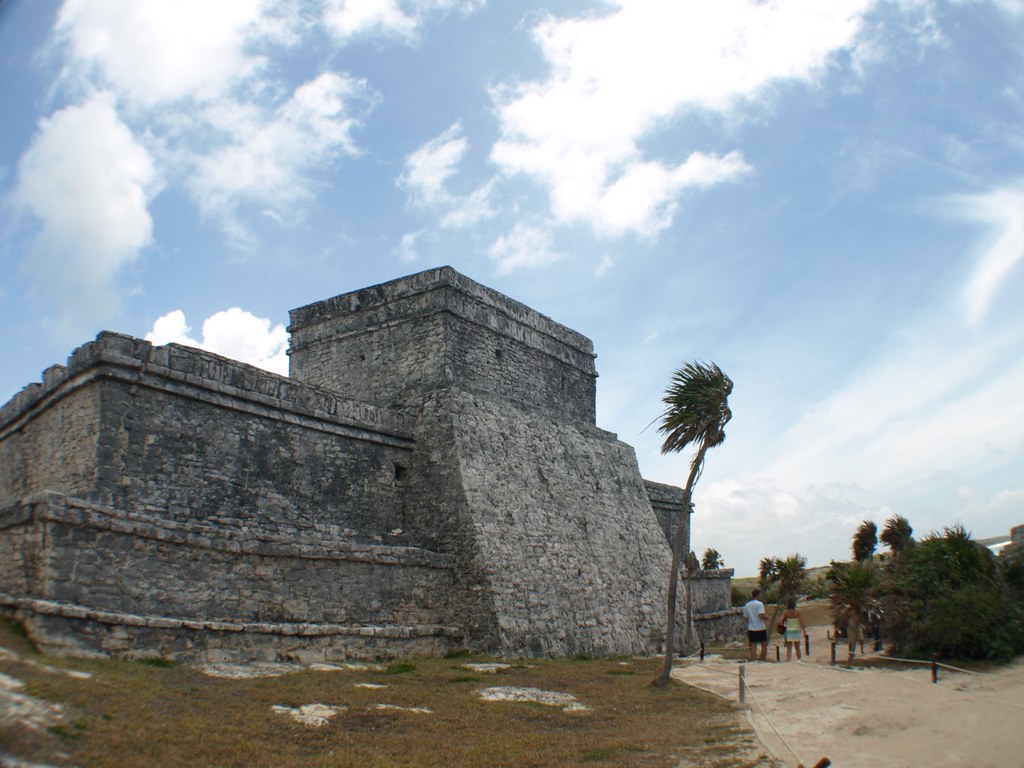
Tulum occupies a stunning clifftop location overlooking Caribbean turquoise waters. Built relatively late in Maya history, it functioned as an important port city.
The combination of archaeological ruins and beach access makes it extremely popular — arrive early to beat cruise ship crowds. Despite heavy tourism, watching sunrise over ruins with an ocean backdrop remains magical.
Coba
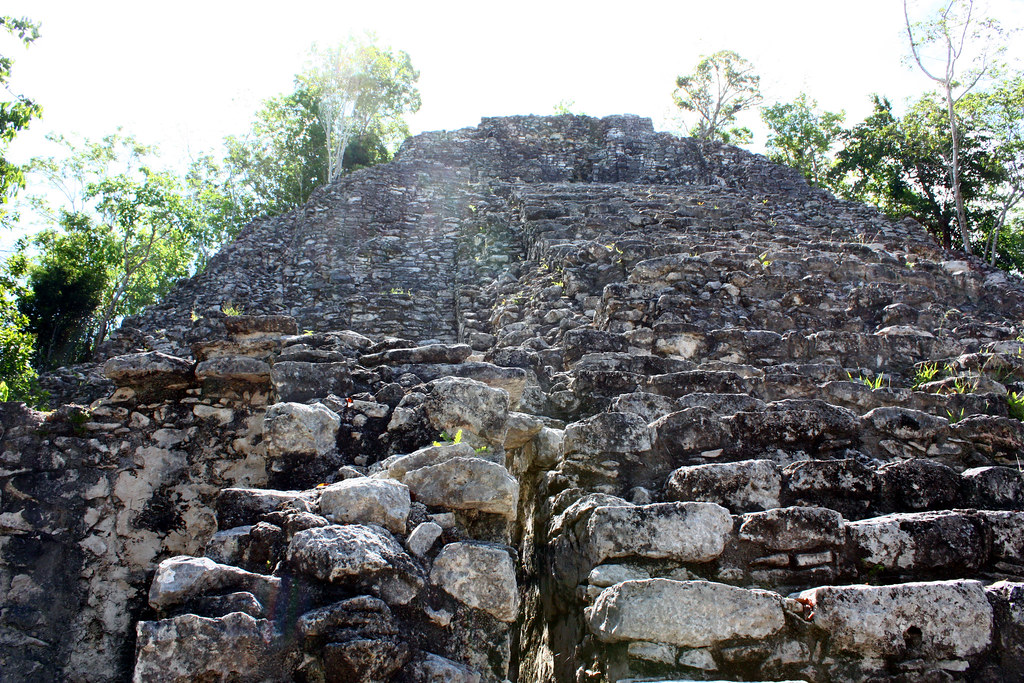
Coba thrived during the late classic and early post-classic periods. The Nohoch Mul pyramid stands 138 feet tall and remains one of the few major pyramids visitors can still climb.
Coba had a network of 16 causeways connecting it with other settlements. Renting bicycles helps cover the spread-out site, with structures scattered across several square miles of jungle.
Dos Pilas
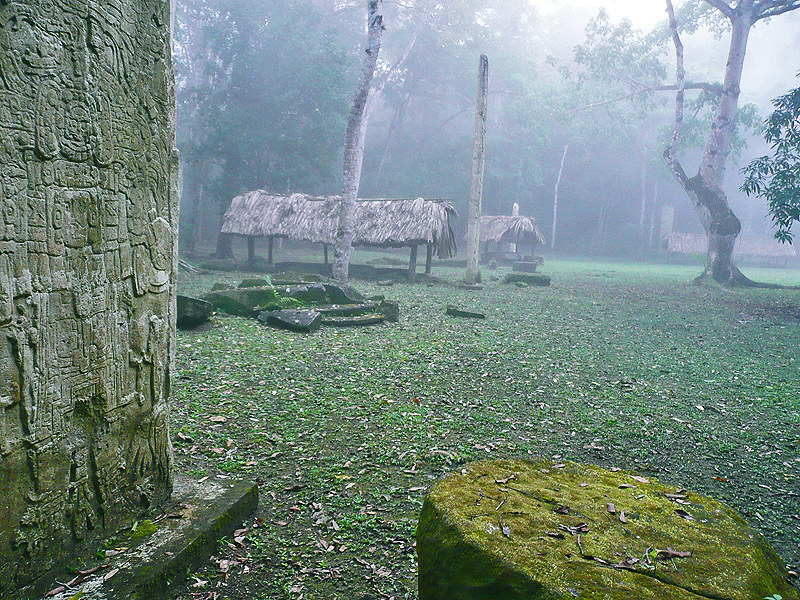
Dos Pilas was founded by the Tikal dynasty and dates to the late Classic period. Less than 50 years old when Tikal attacked in 672, Dos Pilas had the nerve to use Tikal’s emblem glyph, calling itself essentially ‘New Tikal’.
The site features hieroglyphic stairways recording dramatic military defeats. Its remote location in the Petexbatun region means few tourists venture here.
Ek Balam
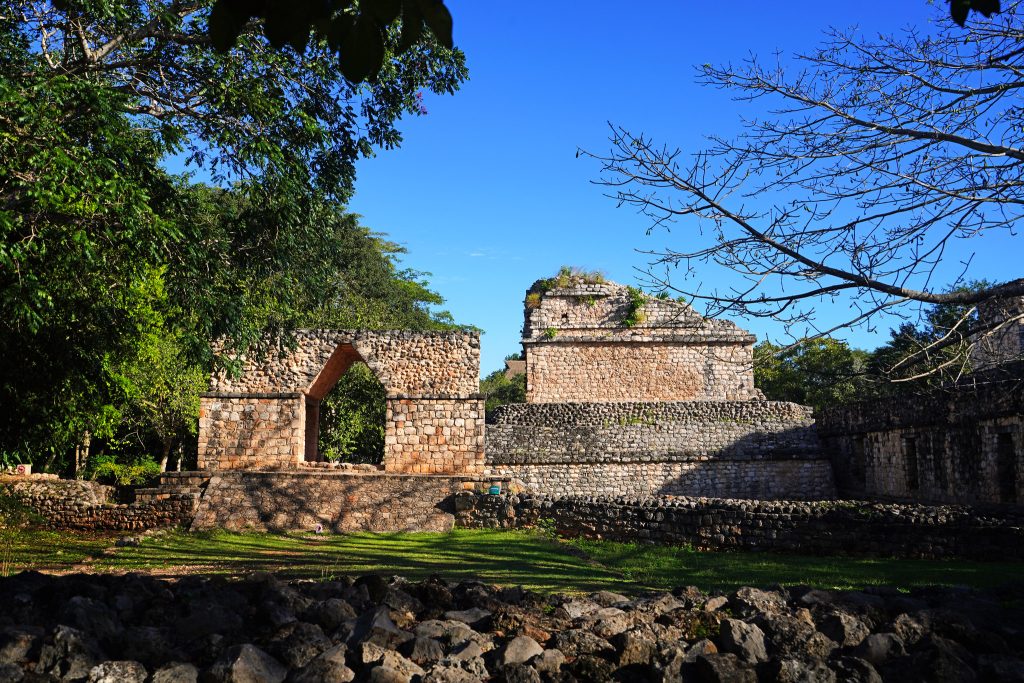
Ek Balam translates to “Black Jaguar” and contains remarkably well-preserved stucco sculptures. The Acropolis pyramid features intricate facade decorations showing winged figures and elaborate masks.
Recent excavations continue to reveal new details about this once-powerful city-state. The site’s compact size makes it manageable for visitors with limited time.
Xunantunich
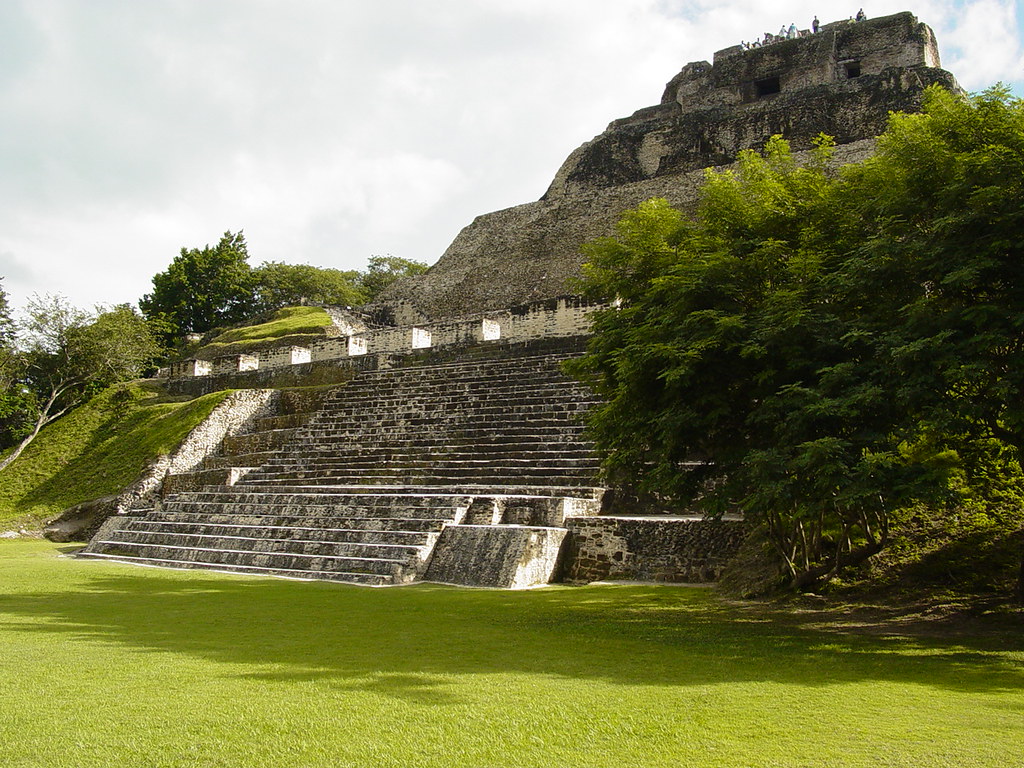
Xunantunich sits atop a ridge in Belize, accessible by hand-cranked ferry across the Mopan River. El Castillo pyramid rises 130 feet with friezes showing astronomical symbols and royal figures.
The elevated position provides sweeping views across the Guatemalan border into the Petén jungle. Manageable size and ease of access from San Ignacio make it popular for day trips.
Lamanai
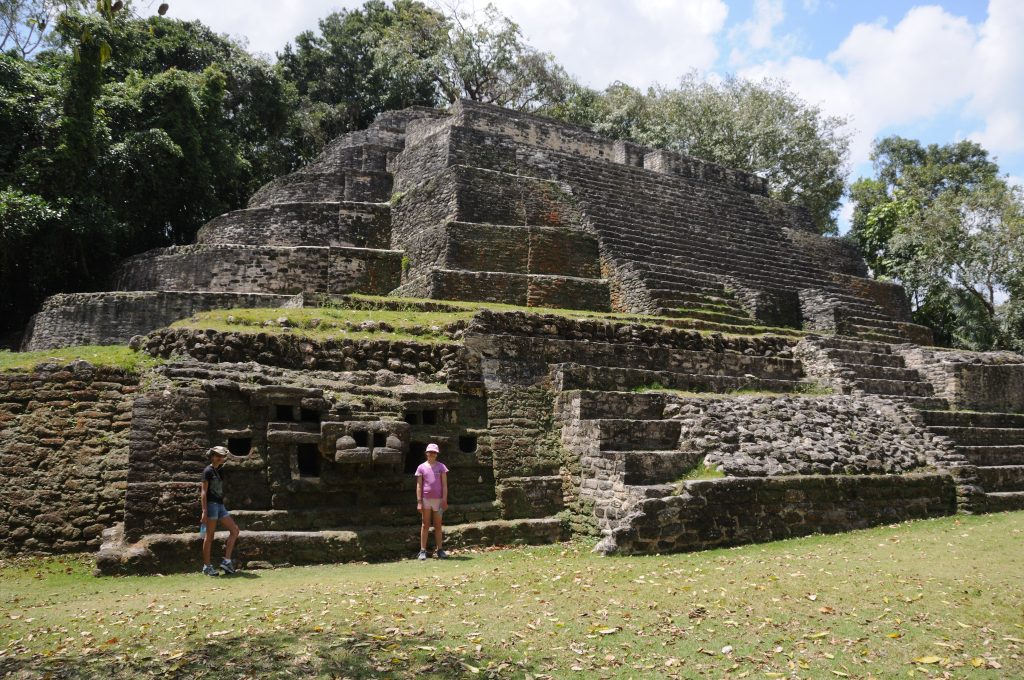
Lamanai was continuously occupied for over 3,000 years, outlasting most other Maya cities. Boat access along the New River provides an atmospheric approach through jungle waterways where crocodiles and birds thrive.
The Mask Temple features massive limestone masks flanking the stairway. Occupation continued even after the Spanish arrival, making Lamanai unusual among Maya sites.
Becan
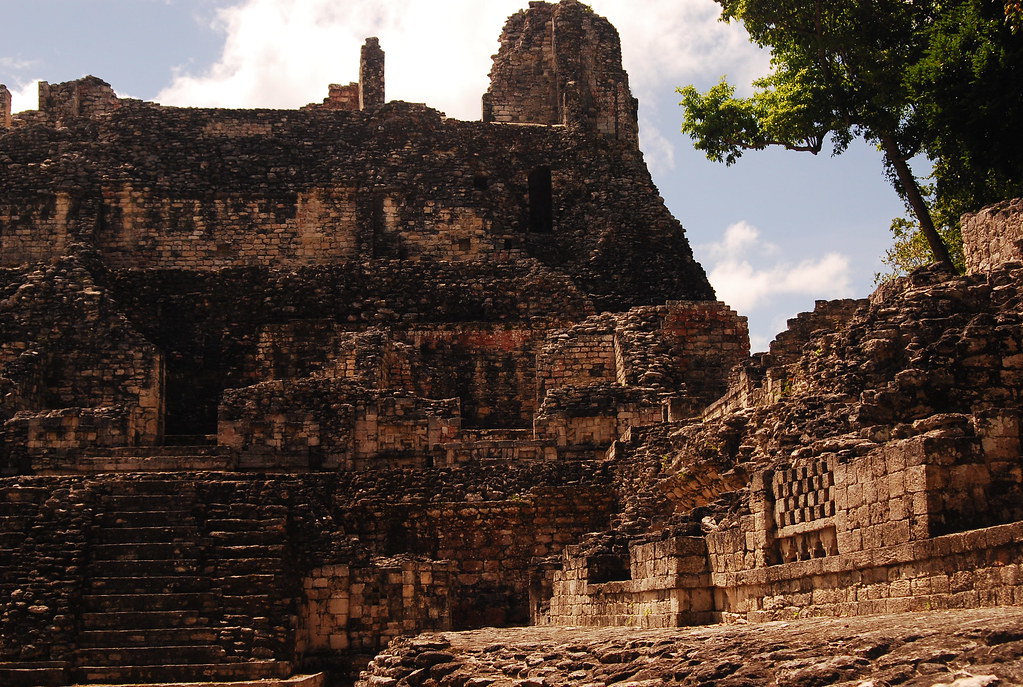
Becan was founded in the middle pre-classic period and remained inhabited throughout the classic period before abandonment around 900 AD. A unique defensive moat surrounds the central precinct — one of the few fortified Maya cities.
Twin towers of Structure I provide commanding views. The site sees relatively few visitors despite its impressive architecture and historical importance.
Where jungle reclaims human ambition
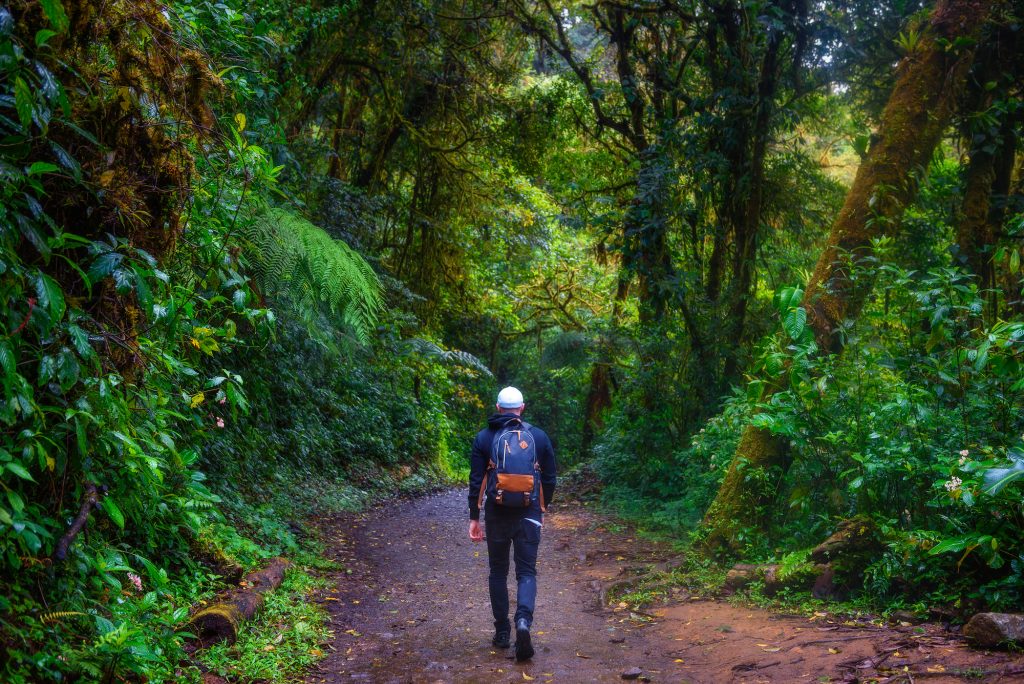
Tikal’s hiatus between the late 6th and late 7th centuries saw no new stelae erected and widespread mutilation of public sculpture following a comprehensive defeat by Calakmul and Caracol in 562 AD. The rivalry between great cities, the rise and fall of dynasties, military conquests — all played out across Central American jungles over centuries.
Today these sites stand as testimony to human achievement and nature’s persistence. Strangler figs wrap around ancient temples while howler monkeys inhabit palace courtyards, creating a powerful reminder that civilizations rise and fall, but the jungle endures.
Visiting these ruins connects us to ancestors who watched the same stars and pondered similar questions about existence, legacy, and what remains after we’re gone.
More from Travel Pug

- Underrated Italian Towns That Beat the Tourist Crowds
- Las Vegas Tourist Traps to Skip
- Prettiest Towns in Every US State
- 18 passport-free countries for Americans
- Signs Your Cruise Is Not Worth The Cost
Like Travel Pug’s content? Follow us on MSN.