

Among Europe’s most beautiful natural wonders are the waterfall parks of Croatia, which attract millions of tourists annually to see their turquoise pools and cascading falls. Plitvice While Krka National Park has gained its own reputation for accessible beauty and family-friendly paths, lakes were designated as the country’s first national park in 1949.
These parks display the amazing might of nature by limestone structures and water so pristine and vivid they appear nearly unreal. Planning a visit to these natural wonders takes more than just showing up with a camera.
From choosing the right footwear to timing your arrival for the best experience, small decisions can make or break your day. Here is a list of 15 essential tips for exploring Croatia’s waterfall parks.
Arrive early to beat the crowds

The parks get packed during peak tourist season, especially in summer months, yet showing up about 10 minutes before opening puts you among the first at the main waterfalls. Early morning visits mean quieter trails and better lighting for photography.
Arriving at 8 AM versus 10 AM can mean the difference between peaceful exploration and battling large tour groups for photo spots.
Choose the right season for your visit

Late spring, particularly May and June, offers mild weather and fewer crowds while the waterfalls are at their fullest from snowmelt. Summer brings peak tourist season with warm weather but also the biggest crowds.
Early autumn, especially September, provides dreamy weather with waterfalls still full of life and that bonus of changing foliage creating a magical atmosphere around the turquoise waters.
Wear proper footwear with good grip

The boardwalks get super slippery, and there’s often quite a bit of mud on the trails throughout both parks. Sneakers or trainers work well for general walking and sightseeing, but skip the flip-flops on those wooden walkways.
If you’re planning to swim at Krka, water shoes protect your feet from sharp rocks better than regular footwear. Your feet will likely get damp during the visit anyway, so waterproof hiking shoes provide the best combination of grip and protection.
Book tickets in advance online

Booking a later timeslot to enter might force you to walk further from the parking area, making advance online booking even more valuable. During peak season, parks implement visitor quotas to protect the environment and ensure everyone has a decent experience.
Purchasing tickets ahead of time guarantees entry at your preferred time and often saves money compared to gate prices, which can vary quite a bit by season.
Plan at least four to six hours

Most visitors spend about half a day, but for a more relaxed visit that doesn’t feel rushed, plan on a full day. The parks offer multiple hiking trails ranging from easy boardwalk loops to more extensive routes that require real stamina.
Rushing through defeats the whole purpose of visiting these natural sanctuaries. Budget enough time to explore both main sections, take the included boat rides or panoramic trains, enjoy a picnic, and simply sit by the waterfalls to soak in the atmosphere without constantly checking your watch.
Bring a reusable water bottle

Staying hydrated while walking extensive trails becomes crucial, especially during warmer months when temperatures climb. Water stations are scattered throughout the parks for refilling, making a reusable bottle both practical and environmentally responsible.
The parks actively encourage visitors to reduce plastic waste, and carrying your own bottle means you can drink whenever needed without searching for purchase points or adding to the litter problem.
Pack layers and waterproof clothing

Weather can be cooler than expected, even in late spring and early fall when you’d think it would be warm. Waterproof or quick-drying clothing keeps you comfortable near waterfalls or during those unexpected rain showers that roll through.
The microclimate around waterfalls creates mist and cooler temperatures that catch people off guard. Morning temperatures differ significantly from midday heat, particularly in summer, so a lightweight waterproof jacket stuffs easily into a daypack and proves invaluable when spray from falls dampens your clothing.
Understand swimming restrictions
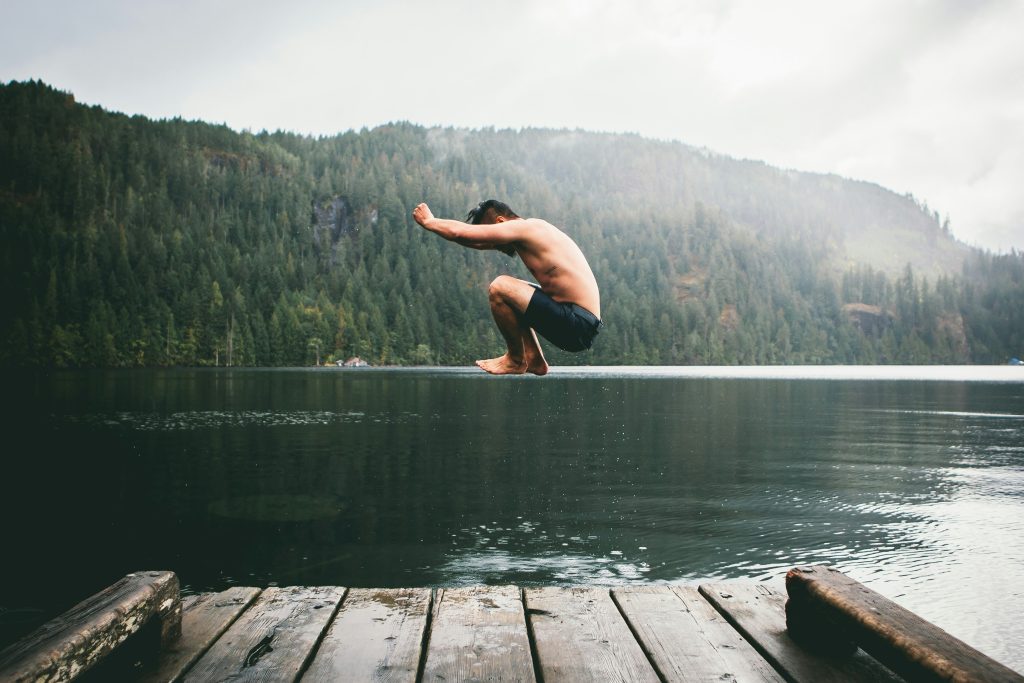
Swimming is strictly forbidden at Plitvice Lakes — they take this rule seriously and enforce it. Krka National Park allows swimming in designated areas from June 1 through September 30, though permitted spots include Roški Slap, Stinice, and Pisak. They placed a ban at the popular Skradinski Buk area back in 2021 for environmental protection.
Pack your swimsuit if visiting Krka during summer months, but respect all posted restrictions to help preserve these fragile ecosystems that took millennia to form.
Download offline maps before arriving

When driving to northern sections of Krka National Park, you’ll likely lose mobile signal completely. Having offline maps downloaded ensures you can navigate parking areas, find specific waterfalls, and locate facilities without connectivity frustrations.
Apps like Maps.me work well for hiking routes, while Google Maps handles road navigation better for getting there. The parks are expansive, and wandering around lost wastes precious exploration time you could spend actually enjoying the scenery.
Start at the recommended entrance
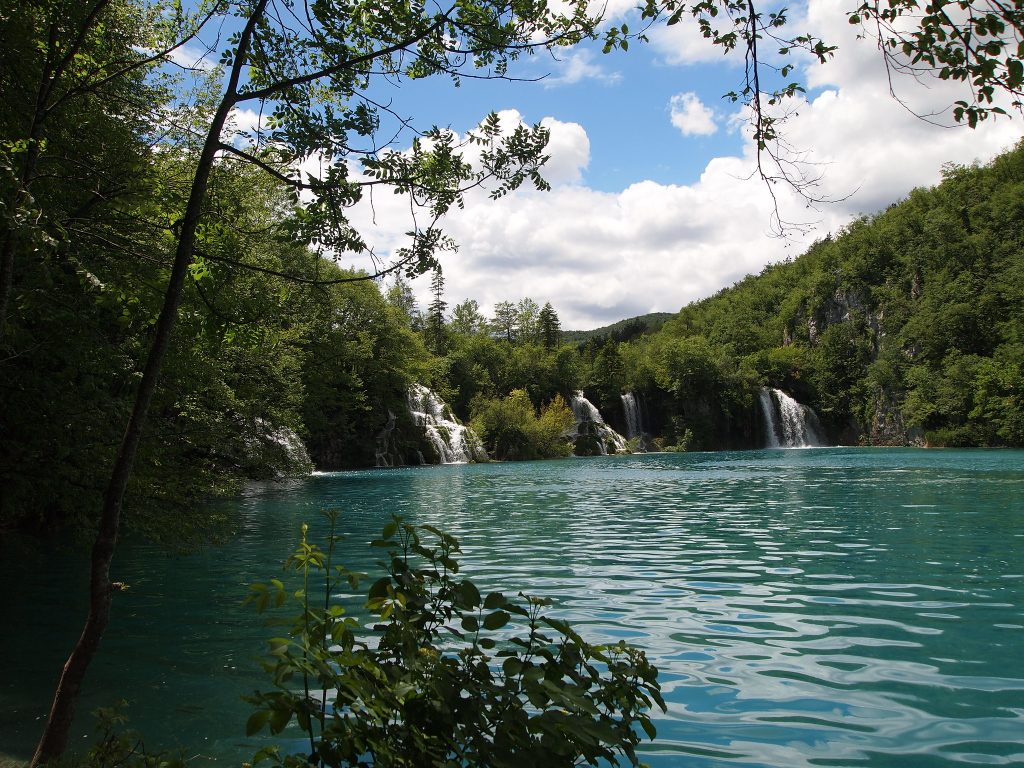
For Plitvice, choosing entrance 1 at the Lower Lakes often provides a quieter start, letting you see Veliki Slap — Croatia’s tallest waterfall at 256 feet — before crowds arrive. Different entrances serve different routes and experiences, so this matters more than you’d think.
For Krka, the Skradin entrance includes a scenic 20-minute ferry ride to the park’s waterfalls that’s actually part of the experience. Research which entrance aligns with your planned route and arrive there early to secure good parking that won’t leave you hiking a mile just to reach the entrance gate.
Bring a camera with extra batteries

The photographic opportunities throughout these parks are virtually endless, from wide landscape shots to intimate water details that showcase nature’s artistry. Snapping pictures all day drains phone batteries incredibly quickly, making a power bank essential unless you want your phone dying by noon.
The interplay of light on water, particularly in morning and late afternoon, creates magical conditions photographers dream about. However, remember to occasionally put the camera down and simply experience these places with your own eyes rather than only viewing them through a screen.
Pack snacks but plan for meals

Some food and drink are available for purchase in a few places scattered around the parks, but you can bring water and snacks or sandwiches to picnic wherever you find a nice spot. Restaurant options exist but tend to cluster around boat docks and train stations, meaning limited choices.
Bringing your own food provides flexibility to eat when and where you want without breaking the stride of your exploration or dealing with overpriced tourist meals. Just make sure you carry out all trash — littering in these protected areas shows profound disrespect for their natural beauty.
Stay on designated trails
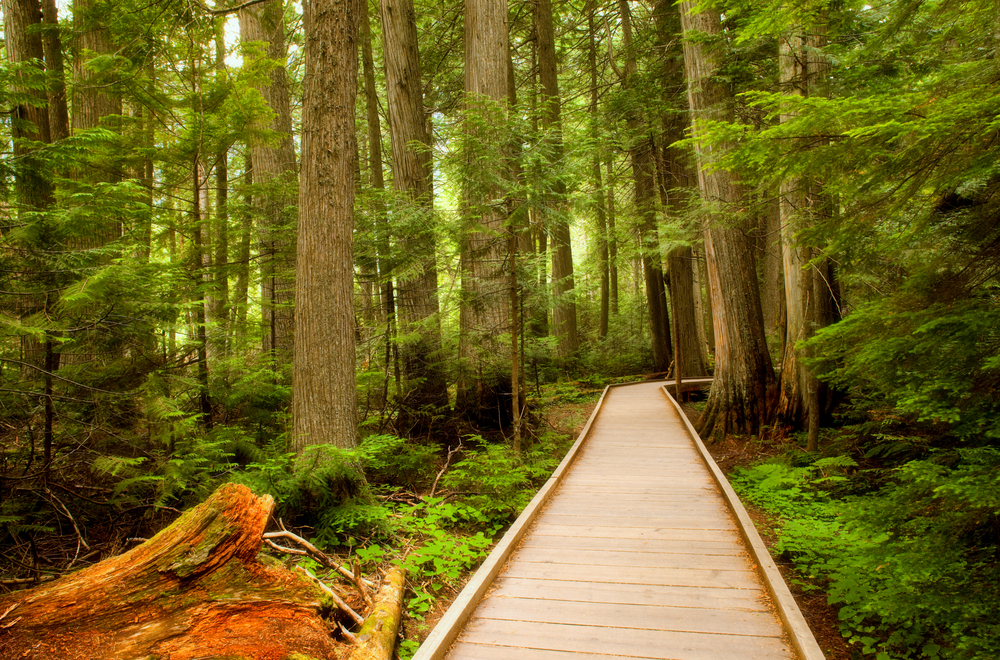
Sticking to marked paths helps preserve the natural environment and ensures your safety on terrain that can get tricky. The parks’ ecosystems are incredibly delicate, with geological and biochemical processes creating natural dams through calcium carbonate deposition over thousands of years.
Stepping off boardwalks damages vegetation and disturbs wildlife habitats that animals depend on. The trails are designed to showcase the best views while minimizing human impact, so trust the planners who know these landscapes intimately and spent years figuring out optimal routes.
Consider guided tours for deeper insight

Guides provide insights into the unique environment, nature, and history that you’d almost certainly miss exploring on your own. While independent exploration offers flexibility and freedom, guides share fascinating details about the parks’ formation, ecology, and cultural significance that transform the experience.
Restored watermills at Skradinski Buk now function as museums displaying traditional tools and equipment from centuries past. Tours also handle transportation logistics, particularly valuable if you don’t have a rental car or feel uncomfortable navigating unfamiliar roads.
Bring sun protection and insect repellent

Croatia’s sunny climate calls for adequate sun protection including sunscreen, a wide-brimmed hat, and sunglasses — the sun reflects off water and intensifies. Midday heat can become intense, especially during summer when temperatures soar, making lightweight and breathable clothing essential for comfort.
Insect repellent becomes necessary in forested areas and near still water, particularly during warmer months when mosquitoes thrive. These simple items prevent discomfort that could otherwise cut short your exploration of these magnificent natural spaces.
Where nature keeps sculpting
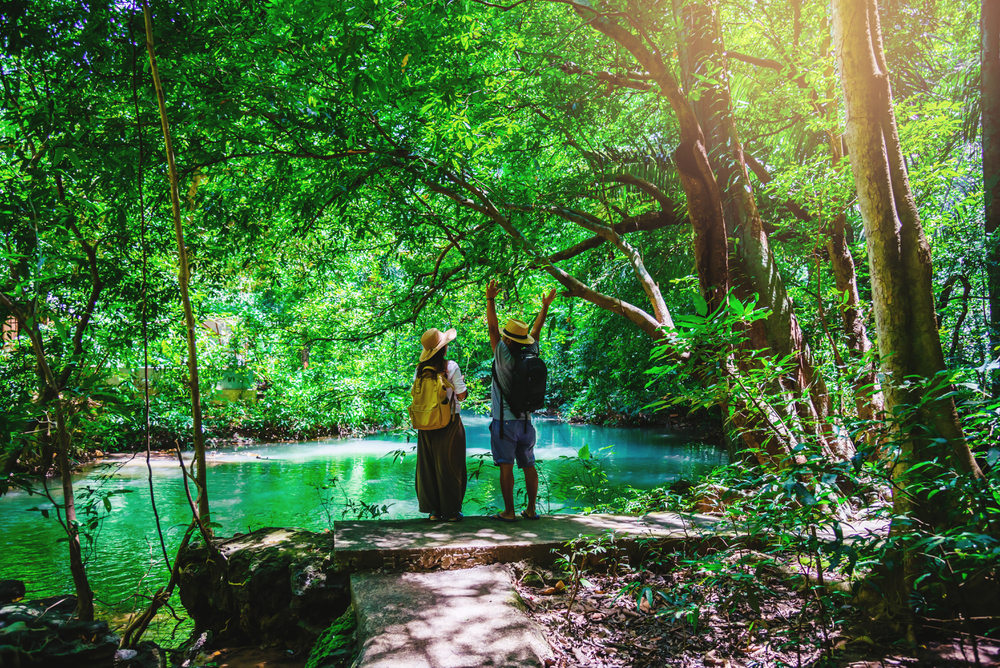
The tufa barriers at Plitvice result from millennia of ongoing geological processes that continue today, reminding visitors these landscapes existed long before tourism and will keep evolving long after. The parks received UNESCO World Heritage designation back in 1979 for their outstanding universal value.
What seems like a single day’s visit actually represents a window into ancient natural processes still actively shaping the landscape right now. Every cascade you photograph, every turquoise pool you admire, exists because of interactions between water, limestone, and living organisms that have continued for thousands of years and show no signs of stopping.
More from Travel Pug

- Underrated Italian Towns That Beat the Tourist Crowds
- Las Vegas Tourist Traps to Skip
- Prettiest Towns in Every US State
- 18 passport-free countries for Americans
- Signs Your Cruise Is Not Worth The Cost
Like Travel Pug’s content? Follow us on MSN.