

Cruise ship buffets have long been the default dining choice for many travelers. The appeal is understandable—unlimited food, casual atmosphere, no dress code required.
But savvy cruisers are increasingly finding that the buffet might not be the best way to experience all your ship has to offer. From health concerns to hidden dining gems you’re missing out on, here are the reasons you should reconsider buffet dining during your voyage. Here’s a list of reasons skipping the cruise buffet might be the smartest decision you make at sea.
The crowds are overwhelming
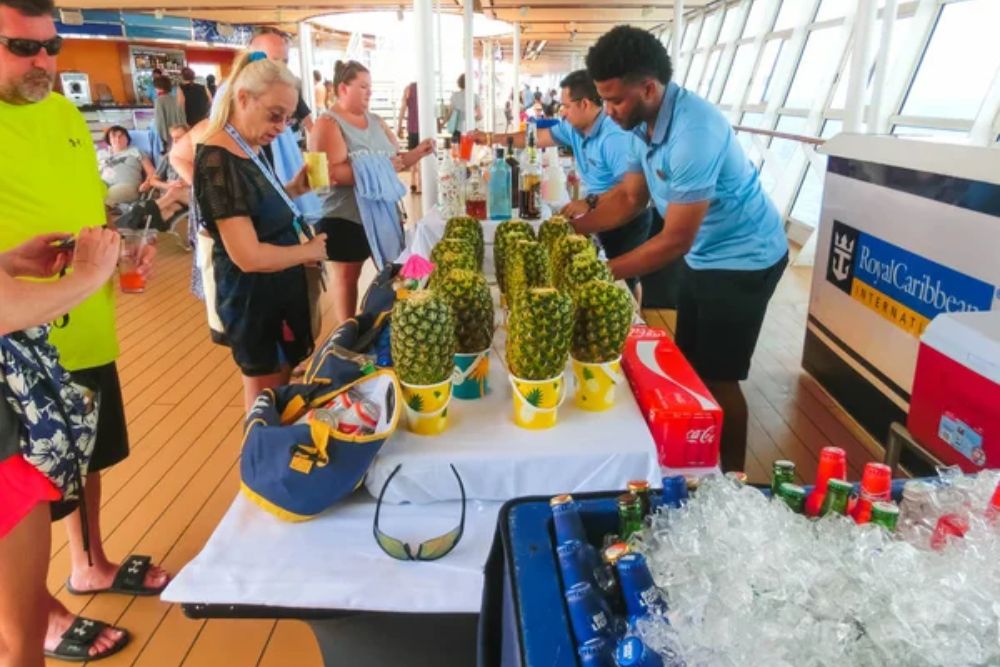
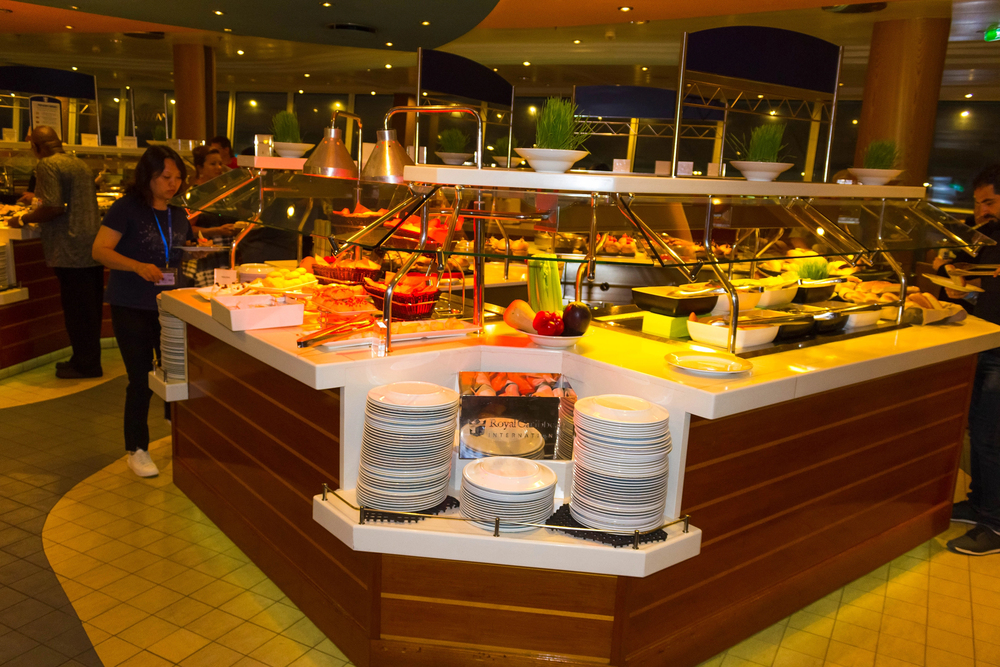
Imagine thousands of ravenous travelers swarming into a single, enormous dining area at the same time, vying for seats at the same food stations. Cruise ship buffets can feel like a feeding frenzy, especially during embarkation day lunch or on sea days when everyone’s on board.
You’re left juggling plates while frantically looking for a place to sit, lines wind around corners, and tables go by faster than freshly made pizza. What should be a leisurely meal can become a stressful obstacle course due to the pressure of vying for space.
Your waistline will thank you

According to studies, the buffet is frequently the primary cause of the average cruise passenger’s daily weight gain of around a pound. People often overeat at buffets, especially when larger plates are available, according to research.
When food is always available and in plain sight, the urge to “but look at all those desserts” overpowers your brain’s “I’m full” signals. Skipping the buffet helps you avoid the temptation to pile your plate high just because you can, making it easier to return home without needing a whole new wardrobe.
The food isn’t as fresh as you think
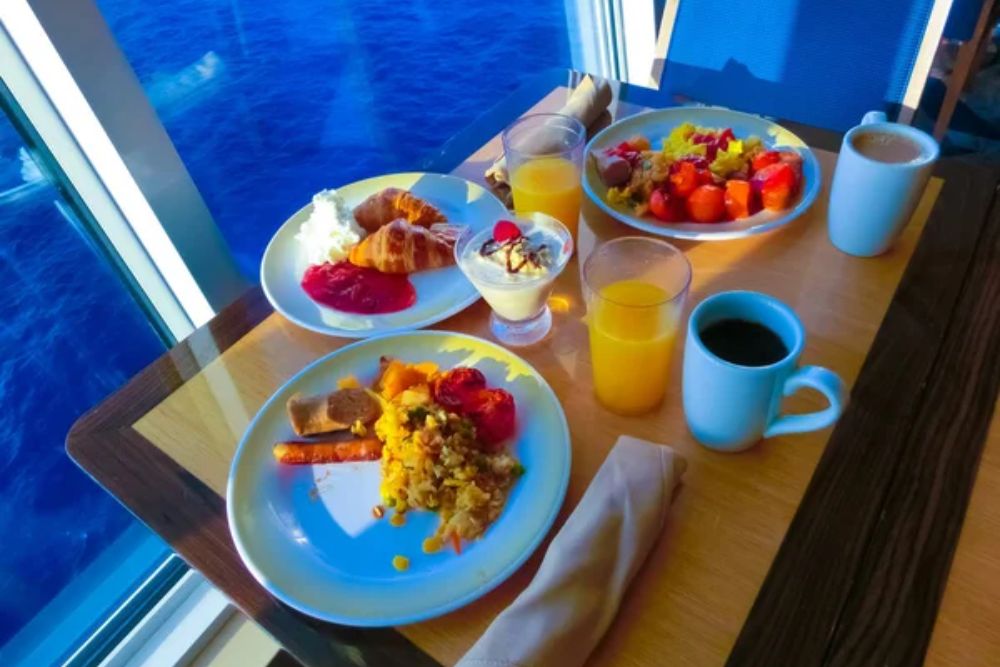
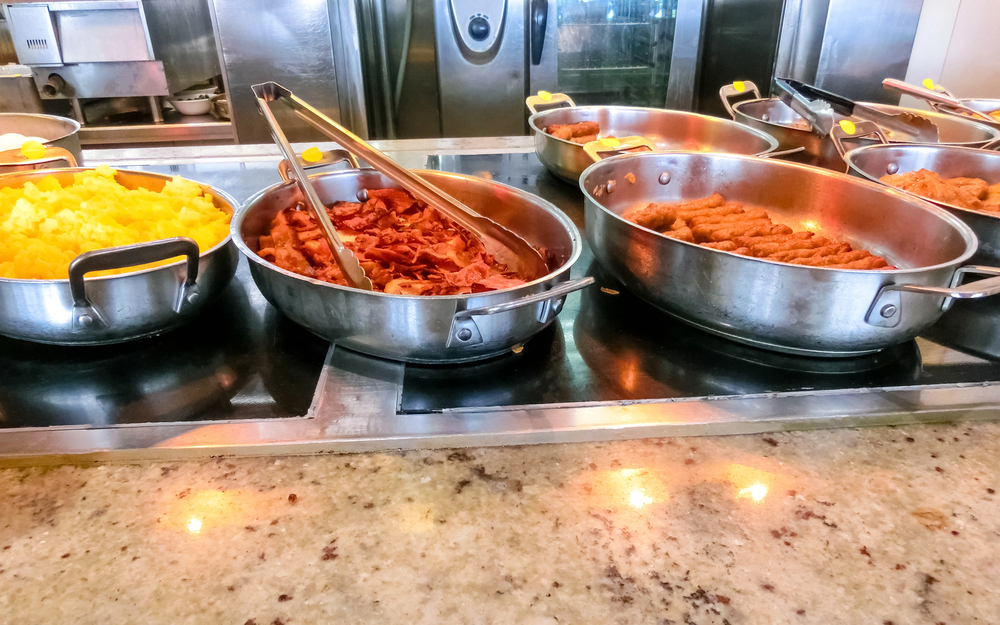
A large portion of the buffet food is made hours in advance and is left on steam tables or under heat lamps until someone eats it. That pizza with the cheese that was just a little bit solid? It might be days or hours old.
To feed thousands of passengers, cruise lines prepare enormous amounts of food, which necessitates batch cooking and lengthy storage periods. Specialty restaurants take pride in their fresh food, while the main dining room prepares meals to order. You deserve to eat food that hasn’t been out since breakfast when you’re paying for a cruise vacation.
Hygiene concerns are real

Norovirus outbreaks make headlines for a reason, and buffets are prime transmission zones. Hundreds of people touching the same serving tongs create countless opportunities for germs to spread.
While cruise lines have hand-washing stations at buffet entrances, not everyone uses them religiously. Add in passengers who sneeze near food, drop tongs on the floor, or use their hands instead of utensils, and you’ve got a recipe for illness. Several cruise ship kitchens have failed CDC sanitation inspections, with reports of flies buzzing around food and dirty utensils mixed with clean ones.
Specialty restaurants offer better value
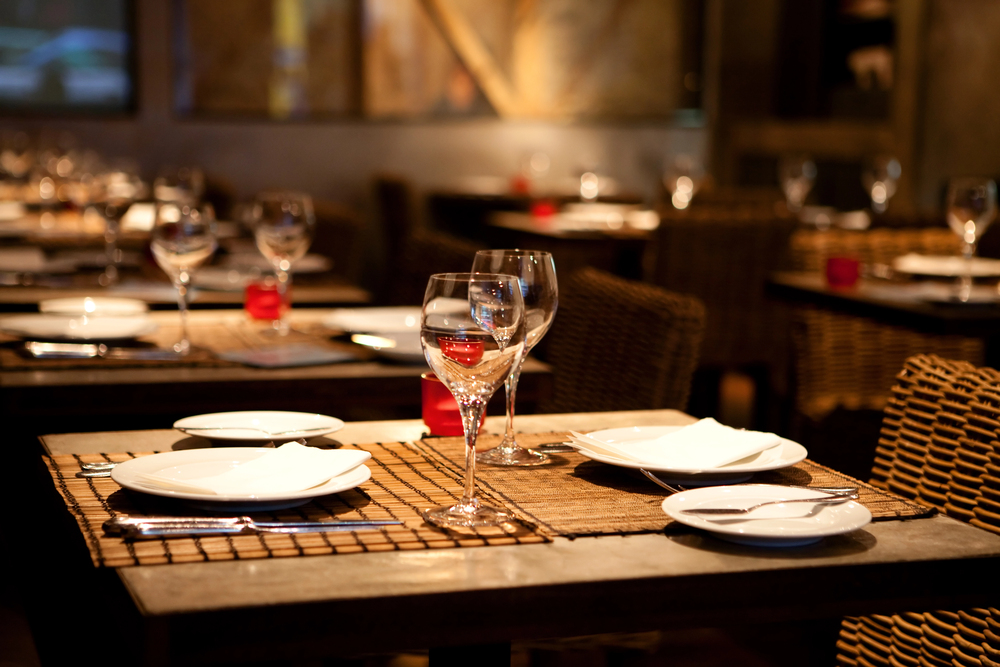
At first glance, paying extra for specialty dining seems counterintuitive when buffet food is included. But consider this: specialty restaurant packages on most cruise lines cost around $120 for three meals or about $330 for unlimited dining.
That’s the equivalent of eight cocktails or one shore excursion. For that price, you get intimate atmospheres, higher-quality ingredients, and memorable dining experiences you’ll actually remember months later. The buffet is free, sure, but you won’t be reminiscing about that lukewarm pasta bar anytime soon.
Powdered eggs are more common than you’d like
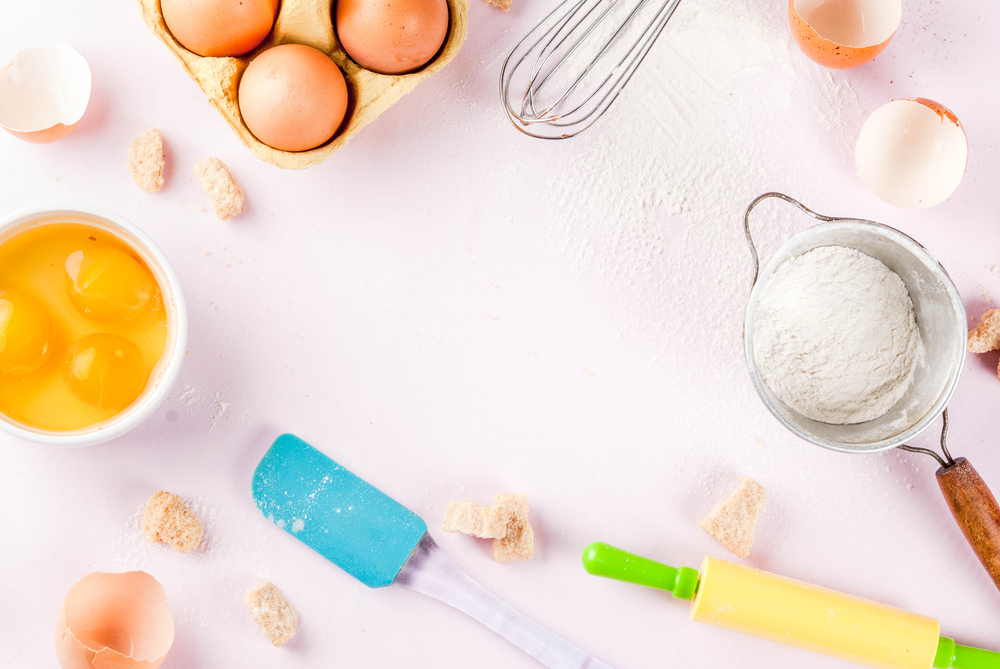
Those scrambled eggs at breakfast? There’s a good chance they started as powder or liquid egg product rather than actual eggs cracked into a pan. Cruise lines use powdered eggs because they’re cheaper, easier to transport, and last much longer at sea than fresh ones.
While perfectly safe to eat, they stay noticeably wet and gloopy even after sitting under heat lamps. If you want real eggs, your best bet is the made-to-order omelet station or the main dining room, where eggs are prepared individually.
Finding a table becomes a competitive sport
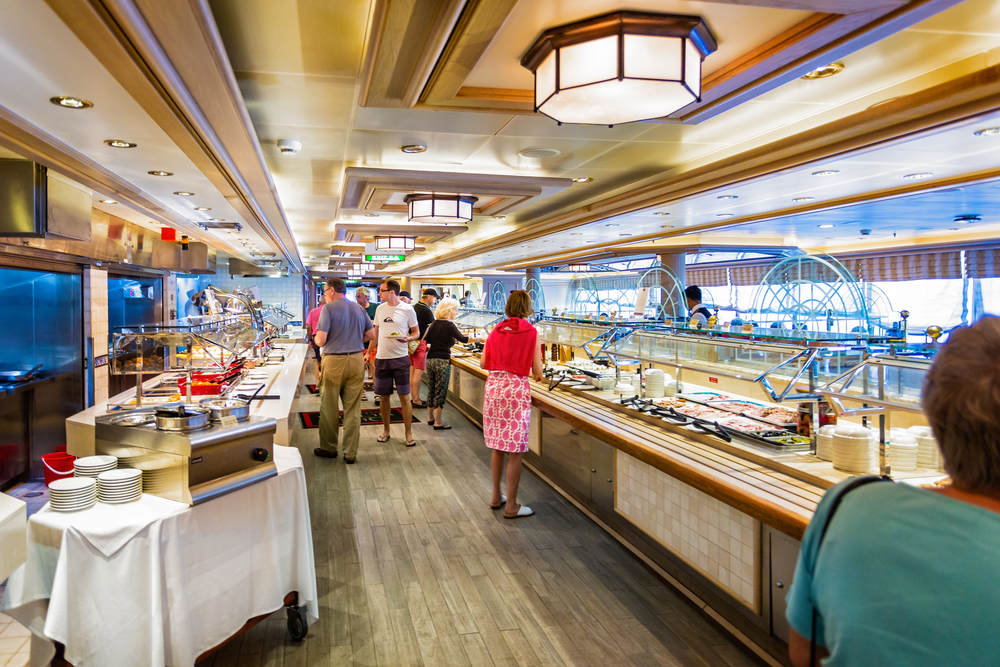
On sea days and during peak meal times, securing a table at the buffet can feel like a game of musical chairs played by several thousand people. You’ll spot passengers circling like vultures, plates in hand, waiting for others to finish.
Some cruise lines pack tables so close together that you’re practically dining with strangers anyway. The outdoor seating fills up fast when the weather permits, leaving you stuck in the crowded indoor sections. The main dining room guarantees you a table without the hunt, and specialty restaurants take reservations so you’re seated immediately.
You’re missing out on better included options
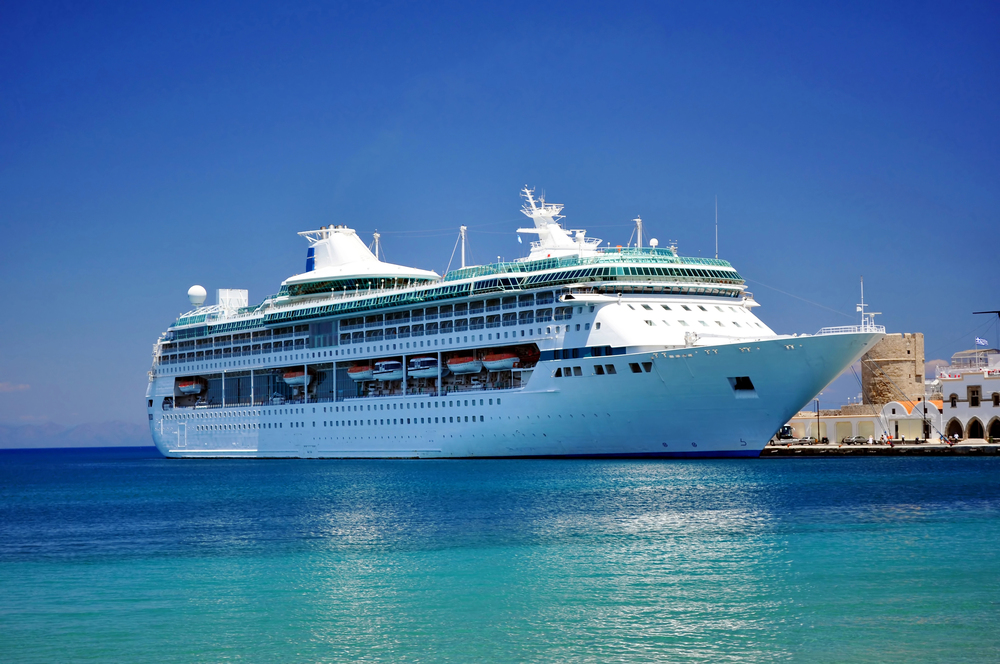
Most modern cruise ships offer multiple complimentary dining venues beyond the buffet that many passengers never discover. The main dining room serves multi-course meals with waiter service. Casual poolside grills serve fresh burgers and hot dogs.
Pizza stations make pies to order. Some ships have complimentary food courts with different cuisine stations where crew members serve you, combining convenience with better portion control and hygiene. Virgin Voyages eliminated traditional buffets, offering over 20 different restaurants instead—all included in your fare.
The layout is confusing and inefficient
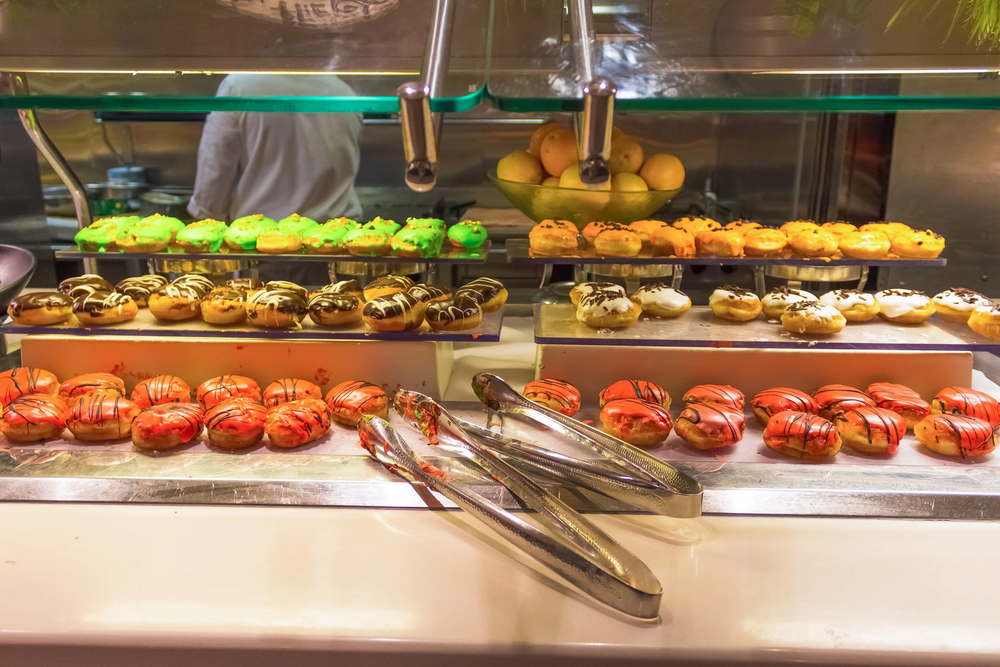
Cruise ship buffets often sprawl across huge spaces with food stations scattered in ways that make no logical sense. The salad bar is on one end, desserts are somewhere in the middle, and the main dishes require you to backtrack past the crowd you just navigated.
You don’t realize the pasta station exists until your third day onboard because it’s hidden around a corner. This poor layout means multiple trips back and forth, more time in line, and food getting cold while you search for the items you want.
Portion control is nearly impossible
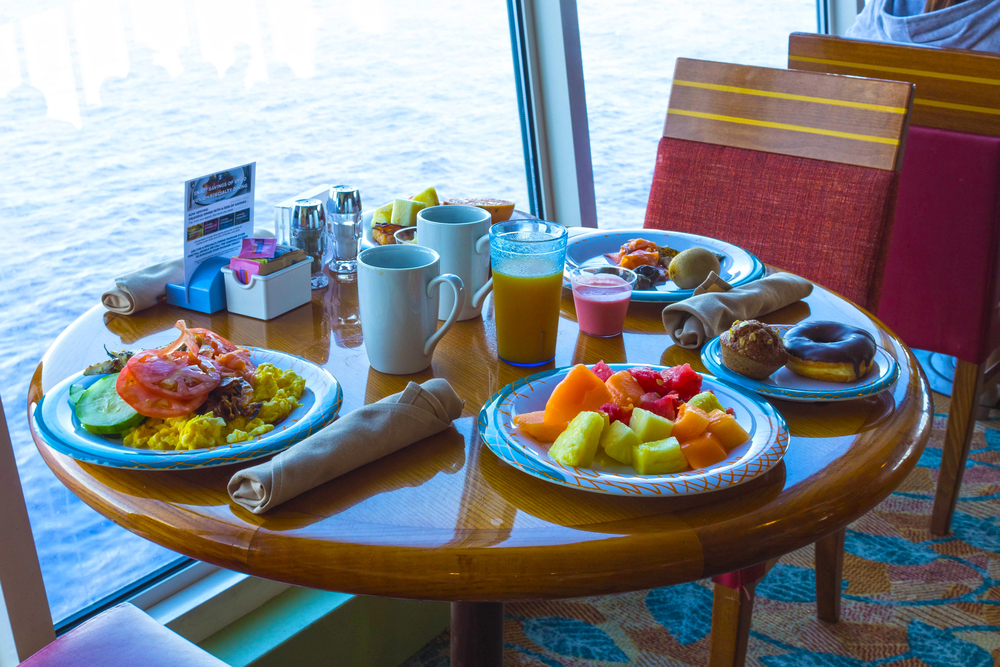
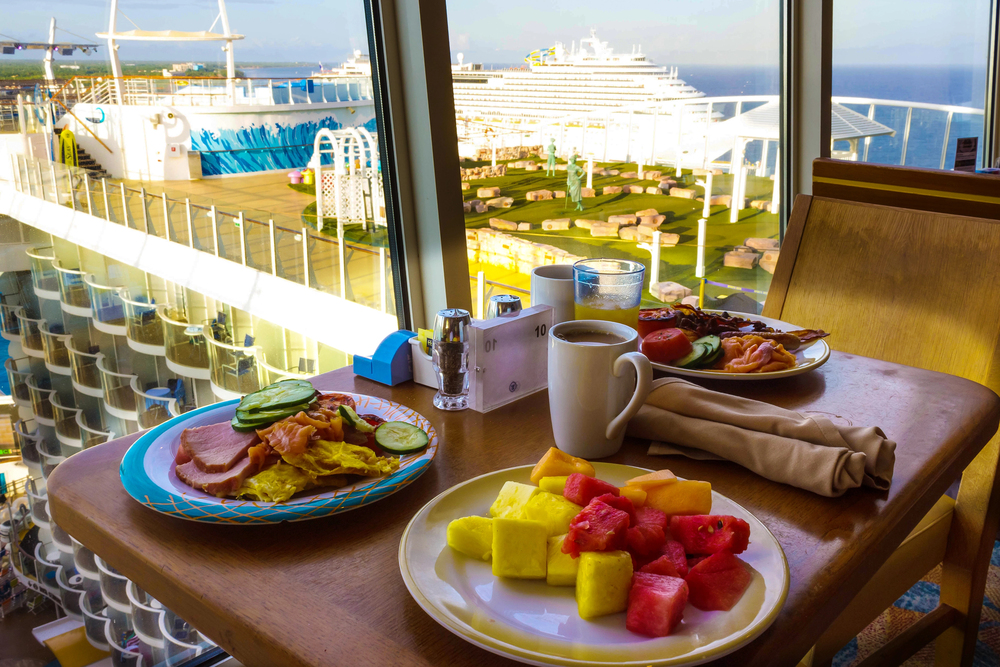
Buffets encourage an ‘eyes bigger than stomach’ mentality that leaves you uncomfortable and overfed. You load up on appetizers, then realize you still need to get entrees —but oh look, there’s a whole dessert section, too.
Before you know it, you’ve consumed enough calories for an entire day in one sitting. The main dining room forces pacing with separate courses, and specialty restaurants serve appropriately sized portions. This structure helps you enjoy your meal without that post-buffet food coma that ruins your afternoon activities.
Food waste is staggering
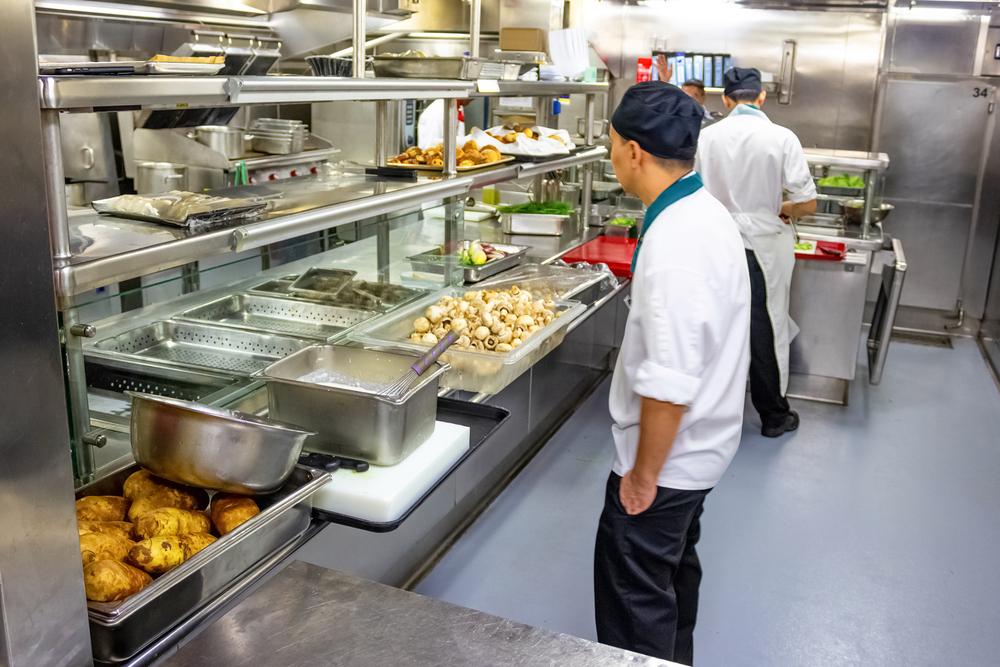
Cruise ships like Icon of the Seas produce massive amounts of leftover food daily—think 4,000 lobster tails and 40,000 desserts across one week. Much of this waste comes from the buffet, where guests take more than they can eat and then abandon half-filled plates.
Despite cruise lines’ efforts to reduce waste through food pulpers and conversion systems, the scale barely makes a dent in the problem. When you order from a menu instead, you get what you actually want in reasonable amounts, contributing less to this environmental issue.
The main dining room provides better service
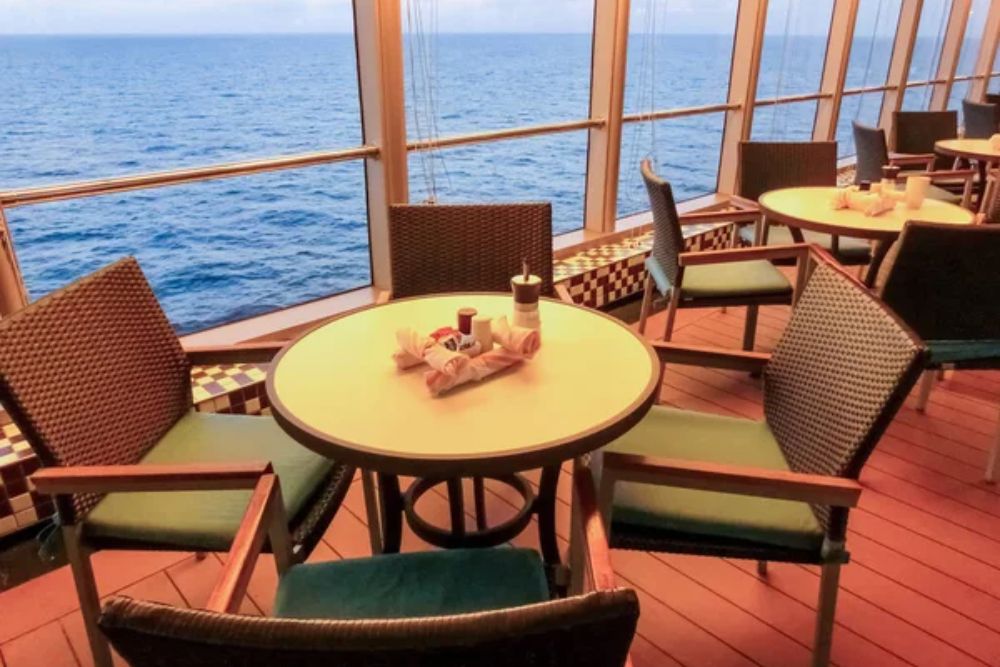
Having someone take your order, bring your food, and clear your plates might seem old-fashioned, but it’s actually more relaxing than doing everything yourself. No balancing multiple plates while walking through crowds, no making several trips for different courses, no bussing your own table.
The waitstaff in the main dining room get to know your preferences over the course of your cruise and can accommodate special requests. This level of service transforms dinner from a cafeteria experience into an actual dining event.
You’re eating the same food anyway
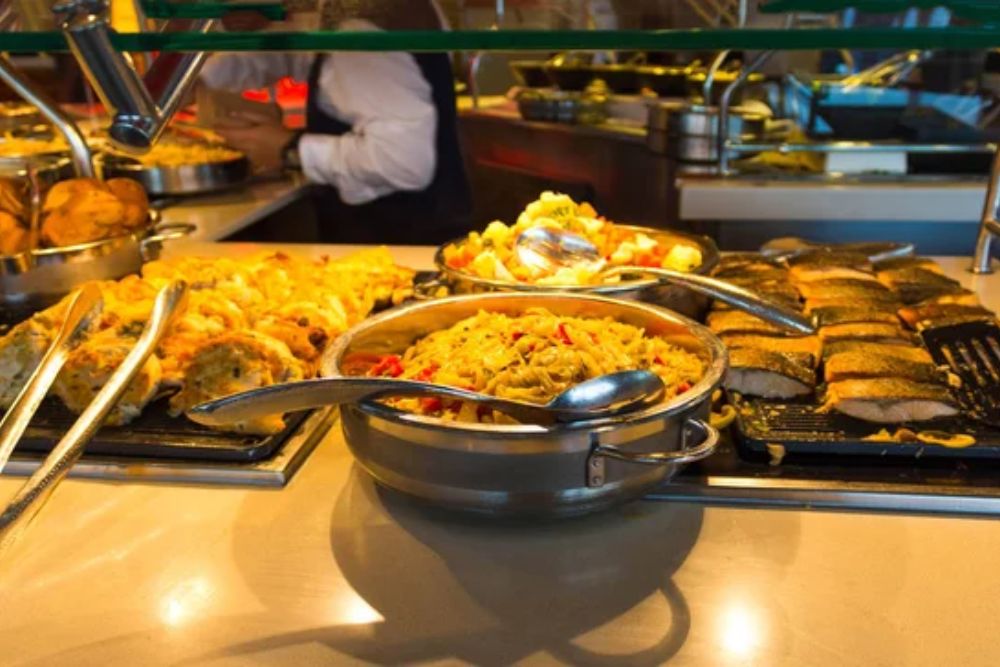
The buffet and main dining room often serve similar dishes, especially at dinner. The difference is that the main dining room food is plated attractively and served at the proper temperature, while buffet versions have been sitting out.
Additionally, buffet menus tend to repeat throughout your cruise, offering the same chicken, pasta, and generic sides day after day. The main dining room and specialty restaurants rotate their menus more frequently, giving you more variety over the length of your voyage.
Made-to-order stations are the buffet’s only redeeming feature
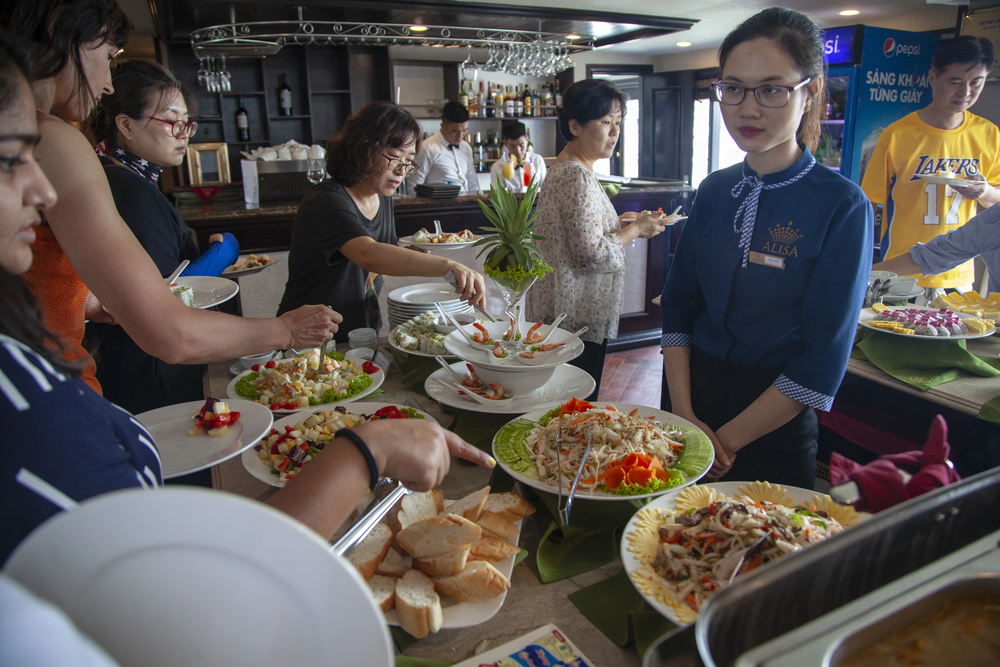
The one part of the buffet worth your time? The cooking stations, where chefs prepare food as you order it. Omelet stations at breakfast, pasta stations at lunch, stir-fry stations at dinner—these offer customization and freshness that the rest of the buffet lacks.
But here’s the thing: most ships offer similar made-to-order options elsewhere. The poolside grill makes burgers fresh. The main dining room will modify dishes to your preferences. You can get the benefits of customization without wading through the buffet chaos.
Dress codes permit you to feel special
The buffet’s casual, come-as-you-are atmosphere sounds appealing until you realize that part of vacation is feeling like you’ve escaped regular life. The main dining room’s smart casual dress code isn’t about stuffy formality—it’s about creating an atmosphere where people make a little effort.
Putting on something nicer than pool clothes and sitting down to a proper meal makes the experience feel more special. You’re on vacation, after all. Why spend every dinner looking like you just rolled out of bed?
The future is moving beyond buffets
The cruise industry itself is reconsidering the traditional buffet model. Virgin Voyages launched with no conventional buffets, opting for food court-style venues with crew service.
Havila Voyages replaced their dining hall with a la carte menus to reduce waste. Several luxury lines never offered self-service buffets to begin with, recognizing that paying passengers expect higher standards.
From bulk service to curated experiences
The cruise industry spent decades honing the art of efficiently serving thousands of people at enormous buffets. That model made sense when cruising was primarily about affordable transportation between ports.
However, modern cruisers are looking for more than just food. They are prepared to occasionally dress up for a special meal, wait a little longer for freshly prepared food, and try different cuisines in restaurants with thoughtful design.
The move away from buffet-centric dining shows that the industry is paying attention to what contemporary tourists truly desire: experiences over convenience, quality over quantity, and memories worth creating rather than quickly forgotten meals.
More from Travel Pug

- Underrated Italian Towns That Beat the Tourist Crowds
- Las Vegas Tourist Traps to Skip
- Prettiest Towns in Every US State
- 18 passport-free countries for Americans
- Signs Your Cruise Is Not Worth The Cost
Like Travel Pug’s content? Follow us on MSN.