

Rome is one of those cities that feels like it should cost a fortune. Ancient ruins, world-class art, cobblestone piazzas, and pasta that makes you question every meal you’ve ever eaten before — it all sounds expensive.
And yes, if you’re not paying attention, the Eternal City can drain your wallet faster than a pickpocket near the Trevi Fountain. But here’s the thing: $100 a day in Rome is genuinely doable, and you won’t be surviving on dry crackers to pull it off.
The key is knowing where the money actually goes and where you can push back. Here are 16 practical, tested ways to make $100 a day work in Rome — without missing out on the good stuff.
Stay outside the historic center
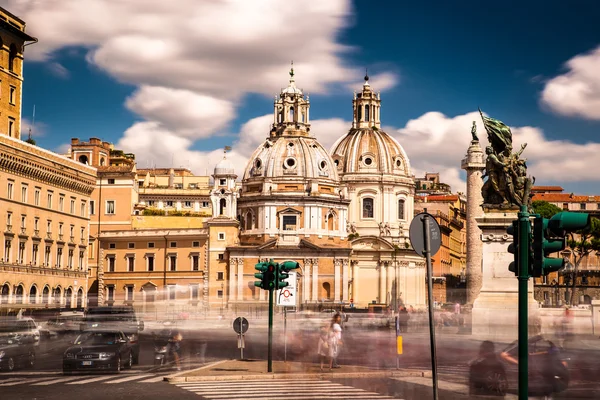
Accommodation is where most Rome budgets take their biggest hit, and the closer you are to the Pantheon or the Spanish Steps, the more you’ll feel it. Hotels in the centro storico regularly run €180 or more per night, but neighborhoods like Prati, Testaccio, and San Giovanni offer clean, well-connected options for 30–50% less.
Prati in particular sits just north of Vatican City — close enough to walk to major sights, but residential enough that you’re not paying tourist-area premiums for a bed.
Consider a hostel (seriously)

Before you scroll past this one, hear it out. Rome’s hostel scene has grown up considerably, and many now offer private rooms alongside dorm beds.
A dorm bed in a well-reviewed hostel runs around €50 a night, while private rooms in the same properties can be found for around €100 — still cheaper than most hotels in comparable locations. Places like YellowSquare Rome and Alessandro Palace have solid reputations for cleanliness and a surprisingly lively social atmosphere, which is a nice bonus if you’re traveling solo.
Book accommodation well in advance
Rome is one of Europe’s most visited cities, with around 9 to 10 million overnight visitors annually. Prices respond accordingly, and last-minute bookings almost always mean paying more for worse options.
Booking 6–8 weeks out (or longer during peak season) can save 20–30% on accommodation costs, which adds up fast over a multi-day trip. If your dates are flexible, January through March offers the lowest rates of the year across the board.
Eat breakfast at a pasticceria, not your hotel

Italian breakfast culture is a budget traveler’s best friend. A cappuccino and a cornetto (the Italian version of a croissant) at a local pasticceria costs around €2–3, and it tastes better than anything a hotel buffet will serve you.
The trick is to stand at the bar rather than sitting at a table — table service adds a surcharge at most Roman cafes, sometimes doubling the price for the exact same coffee. It’s not about being cheap; it’s about eating like a local.
Go for pizza al taglio at lunch

Pizza al taglio — pizza sold by the slice or by weight — is one of Rome’s greatest budget gifts. A satisfying lunch of two or three slices runs €5–8, depending on toppings, and the quality at a good Roman pizzeria al taglio puts most sit-down tourist restaurants to shame.
Pair it with a bottle of water from a nearby shop and you’ve got a full midday meal for well under $10. Neighborhoods like Testaccio and Prati have some of the best spots, well away from the inflated prices near major landmarks.
Use the ‘pranzo di lavoro’ lunch deal

Many Rome restaurants offer a ‘pranzo di lavoro’ (worker’s lunch) on weekdays — a fixed-price midday meal that typically includes two courses and a drink for €12–18. It’s designed for office workers, not tourists, which means the food is straightforward, generous, and priced to reflect what people actually want to pay for lunch.
Making this your main meal of the day and eating lighter in the evening is a reliable way to enjoy sit-down Roman food without the dinner price tag.
Walk everywhere you can

Rome’s historic center is more compact than it looks on a map. The Trevi Fountain, Pantheon, Piazza Navona, and the Roman Forum are all within roughly a 15-minute walk of each other, which means you can cover a serious amount of ground on foot without spending a cent on transport.
Walking also tends to reveal the best parts of the city — the unexpected side streets, tiny churches with Caravaggio paintings inside, and neighborhood bars where a €1.50 espresso tastes like a revelation.
Use public transport for longer distances

When walking isn’t practical, Rome’s metro, bus, and tram network is one of the cheapest ways to get across town. A single ticket costs €1.50 and is valid for 100 minutes, while a 48-hour pass runs €12.50 and a 72-hour pass costs €18.
Taxis, by contrast, start at €6.50 per mile and add up quickly if you’re making multiple trips a day. Unless you’re splitting the fare with a group, public transit will almost always be the smarter financial call for anything beyond a 20-minute walk.
Visit major sites on free Sundays

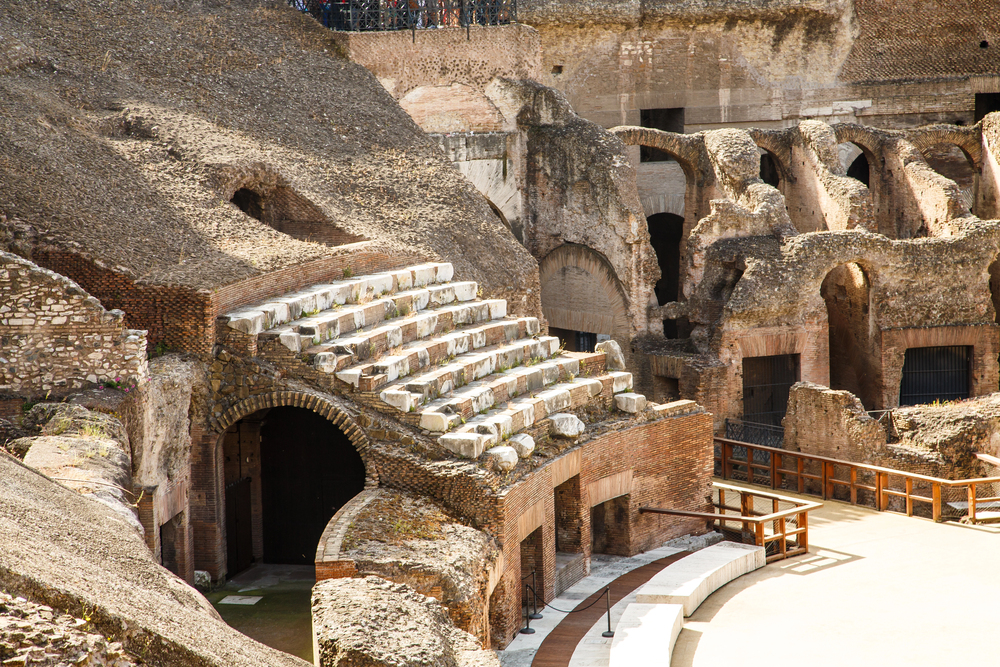
Rome has a well-established free museum program that smart visitors plan their trips around. On the first Sunday of every month, major state sites — including the Colosseum, Roman Forum, Palatine Hill, Galleria Borghese, and Capitoline Museums — offer free entry to all visitors.
The Vatican Museums (including the Sistine Chapel) follow a separate schedule, opening for free on the last Sunday of each month from 9 AM to 2 PM. These days get crowded, so arriving early is important, but saving €16–20 per attraction adds up to real money.
Take advantage of genuinely free sights
Rome has an embarrassing amount of world-class things to see that cost absolutely nothing, year-round. St.
Peter’s Basilica is free to enter (just expect a queue). The Trevi Fountain, Spanish Steps, Piazza Navona, and the views from the Janiculum Hill don’t charge admission.
Many of Rome’s churches function as informal art museums — the Church of San Luigi dei Francesi alone houses three major Caravaggio paintings, all accessible for free. The city’s 2,500-plus ‘Nasoni’ drinking fountains also mean you never need to buy bottled water.
Skip restaurants on tourist-heavy piazzas

The restaurants directly facing the Colosseum, Trevi Fountain, and other major landmarks operate on what some locals call a ‘location tax’ — prices that can run two or three times what you’d pay for the same food two streets over. A practical rule of thumb is to walk at least one block in any direction from any major sight before sitting down to eat.
Neighborhoods like Testaccio and Trastevere, which are popular with Romans rather than tour groups, offer a much more authentic experience at significantly lower prices.
Try the aperitivo hour

Between roughly 6 and 8 PM, many Roman bars host aperitivo — a drinks-with-snacks happy hour tradition that essentially functions as a cheap early dinner if you play it right. For the price of one drink (around €8–12), you get access to a buffet of snacks, antipasti, and small bites that can range from light nibbles to a genuinely substantial spread, depending on the bar.
In neighborhoods like Pigneto and Ostiense, aperitivo culture is especially lively, and the food quality is notably better than what you’d find at a tourist-area bar.
Use the Roma Pass strategically
The Roma Pass comes in 48-hour (€33) and 72-hour (€53) versions, covering unlimited public transport and free or discounted entry to a set number of attractions. Whether it actually saves you money depends on your itinerary — if you’re visiting two or more paid sites and using the metro regularly, it can pay for itself quickly.
The important thing is to use it for the most expensive attractions first and do the math against your specific plans before buying. It’s a good deal for some trips and a wasted expense for others.
Buy groceries for at least one meal a day

Rome’s supermarkets — Conad, Carrefour Express, and Despar are all common — offer a straightforward way to cut daily food costs without sacrificing quality. Fresh bread, local cheese, cured meats, seasonal fruit, and a bottle of decent Italian wine can be assembled into a genuinely excellent meal for €10–15.
Markets like Campo de’ Fiori and Testaccio Market go one step further, offering ready-to-eat food alongside fresh produce at prices 40–60% lower than comparable restaurant options.
Travel in the shoulder season

July and August in Rome bring both peak crowds and peak prices, with accommodation rates at their highest and attractions uncomfortably busy. November through March offers accommodation costs 30–40% lower than summer rates, along with thinner crowds at major sites.
Spring (April to early June) hits a sweet spot — pleasant weather, manageable crowds, and prices that haven’t yet climbed to summer levels. Avoiding the peak season is one of the single most effective ways to stretch a daily budget in Rome.
Refill your water bottle at the Nasoni fountains

It’s a small thing, but it adds up. Buying bottled water multiple times a day in a warm city can easily cost €5–10 in a single afternoon if you’re not paying attention.
Rome’s iconic Nasoni fountains — the small, constantly running cast-iron spigots found on street corners across the city — dispense clean, cold, drinkable water for free. Bring a reusable bottle from home and treat them as your hydration infrastructure.
The water comes directly from Rome’s ancient aqueduct system, which is either a fun piece of trivia or a deeply satisfying poetic detail, depending on how you look at it.
When Rome rewards the prepared traveler

Truth is, making do on a hundred dollars daily in Rome? Entirely doable – though showing up unprepared makes it tough.
Think about it: this place has found ways to collect coins from passersby since ancient times, practically perfected over centuries near major sights where every espresso stand feels engineered to drain wallets. Still, sharp eyes catch breaks here – like ducking down alleys one turn away from crowds, grabbing meals at neighborhood spots with no English menus, slipping into quiet churches ignored by guidebooks.
Generations of tourists haven’t erased those chances. Even now, if you’ve mapped out moves ahead of time, Rome stretches further than most European capitals when cash gets tight.
More from Travel Pug

- Underrated Italian Towns That Beat the Tourist Crowds
- Las Vegas Tourist Traps to Skip
- Prettiest Towns in Every US State
- 18 passport-free countries for Americans
- Signs Your Cruise Is Not Worth The Cost
Like Travel Pug’s content? Follow us on MSN.