

Seoul’s cafe culture goes way beyond good coffee. The city treats cafes like art galleries, transforming ordinary spaces into places where every corner deserves a photo—but more importantly, where you actually want to spend time.
These spots prove that ambiance matters just as much as what’s in your cup.
Onion Anguk
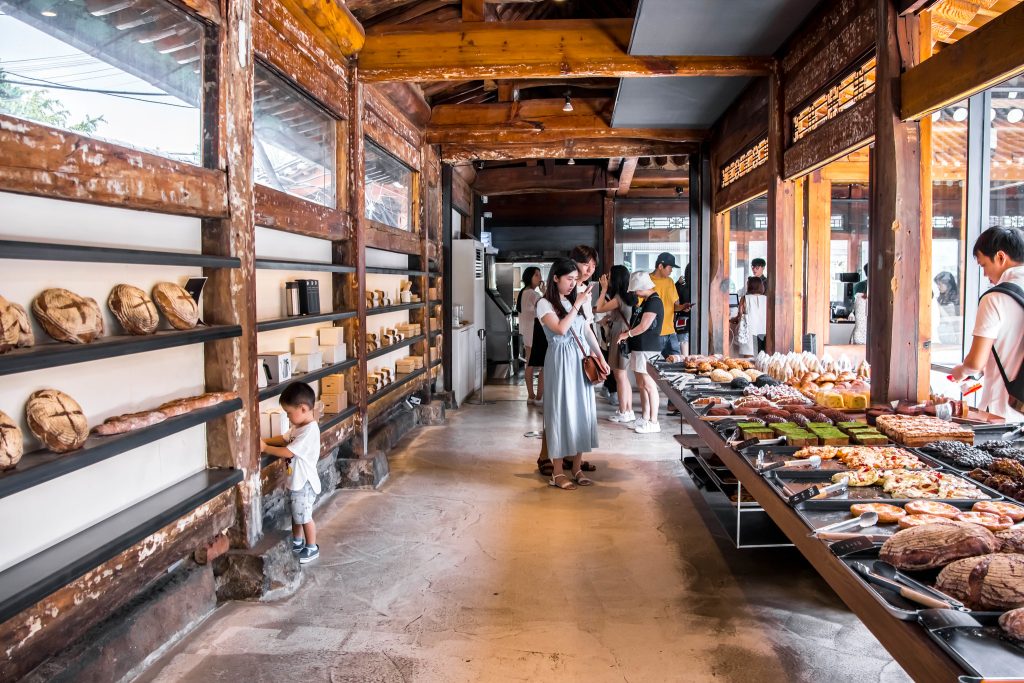
Concrete and steel shouldn’t feel warm, but somehow this place pulls it off. The five-story building looks industrial from outside, all raw materials and sharp angles, but step inside and natural light floods through massive windows.
Each floor offers a different vibe, from the quiet library feel on the second level to the greenhouse-style top floor where plants soften all that brutalist architecture. The bakery section on the first floor fills the entire space with the smell of fresh croissants.
Tables spread far enough apart that you’re not eavesdropping on your neighbors, and the high ceilings keep things from feeling cramped even when it’s packed.
Cafe Onion Seongsu
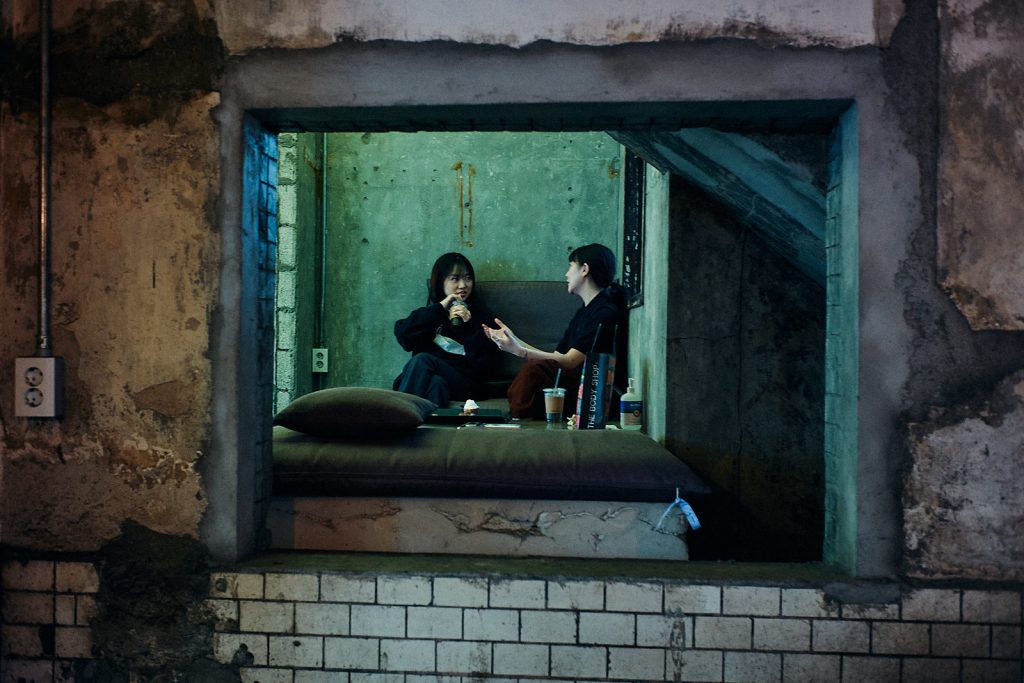
This cafe took over an old factory building and kept all the good parts—exposed brick, weathered wood beams, and those enormous factory windows. The main seating area centers around a massive communal table that somehow doesn’t feel awkward.
Smaller tables line the walls under industrial light fixtures that could pass for modern art. Morning light hits differently here. The way it streams through those tall windows creates shadows that shift throughout the day, changing the whole mood of the space.
Baristas work behind a copper-topped bar that’s become something of a landmark in the neighborhood.
Fritz Coffee Company
The Mapo location feels like someone’s really cool living room, if that someone happened to be an architect with impeccable taste. Wood dominates the space—floors, tables, shelving—but it’s all different tones and textures that keep things interesting. Plants hang from exposed ceiling beams, and mismatched vintage furniture gives each corner its own personality.
Coffee equipment sits front and center like kitchen appliances in an open-concept home. The roastery setup isn’t hidden behind walls but integrated into the design, so you can watch beans getting roasted while you wait for your pour-over.
Anthracite Coffee Roasters
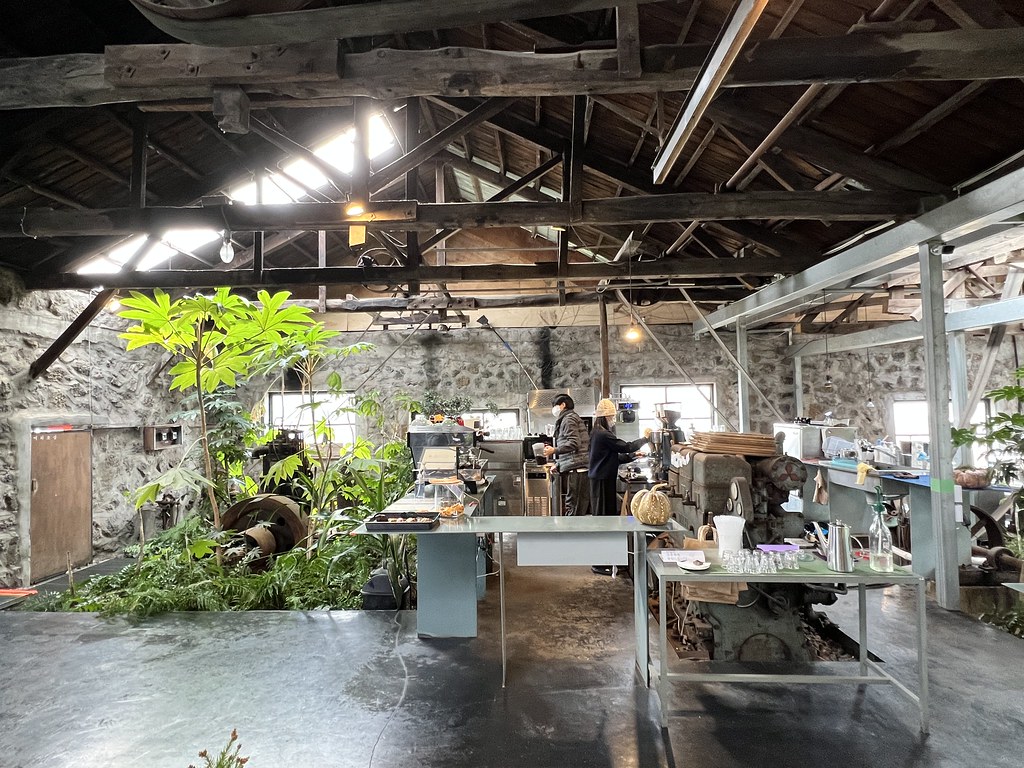
Dark walls might sound heavy, but they work here because of all the natural wood and greenery scattered throughout. The space feels moody in a good way, like a cafe that takes itself seriously but isn’t pretentious about it.
Edison bulbs hang from black cords at different heights, creating little pools of warm light over each table. The concrete floor and metal chairs should be cold, but throw pillows and potted plants soften everything just enough.
Floor-to-ceiling windows along one wall prevent the dark colors from closing in on you.
Daelim Changgo
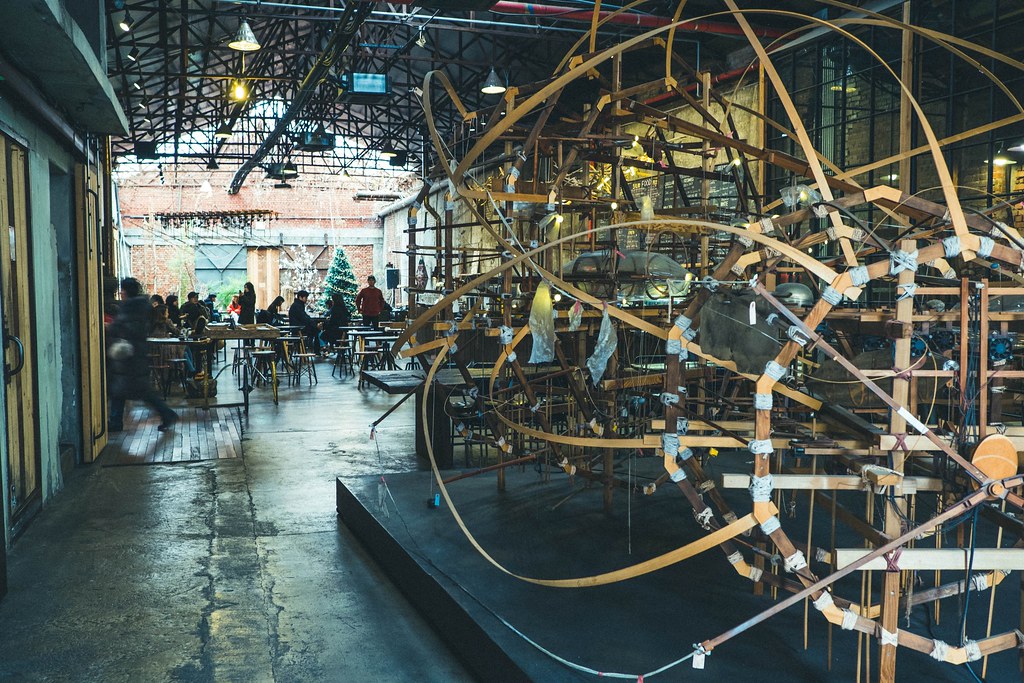
Red brick walls tower two stories high in this converted warehouse, making you feel small in the best possible way. The original structure’s bones show through everywhere—steel beams, brick archways, worn concrete floors that tell stories.
Modern furniture looks deliberately out of place against all that history, which somehow makes both elements more interesting. Natural light pours in through skylights carved into the original roof.
The mezzanine level offers views down into the main cafe, and metal railings trace the building’s industrial past. Even the staircase looks like it belongs in a design magazine.
Cafe Skon
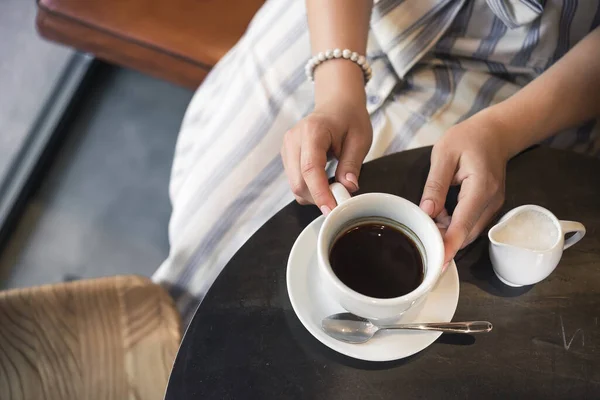
White subway tiles cover the walls from floor to ceiling, reflecting light around the space like a bright, clean canvas. The minimalist approach borders on stark, but plants in terracotta pots and light wood furniture warm things up.
Everything feels carefully placed, from the single flowers in glass vases to the way mugs line up behind the bar. Large windows blur the line between inside and outside, especially on nice days when they prop open the front.
The space stays quiet despite the simple acoustics—maybe because the aesthetic attracts people who want to linger peacefully over their drinks.
Felt

Someone designed this place for afternoon naps, even if that’s not officially encouraged. Soft gray couches sink deep when you sit, surrounded by whitewashed walls and light wood accents.
The lighting stays deliberately dim, with warm Edison bulbs creating a cozy glow that makes harsh fluorescent offices feel like a distant memory. Books and magazines stack on lower shelves within arm’s reach of every seating area.
Large potted plants fill corners, and sheer curtains filter the sunlight into something softer. The whole space whispers rather than shouts.
Dior Cafe
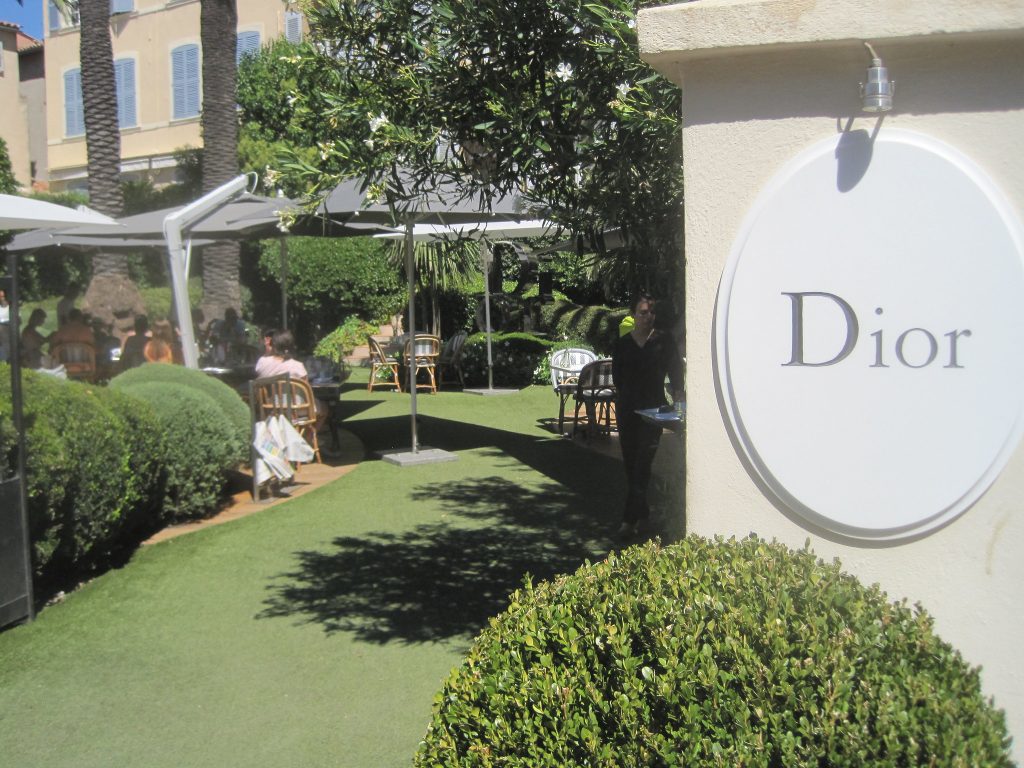
Luxury brands doing cafes could go wrong easily, but Dior kept things elegant without being stuffy. Pale pink and white marble cover the surfaces, and gold accents catch the light without overwhelming the space.
The furniture looks delicate but holds up to actual use, and fresh flowers on every table feel extravagant in a city where most cafes skip that detail. Floor-to-ceiling windows overlook Cheongdam’s streets, offering prime people-watching.
Crystal chandeliers hang overhead, because why not, and somehow they fit. The desserts match the interior’s prettiness—maybe too pretty to eat, but you will anyway.
Mula
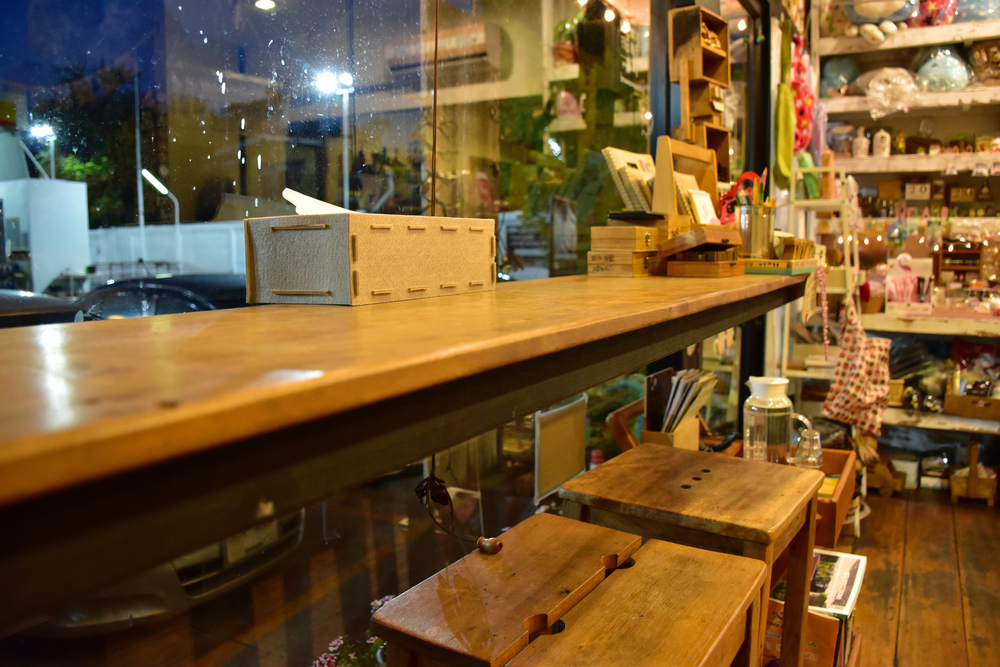
This spot feels like stumbling into a secret garden that someone decided to put a cafe in. Greenery covers almost every surface—hanging from the ceiling, climbing walls, filling shelves, surrounding tables.
The effect should be overwhelming but instead feels like breathing better. Natural wood and wicker furniture blend into all the green, and soft lighting mimics dappled sunlight through leaves.
Even the bar area integrates plants between bottles and equipment. The air feels different here, cleaner somehow, and the sound of rustling leaves creates white noise that makes conversations feel private even in a crowded room.
Layered Jongno
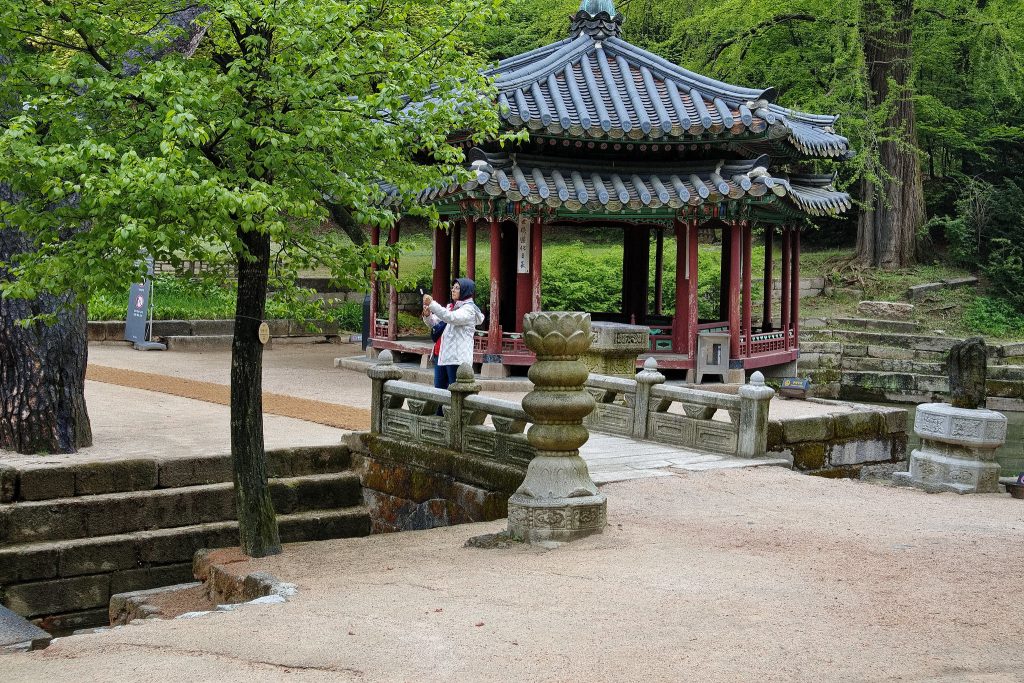
Concrete blocks stack in interesting patterns to create partial walls that divide the space without closing it off. The raw, unfinished look extends to exposed ductwork and unsealed floors, but minimalist furniture and lots of white space keep it from feeling unfinished.
The result sits somewhere between a construction site and art installation.Sunlight streams through geometric windows cut into concrete at unexpected angles.
Metal chairs surround marble tables, and the contrast between materials creates visual interest at every turn. The second floor offers a view down into the main space, showing how all those layered blocks create depth.
London Bagel Museum
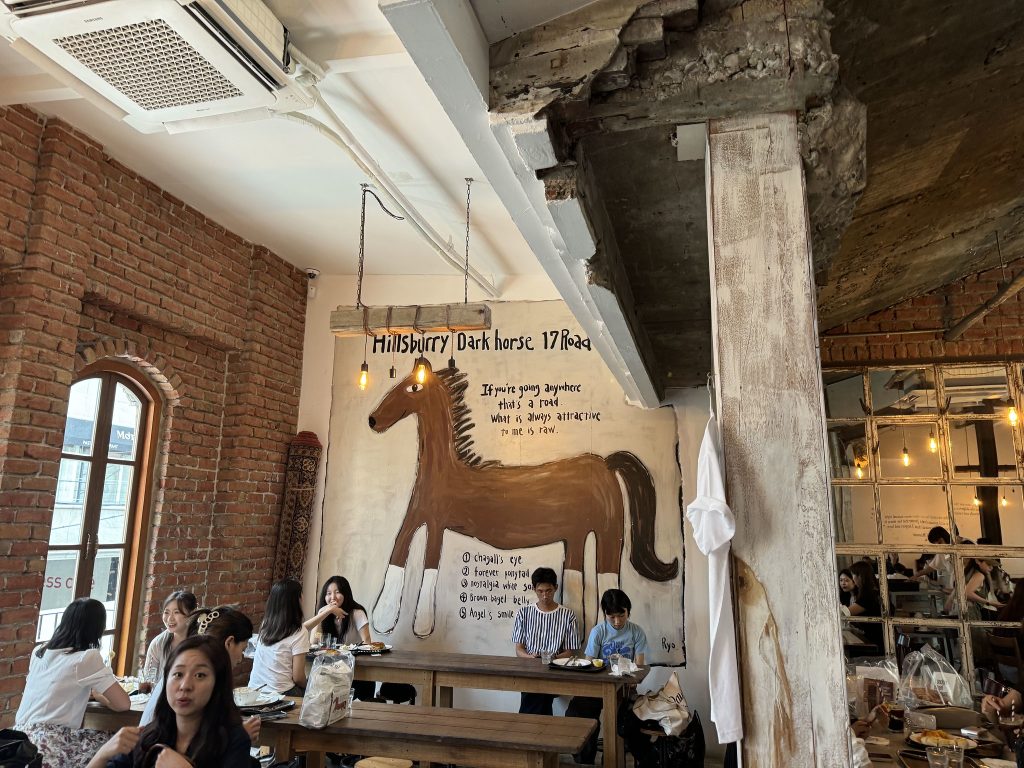
Pink. So much pink.
But the millennial pink trend gets executed well here, with white marble and brass accents preventing it from feeling like a dollhouse. The space glows in soft, warm tones, and everything from the chairs to the plates matches the color scheme.
Neon signs add pops of brighter pink against the pastel walls.The bagels themselves deserve attention too, but the interior definitely drives foot traffic.
Large mirrors on multiple walls make the compact space feel bigger and create infinite reflections of all that pink. Marble countertops and tabletops add a premium feel that justifies the prices.
Nudake
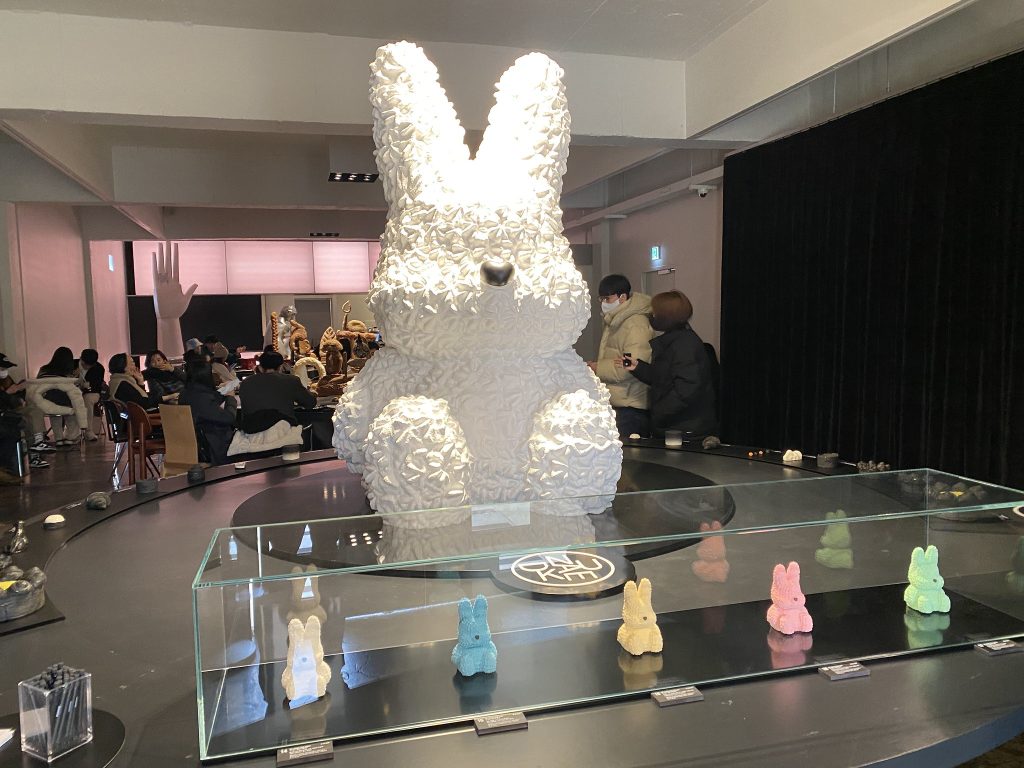
Raw concrete walls meet soft lighting in this minimal space that proves less really is more. The design strips away anything unnecessary, leaving clean lines, simple furniture, and lots of breathing room.
White plates on white tables against gray walls should be boring, but the textures and shadows make it work. The dessert display cases glow like jewel boxes against all that concrete.
Natural light from street-facing windows changes the mood throughout the day, and at night, warm pendant lights create intimate pools of illumination over each table. Nothing competes for your attention, so you actually taste your coffee.
Cafe Mamas
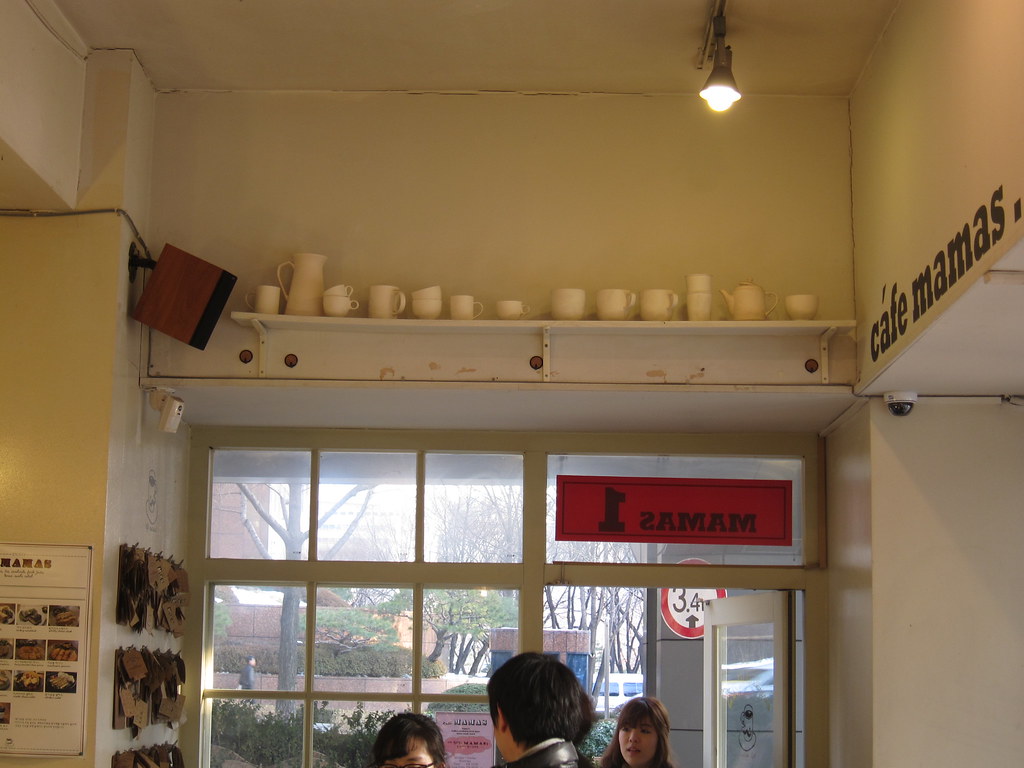
Vintage charm meets modern comfort in this space filled with antique furniture and memorabilia. No two tables match, and that’s the point—some are carved wood, others painted metal, a few are repurposed sewing tables.
Old photographs and paintings cover the walls in clusters, creating a collected-over-time feeling that new cafes can’t fake. The hodgepodge approach shouldn’t work, but somehow everything feels intentional.
Mismatched china, vintage light fixtures, and worn leather chairs give the space character that sterile modern cafes lack. The ricotta salad draws crowds, but the interior keeps them coming back.
Bongmyeongdong Cafe
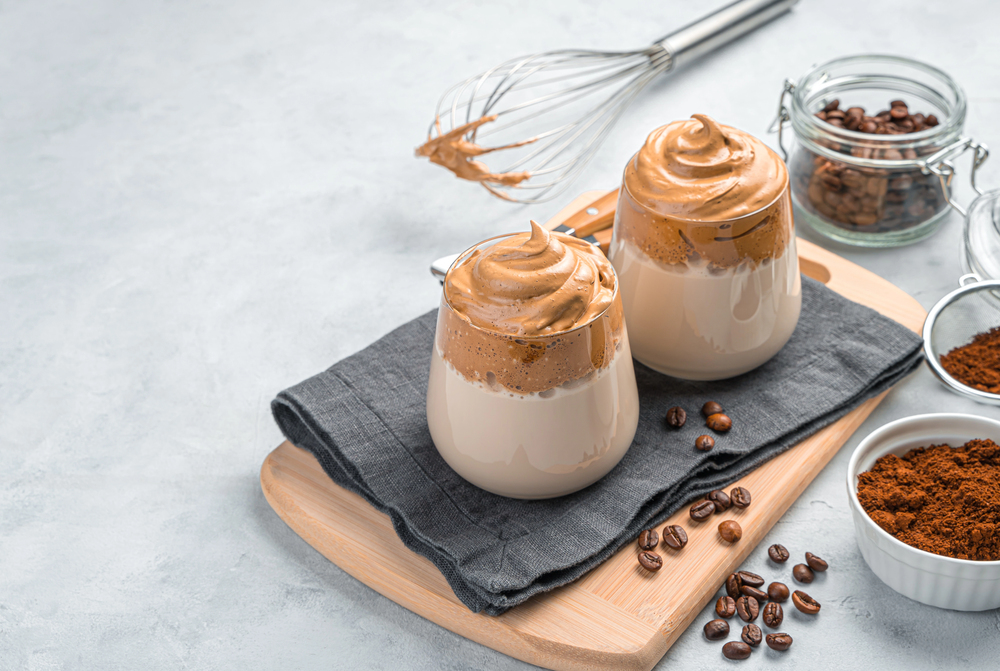
Traditional Korean architecture gets a modern update here, with hanok-style wooden beams and tiled roofs reinterpreted for a contemporary space. The design honors history without feeling like a museum, mixing old elements with clean lines and modern furniture.
Natural wood in warm tones covers the walls and ceiling, and paper lanterns provide soft lighting. Large windows look out onto a small courtyard garden, connecting the interior to nature in the traditional Korean way.
The space encourages slow mornings and long afternoons, with low tables and cushioned seats that make you want to settle in. Even the pottery used for drinks nods to Korean ceramics traditions.
Where aesthetics become atmosphere
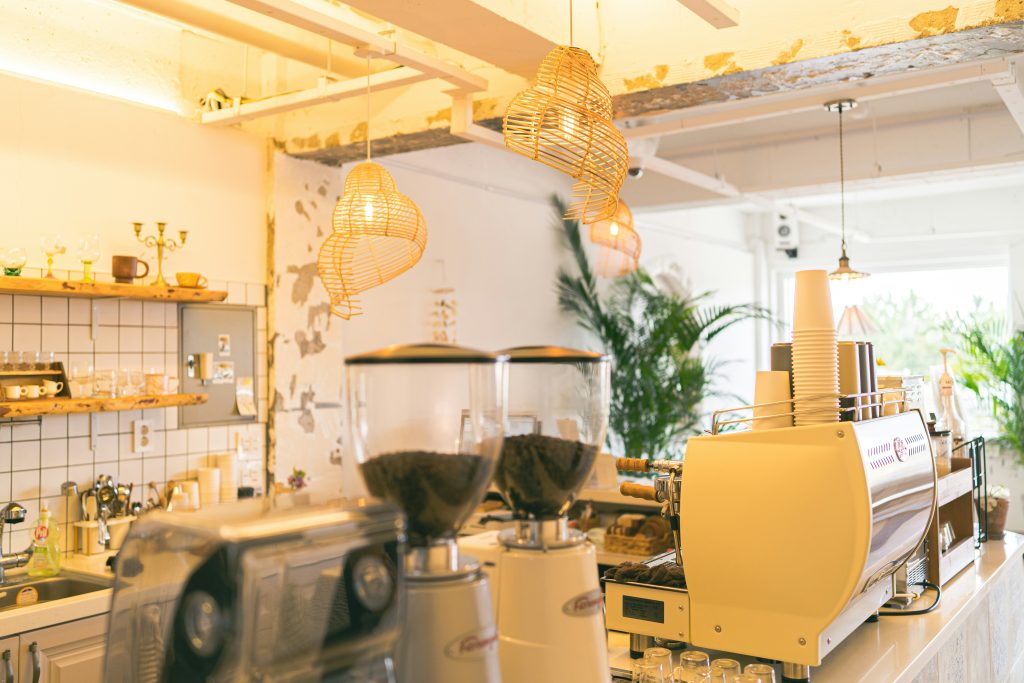
These cafes understand something beyond just looking good in photos. The best interiors create spaces where people relax, think clearly, and feel comfortable enough to stay a while.
Seoul’s cafe designers know that lighting, materials, and spatial flow matter as much as the coffee beans and baking techniques. Walking into the right cafe changes your whole day, not because of Instagram but because beauty, when done well, actually affects how you feel.
The city keeps raising the bar, with new spots constantly trying to outdo what came before. But the cafes that last aren’t chasing trends—they’re creating spaces that feel both special and livable, which is harder than it looks.
More from Travel Pug

- Underrated Italian Towns That Beat the Tourist Crowds
- Las Vegas Tourist Traps to Skip
- Prettiest Towns in Every US State
- 18 passport-free countries for Americans
- Signs Your Cruise Is Not Worth The Cost
Like Travel Pug’s content? Follow us on MSN.