

South America’s vast geography provides ideal conditions for metropolitan adventures that traverse radically varied landscapes and cultures within a few hours’ travel. Cities on the continent squeeze intensely disparate experiences into fairly short distances, so traveling between multiple cities is enormously richer than visiting just one location.
Whether you’re in the mood for colonial buildings and beach days or mountain mystery and cosmopolitan vitality, the travel infrastructure links central hubs on cheap flights and comfortable buses. Here’s a list of 20 city-hopping adventures that reveal the continent’s amazing diversity, from Argentine wine valleys to Brazilian Amazon gateway cities.
Buenos Aires to Montevideo
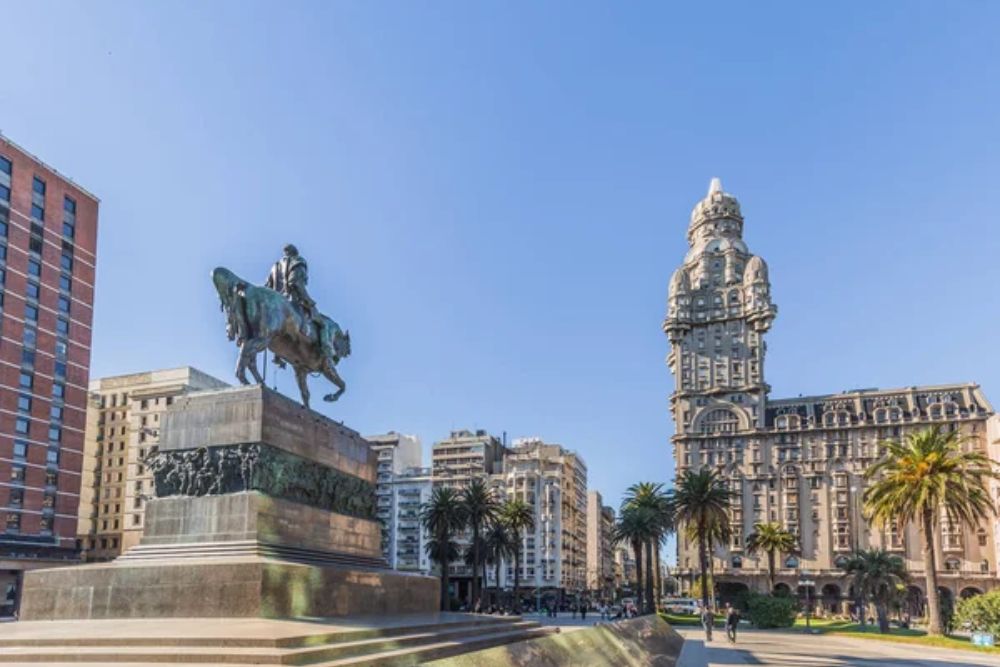
The Rio de la Plata connects these two capital cities in a relationship that’s part rivalry, part shared history. A quick ferry ride of about three hours whisks travelers from Argentina’s passionate tango halls to Uruguay’s laid-back beach culture, yet the contrast feels like stepping between different centuries.
Montevideo’s compact old town and relaxed pace offer the perfect counterpoint to Buenos Aires’ frenetic energy and endless neighborhoods.
Rio to São Paulo
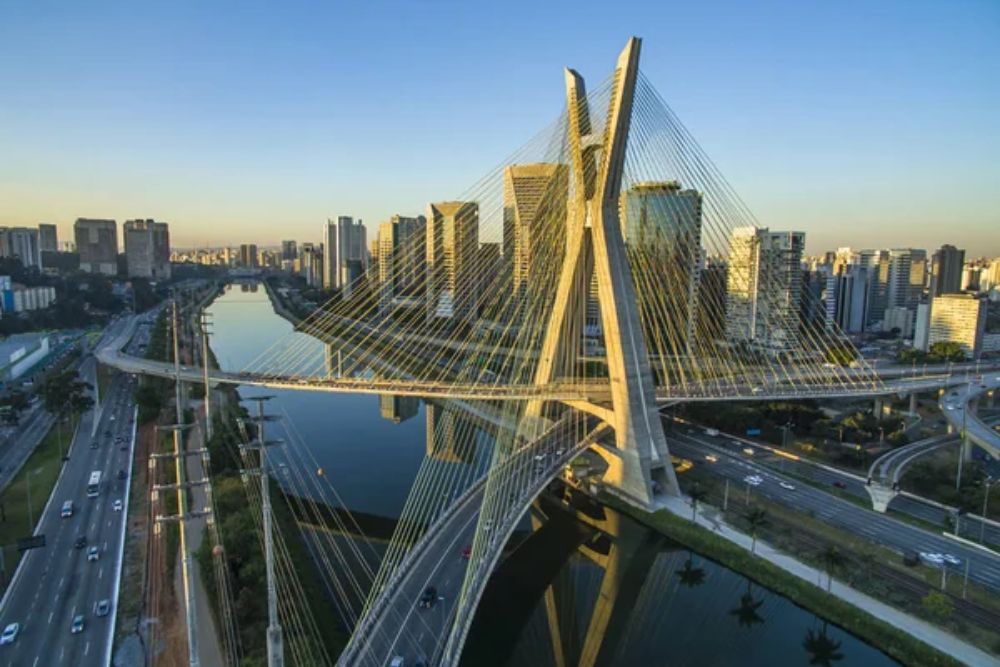
Brazil’s two powerhouses sit just 270 miles apart, but couldn’t feel more different in personality. Rio brings the beach, the mountains, and that infectious carioca attitude, while São Paulo counters with world-class dining, cutting-edge art scenes, and a work-hard-play-hard mentality that defines Latin America’s largest city.
The hourly shuttle flights make this combination almost too easy to pass up.
Lima to Cusco
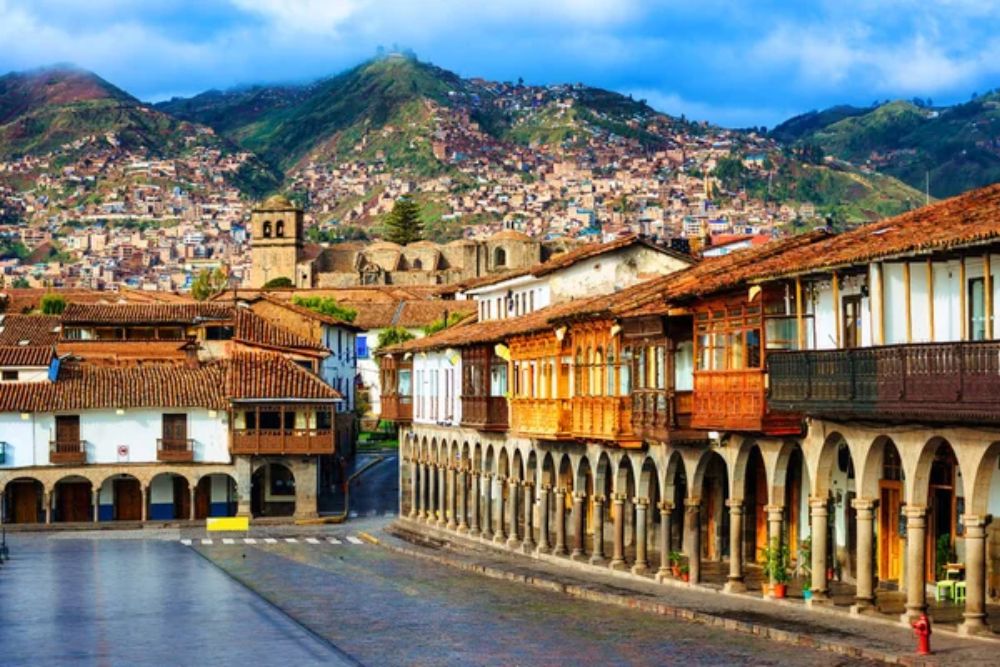
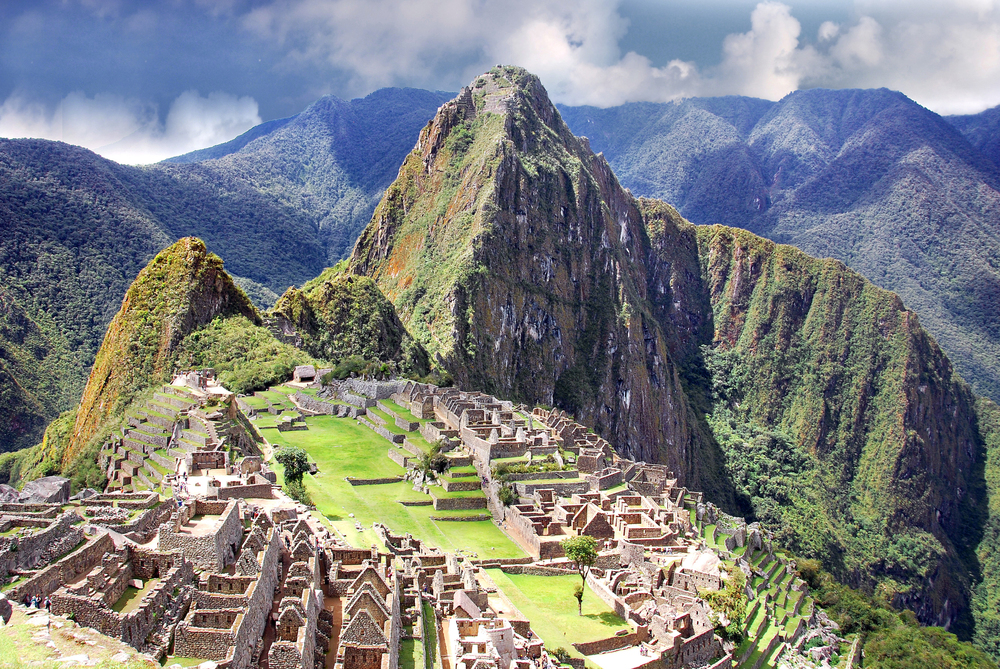
This pairing takes travelers from sea level to over 11,000 feet in roughly an hour of flight time. Lima’s coastal fog and ceviche obsession give way to Cusco’s thin air and Incan walls—a journey that essentially time-travels through Peruvian history. Most visitors use Cusco as their base for the Sacred Valley, though the city itself deserves at least two days of wandering its steep cobblestone streets.
Santiago to Valparaíso
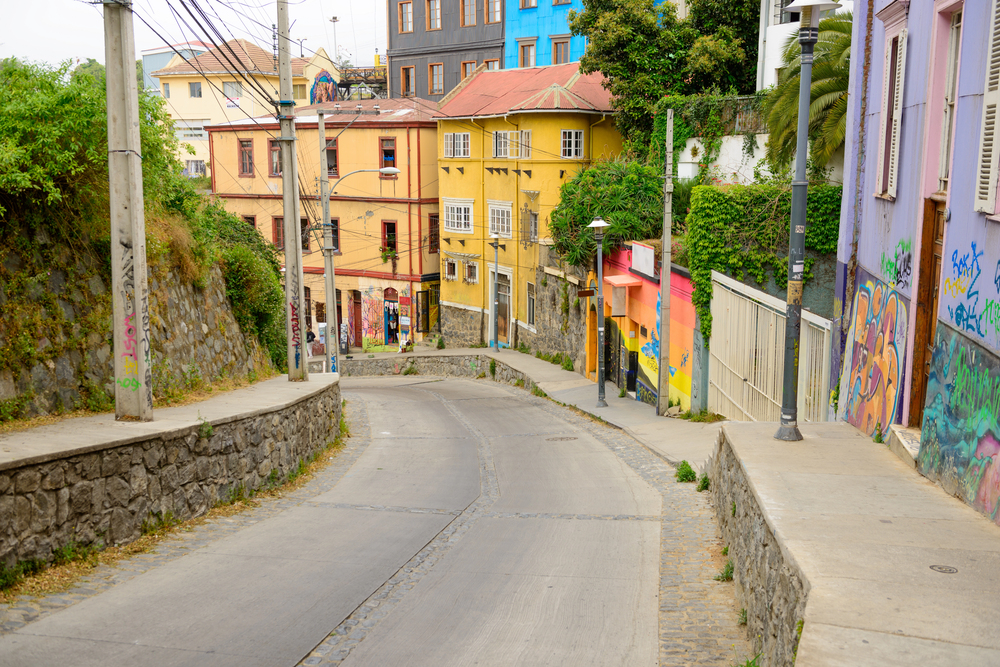
Chile’s capital and its bohemian port city make for an effortless pairing just 75 miles apart. Santiago sprawls beneath the Andes with its museums and wine country access, whereas Valparaíso climbs dozens of hills in a riot of street art and funicular railways.
The coastal city’s UNESCO-listed quarter feels like San Francisco’s eccentric cousin, complete with similar fog patterns rolling off the Pacific.
Bogotá to Cartagena
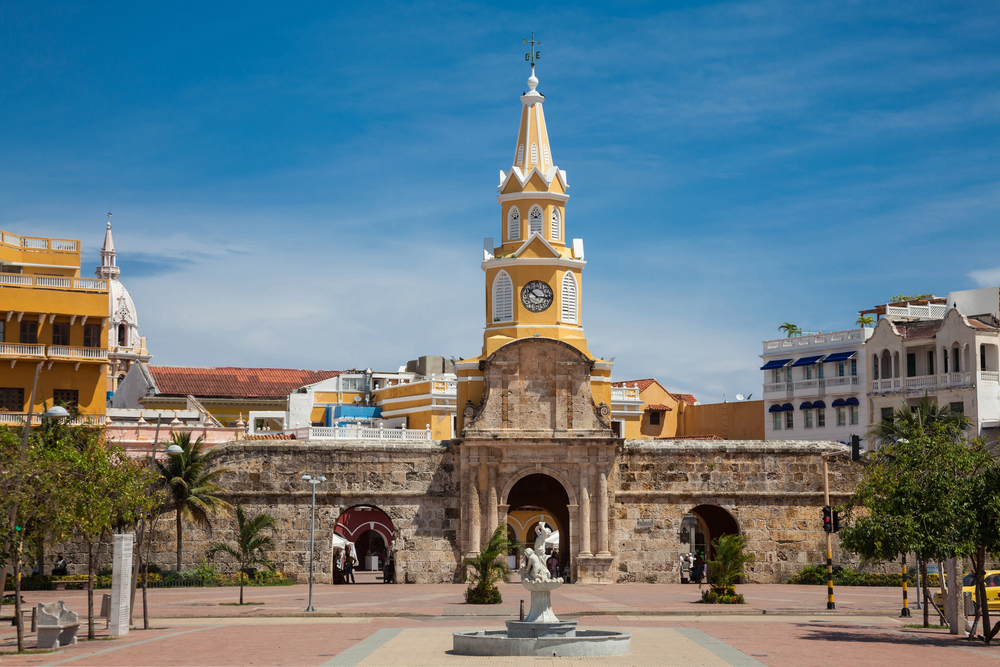
Exchanging the Andean cool of Colombia’s capital for Caribbean warmth takes 90 minutes by air. Bogotá’s high-altitude museums and emerald commerce yield to Cartagena’s fortress walls and colonial charm, a change of pace as going from autumn to perpetual summer.
The walled inner city of the coastal city fills with cruise tourists, yet surrounding neighborhoods continue to throb with real Colombian coastal culture.
Quito to Guayaquil
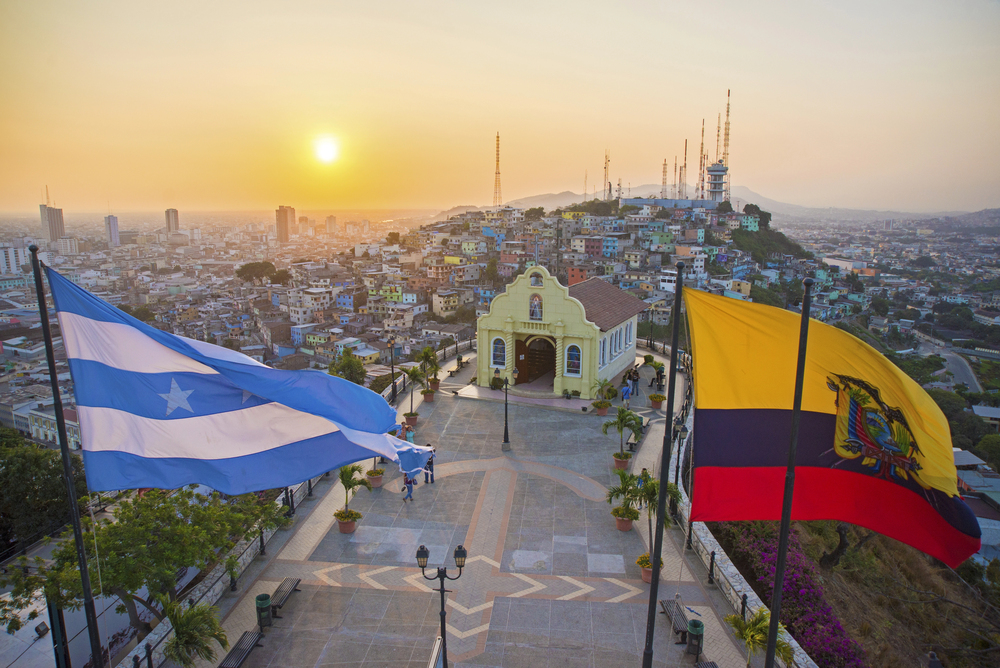
Ecuador’s two largest cities split the country between mountain mystique and tropical port energy. Quito’s colonial center sits at 9,350 feet, wrapped in volcanic peaks and preserved Spanish architecture, while Guayaquil sweats at sea level with its riverfront boardwalk and modern regeneration projects.
Despite being Ecuador’s economic opposites, a four-hour bus ride or a 30-minute flight connects them through some of the country’s most dramatic elevation changes.
La Paz to Sucre
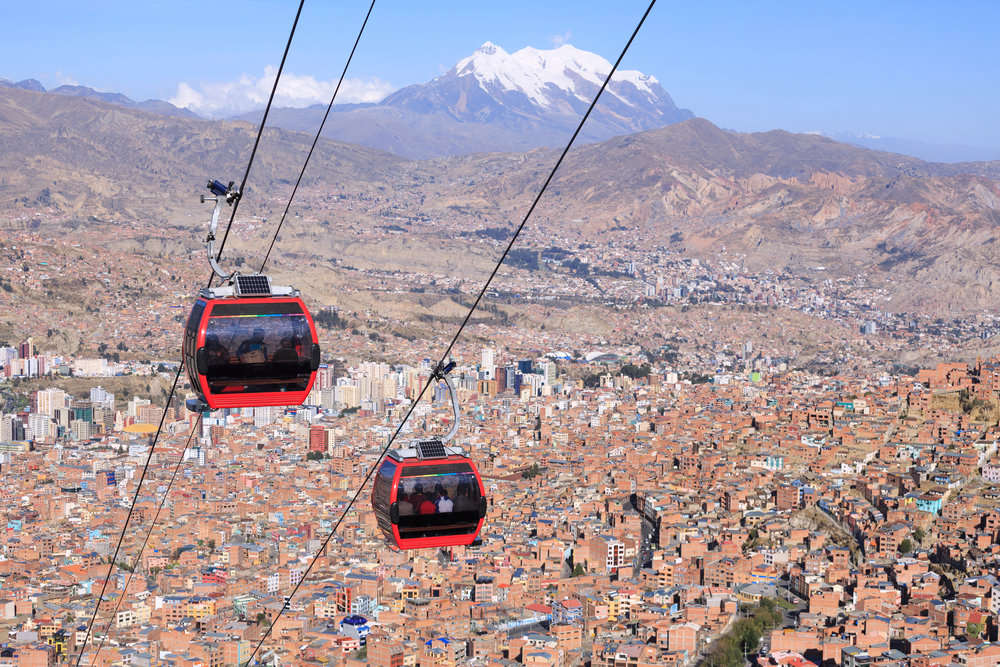
Bolivia’s administrative and constitutional capitals offer two completely different takes on Andean city life. La Paz clings to canyon walls at oxygen-deprived heights, its cable car network threading between indigenous markets and modern glass towers.
Sucre counters with whitewashed colonial elegance at a more breathable 9,200 feet, earning its nickname as the White City through centuries of preserved Spanish architecture.
Medellín to Cali
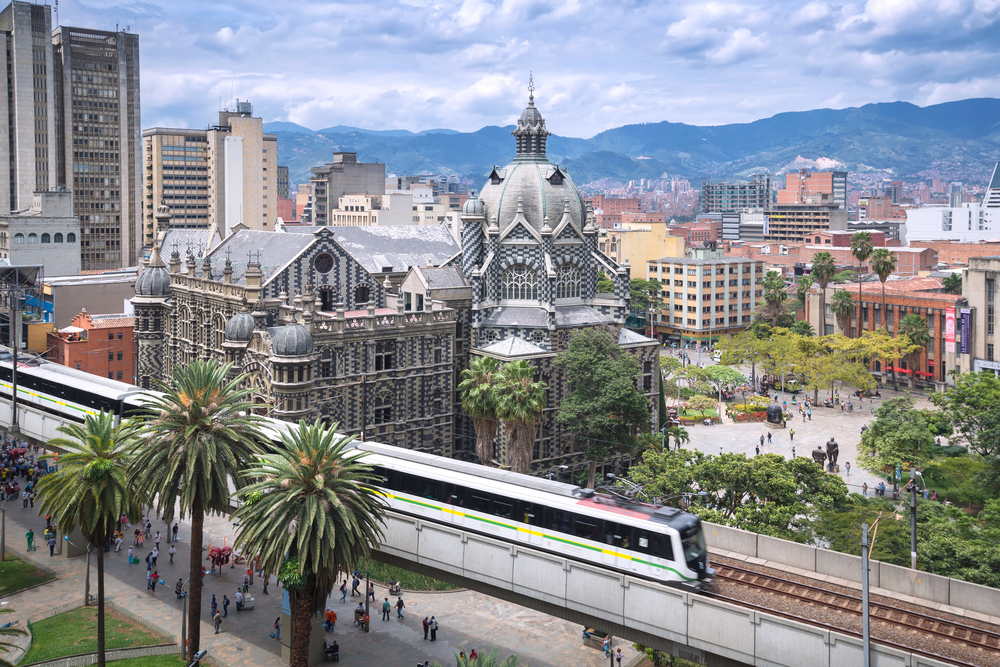
Colombia’s second and third cities showcase the country’s transformation from troubled past to innovative present. Medellín’s metro system and hillside escalators demonstrate urban planning that’s won international awards, while Cali keeps things grounded with its title as the world’s salsa capital.
The five-hour bus journey between them winds through coffee country, making the travel time feel productive rather than wasted.
Mendoza to Córdoba
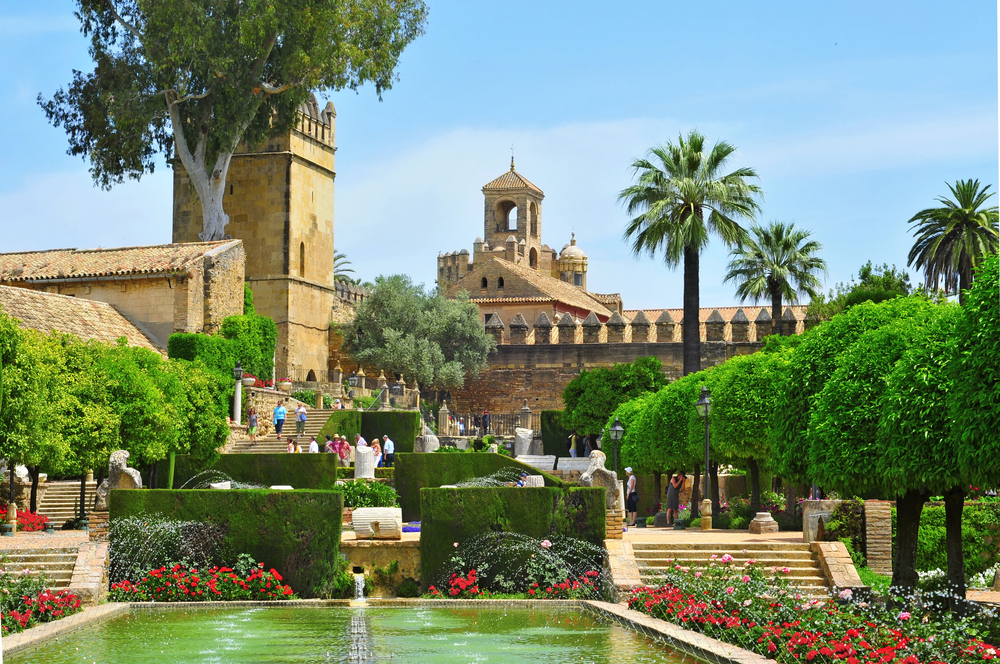
Argentina’s wine capital and its colonial heartland sit on opposite sides of the Andes foothills. Mendoza’s tree-lined streets and Malbec vineyards attract visitors chasing that perfect bodega experience, yet Córdoba brings Spanish colonial architecture and Argentina’s oldest university to the table.
The 250-mile stretch between them crosses some of Argentina’s most productive agricultural land.
Salvador to Recife
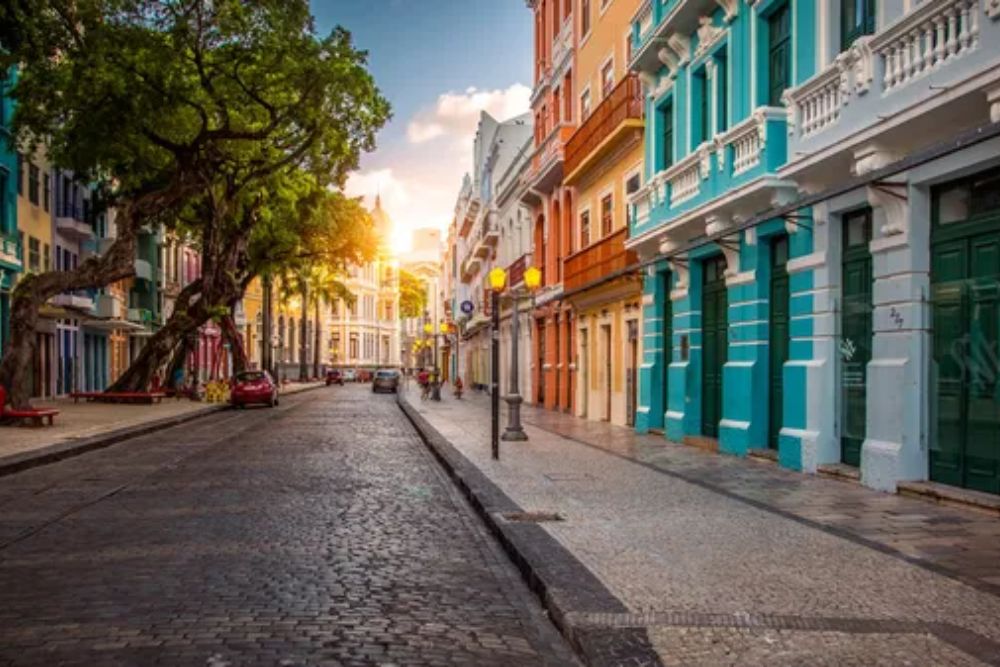
Brazil’s northeast coast connects these Afro-Brazilian cultural powerhouses through stunning Atlantic beaches. Salvador’s Pelourinho district explodes with color and capoeira circles, while Recife and neighboring Olinda pair their own colonial centers with a reputation for Carnival celebrations that rival Rio’s excess.
Though 500 miles separate them, the shared African heritage and coastal geography create continuity that makes the journey feel like chapters in the same story.
Asunción to Ciudad del Este
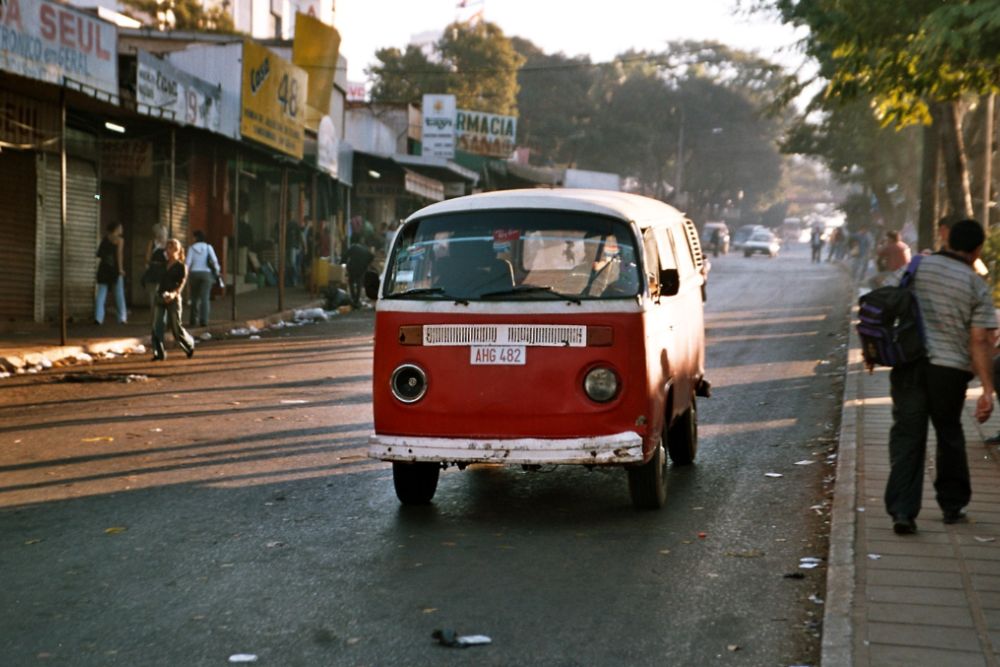
Paraguay’s sleepy capital and its chaotic border city represent two extremes of life in landlocked South America. Asunción moves at a pace that suggests the siesta never really ended, with its riverside location and colonial remnants creating an almost forgotten-by-time atmosphere.
Ciudad del Este explodes with commerce at the Brazilian border, its reputation as a duty-free shopping mecca drawing bargain hunters from across the continent despite the four-hour drive separating these worlds.
Brasília to Goiânia
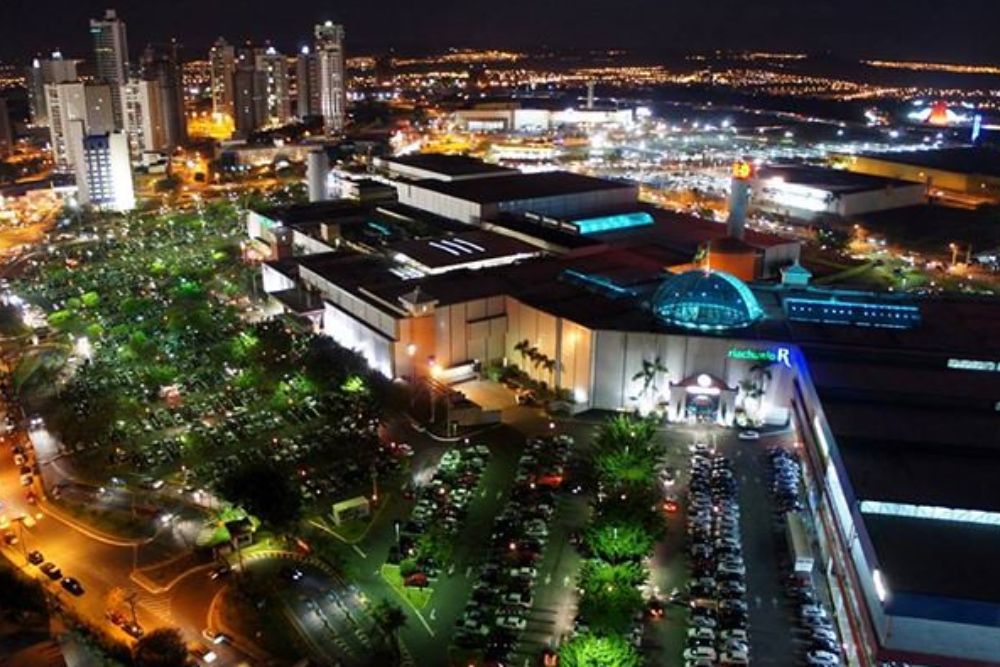
Brazil’s purpose-built capital and the central-west region’s hub make an unusual pairing that most tourists skip entirely. Brasília’s Oscar Niemeyer architecture looks like a 1960s vision of the future frozen in concrete, while Goiânia offers a more organic city layout and serves as the gateway to Brazil’s agricultural heartland.
The 130-mile connection takes less than three hours by bus through the cerrado landscape that defines central Brazil.
Arequipa to Puno
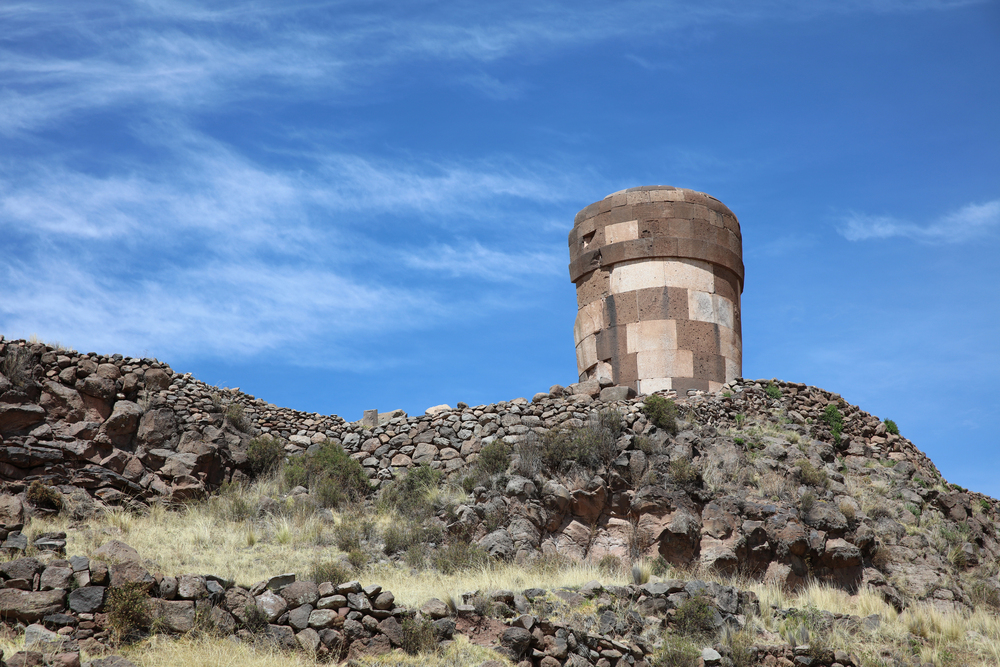
Peru’s White City and the gateway to Lake Titicaca create a highland journey through thinning air. Arequipa sits at a comfortable 7,660 feet with its stunning volcanic backdrop and sillar stone architecture.
However, Puno pushes visitors up to 12,500 feet, where altitude sickness becomes a real concern. The six-hour bus ride between them crosses the altiplano plateau, where llamas outnumber people and the landscape takes on an almost lunar quality.
Cuenca to Guayaquil
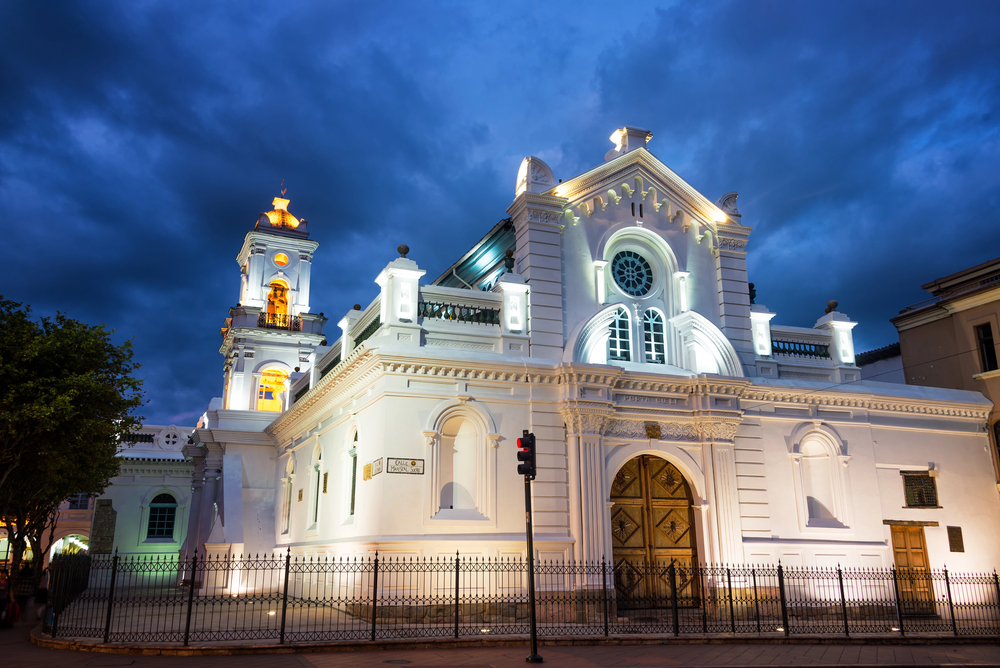
Ecuador’s colonial jewel and its largest city connect mountain tradition with coastal commerce. Cuenca’s four rivers and preserved historic center have earned it a UNESCO designation and a growing expat community drawn to its spring-like climate.
Guayaquil brings the heat and humidity along with its riverside regeneration, making the four-hour journey feel like descending from one climate zone into another entirely.
Salta to San Miguel de Tucumán
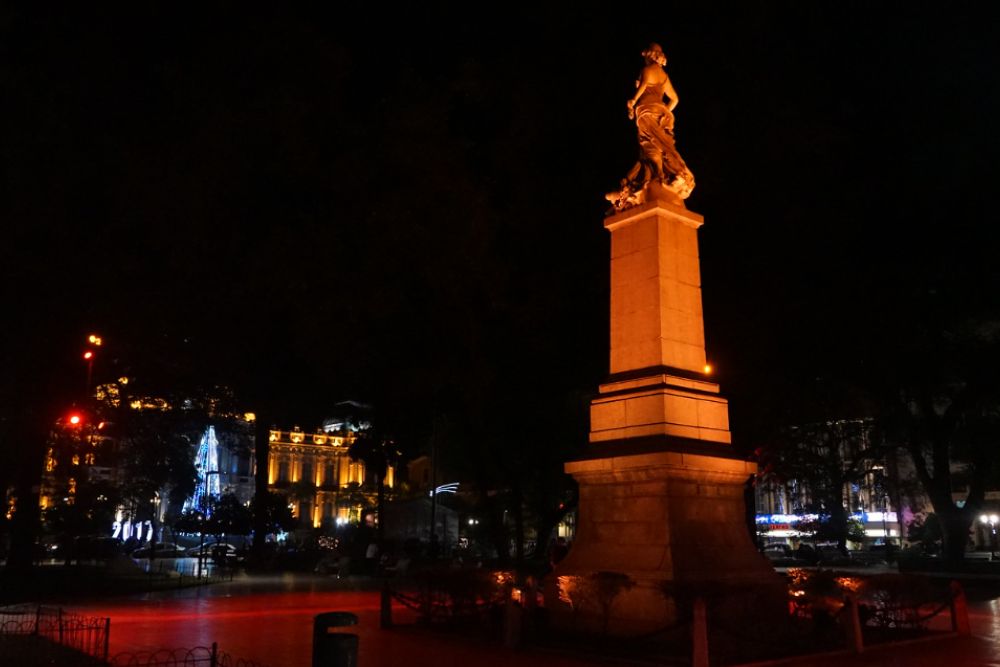
Northwest Argentina’s two colonial cities anchor a region that blends indigenous traditions with Spanish influence. Salta’s perfectly preserved plaza and surrounding wine valleys attract visitors chasing that small-town Andean charm, while Tucumán claims fame as the birthplace of Argentine independence.
The 180-mile connection winds through the Calchaquí Valleys, where pre-Columbian ruins dot the landscape between modern vineyards.
Fortaleza to Natal
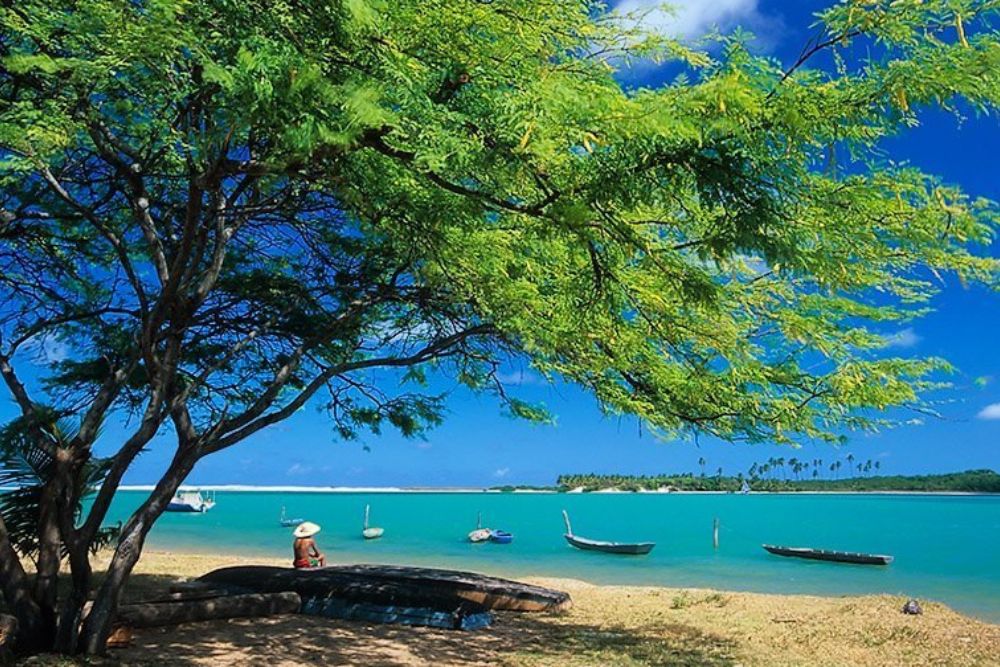
Brazil’s northeast coast strings these beach capitals together through some of the country’s most stunning shoreline. Fortaleza’s urban beaches and nightlife scene draw Brazilian tourists year-round, whereas Natal leans into adventure tourism with its massive dunes and buggy tours.
The 330-mile coastal highway between them passes through fishing villages and coconut groves, making the journey as rewarding as the destinations.
Santa Cruz to Cochabamba
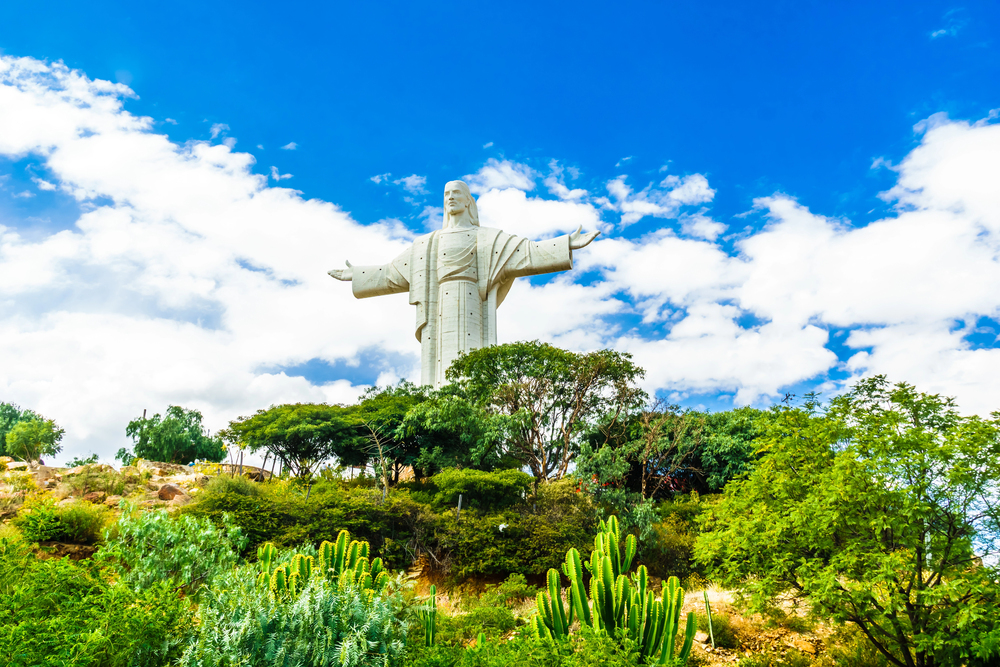
Bolivia’s economic engine and its valley city represent the country’s tropical lowlands and temperate highlands. Santa Cruz sprawls across the edge of the Amazon basin with a population that has boomed over recent decades, bringing modern shopping and international connections to landlocked Bolivia.
Cochabamba nestles in a fertile valley at 8,360 feet, its year-round spring weather and relaxed pace offering contrast to Santa Cruz’s heat and hustle during the seven-hour bus journey between them.
Bariloche to Puerto Madryn
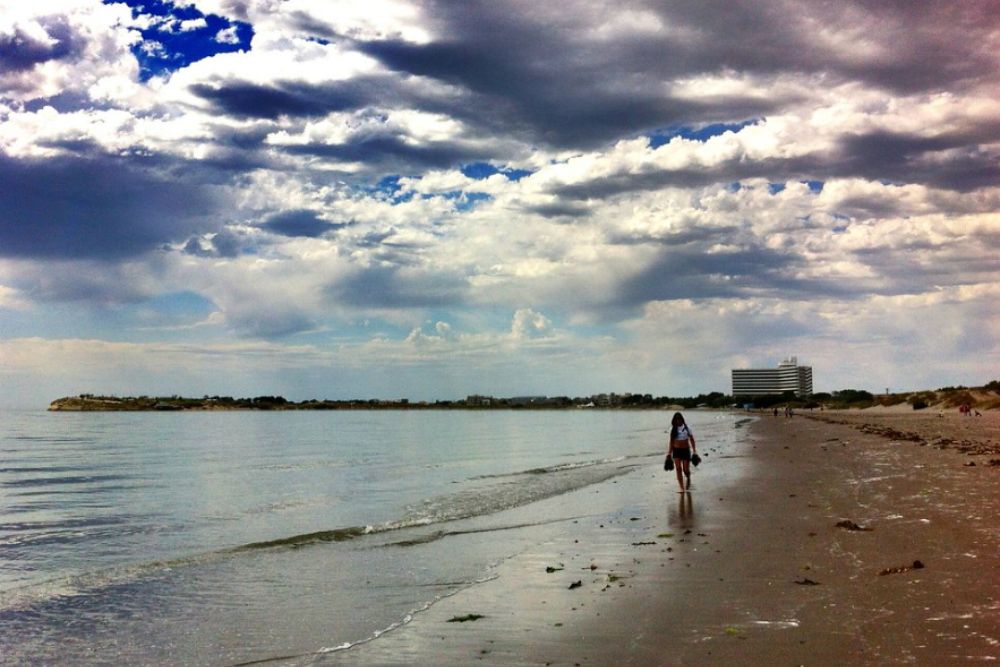
Argentine Patagonia’s alpine resort town and its Atlantic coast wildlife hub create an unexpected pairing. Bariloche mirrors Switzerland with its chocolate shops and lake-framed mountains.
At the same time, Puerto Madryn serves as the jumping-off point for penguin colonies and whale watching along the harsh Atlantic shore. The 500-mile journey across the Patagonian steppe reveals just how empty this part of South America remains.
Valparaíso to La Serena
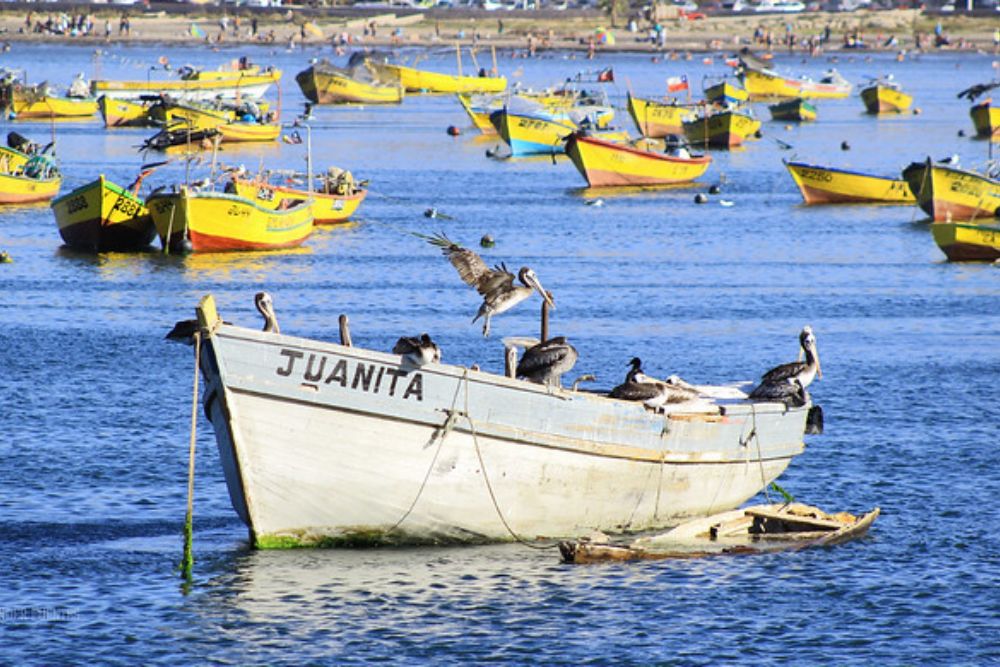
Chile’s hippie port and northern seaside resort follow the Pacific shore along increasingly dry terrain. Valparaíso’s hillside anarchy and graffiti yield to La Serena’s colonial grid and beaches suitable for families, a transition from bohemian grittiness to low-key tourism in 280 miles.
The coast road between them goes through farming valleys that progressively become dustier by the mile northward.
Manaus to Belém
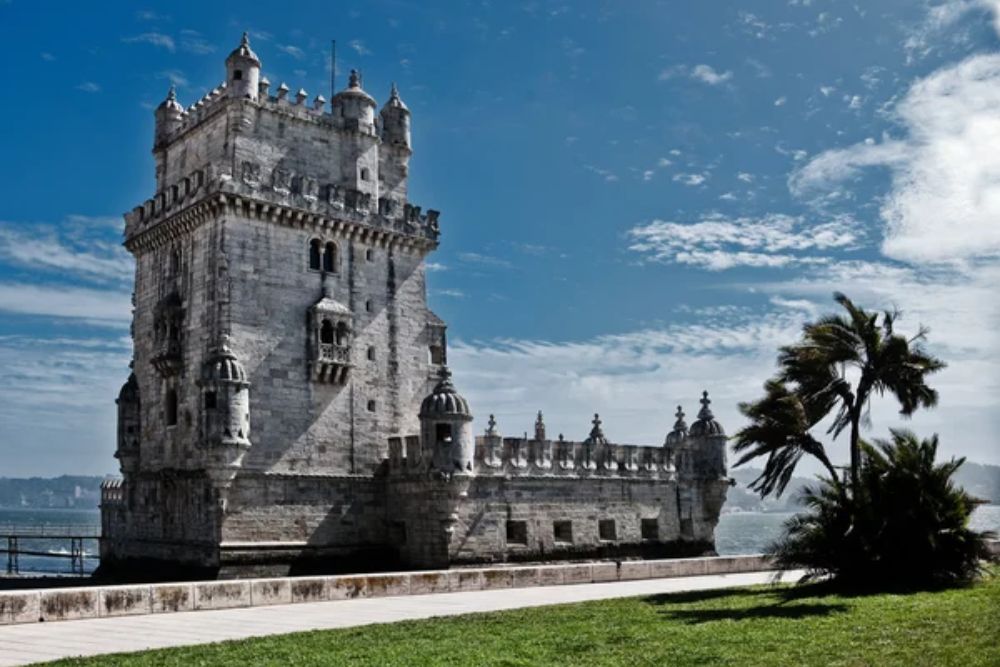
The Amazon’s two major cities bookend the world’s greatest river system in dramatically different styles. Manaus sits 900 miles inland with its opera house inheritance from the rubber boom era, still accessible only by boat or plane despite being a city of over two million.
Belém guards the river’s Atlantic mouth with its own belle époque architecture and a food scene that showcases Amazonian ingredients most of the world has never heard of, making the 800-mile journey between them a through-line across the rainforest’s breadth.
Mapping your own adventure
Urban South America has changed so much since traveling overland involved dirty roads and dodgy buses. With budget airlines, comfortable overnight buses, and modernized highway systems, it is easier to take multi-city journeys than backpackers of earlier generations could have ever dreamed.
The cities of the continent are still cultivating their own unique identities, but continue to be linked by surprisingly effective transport systems. These 20 permutations only scratch the surface of what can be accomplished when you begin thinking in terms of multi-destination journeys, and the optimum itineraries usually result from combining various regions to get the entire range of South American city life.
More from Travel Pug

- Underrated Italian Towns That Beat the Tourist Crowds
- Las Vegas Tourist Traps to Skip
- Prettiest Towns in Every US State
- 18 passport-free countries for Americans
- Signs Your Cruise Is Not Worth The Cost
Like Travel Pug’s content? Follow us on MSN.