

The last shopping stop of a trip often happens in a rush, at an airport store or a market stall near the hotel. Customs officers see the results every day in arrival halls, where perfectly ordinary-looking treats and trinkets end up in confiscation bins.
Most of those seizures have nothing to do with smuggling. They come down to animal diseases, endangered species, safety rules and old laws that few travelers have ever read.
Kinder Surprise Eggs
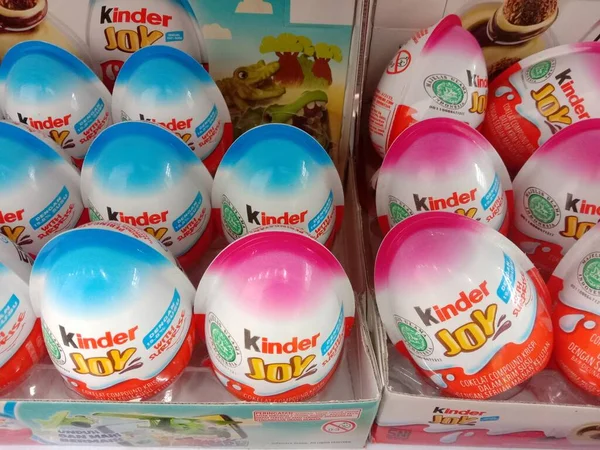
The hollow chocolate eggs with a plastic capsule and toy inside are sold in grocery stores across Europe, Canada, and much of the world. In the United States, they run afoul of a federal rule against confections with a non-nutritive object embedded inside, and the Consumer Product Safety Commission has flagged the toys as a choking hazard for young children.
U.S. Customs and Border Protection seized more than 60,000 of the eggs in fiscal 2011 alone.
Kinder Joy, which splits the candy and toy into separate halves of the package, is legal. The classic sealed egg still ends up in the bin.
Mooncakes With Salted Egg Yolk
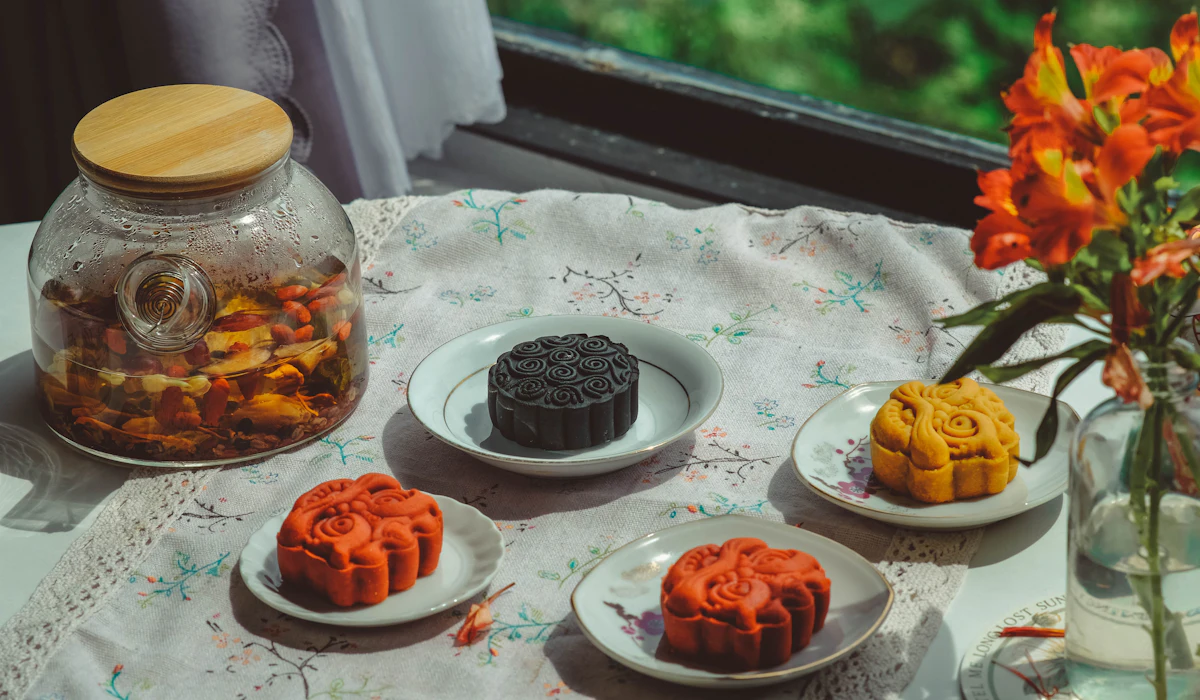
Mooncakes are the centerpiece gift of the Mid-Autumn Festival, often packed in elaborate tins and priced accordingly. Many traditional versions contain salted duck egg yolks, and egg products from regions affected by highly pathogenic avian influenza and other animal diseases can be restricted from entering the United States.
U.S. agricultural inspectors have seized large quantities of mooncakes during the festival season, particularly when they contain meat or egg products from restricted regions. Some recipes also contain pork, which adds another layer of restriction.
Travelers can lose them at the agriculture inspection desk, gift box and all.
Traditional Scottish Haggis

Haggis is Scotland’s national dish, and airport shops in Edinburgh and Glasgow sell it in tins and vacuum packs. The traditional recipe includes sheep lung, and the United States has banned food containing sheep lung since 1971.
That rule makes classic haggis illegal to import, no matter how neatly packaged. Some producers now make a lung-free version aimed at American buyers, though travelers should still declare it.
Burns Night suppers in the United States typically rely on haggis made stateside for exactly this reason.
Cured Ham And Salami From Europe
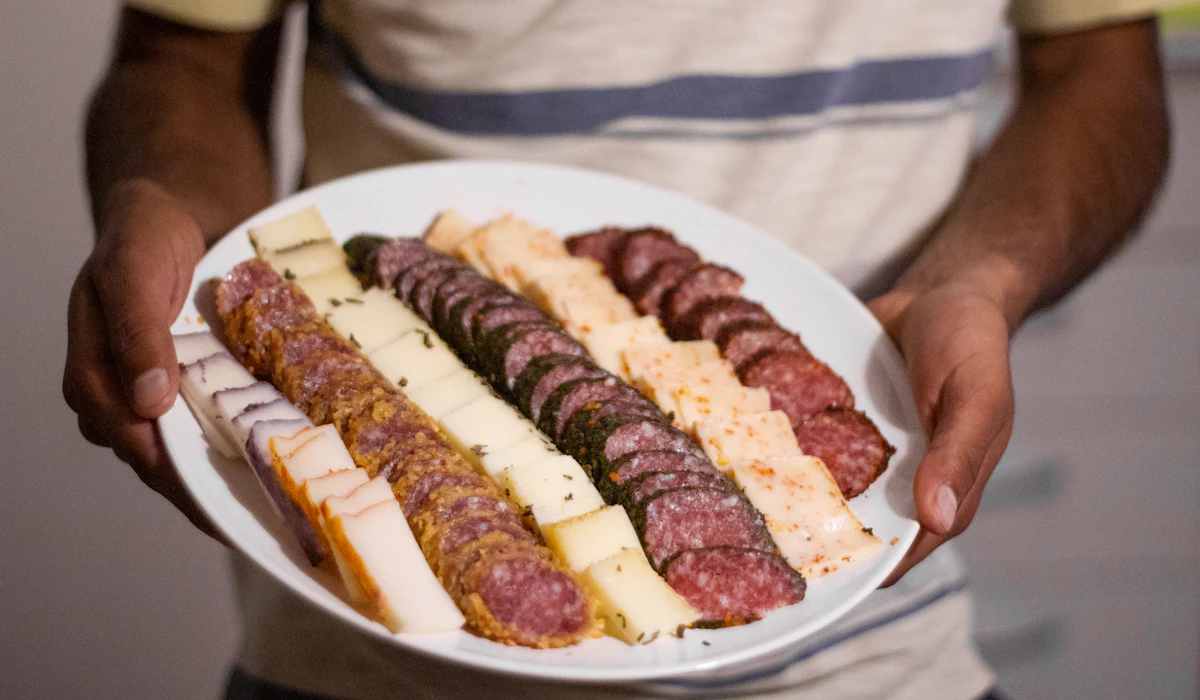
Spanish Iberian ham, Italian salami and French sausages are some of the most common items seized from travelers returning from Europe. African swine fever and other livestock diseases circulate in parts of the continent, and the U.S.
Department of Agriculture restricts many pork and meat products carried in personal baggage. Vacuum sealing and shop labels do not automatically change the rule.
Commercially imported versions sold in American stores come through approved facilities with certification. A leg of ham carried home from Madrid is far more likely to end up confiscated than served.
Pork Tamales From Mexico
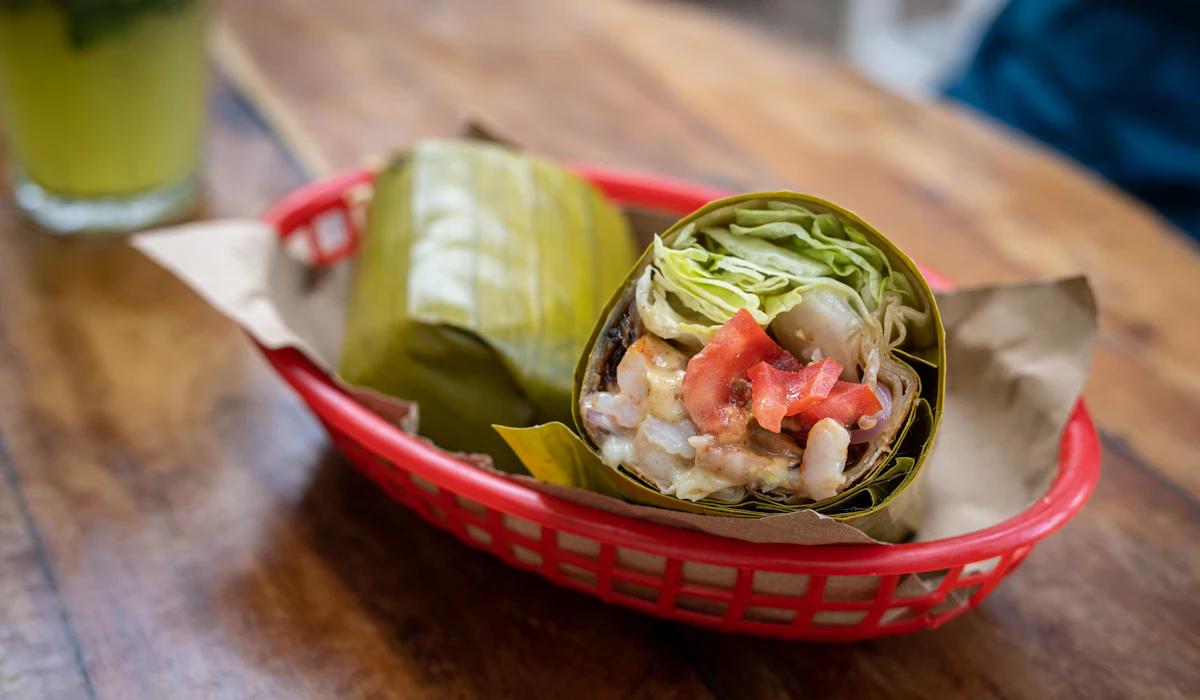
Every holiday season, Customs and Border Protection reminds travelers crossing from Mexico that meat-filled tamales, including pork tamales, can be restricted or prohibited depending on the current animal-health rules. Pork products from Mexico face restrictions because of swine diseases that could threaten American herds.
Tamales filled with beans, cheese, or vegetables may be treated differently, which makes the rules confusing for families bringing home homemade batches. Travelers should declare all food products at the border so inspectors can determine whether they are admissible.
Fruit Saved From The Flight
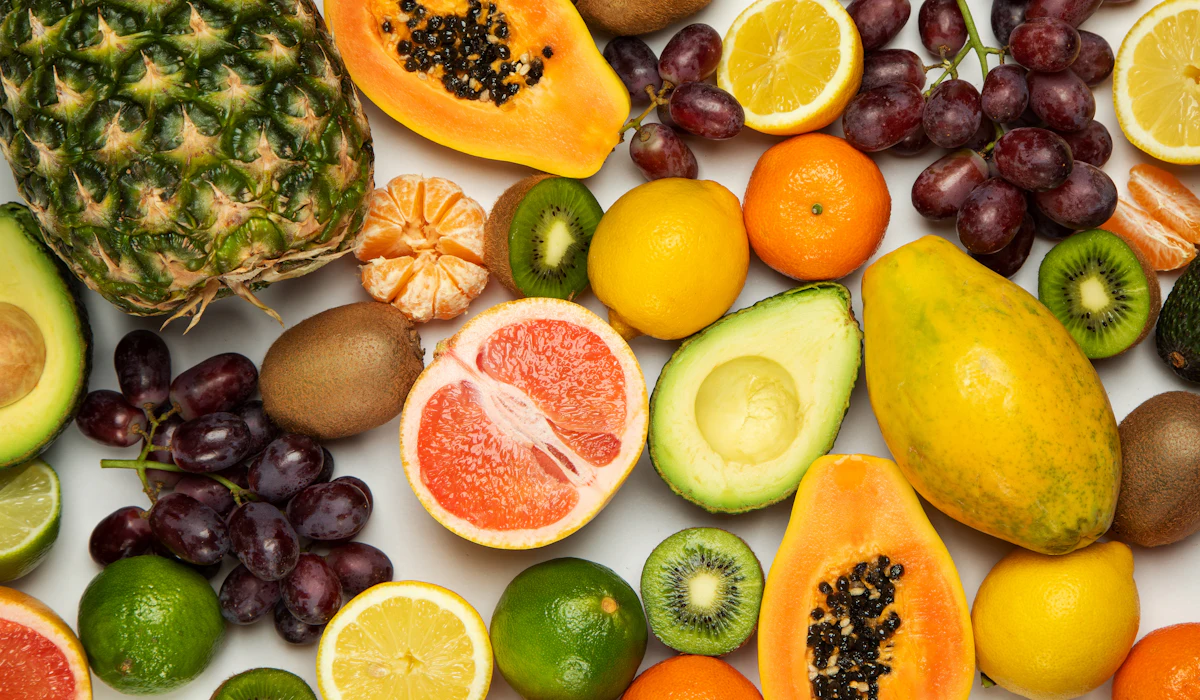
In 2018, a traveler returning from Paris was fined $500 after customs officers in the United States found an apple she had been handed on her flight and saved for later. Fresh fruit and vegetables can carry insects and plant diseases, so many are prohibited or restricted unless declared and inspected.
The fact that an airline served the item does not create an exemption. Beagles working in arrival halls are trained to sniff out agricultural products in luggage.
Eating the snack before landing, or leaving it on the plane, is the simplest solution.
Soil, Plants And Seeds

Living plants, cuttings, seed packets, and even soil clinging to hiking boots can all be stopped at the border. Agricultural officials worry about pests and plant diseases that could spread to crops and forests.
Many seeds and plants require phytosanitary certificates or permits, and some species are banned outright. Gardeners who pick up exotic seed packets at markets overseas are frequent offenders.
Muddy boots and camping gear should be cleaned before packing, and anything plant-related should be declared so inspectors can decide what passes. A single unfamiliar seed can carry a pest that costs farmers millions.
Coca Tea From The Andes
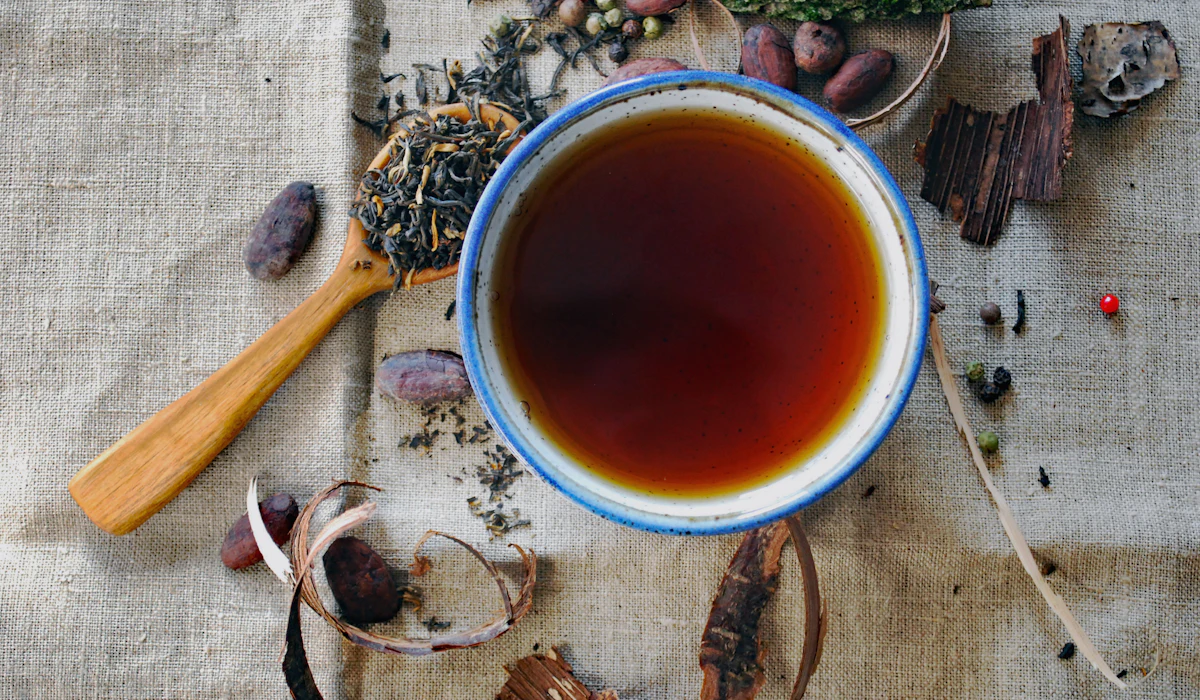
Coca tea is a common remedy for altitude sickness in Peru and Bolivia, where hotels in Cusco and La Paz often serve it free in the lobby. The leaves are legal and traditional in those countries, but coca leaf is a controlled substance in the United States.
Tea bags, candies and leaves brought home can lead to seizure and potentially more serious trouble. Travelers who found the tea helpful at altitude should finish the box before leaving the Andes.
Snake Wine From Southeast Asia
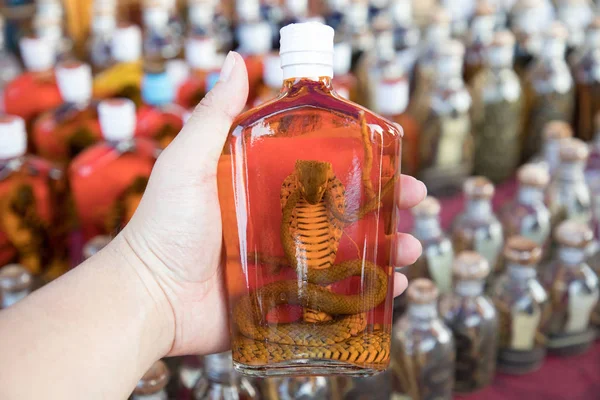
Bottles of rice liquor with a coiled snake or scorpion inside are sold in markets in Vietnam, Laos, and other parts of Southeast Asia. Many of the snakes, including cobras, are protected under international wildlife trade rules, and importing them without permits can violate U.S. law.
The alcohol itself may also be subject to customs limits. Customs officers can seize these bottles, and wildlife violations can carry fines.
Travelers curious about the drink tend to photograph the jars and leave them behind. A bottle of ordinary local rice liquor makes a far easier gift.
Tortoiseshell Jewelry And Combs

Tortoiseshell items, made from the shells of hawksbill sea turtles, are still sold in some Caribbean, Latin American and Asian markets. Hawksbills are critically endangered, and sea turtles are protected under U.S. and international wildlife laws.
Bringing genuine tortoiseshell bracelets, combs or decorative items into the United States can be illegal and may require permits that tourists do not have. Sellers abroad rarely explain the restrictions.
Real tortoiseshell has translucent, mottled amber and brown patterns that plastic imitations try to copy. Buyers who cannot tell the difference are better off passing on both.
Coral Pieces And Coral Jewelry
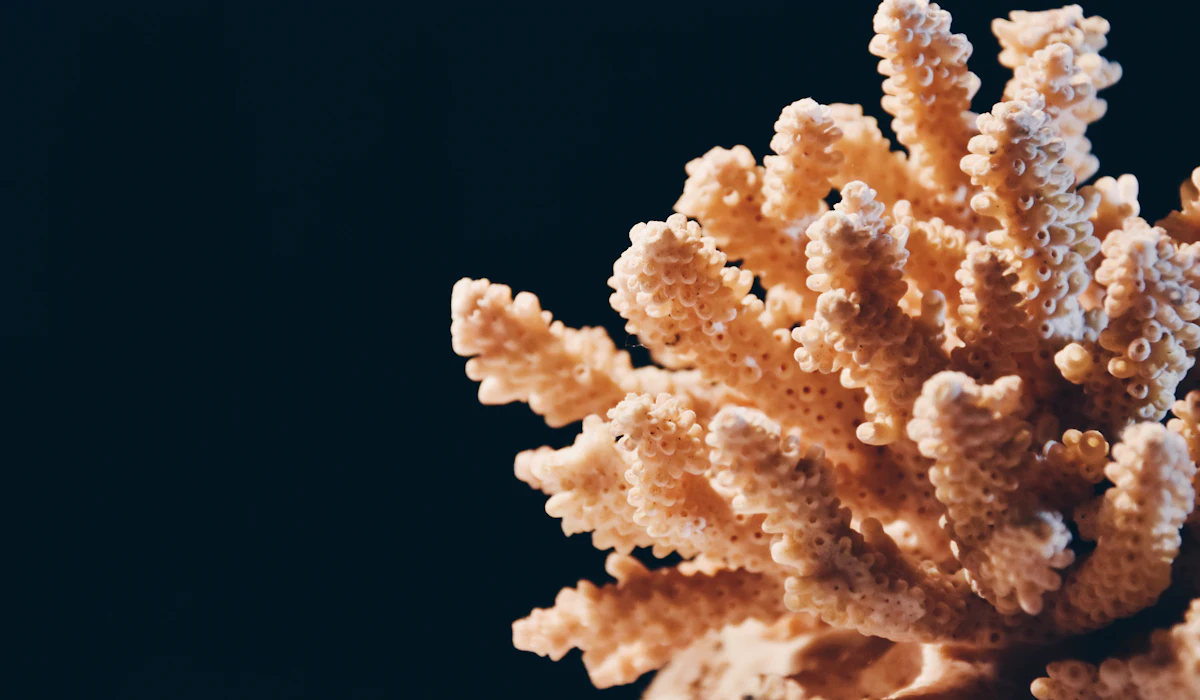
Black coral jewelry and raw coral pieces are popular in some tropical destinations, but many coral species are protected under international wildlife trade rules. Importing them into the United States can require permits, and some countries ban coral exports entirely.
Taking coral from reefs is illegal in many places as well, since reefs grow extremely slowly. Undeclared coral can be seized at the airport.
Travelers who love the look of coral jewelry often choose pieces made from glass, ceramic or other materials instead. Shops selling legal coral should be able to explain its origin and provide any required export paperwork.
Queen Conch Shells Beyond The Limit
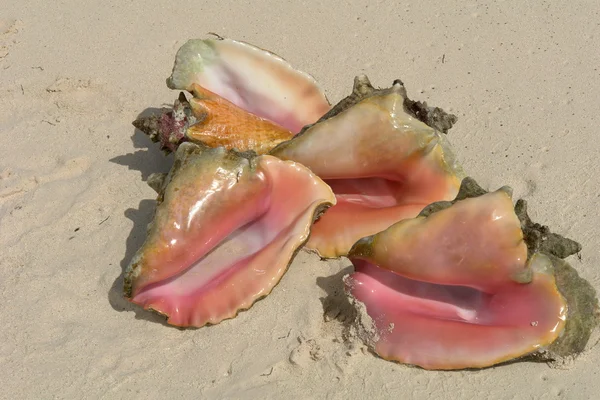
Queen conch shells with their glossy pink interiors are sold by the pile in the Bahamas, the Turks and Caicos and elsewhere in the Caribbean. The species is regulated under international wildlife trade rules, and travelers returning to the United States are subject to specific personal-use limits and destination-country rules rather than a universal three-shell allowance.
Larger quantities require permits, and some countries restrict export entirely. Shells should be declared at customs.
Buying them from roadside stands can also be a problem when local laws on harvesting are not followed.
Elephant Ivory Carvings
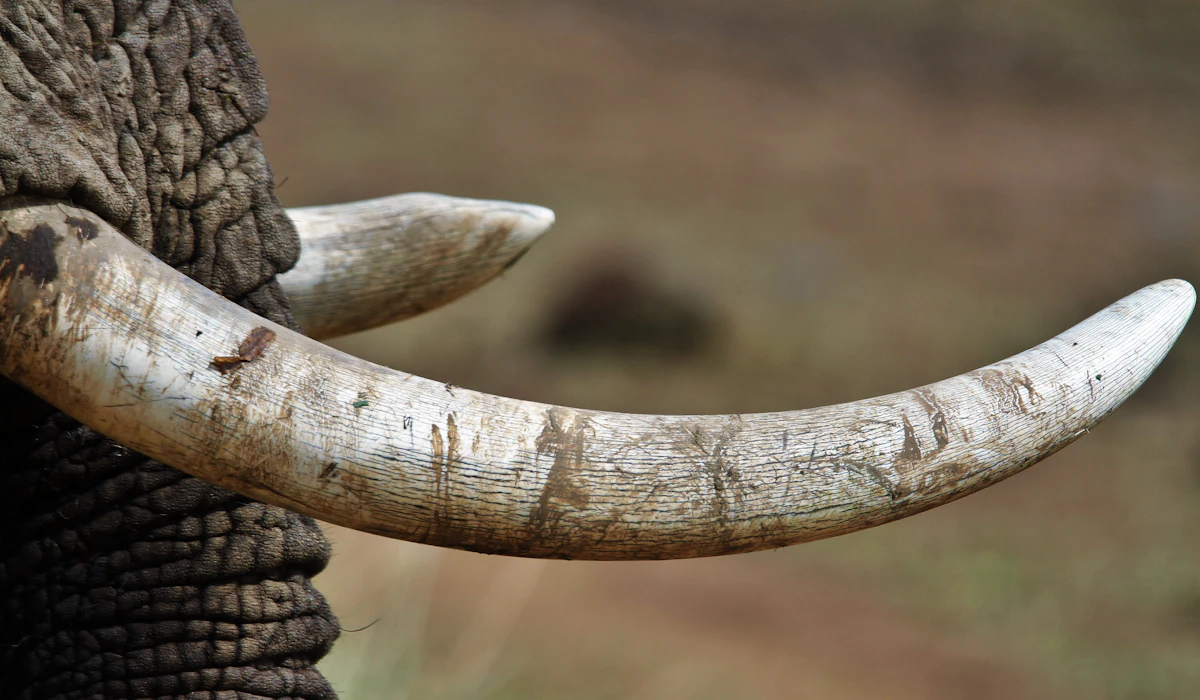
Ivory carvings and jewelry still appear in antique shops and markets in parts of Africa and Asia. In 2016, the United States adopted a near-total ban on commercial trade in African elephant ivory, and importing ivory as a souvenir is generally prohibited or subject to extremely narrow exceptions.
Documented antiques can sometimes qualify under specific rules, but the paperwork is complicated, and tourists rarely have what is required. Customs and wildlife inspectors seize items that fail to qualify.
Even pieces described as old or as fossil ivory can trigger questions, so most experienced travelers avoid the category entirely.
Shahtoosh Shawls

Shahtoosh shawls are extraordinarily fine wraps woven from the underfur of the Tibetan antelope, also known as the chiru. Producing a single shawl historically required killing several animals, which drove the species toward collapse.
The Tibetan antelope has been listed under the strictest category of international wildlife trade protection since 1979, and trading shahtoosh is illegal in most countries. Pashmina, from domestic goats, is a legitimate and widely available alternative.
Travelers offered an extraordinarily soft ring shawl at a premium price in South Asia should ask exactly what it is made of.
Bushmeat
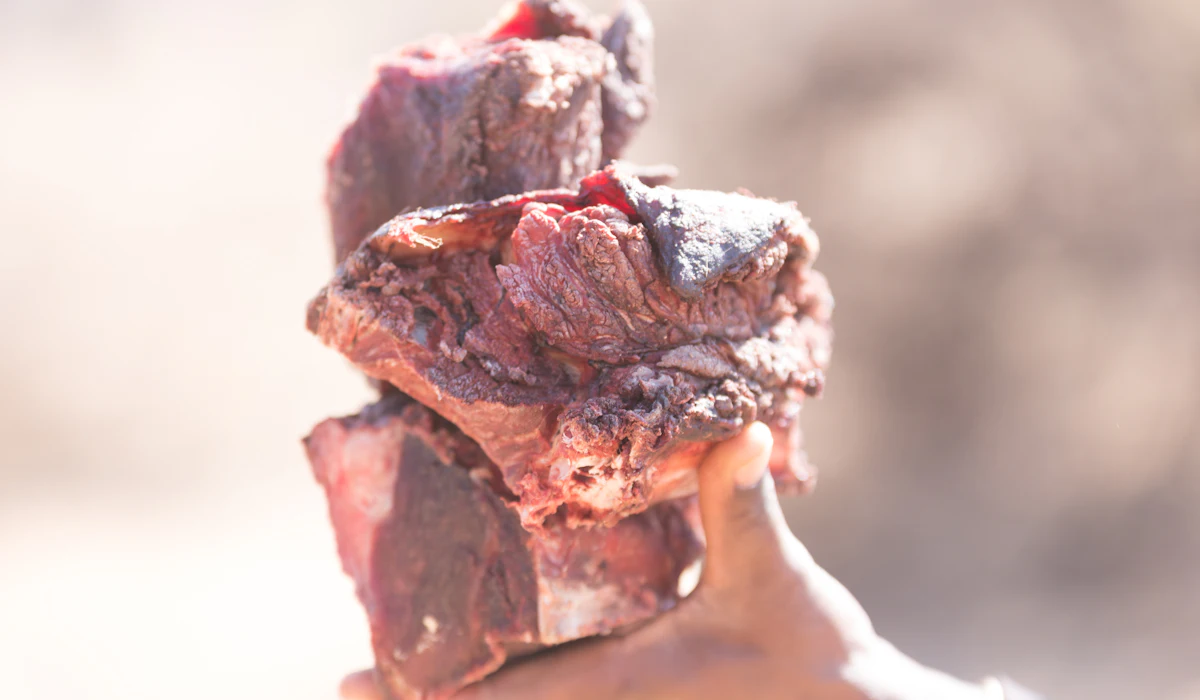
Bushmeat refers to meat from wild animals, often smoked or dried, sold in markets in parts of Africa and elsewhere. It is generally prohibited from entering the United States because it can carry dangerous diseases and may come from protected species.
Customs officers find it in luggage at major international airports with some regularity. The health risk is not theoretical, since imported wildlife products can carry serious pathogens.
No amount of drying, curing or packaging automatically makes it legal. Travelers carrying food for relatives abroad should check every package before flying back.
Beluga Caviar
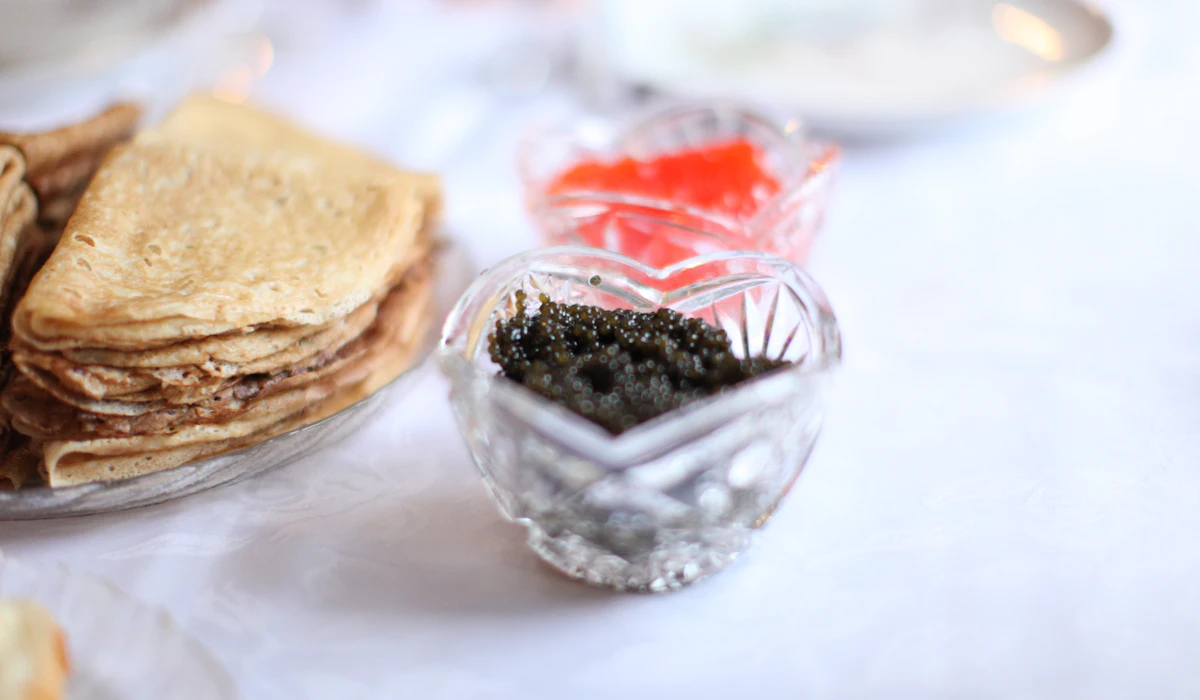
The United States has prohibited imports of beluga caviar from the Caspian Sea region since 2005, following restrictions related to the threatened beluga sturgeon. Other sturgeon caviars are regulated under international wildlife rules, and personal-import limits can apply depending on the species, origin, and current regulations.
Caviar sold at bargain prices in markets abroad is also a red flag for illegal or poorly documented sourcing. Travelers who want a splurge are safer buying legal, properly documented caviar from an authorized seller.
Cuban Rum
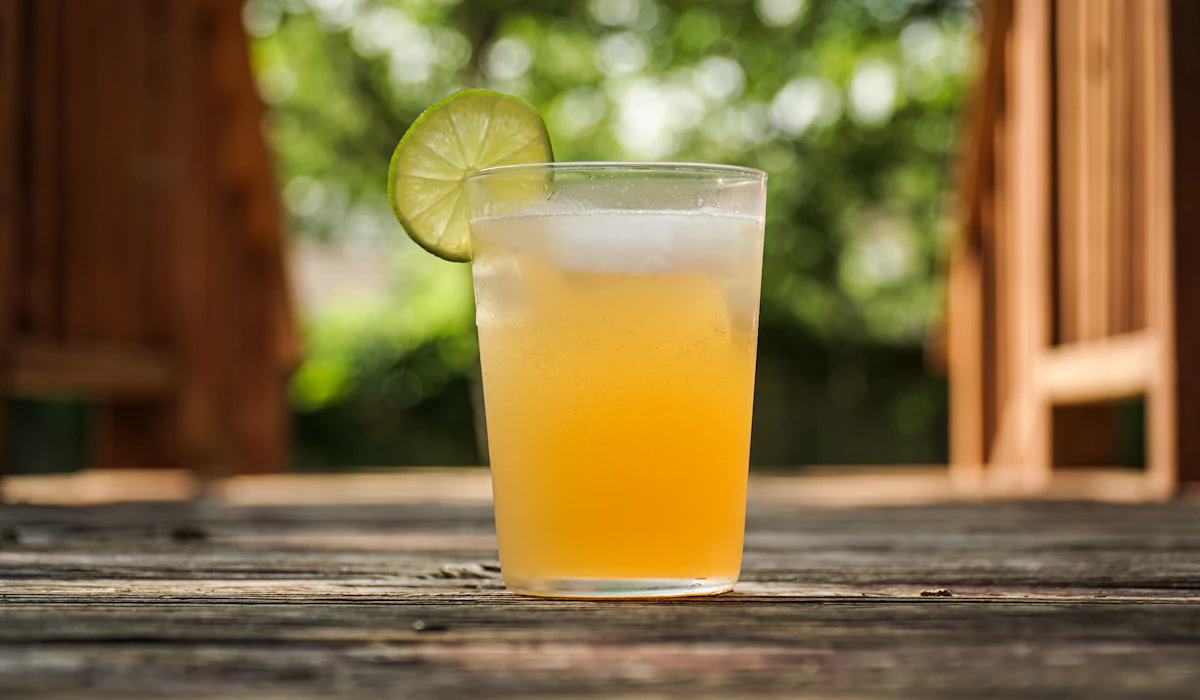
Travelers returning to the United States from Cuba were once allowed to bring back limited amounts of Cuban rum for personal use. In 2020, the Treasury Department removed that authorization, and Cuban-origin alcohol is no longer permitted as a personal import.
The rule applies even when the bottle was bought in a third country such as Canada or Mexico. Customs officers can seize the bottles on arrival.
Rum lovers can still bring home bottles from other Caribbean producers within applicable duty-free limits. Barbados, Jamaica and Martinique all produce rums with devoted followings.
Counterfeit Designer Goods In Europe
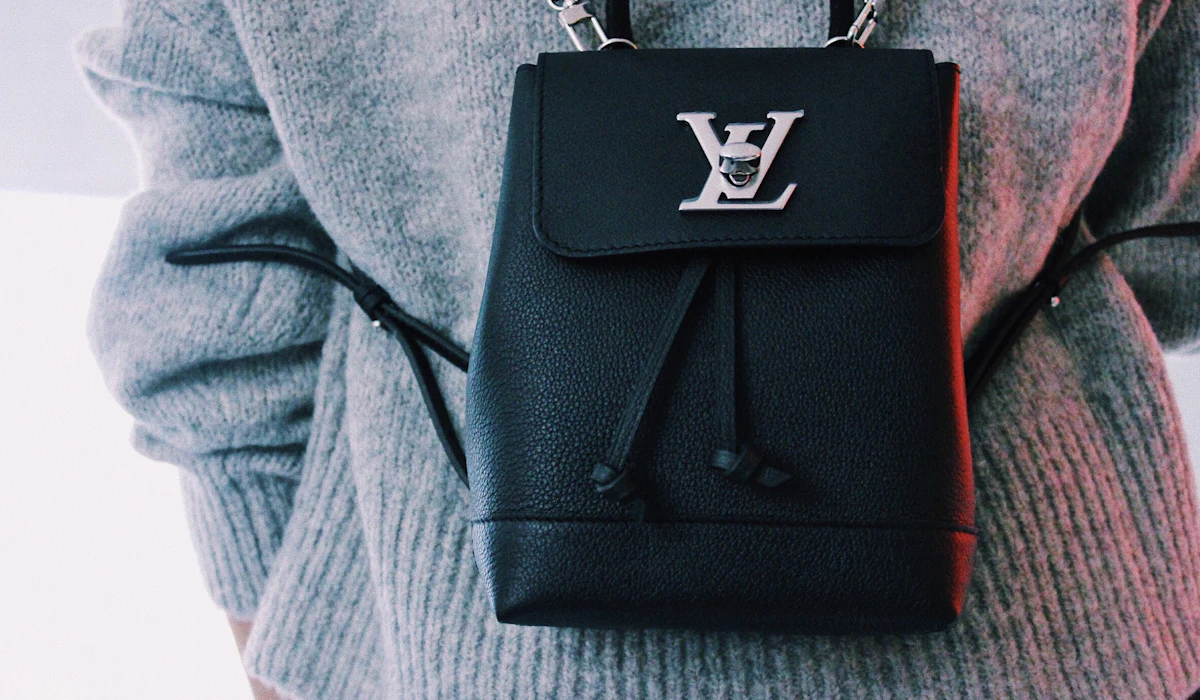
Fake handbags, watches and sunglasses are sold openly by street vendors in many European cities. Laws vary by country, and travelers can face customs action or fines for counterfeit goods in some destinations.
U.S. customs rules also permit seizure of counterfeit merchandise, subject to limited personal-use exceptions. A cheap knockoff bag can end up costing far more than the real thing once penalties are added.
Travelers who want a designer piece should buy from authorized boutiques.
Switchblade Knives
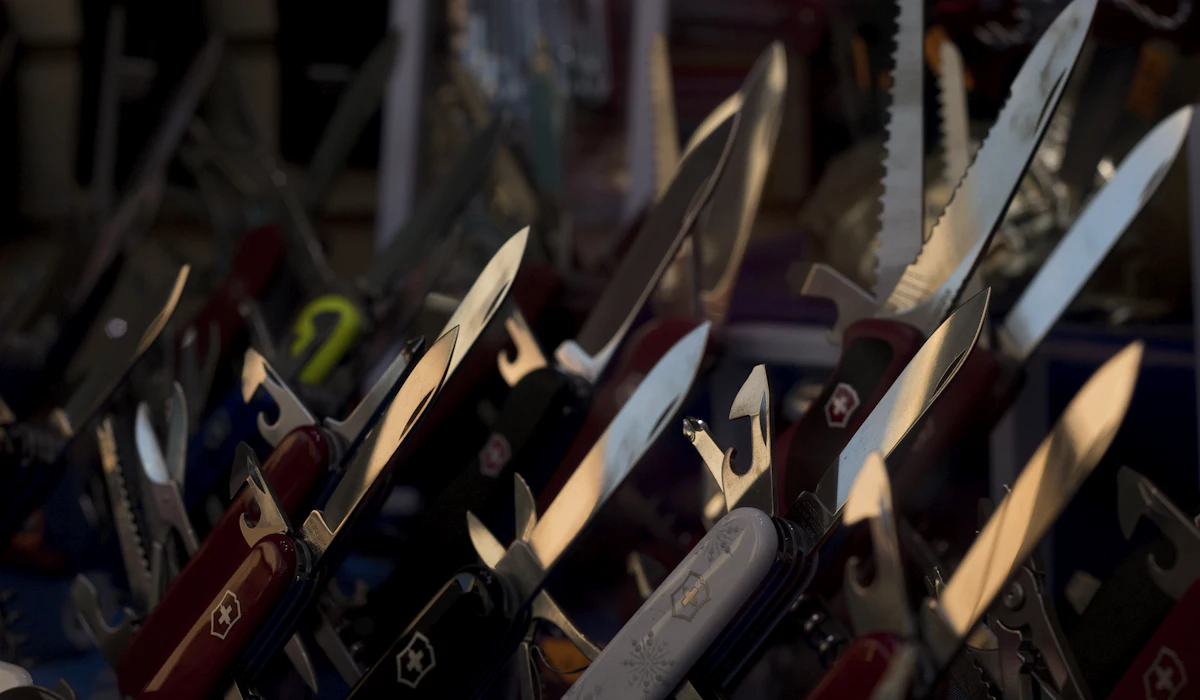
Folding knives make a popular souvenir in places with strong knife-making traditions, such as parts of Italy. The federal Switchblade Knife Act of 1958 restricts the importation of switchblades into the United States, with narrow exceptions.
Many state laws are also stricter on automatic knives. Airline security rules add another layer, since knives cannot travel in carry-on bags.
Customs officers can seize prohibited knives found in luggage. A regular folding knife with a manual blade is generally the simpler choice, packed in checked luggage and subject to the laws of the destination.
Fireworks
Fireworks are sold cheaply in many countries, especially around festivals and New Year celebrations. They are prohibited in both checked and carry-on baggage on commercial flights because of the fire and explosion risk.
Consumer fireworks imported into the United States must also meet federal safety requirements. Travelers driving home across a land border can face seizure and fines if fireworks do not comply.
Sparklers, poppers and novelty items can also be subject to restrictions. The excitement is best left behind with the festival.
Pre-Columbian Artifacts
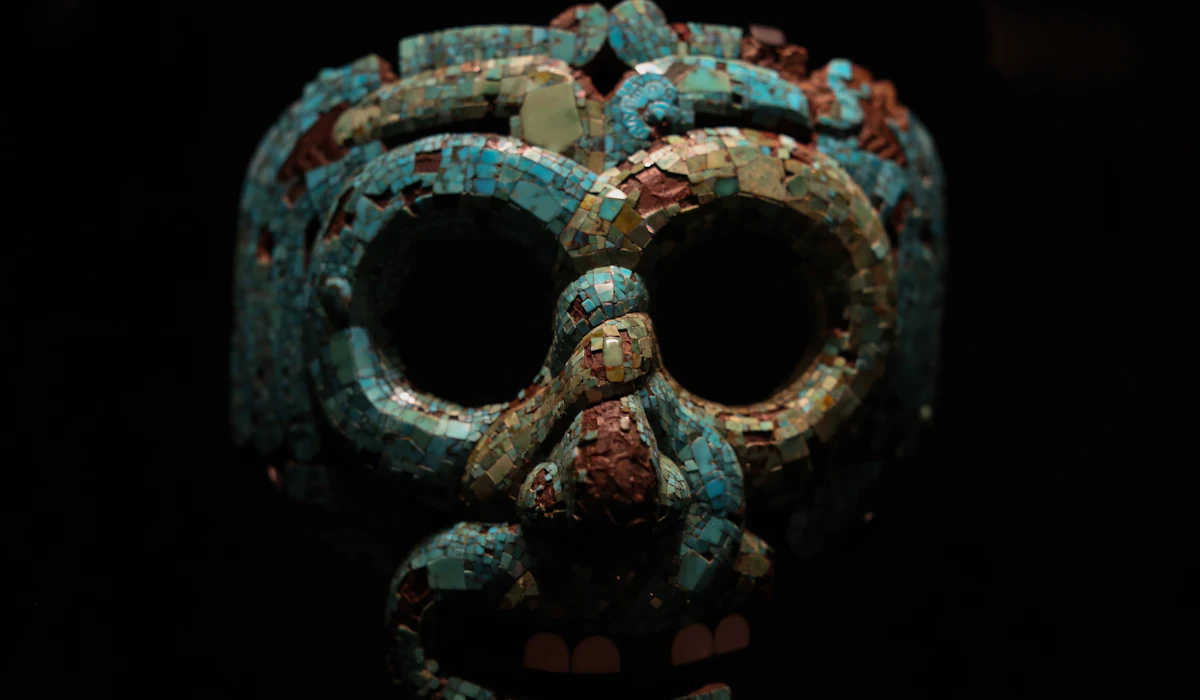
Pottery shards, small figurines and stone tools sold as ancient artifacts appear in markets across Mexico, Central America and South America. Many countries prohibit the export of genuine archaeological material without permits, and the United States has agreements with several of those countries that restrict imports.
Selling real artifacts to tourists is illegal in many places. Many of the pieces are reproductions, which can be legal when clearly labeled.
Travelers should get a receipt stating the item is a modern reproduction to avoid problems at the border.
Sand From Sardinia’s Beaches

The pale sand of Sardinia’s beaches, including the famous pink sand of Budelli, is protected by Italian law. Since 2017, taking sand, pebbles or shells from the island’s beaches has carried fines that can reach thousands of euros.
Security staff at Sardinian airports regularly find bottles of sand in luggage and confiscate them. Some tourists have mailed sand back after being caught.
Budelli’s pink beach has been closed to visitors for years to protect it. A photograph from the beach is the only safe souvenir of the island’s shoreline.
Medicines Made With Tiger Or Rhino Parts

Traditional medicines sold in some Asian markets claim to contain tiger bone, rhino horn, or bear bile. The federal Rhino and Tiger Product Labeling Act of 1998 prohibits importing or selling products labeled as containing rhino or tiger substances, even when the label is false.
Endangered species laws add further restrictions. Customs officers can seize these products on arrival.
Wildlife trafficking investigators treat these items seriously because demand drives poaching. Travelers buying any traditional remedy abroad should check ingredients carefully, ask the seller directly, and declare anything unclear.
Firewood From Canada
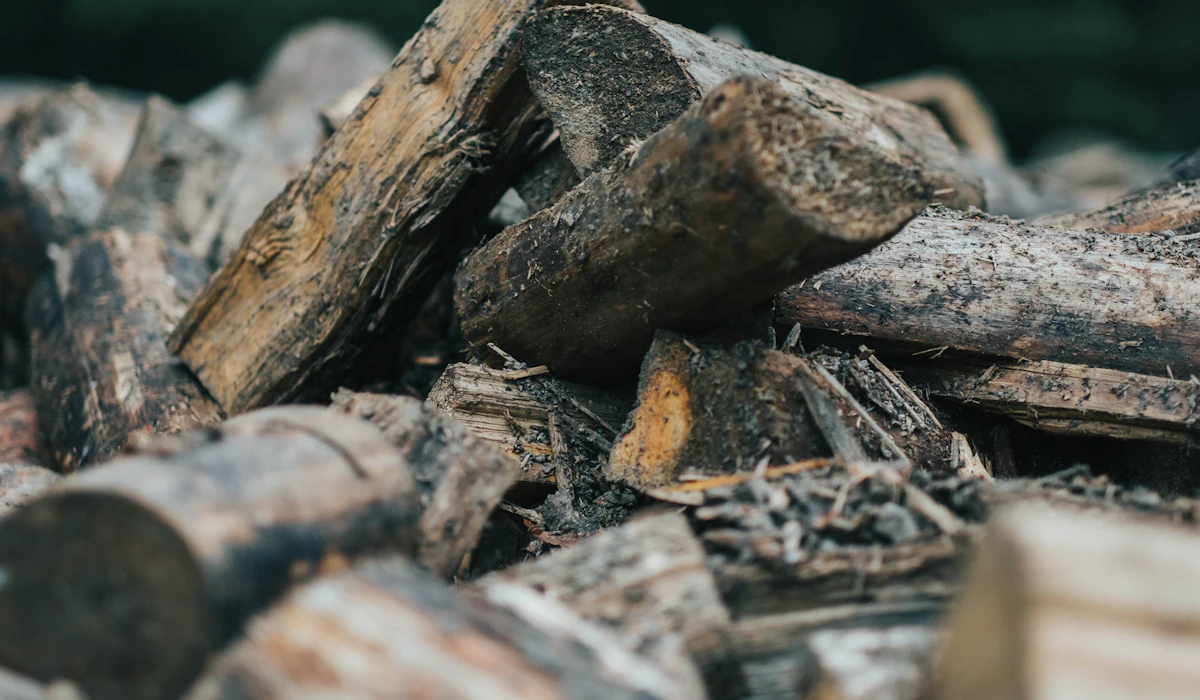
Campers driving home from Canada sometimes bring a stack of firewood along. Untreated firewood can carry invasive insects such as the emerald ash borer, which has killed millions of ash trees across North America.
U.S. agricultural rules restrict firewood entering from Canada unless it meets applicable treatment requirements. Customs officers at land crossings can seize untreated wood.
The same pests have prompted many U.S. states to restrict moving firewood across state lines as well. Buying firewood near the destination campsite is easier, cheaper and far safer for forests.
Fresh Ackee From Jamaica
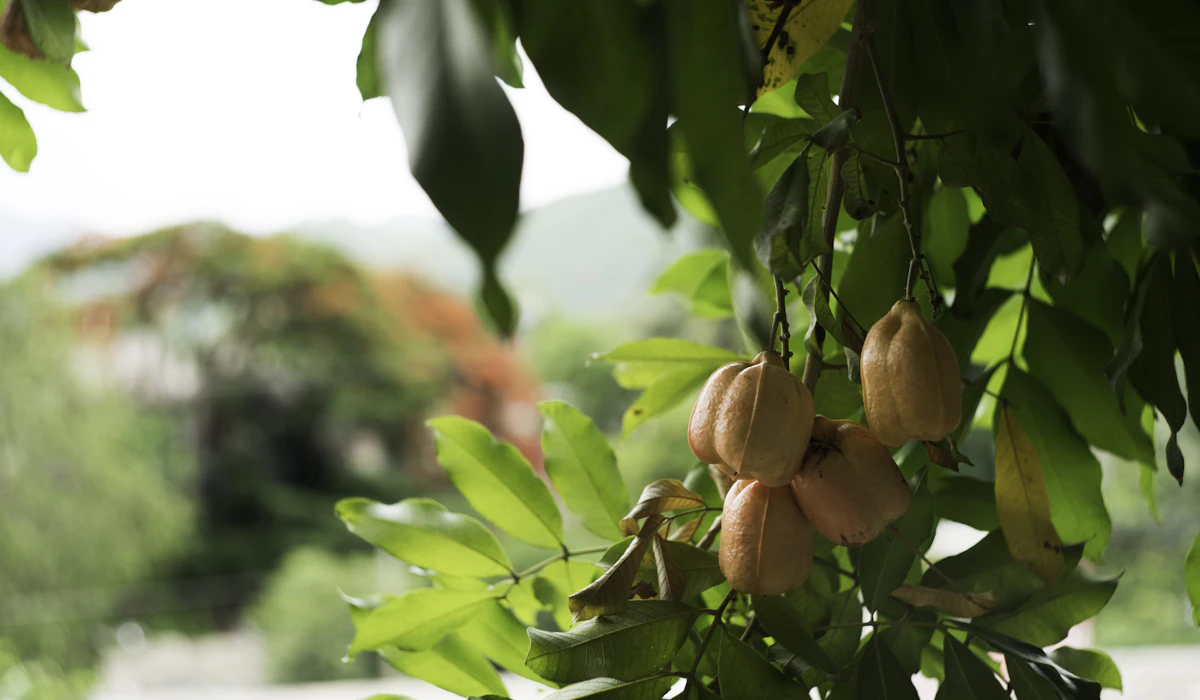
Ackee is Jamaica’s national fruit and part of the national dish, ackee and saltfish. When unripe or improperly prepared, the fruit contains a toxin that can cause serious illness.
Fresh ackee is generally not admissible into the United States, while canned ackee from approved processors can be imported. Travelers bringing the fresh fruit home from Jamaica can lose it at agricultural inspection.
Canned ackee, sold widely in Caribbean grocery stores in the United States, is the legal way to enjoy it, though prices can be steep.
Inspectors Read Souvenirs Differently

A traveler sees a gift, a snack, or a memento. An inspector sees a possible pest, a pathogen, an endangered animal, or a safety hazard, and the law gives the inspector the final word.
Most seizures happen because nobody asked the question before buying.
Declaring an item is almost always smarter than hoping it slips through. Officers can determine whether a declared item is admissible, while undeclared prohibited items can also bring fines.
The safest souvenirs remain the oldest kind: photographs, stories, and things made by local artisans from legal materials.
More from Travel Pug

- Underrated Italian Towns That Beat the Tourist Crowds
- Las Vegas Tourist Traps to Skip
- Prettiest Towns in Every US State
- 18 passport-free countries for Americans
- Signs Your Cruise Is Not Worth The Cost
Like Travel Pug’s content? Follow us on MSN.