

The mention of Sweden often triggers a predictable cascade of assumptions — blonde hair, IKEA furniture, and emotionally distant people trudging through endless winter darkness. These tired clichés persist despite Sweden’s complex modern reality as a diverse, internationally connected nation that defies such simplistic categorization.
Here’s a list of the most irritating stereotypes that make Swedes roll their eyes whenever they travel abroad or interact with international visitors.
All Swedes are blonde and blue-eyed
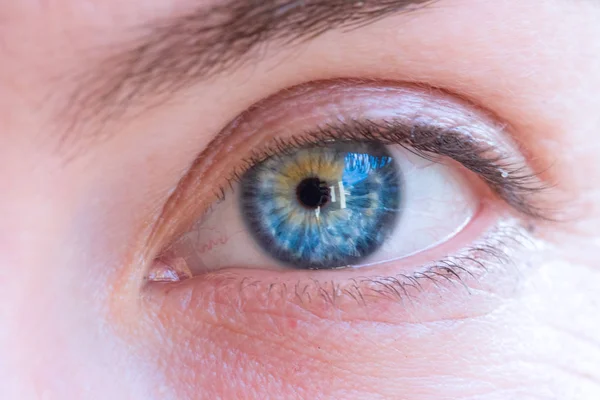
While Sweden does have more fair-haired residents than many countries, the assumption that everyone fits this Nordic archetype is wildly outdated. Immigration over recent decades has created a multicultural society where Swedish cities showcase people of diverse ethnicities and appearances.
Even natural blondes often see their hair darken with age, relying on hair dye to maintain that stereotypical look. The West Coast actually has a surprising number of redheads, likely influenced by Danish heritage.
Swedes are cold and emotionally distant

This damaging stereotype paints Swedes as perpetually disinterested in others’ social needs and emotionally detached from those around them. The reality? Swedes simply express politeness and social interaction differently than other cultures.
Once you break through the initial barrier of Swedish social etiquette, many are warm, friendly, and eager to engage in meaningful conversations.
Like Travel Pug’s content? Follow us on MSN.
Everyone drives a Volvo
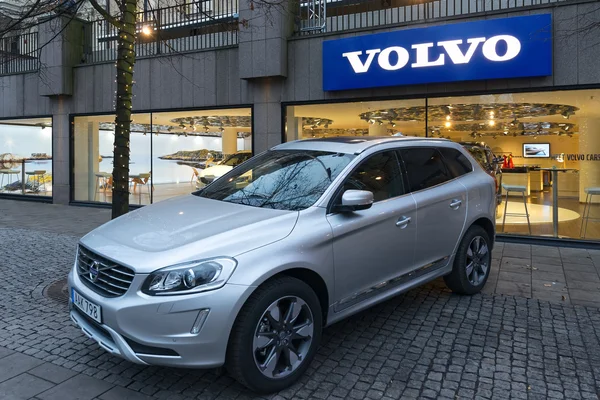
Fifty or sixty years ago, this might have held some truth, but modern Swedes are car enthusiasts who drive all sorts of models. While safety remains important in vehicle choices, brand loyalty has shifted significantly.
Volvo isn’t even Swedish-owned anymore. That fact alone has diminished its charm among many Swedes who once took national pride in the brand.
They’re obsessed with IKEA
Sure, IKEA is Swedish and there are 24 stores throughout the country. But assuming every Swede furnishes their home exclusively with flat-packed furniture is like assuming all Americans eat only McDonald’s.
Swedish design emphasizes minimalism and functionality, which IKEA popularized globally, but plenty of Swedes prefer other furniture sources. The smell of cinnamon buns in those stores, though? That part’s genuinely appealing.
Sweden is socialist

The nuanced relationship between market economics and social welfare gets lost in this oversimplification. Swedes are actually proud of their marriage between socialism and capitalism, mainly because it works through a massive safety net.
But calling Sweden purely socialist ignores the robust private sector and entrepreneurial culture that drives much of the economy.
Like Travel Pug’s content? Follow us on MSN.
Everyone suffers from seasonal depression
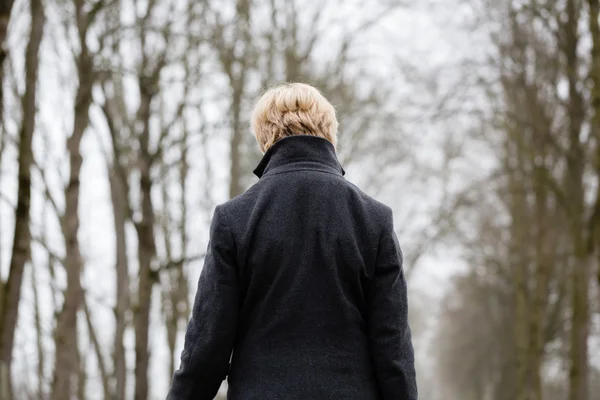
The harsh conditions and infamous polar nights do have real psychological consequences, but nowhere near a nationwide, season-long depression epidemic. Seasonal Affective Disorder affects some Swedes, just as people near the equator can experience it despite long daylight hours.
Sweden consistently performs well in international happiness surveys, ranking 5th in the 2013 World Happiness Report.
They sound like the Swedish Chef from Sesame Street

“Hurdy gurdy! Bork!” might be the Swedish most people recognize, but actual Swedish sounds nothing like this fictional puppet. If anything, that exaggerated accent sounds more Norwegian.
The beautiful, melodic quality of real Swedish gets butchered by these cartoon-inspired expectations. Try navigating to Djupröven without pointing at a map.
Swedes avoid conflict at all costs

Some call it passive-aggressive, others call it conflict avoidance, but this stereotype drives Swedes mad when mentioned because it’s frustratingly accurate. You rarely hear shouting or public arguments, but that doesn’t mean grievances go unaddressed.
They just won’t see it coming because it’s done so stealthily. Not great for direct communicators.
Like Travel Pug’s content? Follow us on MSN.
Everyone works in tech

Sweden’s success with companies like Spotify and Skype has created this perception. The stereotype builds on Sweden’s early technology adoption, high internet penetration, and tech company success stories.
But Sweden’s economy spans forestry, manufacturing, automotive, pharmaceuticals, and countless other sectors. Not everyone codes for a living.
They never show emotion

Even during funerals, you don’t witness overt emotional outbursts; instead, there is reasoned discourse followed by measured sobbing and clothing rendering. This restrained manner is mistaken for emotional apathy.
The reality is not a lack of feeling, but rather cultural standards surrounding acceptable emotional expression.
Swedish cuisine is just meatballs and herring

Fish and meatballs represent tiny fractions of Swedish culinary tradition. Sweden’s cuisine is more diverse than many think, featuring regional specialties and ingredients that vary significantly across the country.
Modern Swedish restaurants showcase innovative techniques and local ingredients that extend far beyond stereotypical dishes. Still, those meatballs are genuinely delicious.
Like Travel Pug’s content? Follow us on MSN.
Everyone lives in the forest
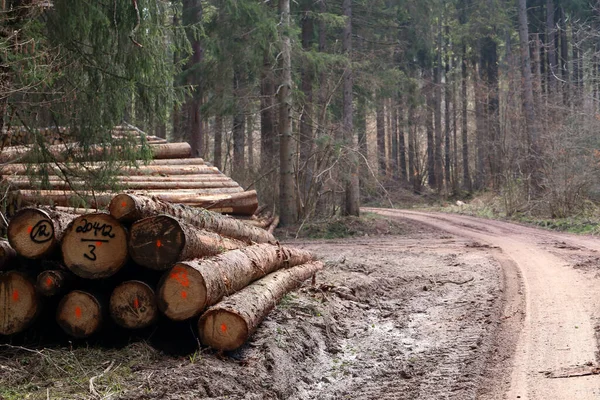
Swedish cities are international business and educational centers hosting residents from around the world. Stockholm, Gothenburg, and Malmö are vibrant urban areas where most Swedes actually live.
Rural areas exist, obviously, but the forest-dwelling hermit image ignores Sweden’s urbanized reality.
They’re all tall and athletic

While many Swedes engage in multiple sports during childhood — soccer, swimming, ice hockey — the assumption of universal athleticism doesn’t hold up. Sweden has moderate obesity rates around 14%, similar to other developed nations.
Height varies just like anywhere else, though good healthcare and nutrition do contribute to generally positive health outcomes.
Taxes are impossibly high

While taxes aren’t as high as some might think, they are still quite high — and Swedes don’t hate admitting it. The key difference lies in what those taxes fund and the transparency around their use.
Most Swedes see clear value in their tax contributions through healthcare, education, and infrastructure quality.
Like Travel Pug’s content? Follow us on MSN.
They’re environmental extremists

Sweden announced plans for Stockholm to run entirely on sustainable energy by 2050, with 66 percent of the country already using non-fossil fuel electricity sources. Environmental consciousness runs deep, but it manifests through practical policy rather than radical activism.
The approach emphasizes sustainable living as common sense rather than ideology.
Looking beyond the surface

Understanding Sweden’s true essence goes beyond surface-level assumptions, revealing a country with a rich history, a diverse population, and progressive values that create a captivating tapestry. These stereotypes persist because they contain kernels of truth wrapped in oversimplification, but Sweden’s reality proves far more complex and interesting than any collection of clichés could capture.
More from Travel Pug

- 20 Best Beach Towns in the Carolinas
- 13 Destinations Where Tourists Regularly Regret Their Trip
- 20 Things You Actually Get in First Class
- 20 Small Airports With Aviation Museums
- 20 Places in the U.S. That Are Perfect for a Reset Trip
Like Travel Pug’s content? Follow us on MSN.