

The safari industry has undergone a quiet revolution.
What was once the realm of trophy hunters and colonial excess has transformed into something far more purposeful.
Today, the most respected safari operators aren’t just offering wildlife encounters; they’re funding anti-poaching units, relocating endangered rhinos, employing whole villages, and turning tourism dollars into actual conservation wins.
The shift hasn’t been entirely altruistic, of course: travelers have become smarter, demanding proof that their considerable spending actually protects the landscapes they’ve come to witness.
Still, the result is real. Across Africa, some operators are genuinely changing the game.
It is tough to sort out the real land conservation heroes from the adept marketers. A closer examination of where the rhetoric matches reality:
Botswana’s conservation powerhouses
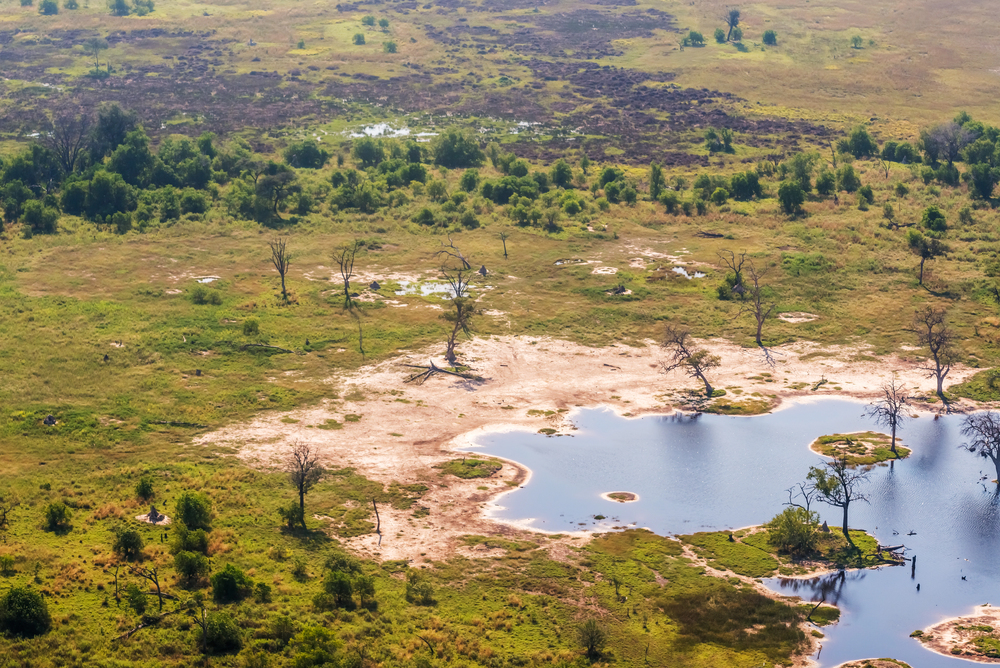
Wilderness Safaris practically invented the ethical safari model when they set up shop in Botswana’s Okavango Delta back in 1983.
Four decades later, they’re managing more than 2.2 million acres of wilderness across eight African countries, though their Botswana operations remain the gold standard.
The company pays substantial lease fees directly to local communities — over $2.7 million since 2016 — while employing hundreds of people from surrounding villages.
Their Mombo Camp, perched in one of the most wildlife-rich corners of the Okavango, has become legendary not just for its lion sightings but for its commitment to solar power and water conservation.
Since 2012, the company’s shift to solar has saved more than 2.1 million liters of diesel that would’ve otherwise been burned for electricity.
Great Plains Conservation operates with a similar intention in Botswana’s private reserves.
Founded by National Geographic filmmakers Dereck and Beverly Joubert, the company runs intimate camps in the Selinda Reserve and Duba Concession — places where elephant herds number in the hundreds and wild dog sightings are regular occurrences.
Their camps have eliminated single-use plastics while featuring sophisticated greywater recycling systems.
Even so, the conservation work extends beyond camp management.
Great Plains has trained female anti-poaching rangers, funded village solar installations, and supported feeding programs for rural communities.
One guest reportedly bought 600 solar lanterns for distribution to nearby villages — the kind of spontaneous generosity that ethical tourism can inspire.
Southern Africa’s conservation estates
Singita’s name, which translates from Shangaan as “place of miracles,” sounds like marketing poetry until you examine their track record.
Operating across South Africa, Zimbabwe, and Tanzania, Singita manages over a million acres of pristine wilderness.
Their partnership with the Grumeti Fund in Tanzania’s western Serengeti has produced remarkable results since 2003.
Elephant populations have quadrupled. Giraffe numbers have tripled. Buffalo herds have expanded tenfold.
In 2019, the fund relocated nine critically endangered Eastern Black Rhinos — the largest single translocation of its kind.
More than 100 anti-poaching scouts patrol the 350,000-acre reserve, supported by trained detection dogs that can track humans and uncover contraband even in darkness.
South Africa’s Phinda Private Game Reserve, run by &Beyond, demonstrates what happens when conservation and community development operate in tandem.
The reserve has been instrumental in major wildlife relocation projects and rhino reintroduction programs.
&Beyond employs locals extensively, invests in schools and healthcare facilities, and has received international recognition, including Condé Nast Traveler’s World Savers Award.
Their lodges blend seamlessly into the landscape while maintaining five-star standards — proof that luxury and environmental responsibility aren’t mutually exclusive.
The company’s philosophy centers on the 4Cs: Commerce, Conservation, Community, and Culture.
East Africa’s community-led approach
Kenya’s Maasai Mara operates under a different model entirely.
Many of the region’s best wildlife areas exist on community conservancies where safari operators pay rent to Maasai landowners.
This arrangement maintains traditional pastoralist livelihoods while creating buffer zones for wildlife.
Mara Bushtops operates in the Isaaten Conservancy, where tourism revenue flows directly to local herders.
Some of those herders work as guides, still wearing traditional scarlet shukas instead of regulation khaki.
The camp has funded the nearby Nkoilale School, educated hundreds of children, and supported staff training in everything from food hygiene to gender equality.
Tanzania’s Serengeti hosts Asilia Africa’s Dunia Camp, notable as the only women-operated safari camp in the region.
Located near the Moru Kopjes, where endangered black rhinos still roam, the camp demonstrates that empowerment can take multiple forms.
Asilia works closely with researchers while supporting education and health programs.
They help establish community-owned conservancies. All of Asilia’s camps use renewable energy, minimize waste, and train staff from nearby villages.
The company’s Twende Porini program invites children from surrounding communities to experience wildlife firsthand, creating the next generation of conservation advocates.
Rwanda presents yet another variation on ethical safari tourism.
The country’s gorilla trekking permits cost $1,500 per person — steep until you consider where the money goes: a portion supports ranger salaries, anti-poaching efforts, and community development projects.
Wilderness Safaris’ Bisate Lodge, built on formerly degraded land near Volcanoes National Park, has undertaken extensive reforestation.
It now serves as both a luxury accommodation and a conservation success story.
Guests trek through bamboo forests to observe mountain gorilla families, an encounter that feels less like tourism and more like witnessing something sacred.
What actually makes a safari ethical
The distinction between genuine conservation operations and clever marketing comes down to a few key indicators.
Legitimate operators provide detailed information about their conservation programs without vague platitudes.
They specify which anti-poaching units they fund, which species they’re researching, and exactly how much money goes to local communities.
Wilderness Safaris, for instance, publishes exact figures: 622,300 acres conserved in Botswana alone, $1.15 million in park fees and permits, $2.6 million spent on conservation projects since 2014.
That level of transparency is rare. It’s also reassuring.
Employment practices reveal plenty, too. Ethical operators hire locally whenever possible while providing proper training and advancement opportunities.
African Bush Camps, run by Zimbabwean founder Beks Ndlovu, has inspired staff members to launch their own safari companies simply by proving it’s possible.
That kind of role modeling matters in an industry still dominated by foreign ownership.
Visitors should ask how many staff members come from surrounding communities and what percentage of management is local.
The answers are illuminating.
Infrastructure choices signal intention as well.
Solar-powered camps that recycle water, compost waste, and avoid single-use plastics demonstrate a genuine commitment to reducing environmental impact.
So do camps that source food locally, support regional farmers, and maintain organic gardens.
These practices cost more initially but save money in the long term while building regional economies.
Garonga Safari Camp in South Africa installed a six-phase sewage filtration system that makes wastewater safe enough for animals to drink.
That’s the kind of investment separating serious operators from those just chasing certification stickers.
Spotting the greenwashers
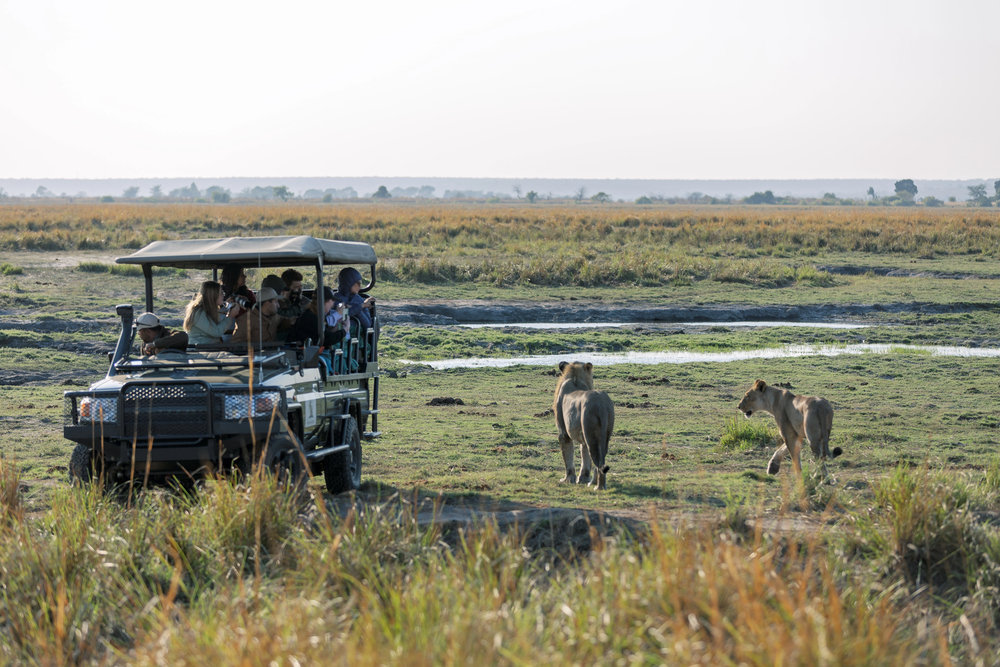
The result is that the safari industry has become a minefield for travelers.
Almost every lodge now claims some degree of community involvement or conservation value, but the depth varies wildly.
Greenwashing — when marketing outpaces actual impact — remains common.
Some operators will gift a token donation to a local school, photograph the ribbon cutting, then dine out on those images for years.
Others claim partnerships with conservation organizations that amount to little more than a logo placement on websites.
Digging deeper helps separate substance from spin.
Fair Trade Tourism South Africa, an NGO that certifies products based on fair trade principles, provides one benchmark.
Award recognition can indicate legitimacy, though the caliber of awards matters.
Who judges them and against what criteria?
Industry insider awards mean less than recognition from conservation organizations or independent travel publications.
Still, awards alone don’t tell the full story.
Word-of-mouth recommendations from travelers who’ve visited, particularly those who asked hard questions and got satisfying answers, often prove more reliable than any certification.
The price point offers another clue, though an imperfect one.
Genuinely ethical safaris cost more because conservation isn’t cheap: highly trained guides command higher salaries than novices; electric safari vehicles cost more than diesel versions; and sustainable building materials, renewable energy systems, and proper waste management all require greater investment.
That said, expensive doesn’t automatically equal ethical.
Some high-end lodges charge premium rates for luxury amenities — private plunge pools, champagne cellars, personal butlers — while putting forth minimal effort toward conservation.
The question isn’t what travelers pay but where that money goes.
The ripple effect
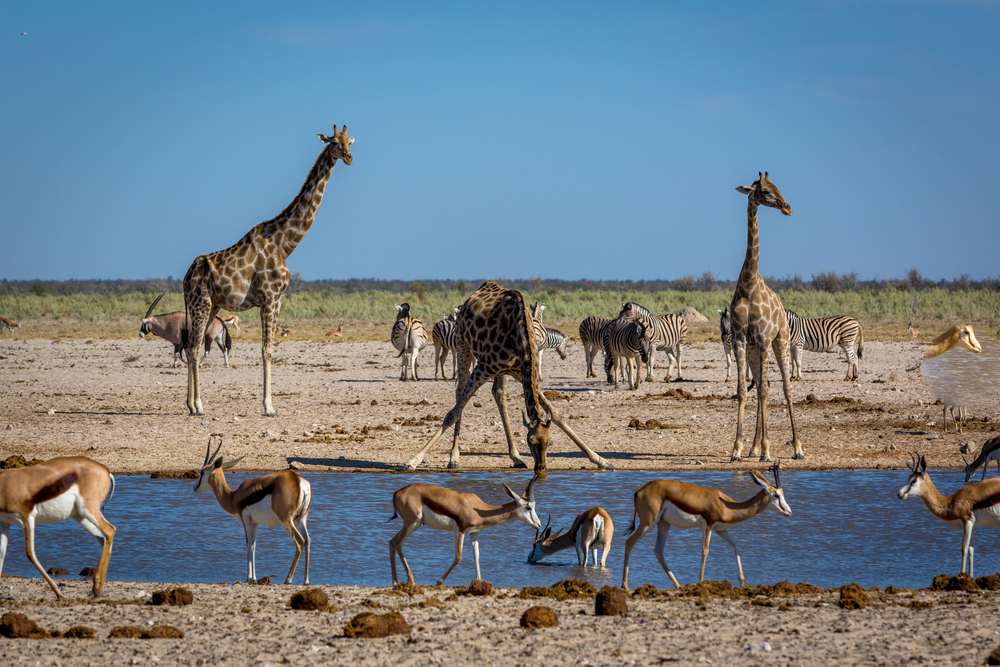
The impact of ethical safari tourism extends far beyond the immediate conservation area.
In regions where tourism provides the primary income, safari employment can mean the difference between poaching for survival and protecting wildlife.
When local communities see direct financial benefit from healthy ecosystems, they become invested in preservation.
Singita’s programs in Tanzania provide one meal daily to thousands of schoolchildren.
They teach environmental education and place young teachers in under-resourced schools.
Those children grow up understanding that wildlife has value beyond ivory or bushmeat.
Research partnerships flourish in ethical safari destinations.
Botswana’s Khwai Private Reserve hosts the Wild Dog Research Camp, where Botswana Predator Conservation Trust studies endangered African wild dogs.
Guests can visit the research center, meet scientists, and learn about tracking methods.
This kind of access transforms abstract conservation concepts into a tangible reality.
Visitors leave with a deeper understanding and often become long-term supporters of specific projects.
Some establish ongoing relationships with conservation organizations they never would’ve discovered otherwise.
The model creates employment beyond guiding and camp management.
Anti-poaching scouts, wildlife monitors, teachers, healthcare workers, construction crews, and agricultural specialists all find work in the ecosystem surrounding ethical safari operations.
Wilderness Safaris’ operations in Botswana directly and indirectly support over 140,000 people.
That’s not just income — it’s entire communities with stability, education, and hope.
The multiplier effect of well-structured tourism can fundamentally alter regional economies.
Why it matters more than ever
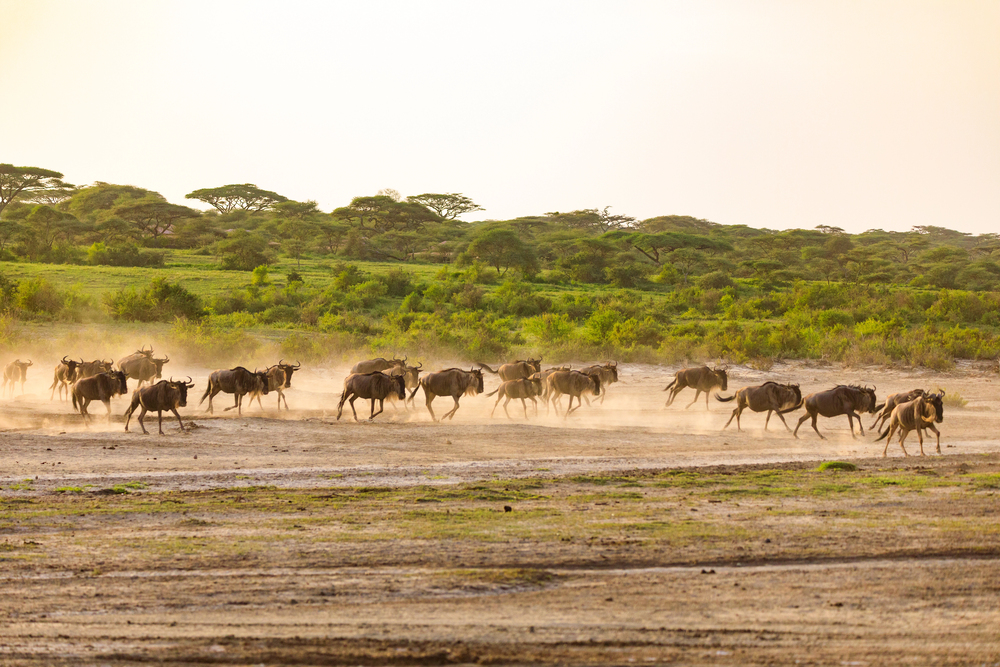
Safari tourism faced near-extinction during the pandemic, with international travel collapsing.
Most conservation programs lost their main source of funding. Anti-poaching patrols were scaled back. Community support programs stalled. And poaching spiked in some areas as economic desperation increased.
The recovery has been gradual and uneven, yet it underlined an uncomfortable truth: much of Africa’s conservation infrastructure depends on tourist dollars.
That dependency creates both vulnerability and responsibility.
Choosing an ethical operator is not just about feeling good or getting good Instagram content; it’s about ensuring that wild places and wildlife we claim to value continue to exist.
The model works, but only with enough participation.
When travelers demand transparency and reward genuine conservation efforts with their business, operators respond.
When price becomes the only consideration, corners get cut and wildlife suffers.
The decision of where to spend several thousand dollars on a safari carries real consequences that ripple through entire ecosystems and communities for years after the trip ends.
More from Travel Pug

- Underrated Italian Towns That Beat the Tourist Crowds
- Las Vegas Tourist Traps to Skip
- Prettiest Towns in Every US State
- 18 passport-free countries for Americans
- Signs Your Cruise Is Not Worth The Cost
Like Travel Pug’s content? Follow us on MSN.