

There is something quietly profound in how a dog leans into your hand or how the breath of a horse can steady racing heartbeats.
These moments almost feel mystical, like something within the animal innately knows exactly what’s needed.
Turns out, there’s actual science behind that intuition.
Animals have been healing humans for centuries, but only recently have researchers started measuring what folklore has always known: time spent with certain creatures can genuinely mend what is broken inside us.
From hospital corridors, where therapy dogs pad softly between patient rooms, to rural farms, where alpacas greet visitors with gentle curiosity, animal-assisted therapy has moved from fringe practice to mainstream treatment.
The evidence keeps piling up.
It’s shown that contact with animals initiates a cascade of changes inside the body: levels of cortisol decrease, while those of oxytocin increase; blood pressure is reduced.
Heart rates slow, and that constant hum of anxiety that defines modern life finally quiets down.
Here’s a closer look at the gentle creatures helping humans heal — and why their presence matters more than ever.
Dogs who understand what words can’t express

Therapy dogs have become fixtures in places where stress runs high and comfort runs low.
Walk into a children’s hospital and you might spot a golden retriever making rounds, its handler stopping at each room to offer patients a few minutes of fuzzy distraction from IV lines and monitors.
These aren’t ordinary pets, though.
They’ve been carefully selected for temperament and trained alongside their handlers to remain calm in chaotic environments — to sense when someone needs them close, to offer non-judgmental presence when words fail.
The physiological changes happening when someone pets a therapy dog are measurable and significant.
Heart rates can drop by up to 7% while blood pressure decreases and stress hormones take a nosedive.
One study of college students during exam week found that 93% reported reduced anxiety after spending time with therapy dogs.
The students didn’t need counseling sessions or medication adjustments.
They just needed a dog who was happy to see them, no strings attached.
Schools have caught on to this therapeutic potential.
More than 50,000 therapy dogs now work in American hospitals and schools combined, helping students cope with everything from test anxiety to grief.
When a child struggles to articulate feelings about their parents’ divorce or a traumatic event, sitting with a dog can create a safe space where emotions surface naturally.
The dog doesn’t judge, doesn’t offer advice, and doesn’t need anything explained.
It simply exists beside them — warm and alive and comforting.
Horses that mirror what we’re feeling
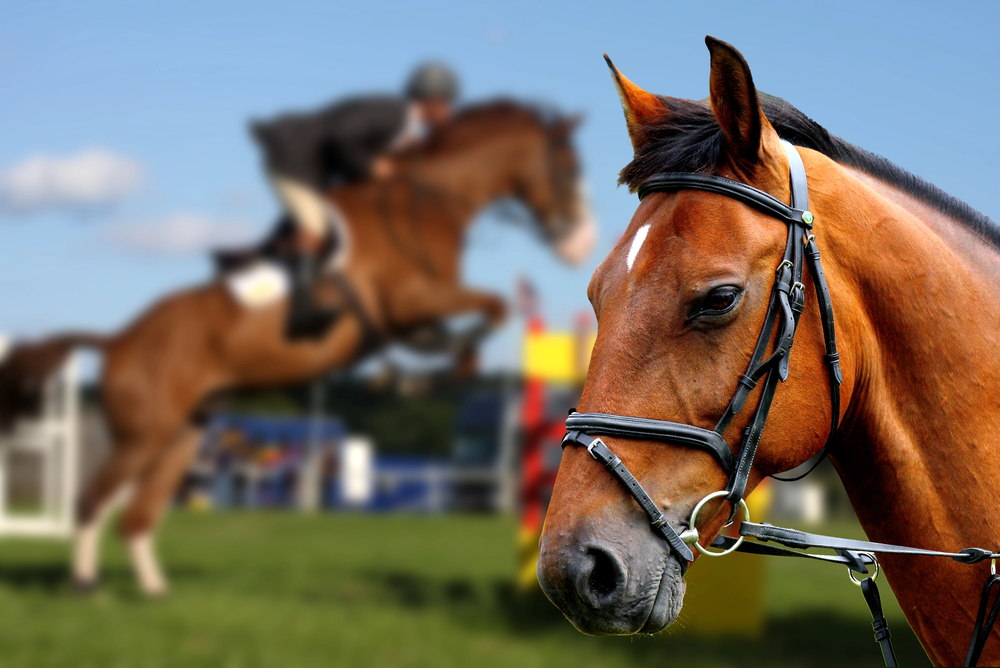
Equine therapy operates on a different wavelength than most animal-assisted treatments.
There’s often no riding involved.
Instead, people learn to groom horses, lead them through obstacles, and communicate through body language alone.
Horses are prey animals with finely tuned survival instincts, which makes them extraordinarily sensitive to human emotional states.
They pick up on tension, fear, and anger immediately, responding with behaviors that serve as real-time feedback about what someone is projecting into the world.
Veterans with PTSD have found particular success with equine therapy.
Columbia University researchers studied veterans participating in an eight-week program that paired them with horses under the guidance of mental health professionals and equine specialists.
More than 50% showed marked reductions in both PTSD symptoms and depression at follow-up.
The horses created a space where these veterans could practice emotional regulation, rebuild trust, learn to recognize their own feelings again — all skills that trauma had stolen from them.
The physical benefits matter too.
Working with horses requires physical engagement that improves balance, core strength, and coordination.
For people undergoing rehabilitation, the warmth radiating from a horse’s body can actually help reduce muscle tension and spasticity.
Still, the emotional healing tends to resonate longest.
There’s something about earning a thousand-pound animal’s trust that reminds people they’re capable of connection, even when everything else feels broken.
Alpacas and goats offering farm-based healing
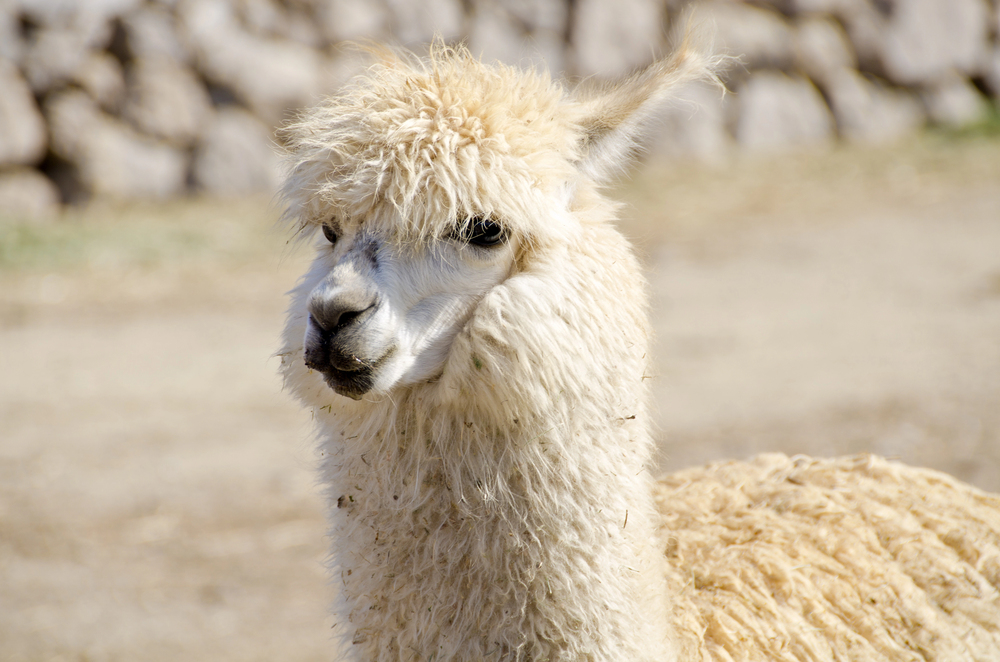
Farm animal therapy sounds almost whimsical until you witness its effects firsthand.
Alpacas, with their soft fleece and serene dispositions, rarely become aggressive.
They tend to approach humans with quiet curiosity rather than demanding anything, which makes them ideal for people dealing with anxiety or PTSD.
This gentle energy creates opportunities for interaction without the pressure that human relationships often carry.
Grooming an alpaca, feeding it, learning to read its body language — these activities ground people in the present moment while building confidence and self-worth.
Goats bring different medicine to the therapeutic process.
Their playful, sometimes mischievous personalities can coax laughter from people who haven’t felt joy in months.
One former addict working through recovery told reporters that therapy goats offered acceptance without conditions.
She could cry, rage, or simply exist in their presence — without fear of judgment.
The goats remained constant, chewing cud in a meditative state that somehow became contagious.
Research shows that interacting with these farm animals can lower cortisol levels by up to 23% in just 10 minutes, creating biochemical shifts that support emotional healing.
Cultivate Care Farms in Massachusetts represents this model at work.
Founders emptied their retirement accounts to purchase the property because they’d witnessed how profoundly farm animal therapy worked — better than anything else in their decades of mental health practice.
Clients work with licensed therapists while caring for alpacas, goats, and other animals, using the farm setting to enhance traditional therapeutic approaches.
The animals become partners in healing rather than mere props, each with distinct personalities that teach different lessons about trust, boundaries, and connection.
Fish that calm through quiet observation
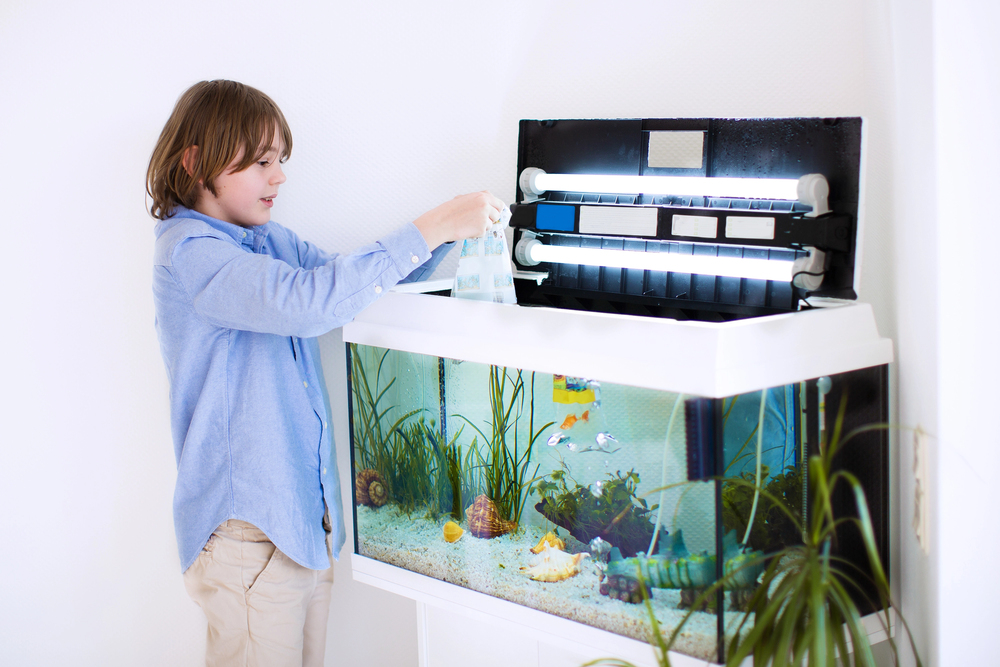
Aquarium therapy might seem less interactive than working with mammals, yet the research reveals surprising potency in simply watching fish swim.
The practice gained serious attention in the 1990s when studies began documenting measurable effects on stress, anxiety, and even conditions like Alzheimer’s disease.
University of Exeter researchers discovered that adding fish to a tank progressively improved observers’ moods and heart rates — the more fish, the stronger the effect.
This confirmed that fish themselves, not just water or aquatic plants, create the therapeutic impact.
The mechanics involve both distraction and meditation.
Watching fish glide through water with unpredictable grace holds attention without demanding anything, allowing anxious minds to rest.
The gentle bubbling sounds, the play of light through water, the slow fluid movements — these elements combine to induce something close to a meditative state.
Blood pressure can drop by 4%, and heart rate by 3% to 7%, depending on how many fish populate the tank.
For people with limited mobility or access to nature, an aquarium brings some of that natural tranquility indoors.
The science nobody can ignore anymore
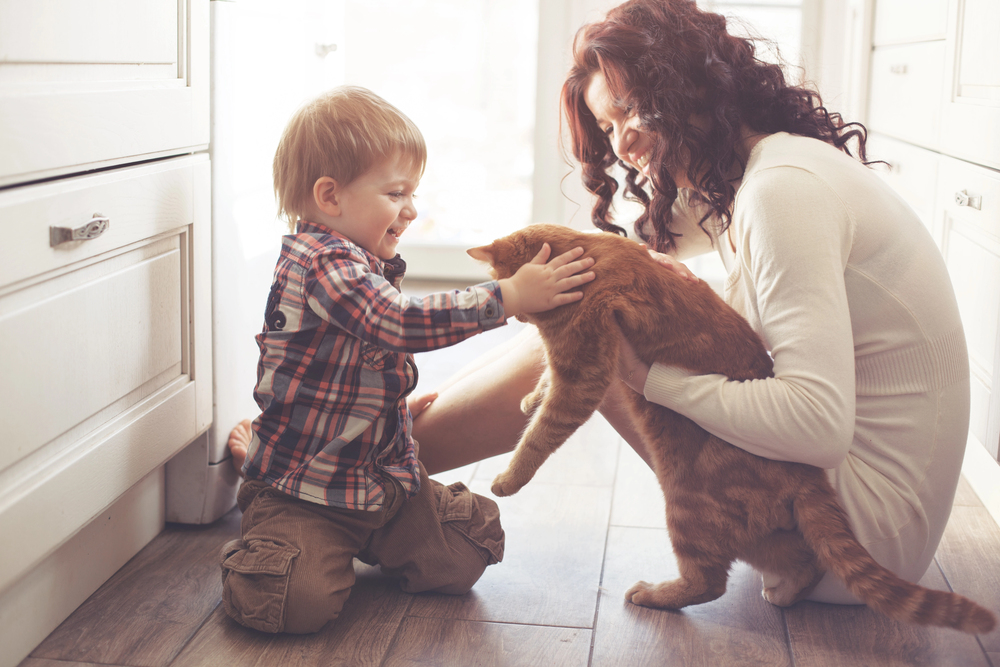
What once seemed like feel-good pseudoscience now has rigorous research behind it.
When humans interact with animals, their brains release oxytocin — often called the bonding hormone — which creates feelings of trust and reduces stress.
Simultaneously, cortisol levels drop, while mood-elevating chemicals such as serotonin and dopamine increase.
These aren’t subtle shifts.
They’re measurable changes that impact everything from immune function to cardiovascular health to cognitive performance.
When healing requires no words at all

Animals succeed where traditional therapy sometimes struggles because they sidestep language entirely.
For trauma survivors who can’t articulate what happened, for children who lack vocabulary for complex emotions, for anyone who’s simply tired of talking — animals offer another pathway.
The therapy happens through presence, touch, mutual attention, and the simple act of caring for another living being.
Nobody has to explain their diagnosis to a horse or justify their feelings to a dog.
The animal accepts them exactly as they are.
Where the quiet healing continues

The face of therapy keeps changing as more facilities realize what animals bring into treatment.
Hospitals that once banned pets now have official therapy dog programs.
Rehabilitation centers build equine facilities on campus.
Schools hire full-time therapy dogs to help manage student mental health.
Even corporate offices occasionally bring in animals during high-stress times, recognizing that employee well-being has tangible impacts on productivity.
Why we still need their gentle presence
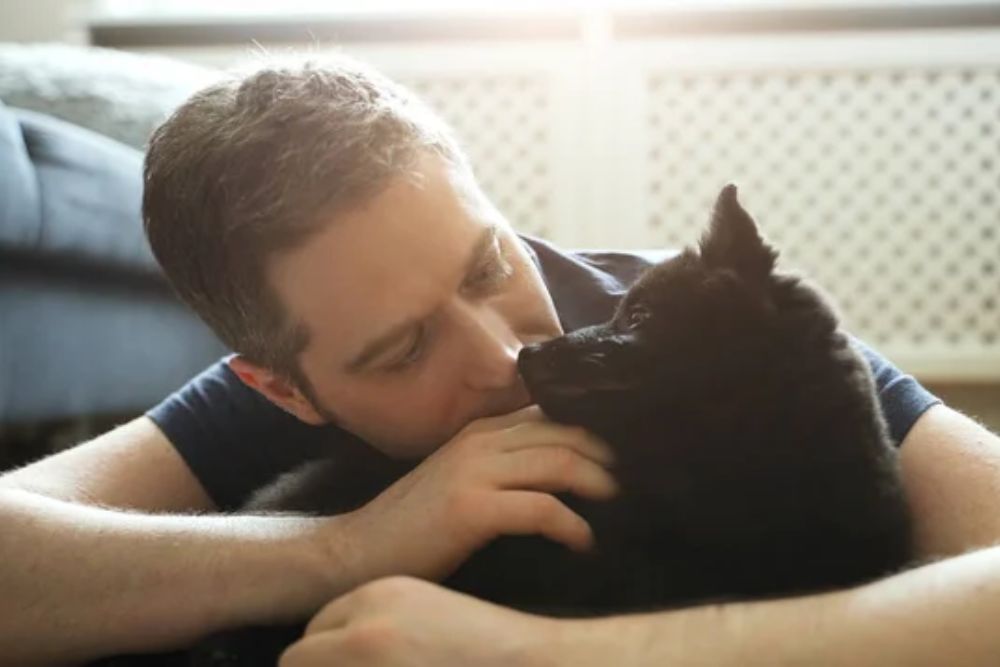
The first mental health institutions allowing patients to have contact with animals are already a thing of the past, yet the basic truth still stands: human beings are living creatures that need to interact with each other.
We have practically co-evolved with animals, collecting and using them for different purposes, including companionship.
The urbanization of the world has been responsible for the extinction of some of these ancient bonds, as people are driven into the cities, where nature is very much considered remote and optional.
The stress, isolation, and disconnection that characterize today’s life might very well be the bodies and minds of people protesting against that separation.
Animal-assisted therapy is not a return to some Arcadian past, but rather an acknowledgment of what has been lost and how it might be reintegrated into a contemporary medical setting.
The veterans who learn to trust again with horses, the anxious pupils who receive help from therapy dogs, and the Alzheimer’s patients who are served meals while watching fish — all of them are partaking in a process that is definitely much older and deeper than the pharmaceutical or psychological treatment intervention.
These approaches are valuable, but their efficacy is amplified when combined with the basic healing that animals provide.
More from Travel Pug

- Underrated Italian Towns That Beat the Tourist Crowds
- Las Vegas Tourist Traps to Skip
- Prettiest Towns in Every US State
- 18 passport-free countries for Americans
- Signs Your Cruise Is Not Worth The Cost
Like Travel Pug’s content? Follow us on MSN.