

Millions of tourists learn each year that the best hotels don’t have walls, don’t have room service, and let you bring your own bed. International camping creates memories that no resort could ever match by fusing the excitement of discovering new places with the unadulterated authenticity of sleeping under stars you have never seen before.
From the bureaucratic hassles to the wildlife that most definitely doesn’t care about your personal space, here is a thorough list of everything novices should know before setting up camp in a foreign country.
Research visa requirements for extended stays

That ambitious three-month camping trip across several countries is not covered by the majority of tourist visas. Some countries restrict camping to locations only accessible to those with valid visas. For national parks, others need special permits.
For example, freedom camping vehicles must adhere to stringent self-containment regulations in New Zealand.Check the websites of the embassies months in advance.
Additionally, keep in mind that staying too long—even by one day—can result in a ban from returning.
Choose between wild camping and established sites
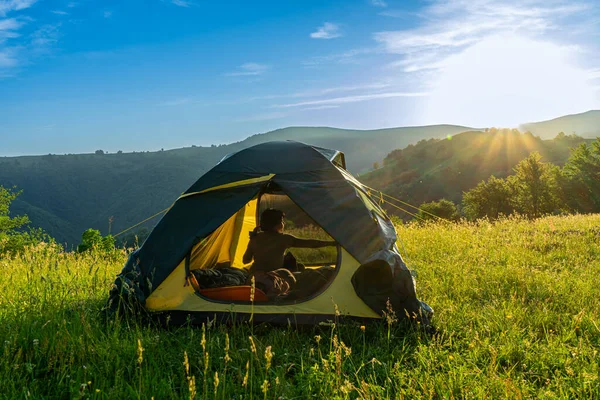
Wild camping means freedom but also responsibility. Legal in Scotland, Sweden, and Norway. Completely forbidden in others. Most of Europe falls somewhere between.
Established campsites offer showers, electricity, and that blessed thing called a real toilet. But they cost more. Sometimes significantly more.
Wild camping requires better planning, more gear, and stronger nerves when strange noises pierce the darkness at 3 AM.
Like Travel Pug’s content? Follow us on MSN.
Pack a universal camping stove adapter
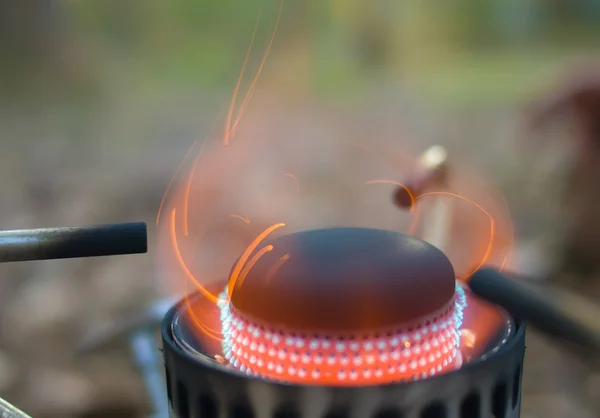
Your trusty camping stove might be useless abroad without the right gas canister connections. European canisters use different valves than North American ones. Asia? Different again.
A universal adapter weighs almost nothing and costs under twenty dollars, yet somehow half of all international campers forget this crucial piece until they’re standing in a foreign camping store, gesturing wildly at confused staff who speak exactly zero words of English.
Learn local camping etiquette
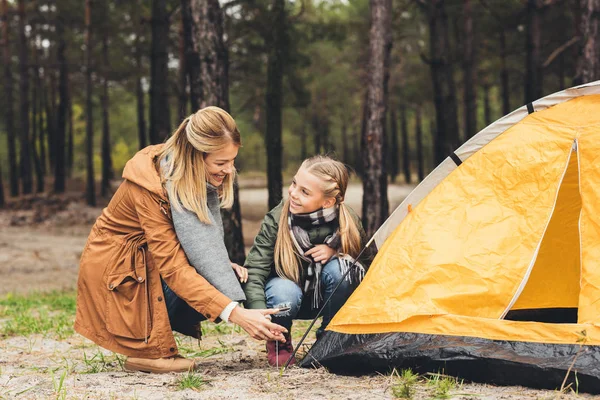
Germans expect near-silence after 10 PM at campsites. The French might invite you for wine at any hour. Japanese campgrounds often have elaborate cleaning rituals before departure.
In Iceland, cairn-building by tourists is actually considered environmental vandalism. Not suggestions.
Expectations. Breaking them marks you as the ugly tourist faster than socks with sandals ever could.
Understand fire regulations completely
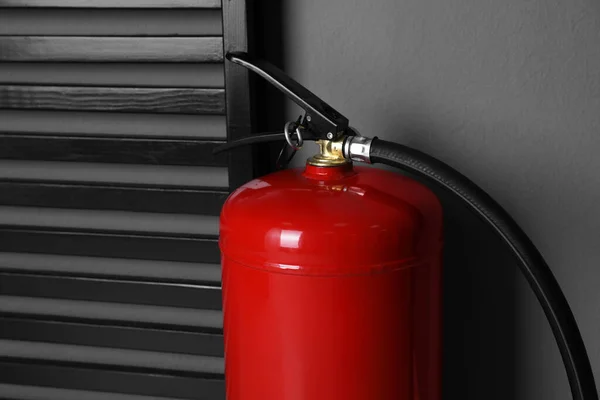
Australia during bushfire season doesn’t mess around. Total fire bans mean not even gas stoves in some regions. Penalties start at thousands of dollars.
Mediterranean countries have similar restrictions in summer.Even countries with relaxed camping laws get strict about fires.
That cozy campfire photo for social media? Not worth starting an international incident—or worse, an actual wildfire that makes headlines back home.
Like Travel Pug’s content? Follow us on MSN.
Get comprehensive travel insurance

Standard policies rarely cover camping activities. Definitely not that cliff-side wild camping spot you found. Medical evacuation from remote areas can cost more than your house.
Seriously. One helicopter ride from a Scottish mountain ran a climber £30,000. Check what “adventure activities” means in the fine print.
Some insurers consider putting up a tent an adventure activity. Not joking.
Download offline maps before leaving
Phone signal disappears faster than morning mist once you leave populated areas. Google Maps won’t save you in the Carpathian Mountains.
Apps like Maps.me or AllTrails work completely offline. So download entire countries while you have Wi-Fi.
The storage space they take up beats wandering lost in a Transylvanian fores,t explaining to suspicious locals that you’re not actually looking for vampires.
Prepare for different water situations

That crystal-clear mountain stream might carry giardia or worse. Water purification varies by destination:
• Tablets work everywhere but taste terrible
• UV purifiers need batteries (pack extras)
• Portable filters handle most nasties
• Boiling remains foolproof but fuel-hungry
Some countries have drinkable tap water everywhere. Others, nowhere. The Scottish Highlands have streams cleaner than bottled water. The smell of wet pine needles there is almost overwhelming. India requires military-grade purification for everything including ice cubes.
Like Travel Pug’s content? Follow us on MSN.
Master the art of food storage

Bears exist in more countries than you’d think. Wild boars too. Monkeys.
Even surprisingly aggressive squirrels that seem to have personal vendettas against campers. Bear canisters are mandatory in many North American parks, European campsites might have food lockers (or might not), and Asian camping areas often deal with macaque monkeys that have somehow learned to operate zippers better than some humans.
String up those food bags at least twelve feet high and four feet from tree trunks. Unless you enjoy watching wildlife eat your breakfast while you cower in your tent.
Carry copies of all documents
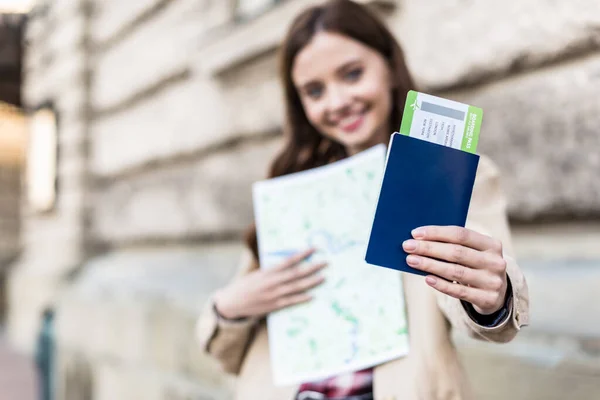
Passport, insurance, permits, vaccination records, camping reservations—everything needs both physical and digital copies. Email them to yourself, too.
Border guards, park rangers, and campsite owners all want different papers at different times, usually when it’s raining and your hands are full.
Laminate the important ones if camping during the monsoon season. Soggy documents make officials cranky. Crankier.
Know your emergency contacts

Not just 911. Actually, definitely not 911 because that only works in North America. Europe uses 112. Japan uses 119 for medical, 110 for police.
But also know the nearest embassy, local search and rescue, and how to say “help” in the local language.Write these numbers on paper.
Phone batteries die at the worst moments.
Like Travel Pug’s content? Follow us on MSN.
Respect wildlife completely
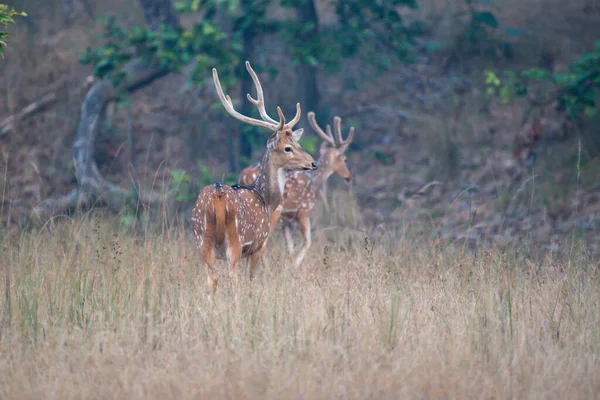
That cute fox in England might have rabies. Unlikely, but possible. Australian everything wants to kill you is a myth, but cassowaries actually do attack people.
Leave no trace means more than picking up trash. It means not feeding animals, not picking flowers, not moving rocks to make camp more comfortable.
Instagram doesn’t need another photo of someone hand-feeding wild animals anyway.
Budget for unexpected camping fees
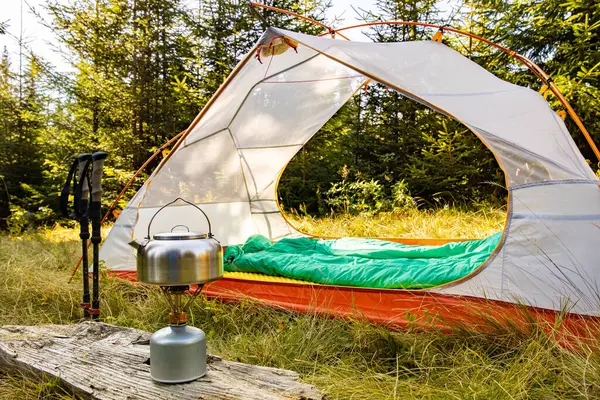
That “free” wild camping spot might require a parking permit. Tourist taxes appear from nowhere.
Some countries charge foreigners more. Environmental fees, shower tokens, electrical hookup costs—they pile up faster than you’d expect. Budget at least 30% more than initial calculations.
Trust me on this one. Cold water dishwashing because you ran out of shower token money isn’t the authentic experience you’re looking for.
Consider voltage differences for electronics

Your phone charger might literally catch fire on the wrong voltage. Most modern electronics handle 100-240V automatically. Check the fine print on each device.
Adapters change plug shapes, not voltage.Converters change voltage but cost more and weigh a ton.
Solar chargers solve everything but work slowly. And badly in places like Scotland where sunshine is theoretical.
Like Travel Pug’s content? Follow us on MSN.
Register with ranger stations
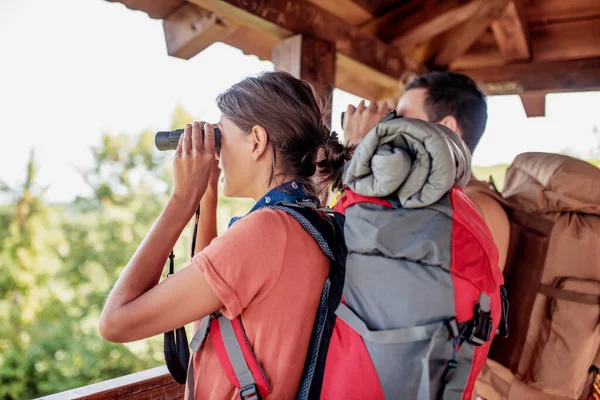
Many countries require backcountry registration. Free usually, but mandatory. Rangers need to know where to look if you don’t return. Some places limit daily entries.
First-come-first-served sounds fair until you arrive at noon to find permits gone. Yellowstone’s backcountry sites book up months ahead. Same with Patagonian refugios. Plan accordingly or sleep in the car.
The world opens up when your bedroom has no ceiling

Camping abroad strips away the protective bubble of hotels and tour groups, demanding more preparation but delivering experiences that penetrate far deeper than any packaged adventure ever could.
More from Travel Pug

- 20 Best Beach Towns in the Carolinas
- 13 Destinations Where Tourists Regularly Regret Their Trip
- 20 Things You Actually Get in First Class
- 20 Small Airports With Aviation Museums
- 20 Places in the U.S. That Are Perfect for a Reset Trip
Like Travel Pug’s content? Follow us on MSN.