

New York City’s reputation for overwhelming crowds creates a paradox for visitors seeking authentic experiences without the crush of Times Square tourists.
The city holds roughly 8.3 million residents and receives over 60 million visitors annually, yet vast sections remain surprisingly uncrowded even during peak tourist season.
The secret involves knowing when and where locals actually spend time — knowledge that requires abandoning the standard tourist checklist in favor of neighborhoods and activities that never made it onto most visitors’ radar.
Manhattan’s famous attractions will always draw crowds, yet the city extends far beyond Midtown’s gridlock and the High Line’s weekend hordes.
Here’s where to find the New York experience without the suffocating masses.
The Cloisters and Fort Tryon Park

The Met’s medieval art collection resides in a reconstructed monastery complex in far northern Manhattan, offering world-class art in an environment that sees a fraction of the main museum’s traffic.
The Cloisters sits within Fort Tryon Park, whose 67 acres of gardens and Hudson River views attract locals for weekend walks rather than tourist crowds.
The museum’s architecture alone justifies the trip — authentic medieval buildings reassembled overlooking the river create an atmosphere impossible to replicate downtown.
Getting there requires commitment — the A train to 190th Street followed by a walk, or the M4 bus — which naturally filters out casual visitors.
The surrounding Washington Heights neighborhood offers Dominican restaurants and bakeries where tourists rarely venture, providing genuinely multicultural New York experience.
Weekday mornings at the Cloisters can feel nearly private, allowing contemplation of unicorn tapestries and medieval illuminated manuscripts without jostling crowds.
Green-Wood Cemetery

Brooklyn’s 478-acre historic cemetery operates as a Victorian park dotted with elaborate monuments, glacial ponds, and rolling hills offering Manhattan skyline views.
Founded in 1838, it predates Central Park and contains the graves of Leonard Bernstein, Boss Tweed, and Jean-Michel Basquiat among its 560,000 permanent residents.
The landscaping rivals any botanical garden, with mature trees, meadows, and carefully designed vistas that create peaceful walking routes far from tourist zones.
The cemetery hosts occasional tours and events but remains primarily a functioning burial ground that locals use for exercise and contemplation.
The main entrance at 25th Street and Fifth Avenue in Brooklyn leads to miles of paths where encountering more than a handful of people is unusual.
It’s Manhattan’s cultural richness without Manhattan’s crowds — a place where you can spend hours wandering without following any predetermined tourist path.
Roosevelt Island

This narrow island in the East River between Manhattan and Queens offers Manhattan views without Manhattan chaos.
The Roosevelt Island Tramway provides a spectacular four-minute cable car ride from 59th Street and Second Avenue, delivering better views than most observation decks at a fraction of the cost.
The island itself is a quiet residential community with a waterfront promenade, lighthouse, and the haunting ruins of a smallpox hospital that once quarantined thousands.
Few tourists bother making the trip despite the tramway’s novelty appeal, meaning the island remains largely the domain of its 14,000 residents and the occasional visitor who stumbles upon it.
The southern tip offers unobstructed views of the United Nations, Chrysler Building, and East River without the jostling of Brooklyn Bridge walkways or packed observation decks.
It’s odd, slightly eerie, and thoroughly uncrowded — exactly what crowd-averse travelers seek.
The Noguchi Museum

Japanese-American sculptor Isamu Noguchi designed this Long Island City museum specifically to display his work in a contemplative environment.
The converted industrial building and outdoor sculpture garden create a serene space that rarely feels crowded even on busy weekends.
The museum’s location in Queens keeps tourist numbers manageable, while the focused collection and thoughtful layout encourage slow viewing rather than rushed tours.
The surrounding Long Island City neighborhood has transformed into an arts district with galleries, cafés, and converted warehouses that maintain local character despite recent development.
Gantry Plaza State Park sits minutes away, offering waterfront space with Manhattan views and picnic areas that attract local families rather than tour groups.
The museum visit combines with neighborhood exploration to fill an afternoon with substantive cultural experience far from Manhattan’s tourist corridors.
Early morning in Central Park North

Central Park’s northern section above 96th Street receives a fraction of the foot traffic that overwhelms the southern areas.
The Conservatory Garden, Harlem Meer, and Great Hill offer designed landscapes and natural areas without the perpetual crowds of Bethesda Fountain or Sheep Meadow.
Early morning amplifies the effect — arriving around 7 to 8 AM, even on summer weekends finds these areas populated mainly by joggers, dog walkers, and locals rather than tour groups.
The Conservatory Garden particularly rewards early visits.
This formal garden’s three sections showcase English, French, and Italian landscape design with seasonal plantings and fountain features.
On spring and fall mornings, you might have entire sections to yourself.
The surrounding neighborhood transitions into Harlem, offering soul food restaurants and jazz clubs that provide authentic New York experiences tourists often miss by staying south of 96th Street.
Snug Harbor Cultural Center

Staten Island’s Snug Harbor encompasses 83 acres of botanical gardens, historic buildings, and museums that rarely appear on tourist itineraries.
The Chinese Scholar’s Garden ranks among North America’s finest examples of Ming-style garden design, while the grounds include a labyrinth, wetlands, and sprawling lawns that host occasional festivals.
The Staten Island Botanical Garden and several small museums occupy historic buildings that once housed retired sailors.
Getting there requires the Staten Island Ferry (free and offering excellent harbor views) followed by a bus or rideshare, which naturally limits casual visitors.
The payoff is a cultural complex that operates at the pace of local community resources rather than tourist attractions.
Weekdays especially offer near-private access to the gardens and museums, with space to wander and discover rather than following crowd flow.
Red Hook, Brooklyn

This waterfront neighborhood maintains a slightly isolated character thanks to limited subway access, creating a community that evolved without typical tourist development.
The waterfront offers Manhattan and Statue of Liberty views from piers and parks where locals fish and families picnic.
Red Hook’s cobblestone streets, converted warehouses, and working waterfront retain the feeling of old Brooklyn without the boutique polish of gentrified neighborhoods.
The neighborhood includes excellent food options — including a soccer field that hosts Latin American vendors on weekends — alongside art galleries and the occasional craft distillery.
It feels lived-in rather than performed, with enough edge to remind visitors that New York wasn’t always sanitized for tourism.
Getting there requires buses or walking from the Carroll Street subway, creating friction that keeps crowds away while rewarding those willing to make the trip.
The Morgan Library

This museum houses financier Pierpont Morgan’s private library alongside rotating exhibitions in a complex that expanded from the original 1906 library designed by McKim, Mead & White.
The collection includes medieval manuscripts, rare books, and drawings by Renaissance masters displayed in rooms that preserve the atmosphere of Morgan’s personal study.
The scale remains intimate compared to the Met or MoMA, allowing thorough exploration without feeling rushed by crowds.
Madison Avenue location and museum admission keep traffic moderate even during peak tourist season.
The reading room and library preserve original furnishings and design, offering glimpses of Gilded Age excess alongside cultural treasures.
It’s the kind of specialized collection that rewards those interested in manuscripts and rare books while avoiding the general crowds that major museums attract.
Weekday mornings at major museums
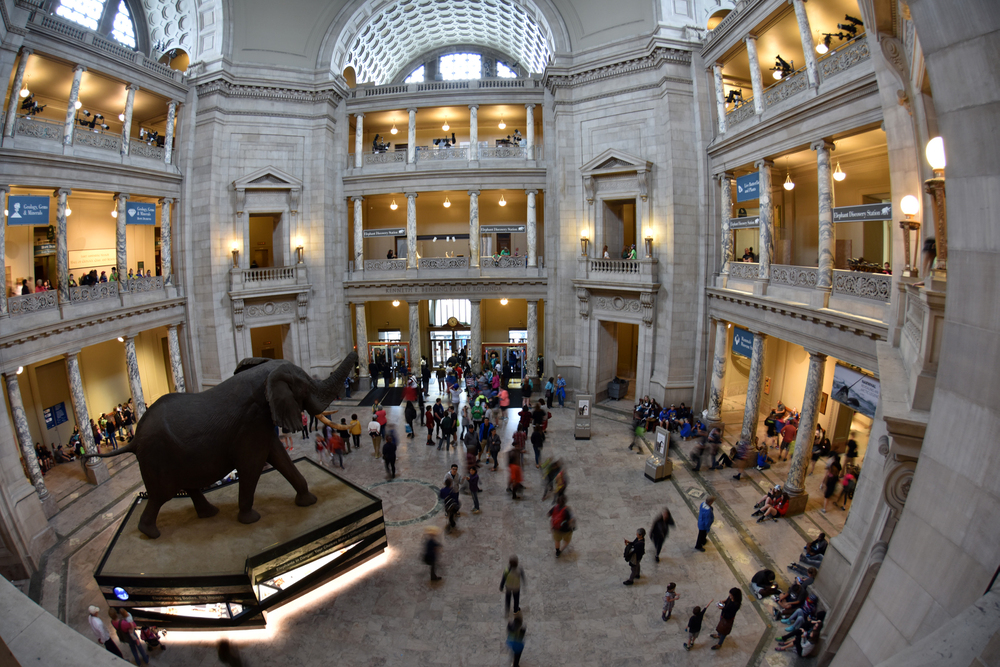
Even typically crowded museums transform into manageable spaces during weekday opening hours.
The Met, MoMA, and Natural History Museum all experience dramatically lighter crowds before 11 AM Tuesday through Thursday.
This timing allows experiencing world-class collections without the weekend crush or school group invasions.
Museum cafés and courtyards particularly benefit from early visits, offering pleasant spaces for breaks that become impossible later in the day.
The strategy requires adjusting typical vacation schedules — skipping the leisurely morning coffee in favor of arriving when doors open.
Yet the payoff in reduced crowds and more contemplative viewing experiences justifies sacrificing sleep-in time.
Combining early museum visits with late starts on other days creates rhythm that avoids constant crowd exposure.
Why these options work

The New York experiences that avoid crowds share common elements — they require geographic commitment beyond Midtown Manhattan, happen during off-peak hours, appeal to specific interests rather than general tourism, or simply never became famous enough to attract the masses.
They represent authentic city experiences where locals and committed visitors intersect, but where the tour bus circuit doesn’t stop.
Finding uncrowded New York requires accepting that the famous attractions will always be crowded and seeking alternatives that deliver comparable quality without the recognition.
The city’s scale and diversity ensure that such alternatives exist in abundance — the challenge lies in overcoming the gravitational pull of famous landmarks to discover neighborhoods and institutions that reward curiosity with space to breathe.
New York handles crowds because it’s genuinely massive; those who hate crowds succeed by exploiting that massiveness to find corners the crowds haven’t overwhelmed.
More from Travel Pug

- Underrated Italian Towns That Beat the Tourist Crowds
- Las Vegas Tourist Traps to Skip
- Prettiest Towns in Every US State
- 18 passport-free countries for Americans
- Signs Your Cruise Is Not Worth The Cost
Like Travel Pug’s content? Follow us on MSN.