

Every place has its unwritten rules — the things locals just know, passed down through living there rather than reading about it.
Tourists inevitably miss these cues, not out of malice but simply because nobody told them.
The result is a constant low-level friction where visitors accidentally annoy residents who are too polite to say anything, creating this weird tension that nobody really addresses directly.
Some of these rules seem arbitrary until you understand the reasoning.
Others make perfect sense once you think about it for more than two seconds. Either way, locals notice when tourists ignore them, even if they don’t confront anyone about it.
The eye rolls and heavy sighs speak volumes.
Here’s what residents of popular destinations really wish visitors understood before showing up.
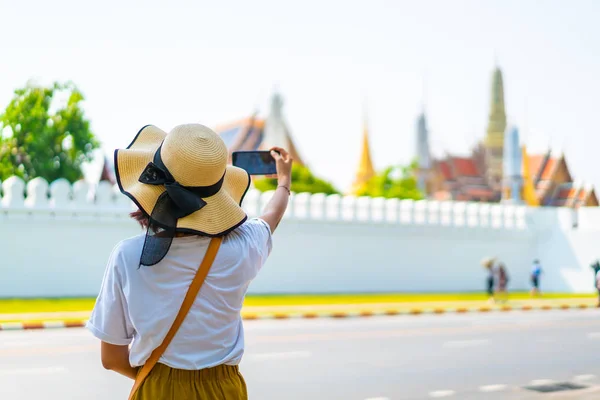
Don’t block the sidewalk for photos

This happens constantly in tourist-heavy cities, and it drives locals absolutely insane.
A group of visitors will suddenly stop in the middle of a busy sidewalk, pull out their phones, and start taking photos while everyone behind them has to navigate around them like they’re broken-down cars on a highway.
Nobody minds tourists taking pictures — that’s half the point of traveling.
But standing in the middle of foot traffic to get that perfect shot shows a fundamental lack of awareness about the people actually trying to get somewhere.
The thing is, most tourists don’t even realize they’re doing it.
They’re so focused on capturing the moment that they forget they’re standing in what functions as a commuter route for thousands of people.
To them, it’s a scenic backdrop.
To locals, it’s the path between their apartment and the grocery store, and they’re just trying to get home before the frozen stuff melts.
Step to the side.
That’s it.
Move three feet to the left, stand against a building or in a doorway, take your photo without creating a human roadblock.
Everyone gets what they want, and nobody has to do that awkward shuffle-dance trying to get around a group of oblivious photographers.
Restaurants aren’t lounges
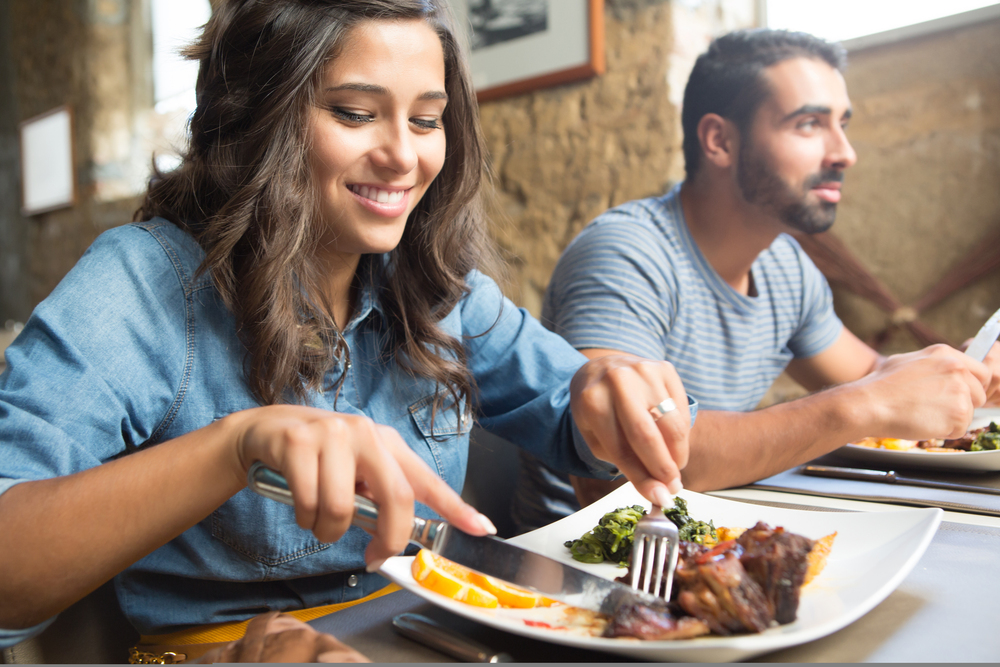
In many countries, particularly in Europe and parts of Asia, restaurant culture operates differently than in the U.S.
Tables aren’t turned multiple times per night as a business model.
Once you sit down, that table is yours for the evening, and lingering over coffee after a meal is perfectly normal.
But here’s what tourists miss: that system works because people show up, order a proper meal, and then relax. It doesn’t mean you can nurse one coffee for three hours while occupying a four-top during peak dinner service.
Some travelers treat restaurants like coworking spaces, setting up laptops and camping out for hours while ordering minimally.
In neighborhoods that cater primarily to tourists, this has become enough of a problem that some establishments now post minimum charges or time limits, which locals find both necessary and depressing.
The unspoken rule was always that you respect the business model — if you’re taking up space, you’re spending money proportional to that time.
The other piece of this: if a restaurant is clearly slammed and people are waiting, don’t linger forever after you’ve finished eating.
Yeah, the table is technically yours, but there’s a difference between enjoying a relaxed meal and holding a table hostage while twelve people stand by the door shooting you increasingly hostile looks.
Read the room.
Public transit etiquette isn’t optional
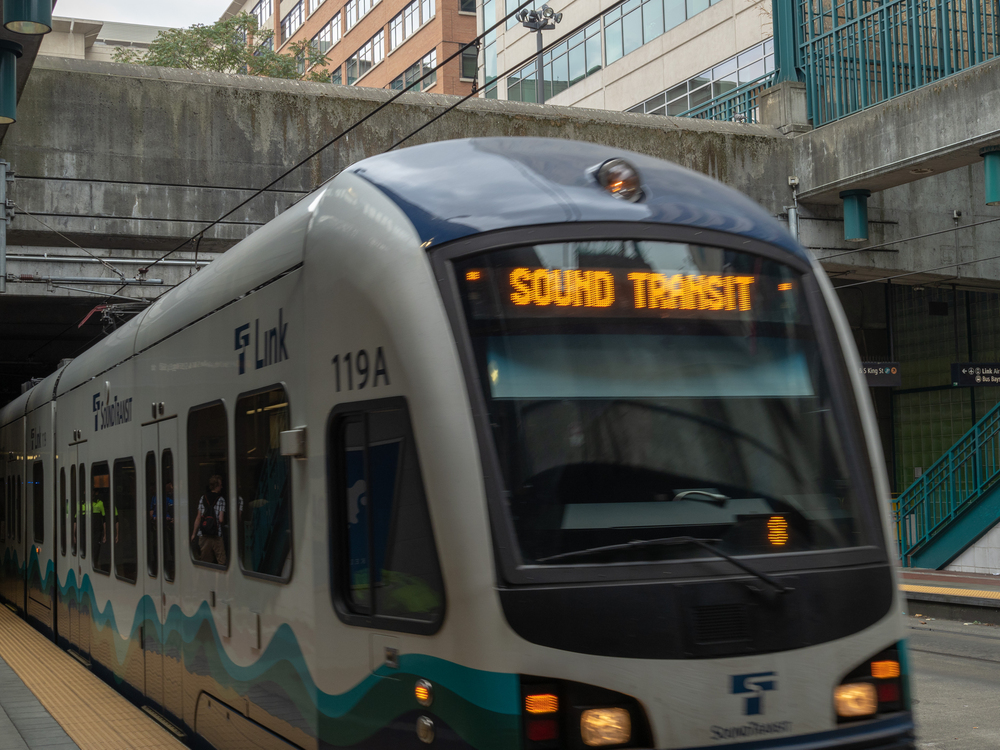
Locals can spot tourists on public transit immediately, and it’s not just the folded maps or confused staring at route signs.
It’s the complete disregard for the unspoken rules that makes mass transit functional when you’re cramming hundreds of people into a small space. Let people exit before you board.
Move into the center of the car instead of clustering by the doors.
Take off your enormous backpack so you’re not smacking people in the face every time you turn around.
The backpack thing deserves special mention because it’s such a consistent problem.
Tourists wear these massive packs on crowded trains and buses, seemingly unaware that they’ve just doubled their physical footprint.
Every time the vehicle moves, they’re knocking into people, and because the pack is behind them, they don’t even notice they’re doing it.
Meanwhile, everyone around them is getting increasingly irritated but saying nothing because what are you supposed to do, start a confrontation over a backpack?
Also, and this shouldn’t need to be said: don’t treat public transit like a tourist attraction.
It’s transportation.
The people around you are commuting to work or heading home, not extras in your travel documentary.
Taking a few photos is fine. Loud commentary about everything you’re seeing, blocking doors to get better shots, or treating the experience like a theme park ride — that’s when you’ve crossed into obnoxious territory.
Volume control matters
Americans have a particular reputation for this, but tourists from plenty of countries are guilty: talking at volumes appropriate for an outdoor festival while indoors or in quiet public spaces.
What registers as normal conversation volume in one culture can feel like shouting in another, and locals notice.
They’re not expecting visitors to whisper, just to match the ambient volume instead of broadcasting their entire vacation itinerary to everyone within fifty feet.
This goes double for early mornings and late evenings in residential areas.
That Airbnb or hotel is probably in a neighborhood where people live and sleep at normal human hours.
Returning from bars at 2 a.m. and having loud conversations in the hallway or on the street might feel fine in the moment, but the people trying to sleep before work the next morning have opinions about it.
Not positive ones.
Restaurants, museums, public transportation — these aren’t places where your conversation needs to be audible to the entire room.
If people three tables away can follow your discussion, you’re too loud.
The occasional burst of excitement is fine; a sustained volume that dominates the space is inconsiderate.
Locals modulate their volume to the setting. Visitors should too.
Not everywhere is a photo op
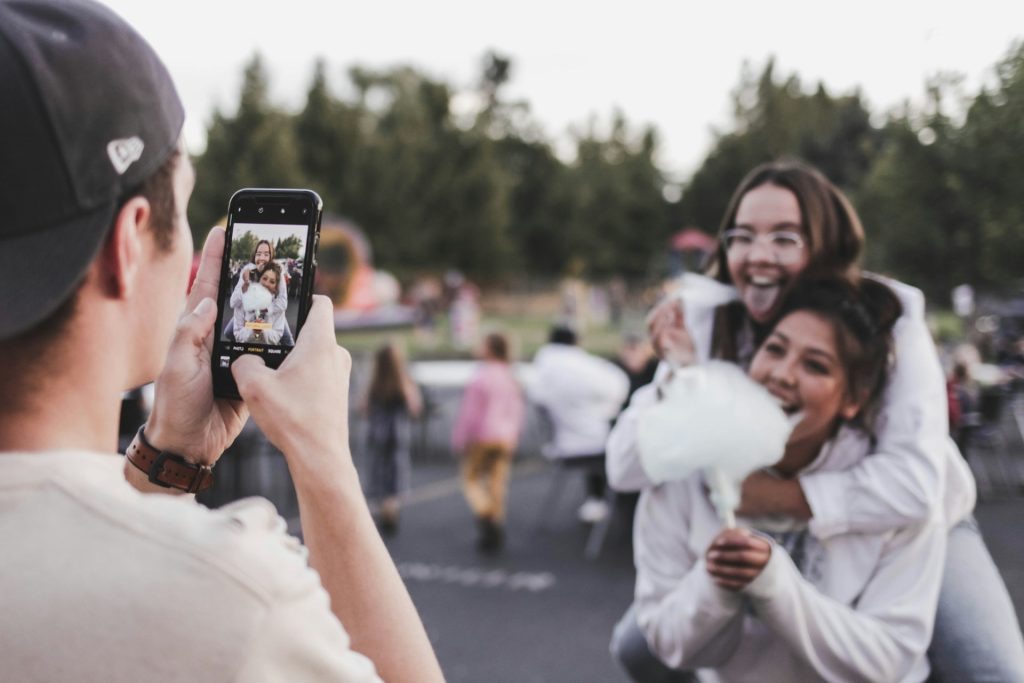
Social media has created this weird phenomenon where tourists seem to believe every space exists for their content creation.
Residential neighborhoods, small local businesses, religious sites, memorials — places that serve actual functions for the people who live and work there — get treated as backdrops for Instagram photos, often without any consideration for context or appropriateness.
Taking photos in a residential neighborhood while people are going about their daily lives isn’t the same as photographing a famous landmark.
Those are people’s homes, not a movie set.
Standing in front of someone’s door for a photoshoot, peering into windows to capture “authentic local life,” or blocking driveways for better lighting — these things happen constantly in photogenic neighborhoods, and residents are exhausted by it.
The same applies to religious sites and memorials.
If there’s a sign asking people not to take photos, that’s not a suggestion.
If people are actively praying or the space is clearly meant for quiet reflection, maybe don’t treat it like a photo studio.
Some moments and places aren’t meant to be captured and posted.
The inability to recognize that distinction is what separates tourists who locals tolerate from tourists who locals actively resent.
Walking tours aren’t invasions
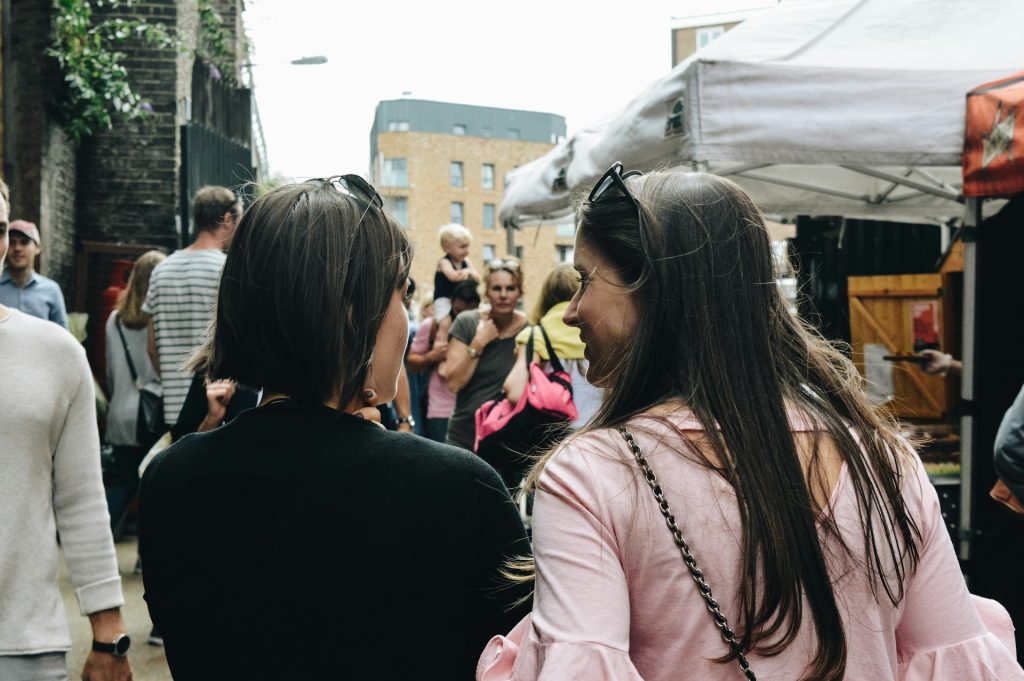
This one cuts both ways. Those free walking tours are great for tourists, terrible for locals who live on the routes.
A guide leading fifteen people down a narrow residential street while delivering animated commentary through a microphone isn’t adding to the neighborhood’s charm.
It’s creating a moving obstacle course that happens multiple times per day, every single day, year-round.
What’s worse is when tour groups stop to take photos in spots that are clearly someone’s daily path.
The front of an apartment building, the entrance to a local café, the steps where people sit during their lunch break — these become photo stops on tour routes, and the people who actually use these spaces just have to deal with it.
Some neighborhoods in cities like Amsterdam and Barcelona have started pushing back against tour groups entirely because the volume became unsustainable.
If you’re on a tour, stay aware that you’re moving through functional neighborhoods, not a theme park designed for your visit.
Don’t block doorways, don’t peer into ground-floor windows, and maybe consider whether you really need to take the same photo that ten thousand other tourists have taken in that exact spot.
The locals walking past you aren’t scenery.
They’re people who live there, and they’re tired of navigating around tour groups every time they leave their building.
Tipping confusion isn’t an excuse

Every country has different tipping customs, and that’s fine.
What’s not fine is tourists who know about these differences but decide their home country’s customs should apply everywhere because it’s easier.
Americans undertipping in countries where service charges aren’t included, or Europeans not tipping in the U.S., where servers depend on it — both create problems, and locals notice patterns.
The information is readily available.
A thirty-second search will tell you tipping customs for any country you’re visiting.
Choosing not to look it up, or looking it up and deciding it doesn’t apply to you, is just being cheap while pretending it’s a cultural stance.
Service workers in tourist-heavy areas are very aware when visitors are stiffing them, and it affects how they view tourists from particular countries.
This extends beyond just restaurants. Hotel staff, taxi drivers, tour guides — different places have different expectations.
Sometimes tipping is offensive.
Sometimes not tipping is offensive.
Sometimes there’s a service charge included, sometimes there isn’t.
Figure out the local custom and follow it, or at least get close.
Nobody expects perfection, but the complete lack of effort is obvious and annoying.
Respect closing times
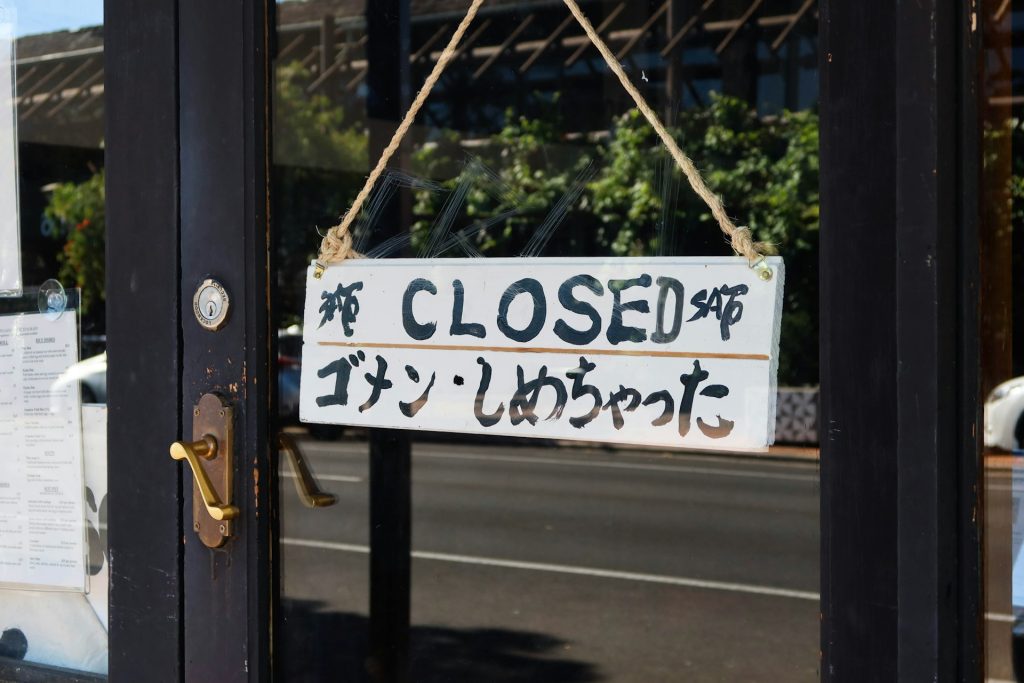
Shops and restaurants post closing times, and tourists routinely ignore them.
Walking into a restaurant fifteen minutes before close and settling in for a leisurely meal.
Browsing a shop at 5:58 p.m. when it closes at 6:00 p.m., then acting surprised when staff start visibly wanting you to leave.
These establishments aren’t open until the last customer decides to wander out.
They’re open until the posted time, and people who work there have lives outside of serving tourists.
The restaurant thing is especially frustrating for locals because they see it constantly.
Kitchen staff who were supposed to finish at 10:00 p.m. are now staying until 11:00 p.m. because tourists showed up at 9:45 p.m. and ordered multiple courses.
Servers who can’t close out their shift because one table is still lingering over coffee at midnight.
The excuse is always “but the sign says you’re open until 10:00 p.m.” Yeah, for people to finish their meals, not to start them.
If a place closes at 6:00 p.m., maybe don’t walk in at 5:55 p.m.
If you do, and staff seem less than thrilled, understand why.
They’ve probably dealt with this three times already that week.
Order quickly, eat efficiently, and leave.
Or better yet, go somewhere with hours that actually accommodate your timing instead of forcing service workers to stay late because you couldn’t be bothered to check closing times before showing up.
Personal space varies by culture
Americans want a three-foot bubble in all directions.
Scandinavians want even more.
Southern Europeans are comfortable much closer.
Asians have completely different personal space norms depending on the specific country and context.
None of these are wrong, but tourists often expect their personal space standards to apply everywhere, then get uncomfortable or offended when they don’t.
The reality is you need to adapt.
If you’re in a place where people stand closer in lines or on public transit, getting huffy about it won’t change anything.
If you’re in a place where people expect more distance and you’re crowding them, they’ll think you’re rude.
Pay attention to how locals interact with each other and match that instead of expecting the entire country to accommodate your comfort zone.
This also applies to physical contact in greetings.
Some places, you shake hands.
Some places, you kiss cheeks — but the number of kisses varies by country and region.
Some places, you bow.
Some places, you do a weird half-wave thing and maintain distance.
Getting it wrong isn’t a disaster, but not even attempting to learn the local custom and just defaulting to what you do at home reads as arrogant.
Dress codes still exist

Tourists show up at nice restaurants in hiking gear.
They wear beach clothes to churches.
They walk around conservative areas in outfits that would be fine at a nightclub but are inappropriate for a residential neighborhood where families live.
Then they act surprised when they’re denied entry or receive hostile looks from locals.
Many religious sites and formal establishments have dress codes.
These aren’t suggestions or outdated rules that don’t apply to tourists.
If the sign says no shorts, no tank tops, knees and shoulders covered, that means you.
Bringing a shawl to drape over your shoulders doesn’t count if you’re otherwise dressed for the beach.
The requirement exists for cultural or religious reasons, and choosing to ignore it because you’re on vacation is disrespectful.
Beyond specific dress codes, there’s basic context awareness.
If you’re in a place where locals dress more formally than you’re used to, maybe don’t wear your rattiest t-shirt and flip-flops to dinner.
If you’re in a conservative area, maybe don’t dress like you’re headed to a music festival.
Nobody expects tourists to pack an entire formal wardrobe, but meeting locals somewhere close to their standard shows basic respect.
Learn basic phrases

Nobody expects tourists to be fluent in the local language, but learning five basic phrases takes minimal effort and makes a significant difference in how locals perceive you.
Hello, please, thank you, excuse me, and “do you speak English?” — that’s it.
That’s the bare minimum that shows you acknowledge you’re in another country where people speak a different language.
The tourists who just start speaking English louder and slower when someone doesn’t understand them, as if volume will somehow bridge the language gap, are a cliché for a reason.
It happens constantly, and it’s as obnoxious as it sounds. Leading with “excuse me, do you speak English?” in the local language at least acknowledges that you’re the foreigner asking for accommodation, not just assuming everyone should cater to you.
This goes double for countries where English isn’t widely spoken.
Showing up in rural Japan or small-town Italy or anywhere outside major tourist zones and expecting everyone to speak English, then getting frustrated when they don’t, is absurd.
You chose to travel there.
The language barrier is your problem to navigate, not theirs to solve for you.
Don’t haggle where it’s not customary
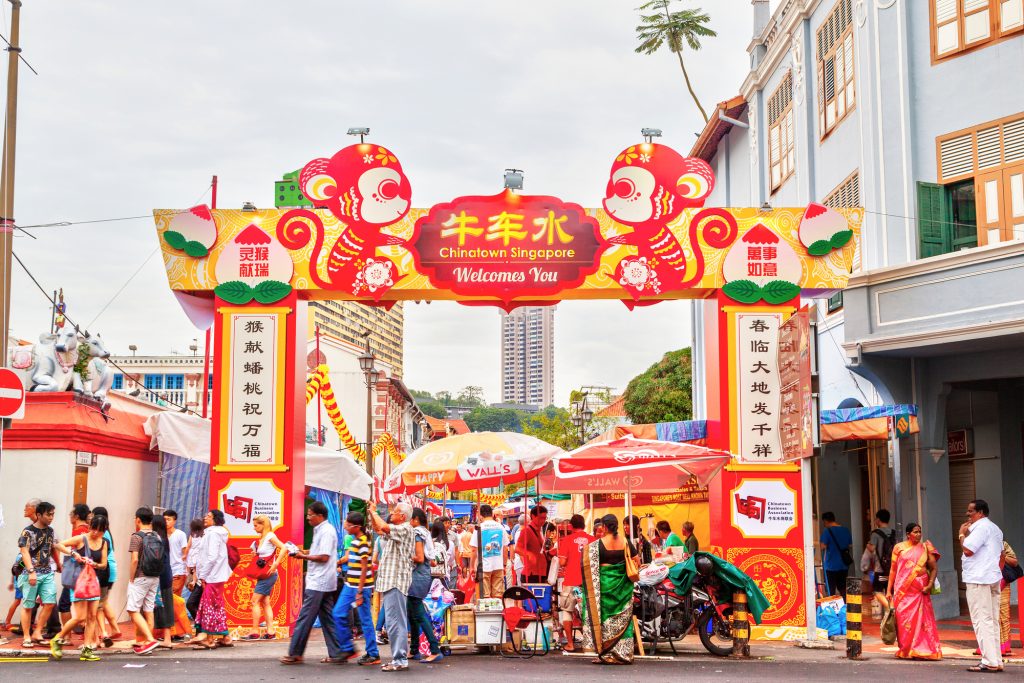
In some places, haggling is expected and fun and part of the cultural interaction.
In others, it’s deeply offensive to suggest that posted prices are negotiable.
Tourists often can’t tell the difference and end up trying to bargain in situations where it’s wildly inappropriate — regular stores, restaurants, taxis with meters, basically anywhere that isn’t a market or street vendor specifically set up for haggling.
Even in places where haggling is normal, there’s an art to it.
You’re supposed to be friendly and respectful, not aggressive or insulting about the initial price.
The goal is finding a price both parties feel good about, not grinding someone down to the absolute minimum they’ll accept while looking smug about your negotiating skills.
Locals can tell the difference, and they remember the tourists who treat haggling like a competitive sport rather than a social interaction.
Also worth noting: if someone’s selling handmade goods and asking five dollars, maybe don’t haggle them down to three dollars while wearing a watch that costs more than they’ll make all month.
The power dynamic is already skewed. Being aggressively cheap about it just makes you look terrible.
Mind the queue
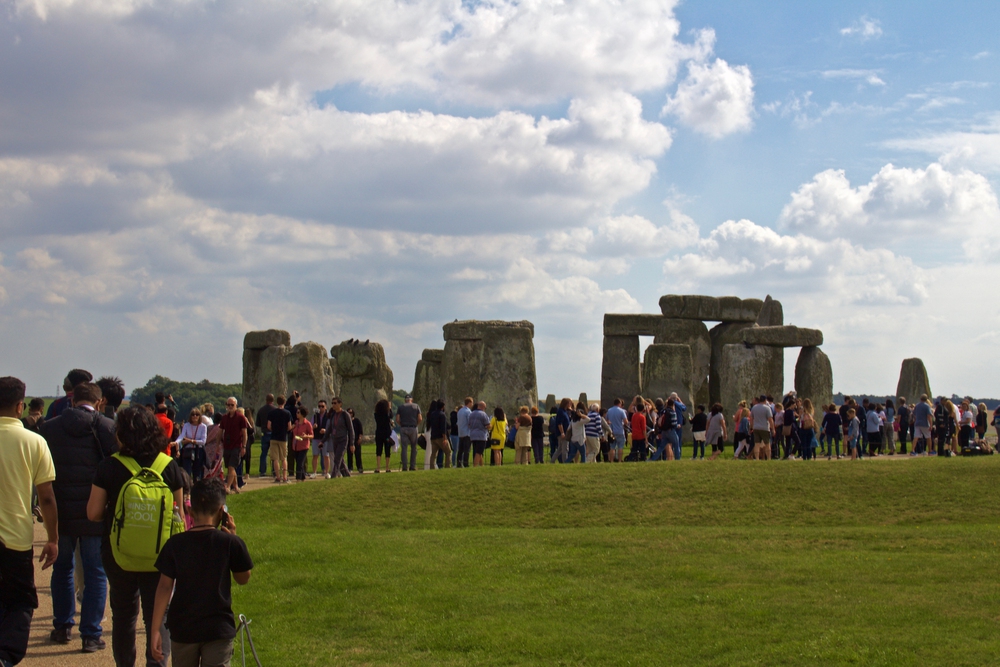
Some cultures take queuing very seriously.
Others have a more fluid approach where assertiveness matters. Tourists often bring their home country’s queue customs to places with different norms, causing unnecessary friction. British tourists trying to form orderly lines in places where that’s not the custom.
American tourists not realizing there’s a queuing system and accidentally cutting.
Italian tourists not understanding why Scandinavians are so rigid about queue formation.
The solution is paying attention to what locals do and copying that.
If there’s a clear line, join it.
If people are crowding around a counter and it’s functioning fine, you don’t need to try to organize everyone into your preferred system.
If there’s a take-a-number system, take a number. If people are being called by name or order number, wait for yours.
What doesn’t work is assuming chaos and pushing your way to the front, or assuming order and getting upset when the system is more flexible than you expected.
Queue culture reflects deeper cultural values about fairness, efficiency, and social organization.
You don’t need to love it, but you do need to respect it while you’re visiting.
Why it still stings

These rules aren’t complicated, and following them doesn’t require deep cultural knowledge or years of study.
They’re basic awareness and consideration — the same things that make any shared space functional when large numbers of people need to coexist.
What frustrates locals isn’t that tourists occasionally get things wrong.
It’s the pattern of visitors treating destinations like theme parks where the normal rules of consideration don’t apply because they’re on vacation.
The irony is that tourists who follow these unspoken rules have better experiences.
They get friendlier service, more helpful directions, better recommendations. Locals can tell the difference between visitors who are trying and visitors who can’t be bothered.
One group gets the benefit of the doubt and genuine warmth.
The other gets the minimum required politeness and counting down until they leave. Which category you fall into is mostly up to you.
More from Travel Pug

- Underrated Italian Towns That Beat the Tourist Crowds
- Las Vegas Tourist Traps to Skip
- Prettiest Towns in Every US State
- 18 passport-free countries for Americans
- Signs Your Cruise Is Not Worth The Cost
Like Travel Pug’s content? Follow us on MSN.