

Fiji sits in the South Pacific, approximately 2,000 miles northeast of Sydney, and consists of over 300 islands, most of which remain uninhabited. The archipelago has become synonymous with honeymoons — turquoise waters, white-sand beaches, adults-only resorts, and a culture centered on hospitality.
But Fiji requires planning that goes beyond booking a resort and hoping for the best. Understanding which island group suits your priorities, when to visit, how to navigate between resorts, and which experiences justify the long flight from North America determines whether your honeymoon feels magical or merely expensive.
Here is a list of 16 tips for an unforgettable honeymoon in Fiji that will help you maximize your time, choose the right islands, and create the experience you actually want rather than the one advertised in brochures.
Visit during the dry season from May through October
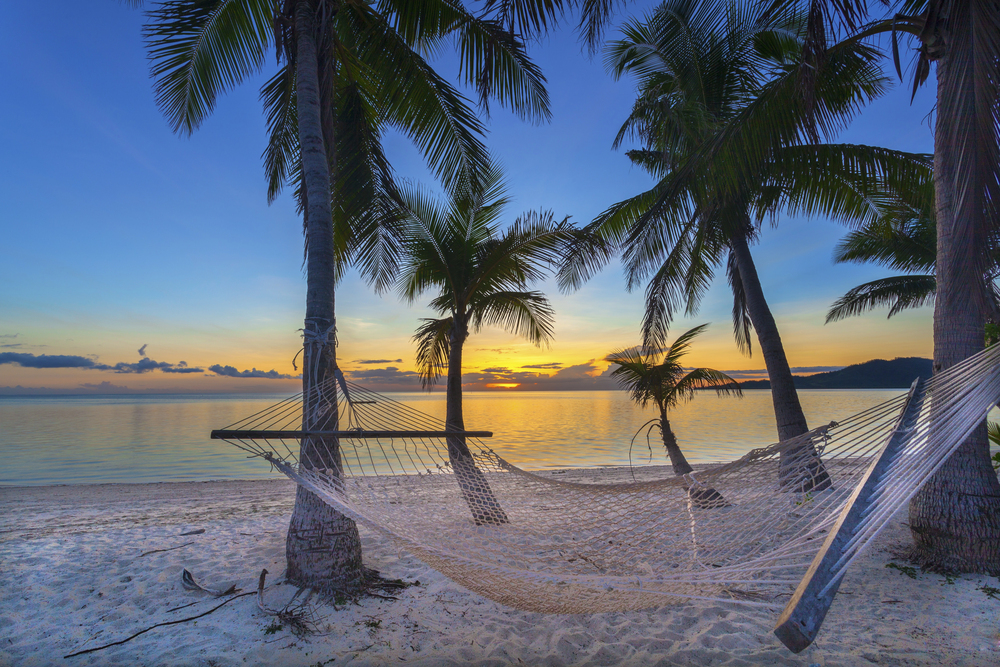
Fiji’s dry season runs from May through October and offers the best weather — warm temperatures averaging 80 degrees, lower humidity, minimal rainfall, and calm seas perfect for snorkeling and diving. The peak honeymoon season falls between July and September when Australian and New Zealand school holidays drive up prices and fill resorts.
Shoulder months of May and October provide the same excellent weather with lower prices and fewer crowds. Fiji’s wet season from November through April brings higher humidity and afternoon tropical storms, though cyclones are relatively infrequent.
If traveling during the wet season, the Yasawa Islands receive less rainfall than other parts of Fiji.
Choose between Mamanucas and Yasawas based on your priorities
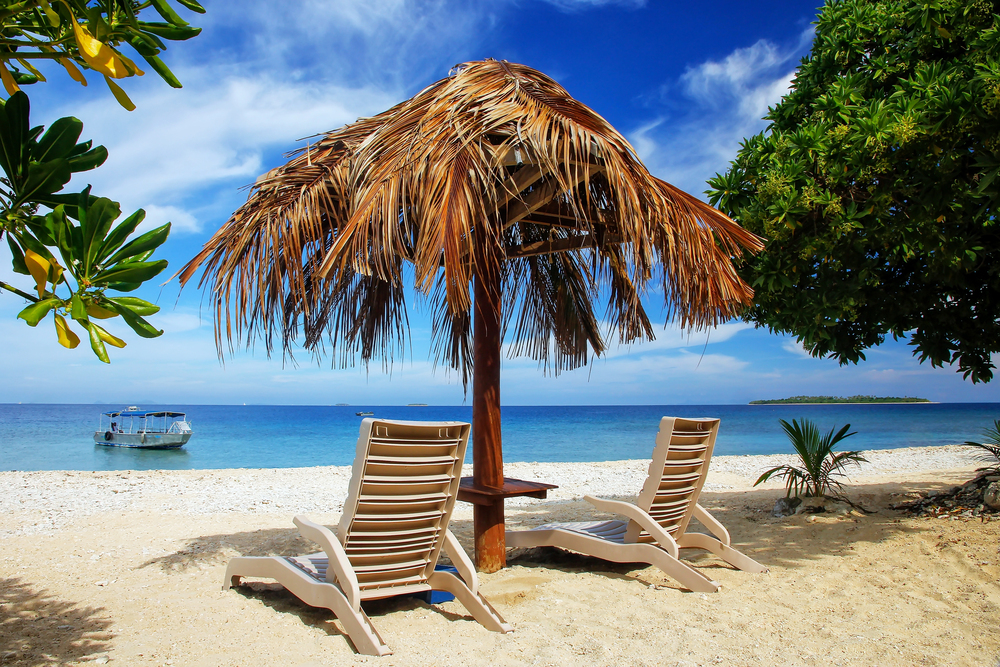
The Mamanuca Islands sit just off the coast from Nadi and are reached in 30 to 90 minutes by boat. These islands feature luxury resorts, shorter travel times, and year-round sunshine.
The Mamanucas offer convenience and polished experiences, but see more day-trippers and crowds. The Yasawa Islands extend north of the Mamanucas and require two to five hours by ferry, depending on which island you choose.
The Yasawas are more remote, dramatic, and romantic, with fewer visitors and a wilder feel. Yasawa resorts tend to be smaller and more intimate, often adults-only, with rustic barefoot luxury.
Choose the Mamanucas for convenience and amenities, and the Yasawas for seclusion and romance.
Book adults-only resorts if you want guaranteed peace
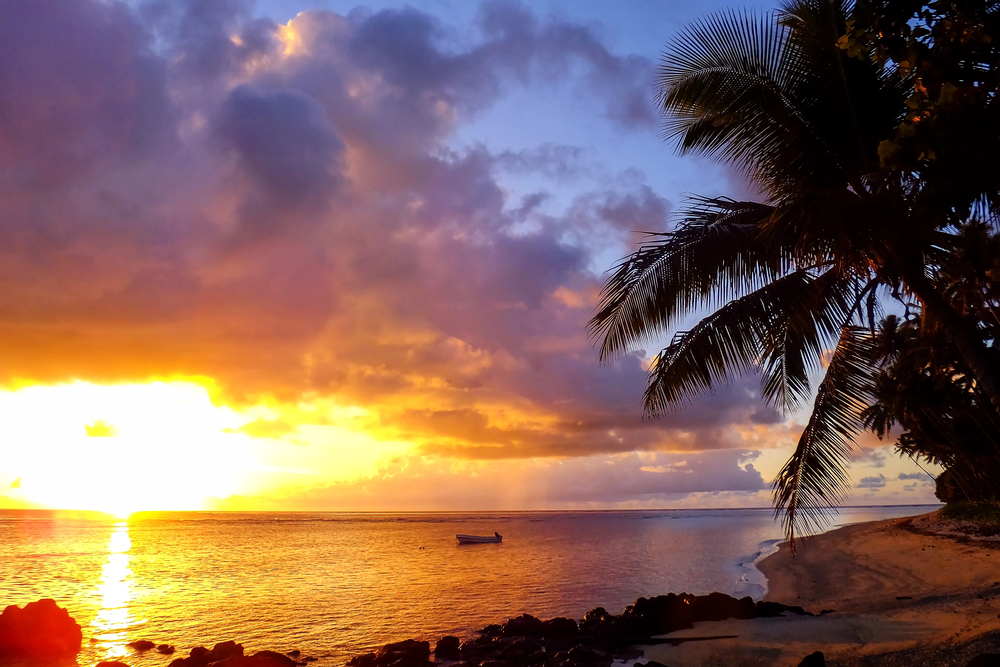
Many Fiji resorts cater to families, which means pool areas filled with children and dining rooms that feel more like camp cafeterias than romantic settings. If peace and quiet matter, book adults-only resorts that prohibit guests under 16 or 18.
The Mamanuca Islands have several adults-only options, including Tokoriki Island Resort and Likuliku Lagoon Resort. The Yasawa Islands feature numerous adults-only properties, including Oarsman’s Bay Lodge, Yasawa Island Resort and Spa, and Barefoot Manta Island Resort.
These resorts prioritize couples, quiet, and romance over family-friendly activities and energy.
Consider all-inclusive packages to simplify budgeting
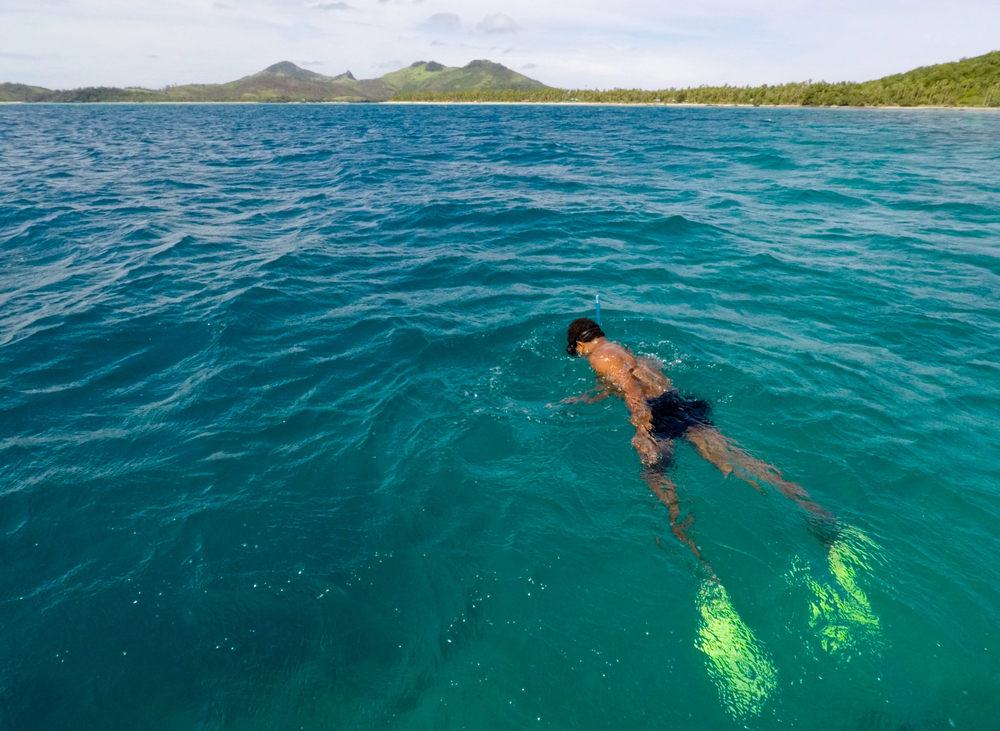
Most remote Fiji resorts require meal plans — typically three meals daily — since dining options outside the resort do not exist. All-inclusive packages bundle accommodation, meals, non-motorized water sports, and some activities into a single price, eliminating surprise expenses and budget stress.
Turtle Island operates as an exclusive all-inclusive resort hosting only 14 couples at a time and includes accommodation, meals, drinks, most activities, and personalized service. All-inclusive pricing helps manage costs when everything from boat transfers to cocktails adds up quickly on remote islands where you have no alternatives.
Take the Yasawa Flyer for island-hopping adventures
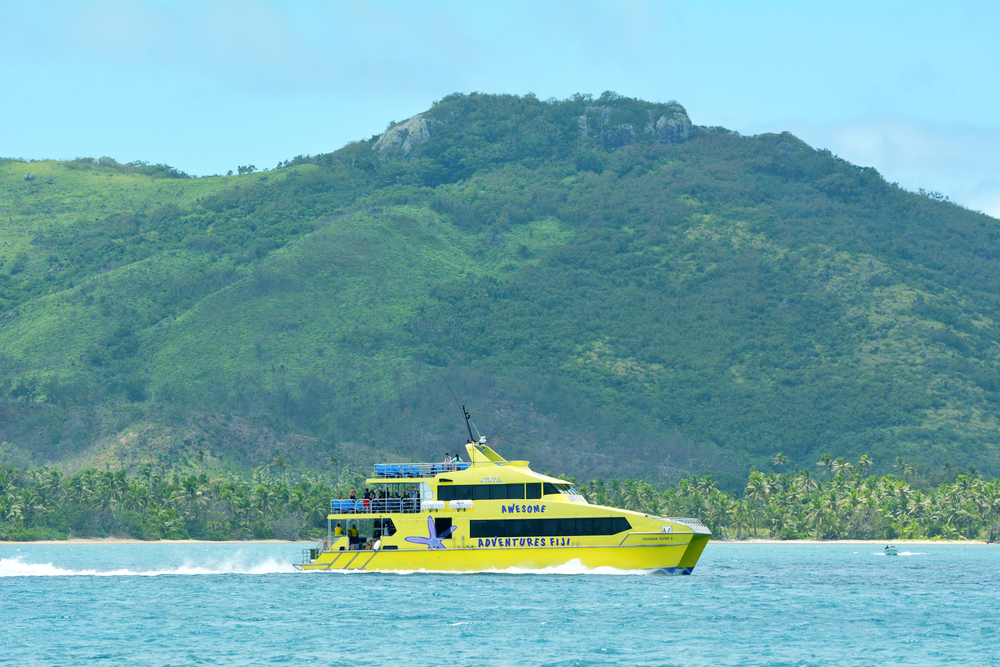
The Yasawa Flyer catamaran is operated by South Sea Cruises and makes a daily circuit from Port Denarau through the Yasawa Island chain, stopping at every resort. The ferry departs Denarau around 9 am and returns in the afternoon, visiting each resort twice daily.
A one-way fare from Nadi to northern Yasawa resorts costs approximately 190 Fiji dollars. The Bula Pass offers unlimited ferry travel for fixed periods — five days for 500 Fiji dollars or 15 days for 900 Fiji dollars — though the value depends on how frequently you change islands.
Island hopping allows you to experience multiple resorts and activities like shark diving at one location and manta ray snorkeling at another.
Arrive at Nadi International Airport and plan transit carefully
Nadi International Airport on Viti Levu serves as the gateway to Fiji’s outer islands. Most international flights arrive in the afternoon or evening, which means overnight stays near Nadi before morning transfers to island resorts.
Ferry and seaplane schedules require coordination — missing a connection can mean waiting a full day for the next departure. Book transfers through your resort, or arrange a helicopter service with Pacific Island Air for a scenic, rapid arrival at remote locations.
Port Denarau, located 20 minutes from Nadi, serves as the ferry terminal for boats to the Mamanucas and Yasawas.
Expect US passports to need six months validity

Entry to Fiji requires a US passport valid for at least six months beyond your scheduled departure date. US citizens receive visa-free entry for stays up to four months.
Fiji uses Type I power plugs — the same three-pronged plugs used in Australia and New Zealand — at 240V. Visitors from the US, Canada, UK, and Europe need travel adapters.
While tap water in major resorts is treated and generally safe, drinking bottled or filtered water helps avoid stomach upset from unfamiliar bacteria. The Fijian dollar is the local currency, and ATMs are available in Nadi but are rare on the outer islands.
Split your honeymoon between two resorts for variety
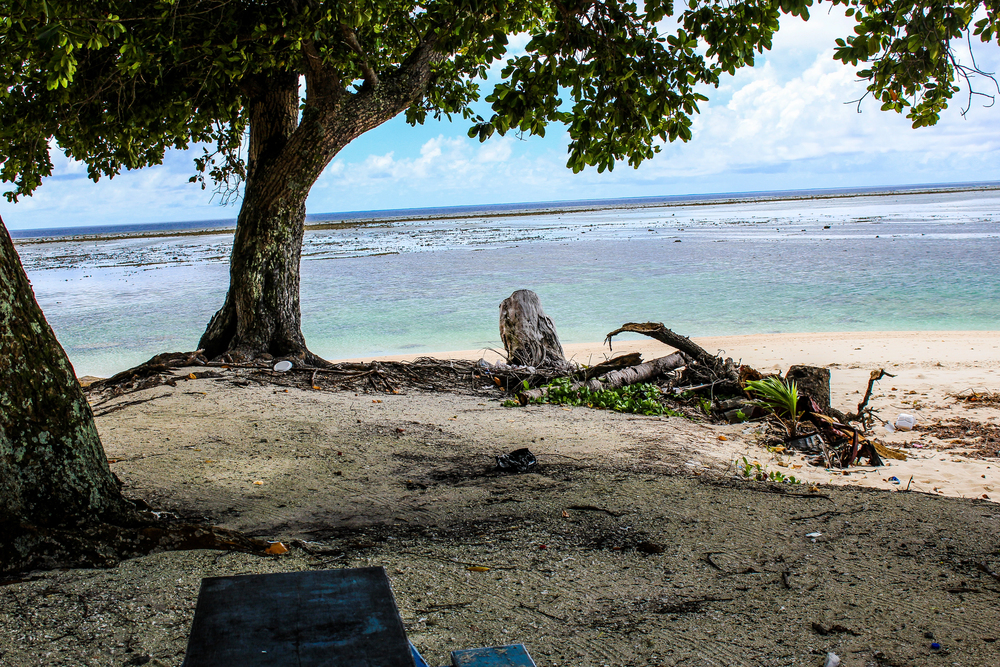
Staying at a single resort for seven to ten days can feel monotonous despite the paradise setting. Splitting time between two resorts — perhaps a small romantic bure on the beach followed by a larger resort with extensive amenities — provides variety and allows you to experience different island groups.
Yasawa resorts offer intimacy and seclusion, while Mamanuca or Coral Coast properties provide more activities, dining options, and infrastructure. Travel between resorts requires returning through Nadi due to ferry and flight schedules, which may necessitate an overnight near the airport between island stays.
Book activities like manta ray snorkeling and Sawa-i-Lau caves in advance
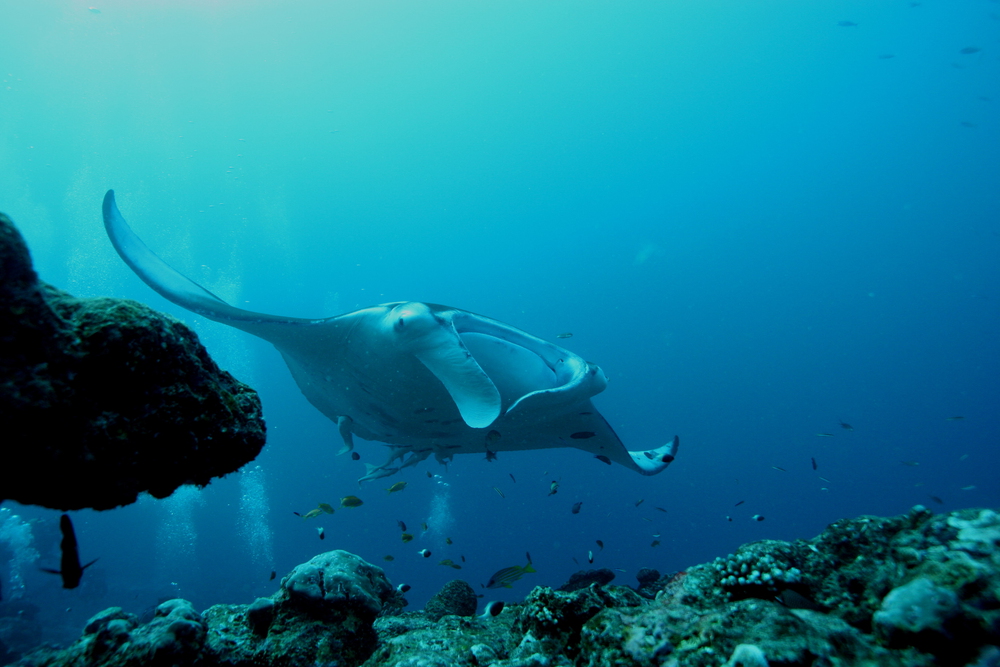
The Yasawa Islands offer a range of unique activities across different locations. Manta ray snorkeling occurs near specific islands during peak season, shark diving takes place at particular reefs, and the Sawa-i-Lau limestone caves, with their underwater swimming pools, require boat transfers.
These signature experiences book up quickly and are not available at every resort. Research which activities matter most and choose resorts positioned near those experiences, or plan island hopping to access multiple signature locations.
Some resorts include these activities while others charge additional fees.
Embrace village visits and cultural experiences
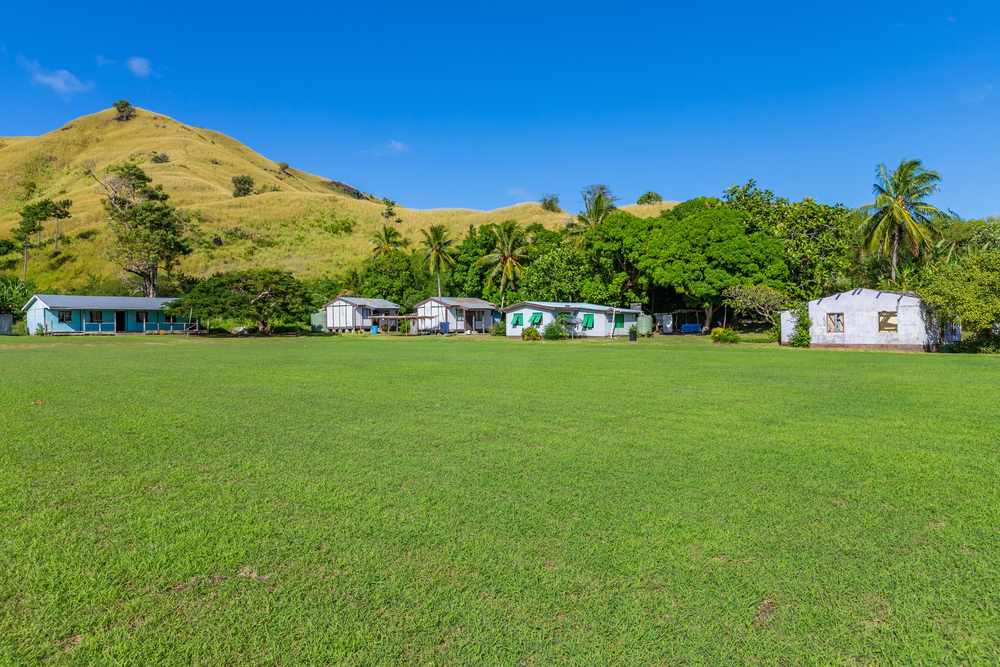
Fiji’s villages maintain traditional lifestyles, and many resorts arrange visits that include kava ceremonies, traditional dance performances called meke, and interactions with local craftspeople. These cultural experiences provide context beyond resort bubbles and support local communities economically.
Dress modestly for village visits — covered shoulders and knees out of respect — and participate in kava ceremonies when offered. The traditional drink made from crushed kava root is mildly sedating and represents Fijian hospitality and community bonding.
Village visits reveal the real Fiji beyond the tourism industry.
Recognize that Fijian beaches are smaller, but coral is closer
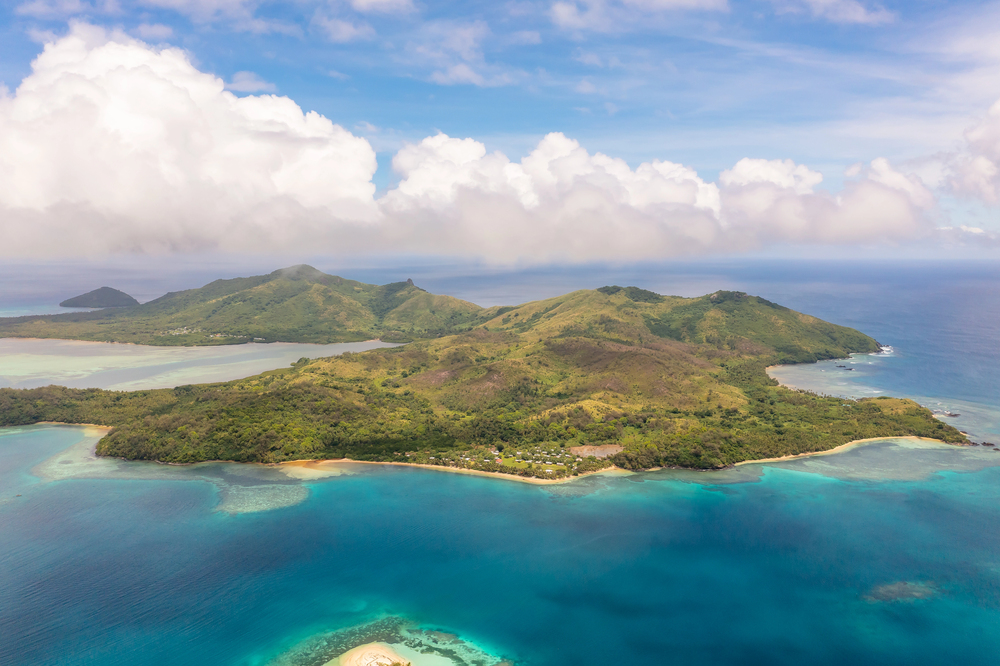
Fijian beaches tend to be narrower than Caribbean or Mexican resort beaches, which initially disappoints some honeymooners expecting vast expanses of sand. However, the tradeoff is that coral reefs and marine life sit close to shore, often just steps from the beach.
Many resorts feature house reefs exclusively for guest use, where exceptional snorkeling requires no boat transfers or guided tours. The proximity of coral and fish to shore means you spend less time traveling to dive sites and more time actually in the water.
Quality of snorkeling and diving often exceeds the beach size as a measure of a tropical paradise.
Pack reef-safe sunscreen and appropriate clothing

Fiji’s coral reefs are fragile ecosystems easily damaged by chemicals in conventional sunscreens. Pack reef-safe sunscreen free from oxybenzone and octinoxate to protect both your skin and the marine environment.
Bring lightweight, quick-drying clothing suitable for humid tropical conditions, plus long sleeves and pants for village visits where modesty is expected. Canvas shoes or water shoes help protect feet when walking on reef flats or rocky shorelines.
Most resorts provide snorkeling gear, but bringing your own mask ensures proper fit. Insect repellent and prescription medications should come from home, as outer islands lack pharmacies.
Understand the difference between dry Yasawas and lush northern islands

Not all of Fiji looks the same. The Yasawa Islands are among the driest areas in the country, with scrubby vegetation, golden hills, and less lush landscapes than other regions.
This dryness means better weather year-round but less tropical jungle. Northern islands like Taveuni and Vanua Levu receive more rainfall and feature rainforest-covered mountains, waterfalls, and verdant valleys.
If you envision Fiji as dense jungle and cascading waterfalls, the northern islands deliver that experience. If you prioritize sun and minimal rain, the Yasawas are the better choice.
Matching expectations to geography prevents disappointment.
Allow at least seven days minimum for Fiji honeymoons

Flying to Fiji from the US takes 10 to 17 hours, depending on departure city and connections. Los Angeles offers the shortest routes at around 10 to 11 hours, while East Coast departures require connecting through West Coast hubs.
Given the investment in travel time, staying less than seven days makes little sense. Most honeymooners spend 7 to 14 days in Fiji, which provides enough time to recover from jet lag, settle into the island pace, and actually relax rather than feel rushed.
Combining Fiji with Australia or New Zealand extends the trip and justifies the long-haul flights.
Budget for motorized activities and off-resort excursions
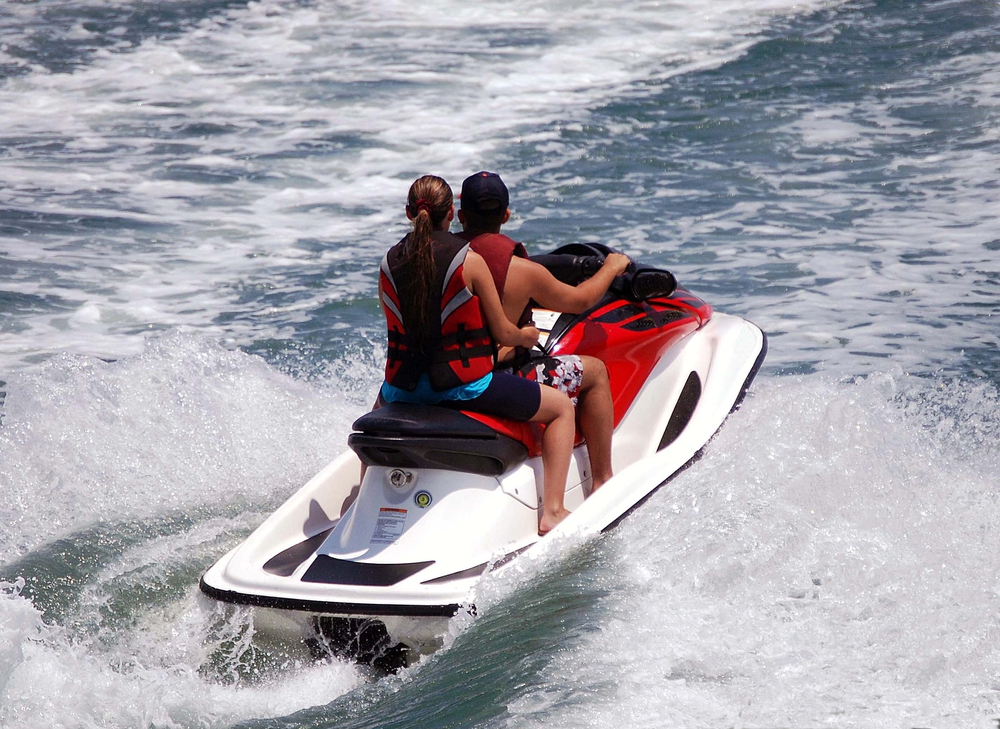
While all-inclusive packages cover many activities, motorized water sports like jet skiing, parasailing, and scuba diving typically cost extra. Off-resort excursions such as day trips to uninhabited islands, fishing charters, and spa treatments also add to costs.
Budget an additional $500 to $1,000 per couple for these extras, depending on how actively you want to spend your days. Some resorts include a certain number of scuba dives or motorized activities in premium packages, so compare what different packages offer rather than just accommodation costs.
Honeymoon couples often underestimate how quickly additional activities and spa treatments add up.
Accept that Fiji rewards slow living over packed itineraries
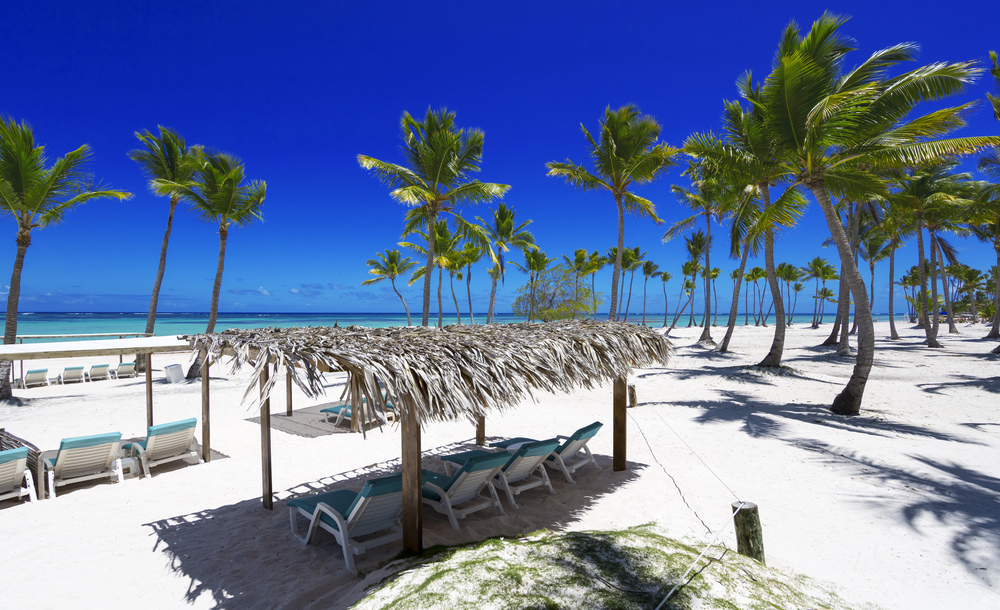
Fiji operates on island time, and resorts wind down around 10 pm — this is not Bali or Ibiza. The islands reward honeymooners who embrace relaxation, slow mornings, long lunches, afternoon naps, sunset watching, and early evenings rather than trying to pack every day with activities.
The rhythm is deliberately unhurried, and fighting against it creates frustration rather than relaxation. Bring books, embrace the pool or beach lounger, let meals extend for hours, and allow yourself to do nothing.
Fiji’s gift is permission to be unproductive, and honeymooners who accept this return home more restored than those who treat their honeymoon like a sightseeing checklist.
Why Fiji rewards those who understand it

Fiji honeymoon trips are not for the faint of budget; however, with long flights and a significantly higher cost than those found in the Caribbean. There is also a logistical aspect to planning a honeymoon to Fiji that is not present with those all-inclusive beach honeymoons found in Mexico.
But for those who are willing to invest the time and energy into understanding the geography of Fiji and which islands are best suited to their needs and desires, there is perhaps nowhere quite like Fiji.
It is not a destination for all, by any stretch of the imagination, but for those who are looking for a real escape from the world, a true natural beauty, and a place that makes them feel as though they are indeed stranded on a paradise island, there is nowhere quite like Fiji.
More from Travel Pug

- Underrated Italian Towns That Beat the Tourist Crowds
- Las Vegas Tourist Traps to Skip
- Prettiest Towns in Every US State
- 18 passport-free countries for Americans
- Signs Your Cruise Is Not Worth The Cost
Like Travel Pug’s content? Follow us on MSN.