

The food culture of Tuscany is centuries old and is based on simple yet high-quality ingredients, seasonality, and techniques that have been developed over the years by cooks and chefs alike. The cooking schools and food experiences in Tuscany vary from simple farmhouse breakfasts to serious cooking programs, and the scenery alone makes the visit worthwhile.
Here are 15 cooking schools and experiences to learn traditional cooking in Tuscany, where the food is as spectacular as the view:
Badia a Coltibuono, Gaiole in Chianti
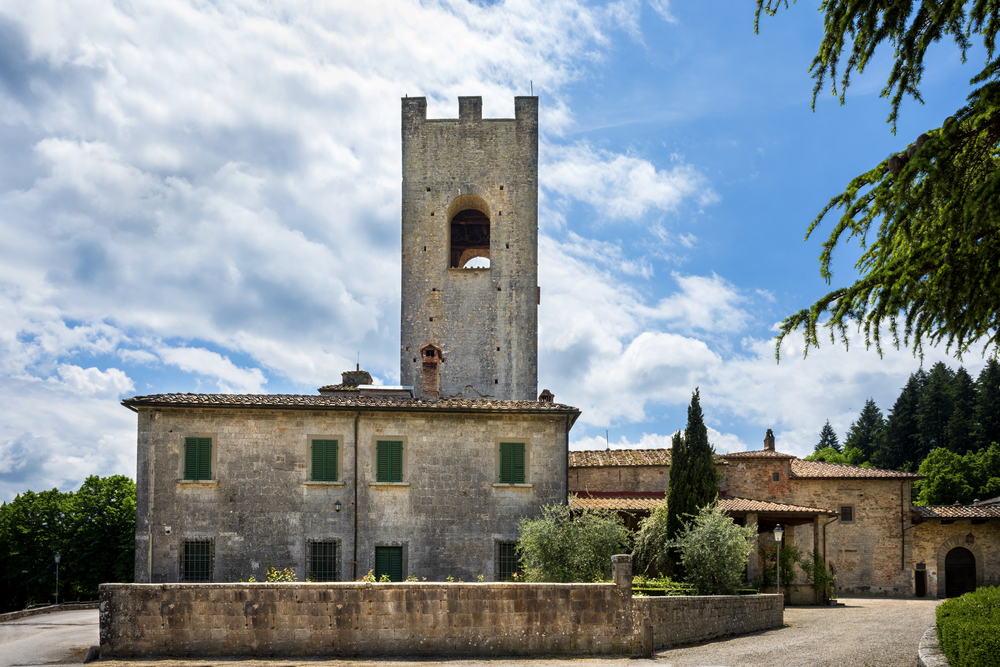
Set in an 11th-century abbey surrounded by Chianti vineyards, Badia a Coltibuono is one of Tuscany’s most celebrated cooking schools. The program is tied to the estate’s wine production and teaches traditional Chianti cuisine using produce from the estate’s organic gardens.
Classes range from single-day sessions to week-long residential programs, with meals that include the abbey’s own wine.
Cucina Lorenzo de’ Medici, Villa Campestri
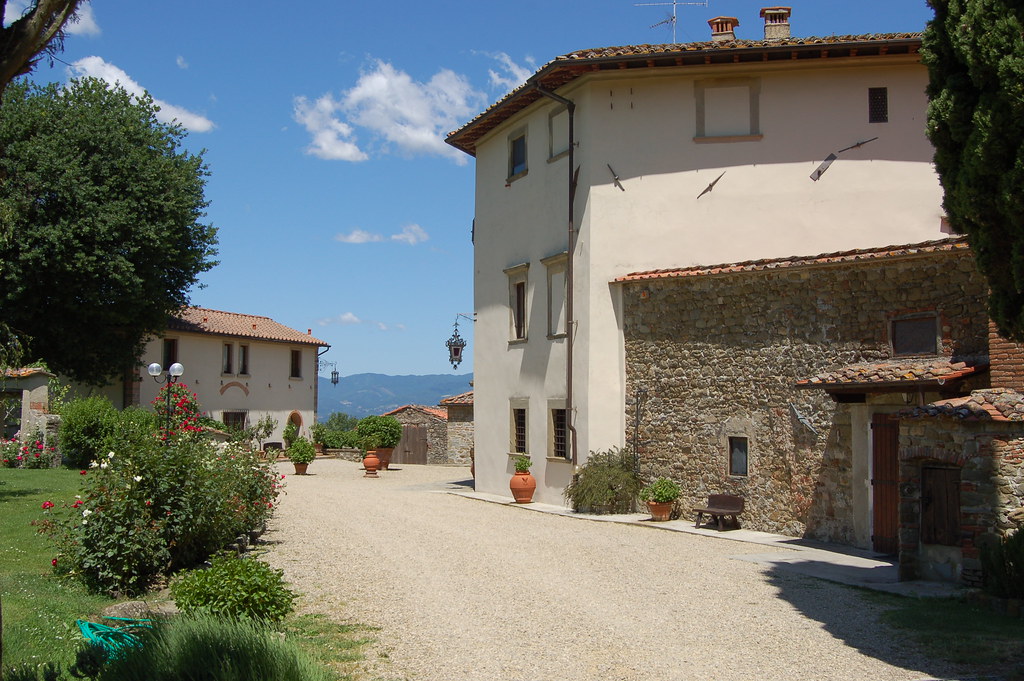
Located in the Mugello valley north of Florence, Villa Campestri hosts the Lorenzo de’ Medici cooking school — an institution named for the Renaissance patron who understood that great food and great art belong in the same conversation. The estate produces its own olive oil, which features prominently in the curriculum.
Week-long programs combine cooking instruction with visits to local markets, farms, and artisan producers.
Fonte de’ Medici, near San Casciano
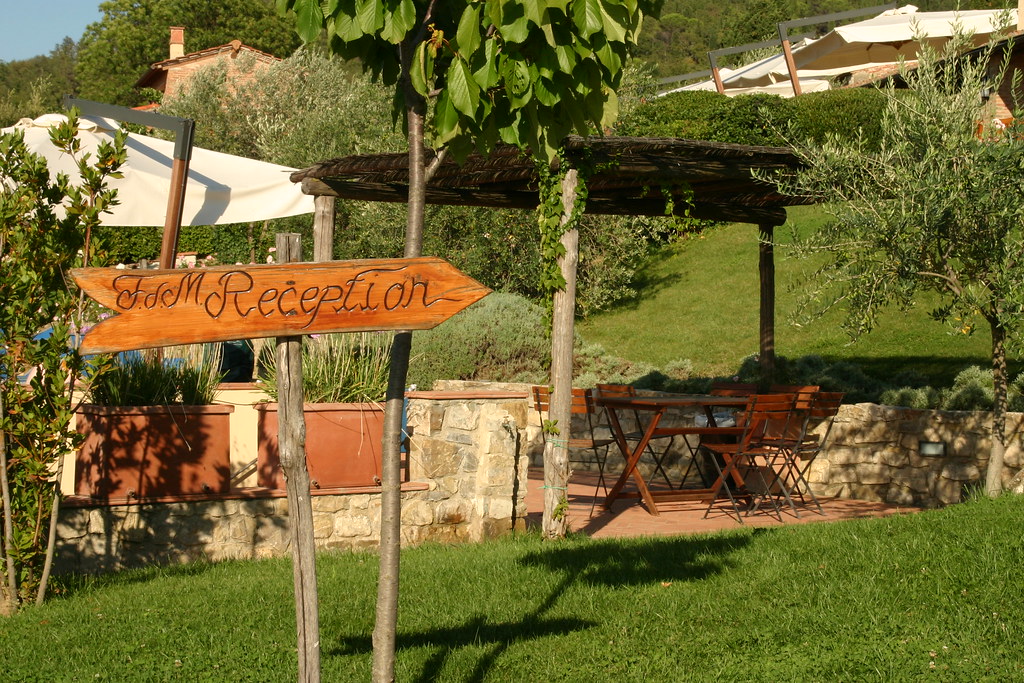
This working agriturismo south of Florence offers hands-on cooking classes alongside olive oil and wine production on-site. The classes are small and informal — more like cooking in a friend’s farmhouse kitchen than a professional school setting.
Single-day sessions focus on Florentine classics: ribollita, bistecca alla fiorentina, and cantucci.
Tenuta di Spannocchia, near Siena
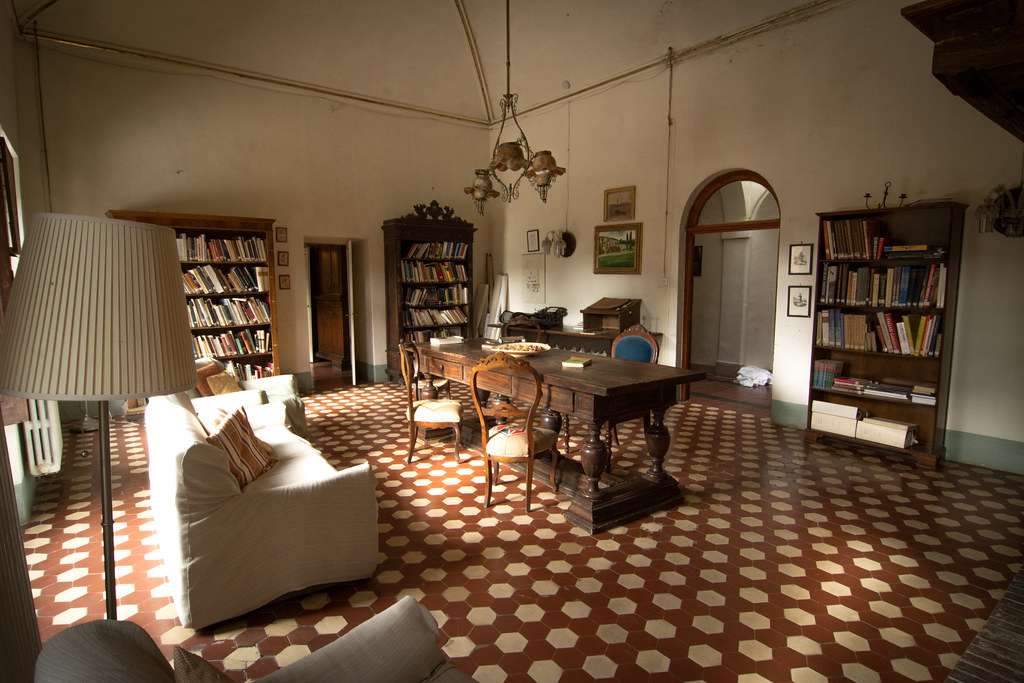
Spannocchia is a working organic farm and agriturismo in the Sienese hills that has been producing wine, salumi, and cereals for centuries. Cooking classes here use ingredients almost entirely sourced from the farm itself, making the connection between land and plate unusually direct.
The estate’s historic buildings and protected natural reserve give the whole experience a quality that polished purpose-built schools rarely match.
Savigni Restaurant School, Sambuca Pistoiese
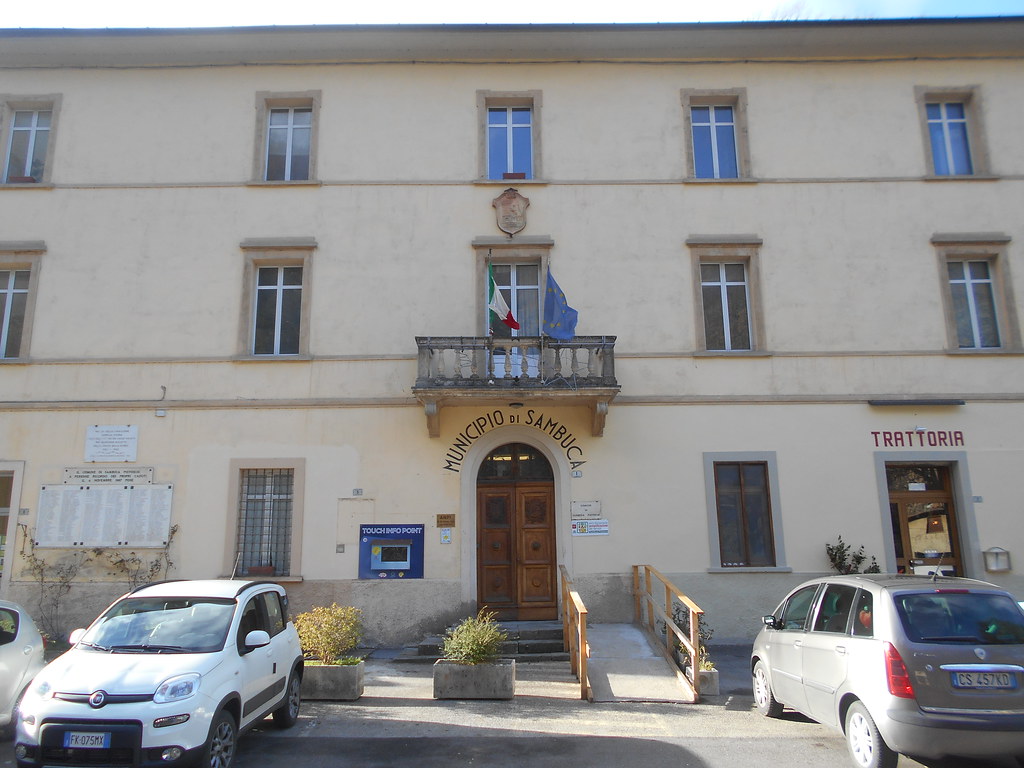
In the Apennine mountains northwest of Florence, Savigni is a family-run restaurant with deep roots in the local mountain cooking tradition — game, mushrooms, and chestnut-based dishes that differ noticeably from the more wine-country-centric recipes of Chianti. Their cooking experiences are less formal than residential programs, offering visitors an immersive afternoon in a working professional kitchen.
Apicius International School of Hospitality, Florence
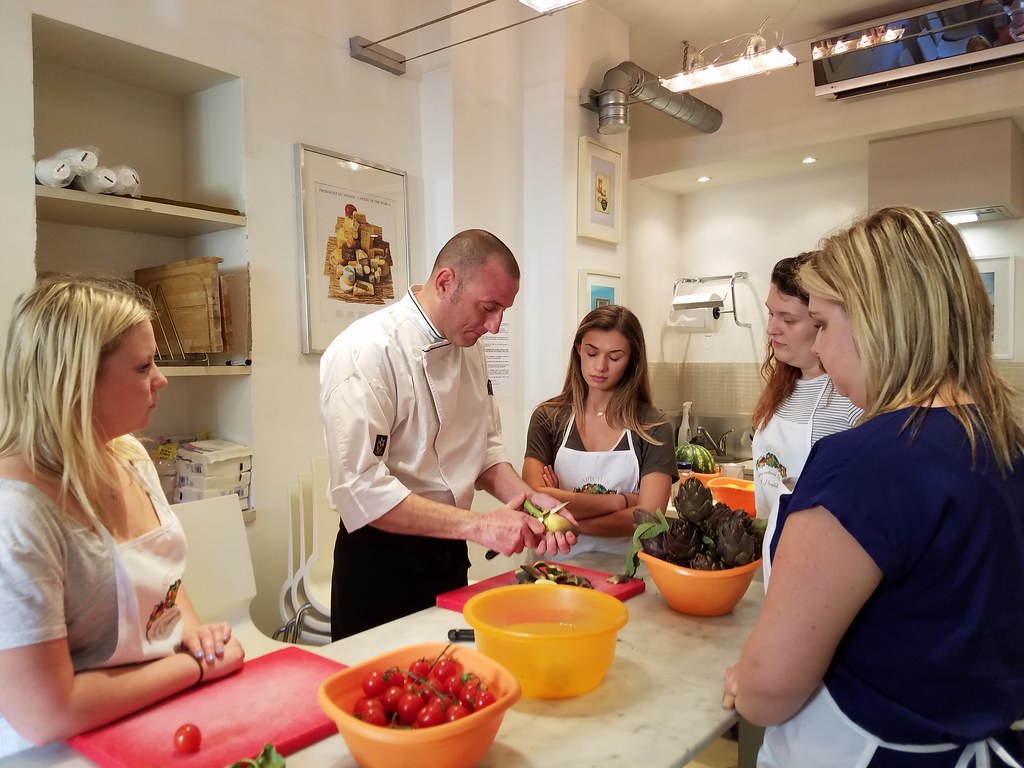
Florence’s Apicius school is one of Italy’s most respected culinary institutions, offering structured programs for serious students as well as shorter recreational courses for travelers. Located in a Renaissance palazzo in the city center, the school teaches traditional Tuscan and broader Italian cuisine in a professional kitchen environment.
It’s a good option for those who want more depth than a single farmhouse morning can provide.
Il Borghino, Greve in Chianti
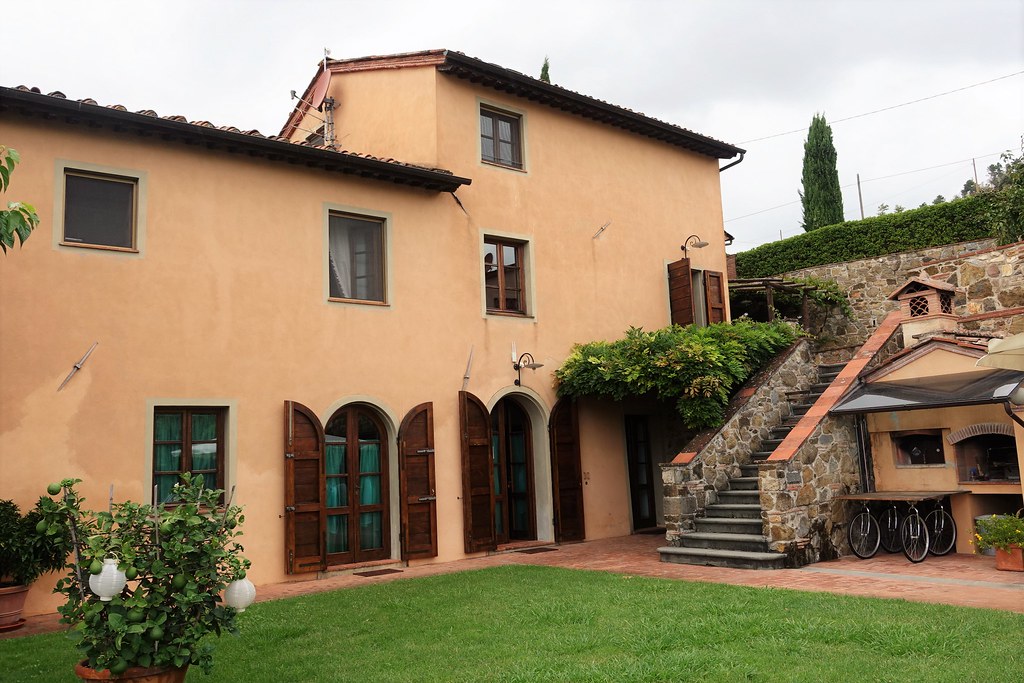
Il Borghino is a small agriturismo outside Greve, the unofficial capital of Chianti Classico wine country, offering cooking classes focused on the region’s antipasti, pasta, and second course traditions. The host is a private chef who teaches in her own kitchen — a deliberately intimate setting that produces a different atmosphere than larger institutional programs.
Classes wrap up with lunch at the farmhouse table.
Toscana Saporita, Pietrasanta
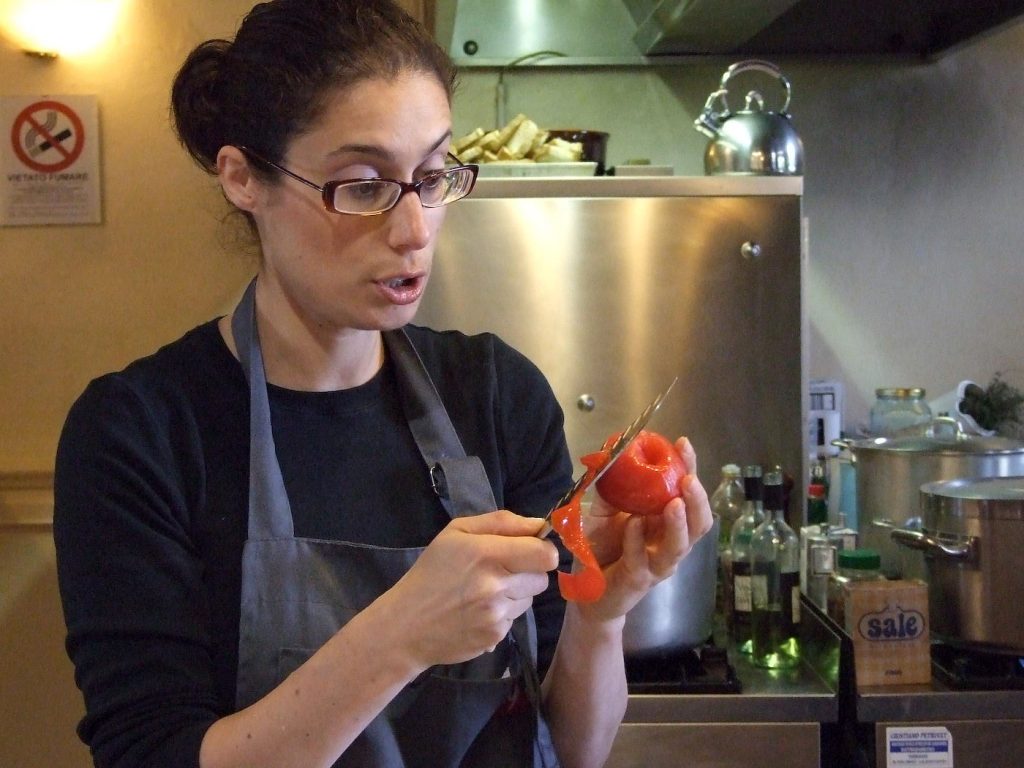
Based near the marble quarry towns of the northern Tuscan coast, Toscana Saporita offers residential cooking programs that explore the coastal and mountain cooking traditions of Tuscany’s Versilia region — an area less visited but culinarily distinctive. The school is English-taught and specifically designed for international visitors.
Market tours in Lucca or Pietrasanta are typically included.
La Bottega del Buon Caffè, Florence
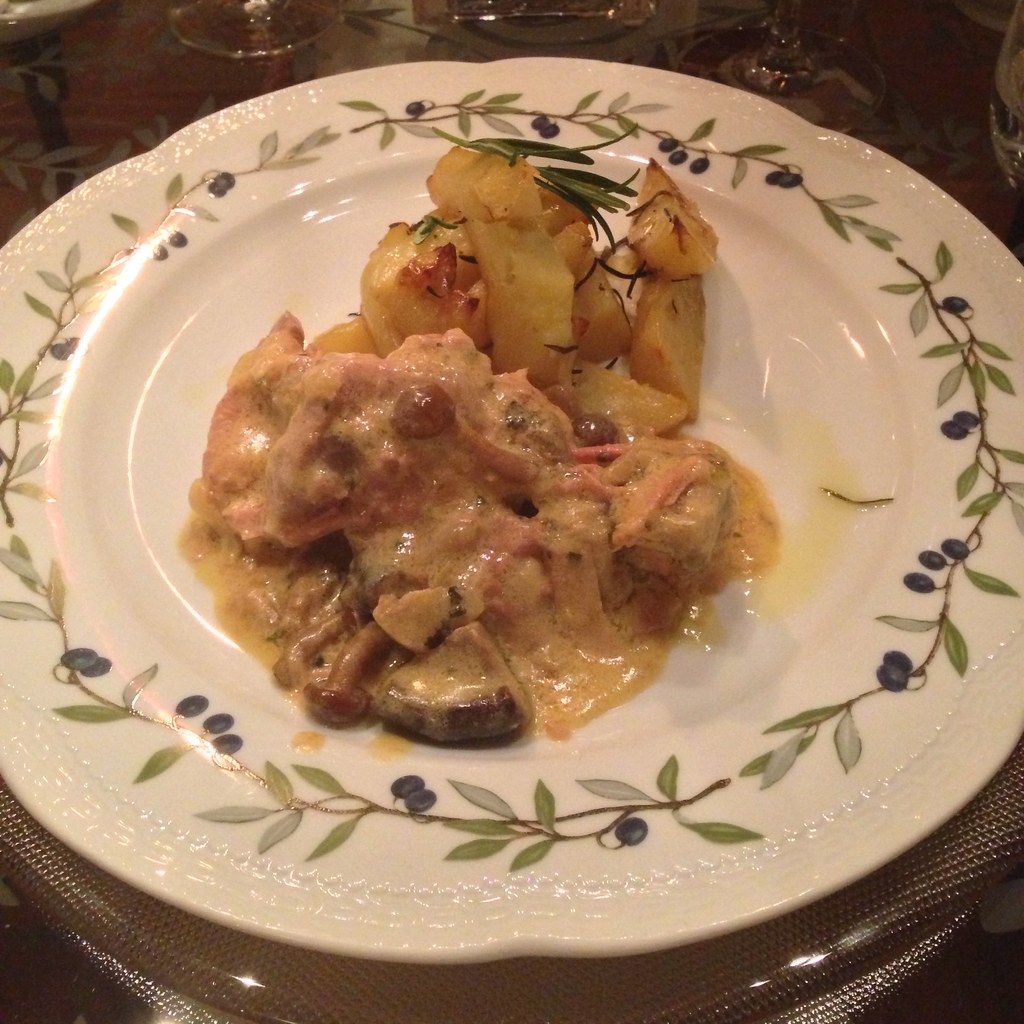
While primarily one of Florence’s most respected farm-to-table restaurants, La Bottega del Buon Caffè offers occasional cooking experiences tied to their sourcing partnerships with Tuscan farms. The setting on the south bank of the Arno combines urban Florence with rigorously local ingredients.
It’s worth checking their program calendar, as experiences here are less standardized but highly regarded.
Castello di Vicarello, near Grosseto
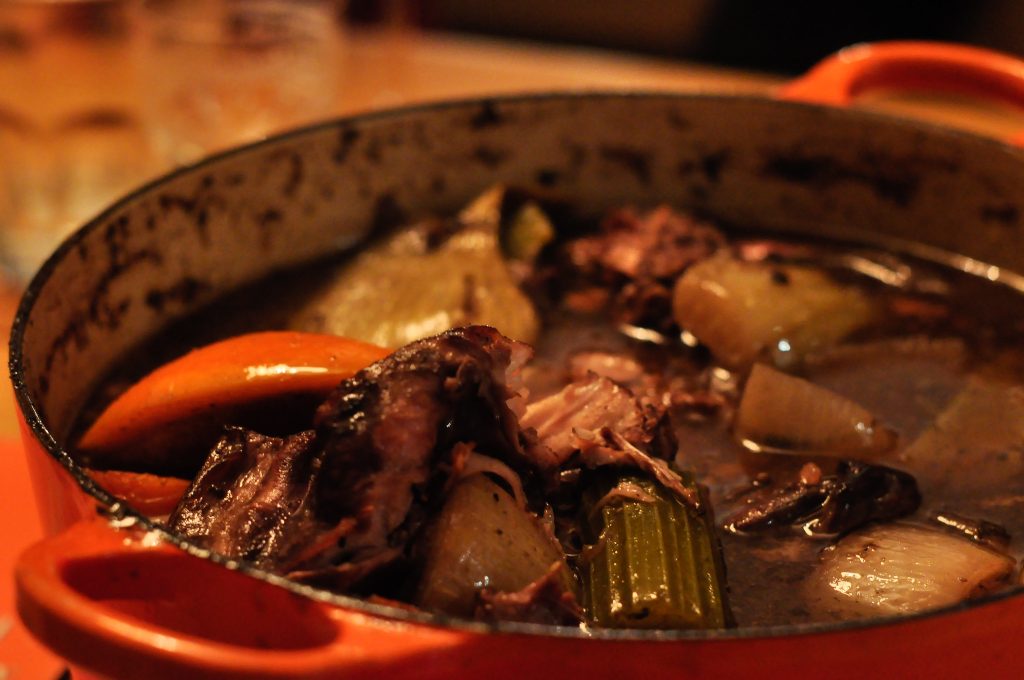
In the Maremma — Tuscany’s wilder, less-traveled southern region — Castello di Vicarello offers intimate cooking experiences for guests of its boutique hotel. The Maremma’s cuisine draws on pastoral and coastal traditions that diverge from the central Tuscan template: game stews, aged pecorino, and seafood from the nearby Tyrrhenian coast.
The castle itself is a 19th-century restoration surrounded by countryside that hasn’t changed much since.
Fattoria Poggio Alloro, San Gimignano
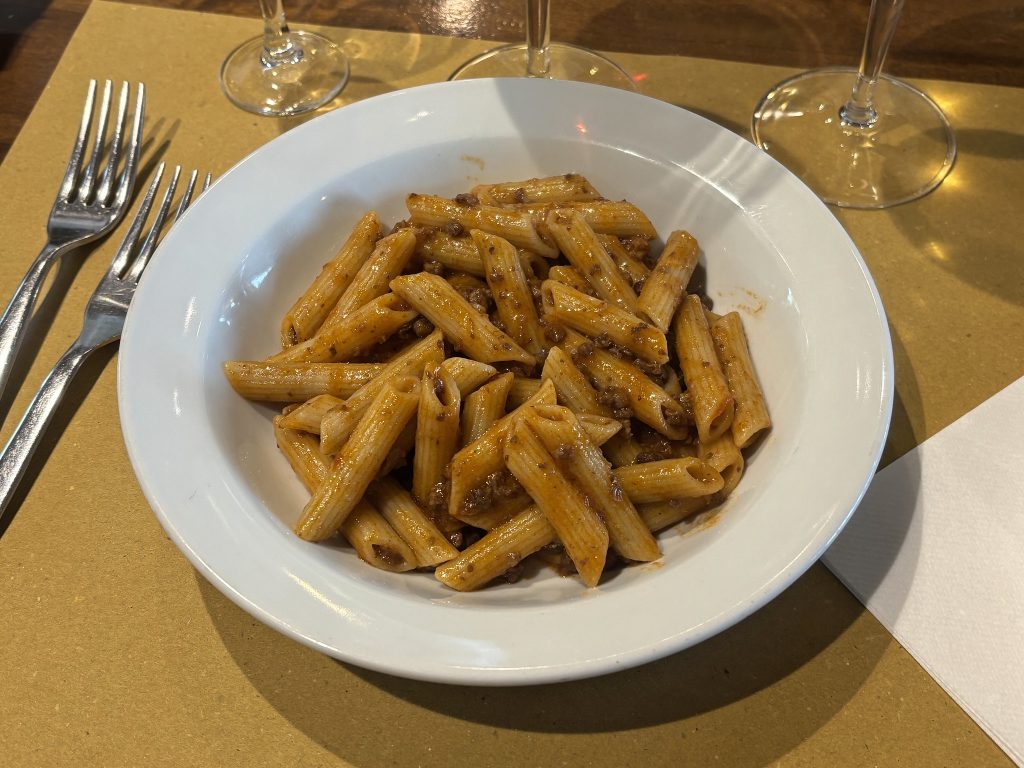
The medieval towers of San Gimignano are visible from this family-run farm outside the city, which produces saffron, wine, olive oil, and wheat using traditional methods. Cooking classes here incorporate the farm’s own saffron — San Gimignano’s historically significant crop — into traditional recipes including the local pasta dish pappardelle al zafferano.
The combination of a working farm and accessible cooking instruction makes it a strong choice for families.
Locanda dell’Amorosa, Sinalunga
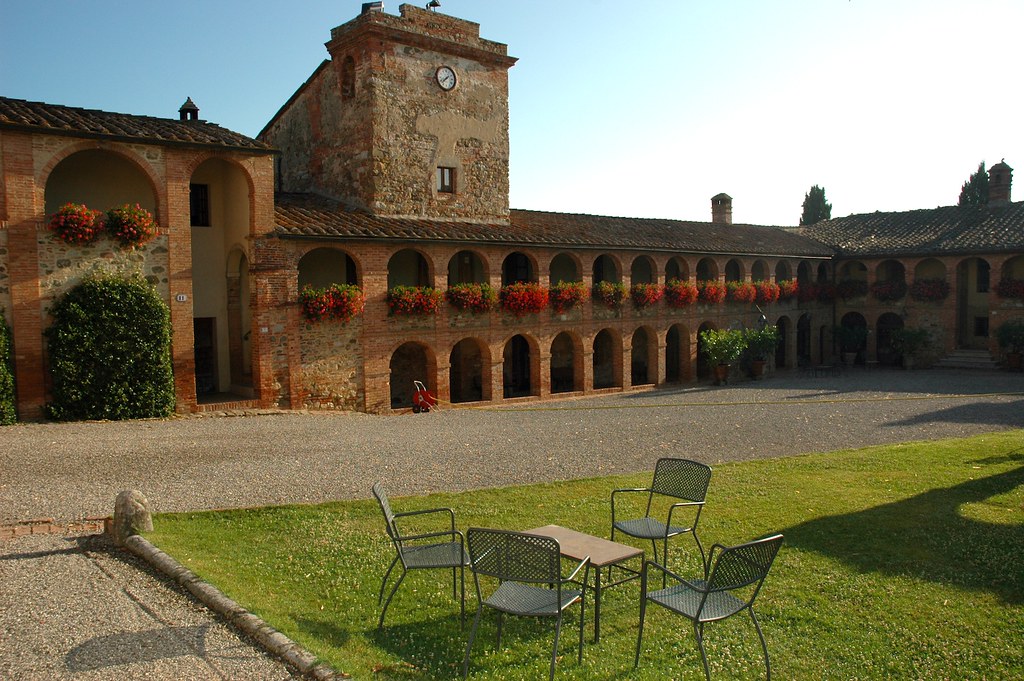
This converted medieval hamlet between Siena and the Val d’Orcia operates as a luxury agriturismo with a highly regarded restaurant, and the cooking experiences offered here reflect the kitchen’s professional standards. The Val di Chiana’s white cattle (the source of authentic Chianina beef for bistecca) and local legumes and grains feature prominently.
It’s a higher-end option in one of Tuscany’s most scenic corners.
In Tavola, Florence
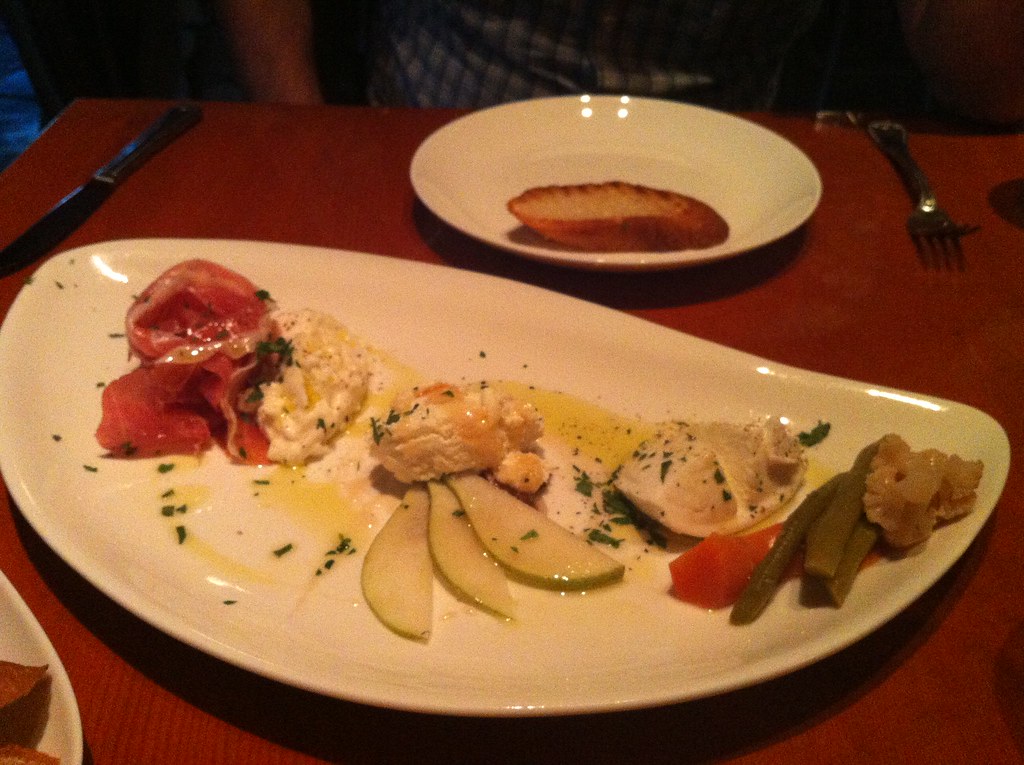
For travelers with only a few days in Florence who want a hands-on cooking session without leaving the city, In Tavola offers daily classes in a central Florence kitchen focused on traditional Florentine and broader Tuscan recipes. Groups are kept small, and the curriculum rotates seasonally.
It’s a solid choice if a farmhouse drive isn’t practical, though the city-center setting obviously trades the rolling hills backdrop for urban convenience.
Castello Banfi, Montalcino
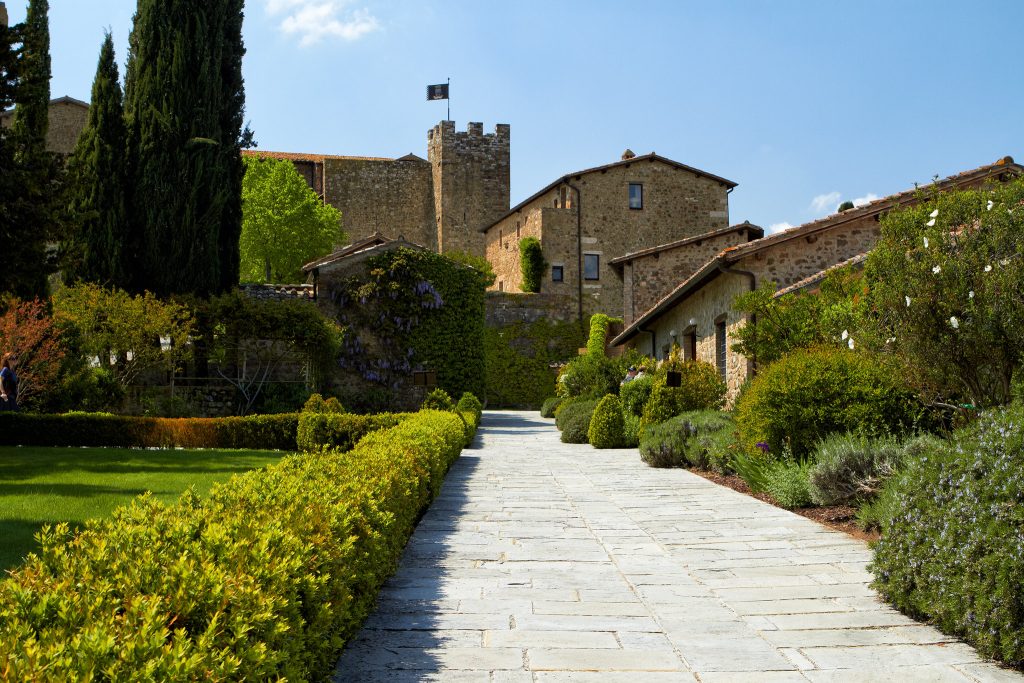
Banfi is one of Brunello di Montalcino’s great wine estates, and their Cooking School offers programs that integrate food and wine in the way the Sienese hills have always intended. The estate’s size and production capacity means the experience is more polished and organized than smaller farmhouse offerings — a structured curriculum in a stunning setting.
Classes typically pair each dish with an estate wine, which rather helps with the homework.
Villa San Michele, Fiesole
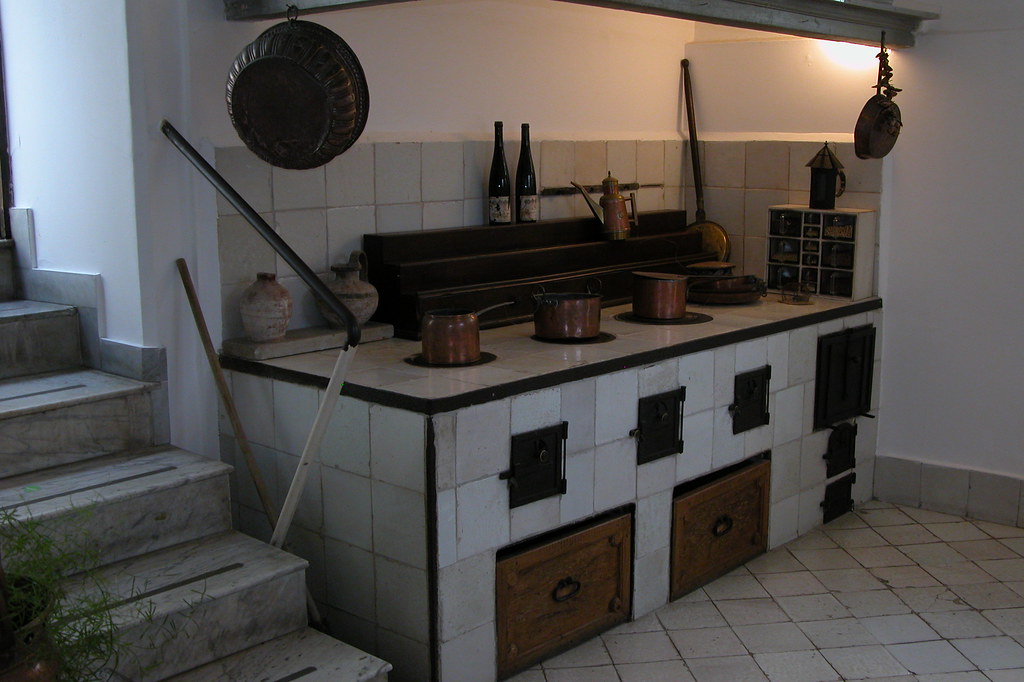
Perched in the hills above Florence with views over the city and the Arno valley, Villa San Michele is a historic property built around a former monastery. Their cooking experiences draw on the broader Tuscan tradition while adding the refinement of a hotel that understands its guests arrive with high expectations.
The setting — Fiesole has been a retreat from Florentine summers since Roman times — gives every meal a particular quality.
The meal that stays with you
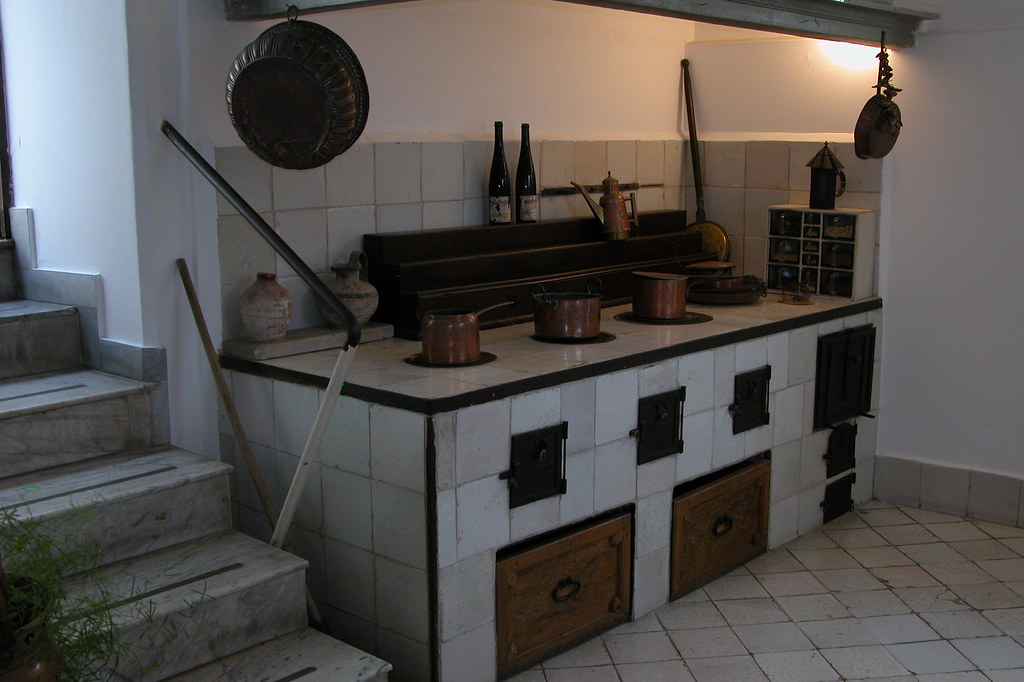
Tuscany’s cooking schools share one quality that’s hard to replicate: the food you make is almost always better than you expected, precisely because the ingredients are better than what most people cook at home. Taking a class here is as much about understanding what great olive oil, hand-rolled pasta, or properly sourced pork tastes like as it is about technique — and that understanding tends to follow you back into your own kitchen long after the trip ends.
More from Travel Pug

- Underrated Italian Towns That Beat the Tourist Crowds
- Las Vegas Tourist Traps to Skip
- Prettiest Towns in Every US State
- 18 passport-free countries for Americans
- Signs Your Cruise Is Not Worth The Cost
Like Travel Pug’s content? Follow us on MSN.