

Nothing ruins vacation memories quite like a disappointing meal that costs twice what it should. Tourist-trap restaurants have mastered the art of luring unsuspecting travelers with flashy facades and strategic locations, only to serve up overpriced, underwhelming food with a side of regret.
These establishments rely on a steady stream of visitors who’ll never return, which means they can get away with mediocre everything while charging premium prices.
Learning to identify these culinary pitfalls from a distance can save both your wallet and your taste buds. The telltale signs are often glaringly obvious once you know what to look for – it’s just a matter of training your eye to spot the red flags before you’re already seated with a menu in hand.
Restaurants with Giant Neon Signs

The bigger and brighter the sign, the worse the food inside. These establishments spend more on their electric bill than their ingredient budget.
Real restaurants let their reputation do the talking.
Menus Posted in Six Different Languages
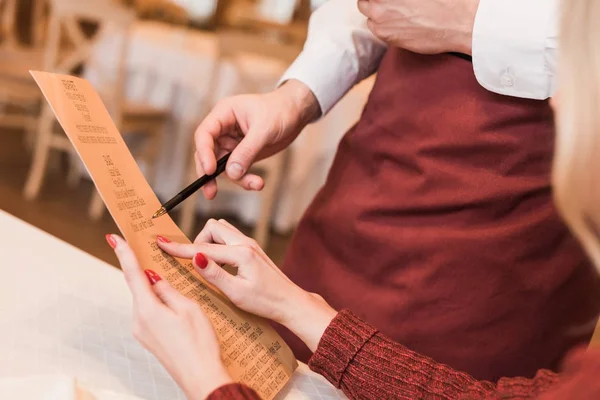
When a restaurant tries to appeal to every nationality at once, it usually excels at none. Quality establishments focus on doing one thing well rather than attempting to please the entire United Nations.
The translation errors alone should tell you everything you need to know about attention to detail.
Places with Costumed Characters Out Front

Nothing says “authentic dining experience” like a person in a foam lobster costume waving at pedestrians (and nothing screams desperation quite like it either, if we’re being honest). These restaurants understand that spectacle can distract from subpar food, at least long enough to get you through the door and ordering.
But the novelty wears off quickly when your overpriced seafood platter arrives, and you realize the costume probably contains more real crab than your dinner. The whole operation feels less like a restaurant and more like dinner theater where the script is terrible and the food is worse.
Establishments Right Next to Major Attractions

Geography is destiny in the restaurant business. Places that can rely on foot traffic from tourist attractions don’t need to worry about repeat customers or word-of-mouth recommendations.
They know fresh victims arrive every day.
The rent alone in these prime spots forces menu prices through the roof. A basic sandwich costs museum gift shop prices because the location does all the marketing.
Restaurants That Look Like Theme Parks

A dining room shouldn’t require a map to navigate. When restaurants invest more in animatronics than actual cooking equipment, priorities have clearly gotten confused somewhere along the way.
The medieval castle facade might catch your attention, but castles weren’t exactly known for their culinary excellence – and neither are these places. Food becomes an afterthought when the main attraction is watching a mechanical dragon breathe smoke every fifteen minutes.
The irony is that all the theatrical elements designed to create memorable experiences usually create memorable experiences for all the wrong reasons.
Places Advertising “World Famous” Everything

Self-proclaimed fame is the restaurant equivalent of declaring yourself the smartest person in the room. If a place was truly world famous, it wouldn’t need to announce it on every surface.
The desperation bleeds through the marketing copy.
These establishments slap “world famous” on anything that sits still long enough. World famous clam chowder.
World famous apple pie. World famous bathroom experience, probably.
Restaurants with More Merchandise Than Tables

When the gift shop takes up more square footage than the dining area, priorities have shifted away from food. These places view meals as loss leaders to get you in the door for the real moneymaker: overpriced t-shirts and shot glasses.
The staff spends more time restocking keychains than learning about the menu. The kitchen becomes secondary to the retail operation.
Establishments with Cartoon Mascots

Real food doesn’t need animated spokesanimals to sell itself. A cartoon mascot suggests the target audience has the decision-making capacity of a seven-year-old, which explains why the menu reads like a children’s hospital cafeteria.
The mascot usually bears no relation to the actual cuisine – a smiling pirate doesn’t automatically make the seafood fresh, and a winking chef character can’t season food through sheer cartoon charisma. These places understand that whimsy can mask mediocrity, at least long enough to process your credit card payment.
Places That Guarantee “Authentic” Cuisine from Multiple Countries

Authenticity doesn’t need guarantees – it just exists. When a restaurant promises authentic Italian, Mexican, Chinese, and American food under one roof, the only authentic thing is the confusion in the kitchen.
Real cultural cuisine comes from focused expertise, not a United Nations approach to cooking.
The kitchen staff would need passports from six different countries to pull off what these menus promise. Instead, everything gets the same generic treatment with different sauce colors.
Restaurants with Flashing Arrow Signs

The flashing arrow points directly to disappointment. These places treat dining like a carnival game where the goal is getting you inside rather than keeping you satisfied.
The arrows flash with the urgency of an emergency room because they know hesitation leads to better choices. Quality establishments don’t need to shout for attention – they earn it through reputation and word-of-mouth.
But flashing signs bypass critical thinking, creating a sense of urgency where none should exist. The arrows might point toward the entrance, but they’re really pointing toward regret.
Establishments That Boast About Portion Sizes

When size becomes the selling point, taste takes a back seat. These places understand that Americans often confuse quantity with value, so they pile mediocre food into mountainous portions.
The marketing focuses on weight measurements rather than ingredients or preparation methods.
A two-pound burger sounds impressive until you realize it’s mostly filler and desperation. Quality restaurants let the food speak for itself rather than requiring a scale to prove worth.
Places with Identical Locations in Every Tourist Town

Cookie-cutter restaurants offer cookie-cutter experiences. These chains have perfected the art of looking local while serving the exact same frozen, reheated menu from coast to coast.
The rustic nautical theme works just as well in landlocked Colorado as it does in coastal Maine, apparently.
The illusion of local character falls apart when you recognize the same decorative fishing nets and weathered wood paneling from your last three vacation destinations. Even the “local” seafood probably comes from the same industrial freezer truck.
Restaurants That Accept Every Coupon Ever Printed

Restaurants confident in their value don’t need to honor expired coupons from competing establishments. When a place accepts any discount voucher regardless of source or expiration date, they’re essentially admitting their regular prices are inflated enough to absorb any markdown.
Quality establishments price fairly from the start rather than playing coupon roulette with desperate tourists. The coupon acceptance policy becomes a confession: this food isn’t worth full price, and they know it.
Establishments with Staff in Matching Hawaiian Shirts

Nothing says “authentic island cuisine” like polyester shirts ordered in bulk from a uniform supply company. These places understand that tropical clothing can create an atmosphere of vacation relaxation, even when the food tastes like it came from a convention center buffet.
The shirts usually feature palm trees and sunset graphics that look more like screen savers than actual Hawaiian designs. But the real giveaway is when the staff looks as uncomfortable in the tropical gear as the customers feel about the menu prices.
Authentic island restaurants don’t need costume changes to transport you – they do it with actual island flavors.
Places That Advertise “All You Can Eat” in Neon

The neon glow promises unlimited food but delivers limited quality. These buffet bonanzas operate on the assumption that quantity can distract from questionable ingredients and preparation shortcuts.
The all-you-can-eat model works financially because most people can’t actually eat enough mediocre food to offset the profit margins.
The neon sign flashes like a warning beacon, but tourists read it as an invitation. The unlimited promise becomes unlimited disappointment when you realize there’s a reason the food is limitless.
Restaurants That Look Exactly Like the Postcard

When reality matches the tourist postcard perfectly, something artificial is happening. Real restaurants evolve and change over time, showing wear and character that comes from actual use.
Places that maintain postcard perfection prioritize appearance over authenticity.
The postcard aesthetic becomes a performance where every detail is calculated for maximum tourist appeal. The result feels more like a movie set than a working restaurant, which explains why the food often tastes like prop food too.
The View from the Other Side
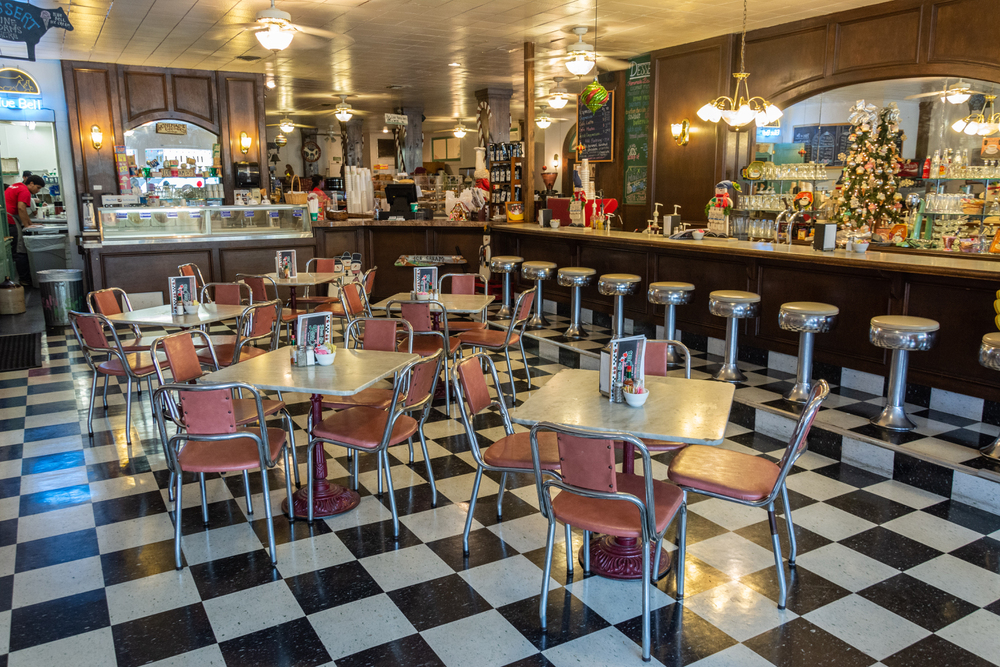
The best meals often happen in places you’d walk past without a second glance. Those hole-in-the-wall joints with hand-written menus and locals lined up outside understand something the tourist traps never will: good food doesn’t need gimmicks.
It just needs to taste like it matters to the people making it.
More from Travel Pug

- Underrated Italian Towns That Beat the Tourist Crowds
- Las Vegas Tourist Traps to Skip
- Prettiest Towns in Every US State
- 18 passport-free countries for Americans
- Signs Your Cruise Is Not Worth The Cost
Like Travel Pug’s content? Follow us on MSN.