

The idea of retiring to a college town might sound unconventional at first. After all, aren’t these places filled with late-night parties, cramped apartments, and the general chaos that comes with thousands of young people figuring out their lives?
But look past the surface energy, and you’ll discover something remarkable: college towns offer a unique blend of cultural richness, intellectual stimulation, and practical amenities that can make retirement both affordable and fulfilling. The presence of a university brings world-class healthcare, continuing education opportunities, vibrant arts scenes, and a built-in community of lifelong learners.
Plus, many of these towns are nestled in beautiful locations that were chosen specifically for their appeal to students and faculty from around the world.
Athens, Georgia

Athens gets it right. Home to the University of Georgia, this town balances Southern charm with intellectual energy.
The music scene alone justifies the move—R.E.M. and the B-52s got their start here, and live venues still pack in crowds most nights of the week.
Downtown Athens stays walkable without feeling cramped. The Classic Center hosts everything from symphony performances to art exhibitions.
Healthcare comes courtesy of several major medical facilities, including those affiliated with the university. Cost of living remains reasonable compared to Atlanta, just 70 miles southeast.
State College, Pennsylvania

State College operates like a well-oiled machine designed specifically for people who value education and community (which happens to describe many retirees perfectly, even if they don’t realize it at first). The town exists because of Penn State, and every amenity reflects that academic focus—from the Palmer Museum of Art to the Bryce Jordan Center, which brings in major touring acts that would normally skip over smaller cities.
And then there’s the healthcare: Mount Nittany Medical Center provides the kind of specialized care you’d expect to find only in major metropolitan areas, except here you can actually get a parking spot and the staff remembers your name.
So you end up with this unusual situation where a town of 42,000 people can support an arts scene that rivals much larger cities. But that’s the thing about college towns—the university acts as this massive cultural amplifier, drawing resources and talent that would otherwise never end up in central Pennsylvania.
The result feels both cosmopolitan and intimate, which is exactly the balance most retirees are seeking without knowing how to articulate it.
Chapel Hill, North Carolina

There’s something about the way morning light filters through the old oak trees along Franklin Street that makes you understand why people build their entire lives around this place. Chapel Hill doesn’t announce itself the way bigger cities do—it simply exists with quiet confidence, the way a well-worn book sits on a shelf, knowing it has good stories inside.
The University of North Carolina creates this steady rhythm of intellectual curiosity that pulses through everything, from the conversations overheard at coffee shops to the quality of the local bookstore. Even the way people walk seems more deliberate here, as if they’re turning over interesting thoughts rather than just getting from point A to point B.
The town wears its education like a comfortable sweater—present but not showy, warming everything it touches.
Burlington, Vermont

College towns work best when they don’t try too hard to be anything other than what they are. Burlington succeeds because it embraces its contradictions without apology.
The University of Vermont brings energy and culture to what could easily have been just another small New England city struggling to define itself in the modern economy.
The winters test your commitment, to be fair. But the payoff comes in those perfect Vermont summers when Lake Champlain turns into your backyard and the farmers markets overflow with produce that actually tastes like something.
The city manages to feel both progressive and practical, which is saying something in an era when those two qualities rarely coexist peacefully.
Madison, Wisconsin

Madison sits between two lakes like it’s showing off. The University of Wisconsin campus flows right into the downtown area, creating this seamless blend where academic life and city life become indistinguishable.
State Street connects the capitol building to the university, and that physical link tells you everything about how this place operates.
The food scene punches above its weight class. Wisconsin might be known for cheese, but Madison restaurants serve cuisine that would hold its own in Chicago or Milwaukee.
The Overture Center brings in major Broadway touring productions. Winters bite, but locals have figured out how to embrace the cold rather than just endure it.
Ann Arbor, Michigan

Ann Arbor operates with the kind of quiet sophistication that comes from decades of hosting one of the country’s top public universities, and the result is a city that never quite reveals all its cards at once (which makes it endlessly interesting to explore, even after you’ve lived there for years). The University of Michigan doesn’t just anchor the town—it permeates every aspect of life here, from the quality of the medical facilities to the depth of the cultural offerings, creating this environment where intellectual curiosity feels as natural as breathing.
The downtown area manages to feel both historic and contemporary, with independent bookstores sitting next to innovative restaurants, and somehow none of it feels forced or manufactured. And then there’s the healthcare situation: the University of Michigan Health ranks among the top medical centers in the country, which means you get access to cutting-edge treatments and specialists without having to navigate the complexities of a major metropolitan area.
Plus, the town actually has four distinct seasons that people genuinely seem to enjoy rather than merely tolerate.
Ithaca, New York
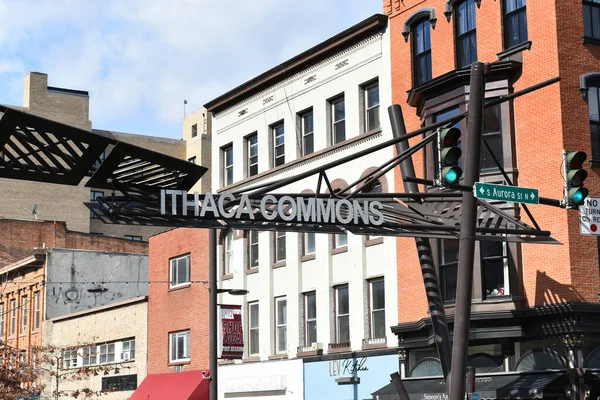
Ithaca exists in a geography that seems designed by someone with strong opinions about natural beauty. Cayuga Lake stretches north like a mirror, while gorges cut through the landscape with the precision of careful brushstrokes.
Cornell University and Ithaca College create this dense concentration of intellectual energy that transforms what could have been a sleepy lakeside town into something much more complex.
The place corrects your assumptions about small-town life. Restaurants serve cuisine influenced by the international community that universities naturally attract.
The local arts scene operates at a level that surprises newcomers. Even the grocery stores stock ingredients that reflect the sophisticated tastes of a community accustomed to global perspectives.
Fayetteville, Arkansas

Fayetteville works because it doesn’t pretend to be anything fancier than what it is: a solid college town in the Ozark Mountains that happens to do most things right. The University of Arkansas brings stability and culture to northwest Arkansas, while the surrounding landscape provides the kind of natural beauty that makes daily life feel less routine.
The cost of living stays reasonable, which matters more in retirement than people sometimes admit. Local restaurants exceed expectations—this is not a place where you settle for mediocre food.
The arts scene benefits from university support and community engagement that creates programming you’d expect to find in much larger cities.
Bloomington, Indiana

College towns reveal their true character in how they handle the rhythms of academic life, and Bloomington has turned those seasonal cycles into something approaching an art form. The way the town transforms each fall when students return feels less like an invasion and more like a renewal.
It speaks to how well the permanent residents and university community have learned to coexist). Indiana University shapes everything here, from the limestone architecture that gives downtown its distinctive character to the quality of cultural programming that most cities twice this size would envy.
The town square actually functions as a town square should—a place where community life naturally congregates rather than a tourist attraction that locals avoid. So you get this unusual combination of small-town accessibility with big-city amenities, all wrapped up in a landscape of rolling hills that provides just enough geography to keep things interesting.
But the real draw is the way intellectual curiosity permeates daily life here without ever feeling pretentious or exclusive.
Iowa City, Iowa

Writers know something the rest of the world is still figuring out about Iowa City. The University of Iowa’s Writers’ Workshop has drawn literary talent here for decades, creating this unusual concentration of people who think carefully about language and story.
That sensibility seeps into everything else.
Downtown Iowa City maintains the kind of walkable scale that most American cities abandoned long ago. The university hospital system provides world-class medical care.
Prairie Lights bookstore anchors a literary culture that extends far beyond the campus. The surrounding farmland creates this sense of space and quiet that urban retirees often crave without knowing where to find it.
Charlottesville, Virginia

Thomas Jefferson knew what he was doing when he chose this location for his university. Charlottesville sits in Virginia’s foothills with the kind of natural setting that photographs well in every season, but the real beauty lies in how the University of Virginia has shaped the cultural landscape over more than two centuries.
The town wears its history comfortably—present but not overwhelming. Downtown pedestrian mall creates a genuine gathering place where university life and community life intersect naturally.
The medical facilities affiliated with UVA rank among the best in the region. Local vineyards have transformed the surrounding countryside into wine country that rivals more famous regions.
Boulder, Colorado
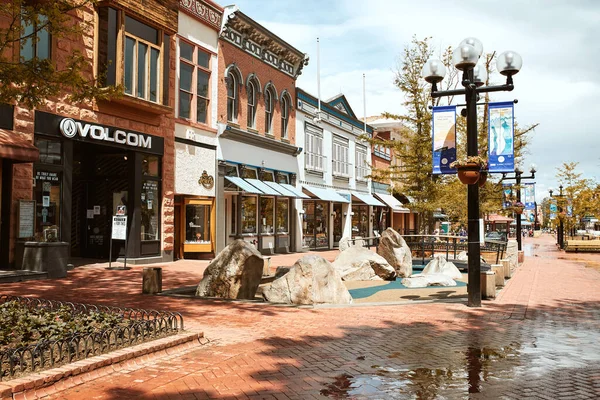
Boulder operates at an altitude that changes how everything works—your lungs, your cooking, your relationship with weather—but the adjustment brings rewards that justify the effort. The University of Colorado creates academic energy while the Rocky Mountains provide a backdrop that makes daily life feel somehow more significant than it should.
The outdoor recreation opportunities border on ridiculous. Hiking trails extend in every direction.
The Pearl Street Mall maintains its pedestrian focus while supporting local businesses that actually serve the community rather than just tourists. The town attracts people who prioritize both intellectual and physical health, creating this culture of active aging that redefines retirement expectations.
Davis, California
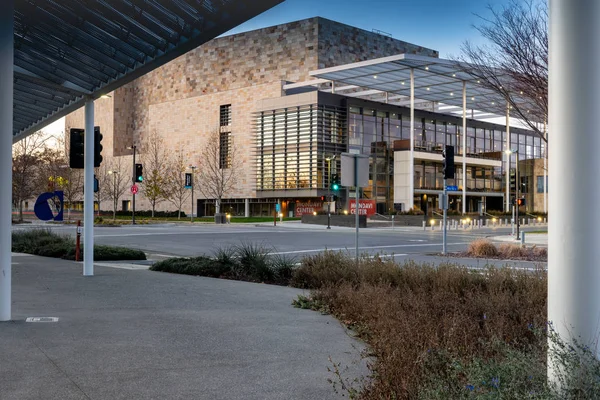
Davis takes the bike-friendly concept to logical extremes, creating a city where pedal power actually makes sense as primary transportation. UC Davis anchors the community with agricultural and veterinary programs that connect to the surrounding landscape in meaningful ways.
The result feels both academic and practical.
The farmers market operates year-round because California weather permits that kind of abundance. Downtown supports independent businesses that benefit from steady university traffic without becoming overly dependent on student spending.
The proximity to San Francisco and Sacramento provides urban access when needed, but daily life requires none of that metropolitan complexity.
Missoula, Montana
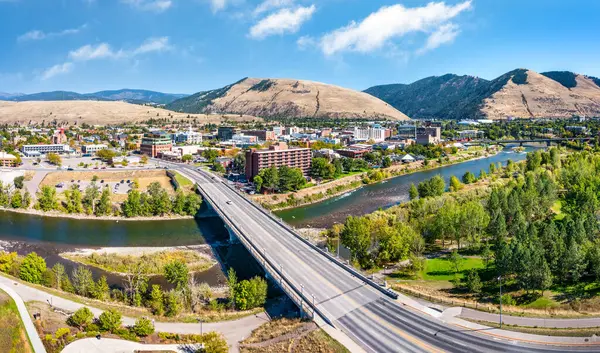
Missoula sits in a valley surrounded by mountains that change color with the seasons, and the University of Montana ensures that this natural beauty attracts people who actually notice and appreciate it rather than just taking it for granted. The town operates with the kind of genuine environmental consciousness that comes from living somewhere you can’t ignore your relationship with the landscape.
The literary scene here rivals much larger cities—independent bookstores, regular readings, and a community of writers that extends well beyond the university. Healthcare comes from facilities that serve a much larger geographic area, so the quality exceeds what you’d expect in a city this size.
And the outdoor recreation opportunities are exactly what you’d hope for in Montana: extensive, varied, and accessible right from town.
Thinking Beyond Traditional Retirement
The college towns that work best for retirement share something more valuable than amenities or cost savings—they offer the chance to remain intellectually engaged with the world. Universities create communities where learning continues throughout life, where curiosity stays sharp, and where the energy of younger generations mixes with the wisdom of experience.
That combination produces something rare in American life: places where aging feels like growth rather than decline. These towns don’t just provide a comfortable place to spend your later years; they offer the possibility that those years might be among your most interesting yet.
More from Travel Pug

- Underrated Italian Towns That Beat the Tourist Crowds
- Las Vegas Tourist Traps to Skip
- Prettiest Towns in Every US State
- 18 passport-free countries for Americans
- Signs Your Cruise Is Not Worth The Cost
Like Travel Pug’s content? Follow us on MSN.