

Modern travelers face a constant stream of changes: delayed flights, crowded trains, unexpected traffic jams, and last-minute gate switches that can derail even the most carefully planned trips. The most successful travelers now rely on apps that deliver real-time updates, often alerting them to changes before airline staff or station agents even know what’s happening. Here’s a list of travel apps that transform chaotic journeys into manageable adventures by keeping you informed every step of the way.
TripIt

TripIt organizes travel plans by automatically creating comprehensive itineraries when users forward confirmation emails to plans@tripit.com. The free version handles basic organization well enough. But the Pro version delivers the real magic.
TripIt Pro provides real-time flight status alerts, gate changes, and even walking directions through airports. And when delays hit, it’s faster than most airline notifications. Users consistently praise how the app saves them during those “what do I do next?” panic moments that strike even frequent travelers.
Flighty
— Photo by postmodernstudio
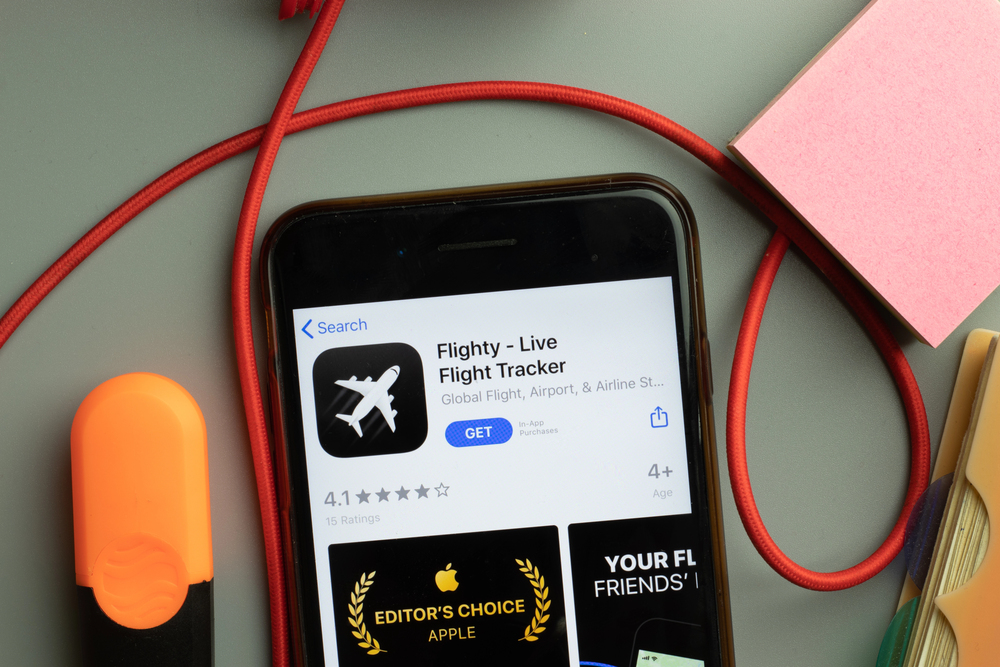
This flight tracker operates like having a crystal ball for air travel. Flighty delivers delay predictions and gate change notifications 2–90 minutes faster than most airlines, sometimes alerting passengers before pilots know about schedule changes.
Users regularly report receiving Flighty notifications about diversions and delays 30+ minutes before their airline updates anything. The app earned Apple Design Award recognition for good reason. Still, it focuses exclusively on flights, so travelers using multiple transport modes need additional apps.
FlightAware

— Photo by postmodernstudio
FlightAware offers real-time flight tracking with push notifications for departures, arrivals, cancellations, gate changes, and delays. The interface feels more technical than consumer-friendly, which appeals to aviation enthusiasts but might overwhelm casual users.
The app shines during complex travel days. One user tracked three connecting flights through weather delays and mechanical issues, making tight connections only because FlightAware kept updating faster than Delta’s own systems. Free features cover most needs, though premium options add extra functionality.
Wanderlog

Wanderlog combines trip planning with real-time collaboration, allowing friends to edit itineraries together like Google Docs while storing plans offline for international travel. The scent of fresh croissants wafting from a Parisian café won’t distract you from finding your next destination when everything’s cached locally.
The AI explore feature and automatic route optimization help travelers discover hidden gems while saving time. Premium users can export routes to Google Maps and connect Gmail accounts for seamless reservation imports.
Citymapper
— Photo by postmodernstudio
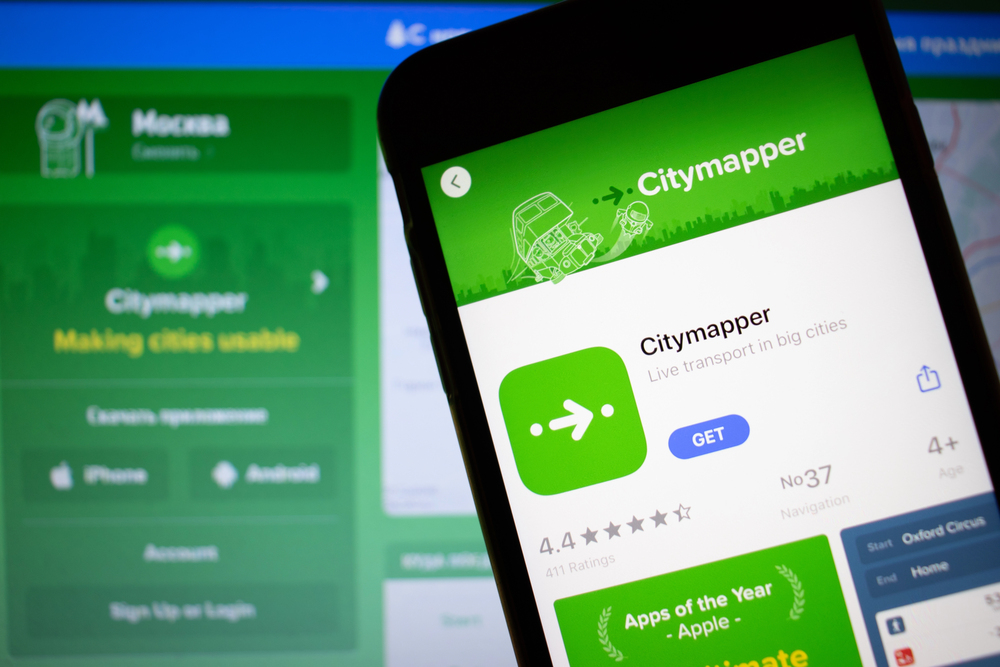
Citymapper delivers real-time comparisons across all transport modes globally, covering major cities worldwide with live transit data. The app immediately shows nearby departure times, costs, duration, and even calories burned for each route option.
But it gets playfully weird. The app includes travel time estimates by jetpack and teleportation alongside practical options. Users can also track their location dot as their chosen emoji—because why not travel as a pizza slice? The humor doesn’t diminish the serious functionality underneath.
Moovit
— Photo by wavemoviesmw
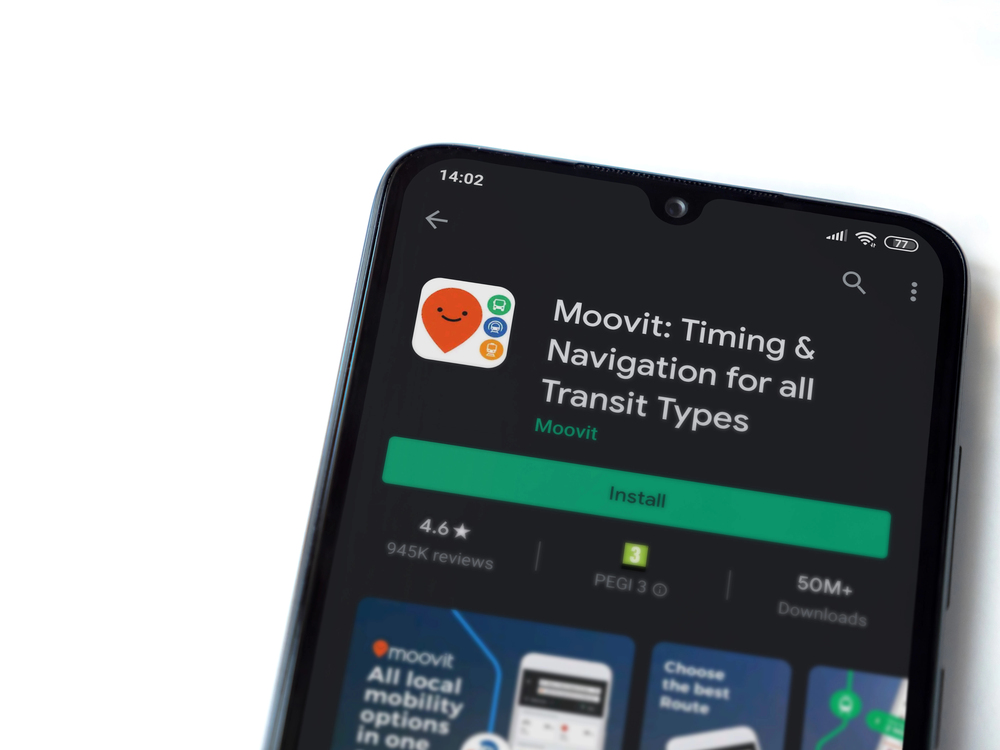
Moovit serves over 930 million users across 3,400 cities in 112+ countries, providing real-time GPS-based arrival information for buses and trains. The app particularly excels in regions where other transit apps fall short.
Features include augmented reality wayfinding to locate stops, community-powered service alerts, and seamless digital ticket purchasing in select cities. Premium subscribers receive notifications for every stop, eliminating the anxiety of missing destinations. Recent updates added intercity booking for European travel.
Transit
— Photo by postmodernstudio
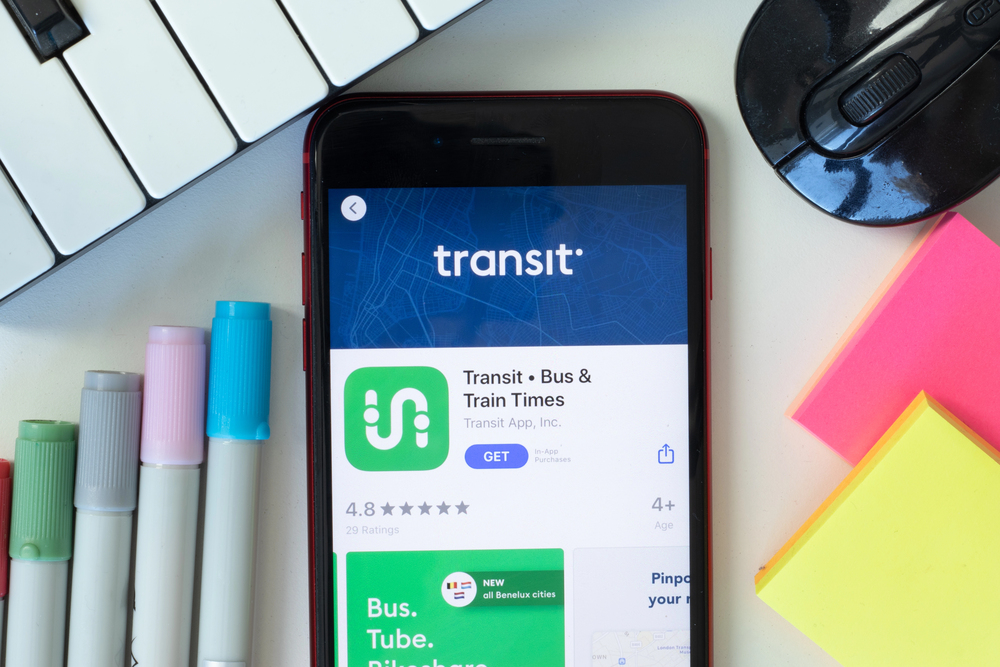
Transit immediately displays nearby lines with real-time waiting times upon opening, unlike competitors that require additional menu navigation. The interface prioritizes efficiency over complexity, making it ideal for daily commuters who know their routes.
Live Activities support in the Dynamic Island provides the perfect use case for iOS features, alerting users about approaching stops without constantly checking their phones. The app uses Apple Maps for smoother performance compared to competitors relying on Google Maps.
Rome2Rio
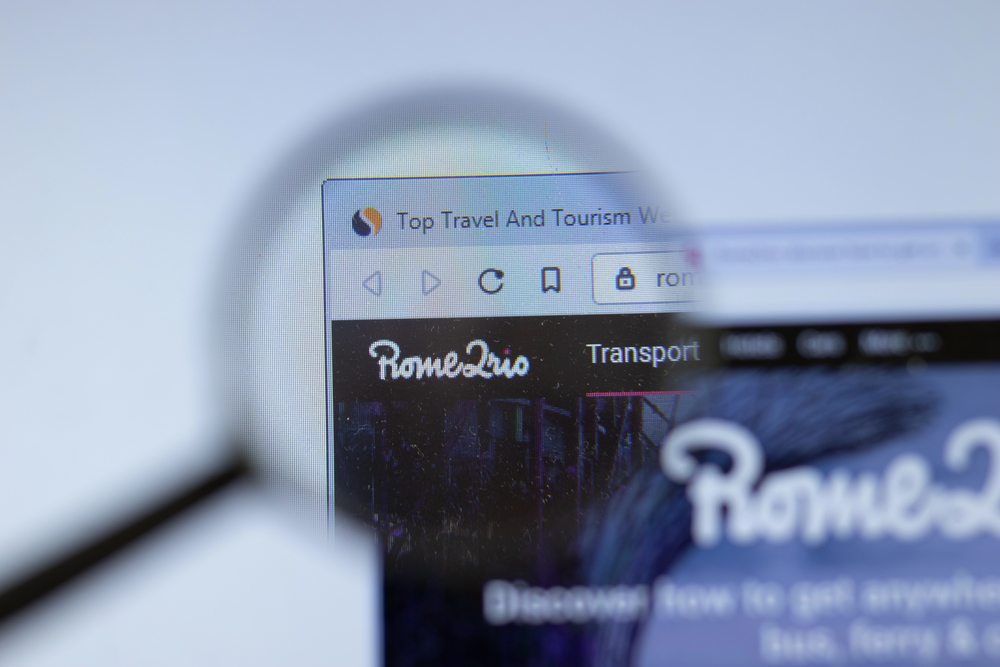
Rome2Rio compares transport options across 240 countries, showing detailed maps with travel times, costs, and distances for trains, buses, ferries, flights, and even unique options like gondolas or helicopters.
The app excels at multi-modal journey planning. Need to get from a remote village to a major airport? Rome2Rio reveals combinations most travelers never consider. The interface could use refinement, but the comprehensive coverage makes it invaluable for adventurous travelers exploring less common routes.
Sygic GPS navigation
— Photo by opturadesign
Sygic provides real-time traffic information with automatic rerouting suggestions and real-time route sharing that updates your location and arrival time for people tracking your journey. The offline maps are stored locally, ensuring navigation works without internet connections.
Premium features include voice guidance and 3D maps from TomTom. However, users frequently complain about limited landmark databases, making address-based navigation essential. The graphics impress, but practical usability varies by region.
Google Maps
— Photo by dennizn
Everyone knows Google Maps for driving directions. For travel planning, it offers route optimization, real-time traffic updates, and the ability to save locations with custom labels like “The hotel” or “The basilica.” Less obvious but equally useful: it buzzes your phone when approaching your destination stop on public transit.
The app covers most global destinations with decent accuracy. Google Maps provides extensive bus, train, and ferry information in over 200 cities worldwide. Not perfect everywhere, but reliable enough for most travel situations.
Roadtrippers
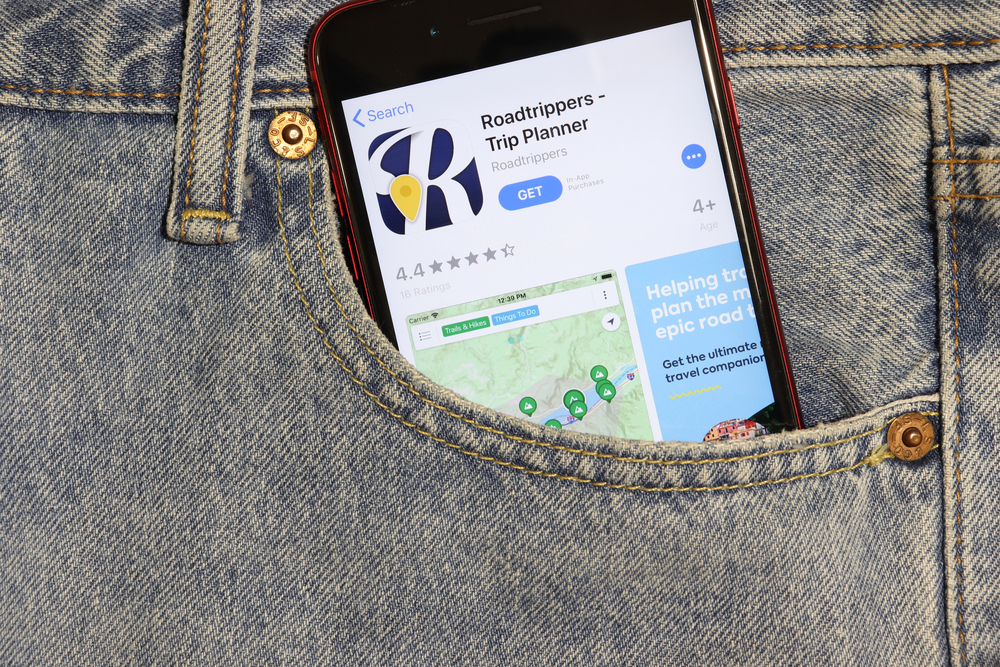
Roadtrippers specializes in road trip planning, providing route optimization, gas station locations, and lodging options to ensure travelers never drive too long in one stretch. The app suggests scenic viewpoints and overnight stops based on driving preferences.
Perfect for American road trips where interstate planning matters. The interface feels designed for desktop use, making mobile navigation somewhat clunky. Still, the comprehensive route database and Points of Interest make it worthwhile for dedicated road warriors.
Mindtrip
AI travel tools are evolving beyond basic itinerary creation, with apps like Mindtrip leading the charge by linking AI planning directly to booking capabilities. These new iterations provide personalized, real-time services drawing information from multiple sources.
The technology shows promise but remains inconsistent. Some recommendations prove outdated or inaccurate, requiring verification through official sources. Consider it a sophisticated starting point rather than a complete solution.
TripCase
— Photo by postmodernstudio
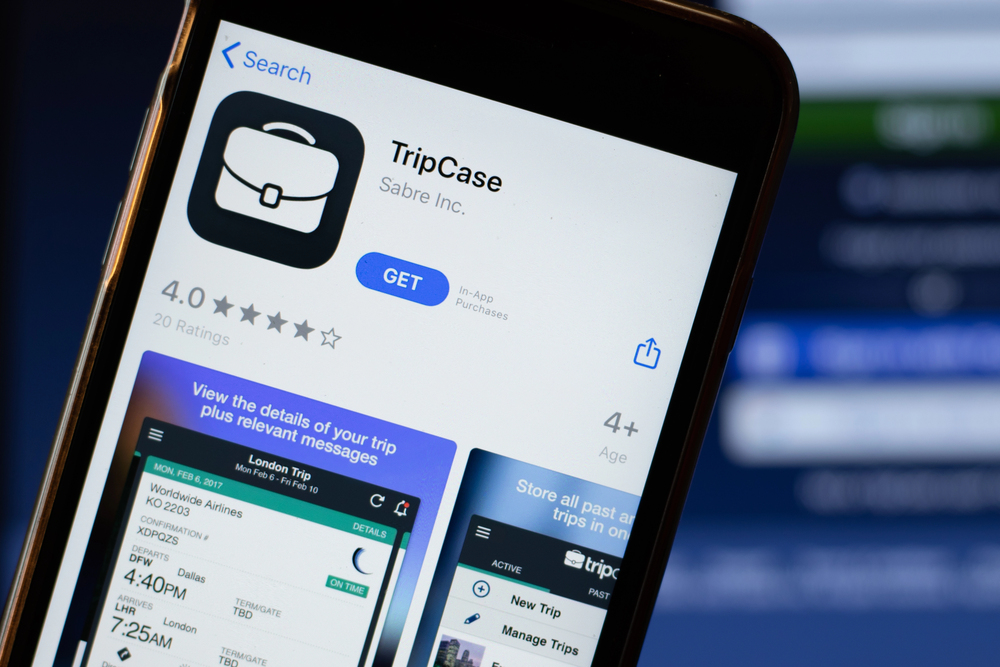
TripCase centralizes travel details including flights, hotels, and car rentals, while providing real-time flight alerts for delays, cancellations, and gate changes. The app also offers nearby restaurant and attraction recommendations based on the current location.
Document storage features let travelers maintain digital copies of passports, visas, and insurance policies. The interface feels more corporate than consumer-focused, reflecting its business travel origins. Functionality works well, but user experience lags behind newer competitors.
Hopper

— Photo by postmodernstudio
Hopper predicts airfares up to one year in advance with 95% accuracy, analyzing billions of flight prices daily to recommend optimal booking timing. Color-coded calendars display cheapest and most expensive travel dates instantly.
Beyond price tracking, recent updates added hotel booking and car rental options. The app includes 24/7 customer support and a rewards system called Carrot Cash for earning in-app currency. The prediction algorithms work remarkably well, though they can’t account for sudden market disruptions.
TripBot

TripBot functions as a pocket-sized AI travel assistant providing real-time guidance throughout journeys, from initial planning to on-the-ground destination support. The platform learns user preferences through casual conversation rather than overwhelming forms.
The technology impresses with contextual recommendations that improve over time. However, like most AI travel tools, it occasionally provides outdated information or unrealistic suggestions. Best used alongside traditional planning methods for comprehensive coverage.
Taking control of travel chaos
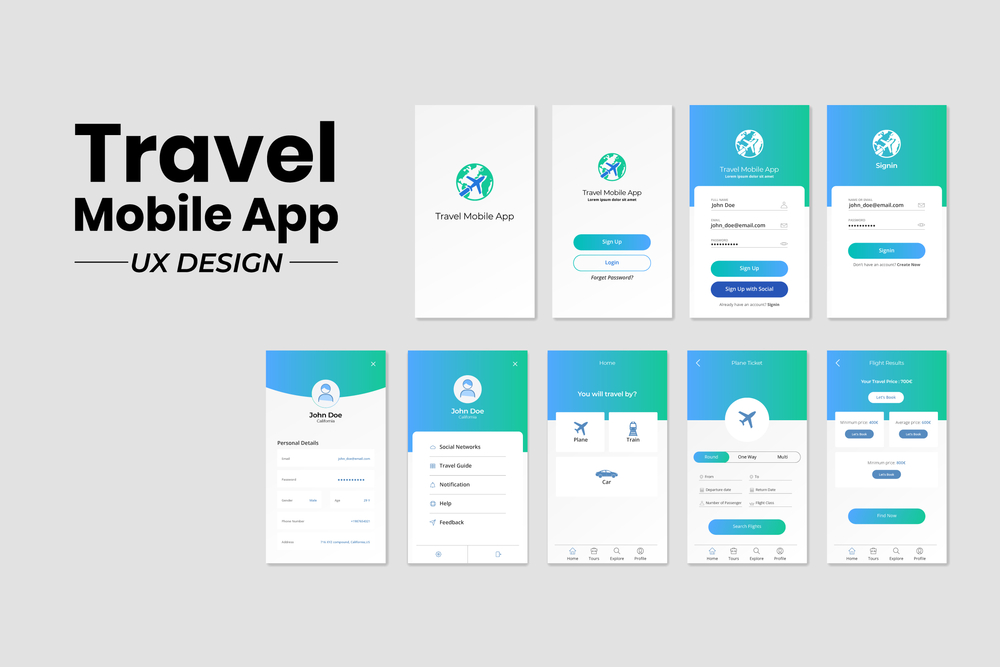
Real-time tracking tools revolutionize travel by delivering transparency and empowering passengers to rebook flights, adjust hotel plans, and minimize worries before reaching gates or terminals. The combination of instant notifications and comprehensive options transforms unpredictable journeys into manageable adventures. Download a few that match your travel style, and those inevitable delays become opportunities for better experiences.
More from Travel Pug

- 20 Best Beach Towns in the Carolinas
- 13 Destinations Where Tourists Regularly Regret Their Trip
- 20 Things You Actually Get in First Class
- 20 Small Airports With Aviation Museums
- 20 Places in the U.S. That Are Perfect for a Reset Trip
Like Travel Pug’s content? Follow us on MSN.