

Jet lag no longer has to spoil your holiday or business trip. Though your body clock may seem as though it’s wedged in a prior time zone, intelligent travelers have learned techniques that align their bodies with foreign locations quicker than ever. These are not old wives’ tales or mere hope — these are science-supported techniques that harmonize with your circadian rhythms rather than combat them. Certain methods begin getting you adjusted days before you even pack your bags.
The following is a list of 20 travel habits that will enable you to overcome jet lag and arrive refreshed rather than tired. Every method addresses different facets of how your body adapts to different time zones.
Start shifting three days early

Your body clock begins adjusting to new time zones long before you board the plane. Sleep researchers recommend gradually shifting your bedtime and wake time by 15-30 minutes each day, starting three days before departure. If you’re traveling east, go to bed slightly earlier each night — traveling west means staying up a bit later.
Use light as your secret weapon

Light exposure controls your circadian rhythms more powerfully than any supplement or trick. Get bright sunlight in your eyes during the morning hours of your destination time zone, even while you’re still at home. Apps like Timeshifter calculate exactly when to seek or avoid light based on your specific flight details.
Time your last big meal perfectly

Your digestive system has its own internal clock that responds to the timing of meals. Eat your final large meal 12–16 hours before you want to wake up at your destination. This “fasting reset” helps reprogram your body’s natural rhythms — think of it as hitting the reset button on your biological clock.
Master the airplane bathroom strategy
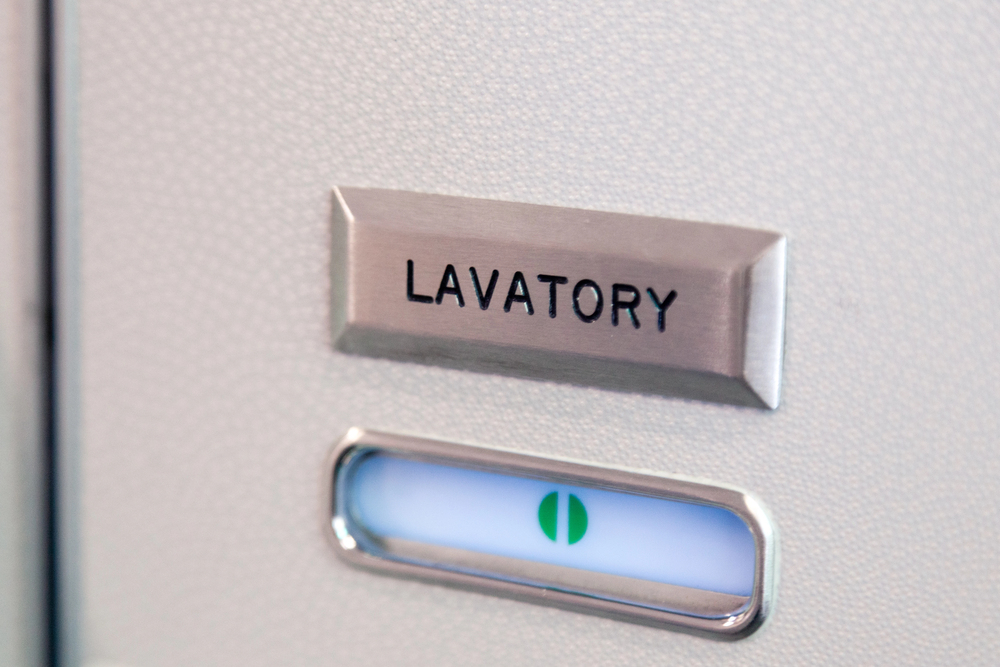
Airplane bathrooms become your circadian rhythm control center during long flights. Set your watch to destination time immediately after takeoff, then use bathroom breaks to splash cold water on your face and look in the mirror while repeating the new time. This simple ritual helps your brain start accepting the time change.
Hydrate like a professional athlete

Dehydration increases jet lag effects and causes your body to do extra work to adapt. Consume 8 ounces of water per hour of flight, beginning 24 hours prior to flying. Avoid booze and confine caffeine to the amount equivalent to one cup of coffee — both disrupt quality sleep and normal hydration.
Pack melatonin with surgical precision

Melatonin works best when timed perfectly, not just taken randomly. Take 0.5-3 mg exactly 30 minutes before your target bedtime at your destination — but only after sunset in the new time zone. Taking it at the wrong time can actually worsen jet lag by confusing your circadian signals.
Claim your airplane window seat strategically
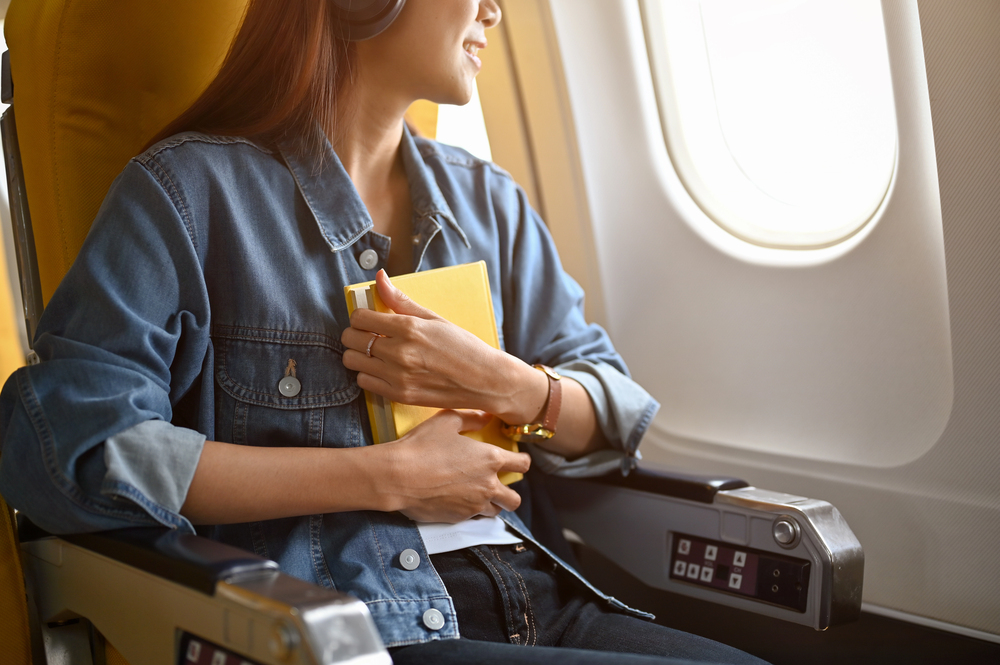
Window seats aren’t just for the view — they’re for light control. If you’re flying during what should be nighttime at your destination, keep the window shade closed and wear an eye mask. During destination daytime hours, open that shade wide and let natural light flood your eyes.
Exercise at your destination in the morning time

Physical activity during your destination’s morning hours — even while you’re still at home — helps reset your internal clock. A 20-minute walk or light workout tricks your body into thinking it’s starting a new day in the new time zone.
Download the right apps before you fly

Jet lag apps like Timeshifter and Entrain use algorithms based on mathematical models of circadian rhythms. Input your flight details and current sleep schedule, then follow their personalized recommendations for light exposure, caffeine, and melatonin timing. These aren’t just basic calculators — they’re based on NASA research.
Manipulate your cabin environment ruthlessly
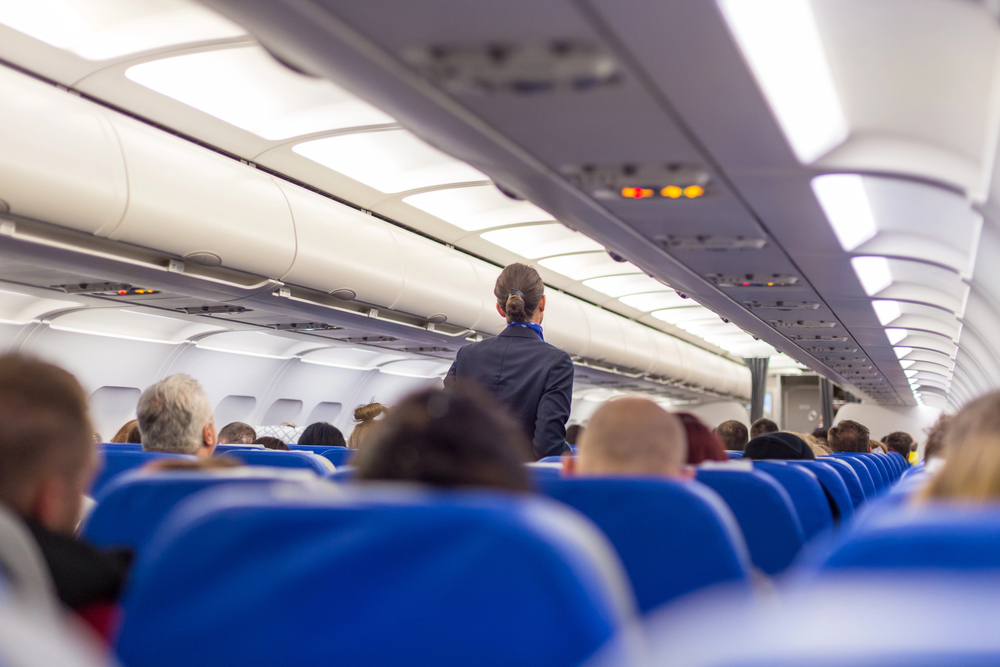
Airplane cabins are hostile to good sleep, but you can fight back with the right gear. Noise-canceling headphones, an eye mask, and a neck pillow create an artificial sleep environment. Adjust your air vent to blow cool air on your face — slightly cooler temperatures promote deeper sleep.
Eat breakfast at destination time

Your first meal in the new time zone should happen when locals eat breakfast, regardless of how your stomach feels. This sends powerful signals to your digestive system’s internal clock. Even if you’re not hungry, try to eat something substantial — your appetite will catch up within a day or two.
Use the two-day rule religiously

Your body needs roughly one day to adjust for every time zone you cross, but the first two days are crucial. Plan absolutely nothing demanding during this period — no important meetings, challenging activities, or late nights out. Think of these 48 hours as an investment in feeling human again.
Control your hotel room lighting

Hotel rooms rarely have ideal lighting for circadian adjustment, so take control. Request a room facing east, then open curtains wide during destination morning hours. In the evening, dim all lights at least two hours before your target bedtime — most hotel lamps are far too bright for proper sleep preparation.
Take strategic naps like a ninja

Napping can either save you or sabotage your adjustment — timing makes all the difference. If you must nap upon arrival, limit it to exactly 20 minutes and do it before 3 PM local time. Set multiple alarms because jet-lagged sleep feels deeper than normal, making it dangerously easy to oversleep.
Socialize during local daytime hours

Human interaction and social cues help reset your biological clock through a process scientists call “social zeitgebers.” Even if you feel like hiding in your hotel room, force yourself to interact with locals during their normal daytime hours. Coffee shops, markets, and tourist areas provide natural social exposure.
Use caffeine as precision medicine

Caffeine becomes a powerful tool when used strategically rather than desperately. Consume it only during your destination’s morning and early afternoon hours, stopping at least 8 hours before your target bedtime. This creates a natural energy peak when you need alertness and prevents it from interfering with crucial sleep.
Master the arrival day walk

A 30-minute outdoor walk within 2 hours of landing works better than any energy drink. Natural light exposure combined with gentle movement sends multiple adjustment signals to your brain and body. Walk in whatever direction gives you the most sunlight — parks, waterfronts, and open streets work perfectly.
Plan your first night carefully

The quality of your first night’s sleep determines how quickly you’ll adjust overall. Create a perfect sleep environment: cool room temperature around 65-68°F, complete darkness, and white noise if needed. Avoid screens for 2 hours before bed, and resist the urge to “just check email quickly.”
Use temperature as a hidden tool
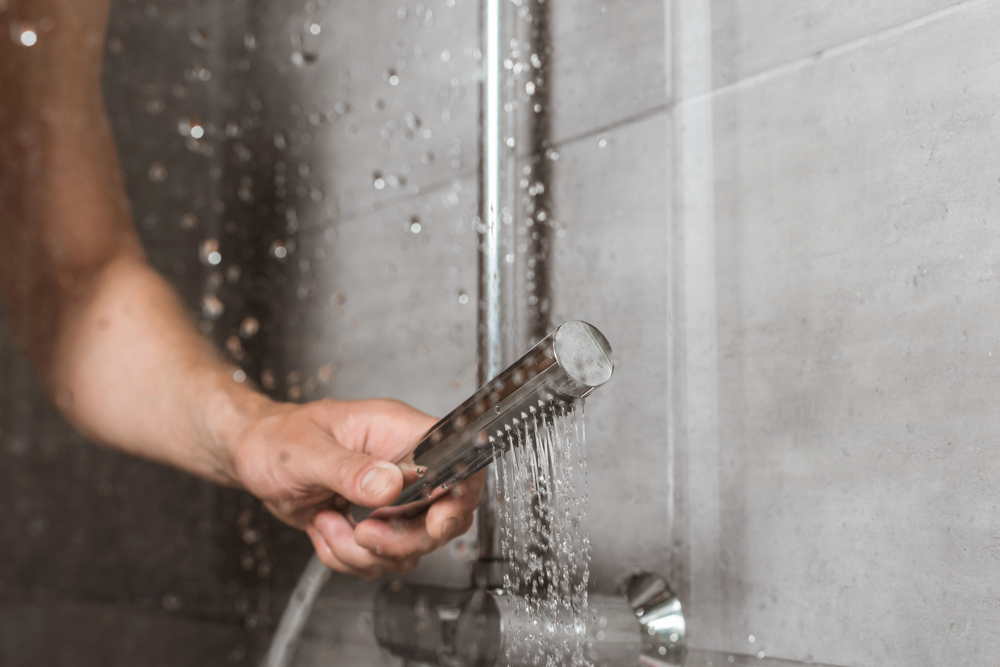
Your body temperature naturally drops when it’s time to sleep, so that you can hack this process. Take a warm shower 90 minutes before your target bedtime — as your body cools down afterward, it triggers natural sleepiness. Keep your room cool, but wear warm socks to help blood circulation.
Build consistency from day one
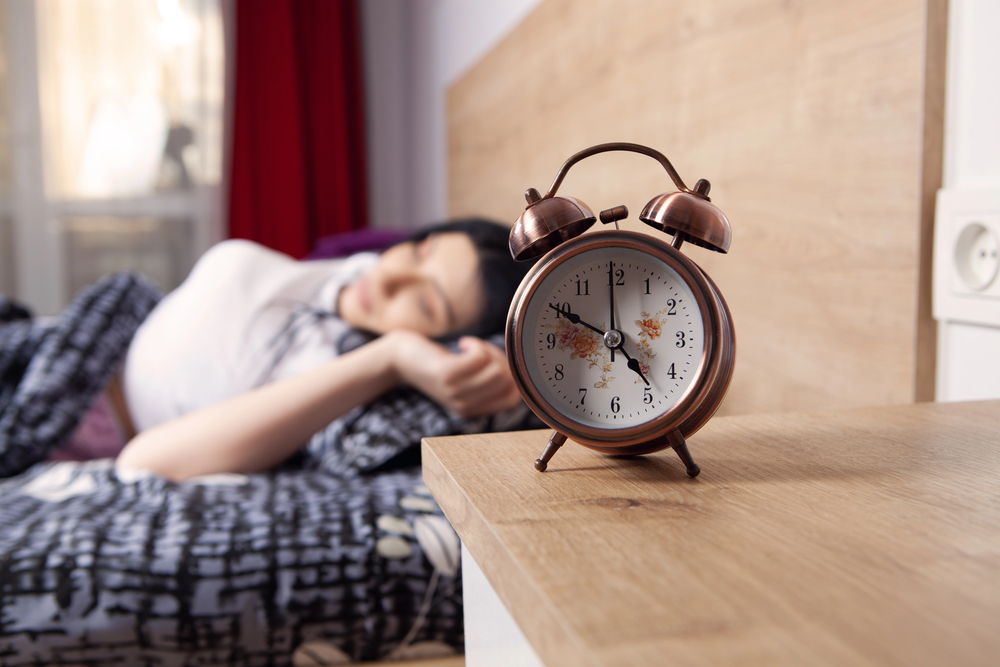
Your success depends on maintaining the same sleep and wake times every single day at your destination, even on weekends. This consistency reinforces your new rhythm faster than any other strategy. Set the same alarm every morning and resist the temptation to sleep in “just this once” — that one deviation can reset your progress.
The rhythm revolution continues

These travel habits are a paradigm shift in the way we approach jet lag — from an unavoidable occurrence to one we can deliberately manage. Although crossing time zones will always fight against our biology, travelers who learn these methods usually report feeling more alert when they arrive in a new place than when they’re home.
The secret is to use your body’s systems, not combat them, making the science of circadian rhythms your own travel secret. The more research that comes out on our internal clocks, the more these evidence-based approaches keep demonstrating that jet lag no longer needs to be our passport price to the rest of the world.
More from Travel Pug

- 20 Best Beach Towns in the Carolinas
- 13 Destinations Where Tourists Regularly Regret Their Trip
- 20 Things You Actually Get in First Class
- 20 Small Airports With Aviation Museums
- 20 Places in the U.S. That Are Perfect for a Reset Trip
Like Travel Pug’s content? Follow us on MSN.