

The Mediterranean isn’t short on islands, but some stand out for reasons that go beyond the usual beach-and-sunset formula. These places offer something different—whether it’s dramatic geology, unusual history, or a vibe that feels worlds away from the typical tourist circuit.
They’re not necessarily remote or undiscovered, but they each have a character that makes them worth singling out.
Here’s a list of 15 unique island escapes in the Mediterranean that offer more than just pretty coastlines.
Gozo, Malta

Gozo sits just a few miles from Malta but feels like it exists in a different era. The island moves at a slower pace, with farmland, limestone cliffs, and villages that haven’t been swallowed by resorts.
The Azure Window collapsed in 2017, but Gozo still has the Ggantija Temples, which predate Stonehenge by about a thousand years. The island’s also known for its diving sites, particularly around the Inland Sea and Blue Hole, where underwater caves and tunnels create a labyrinth beneath the surface.
It’s a place where you can hike along coastal paths in the morning and explore Neolithic ruins by afternoon without bumping into crowds at every turn.
Vis, Croatia

Vis was a military base for decades, closed off to tourists until 1989, which meant it avoided the development boom that transformed much of Croatia’s coast. The island retains a quieter, more authentic feel, with stone villages, vineyards, and beaches that aren’t lined with beach clubs.
The Blue Cave on nearby Biševo island draws visitors, but Vis itself has plenty to explore—ancient Greek ruins at Issa, abandoned military tunnels, and Stiniva Cove, a dramatic pebble beach wedged between towering cliffs. The island also played a role in World War II as Tito’s partisan headquarters, and you can still visit some of the underground bunkers.
It’s one of the few Adriatic islands that still feels like it belongs to locals first.
Pantelleria, Italy

Pantelleria is closer to Tunisia than Sicily, and the landscape reflects that—volcanic, windswept, and dotted with low-slung stone houses called dammusi. The island doesn’t have sandy beaches, but it compensates with natural hot springs, including a coastal cave where warm water mixes with the sea.
The terrain is rugged, shaped by ancient lava flows, and the local agriculture revolves around capers and sweet Passito wine, both grown in the island’s volcanic soil. Pantelleria attracts a specific kind of traveler—the type who values isolation over convenience and doesn’t mind that getting here requires a bit more effort.
It’s not conventionally pretty, but it has a stark, elemental beauty that grows on you.
Folegandros, Greece

Folegandros is part of the Cyclades but doesn’t get the same attention as Santorini or Mykonos, which works in its favor. The main town, Chora, perches on a cliff 650 feet above the sea, with narrow streets, whitewashed houses, and a medieval kastro that dates back to the 13th century.
The island’s beaches are small and pebbly, accessible mostly by foot or boat, which keeps the crowds manageable. Hiking is one of the main activities here—trails wind along the coast and up to the Church of Panagia, which offers sweeping views of the Aegean.
Folegandros feels more lived-in than postcard-perfect, and that’s part of its appeal. It’s a place where you can wander for hours and rarely see another tourist.
Corsica, France

Corsica has a strong identity separate from mainland France, with its own language, cuisine, and a rugged interior that makes it feel more like a mountain range that happens to be surrounded by water. The island’s coastline is stunning—think granite cliffs, hidden coves, and beaches with water so clear it looks artificial.
Inland, the GR20 trail is considered one of Europe’s toughest long-distance hikes, cutting through wild terrain and mountain villages. Corsica also has a history of resistance and independence movements, which gives the island a distinct cultural edge.
The food here leans heavily on charcuterie, chestnut flour, and strong cheeses, and the local wine is nothing like what you’d find in Provence. It’s an island that rewards exploration beyond the beach.
Hydra, Greece

Hydra bans cars and motorcycles, which immediately sets it apart. Donkeys and water taxis handle transportation, and the result is an island that feels stuck in a more civilized version of the past.
The main town rises in tiers from the harbor, with stone mansions built by wealthy shipping families in the 18th and 19th centuries. Artists and writers have long been drawn to Hydra—Leonard Cohen lived here for years—and the island still has a creative, bohemian edge.
There are no sandy beaches, just rocky swimming spots and a few small pebble coves, but the lack of typical beach infrastructure keeps things low-key. Hydra works best as a place to slow down, walk the coastal paths, and sit in harborside cafes watching the ferries come and go.
Salina, Italy

Salina is one of the Aeolian Islands, a volcanic archipelago off Sicily’s north coast, and it stands out for being greener and more agricultural than its neighbors. The island produces Malvasia wine and is known for its capers, which grow wild on the hillsides.
Two extinct volcanoes dominate the landscape, and hiking trails lead to viewpoints overlooking the surrounding islands, including Stromboli, which is still active. The beaches here are mostly black sand, a reminder of the volcanic origins, and the villages—Santa Marina, Malfa, Leni—have a sleepy, unhurried vibe.
Salina also served as a filming location for Il Postino, and the island’s combination of natural beauty and Italian slowness makes it easy to see why. It’s less touristy than nearby Lipari but just as compelling.
Symi, Greece

Symi’s harbor is one of the most striking in Greece, lined with neoclassical houses painted in shades of ochre, terracotta, and cream. The island was once a prosperous sponge-diving center, and the wealth from that era is visible in the architecture.
The town climbs steeply from the waterfront, connected by hundreds of stone steps, and the upper village, Chorio, offers a quieter, more traditional atmosphere. Beyond the harbor, Symi is surprisingly barren, with rocky hills and small, secluded beaches accessible mostly by boat.
The Panormitis Monastery, located in a sheltered bay on the island’s southern tip, is a major pilgrimage site and worth visiting for its Byzantine frescoes and peaceful setting. Symi doesn’t have the nightlife or resort infrastructure of larger islands, which is exactly the point for most visitors.
Elba, Italy

Elba is best known as Napoleon’s place of exile, but the island has a lot more going on than historical footnotes. It’s the largest island in the Tuscan Archipelago, with a landscape that ranges from sandy beaches on the south coast to rugged cliffs and chestnut forests in the interior.
The island has a long mining history, and you can still visit old iron ore sites at places like Capoliveri. The beaches are varied—some sandy, some pebbly, some backed by pine forests—and the coastal roads offer views across to mainland Italy.
Elba also has decent wine production, particularly around the town of Portoferraio, and the island’s seafood-heavy cuisine reflects its fishing traditions. It’s a solid all-around destination that doesn’t rely on a single draw.
Milos, Greece

Milos has a volcanic landscape that’s created some of the most unusual beaches in the Cyclades. Sarakiniko, with its lunar-like white rock formations, looks more like a sci-fi set than a beach.
The island also has Kleftiko, a series of sea caves and rock arches accessible by boat, and colorful fishing villages like Klima, where houses are built directly into the cliffs with boat garages at water level. Milos was once a major obsidian source in the ancient world, and the island still has remnants of its mining past.
The island is less developed than neighboring Santorini, with fewer crowds and a more laid-back atmosphere. It’s a place where geology takes center stage, and the variety of beaches—red, white, black—keeps things visually interesting.
Favignana, Italy

Favignana is the largest of the Egadi Islands, just off Sicily’s west coast, and it’s built around a history of tuna fishing. The island’s old tuna processing plant, the Tonnara Florio, has been converted into a museum that documents the mattanza, the traditional tuna harvest that once defined the island’s economy.
The island itself is flat and easy to explore by bike, with a coastline full of coves and clear water. Cala Rossa and Cala Azzurra are the standout swimming spots, though they can get crowded in summer.
Favignana has a sleepy, end-of-the-line feel, especially outside peak season, and the lack of major development keeps it grounded in its fishing village roots. It’s a day trip for many, but staying overnight lets you experience the island after the ferries leave.
Menorca, Spain

Menorca is often overshadowed by Mallorca and Ibiza, but it’s arguably the most appealing of the Balearic Islands if you’re not looking for nightlife. The island has over 120 miles of coastline, with beaches that range from long sandy stretches to hidden calas (coves) surrounded by pine forests.
Menorca also has a significant number of prehistoric sites, including the taulas and talayots—ancient stone structures that date back thousands of years. The island’s capital, Mahón, has one of the deepest natural harbors in the world and a laid-back, almost provincial atmosphere.
Menorca is a UNESCO Biosphere Reserve, which has helped protect it from overdevelopment, and the result is an island that feels more natural and less constructed than many Mediterranean destinations.
Kastellorizo, Greece

Kastellorizo is a tiny island—just three square miles—located closer to Turkey than to the rest of Greece. It’s remote, quiet, and has a single town with a horseshoe-shaped harbor lined with brightly painted houses.
The island’s main attraction is the Blue Cave, a sea grotto where sunlight creates an electric blue glow on the water. Kastellorizo’s population has dwindled over the decades, and the island has a slightly melancholic, forgotten feel, though tourism has picked up in recent years thanks in part to the film Mediterraneo.
There’s not much to do here beyond swimming, eating seafood, and soaking in the stillness, which is exactly why some people love it. It’s the kind of place where doing nothing feels like the right plan.
Procida, Italy

Procida is the smallest inhabited island in the Bay of Naples, and it’s remained quieter and more authentic than Capri or Ischia. The island’s pastel-colored houses, piled on top of each other along the waterfront, give it a postcard look, but Procida still functions as a working fishing community.
The beaches are small and pebbly, and the island’s interior is a mix of lemon groves and narrow lanes that wind between villages. Procida was named Italy’s Capital of Culture in 2022, which brought some attention, but it hasn’t been overrun.
The island has a slower, more grounded vibe than its flashier neighbors, and the lack of major tourist infrastructure means it still feels like a place where locals outnumber visitors.
Ithaca, Greece
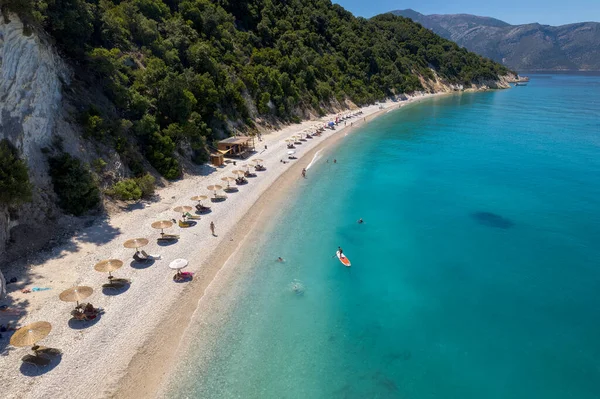
Known as the legendary homeland of Odysseus, its mythical status remains uncertain – yet the island carries an enduring atmosphere suited to such tales. Green slopes rise among olive orchards and tall cypresses, shaping a terrain bordered by quiet coves and stony shores.
At the tip of a long, narrow bay lies Vathy, the chief settlement, where paths climb into highland hamlets alongside remnants of older times. Absence of large excavations or tourist developments means fewer visitors arrive here.
Instead, stillness lingers along winding routes above the sea. Away from crowds, paths wind through rocky shores where one might pause to swim.
Stillness settles near hidden inlets, offering moments without hurry. Though tales link the land to ancient poetry, its true character needs no legend.
Simplicity defines the air here, where time moves softer, quieter – belonging only to itself.
A different kind of escape
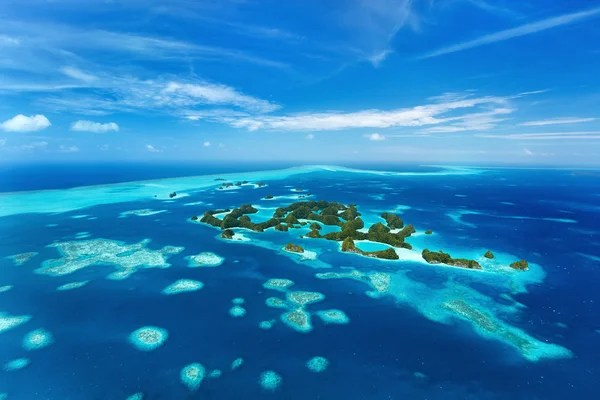
Far from uniform coastlines, these islands stand apart. Not every destination here follows the expected pattern of sunbeds and sameness.
History stretches back beyond national lines on some shores. Volcanic forces, along with centuries of wind, carve terrain unlike any mainland stretch.
A different pace takes hold where signals fade and routines loosen. Access may require effort; such difficulty often shields authenticity.
Recognition rarely measures worth when silence speaks louder than crowds. Belonging rests not in popularity but in presence – where place remains answerable only to itself.
More from Travel Pug

- Underrated Italian Towns That Beat the Tourist Crowds
- Las Vegas Tourist Traps to Skip
- Prettiest Towns in Every US State
- 18 passport-free countries for Americans
- Signs Your Cruise Is Not Worth The Cost
Like Travel Pug’s content? Follow us on MSN.