

America’s segregation history remains uncomfortably recent, with many people alive today who attended segregated schools or drank from separate water fountains marked by race. These sites across the country preserve that painful history not to celebrate it but to ensure future generations understand what happened and why fighting for equality required such courage.
Walking through these museums and historic locations forces you to confront the systematic oppression that shaped American society for generations and continues to influence patterns of inequality today. Here is a list of 14 US sites preserving segregation history.
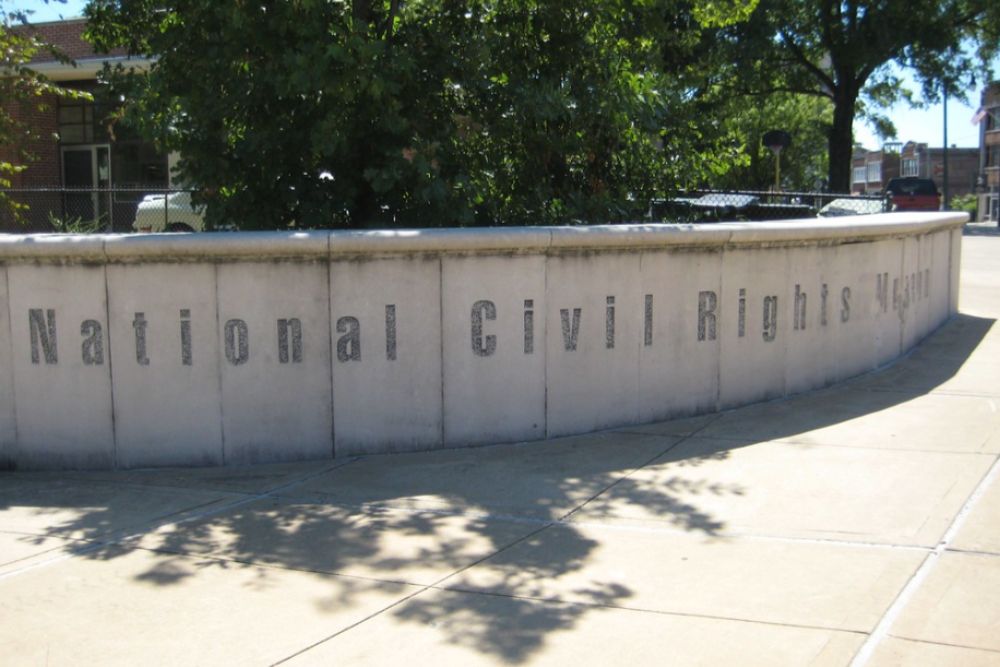
National Civil Rights Museum
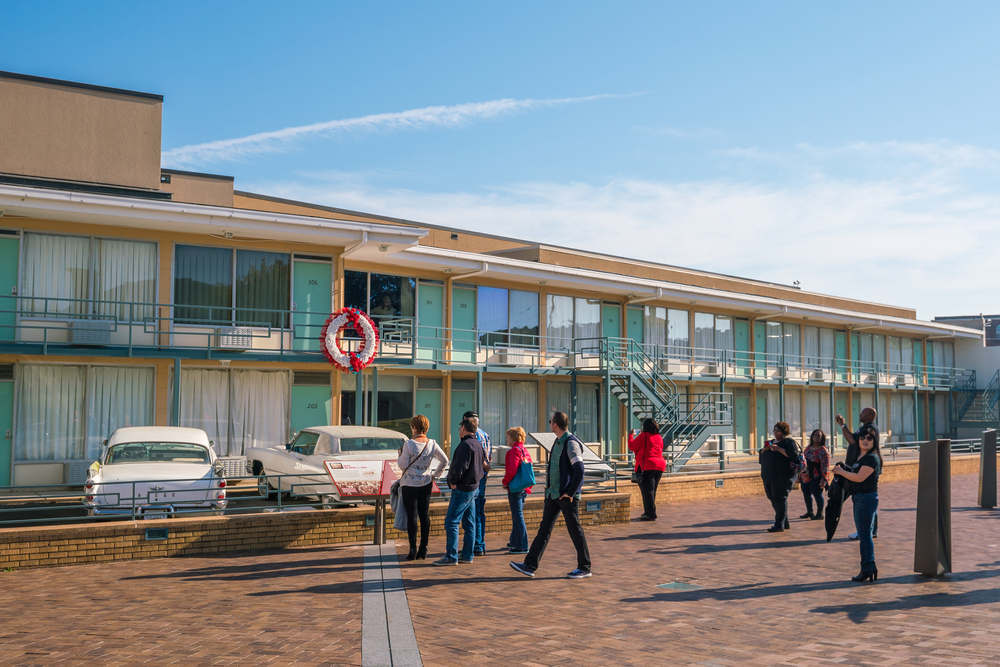
Built around the Lorraine Motel in Memphis, where Martin Luther King Jr. was murdered in 1968, this museum chronicles the entire civil rights movement through powerful exhibits. The preserved motel rooms where King stayed create an intensely emotional connection to his final moments, while exhibits trace the struggle from slavery through Jim Crow to modern civil rights challenges.
The building across the street where James Earl Ray fired the fatal shot also forms part of the museum, giving visitors a complete picture of the circumstances.
Brown v Board of Education National Historic Site
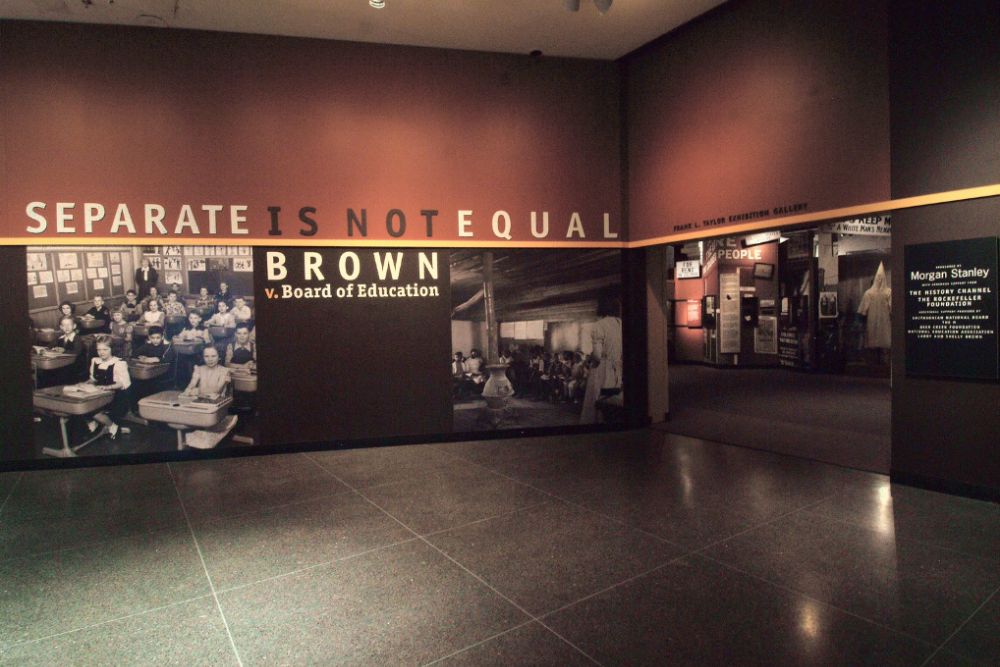
Located in Topeka’s former Monroe Elementary School, this site commemorates the landmark 1954 Supreme Court decision that declared school segregation unconstitutional. The restored segregated school now serves as an interpretive center explaining how thirteen African American families challenged the school board by attempting to enroll their children in white schools.
The exhibits show both the legal battle and the slow, often violent resistance to integration that followed the ruling.
Birmingham Civil Rights Institute
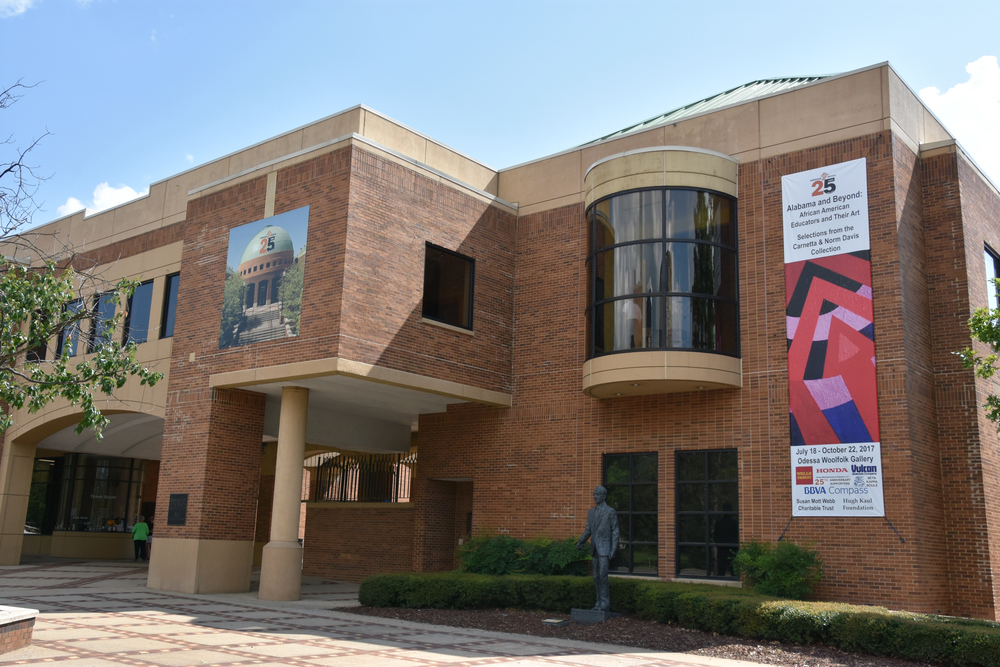
This museum sits in the heart of Birmingham’s Civil Rights District, documenting one of the most pivotal chapters in the movement. Exhibits recreate segregated spaces, including separate water fountains and lunch counters, showing visitors the daily humiliation African Americans faced under Jim Crow laws.
The institute pays particular attention to the Birmingham campaign of 1963 and the church bombing that killed four girls, events that helped turn national opinion against segregation.
The Legacy Museum
Built on the site of a former warehouse where enslaved people were imprisoned in Montgomery, this museum connects slavery directly to modern mass incarceration. The exhibits trace an unbroken line from enslavement through lynching, segregation, and into contemporary injustices facing African American communities.
First-person narratives, videos, and interactive displays create an unflinching look at how racial oppression evolved but never disappeared.
Little Rock Central High School National Historic Site
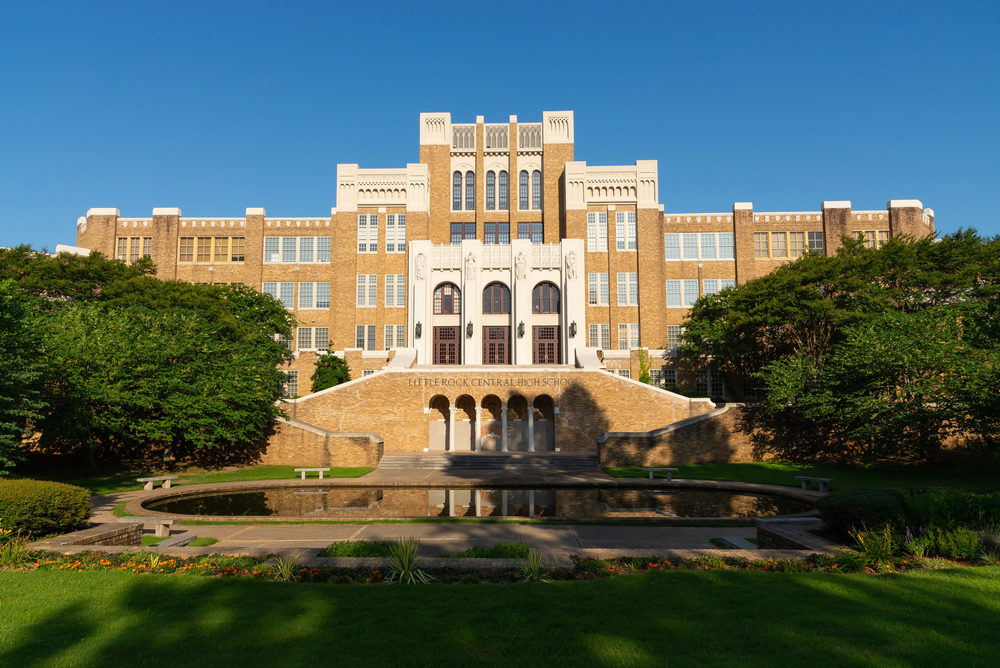
In 1957, nine African American students integrated this previously all-white high school, facing violent mobs and requiring federal troops for protection. The visitor center across from the still-functioning school explains the crisis and the courage of the Little Rock Nine who persevered despite threats and harassment.
Standing outside the massive school building helps you understand the intimidation these teenagers faced when walking past angry crowds just to attend class.
Rosa Parks Museum
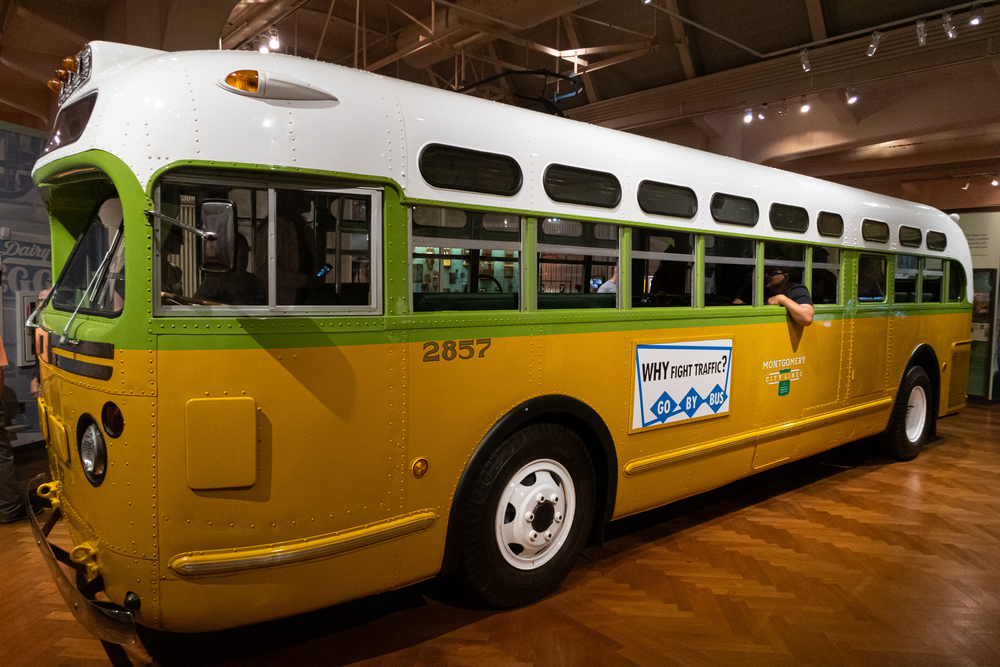
Located in Montgomery at the site where Rosa Parks was arrested for refusing to give up her bus seat, this museum tells the story of the Montgomery bus boycott that followed. Interactive exhibits let you experience segregated bus seating and learn how the African American community organized a year-long boycott that significantly disrupted the bus system.
The museum connects Parks to the broader movement, showing how one act of defiance sparked coordinated resistance.
International Civil Rights Center and Museum
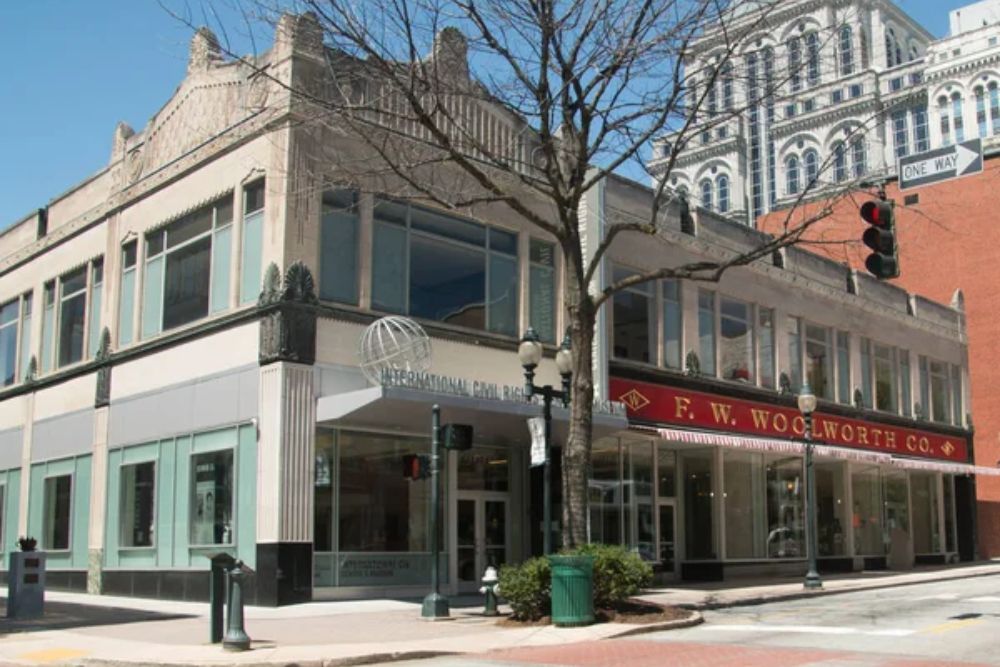
Housed in the Greensboro Woolworth building, where four college students staged a sit-in at the whites-only lunch counter in 1960, this museum preserves the actual counter and stools. The immersive exhibits include audio that recreates the verbal abuse and physical threats protesters faced during sit-ins.
This building represents how young people willing to endure violence and arrest challenged segregation through nonviolent direct action.
National Memorial for Peace and Justice
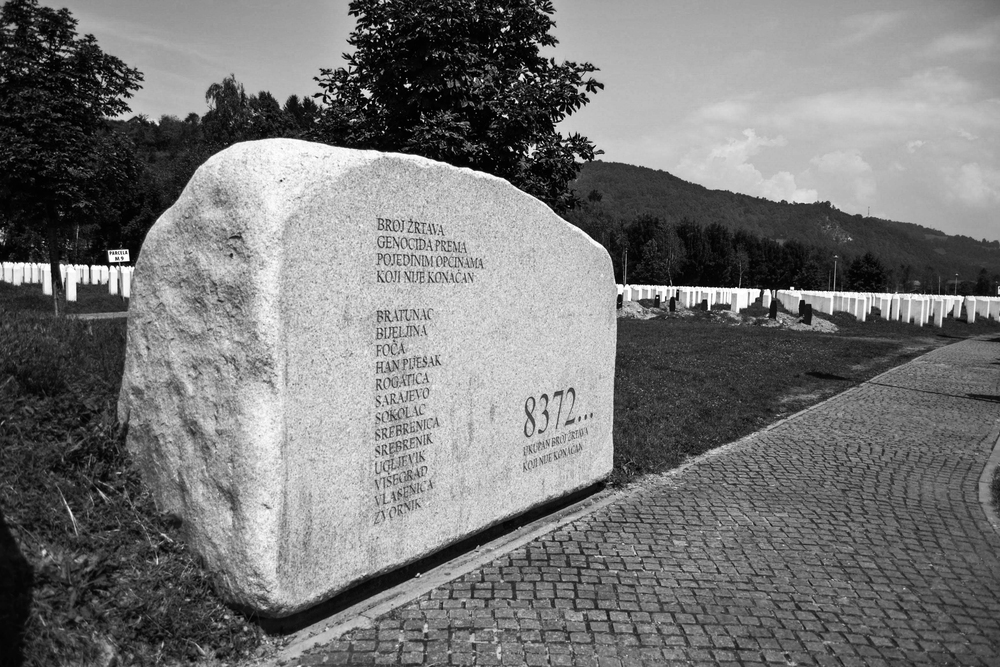
This Montgomery memorial honors over 4,400 victims of racial terror lynchings, with steel monuments representing each county where lynchings occurred. Walking through the structure as the monuments rise above you creates a powerful visual representation of the scale of violence used to enforce white supremacy.
The memorial explicitly connects this history to contemporary issues like mass incarceration and police violence.
Dexter Avenue King Memorial Baptist Church
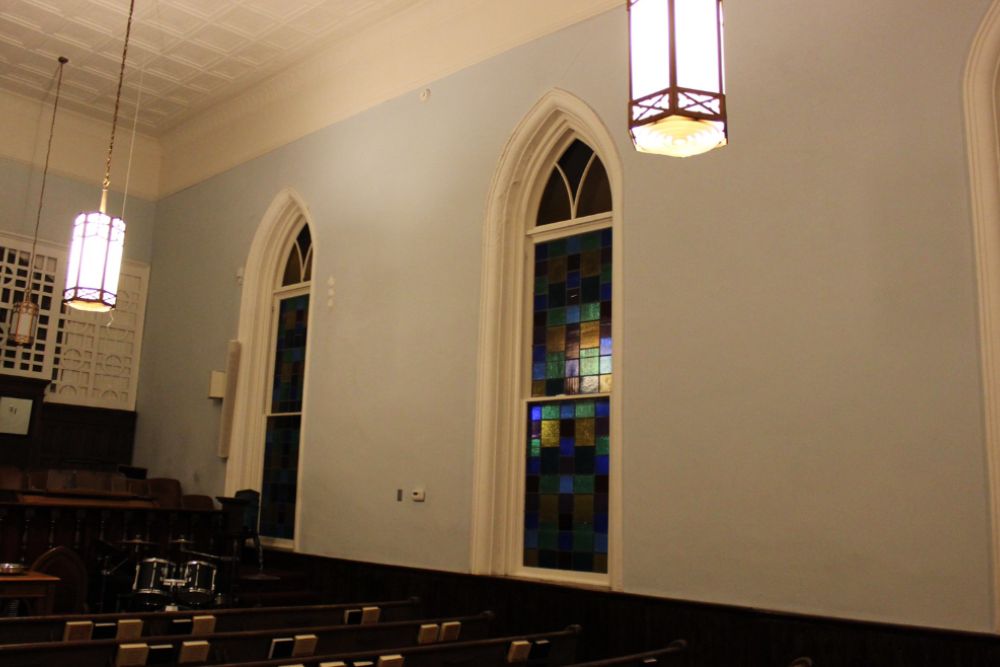
Martin Luther King Jr. served as pastor here from 1954 to 1960, using the church as headquarters during the Montgomery bus boycott. The building still bears scars, including a preserved door with bullet marks from attacks by segregationists.
Tours explain how King organized the boycott from this location and how the African American community sustained their protest for 381 days until buses were integrated.
Mississippi Civil Rights Museum
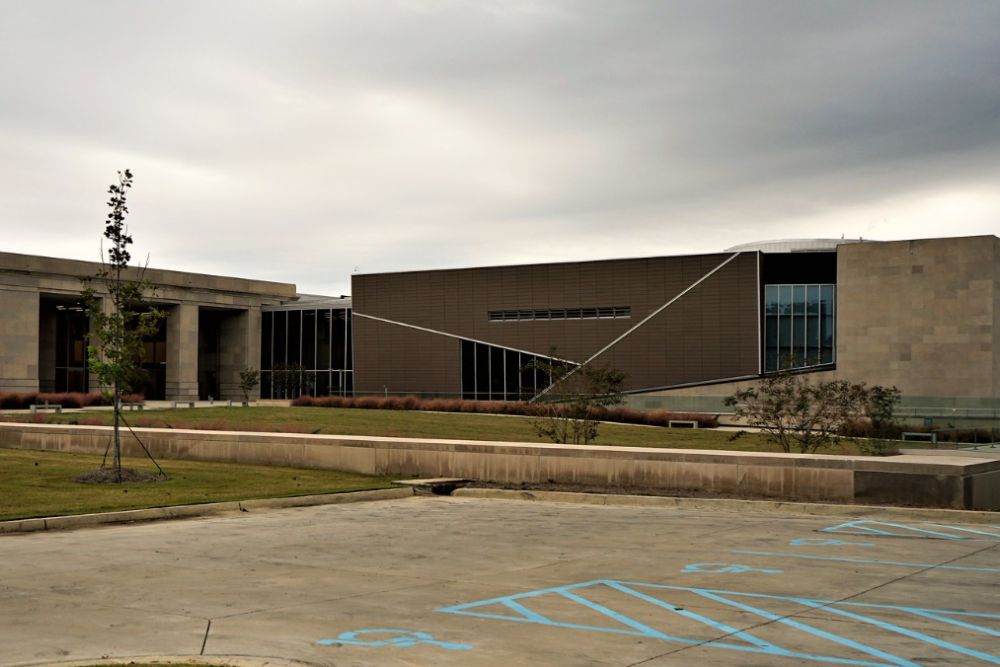
This Jackson museum examines Mississippi’s crucial role in the civil rights movement, from the murder of Emmett Till to the Freedom Riders to the assassination of Medgar Evers. Eight galleries cover the state’s oppressive segregation system and the brave individuals who challenged it despite enormous personal risk.
The museum doesn’t shy away from the violence and terrorism used to maintain white supremacy in the state most resistant to change.
Moton Museum
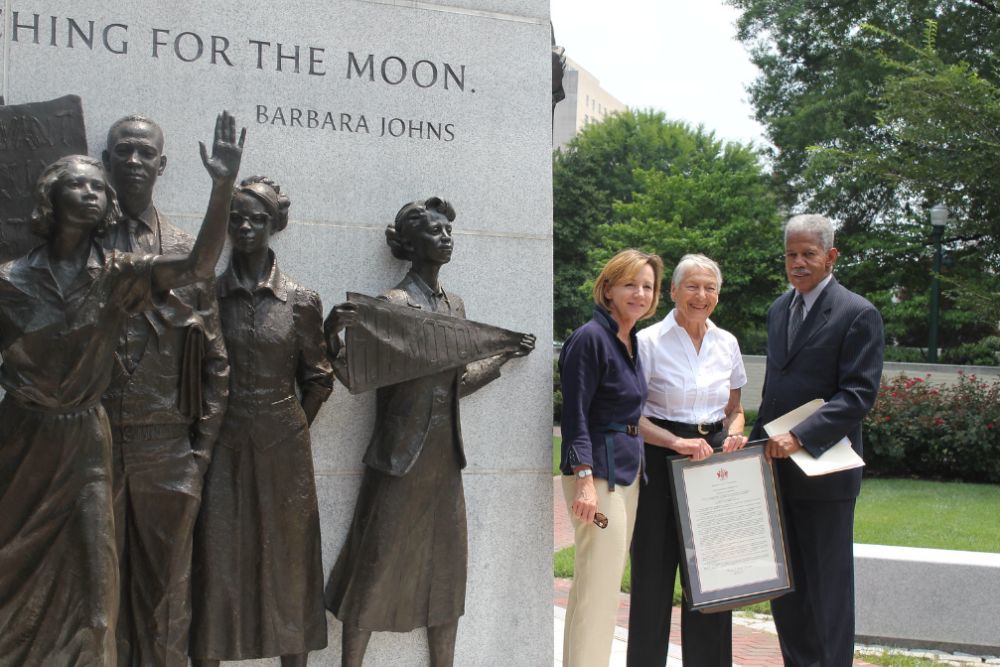
This former all-Black high school in Farmville, Virginia, was the site of a student-led strike in 1951 protesting unequal facilities. The strike became one of the five cases consolidated in Brown v. Board of Education.
After desegregation was ordered, Prince Edward County chose to close all public schools for five years rather than integrate, leaving African American children without education while white students attended private academies.
16th Street Baptist Church
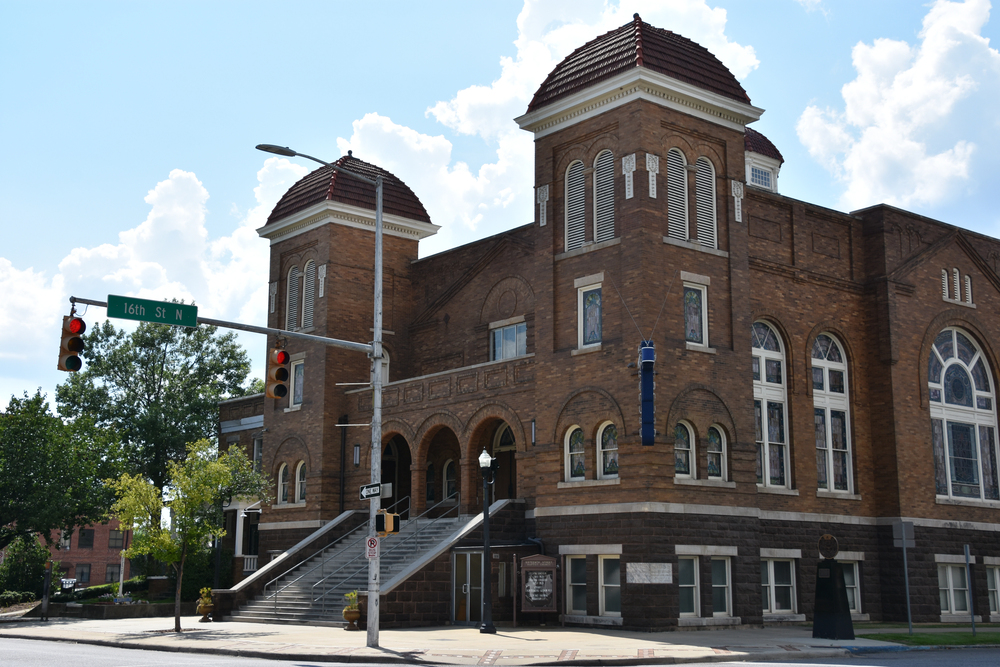
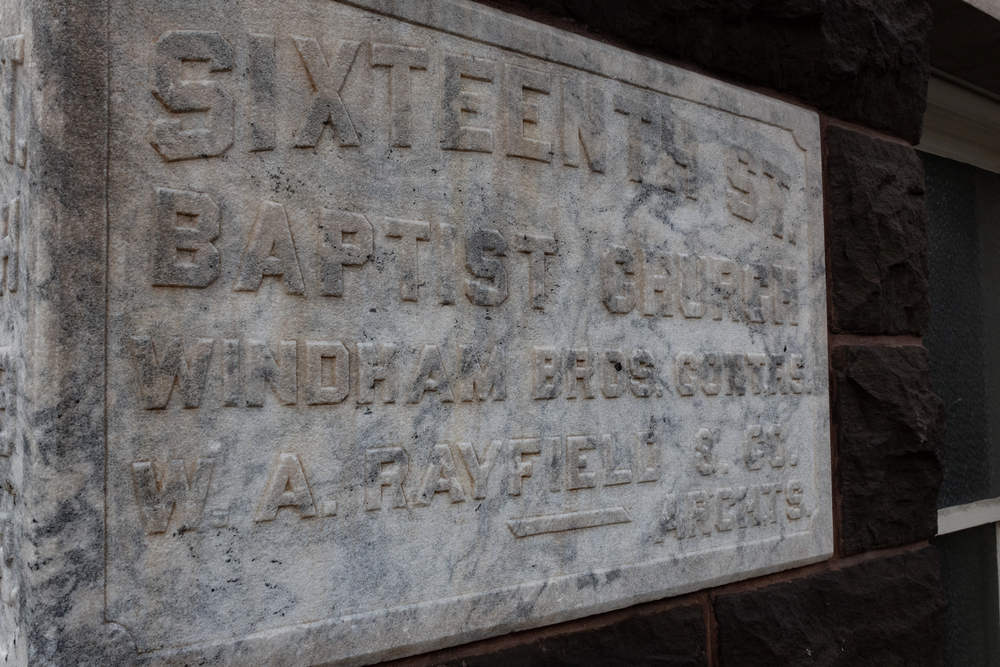
Four girls were killed when white supremacists bombed this Birmingham church during Sunday school in 1963, galvanizing national support for civil rights legislation. The basement where the bomb exploded has been preserved as a memorial to Addie Mae Collins, Denise McNair, Carole Robertson, and Cynthia Wesley.
The church continues to function as an active congregation while also serving as a powerful reminder of the violence civil rights activists faced.
Selma to Montgomery National Historic Trail
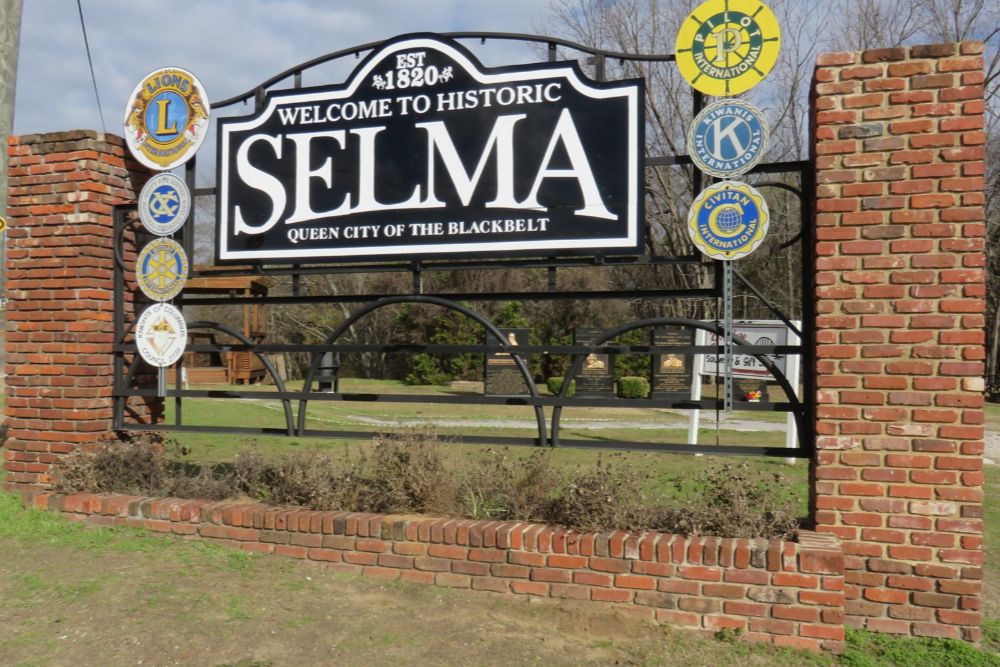
This 54-mile route follows the path of three marches for voting rights in 1965, including Bloody Sunday, when state troopers brutally attacked peaceful protesters on the Edmund Pettus Bridge. The visitor center in Selma explains the violent resistance to African American voting rights and how the marches led to the passage of the Voting Rights Act.
Walking or driving any portion of the route shows the determination required to complete the full march.
National Voting Rights Museum
Located in Selma at the foot of the Edmund Pettus Bridge, this museum documents the struggle for African American voting rights from Reconstruction through the Voting Rights Act. Exhibits explain the tactics used to disenfranchise Black voters, including literacy tests, poll taxes, and outright intimidation.
The museum emphasizes that voting rights remain vulnerable and require constant protection.
Confronting Uncomfortable Truths
Before the final survivors of America’s segregation system pass away, these locations play a crucial role in preserving evidence of it. Understanding how African Americans were recently denied basic rights helps explain ongoing disparities in wealth, education, and justice, even though the history they describe is challenging and occasionally overwhelming.
Going to these locations dispels the reassuring notion that racism is a thing of the past rather than a system that influenced the modern world.
More from Travel Pug

- Underrated Italian Towns That Beat the Tourist Crowds
- Las Vegas Tourist Traps to Skip
- Prettiest Towns in Every US State
- 18 passport-free countries for Americans
- Signs Your Cruise Is Not Worth The Cost
Like Travel Pug’s content? Follow us on MSN.