

The nearly 4 million square miles that make up America are home to a variety of landscapes that can make your heart race and make you wonder about the laws of physics. The country offers heart-stopping and soul-stirring adventures, from slot canyons that appear to have been carved by ancient gods to coastlines where the Pacific crashes against towering cliffs. The most exciting places on this list ought to be at the top of any American adventurer’s bucket list.
Grand Canyon National Park
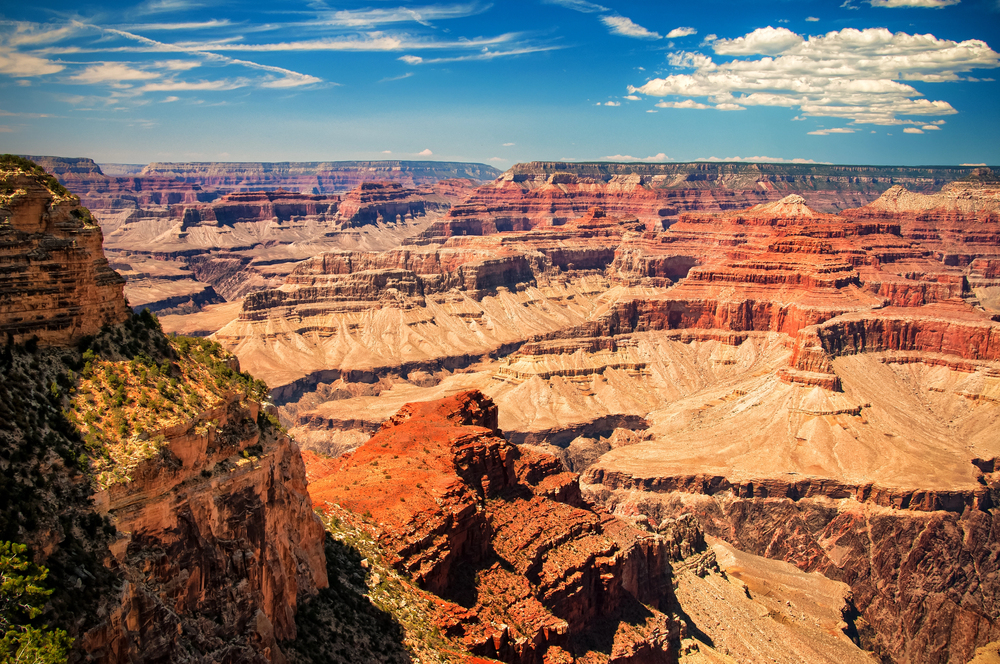
Standing at the South Rim, the Grand Canyon’s vastness hits like a visual punch. The Colorado River carved this masterpiece over millions of years, creating a chasm so deep that its own weather systems brew at the bottom. Hiking the Bright Angel Trail down into the canyon transforms the experience from sightseeing to pilgrimage.
The colors shift with the light throughout the day. Sunrise paints the rock layers in soft pastels, while sunset ignites them in fierce reds and oranges.
Glacier National Park
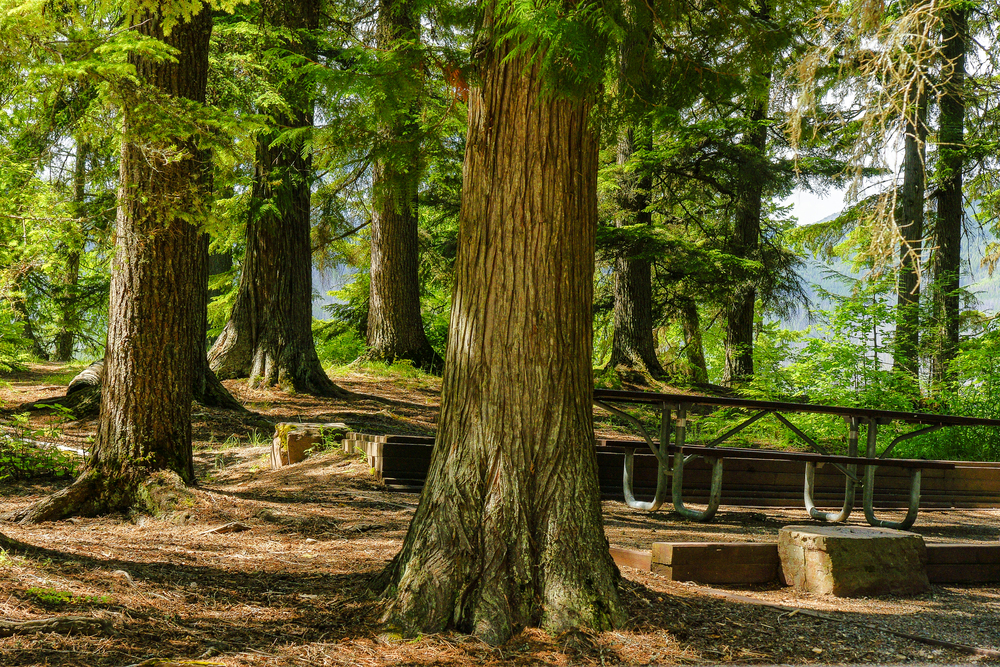
Montana’s crown jewel harbors over 700 miles of trails threading through landscapes that feel borrowed from another planet. Grinnell Glacier Trail delivers hikers to turquoise lakes fed by ancient ice, while the Going-to-the-Sun Road winds through terrain so dramatic it seems engineered for postcards. Bears roam freely here, making every hike an exercise in respectful coexistence.
Like Travel Pug’s content? Follow us on MSN
Antelope Canyon
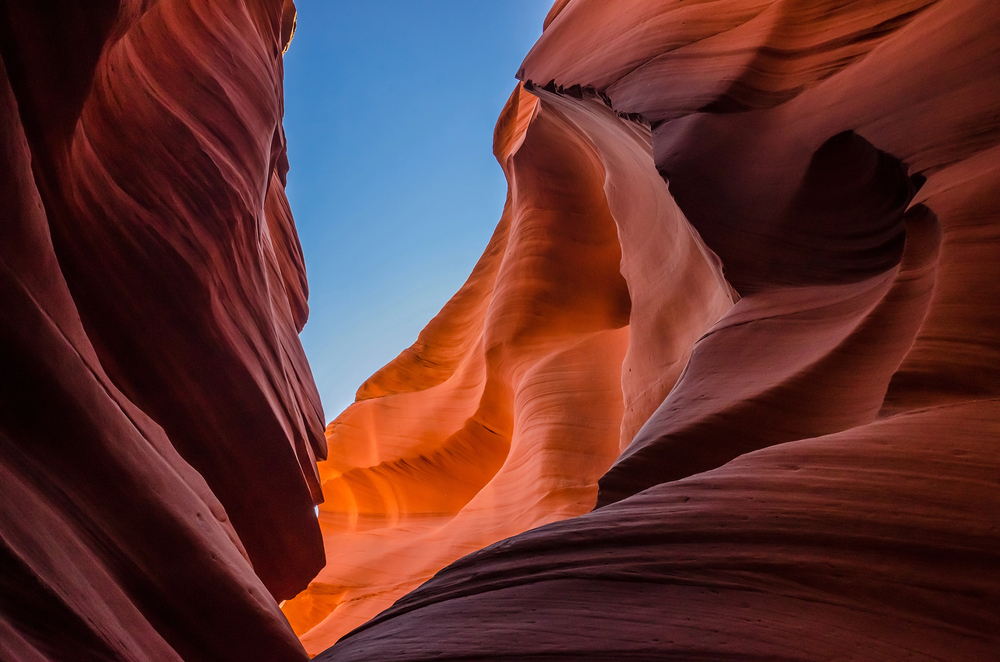
Arizona’s most photographed slot canyon exists in a world of flowing sandstone and ethereal light beams. Upper Antelope Canyon allows those famous shafts of sunlight to pierce through the narrow opening above, creating an almost spiritual atmosphere. The walls seem to move like frozen waves, sculpted by flash floods over countless centuries.
Big Sur coastline
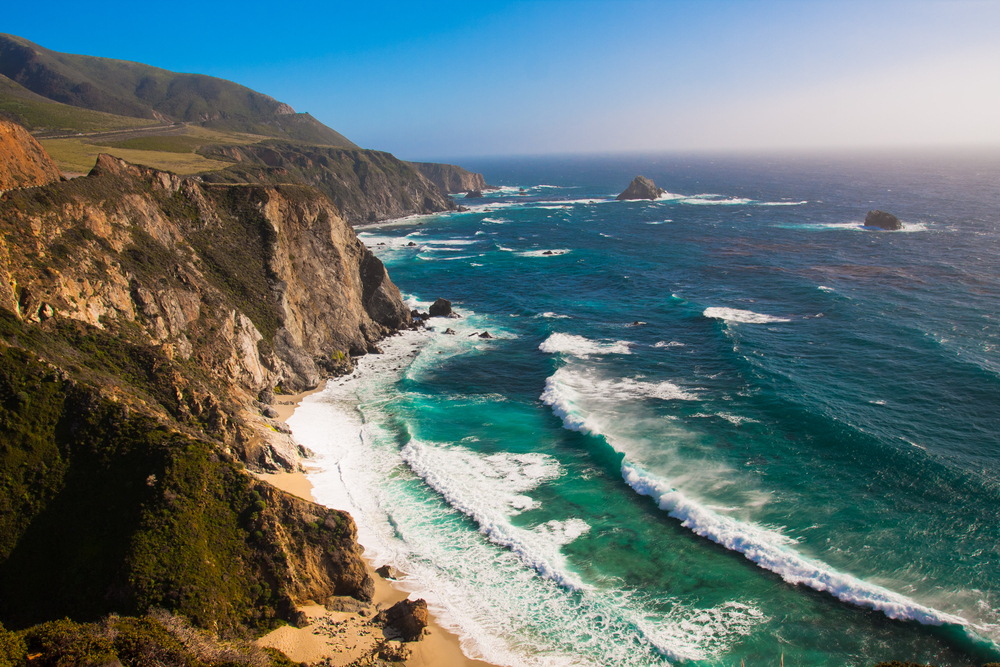
Highway 1 hugs California’s rugged coastline for 90 miles of pure drama. Cliffs plunge 1,000 feet into the Pacific while redwood forests crown the inland ridges. McWay Falls drops 80 feet directly onto the beach below, creating one of the few waterfalls in the world that lands on sand rather than rock.
And the fog rolls in like clockwork most afternoons, transforming the landscape into something mystical.
Yellowstone National Park
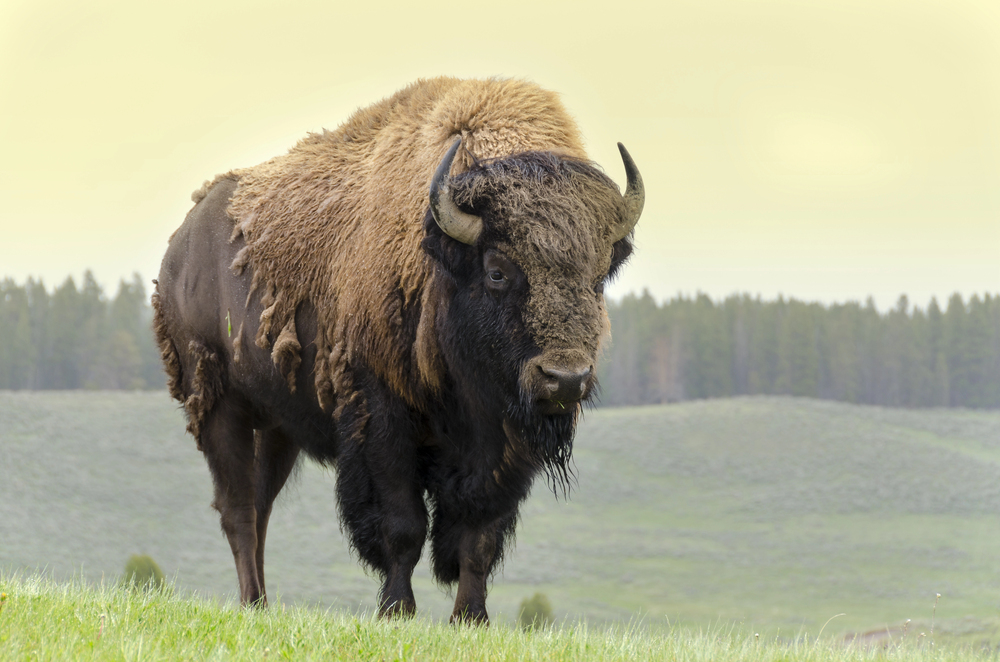
America’s first national park sits atop a supervolcano that could theoretically end civilization as we know it. More cheerfully, it currently produces the world’s largest collection of geysers, hot springs, and other thermal features. Old Faithful erupts roughly every 90 minutes, but the park’s 10,000 other thermal features create a landscape that bubbles, hisses, and steams like a living thing.
Wildlife encounters rival anywhere on Earth: bison herds stop traffic, wolves hunt in coordinated packs, grizzlies fish in rushing streams, and elk bugle across the valleys each autumn.
Like Travel Pug’s content? Follow us on MSN
Denali National Park
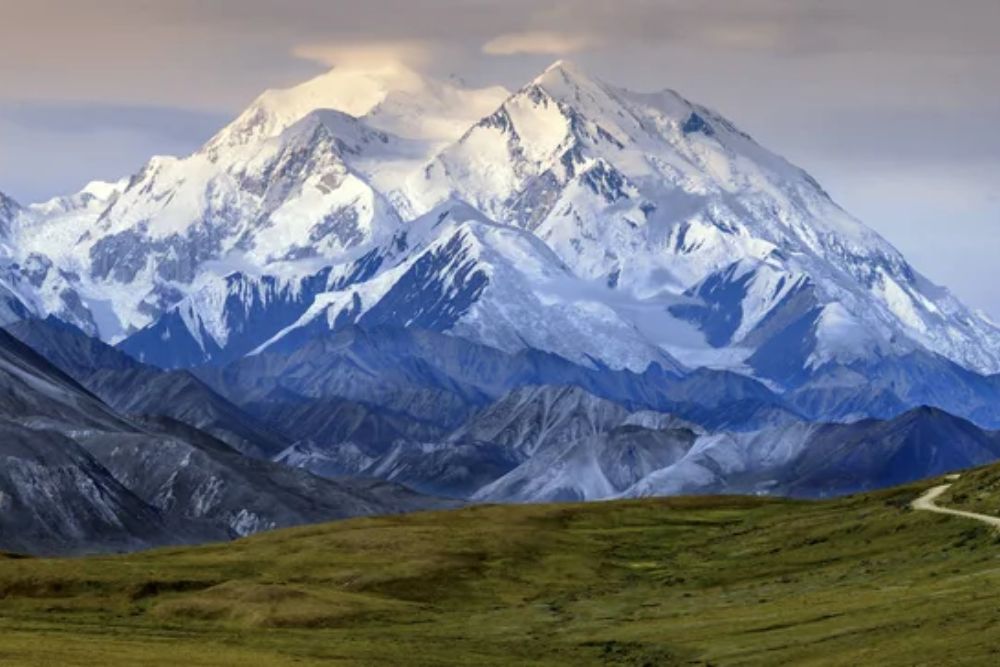
Alaska’s Denali rises 20,310 feet above sea level, making it North America’s tallest peak. The mountain creates its own weather patterns and remains hidden behind clouds roughly 70% of the time, making clear views feel like winning the lottery. The surrounding wilderness stretches for 6 million acres without a single road beyond mile 92.
Moab adventure playground
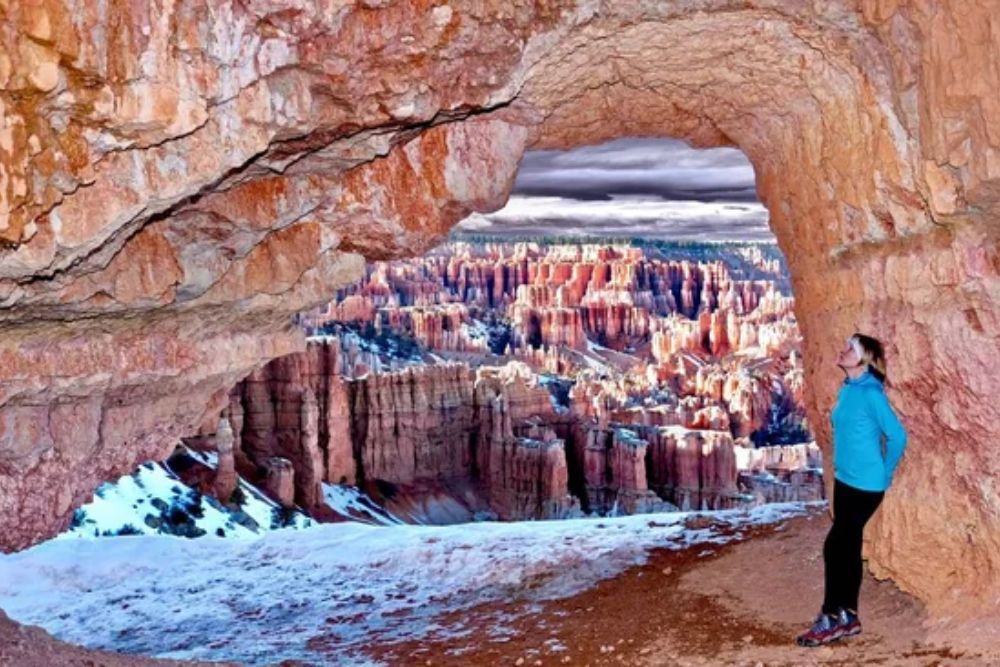
Utah’s red rock country serves as an outdoor adventure theme park for adults. Arches National Park contains over 2,000 natural stone arches, while nearby Canyonlands offers white-water rafting, rock climbing, and mountain biking through terrain that looks lifted from Mars. The town of Moab has become synonymous with adrenaline sports.
Niagara Falls
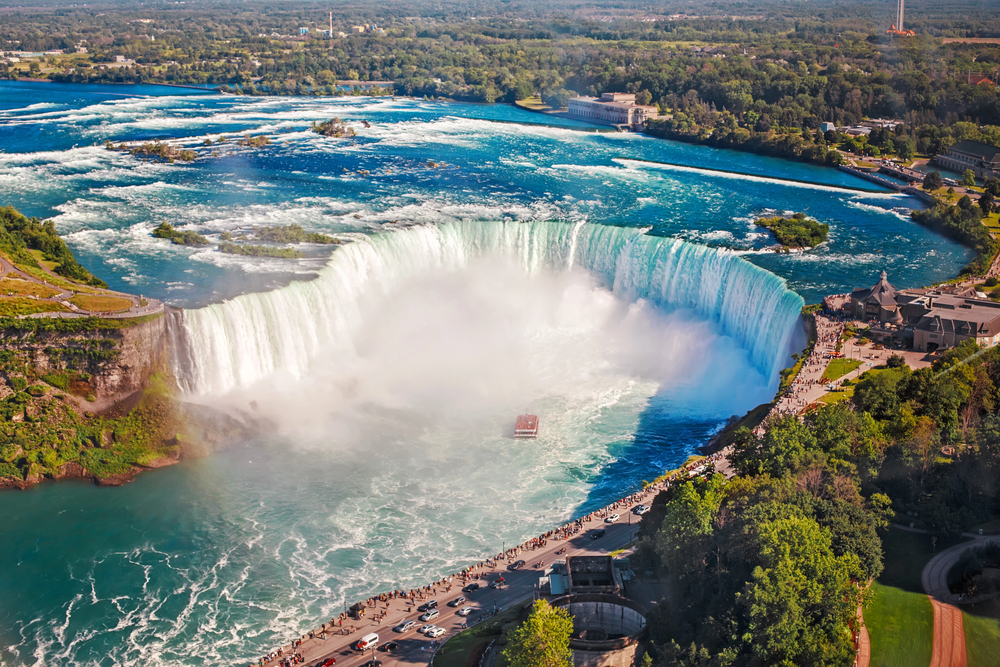
Three waterfalls combine to dump 6 million cubic feet of water per minute over the edge, creating a thunderous roar audible from miles away. The American Falls and Bridal Veil Falls flow on the U.S. side, while Horseshoe Falls belongs mostly to Canada. Standing on the observation deck, the mist soaks visitors even on calm days, and rainbows appear in the spray when sunlight hits at the right angle.
Like Travel Pug’s content? Follow us on MSN
Hawaii Volcanoes National Park
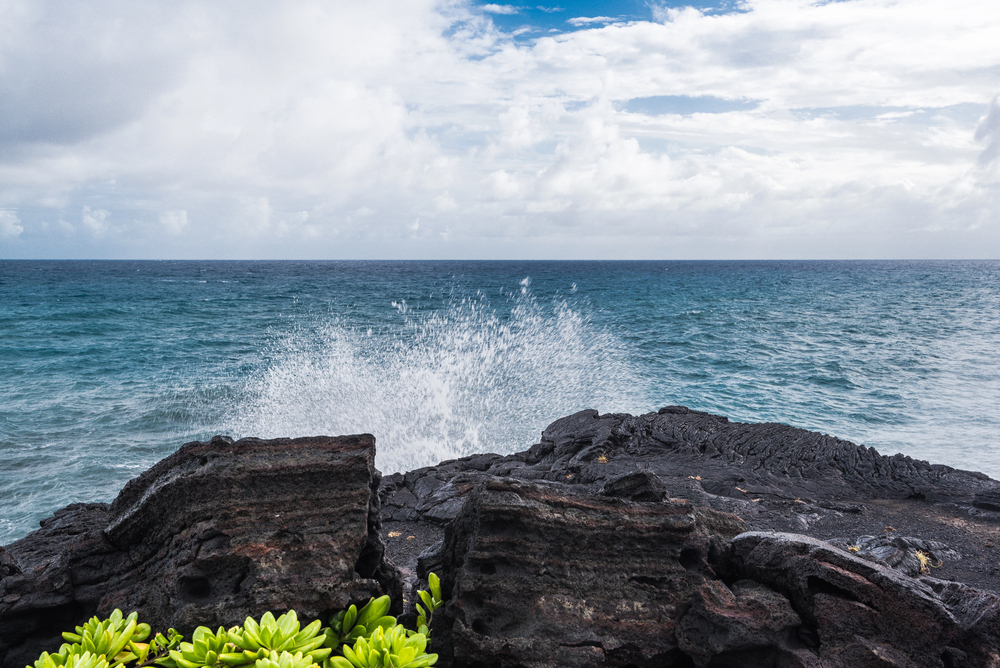
The Big Island’s Kilauea volcano has been erupting almost continuously since 1983, offering visitors the rare chance to witness Earth’s creative process in real time. Lava flows reach the ocean and explode into steam clouds visible for miles. Night viewing reveals the molten rock’s true colors — oranges and reds that seem too bright to be natural.
The sulfur smell takes some getting used to.
Zion National Park
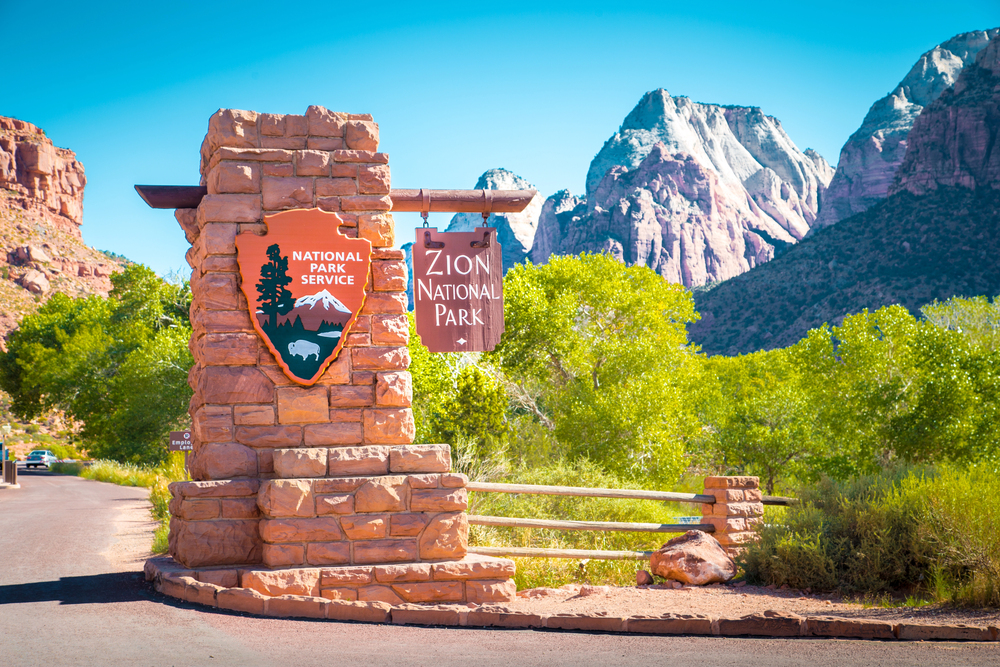
Southern Utah’s Zion Canyon walls rise up to 2,000 feet on either side of the Virgin River, creating a natural cathedral of red sandstone. The Narrows hike requires wading and sometimes swimming upstream through slot canyons so narrow that sunlight barely reaches the bottom. Angel’s Landing trail includes chain-assisted scrambles along knife-edge ridges with thousand-foot drops on both sides.
Outer Banks barrier islands
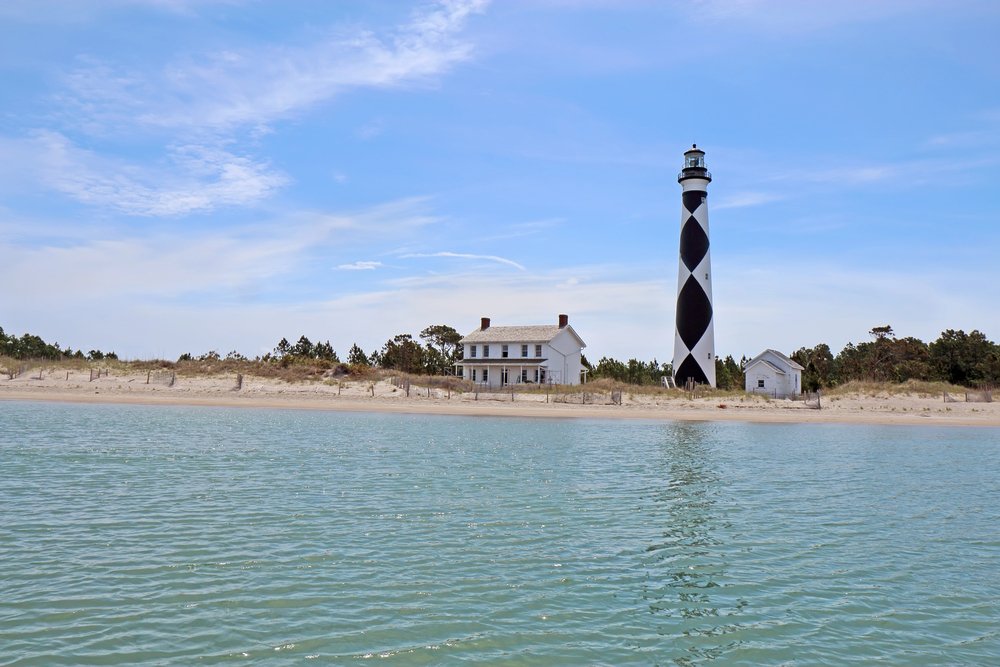
North Carolina’s string of barrier islands stretches 200 miles into the Atlantic, creating a buffer between the mainland and some of the ocean’s most violent storms. The Wright Brothers chose Kitty Hawk for aviation history, while Blackbeard once used these waters for piracy. Wild horses still roam Shackleford Banks, descendants of shipwreck survivors.
Like Travel Pug’s content? Follow us on MSN
Jackson Hole
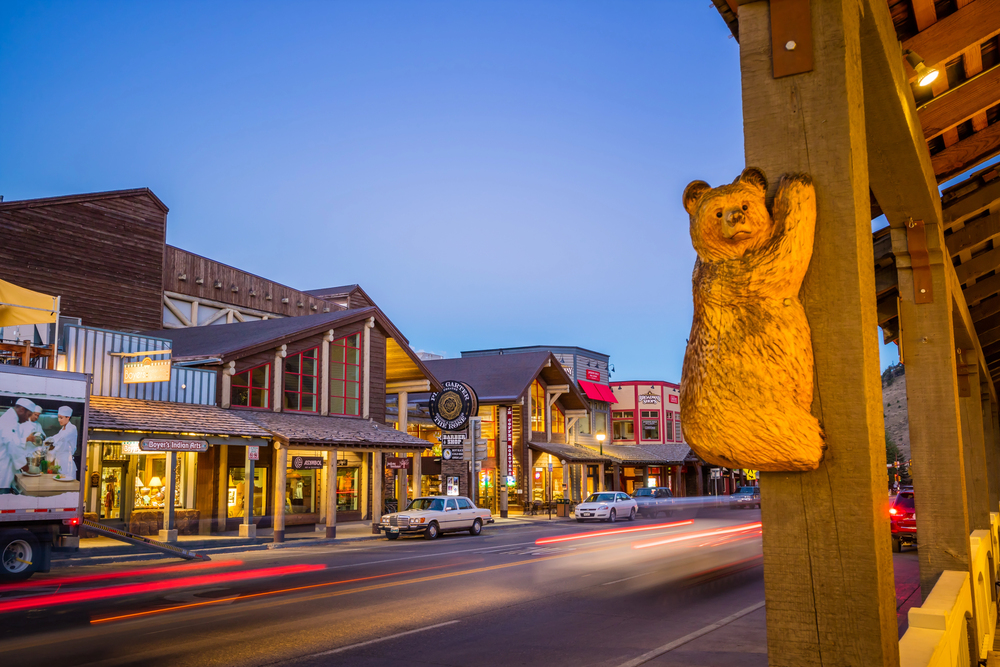
Wyoming’s Jackson Hole valley sits at 6,000 feet elevation, surrounded by the Teton Range’s jagged peaks that shoot up another 7,000 feet with no foothills to soften their dramatic rise. Winter brings some of North America’s most challenging skiing, while summer offers world-class mountaineering and wildlife viewing. The valley floor remains largely undeveloped despite its proximity to two national parks.
Death Valley National Park
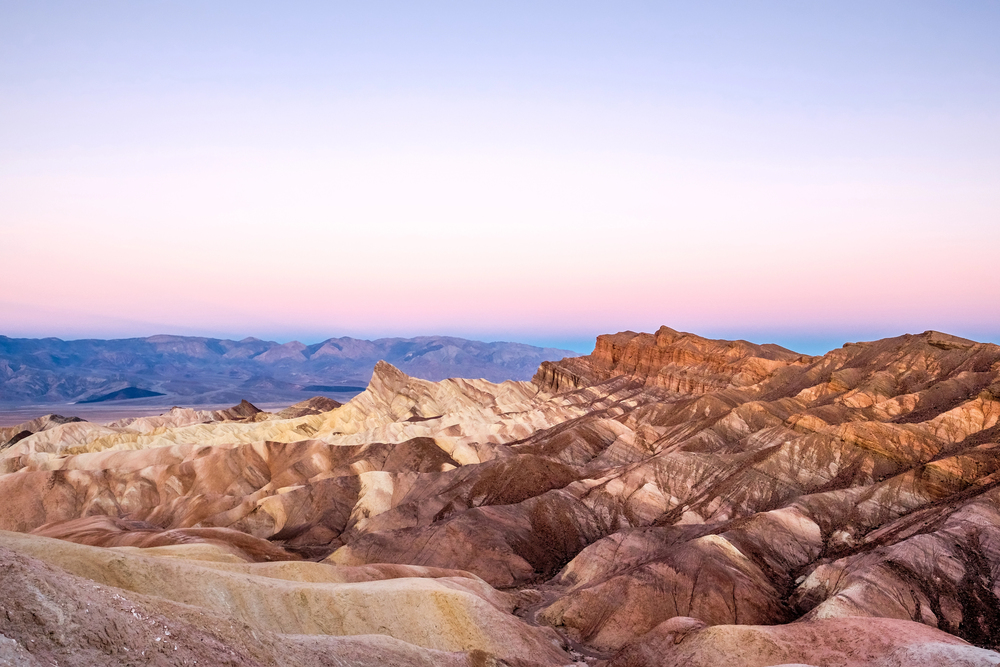
America’s hottest, driest, and lowest national park holds the world record for air temperature at 134°F, recorded in 1913. Still gets visitors year-round. Badwater Basin sits 282 feet below sea level, while Telescope Peak rises to 11,043 feet, creating an 11,000-foot elevation difference within park boundaries. The night skies here rank among the darkest in the country.
Olympic National Park
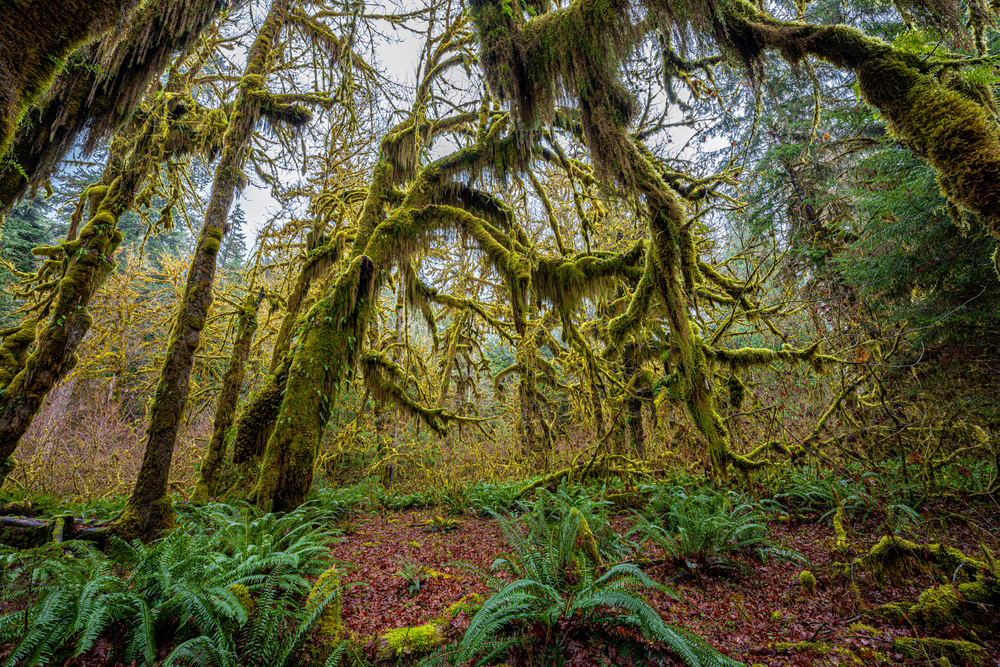
Washington’s Olympic Peninsula contains three distinct ecosystems within a single park boundary. The Hoh Rainforest receives over 140 inches of rainfall annually, creating a temperate rainforest draped in moss and ferns. Hurricane Ridge offers alpine meadows and mountain views, while the Pacific coastline features sea stacks, tide pools, and beaches littered with driftwood logs the size of telephone poles.
Like Travel Pug’s content? Follow us on MSN
Mammoth Cave National Park
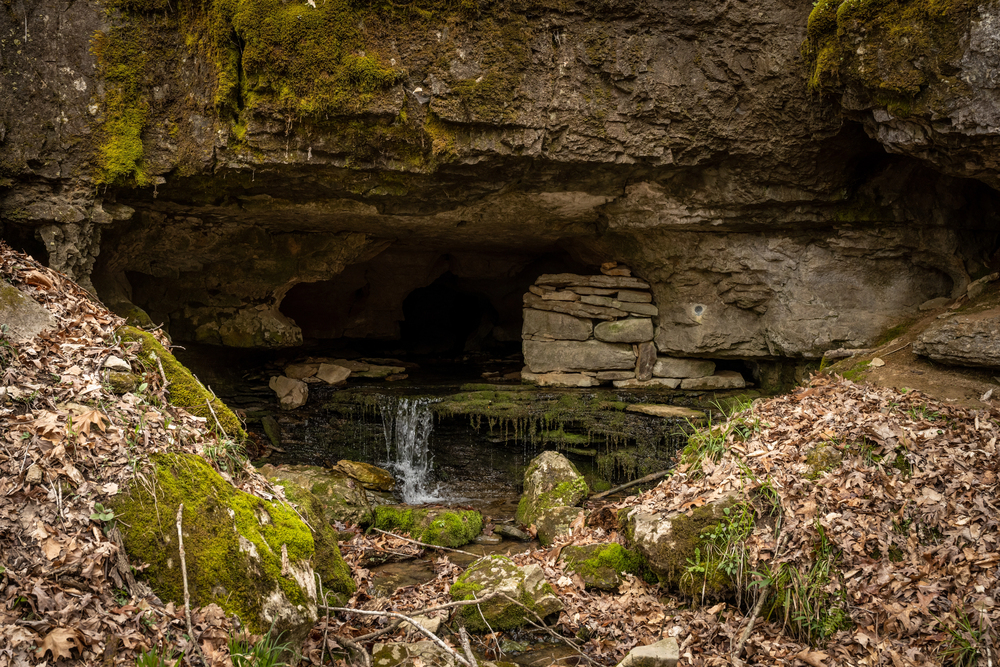
Kentucky’s Mammoth Cave system extends for over 400 mapped miles underground, making it the world’s longest known cave system. Tours range from easy walks through well-lit passages to challenging crawls through spaces barely wide enough for human bodies. The cave maintains a constant 54°F year-round, requiring jackets even on summer visits.
Acadia National Park
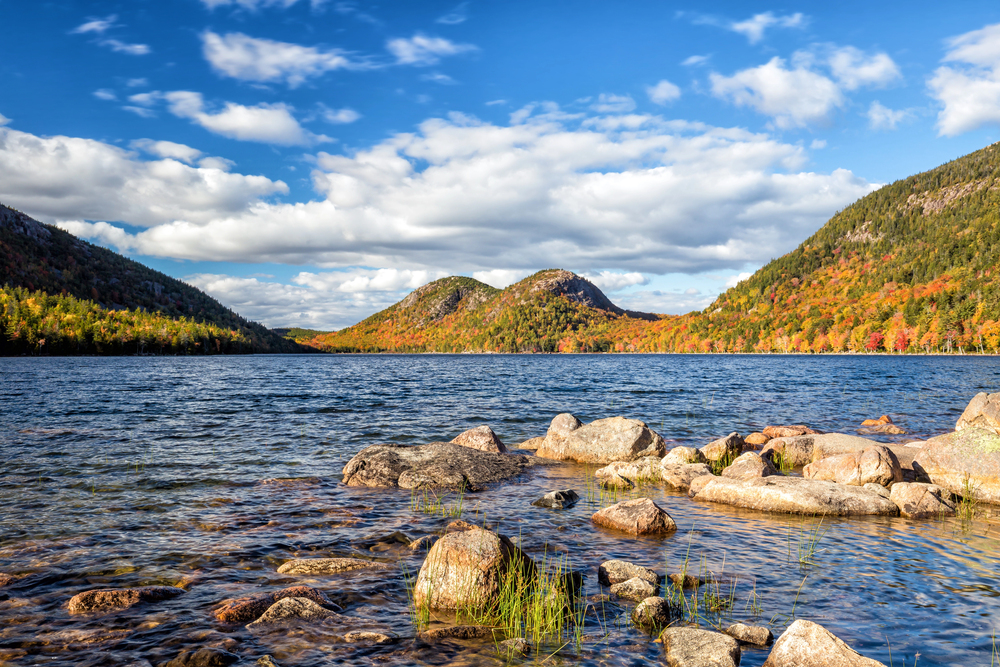
Maine’s only national park occupies most of Mount Desert Island, where granite cliffs meet the North Atlantic in spectacular fashion. Cadillac Mountain provides the first sunrise views in the continental U.S. from October through March, while the Park Loop Road offers 27 miles of coastal scenery. Thunder Hole creates explosive water displays when waves hit the narrow inlet at high tide.
The adventure continues
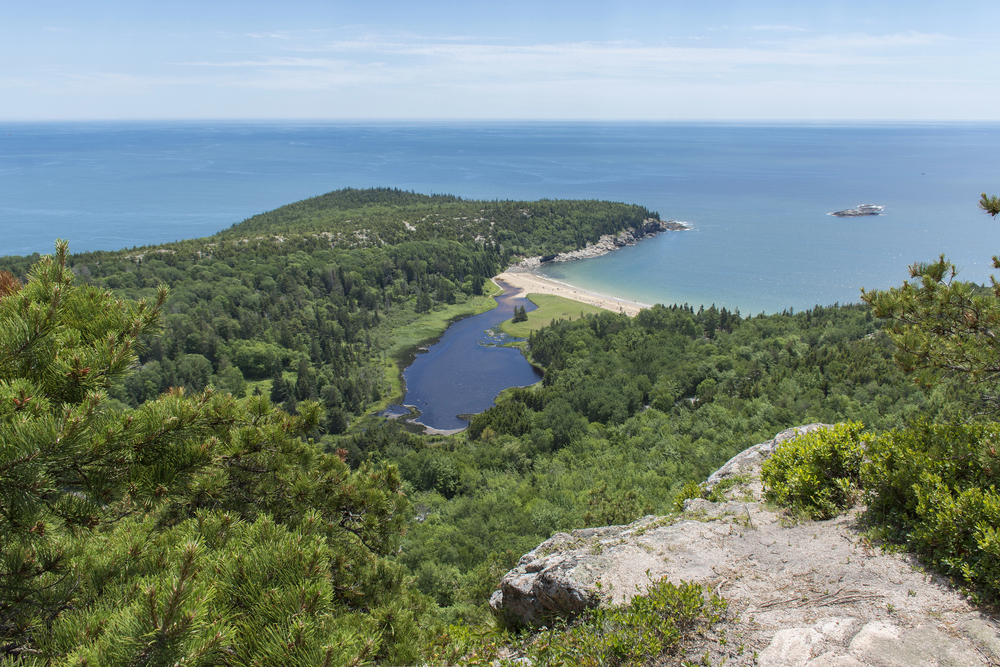
These locations are only the tip of the iceberg of America’s natural riches. Whether through physical challenge, unadulterated natural beauty, or the sheer wonder of being in front of something so much bigger than human size, every place has its own unique kind of excitement.
Like Travel Pug’s content? Follow us on MSN
More from Travel Pug

- 20 Best Beach Towns in the Carolinas
- 13 Destinations Where Tourists Regularly Regret Their Trip
- 20 Things You Actually Get in First Class
- 20 Small Airports With Aviation Museums
- 20 Places in the U.S. That Are Perfect for a Reset Trip
Like Travel Pug’s content? Follow us on MSN