

Austria’s mountain scenery hides some of Europe’s most magical mountain villages, where timeless traditions mix effortlessly with stunning natural beauty. These charming villages provide guests with a glimpse of true Austrian culture while opening the door to first-class outdoor activities. From lake villages mirroring snow-capped summits to high-altitude hideaways where cowbells ring through morning fog, every village has its own special tale to tell. Most of these places have not changed much over the centuries, retaining their natural charm in spite of increased worldwide popularity.
Here are 18 outstanding mountain villages that reveal Austria’s varied alpine territories. Each of the following has its own unique experience — whether you’re interested in imperial history, outdoor activities, or just the serene cadence of mountain existence.
Hallstatt
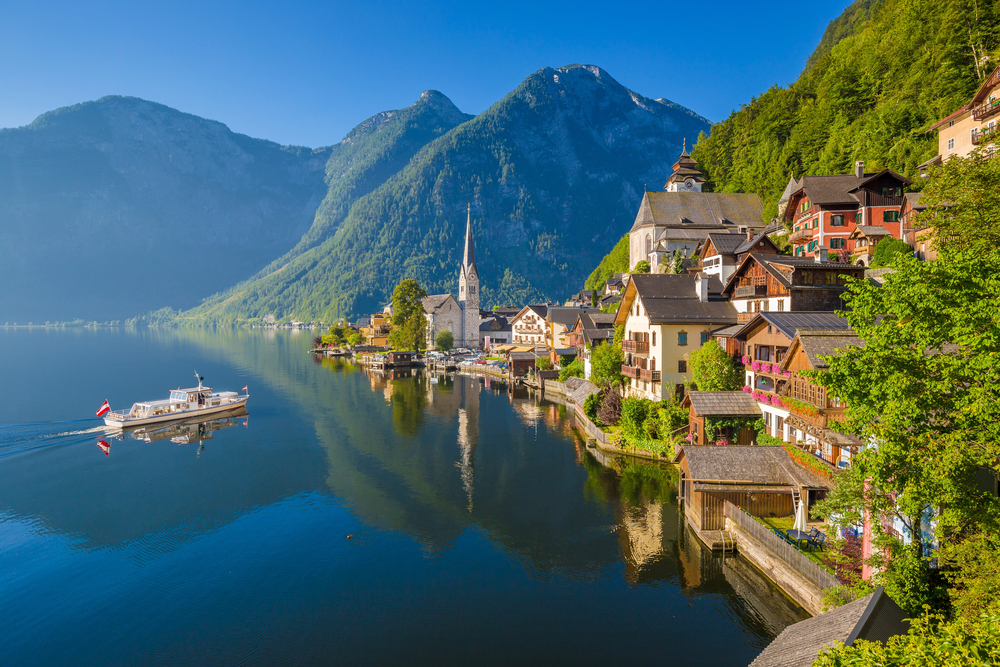
This UNESCO World Heritage lakeside village sits like a jewel between the Hallstätter See and the towering Dachstein massif. Its pastel-colored houses cascade down steep slopes, creating one of the most photographed scenes in all of Austria. The village’s salt mining heritage dates back over 4,000 years, making it one of the world’s oldest continuously inhabited settlements.
Kitzbühel
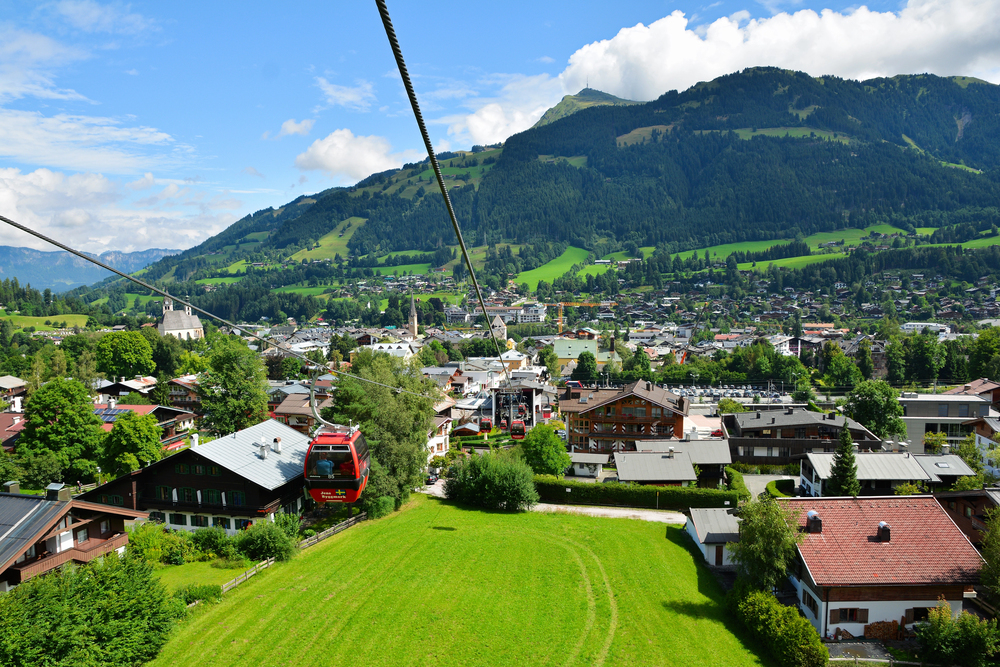
This legendary ski destination transforms from a winter sports mecca into a flower-filled alpine paradise each summer. The infamous Hahnenkamm downhill course challenges the world’s best skiers, while gentler slopes welcome families throughout the season. Medieval buildings painted in vibrant colors create a postcard-perfect streetscape that’s remained virtually unchanged for centuries.
Like Travel Pug’s content? Follow us on MSN
St. Wolfgang
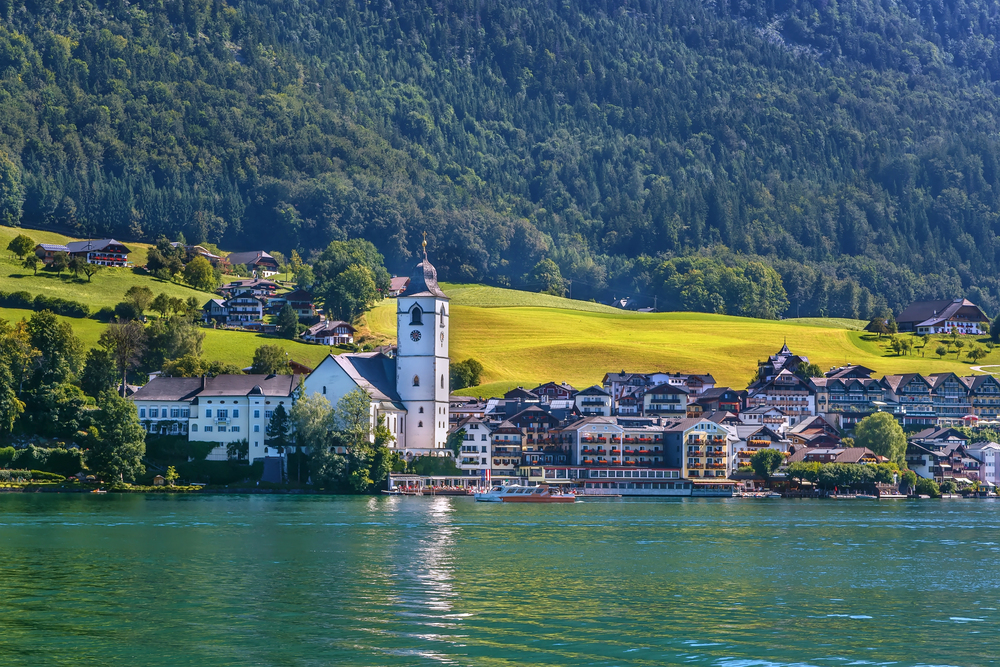
Perched dramatically on the shores of the Wolfgangsee, this pilgrimage village has attracted visitors for over a thousand years. The famous White Horse Inn has been hosting guests since 1878, inspiring operettas and films that have spread its fame worldwide. A historic cog railway climbs to the Schafberg summit, offering panoramic views across multiple lakes.
Alpbach
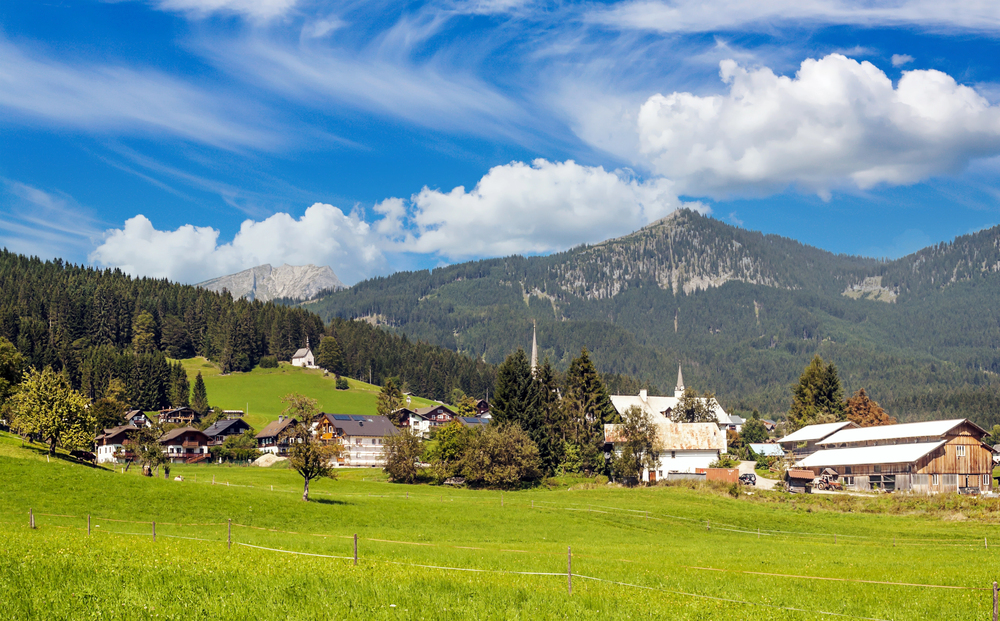
Traditional wooden chalets adorned with colorful flower boxes create an almost fairy-tale atmosphere in this pristine Tyrolean village. Strict building regulations have preserved its authentic alpine character — even newer constructions must follow centuries-old architectural traditions. The village consistently ranks among Austria’s most beautiful settlements, earning the nickname ‘Austria’s most beautiful village.’
Dürnstein
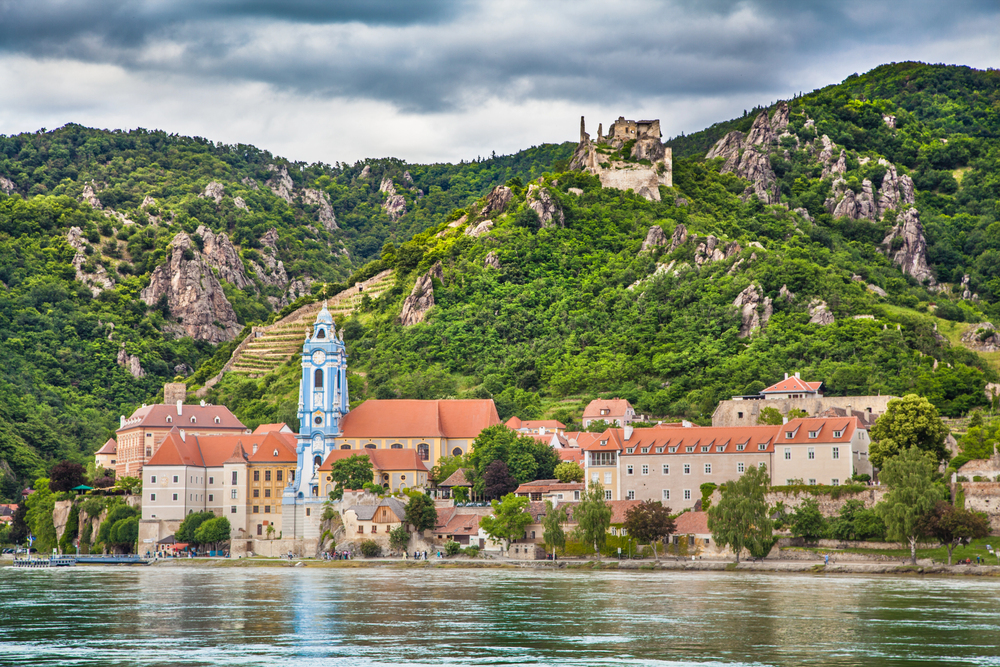
This medieval gem sits along the Danube River, surrounded by terraced vineyards and dramatic castle ruins. The baroque church tower, painted in distinctive blue and white, serves as a landmark visible from miles away. Richard the Lionheart was once imprisoned in the castle above, adding layers of legend to this already romantic setting.
Like Travel Pug’s content? Follow us on MSN
Bad Gastein
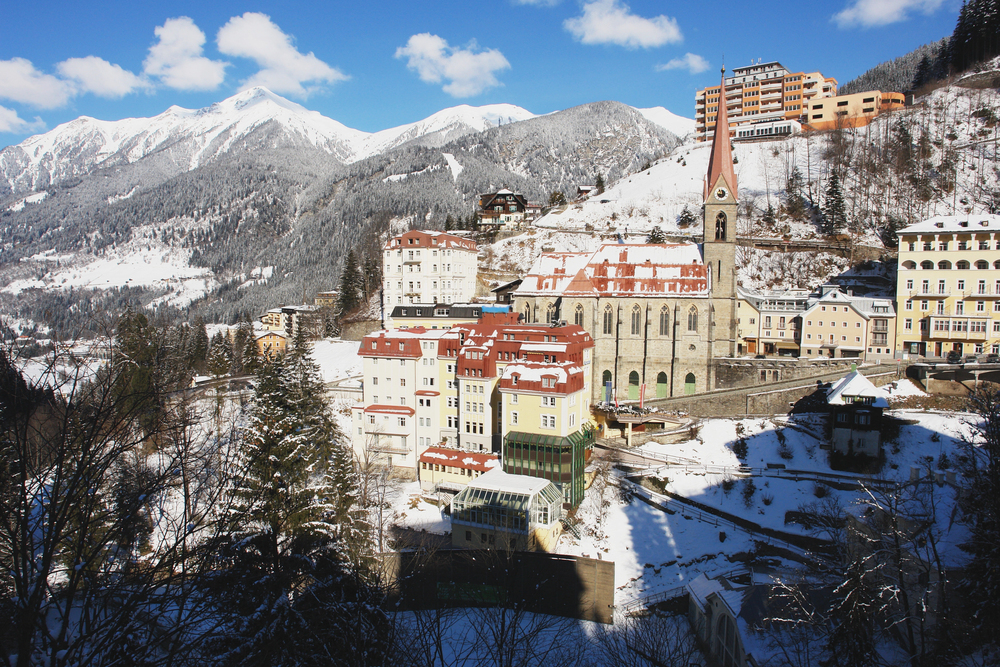
Cascading waterfalls thunder through the heart of this Belle Époque spa town, creating a dramatic backdrop for grand 19th-century hotels. The village clings to steep mountainsides, connected by winding paths and historic funiculars. Thermal springs have drawn visitors for centuries, though the town’s golden age as a fashionable resort destination peaked during the Habsburg era.
Gmunden
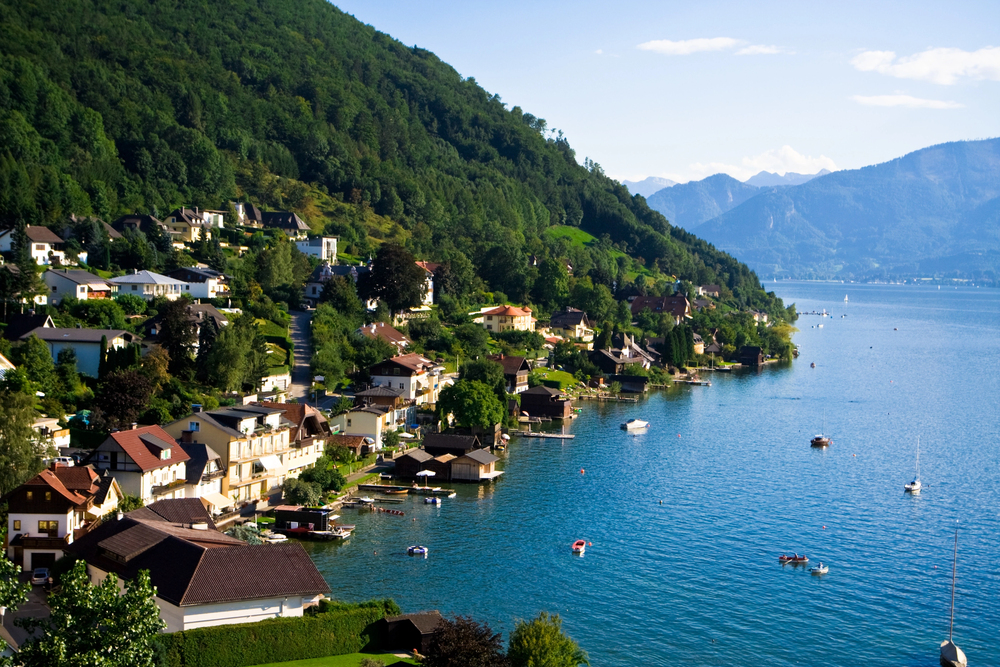
Situated where the Traun River meets the Traunsee, this lakeside town combines imperial elegance with mountain adventure. The iconic Schloss Ort castle sits on a small island connected by a wooden causeway — a scene that has graced countless postcards. Local ceramic traditions dating back centuries continue in workshops throughout the historic center.
Mondsee
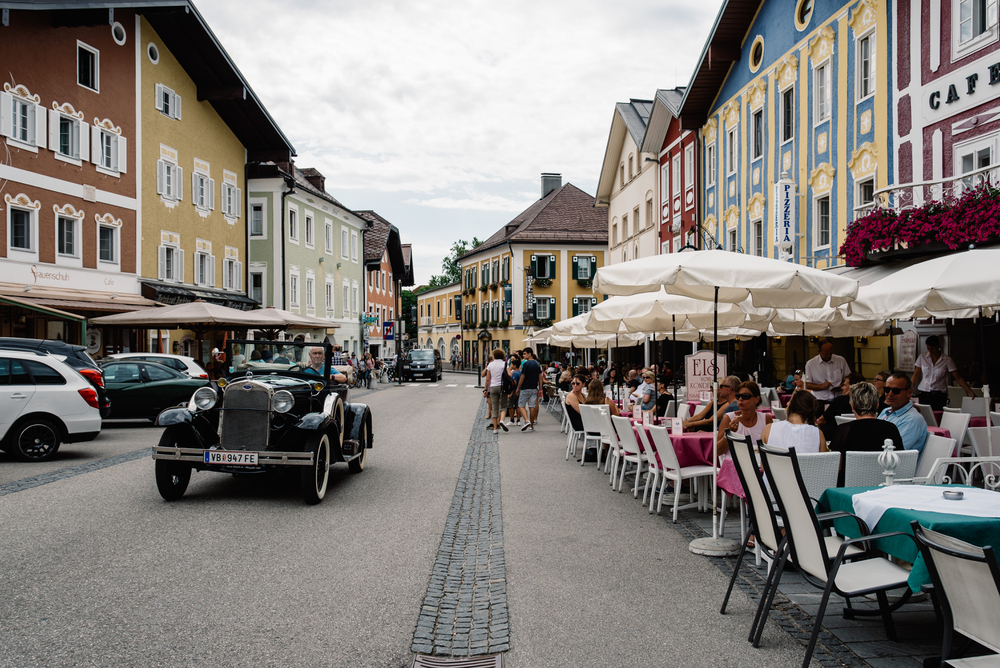
The crescent-shaped lake that gives this village its name creates perfect reflections of the surrounding peaks on calm mornings. Mozart’s parents were married in the village’s baroque basilica, which later served as the wedding church in ‘The Sound of Music.’ Traditional Austrian lake culture thrives here, with wooden sailing boats and lakeside beer gardens maintaining old-world charm.
Like Travel Pug’s content? Follow us on MSN
St. Gilgen
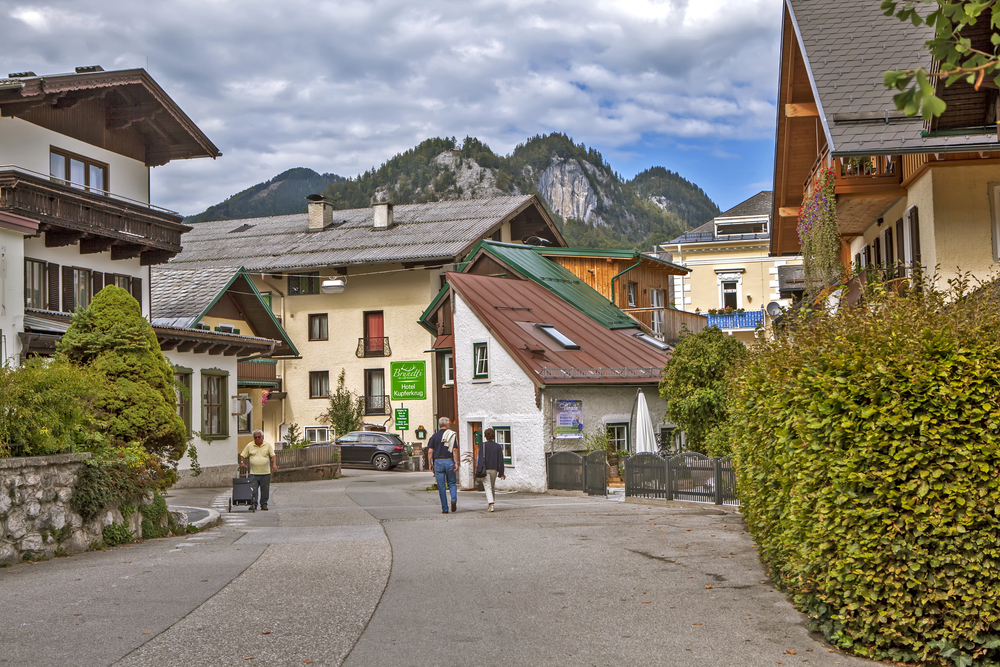
Mozart’s mother was born in this picturesque lakeside village, where traditional Austrian lake culture remains beautifully preserved. The village sits at the western end of the Wolfgangsee, offering stunning views across the water to distant mountain peaks. A cable car whisks visitors to the Zwölferhorn summit for hiking trails and panoramic vistas.
Seefeld
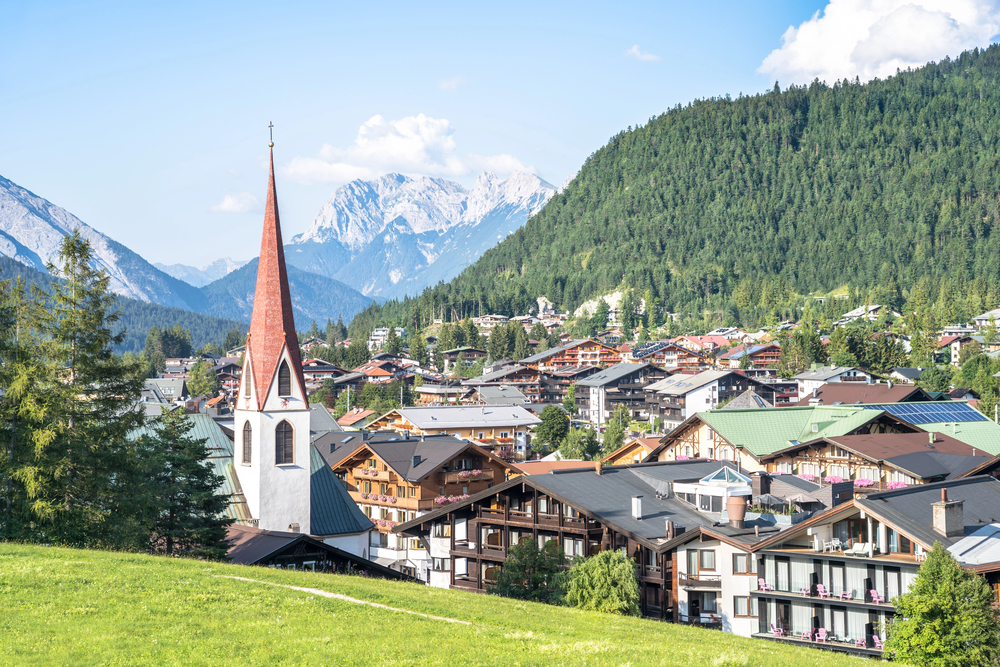
This high-altitude plateau village has hosted the Winter Olympics twice, establishing its reputation as a premier Nordic skiing destination. Summer transforms the landscape into a hiker’s paradise, with hundreds of miles of marked trails winding through flower-filled meadows. The village center maintains its Tyrolean character despite international recognition as a world-class resort.
Gosau
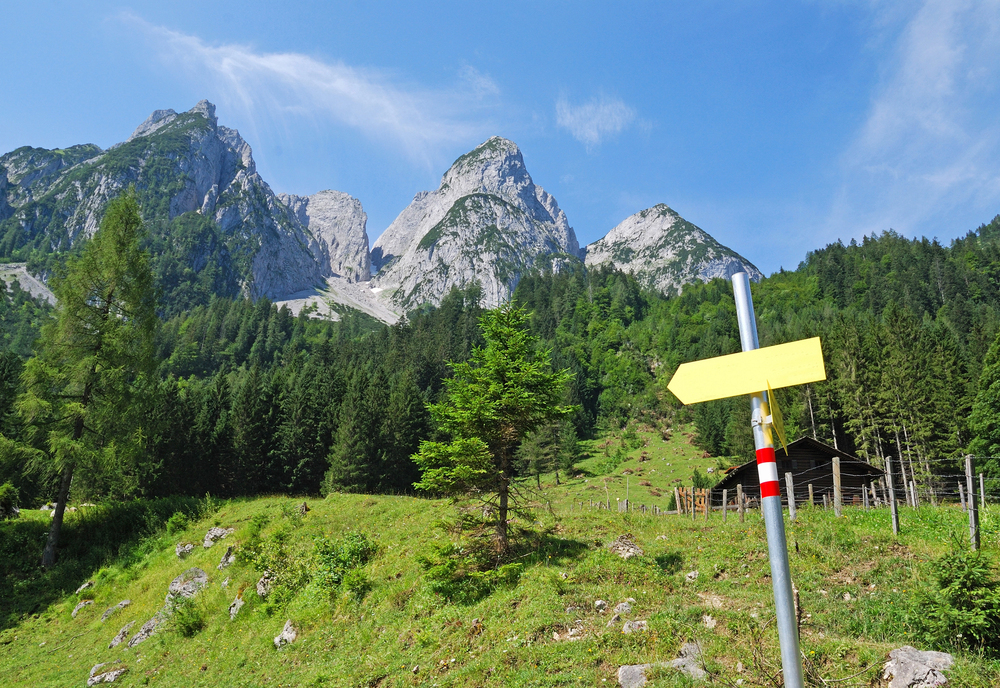
Hidden in a secluded valley beneath the Dachstein glacier, this village offers some of Austria’s most spectacular mountain scenery. The Gosauseen lakes create mirror-perfect reflections of jagged limestone peaks and ancient glaciers. Traditional farming continues alongside tourism, maintaining the authentic alpine atmosphere that makes this destination so special.
Like Travel Pug’s content? Follow us on MSN
Fuschl am See
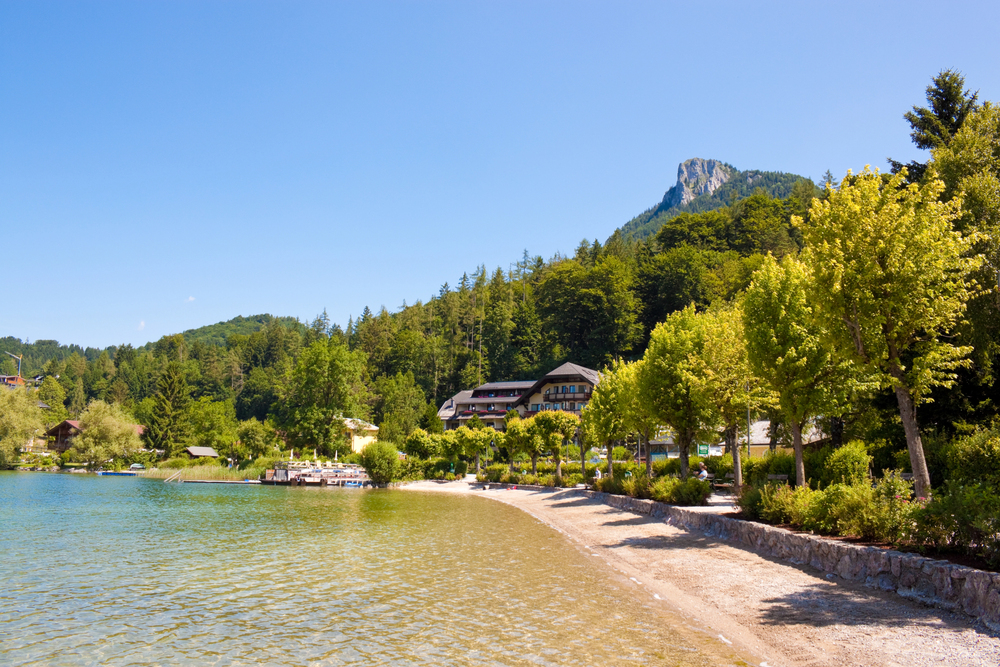
This exclusive lakeside retreat has attracted European aristocracy and celebrities for generations, yet manages to maintain its small-village charm. The pristine lake offers crystal-clear swimming and sailing opportunities, while the surrounding forests provide peaceful hiking trails. Luxury hotels blend seamlessly with traditional architecture, creating an atmosphere of understated elegance.
Strobl
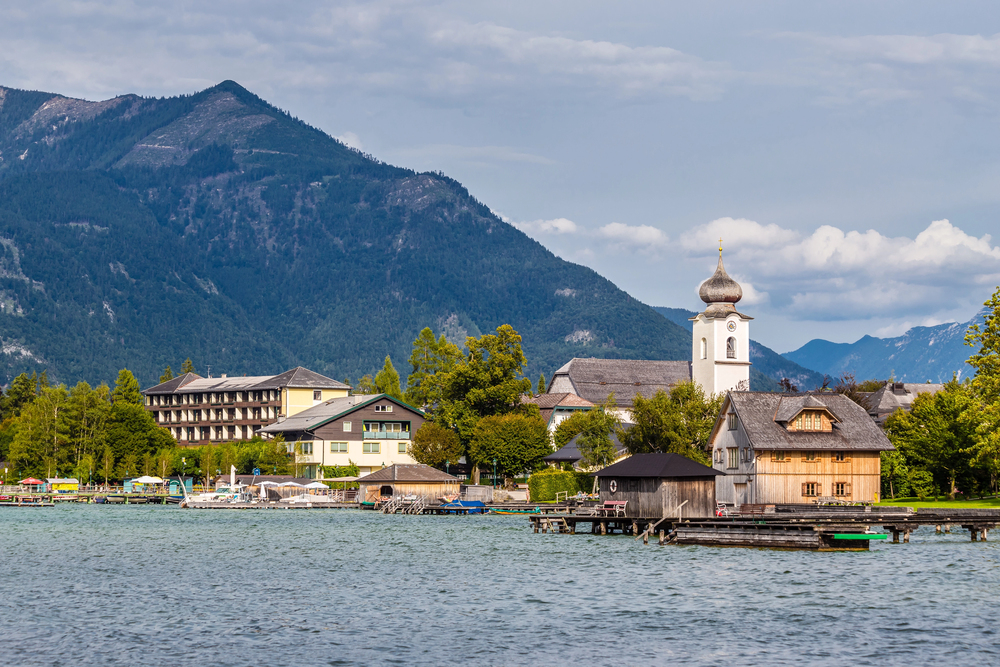
Traditional Austrian lake culture flourishes in this peaceful village at the southern end of the Wolfgangsee. Local families have operated the same guesthouses and restaurants for generations, preserving authentic hospitality traditions. The village serves as an excellent base for exploring the entire lake region while avoiding the crowds of more famous destinations.
Oberndorf
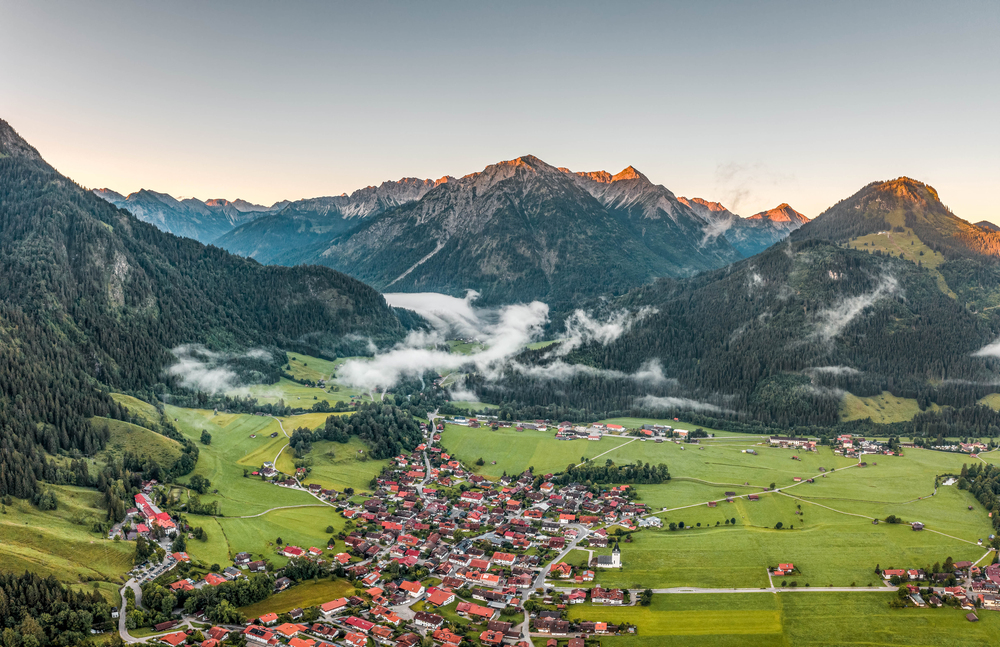
‘Silent Night’ was first performed in this small village church on Christmas Eve 1818, forever linking Oberndorf with the world’s most beloved Christmas carol. The original church was destroyed by flooding, but a memorial chapel marks the spot where the famous song debuted. Despite its global fame, the village retains its quiet, residential character along the Salzach River.
Mittersill
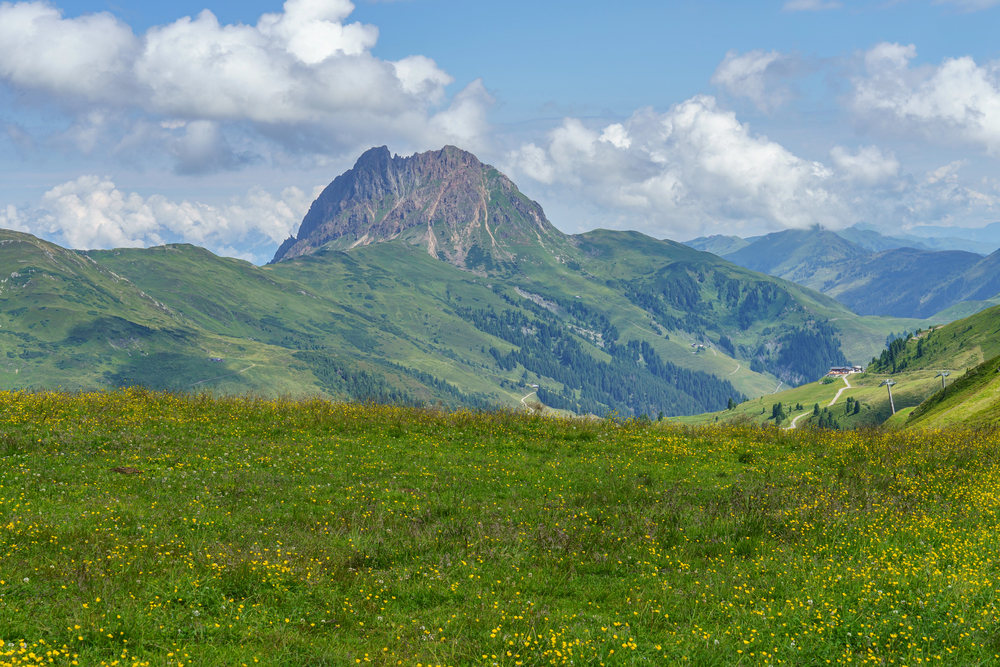
This gateway to the Hohe Tauern National Park sits in a wide alpine valley surrounded by Austria’s highest peaks. The medieval castle overlooking the village houses a fascinating falconry center, where visitors can observe demonstrations of birds of prey. Traditional alpine farming continues in the surrounding valleys, maintaining landscapes that have changed little over centuries.
Like Travel Pug’s content? Follow us on MSN
Krimml
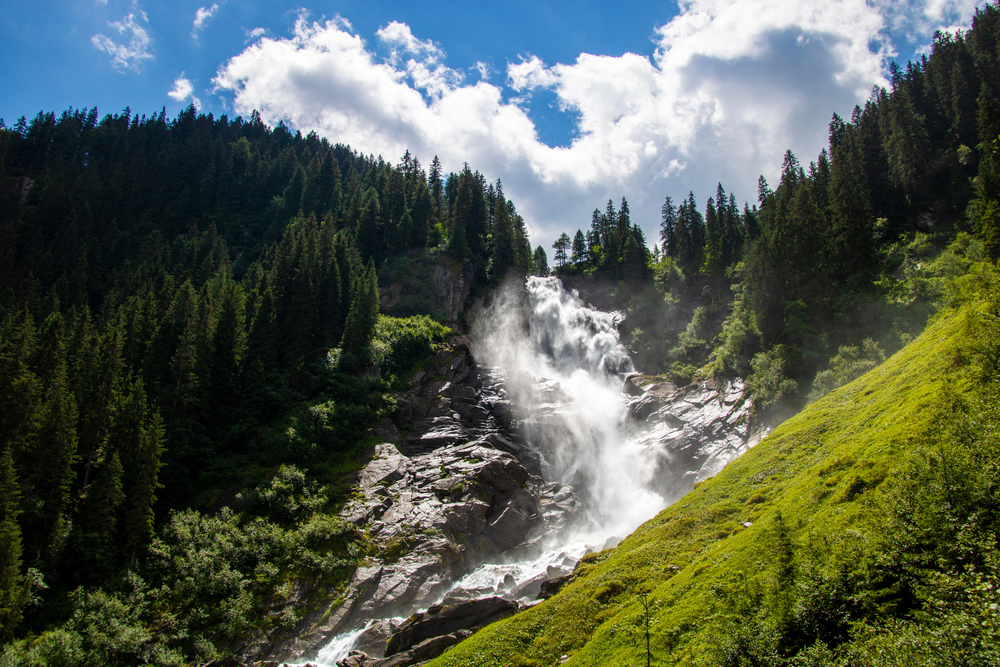
Europe’s highest waterfalls thunder down 1,200 feet of granite cliffs just outside this small alpine village. The three-tiered cascade creates a constant mist that nourishes rare alpine plants and creates rainbow displays on sunny days. Village life revolves around the natural spectacle, with hiking trails leading to multiple viewing points and traditional guesthouses welcoming visitors to the waterfall.
Weissenkirchen
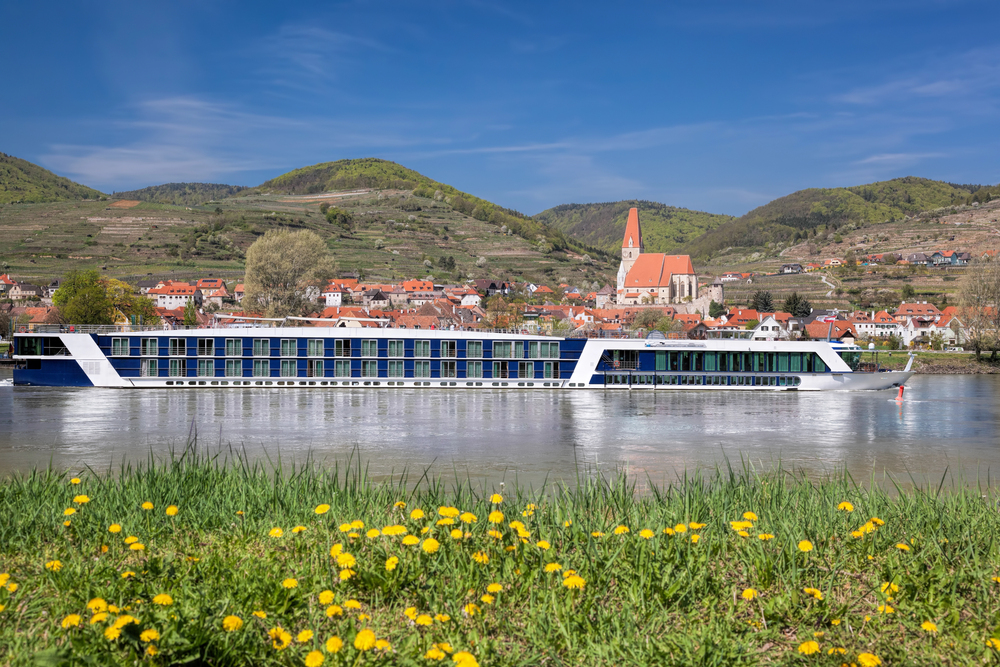
Steep vineyard terraces rise dramatically from the Danube River around this perfectly preserved medieval village in the Wachau Valley. Ancient wine cellars carved into hillsides still store the region’s famous white wines, while traditional heurigen taverns offer tastings in atmospheric settings. The village church’s fortified tower speaks to turbulent medieval times when river communities needed protection from invaders.
Spitz
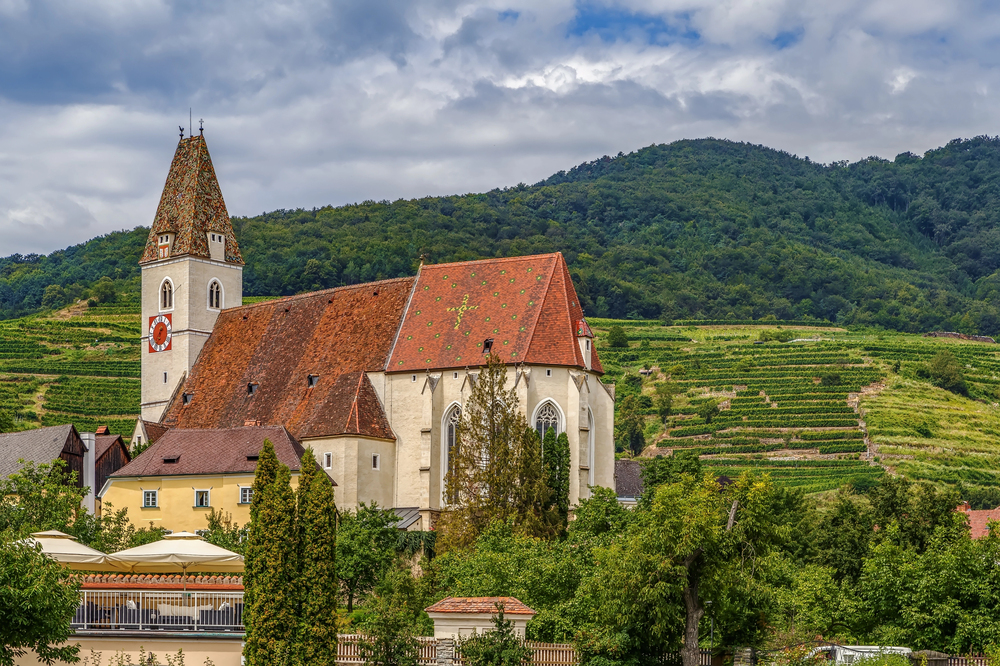
Medieval buildings cluster around a hilltop church in this wine-growing village, where terraced vineyards create striking geometric patterns across steep valley slopes. The Thousand Bucket Hill gets its name from the exceptional wine harvest it can produce in good years. River cruise ships dock regularly, but the village maintains its authentic character beyond the tourist season.
Like Travel Pug’s content? Follow us on MSN
Austria’s timeless mountain magic
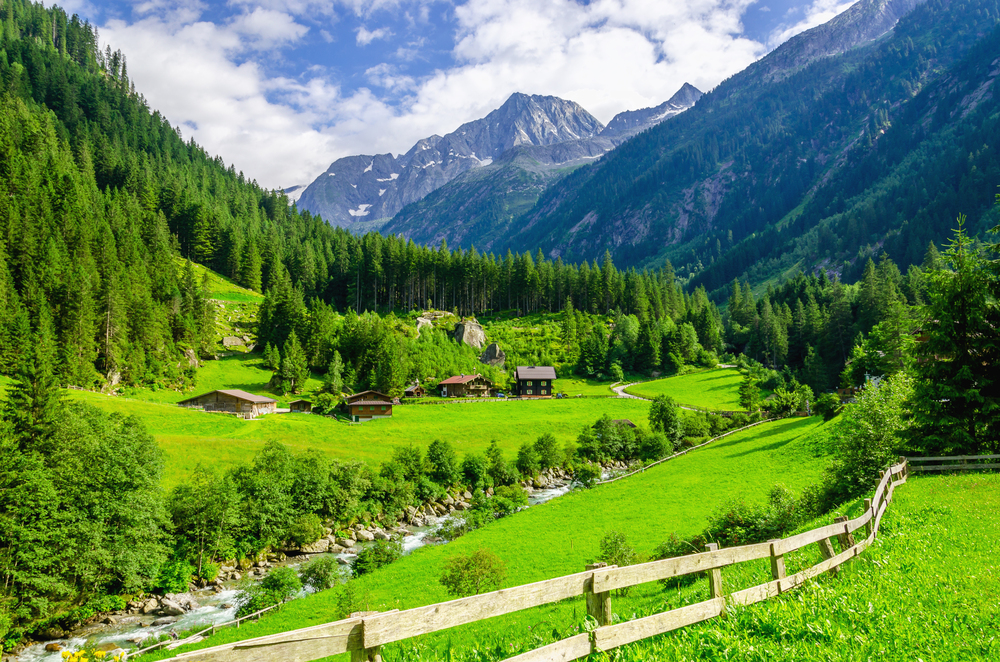
These mountain towns are something beyond just tourist attractions — they’re functioning museums where Alpine culture still flourishes amidst awe-inspiring natural beauty. Each town has learned to balance modern-day tourism with the true, original character that makes it unique, be it medieval buildings, traditional craftsmanship, or centuries-old customs of hospitality. Their serene, unhurried rhythm, contrasting with the dramatic mountain scenery, induces a near-healing experience for travelers from dynamic urban settings.
While others have become globally renowned, a few remain charmingly off the beaten track, promising chances to observe true Austrian mountain society. Collectively, they demonstrate why Austria’s mountainous areas remain so alluring to tourists in search of both nature and cultural authenticity in an increasingly generic world.
More from Travel Pug

- 20 Best Beach Towns in the Carolinas
- 13 Destinations Where Tourists Regularly Regret Their Trip
- 20 Things You Actually Get in First Class
- 20 Small Airports With Aviation Museums
- 20 Places in the U.S. That Are Perfect for a Reset Trip
Like Travel Pug’s content? Follow us on MSN