

Within 0.17 square miles live just under 800 residents and treasures that have shaped human civilization for over 1,600 years. Behind these ancient walls stretch 53 miles of archival shelving holding secrets spanning 12 centuries. Below are the sacred spaces, artistic masterpieces, and restricted areas that make Vatican City the world’s most fascinating microstate.
Sistine Chapel
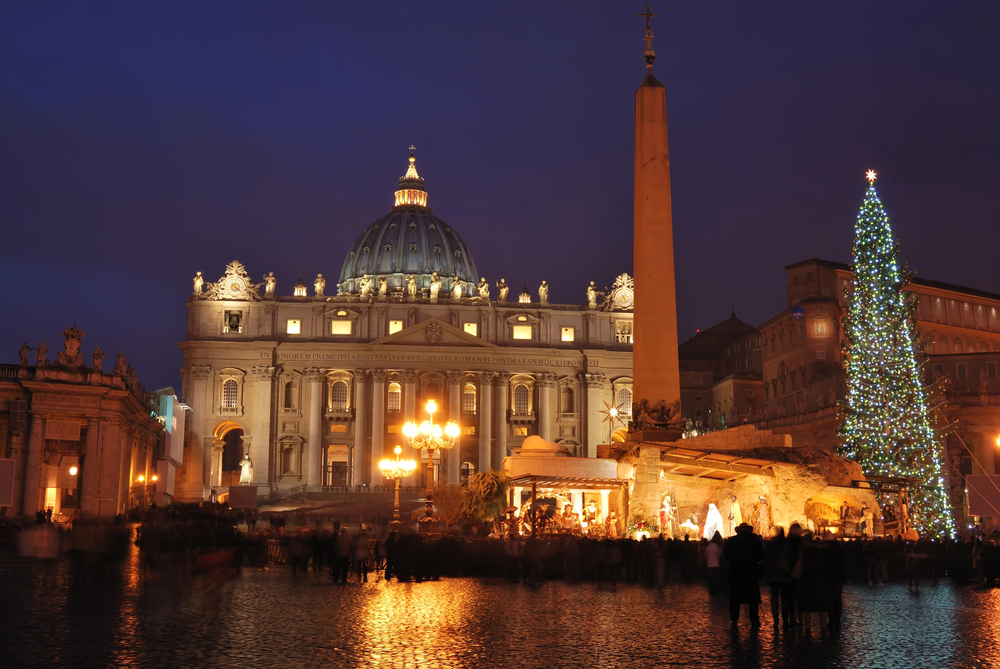
The ceiling depicts all the major scenes from the Old Testament, painted by Michelangelo between 1508 and 1512. The chapel takes its name from Pope Sixtus IV della Rovere, who commissioned the restoration of the ancient Magna Chapel between 1477 and 1480.
When the painting was unveiled, many were shocked by the amount of nudity. Biagio da Cesena, a Cardinal, said this was better suited for a tavern than the holy chapel of the pope. Michelangelo’s response? He painted the Cardinal’s face on the devil in The Last Judgment. Vatican security patrols the room to prevent photography and watch for pickpockets.
St. Peter’s Basilica
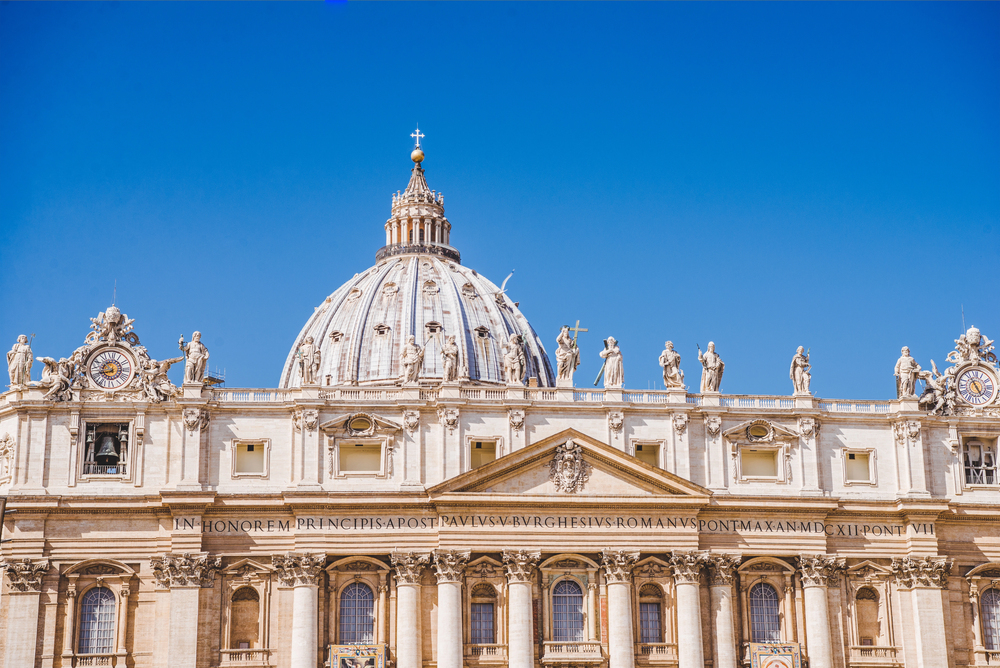
Saint Peter’s Basilica is a Renaissance-era church and by many standards, the world’s largest. Not technically. The Vatican is a basilica but not a cathedral, as it does not have its own bishop.
The main cathedral of the “Bishop of Rome”, as the pope is called, is San Giovanni in Laterano, or Saint John in Lateran. But the basilica’s dome offers Rome’s most spectacular views for those brave enough to climb 551 steps.
Vatican Museums
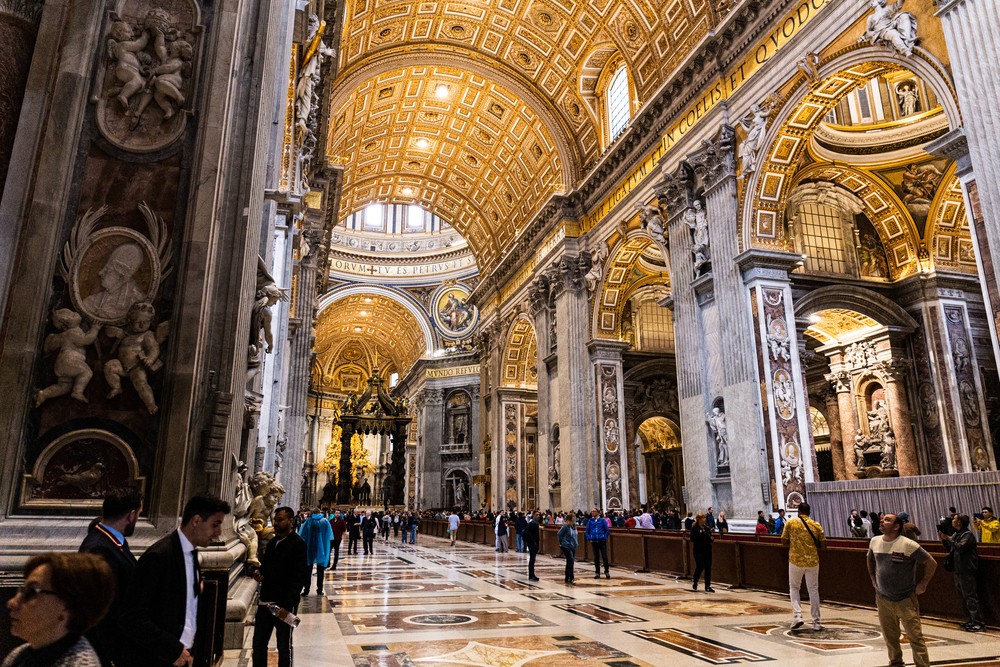
— Photo by IgorVetushko
Nine miles of hallways house the world’s largest private art collection. The Vatican Museum contains the world’s largest private art collection, and much of the art they own is not even on display. They are called “museums” plural because they were started in 1506 and have been added to many times over the centuries.
The collections include the Museo Pio Clementino, where you can find the most famous examples of ancient sculpture, such as the Apollo of Belvedere, the Laooconte group and the Belvedere Torso. The scent of centuries-old marble dust lingers in these galleries.
Raphael Rooms
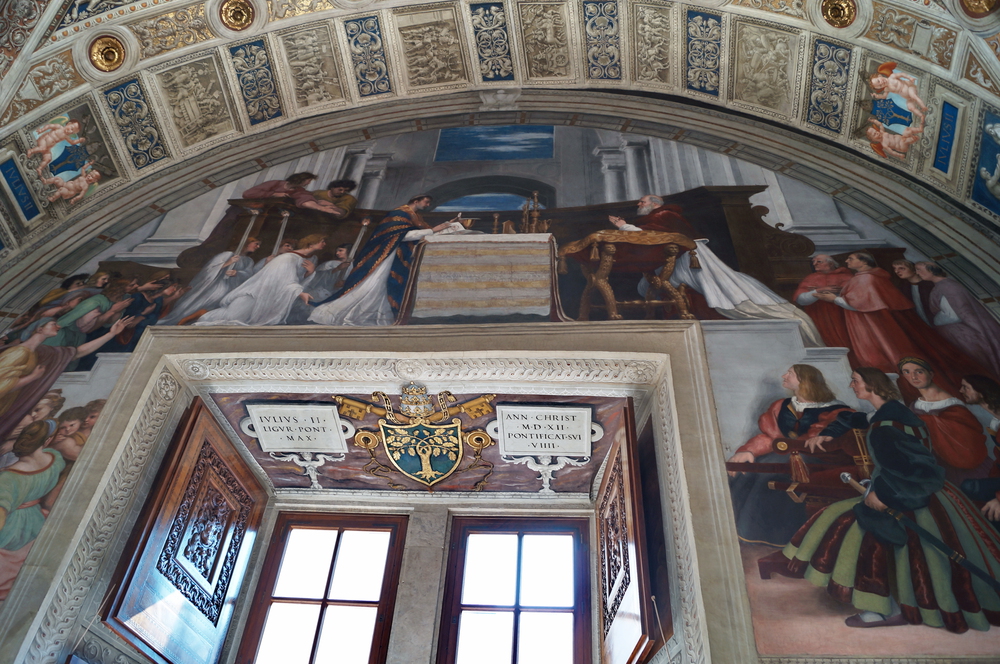
— Photo by sansa55
The Raphael Rooms showcase intricate frescoes that rank among the museum’s most impressive spaces. These intricate frescoes were commissioned by Pope Julius II, still thrumming with power and grace. Four rooms showcase Raphael’s genius, including the famous School of Athens.
And unlike the Sistine Chapel, photography is allowed here. The rooms served as the papal apartments when Julius II refused to live in the same spaces as his predecessor, Alexander VI Borgia.
St. Peter’s Square
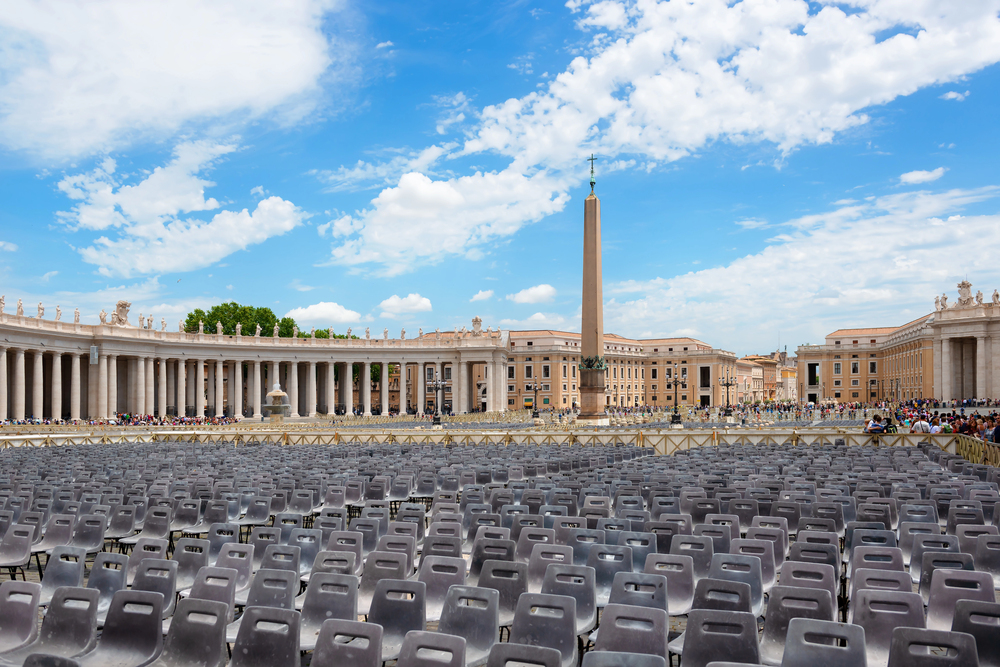
— Photo by Givaga
Built by the master genius Gian Lorenzo Bernini, St. Peter’s Square is one architectural wonder. With its magnificent colonnades and a giant central obelisk, it must be one of the most photographed places in the Vatican.
The obelisk is Egyptian and was placed in the ancient Circus of Caligula. In 1586, it was moved from its original place by Domenico Fontana on the orders of Pope Sixtus V. Moving a 25-ton granite monument without modern machinery? Impressive doesn’t begin to cover it.
Vatican Necropolis
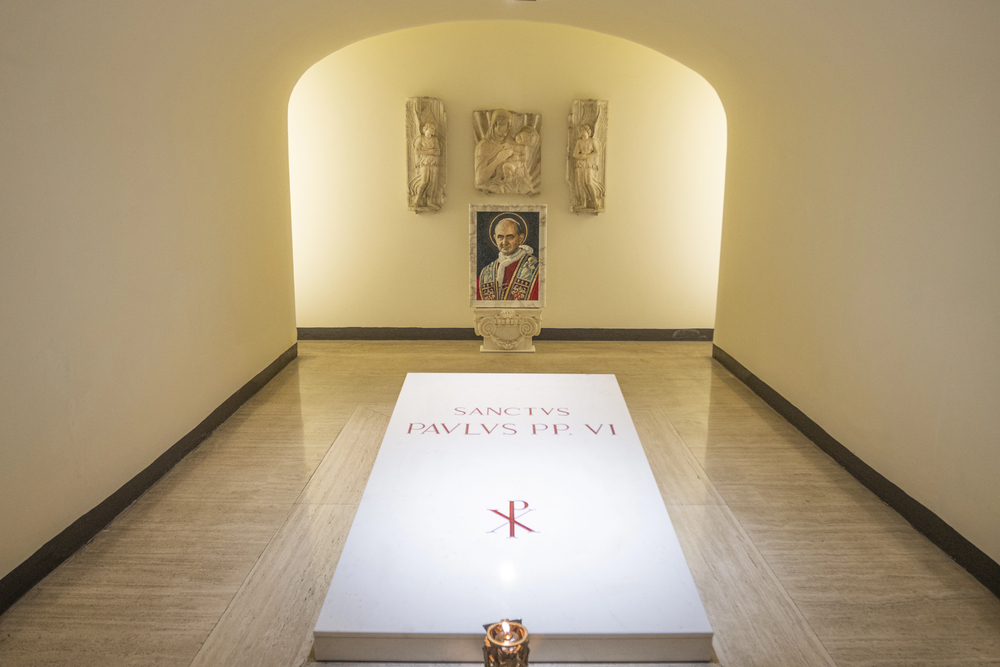
— Photo by ABBPhoto
The Vatican Necropolis lies underneath Vatican City, containing tombs dating from the first to fourth century AD, at depths varying between 5 and 12 meters below Saint Peter’s Basilica. Only 250 visitors per day are allowed access. This is where the Apostle Peter was buried after his martyrdom in the Circus of Nero.
The area below the basilica was considered too cramped to move around until contractors started working to create more space and discovered Roman tombs, shrines, buildings and more. The most exclusive underground experience in Rome.
Vatican Gardens
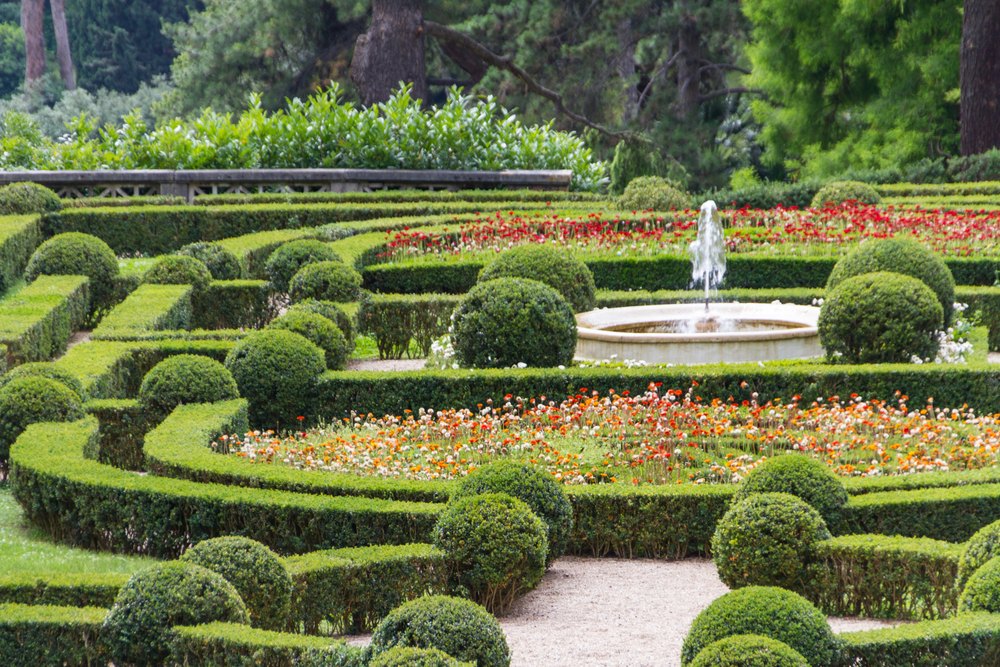
The Vatican Gardens are a group of gardens and parkland located adjacent to the Vatican Museums covering approximately 57 acres of area, filled with a wide variety of plant species, including flowers, trees, and shrubs from all over the world.
Covering nearly half of Vatican City, this oasis is home to Renaissance fountains, hidden shrines, and beautifully maintained botanical paths. A walking meditation through centuries of papal leisure.
Pinacoteca
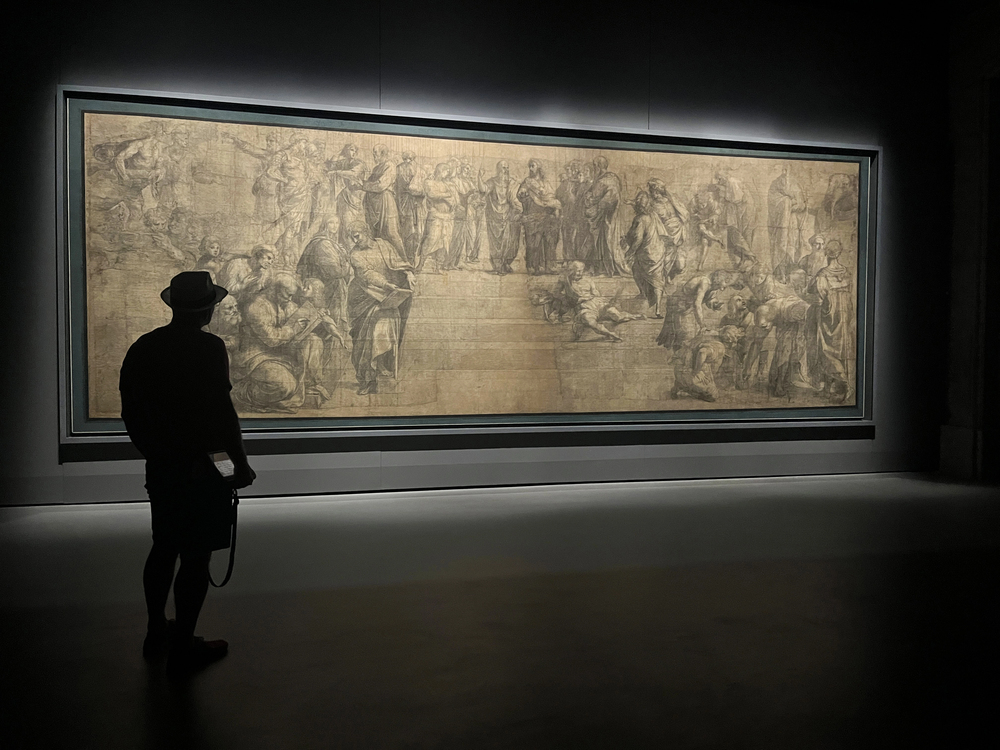
— Photo by vampy1
The Vatican’s art gallery—the Pinacoteca—is often overlooked. This tranquil section houses masterpieces by Leonardo da Vinci, Caravaggio, Raphael, and Giotto, displayed in a space that allows for quiet contemplation.
While tourists crowd the Sistine Chapel, art lovers discover peace among Caravaggio’s dramatic shadows here. Da Vinci’s unfinished St. Jerome hangs in relative solitude.
Gallery of Maps
— Photo by Prostock
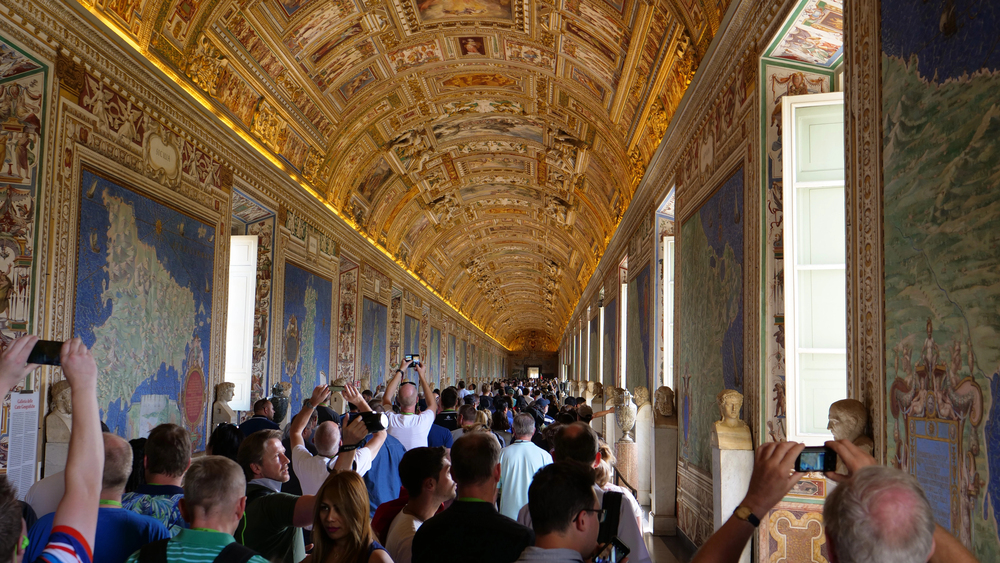
The Gallery of the Geographical Maps, with 40 frescoes dedicated all over Italy, painted in 1580-83. The Gallery of Maps contains more than 40 maps of Italy, painted on the walls by Ignazio Danti in the 16th century. Visitors often consider this one of the Vatican Museums’ most captivating sections.
Each map represents a different region of Italy as it existed four centuries ago. Still accurate. The ceiling frescoes depict historical events from each region.
Vatican Apostolic Archives
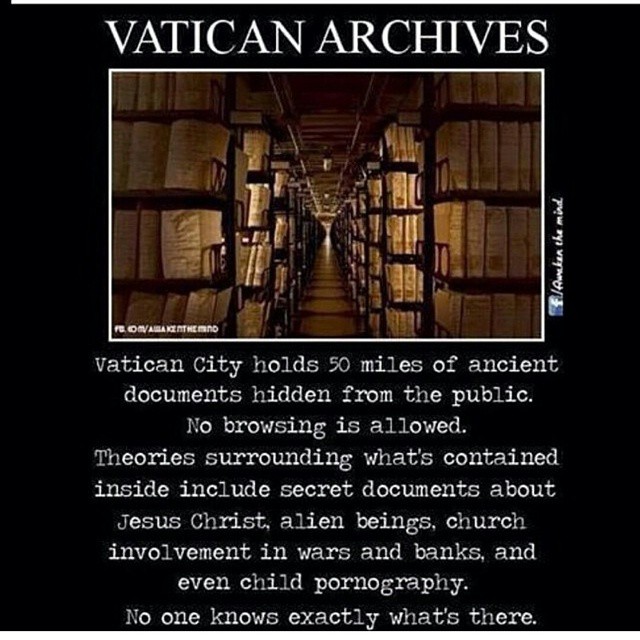
The Vatican Apostolic Archive has been estimated to contain 52 miles of shelving, with 35,000 volumes in the selective catalogue alone. They contain over 50 miles of shelving with records dating back to the 8th century, including papal correspondence, diplomatic treaties, internal Church memos, and personal letters from historical figures.
Notable documents include Henry VIII of England’s request for a marriage annulment, a handwritten transcript of the trial of Galileo for heresy, and letters from Michelangelo complaining he had not been paid for work on the Sistine Chapel. Access requires advanced degrees and approved research proposals.
Apostolic Palace
— Photo by mychadre77
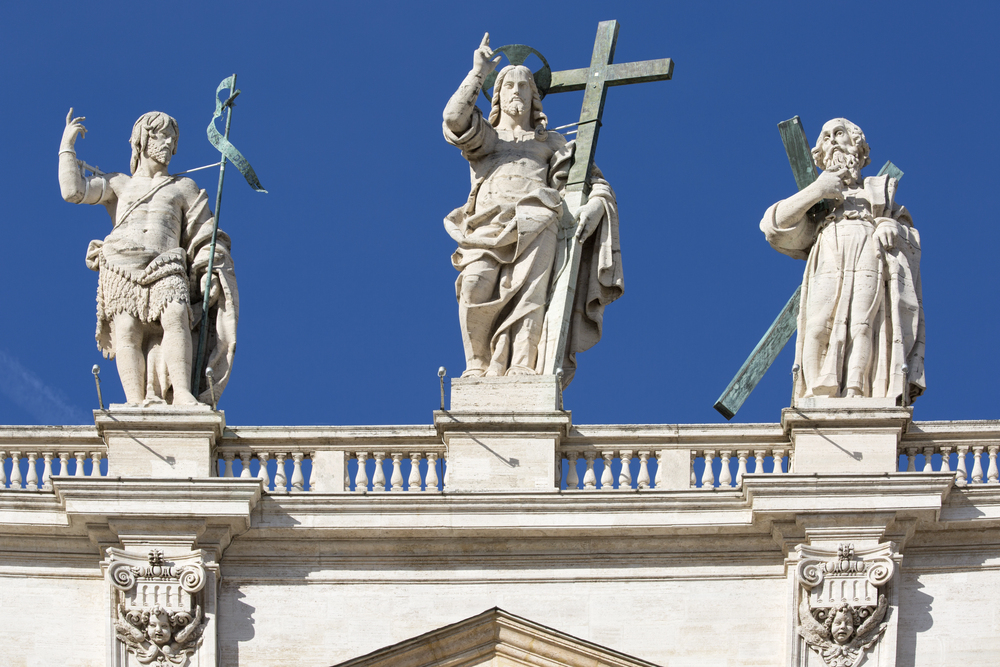
The Apostolic Palace—also known as the Palace of the Vatican or the Papal Palace—is the official residence of the Pope and the beating heart of the Roman Catholic Church’s spiritual and administrative leadership. It’s a labyrinth of chapels, libraries, and private apartments that have been used by popes for centuries.
That window from which the Pope addresses crowds? It belongs to the Papal Apartments in the Apostolic Palace. Most areas remain off-limits to tourists.
Niccoline Chapel
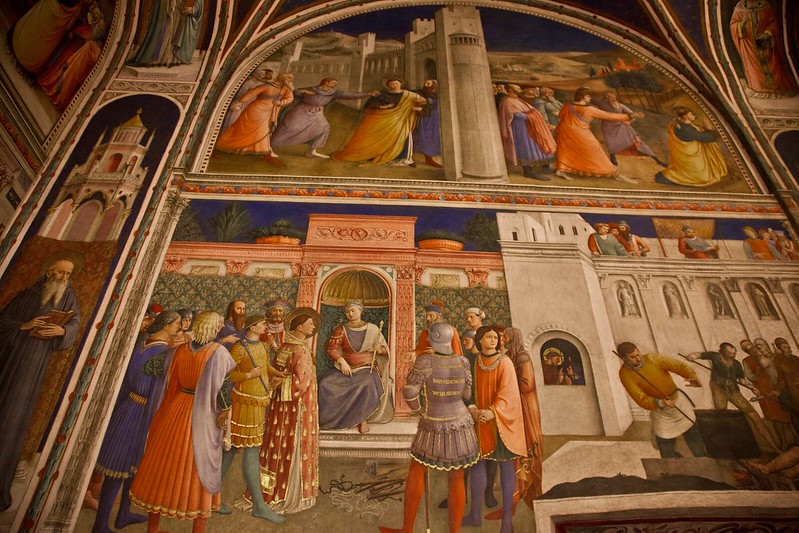
The Niccoline Chapel is a chapel in the Apostolic Palace inside Vatican City. The chapel is a small jewel, in part because of the stunning, well-preserved frescos by Fra Angelico (1447–1451). Pope Nicholas V had it built for use as his private chapel.
The frescoes by Fra Angelico are the only remaining works by the artist from his 5 years in papal service 1445 and 1449. Hidden within the Tower of Innocent III, the most ancient part of the palace.
Bramante Staircase
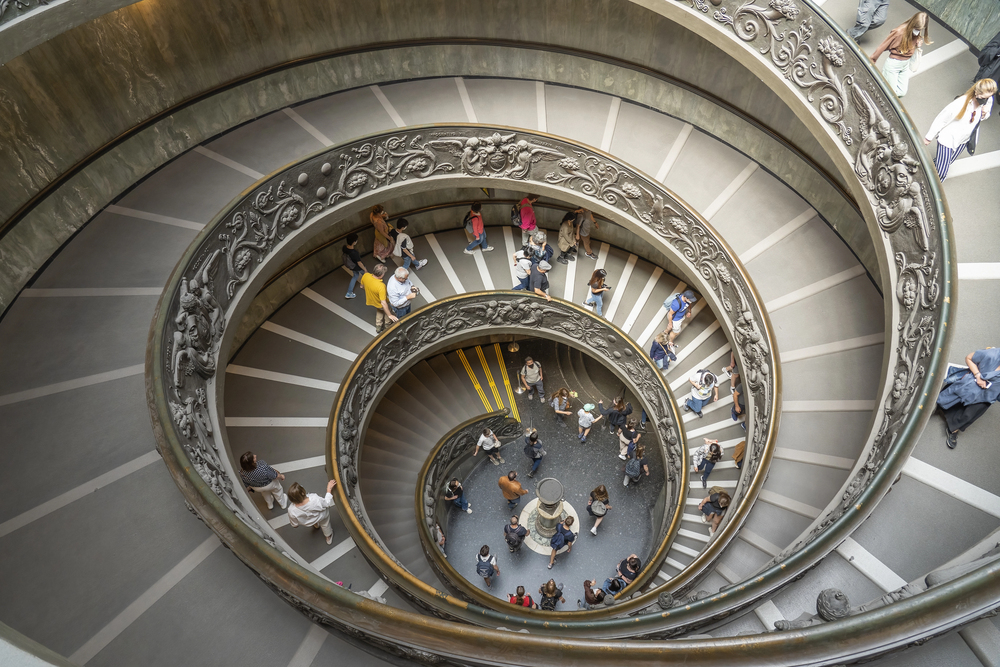
This double-helix staircase was designed by famed Renaissance architect Donato Bramante in 1505. You can only see it if you take a special Vatican Secret Rooms tour. This would allow people (and animals) to ascend and descend without running into each other.
Just 3 years after its completion, in 1508, Michelangelo would begin using this staircase to access the Sistine Chapel he’d been ordered to paint. A DNA-shaped marvel predating the discovery of DNA by centuries.
Vatican Grottoes
— Photo by ABBPhoto
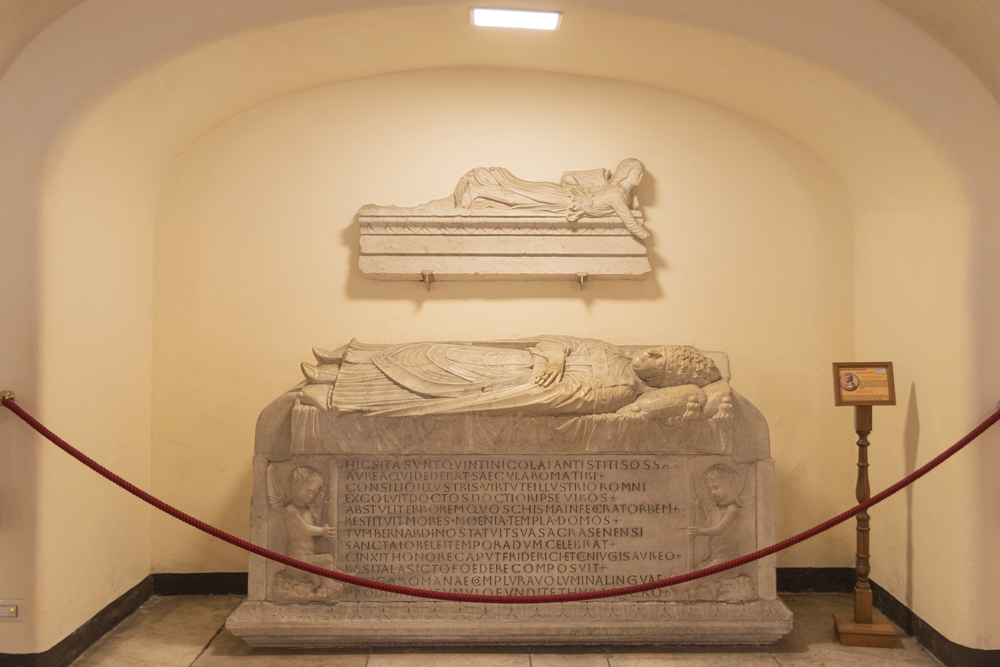
The Vatican Grottoes are not to be confused with the Vatican Necropolis, as the former resulted from the construction of St. Peter’s Church and is located on the ground level of the old Constantinian basilica. Praying by the tomb of St John Paul II is a spiritual journey.
Papal tombs line these underground chambers. The atmosphere here whispers centuries of reverence. Many tourists miss this entirely, rushing from basilica to museums.
Gallery of Tapestries
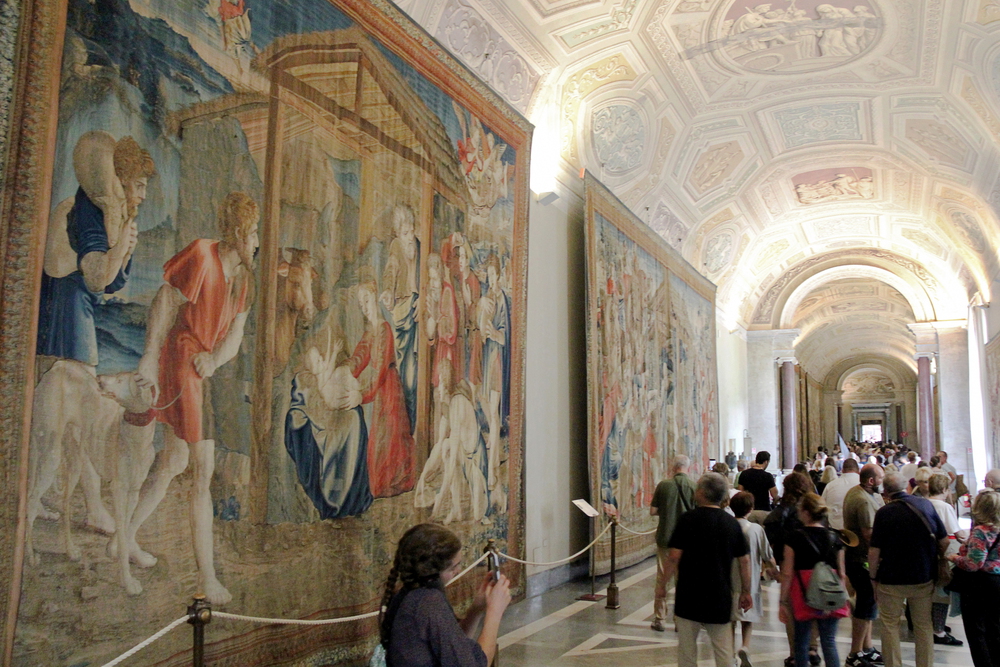
— Photo by AngelaCiniVatican City, Vatican – September 15 2022: Gallery of the Tapestries Inside of the Vatican Museums, Rome, Italy.
The Gallery of the Tapestry, with tapestries of Roman and Flanders manufacture. Walk through immersive corridors that symbolize military conquests and biblical visions. Flemish weavers created these massive textile masterpieces in the 16th century.
Here’s the fascinating detail: the eyes in these tapestries appear to follow you as you move. Optical illusion? Or masterful artistry? The debate continues.
Castel Sant’Angelo
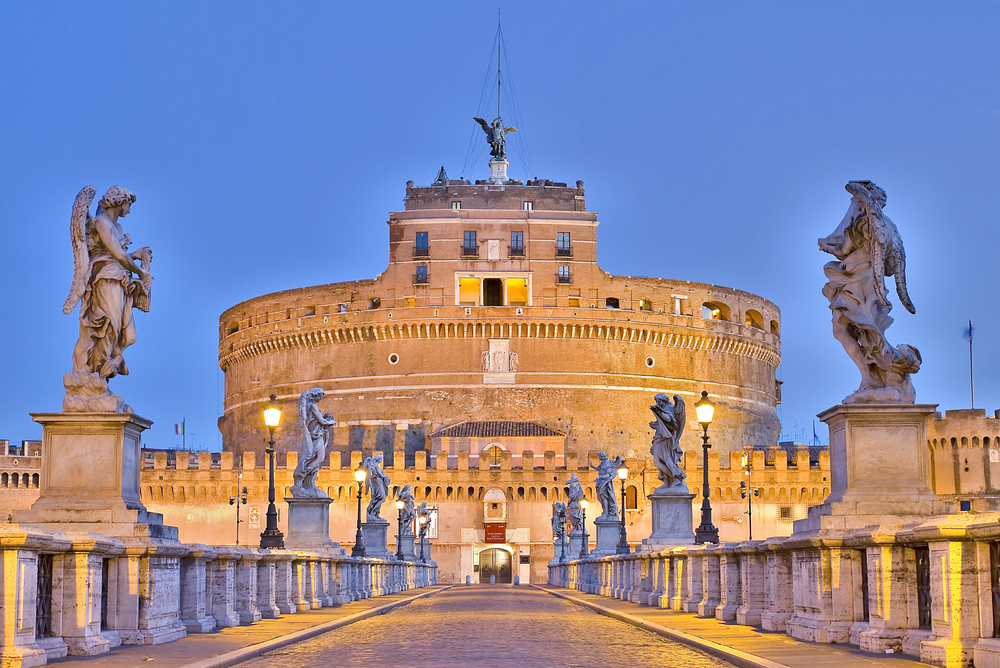
Although located just outside Vatican walls, Castel Sant’Angelo is closely tied to Vatican history. Castel Sant’Angelo has served two main purposes over its nearly 2000-year-old existence. It was constructed in the 2nd century A.D. to act as a mausoleum for the Roman emperor Hadrian.
The Passetto di Borgo is a wall next to the street. On top of the wall is a passageway where the Pope or members of the clergy can walk to get to the fortress Castel Sant’Angelo. The wall is just over 2600 feet long and could provide safe passage for the Pope in times of attack.
Egyptian Museum
— Photo by dan.grytsku.gmail.com
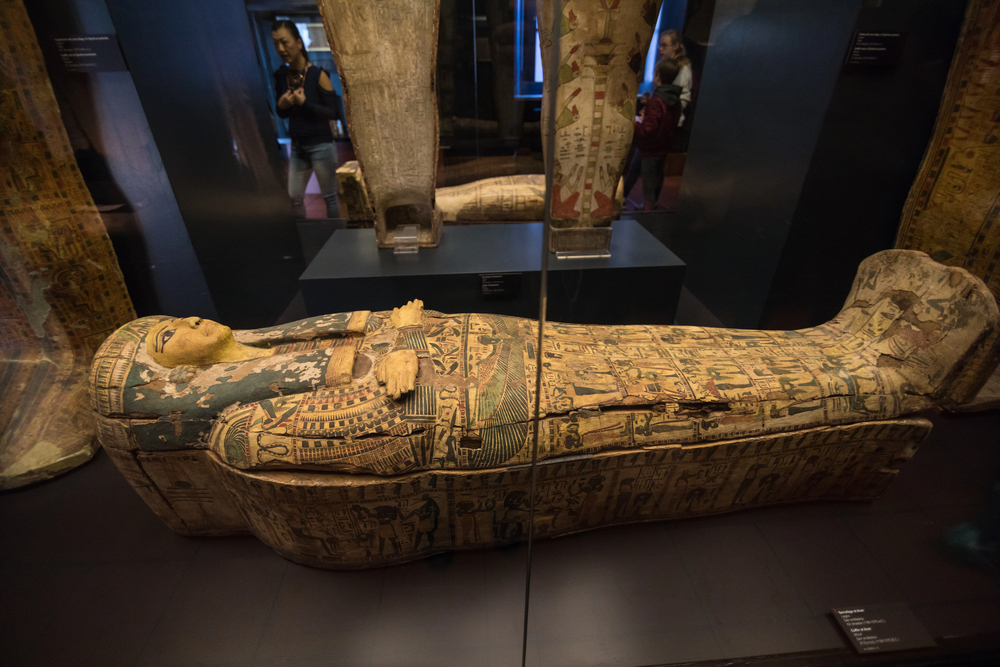
The Egyptian Wing of the Vatican Museums often remains surprisingly uncrowded because it sits off the typical walking itinerary through the museums. Ancient Egyptian artifacts collected by 19th-century popes fascinated with archaeology.
Mummies, sarcophagi, and hieroglyphic tablets occupy these quiet halls. The lighting is deliberately dim to protect ancient materials. Most visitors walk right past this entrance without noticing.
Beyond the walls
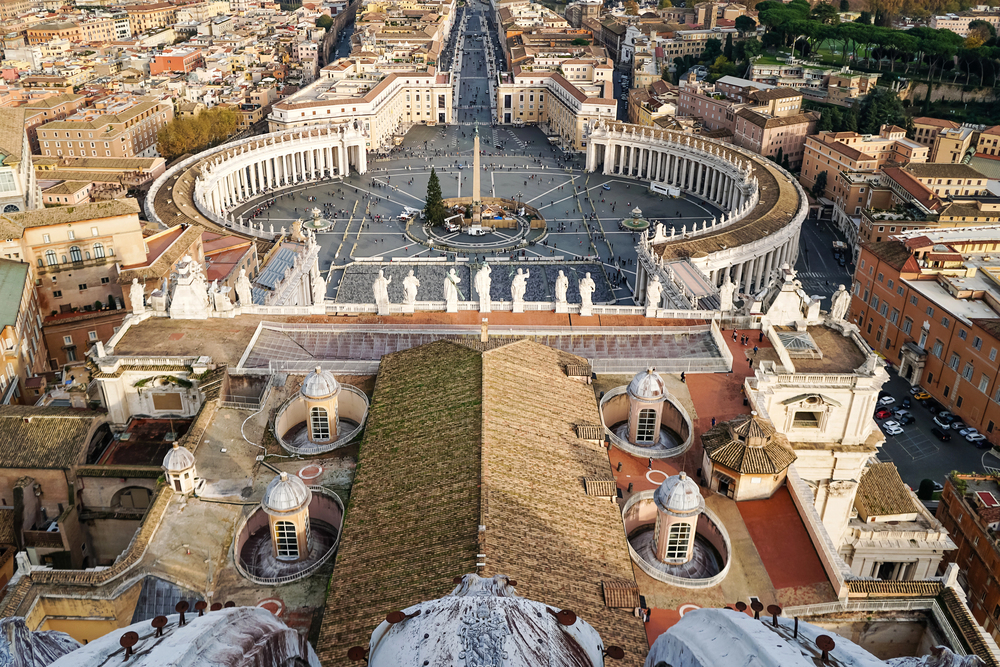
The Vatican City is the smallest country in the world and a sovereign nation completely encircled by walls. Inside those walls are wonders beyond belief. Faith built these monuments. Frescoes cover every surface. And forbidden doors still guard secrets that may never be revealed.
The more the Vatican reveals, the more we realize what’s still hidden. Some mysteries are meant to endure.
More from Travel Pug

- 20 Best Beach Towns in the Carolinas
- 13 Destinations Where Tourists Regularly Regret Their Trip
- 20 Things You Actually Get in First Class
- 20 Small Airports With Aviation Museums
- 20 Places in the U.S. That Are Perfect for a Reset Trip
Like Travel Pug’s content? Follow us on MSN.